Category
Lighting
Prompt keywords for shaping light direction, quality, glow, and photographic drama.
What Lighting Prompt Keywords Mean
What this category means
Lighting prompt keywords describe where light comes from, how soft or hard it feels, and how strongly it shapes the subject. They help translate photographic and cinematic lighting language into practical AI image instructions.
Why it matters for AI image prompting
Light controls mood, depth, realism, and visual hierarchy. A clear lighting cue can make a generic image feel intentional, premium, emotional, or editorial without changing the subject.
When to use this category
Use lighting keywords when an image feels flat, when the subject needs stronger focus, or when you want a specific mood such as warm, dramatic, clean, mysterious, or commercial.
Prompt Pattern
Use this as a starting structure, then swap in specific keywords from the category below.
Start Here
Popular Keywords in this Category
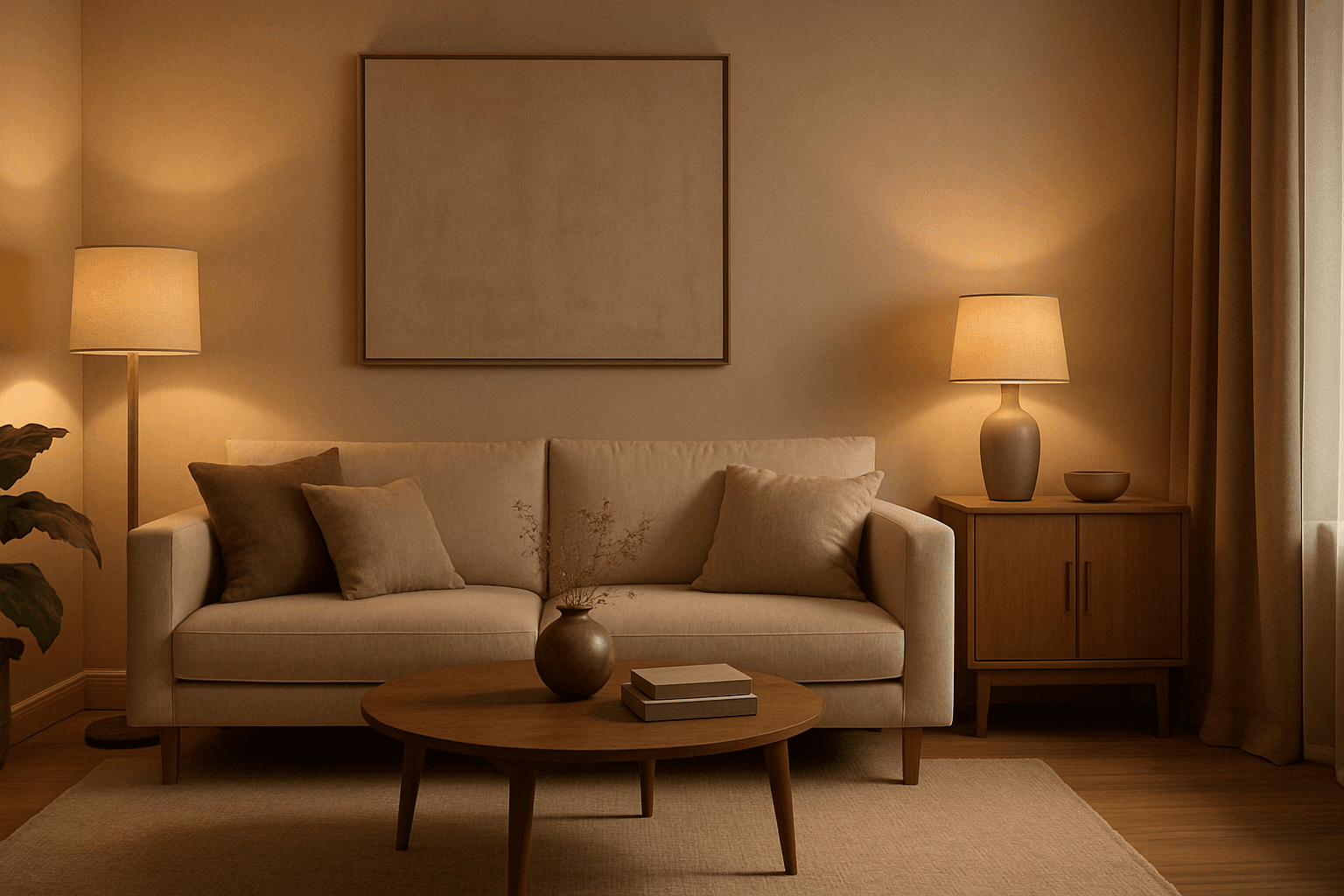
Ambient Light Effects
Ambient Light Effects in AI-generated images create a harmonious and natural lighting environment that enhances realism and mood without overpowering contrasts. This lighting type softly bathes scenes in diffuse light, mimicking the effect of indirect sunlight or overcast skies. By integrating ambient light into prompts, users can achieve visuals that feel authentic and immersive, ideal for scenes requiring subtle illumination or a calm atmosphere. This approach minimizes harsh shadows and bright spots, yielding images with smooth gradations and an understated elegance. The result is a balanced exposure that allows textures and colors to appear true to life, enhancing the viewer’s emotional connection.
View keyword
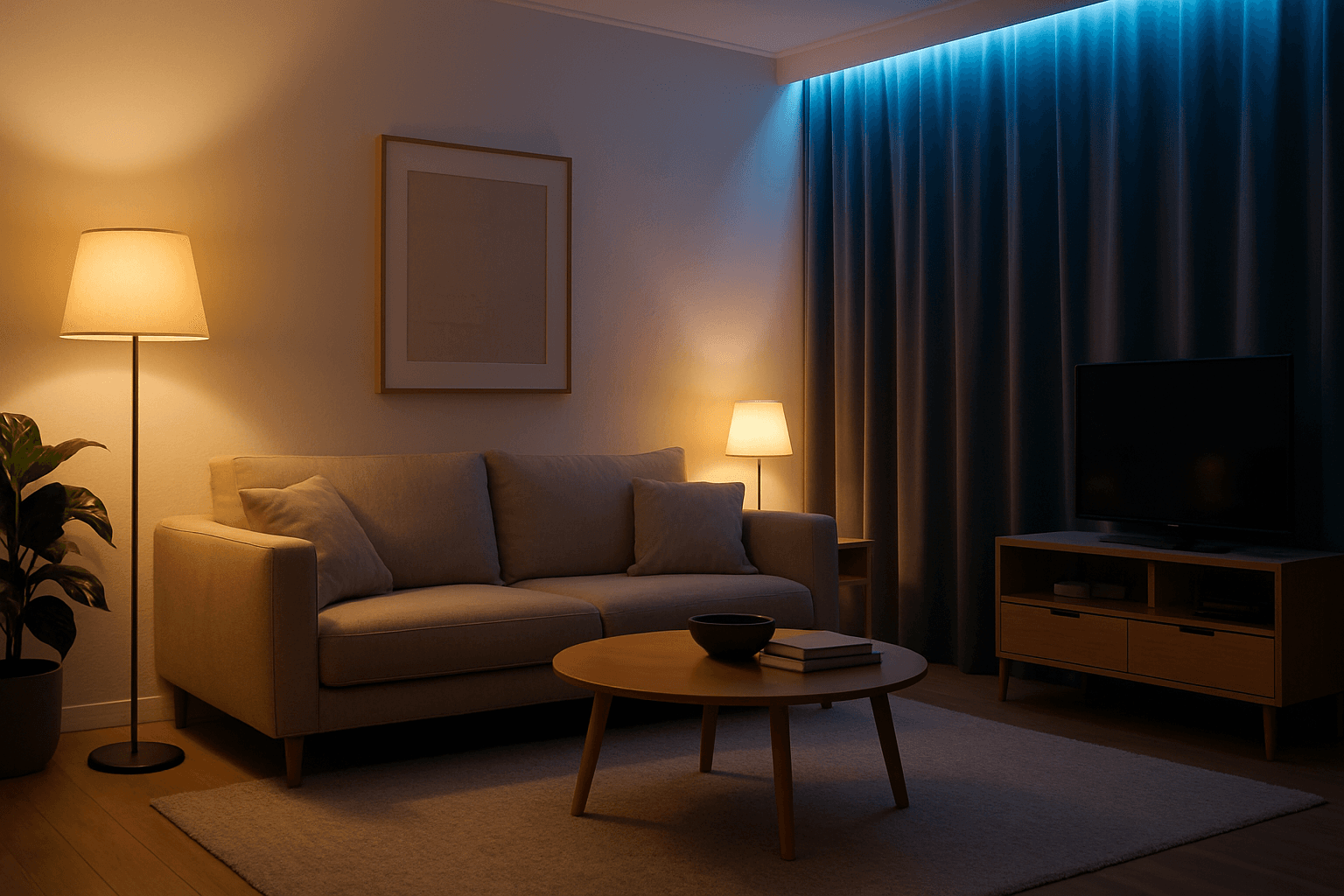
Artificial Light Balancing
Artificial Light Balancing is a key technique for AI-generated images that simulates the harmonious interplay of multiple artificial lighting sources. Proper balancing ensures the scene does not appear overly exposed, flat, or unevenly lit. This approach helps AI models render depth, texture, and mood accurately, making visuals suitable for professional uses like advertising, interior design, and editorial photography. By emphasizing control over light color temperature, intensity, and angle, this keyword enhances realism and artistic quality in artificial light environments.
View keyword
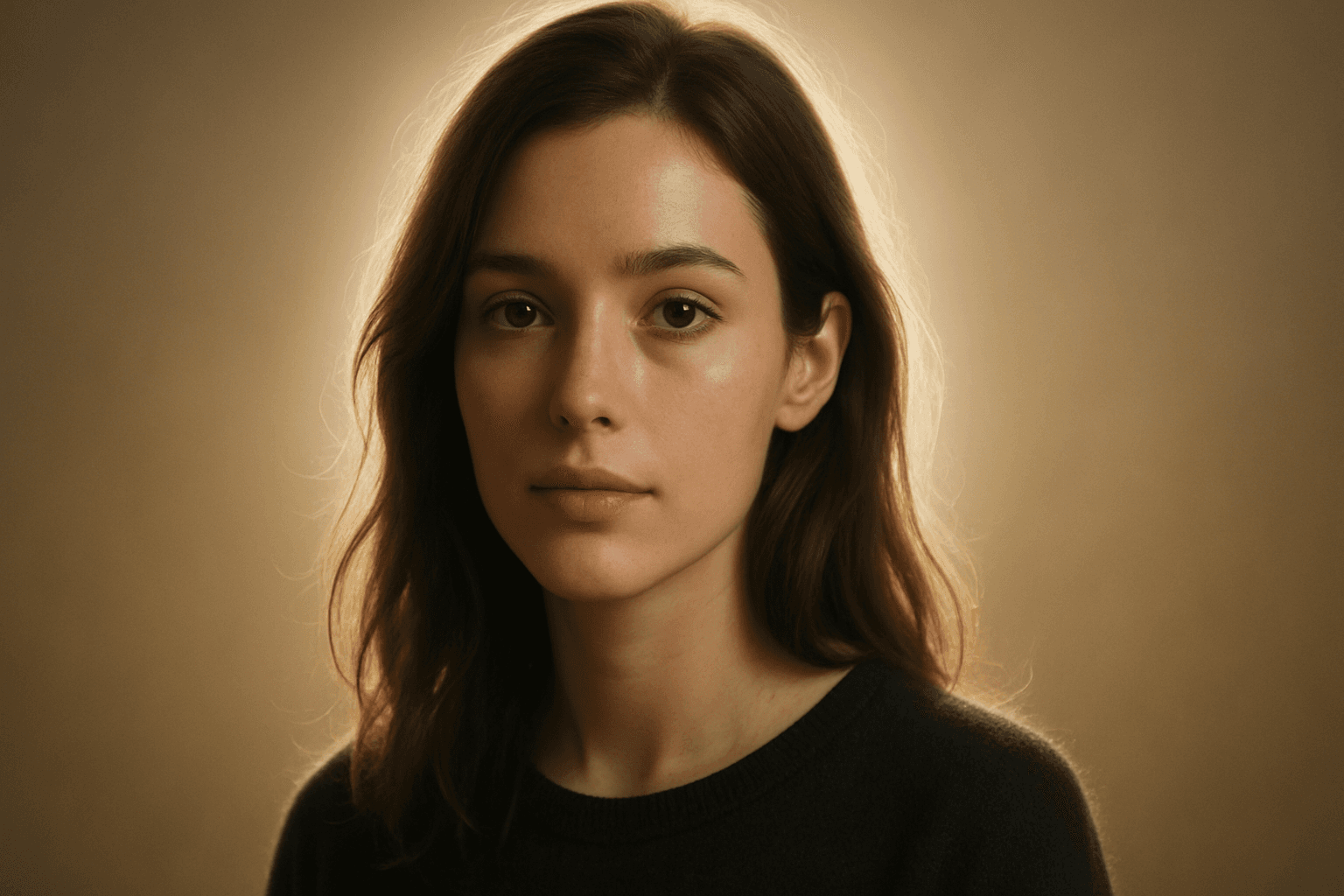
Backlight Glow Effect
The Backlight Glow Effect is a powerful lighting feature that adds a striking, luminous outline to subjects by simulating a light source positioned behind them. In AI image generation, specifying this effect helps create images with enhanced spatial separation, subtle highlights, and atmospheric mood. It is a popular choice for editorial, portrait, fashion, and product photography styles, especially when a clean yet visually dynamic aesthetic is desired. This effect captures the modern preference for refined, realistic lighting setups that emphasize texture and form without overpowering the composition.
View keyword
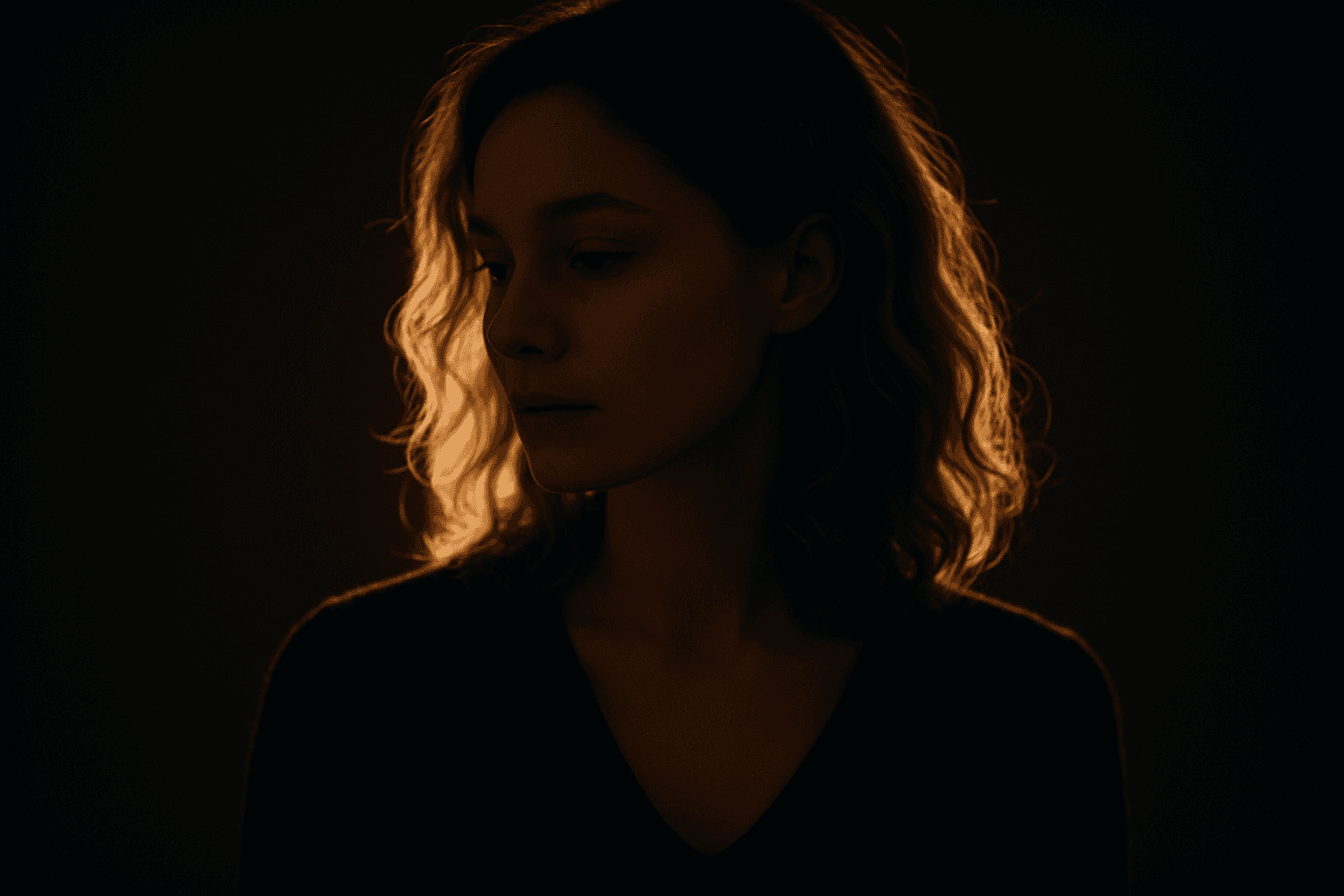
Backlit Rim Lighting
Backlit Rim Lighting offers a striking way to emphasize shapes and contours by placing light sources behind the subject. This technique casts a luminous halo or rim around the edges, enabling clear subject separation from backgrounds even if they are dimly lit. In AI-generated images, prompts including this term encourage models to simulate realistic lighting setups that heighten drama, depth, and visual interest. Artists and photographers often use this style to evoke mood or highlight subject textures through translucent or reflective surfaces. Incorporating Backlit Rim Lighting in image generation can instantly transform compositions, lending premium polish suitable for editorial, cinematic, and commercial visuals.
View keyword
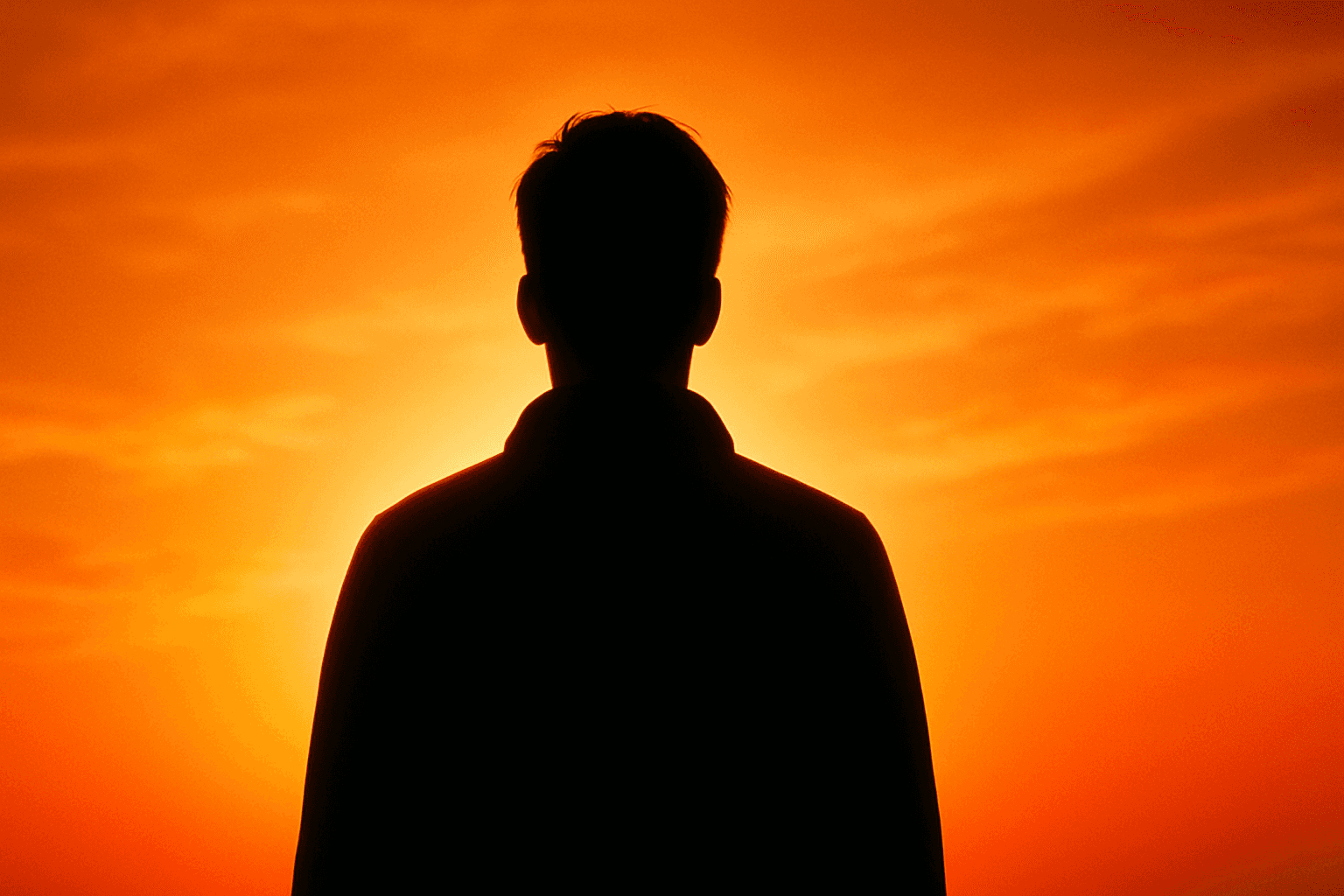
Backlit Silhouette Lighting
Backlit silhouette lighting creates dramatic imagery by placing the primary light source behind the subject, effectively hiding most or all of the subject's front details and emphasizing its outline. This technique adds mood and mystery to images, making objects or figures appear as bold, graphic shapes against luminous backgrounds. When incorporated into AI prompts, it guides the model toward producing compositions with strong contrast and minimal front-facing detail, perfect for evocative storytelling and artistic expression.
View keyword
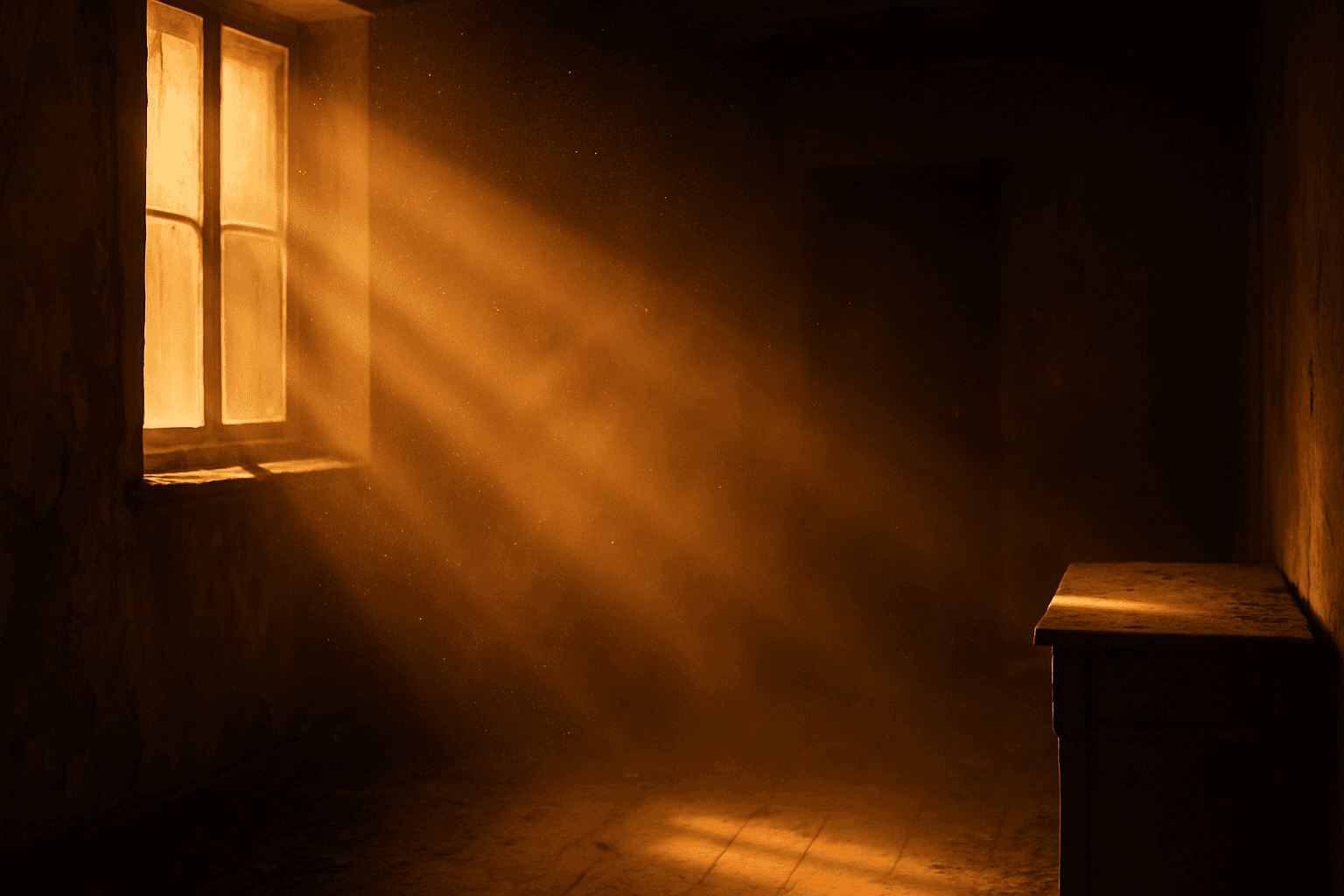
Backscatter Lighting Effect
The Backscatter Lighting Effect simulates light interacting with airborne particles, typically seen as glowing halos or fog-like glimmers surrounding light sources. This effect provides images with a vivid sense of atmosphere and environmental depth, often enhancing moodiness and realism. When used in AI prompts, it guides models to replicate this physical light interaction, making scenes feel more immersive and cinematic. This effect is especially impactful in scenes with fog, smoke, dust, or mist, emphasizing details that evoke senses of environment and ambience. It’s widely employed in photography, film, and digital art to enrich the visual storytelling experience.
View keyword
How to Use This Category
- Pair one primary lighting keyword with a direction, such as side light, backlight, or overhead studio light.
- Add shadow language to control intensity: soft shadows, crisp shadows, gentle falloff, or high contrast.
- Use lighting with atmosphere keywords when you want visible beams, glow, haze, or cinematic depth.
- Avoid stacking too many competing light directions in one prompt; one clear setup usually produces cleaner results.
All Lighting Keywords
Browse the full set of published PromptAtlas keywords in this topic area.
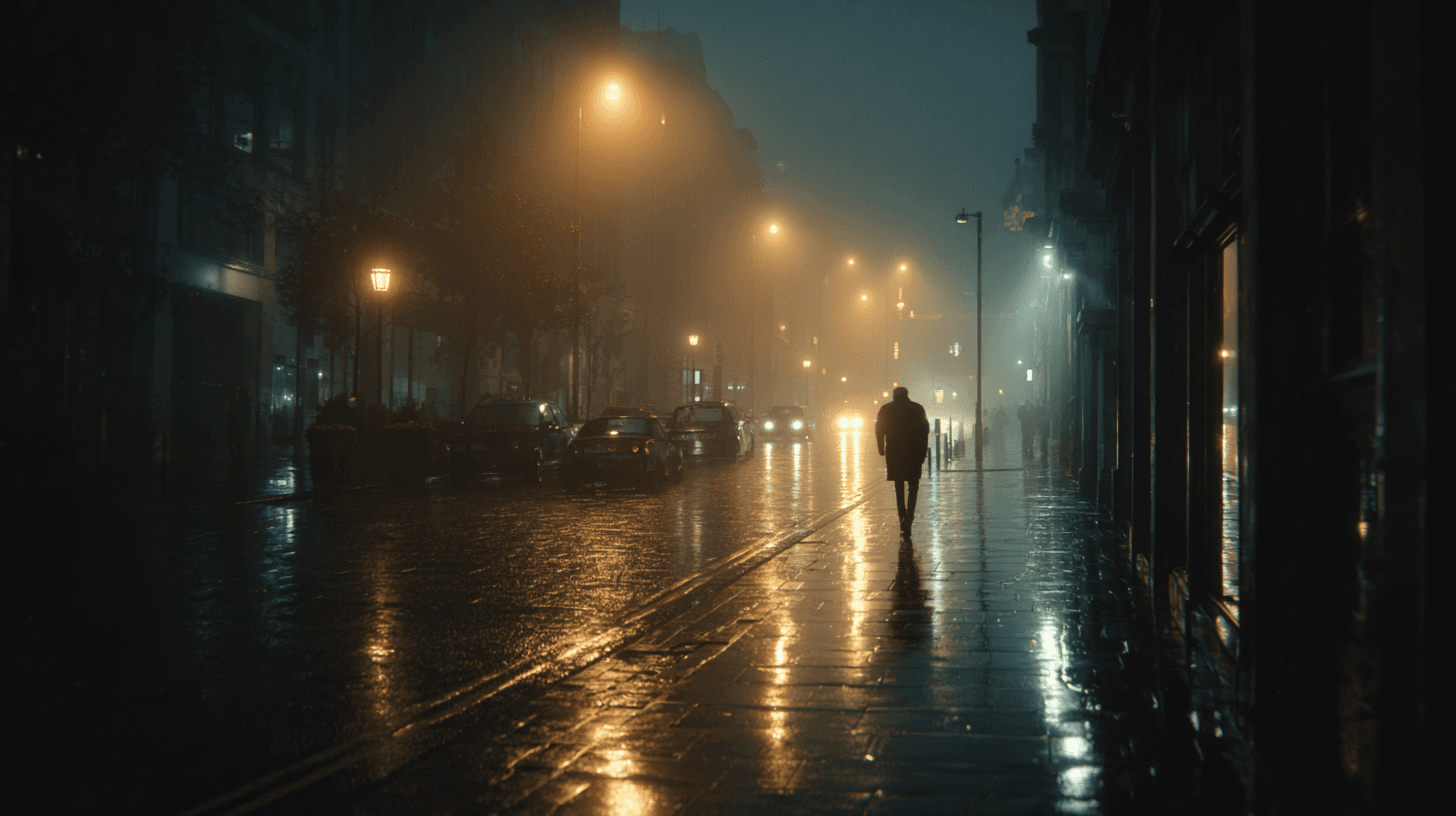
Cinematic Lighting
Cinematic Lighting is one of the most useful prompt keywords for making AI-generated images feel intentional, polished, and story-driven. Instead of asking for a flat, evenly lit image, this keyword signals that the scene should feel as if it was lit for a film, commercial, or high-end editorial shoot. The result often includes stronger direction in the light source, more purposeful shadows, richer contrast, and a clearer sense of atmosphere. For beginners, it is a reliable way to move an image away from a generic render and toward something that feels composed, dramatic, and visually memorable.
View keyword
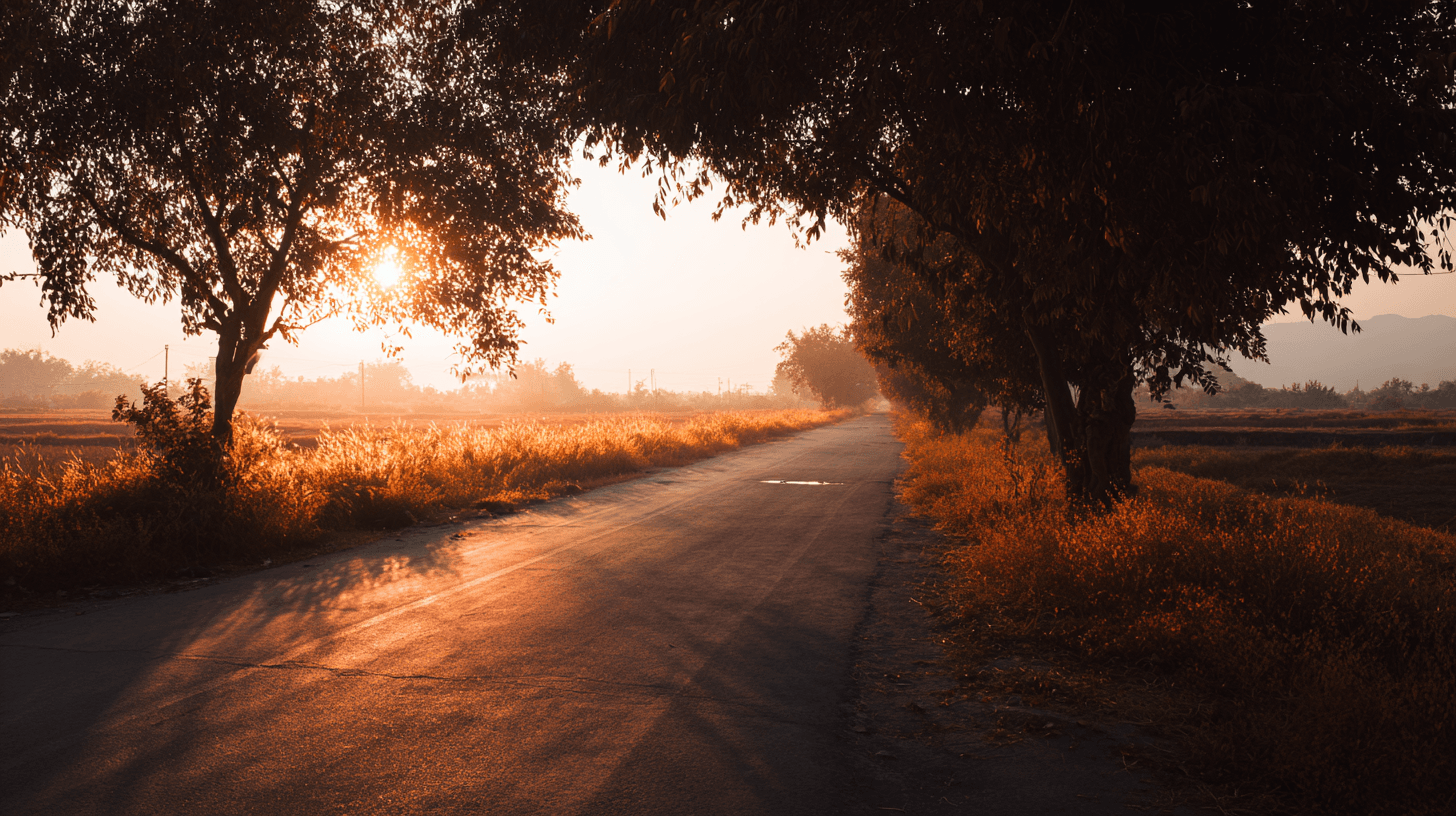
Golden Hour
Golden Hour is a lighting keyword that refers to the warm, low-angle sunlight shortly after sunrise or shortly before sunset. In AI image prompts, it is one of the easiest ways to make a scene feel natural, emotional, and commercially appealing. The light is usually softer than midday sun, the shadows are longer, and the color temperature leans warm. This makes subjects feel more flattering and environments feel more inviting. For beginners, Golden Hour is a dependable keyword because it improves mood without requiring a complicated lighting setup. It works for people, landscapes, products, interiors, food, travel scenes, and lifestyle imagery.
View keyword
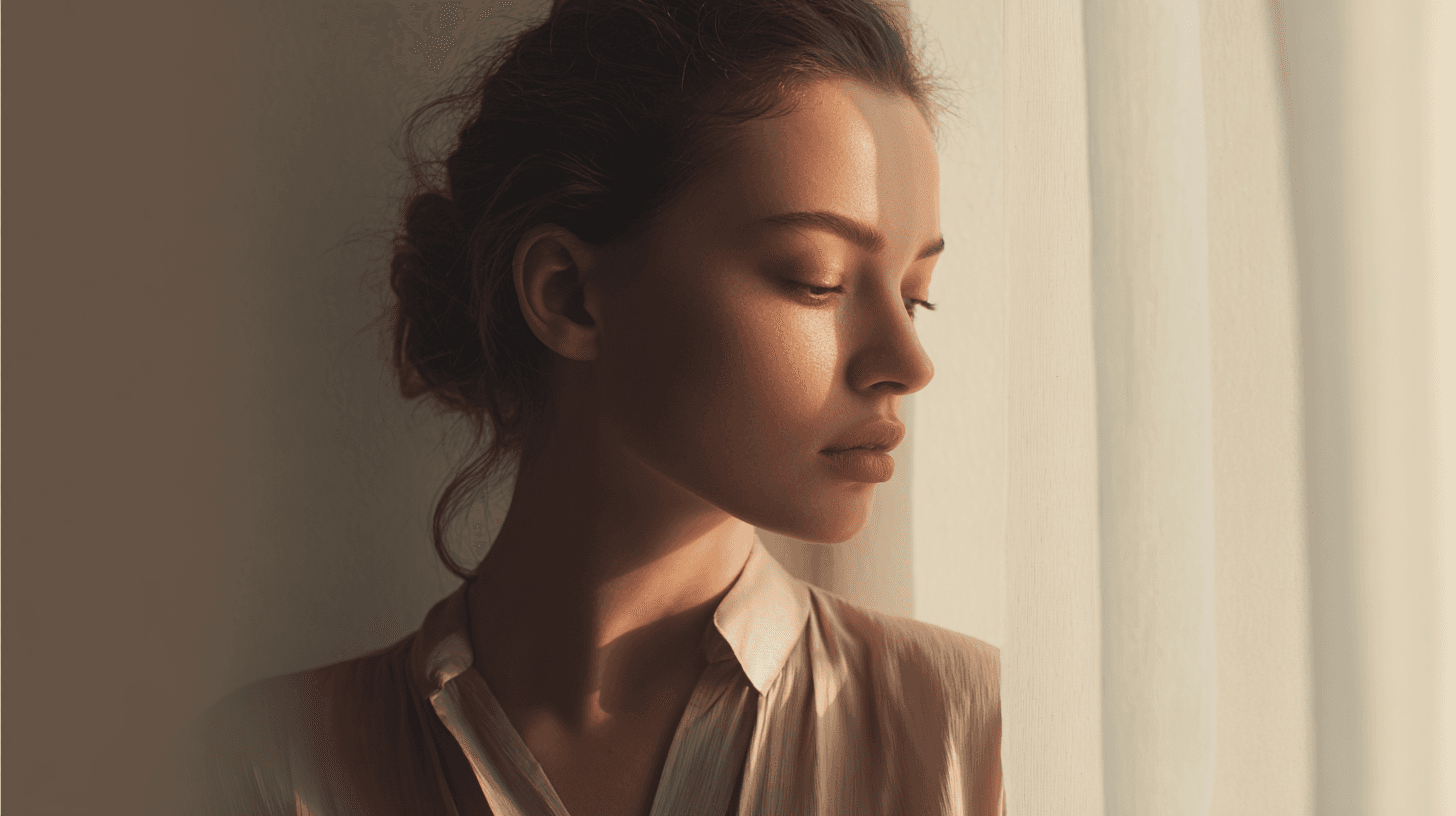
Soft Light
Soft Light is a lighting keyword used to create gentle, flattering, low-contrast images. It describes light that has been diffused before it reaches the subject, like daylight through a sheer curtain, a large studio softbox, or cloudy outdoor light. In AI image prompts, Soft Light is especially useful when you want the image to feel calm, natural, welcoming, and easy to use commercially. It reduces harsh shadow edges and helps skin, products, interiors, and materials look smoother. For beginners, Soft Light is one of the safest lighting keywords because it improves many images without making them feel too dramatic or overly stylized.
View keyword
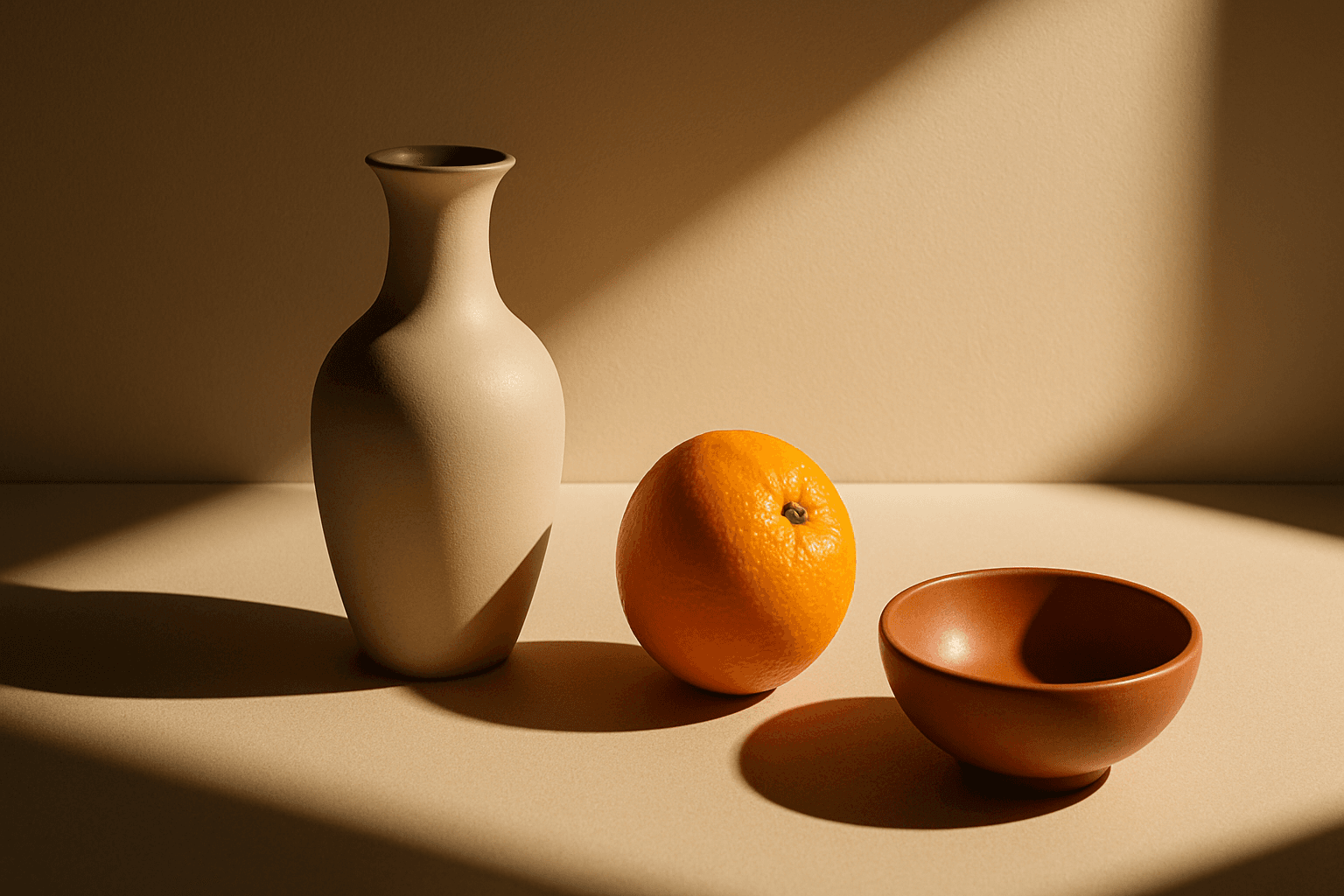
Hard Light
Hard Light is a direct, intense lighting style that creates crisp shadows, strong edges, and high visual contrast. In AI prompts, it is useful when you want a scene to feel bold, graphic, editorial, or architectural rather than soft and gentle.
View keyword
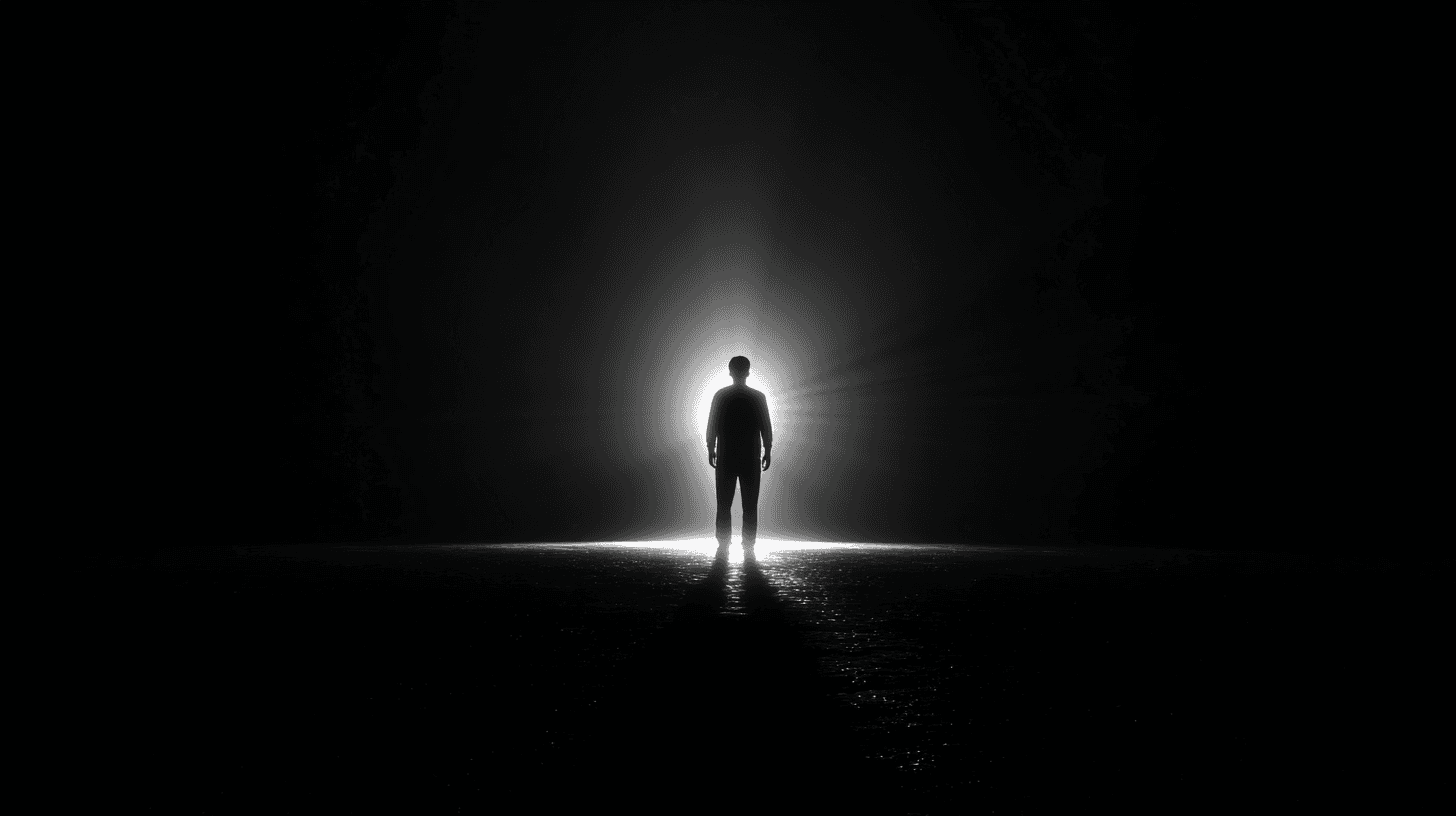
Rim Light
Rim Light is a lighting keyword that describes a bright edge of light around a subject. The light usually comes from behind or slightly behind the subject, catching the outline of hair, shoulders, products, glass, metal, or other edges. In AI image generation, Rim Light is useful when the subject blends into the background or when you want a more professional, cinematic result. It adds separation, depth, and polish. For beginners, Rim Light is a practical keyword because it solves a common problem: flat images where the subject does not stand out clearly.
View keyword
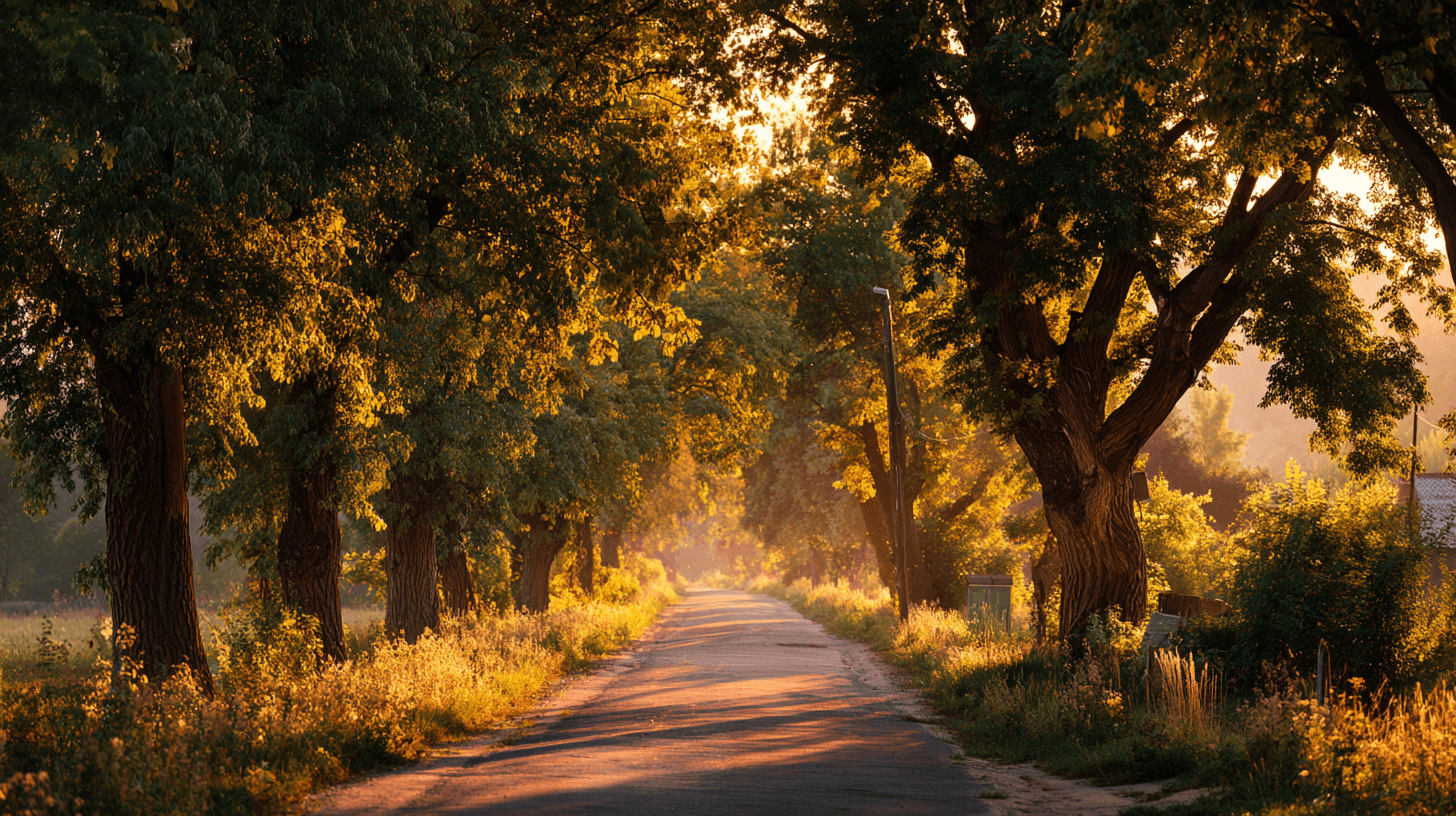
Backlight
Backlight is a lighting direction where the main light source sits behind the subject, facing toward the camera. It can create glowing edges, silhouettes, translucent materials, and a strong sense of atmosphere. In AI image prompts, Backlight is useful when you want an image to feel warm, emotional, mysterious, or visually layered. It is common in outdoor lifestyle photography, travel imagery, nature scenes, music videos, and cinematic portraits. Beginners can use Backlight to make a simple scene feel more dramatic without needing complicated camera or lighting language.
View keyword
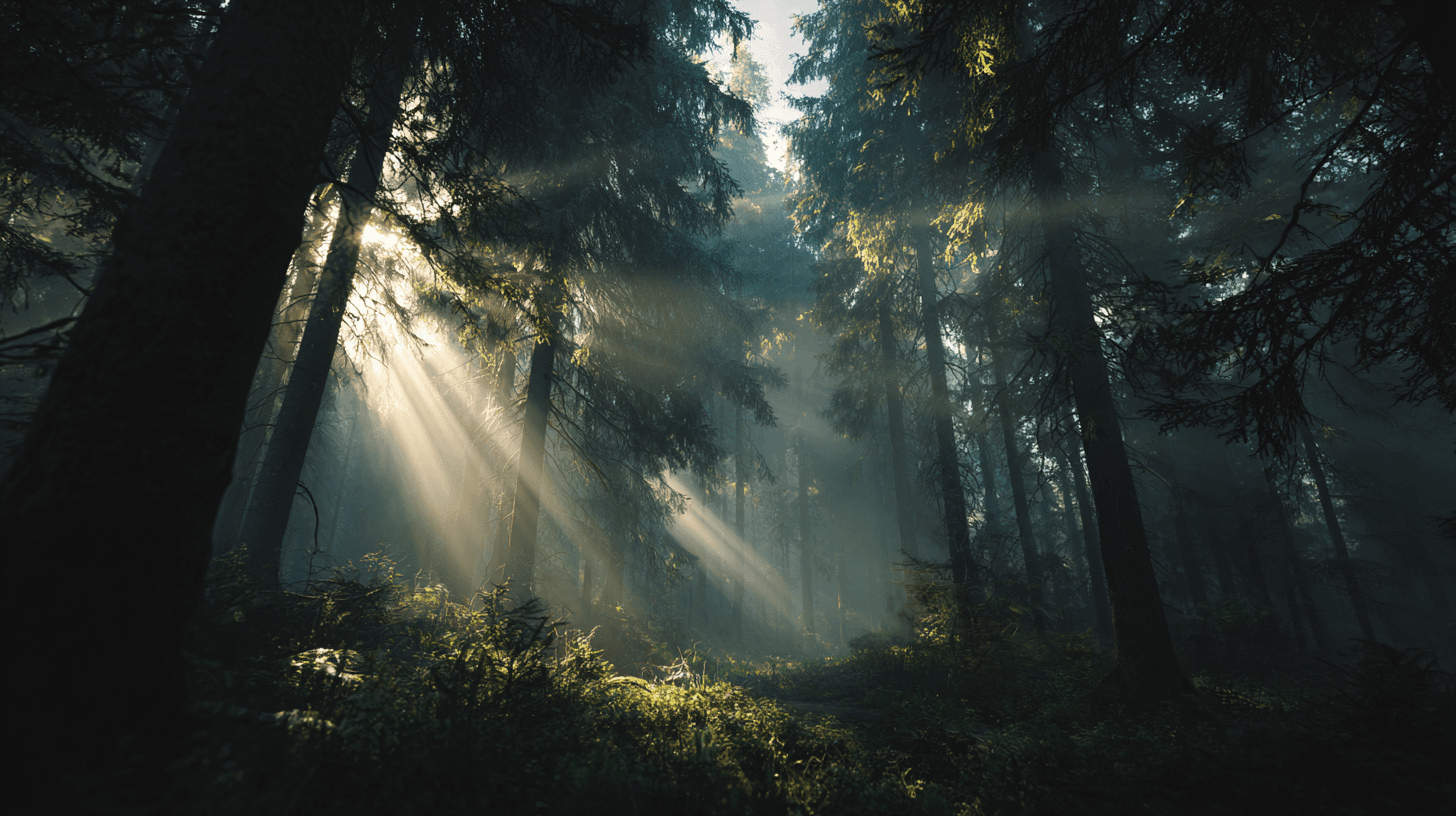
Volumetric Lighting
Volumetric Lighting describes visible beams of light traveling through particles in the air, such as mist, dust, smoke, fog, or atmospheric haze. In AI image generation, it is a powerful keyword for adding depth and drama. Instead of light simply landing on objects, the light itself becomes visible inside the scene. This can make an image feel cinematic, mysterious, sacred, futuristic, or magical depending on the setting. Beginners can use Volumetric Lighting when a prompt feels flat or lacks atmosphere. It is especially useful when you want the viewer to feel the scale of a space, the direction of the light, or the mood of an environment.
View keyword

God Rays
God Rays are visible beams of sunlight or strong light streaming through clouds, trees, windows, fog, or dust. In AI prompts, they create a sense of awe, spirituality, scale, and atmosphere.
View keyword
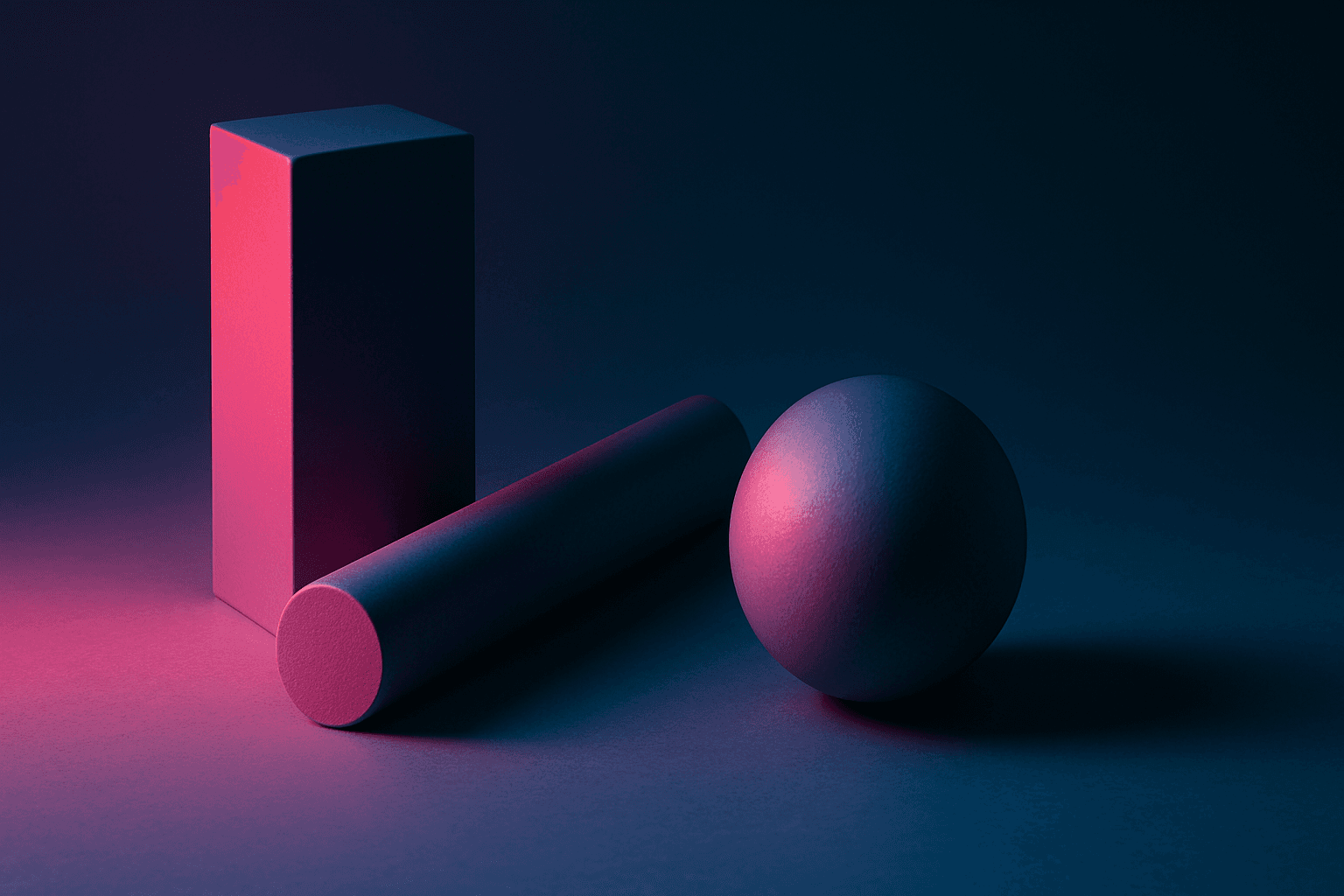
Neon Glow
Neon Glow is a lighting keyword for bright colored illumination, usually inspired by neon signs, nightlife, cyberpunk cities, gaming visuals, and futuristic product scenes.
View keyword
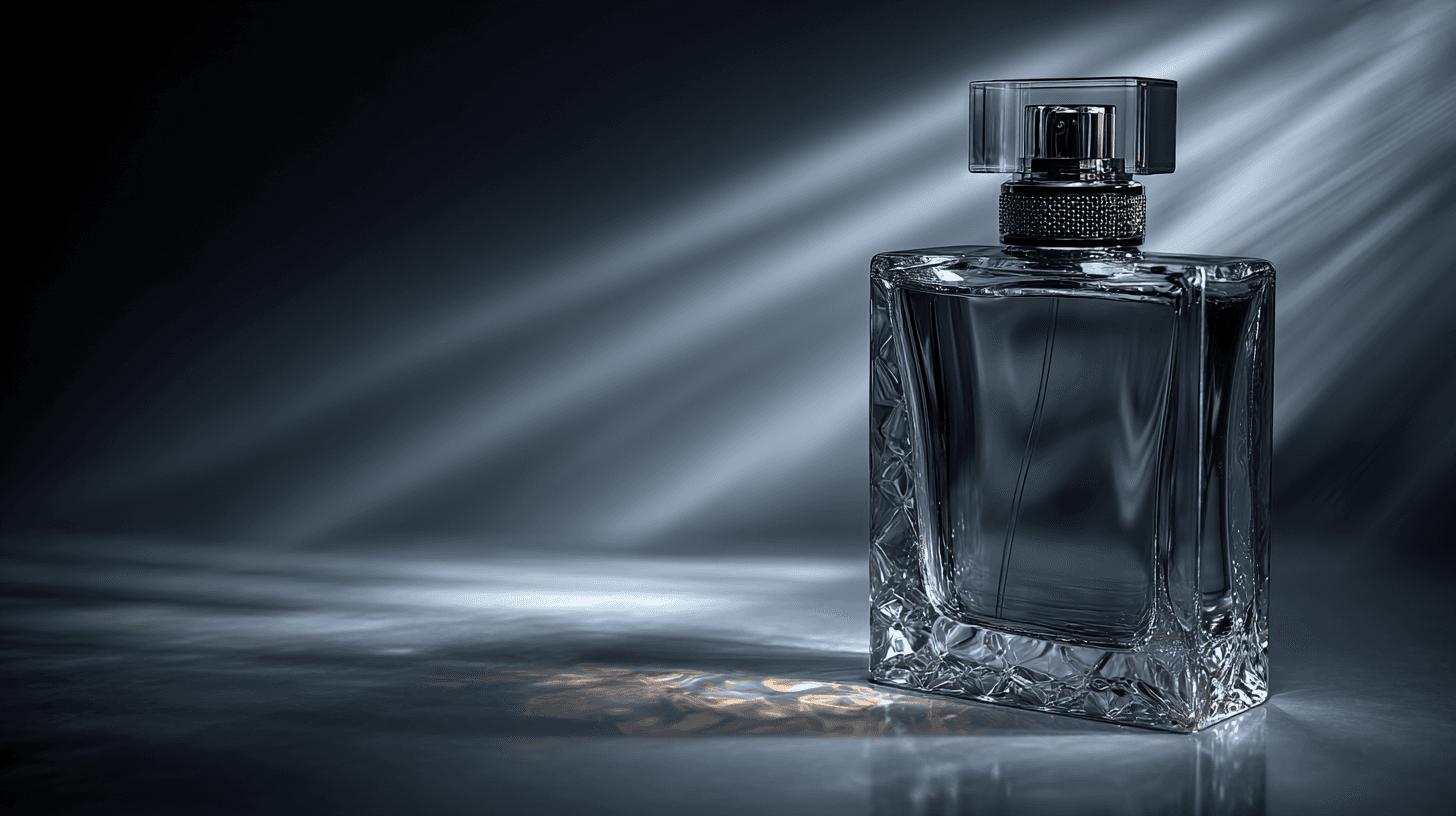
Studio Lighting
Studio Lighting is a prompt keyword that suggests a controlled, professional lighting setup. Instead of relying on natural sunlight or random environmental light, Studio Lighting points the model toward clean highlights, intentional shadows, balanced exposure, and a polished commercial finish. It is one of the most practical lighting keywords for AI image creators because it works across product photography, portraits, ecommerce, fashion, corporate visuals, and catalog-style imagery. For beginners, Studio Lighting is helpful when you want an image to look professional, reliable, and ready for business use.
View keyword
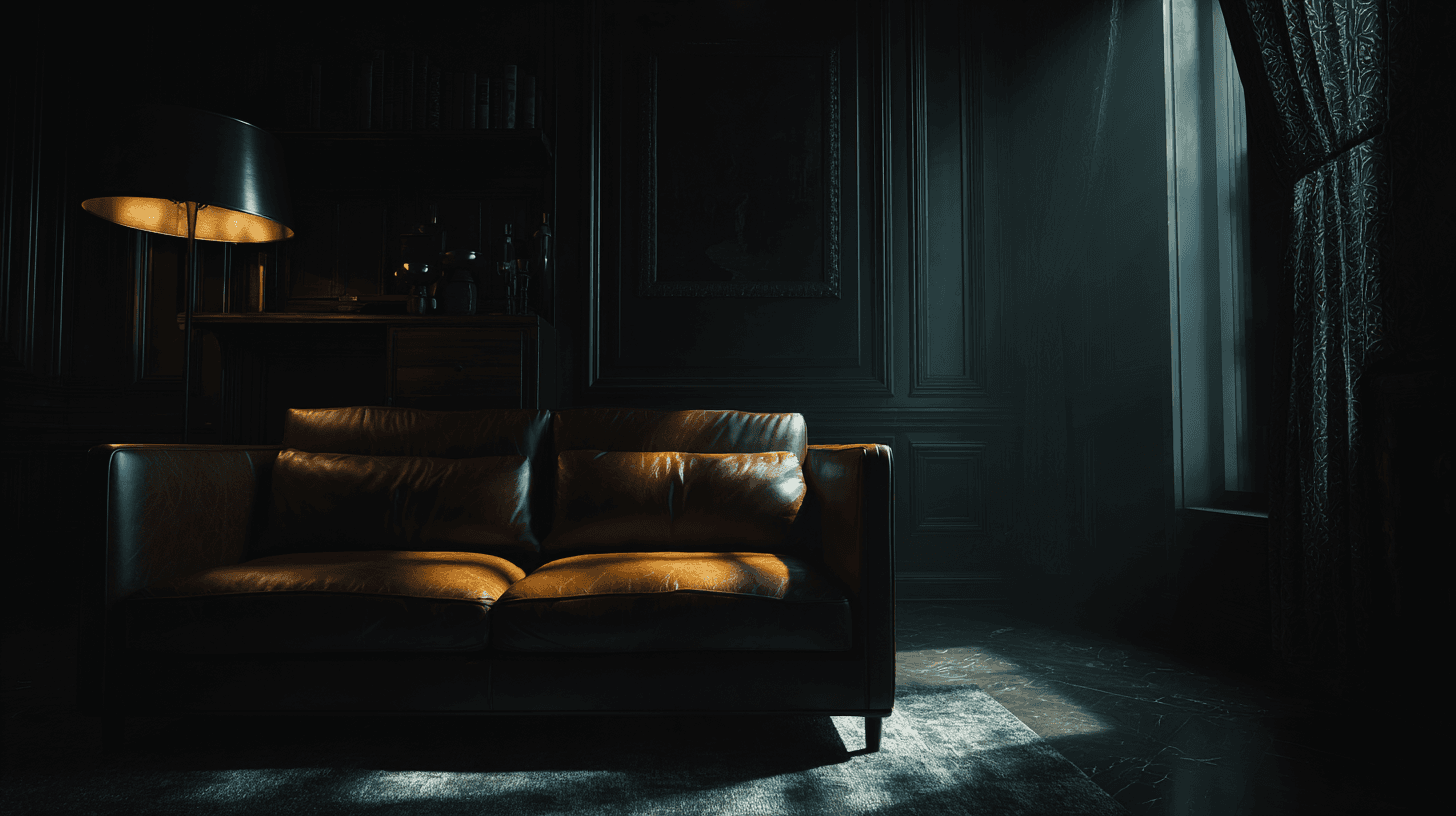
Low Key Lighting
Low Key Lighting is a lighting style built around darkness, contrast, and selective illumination. In AI image prompts, it usually creates images with deep shadows, darker backgrounds, and a small amount of focused light on the subject. The result can feel dramatic, mysterious, premium, serious, or cinematic. Low Key Lighting is often used in luxury product photography, film posters, athletic portraits, music visuals, and editorial images. For beginners, it is a useful keyword when you want more mood and depth, but it needs a clear subject so the image does not become too dark to read.
View keyword
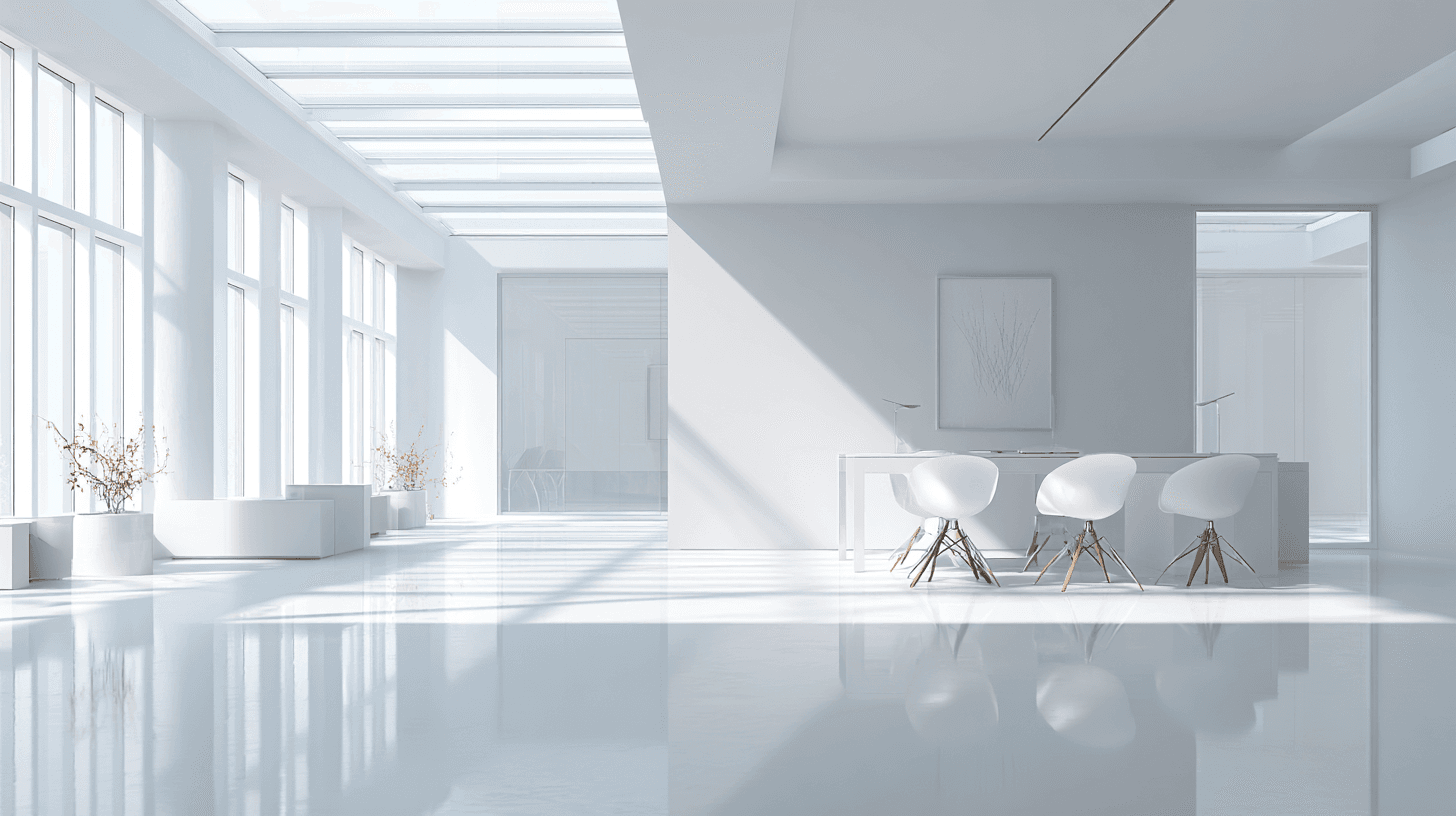
High Key Lighting
High Key Lighting is a bright lighting style with low contrast, pale shadows, and an airy overall feeling. In AI image prompts, it is useful for creating clean, optimistic, fresh, and approachable images. The background is often white or light-toned, and the subject is evenly illuminated. High Key Lighting is common in beauty campaigns, wellness imagery, ecommerce product photography, healthcare visuals, baby and family photography, and modern business imagery. For beginners, it is a helpful keyword when you want a bright commercial look without harsh shadows or heavy drama.
View keyword
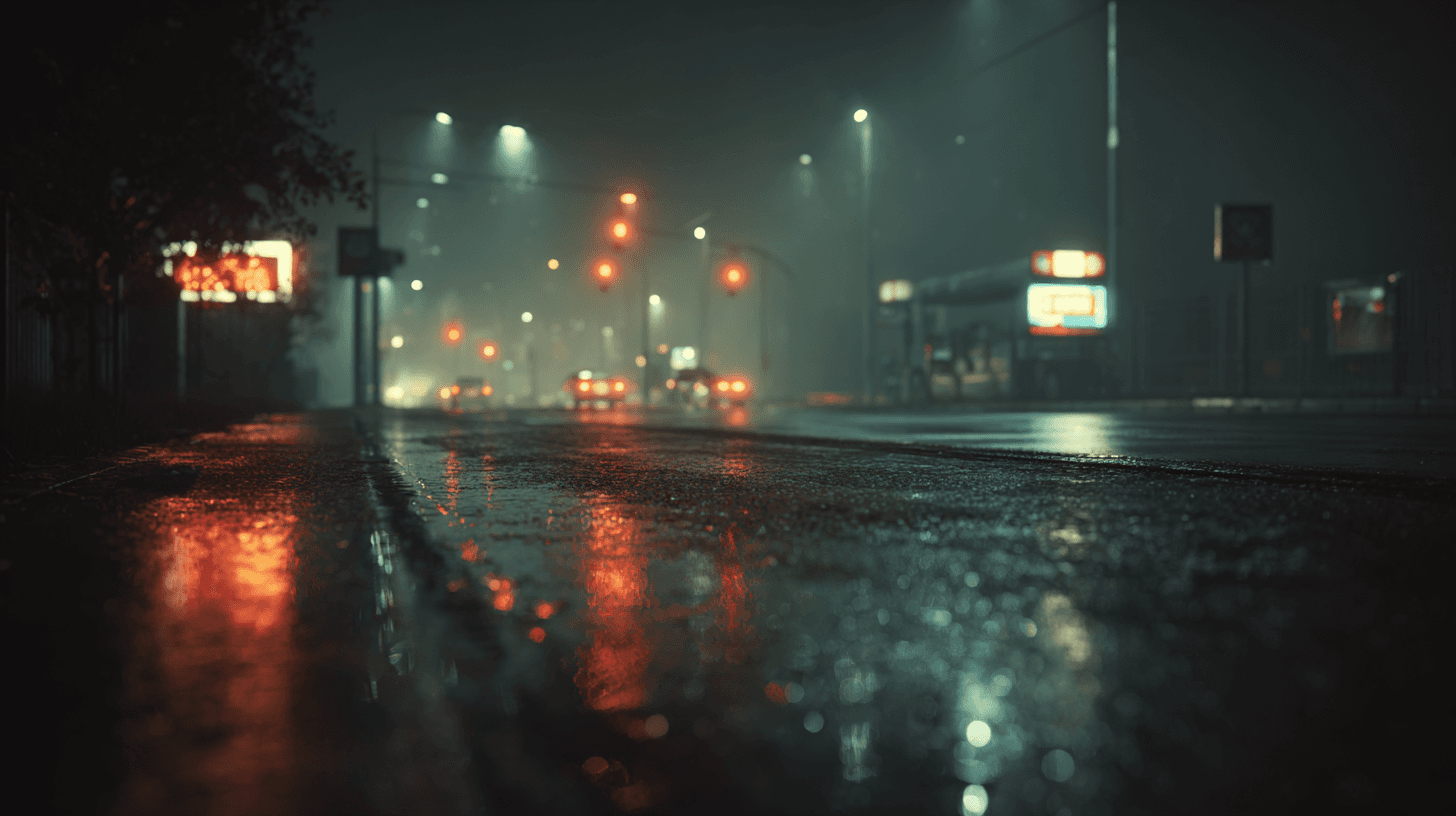
Moody Lighting
Moody Lighting is a prompt keyword for images with atmosphere, emotional depth, and a more restrained lighting style. It often includes darker tones, directional light, muted colors, and visible shadow areas, but it does not have to be as dark as Low Key Lighting. In AI image generation, Moody Lighting is useful when you want a scene to feel thoughtful, cinematic, intimate, elegant, or mysterious. It is common in editorial portraits, luxury interiors, coffee shop scenes, rainy windows, fashion campaigns, and premium product photography. Beginners can use it to add feeling and story to otherwise plain images.
View keyword
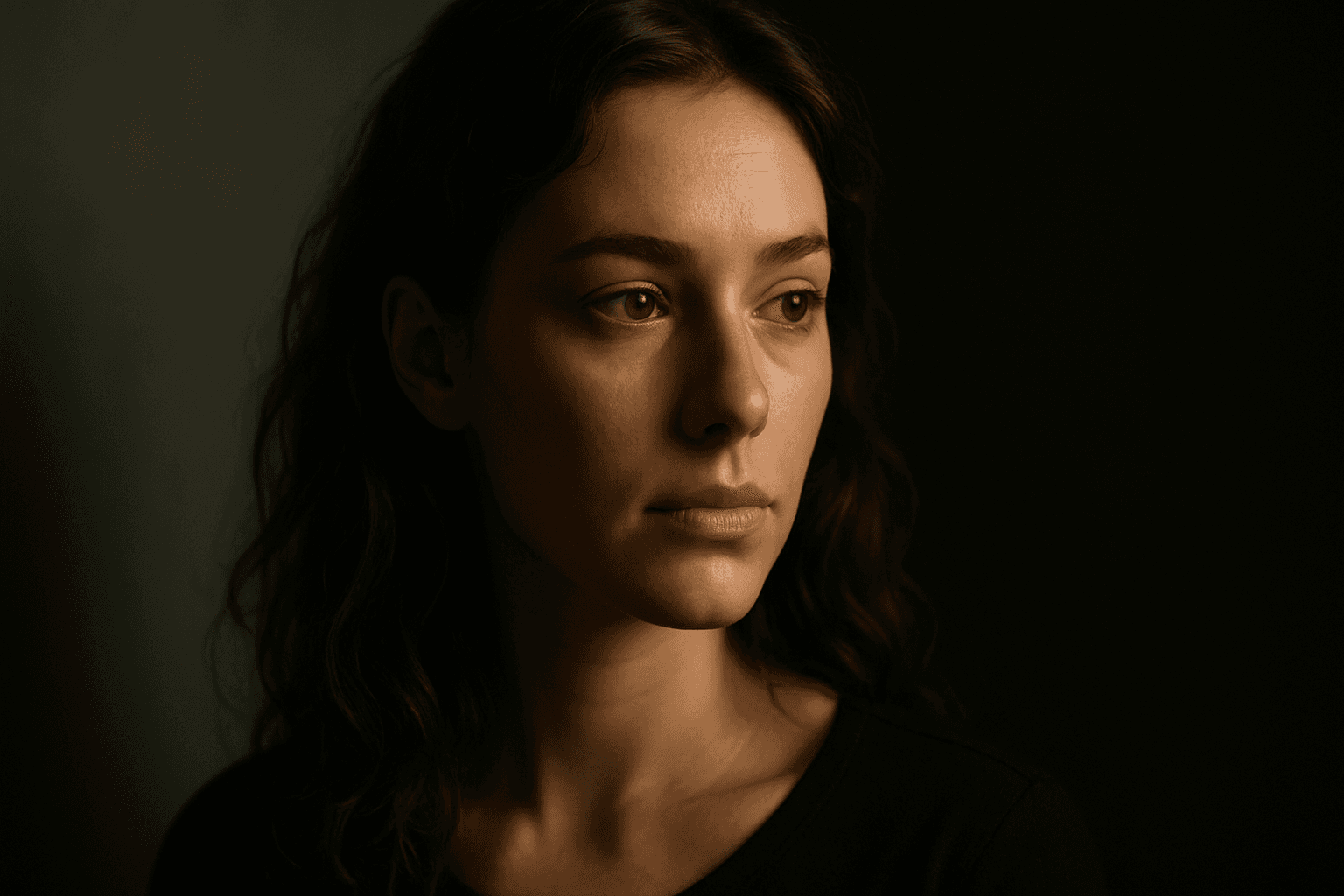
Side Lighting
Side lighting is a powerful lighting technique used in photography and visual arts where light strikes the subject from one side. This approach emphasizes contours, textures, and shapes by casting shadows that add depth and drama. Unlike frontal lighting, which minimizes shadows, side lighting accentuates details and forms, making the subject appear more three-dimensional. It is widely used to evoke mood, reveal surface intricacies, and create dynamic compositions. Whether in portrait, still life, or product photography, side lighting allows artists to play with contrast and emphasize specific features while maintaining a naturalistic look.
View keyword
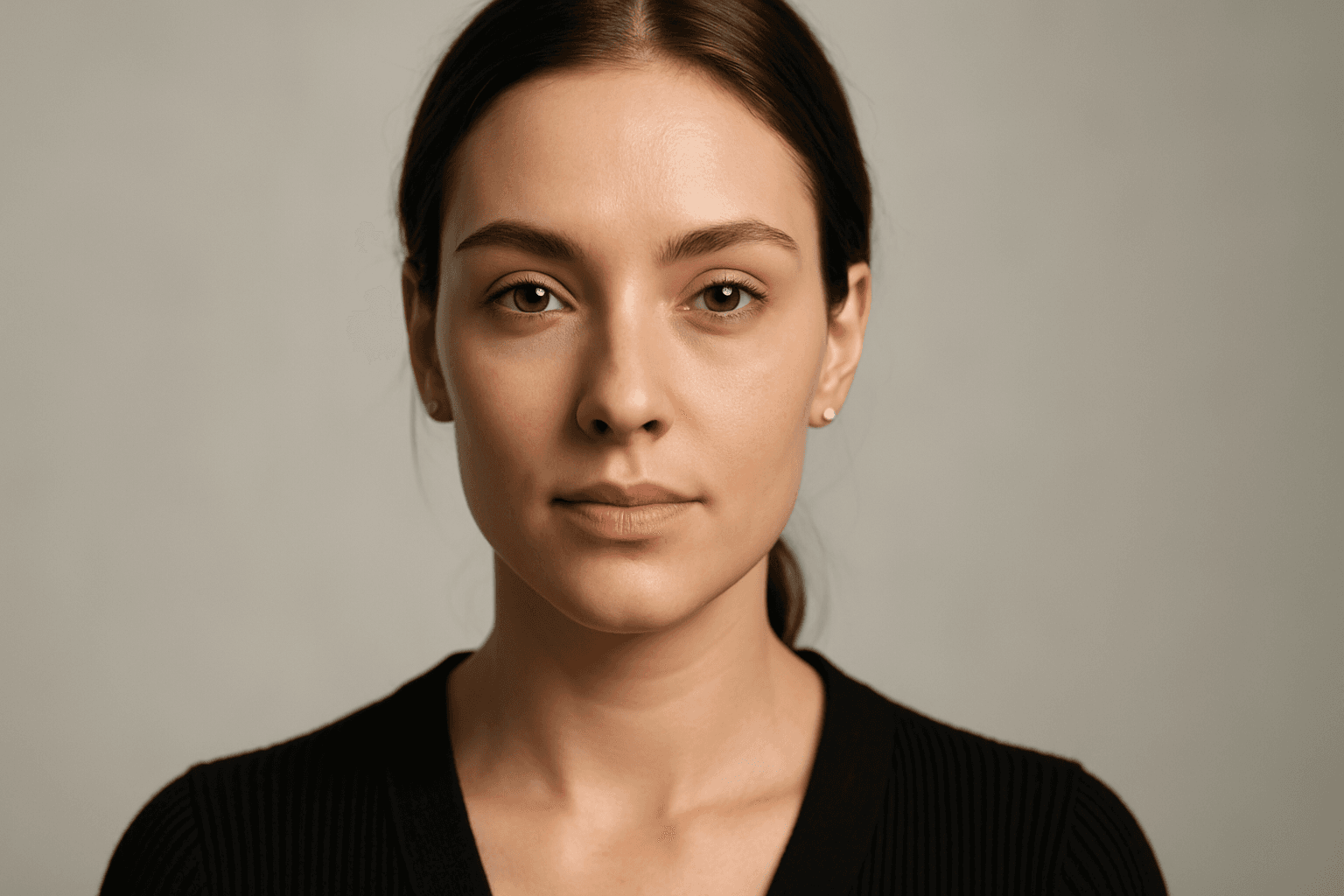
Butterfly Lighting
Butterfly Lighting, also known as Paramount Lighting, is a classic portrait lighting setup ideal for flattering facial features. By placing the main light source centered and elevated in front of the subject, it casts a subtle butterfly-shaped shadow beneath the nose, enhancing the cheekbones and jawline. This technique provides a glamorous and clean look, often seen in vintage Hollywood portraits and contemporary beauty photography. It works well with various light modifiers such as softboxes or beauty dishes, which help create smooth, even illumination across the face. While typically used in studio settings, Butterfly Lighting can also be adapted for outdoor shoots with reflectors or natural overhead sunlight.
View keyword
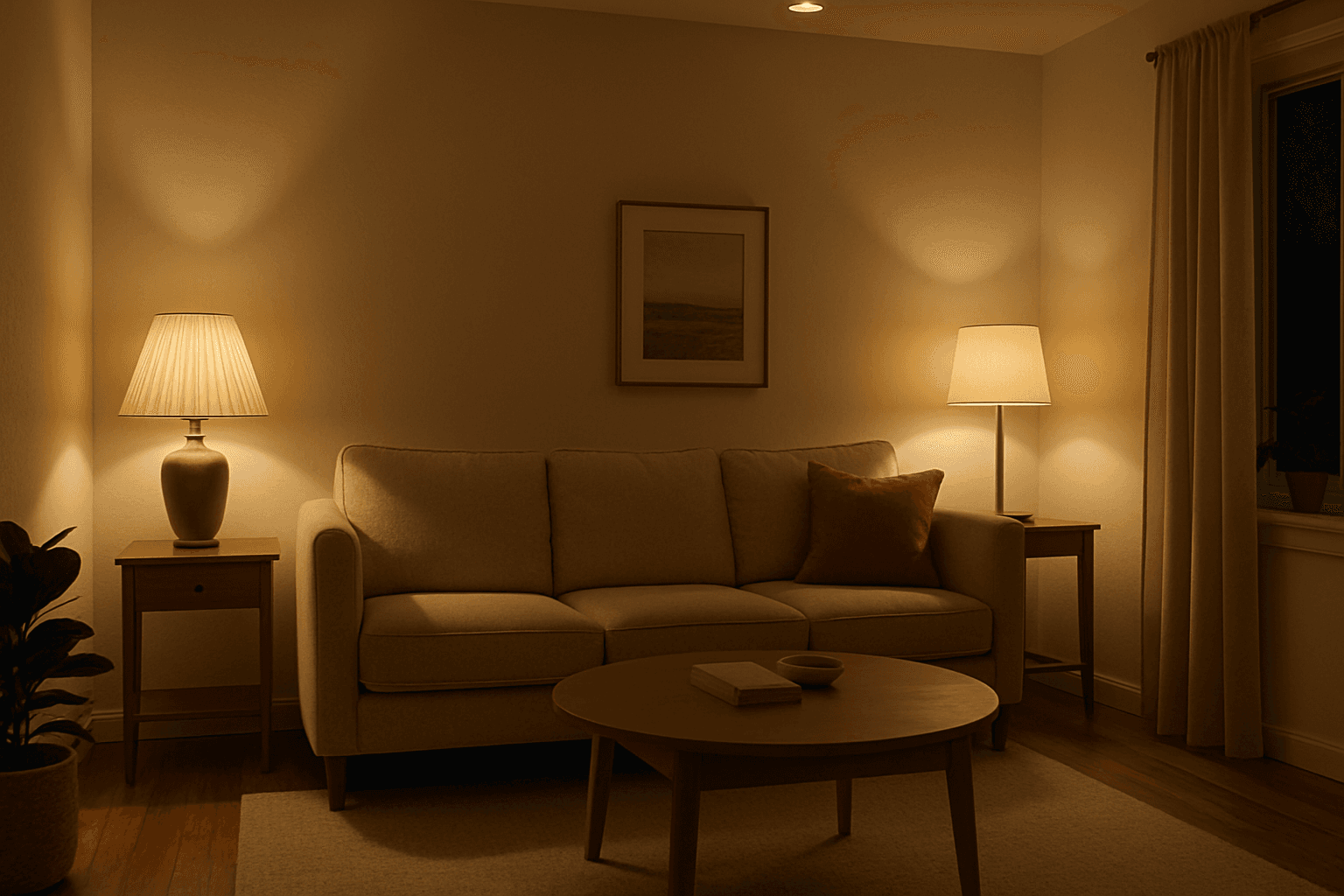
Practical Lighting
Practical lighting is a fundamental concept in photography, cinematography, and digital art where the light source is part of the scene itself. Unlike external or off-camera lighting, practical lights are tangible fixtures within the visual frame, such as table lamps, street lamps, or neon signs. These lights serve to naturally illuminate subjects and spaces, contributing to the ambiance and realism of the scene. In AI-generated imagery, utilizing practical lighting enhances authenticity and adds depth by mimicking natural illumination behaviors. This technique is essential for creating immersive environments with believable light and shadow interplay, making it a favorite among artists and visual storytellers.
View keyword

Silhouette Lighting
Silhouette Lighting is a powerful method used by photographers and visual artists to create images that emphasize shape, form, and mood. By positioning a strong light source behind the subject, the subject itself becomes a dark silhouette, stripped of detail but rich in expressive outlines. This technique can evoke mystery, drama, or elegance depending on the composition and context. It is widely applicable across genres, from portraits and nature photography to commercial and editorial imagery. The minimalist visual impact of silhouette lighting makes it a favorite for delivering compelling visuals that focus on contours and compositions rather than intricate details.
View keyword
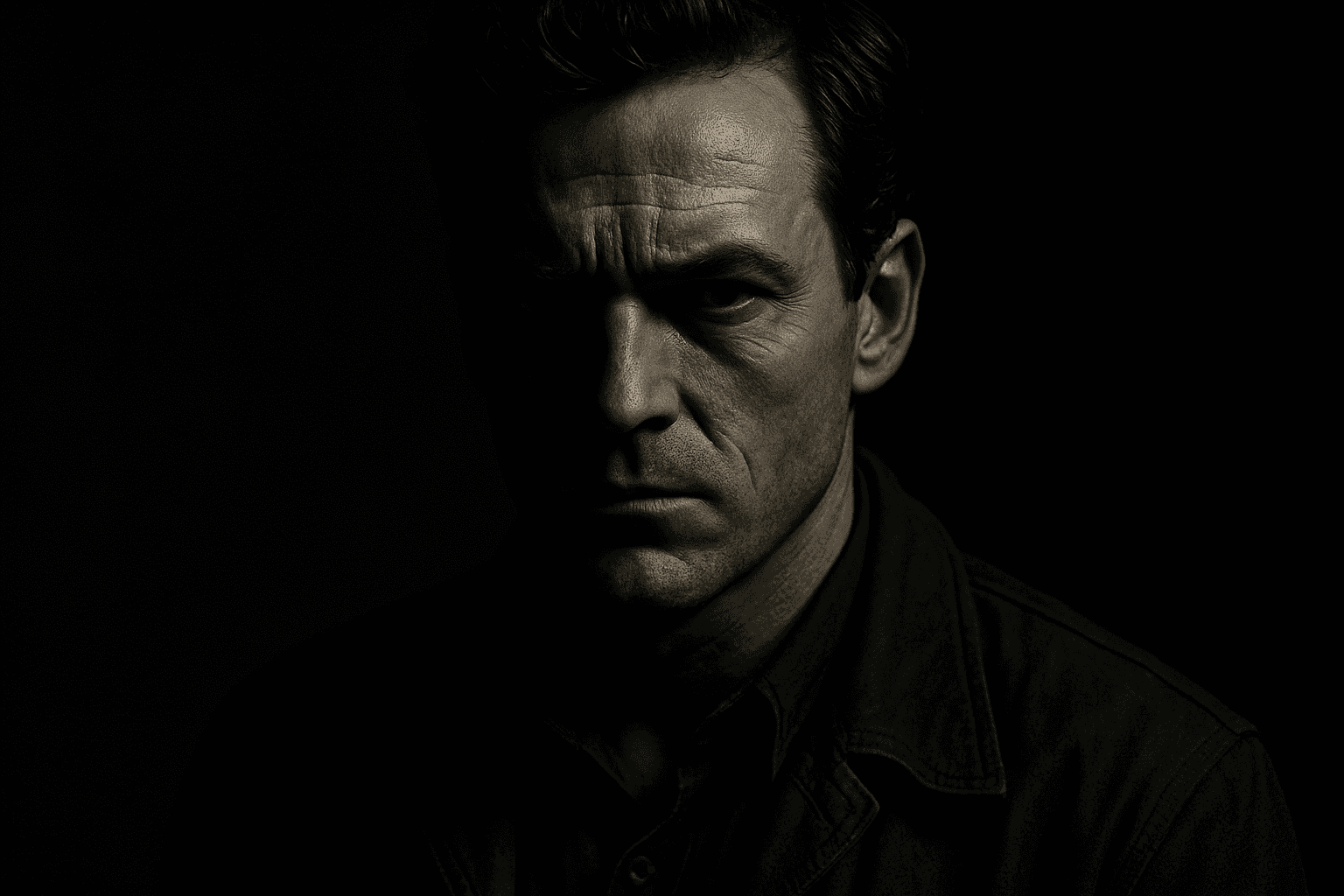
Noir Lighting
Noir Lighting is a powerful style used to convey mystery, suspense, or classic elegance by playing with deep shadows and stark light contrasts. Originating from the mid-20th century film noir genre, this lighting style uses minimal light sources to cast dramatic shadows, emphasizing shapes and contours. It evokes an intense mood while often simplifying the visual elements, focusing the viewer's attention on specific parts of the composition. Noir Lighting is versatile, used in photography, film, and digital art to add emotional depth and a cinematic feel. Artists and photographers employ it to create visually compelling images that engage the audience with their enigmatic atmosphere.
View keyword
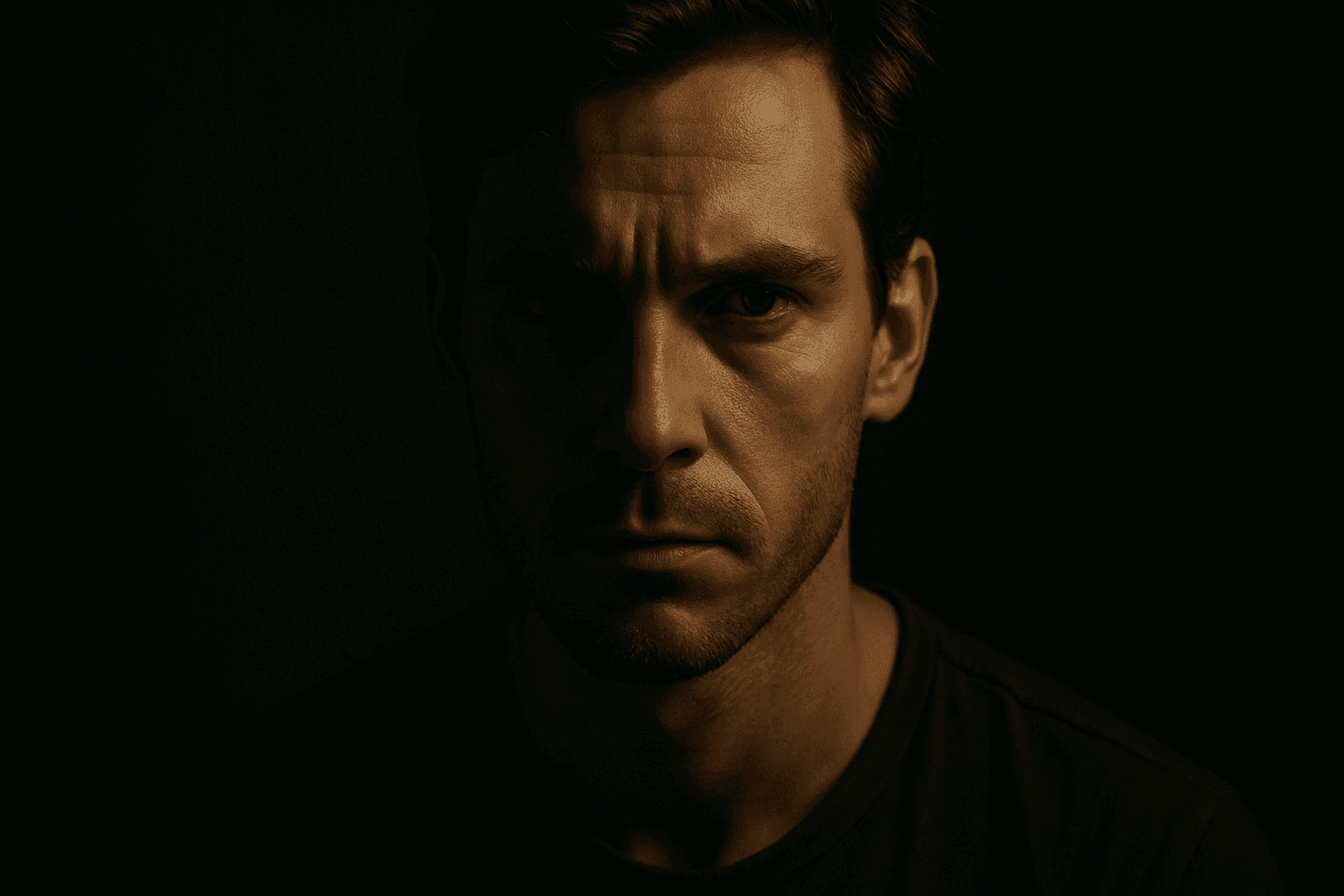
Chiaroscuro Lighting
Chiaroscuro lighting is a powerful artistic method used to create striking contrasts between illuminated and shadowed regions within an image. This approach originated in 16th-century painting and remains popular in photography and digital art to evoke drama and emphasize form. In AI-generated imagery, the chiaroscuro effect guides models to produce compositions rich in depth and texture, often with a single directional light source casting pronounced shadows. This lighting style is ideal for portraits, still lifes, and narrative scenes where mood and visual impact are priorities. Understanding chiaroscuro expands an artist's toolkit, enabling controlled manipulation of light to transform flat images into compelling visual stories.
View keyword
Ambient Light Effects
Ambient Light Effects in AI-generated images create a harmonious and natural lighting environment that enhances realism and mood without overpowering contrasts. This lighting type softly bathes scenes in diffuse light, mimicking the effect of indirect sunlight or overcast skies. By integrating ambient light into prompts, users can achieve visuals that feel authentic and immersive, ideal for scenes requiring subtle illumination or a calm atmosphere. This approach minimizes harsh shadows and bright spots, yielding images with smooth gradations and an understated elegance. The result is a balanced exposure that allows textures and colors to appear true to life, enhancing the viewer’s emotional connection.
View keyword
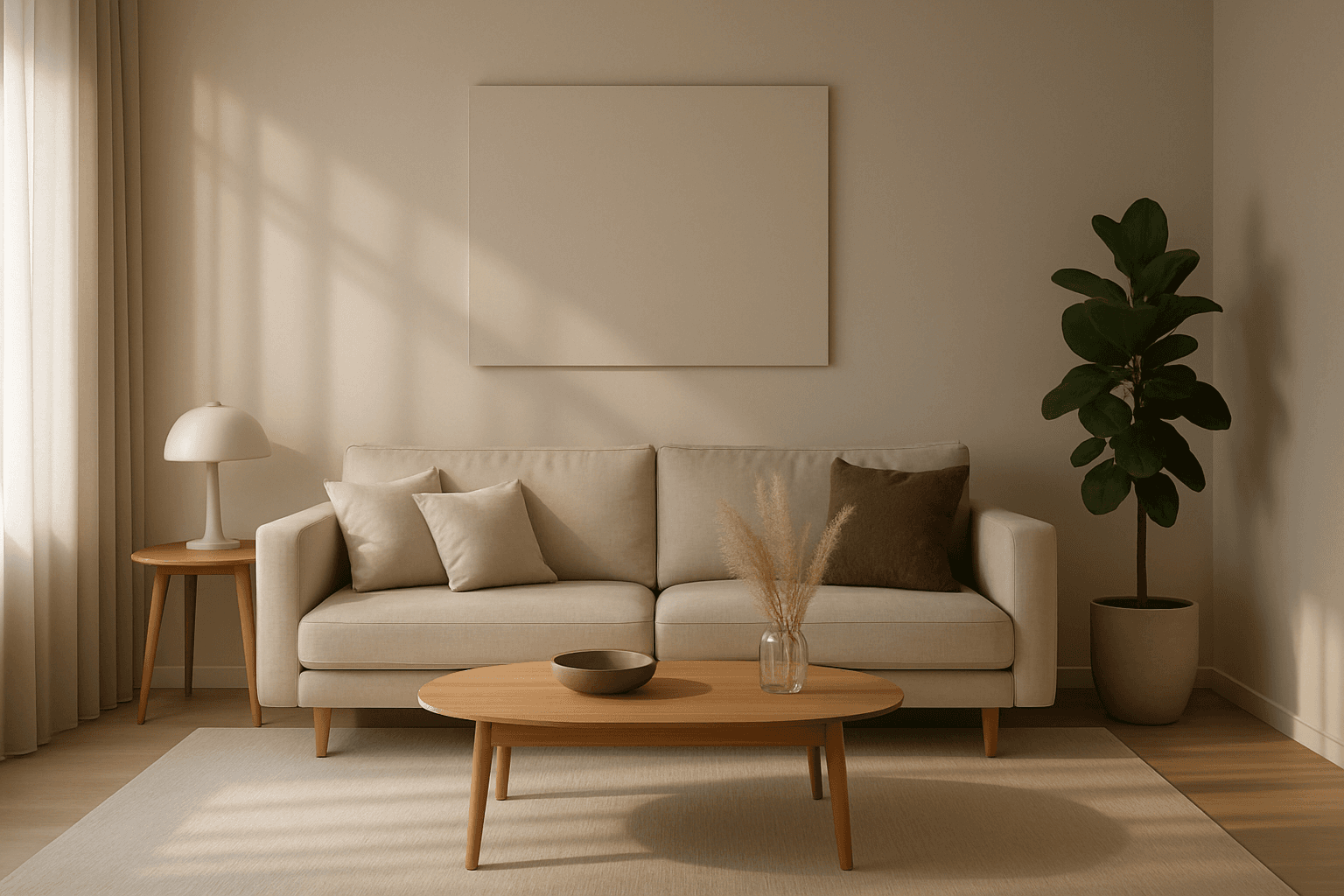
Soft Shadow Play
Soft Shadow Play enriches AI-generated visuals by introducing diffused shadows that simulate natural lighting conditions. Rather than sharp, stark shadows, this effect ensures that shadows appear smooth and blend seamlessly with illuminated areas. Incorporating Soft Shadow Play into prompts supports a refined, premium look with delicate depth cues. It is ideal for compositions where a gentle atmosphere and realistic lighting nuance are desired, such as portraits, product photography, or serene landscapes. Mastering this technique empowers creators to produce images with a calm, elegant mood and enhanced three-dimensionality.
View keyword
Backlit Silhouette Lighting
Backlit silhouette lighting creates dramatic imagery by placing the primary light source behind the subject, effectively hiding most or all of the subject's front details and emphasizing its outline. This technique adds mood and mystery to images, making objects or figures appear as bold, graphic shapes against luminous backgrounds. When incorporated into AI prompts, it guides the model toward producing compositions with strong contrast and minimal front-facing detail, perfect for evocative storytelling and artistic expression.
View keyword
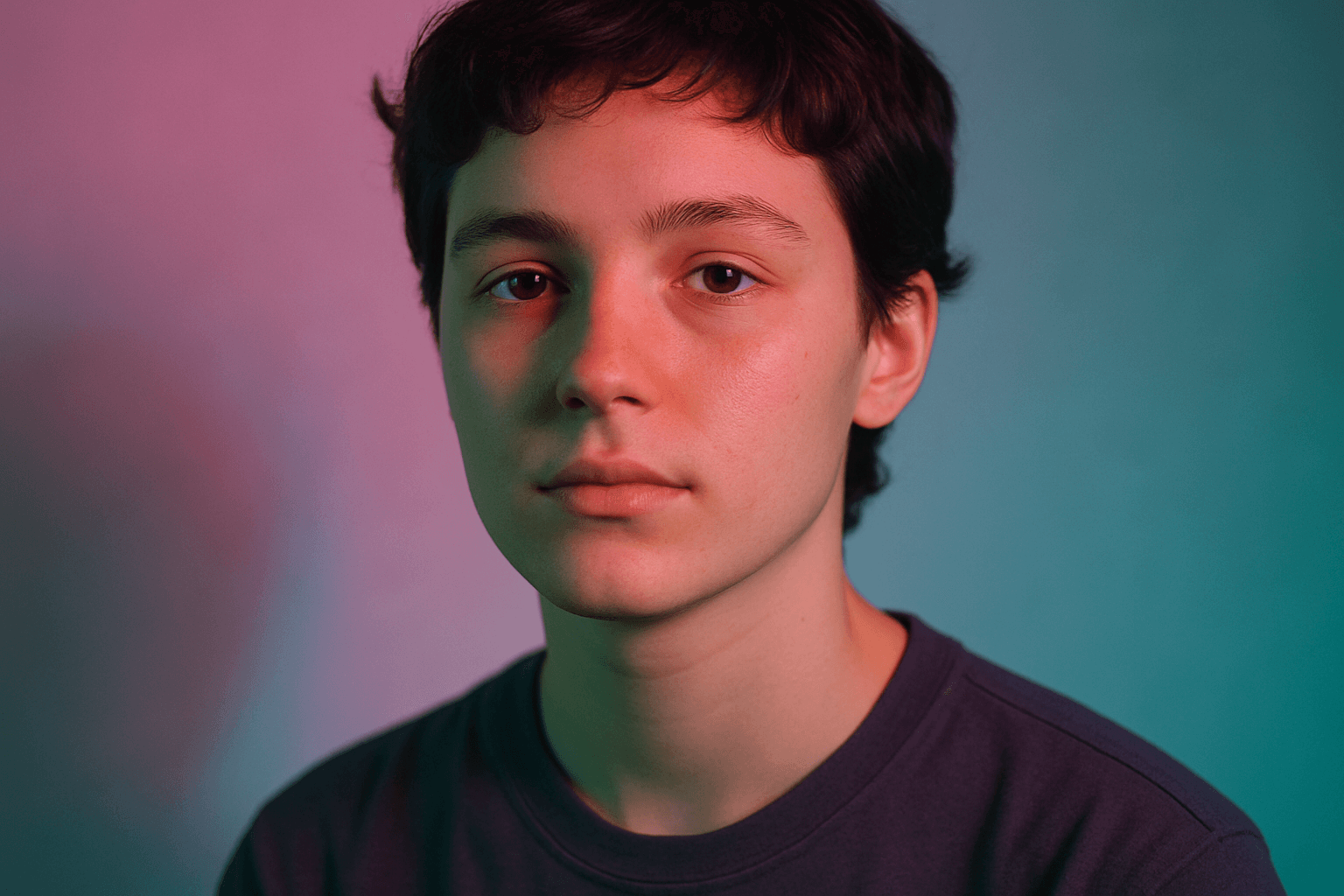
Colored Shadow Lighting
Colored Shadow Lighting is a lighting technique used in AI image generation to impart shadows with distinct, rich colors instead of traditional grayscale. This effect introduces an exciting visual dynamic, creating contrasts or harmonies with the subject and background lighting. It particularly elevates images by adding depth, dimensionality, and a premium editorial feel, often used in fashion photography, product shots, or artistic portraits. The presence of colored shadows can simulate complex lighting setups or surreal atmospheres, making prompts more expressive and engaging for both creative professionals and enthusiasts.
View keyword
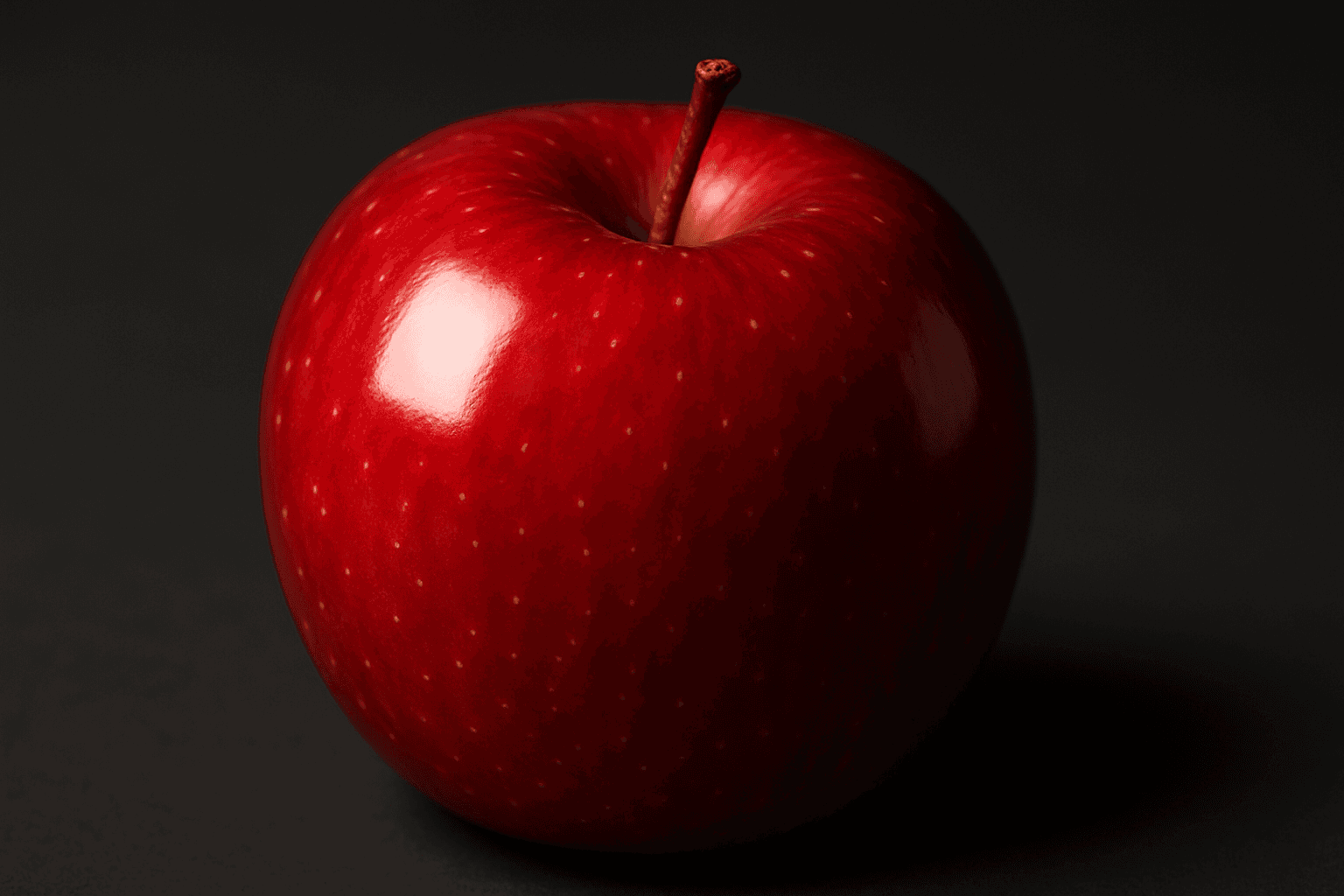
Specular Highlight Lighting
Specular Highlight Lighting plays a crucial role in rendering images with realistic shininess and depth by simulating light's direct reflections on surfaces. When incorporated into AI image prompts, it guides the model to focus on creating small, bright spots or streaks of light that mimic how light behaves on polished objects like metals, glass, or wet surfaces. This lighting effect adds visual richness, conveys surface properties, and elevates the overall realism of computer-generated images. Designers and artists leverage specular highlights to make materials pop and to direct viewer attention to key image areas. Understanding how to prompt effectively for specular highlights is essential for producing premium-quality renders and photographic styles.
View keyword
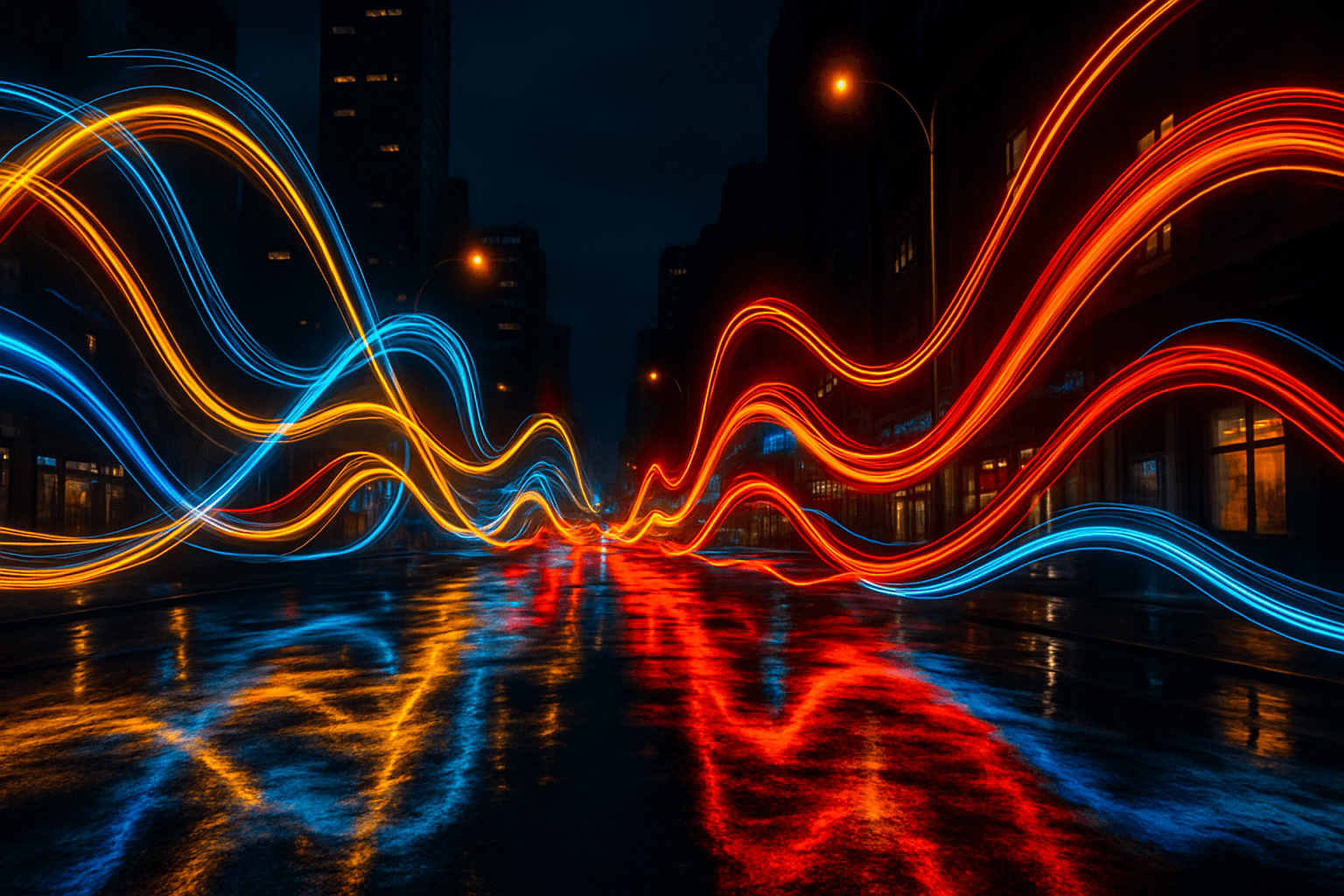
Light Painting Technique
Light Painting Technique is a powerful keyword in AI image generation that mimics the real-world photographic method of painting with light during long exposures. By incorporating this keyword into prompts, users can evoke dramatic, ethereal lighting effects that add movement and vibrancy to images. This technique is particularly effective for creating dynamic scenes featuring motion, abstract light art, or futuristic aesthetics. Using the Light Painting Technique keyword enables creators to explore an innovative lighting style that transforms ordinary settings into visually captivating compositions with glowing and fluid light elements.
View keyword

High Key Background Lighting
High key background lighting is a crucial concept in visual arts and photography that has been effectively incorporated into AI image generation. By emphasizing strong, uniform illumination, this lighting style reduces shadows and creates a minimal contrast environment that lends a clean, elegant aesthetic to images. When used in AI prompts, it signals the model to brighten the scene, focusing on light tones and softer shadows. This technique is widely appreciated for its ability to highlight subjects distinctly against an uncluttered, bright backdrop, making the image feel fresh and inviting. High key lighting is particularly popular in fashion, portrait, and product photography and translates well to digital art and design.
View keyword
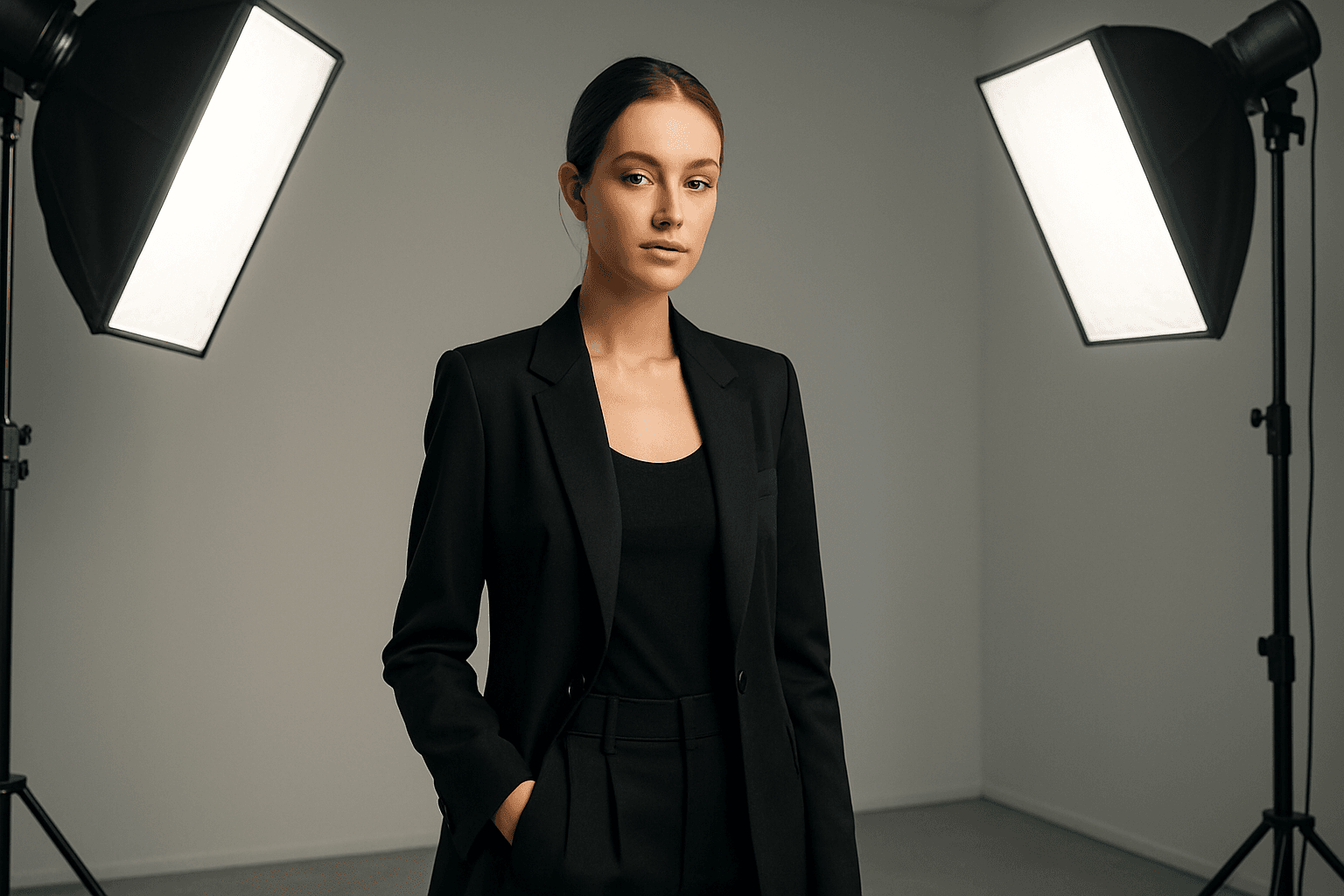
Studio Lighting Setup Guide
In AI image generation, incorporating 'Studio Lighting Setup Guide' helps emulate the controlled lighting environment typical of photography studios. This setup ensures subjects are well-defined with nuanced shadows and highlights, enhancing realism and artistic quality. Professional studio lighting involves key light, fill light, and backlight positioned strategically to model the subject beautifully. When used as a prompt keyword, it communicates to the AI how to place such lighting, resulting in images that appear polished and editorial-grade. This is essential for generating product shots, portraits, or commercial visuals that require a premium look.
View keyword
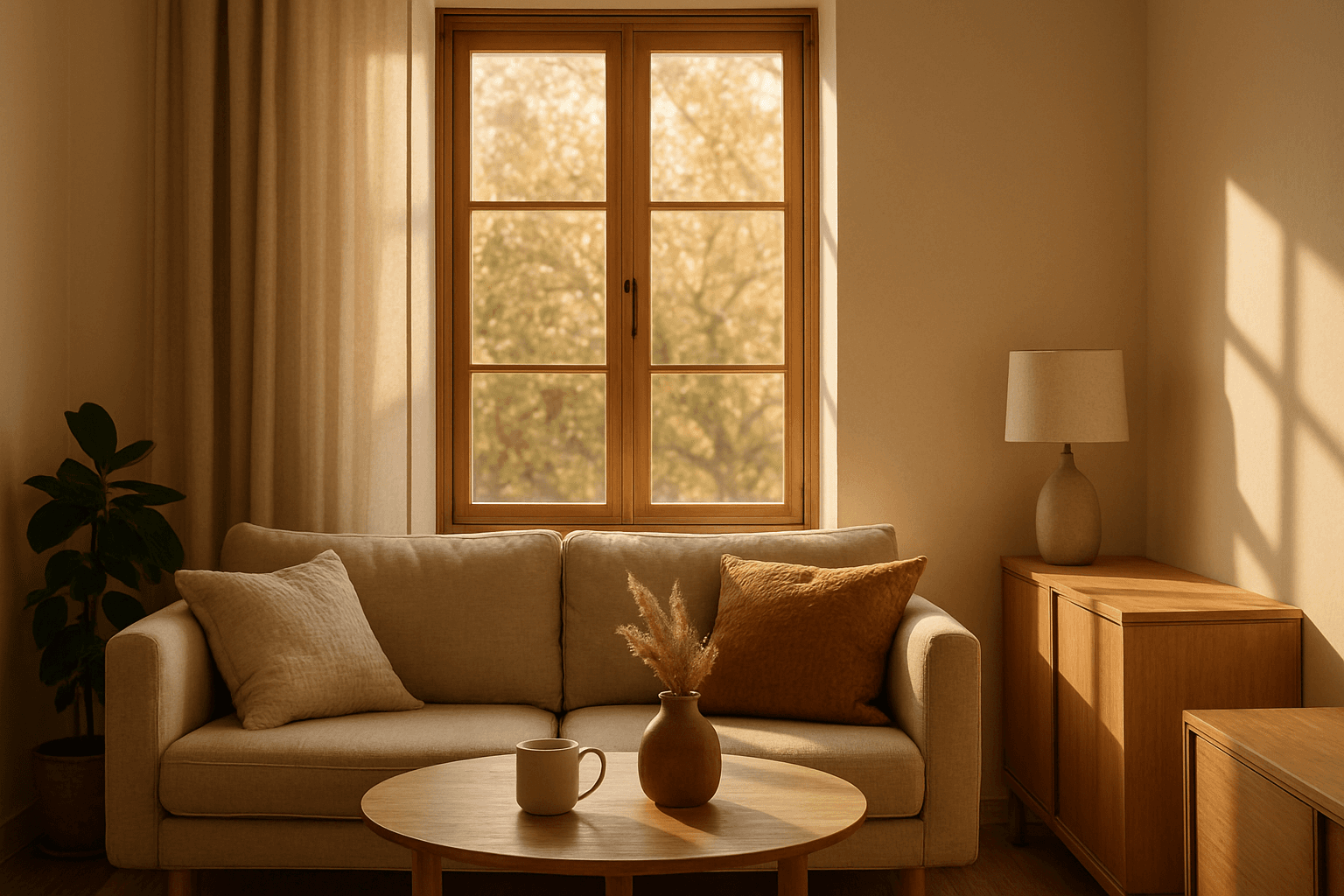
Natural Window Light Usage
Utilizing Natural Window Light in AI-generated images enhances realism by replicating the nuanced qualities of daylight entering an indoor space. This approach creates subtle contrasts between illuminated areas and shadows, adding dimensionality and mood. The lighting often produces warm tones and soft shadows that reveal textures and form delicately, making portraits, still lifes, and interiors appear inviting and authentic. Prompting with this keyword guides AI models to focus on lighting interplay shaped by window light, fostering images that feel naturally composed and comfortable.
View keyword
Artificial Light Balancing
Artificial Light Balancing is a key technique for AI-generated images that simulates the harmonious interplay of multiple artificial lighting sources. Proper balancing ensures the scene does not appear overly exposed, flat, or unevenly lit. This approach helps AI models render depth, texture, and mood accurately, making visuals suitable for professional uses like advertising, interior design, and editorial photography. By emphasizing control over light color temperature, intensity, and angle, this keyword enhances realism and artistic quality in artificial light environments.
View keyword
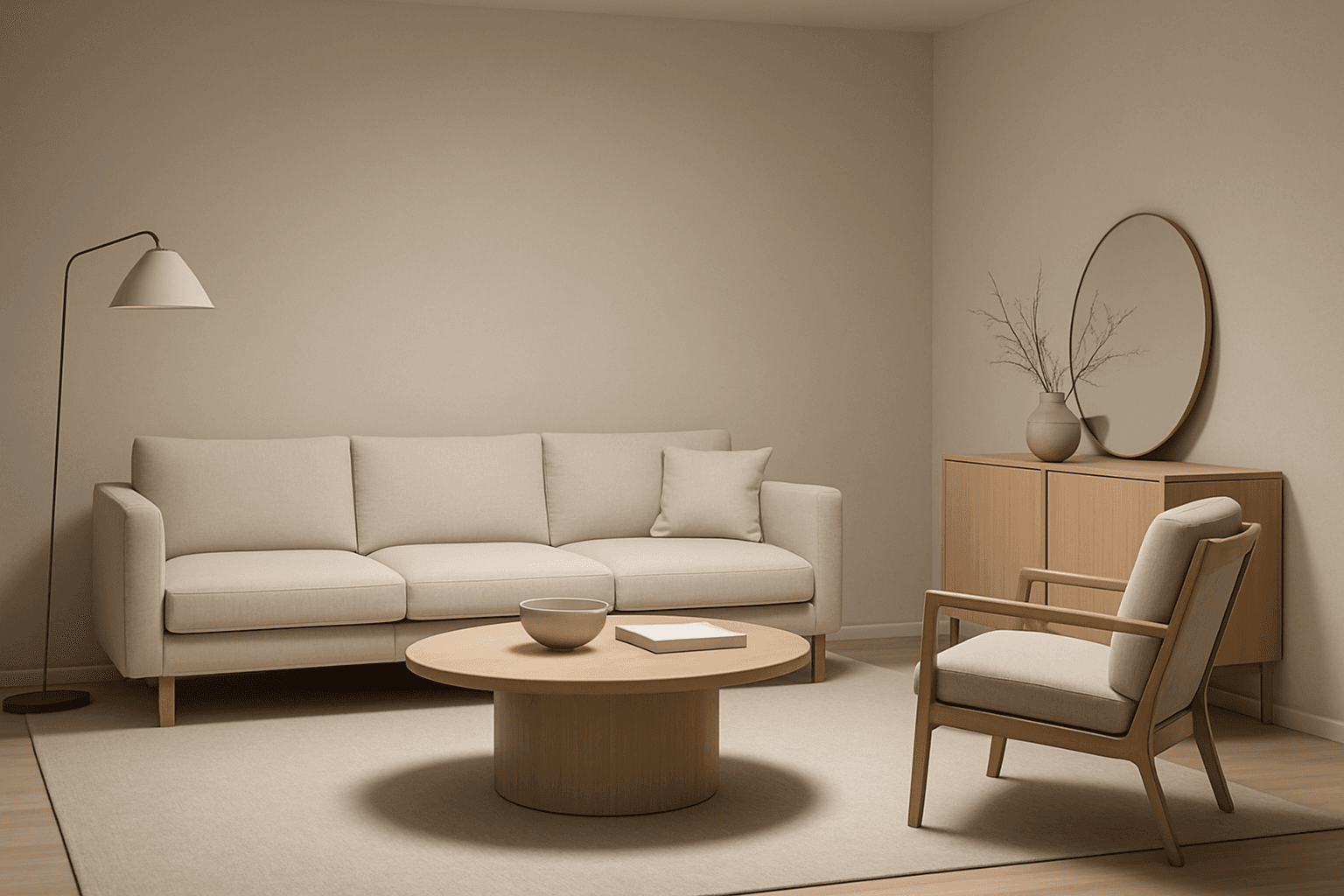
Overhead Lighting Technique
Using the overhead lighting technique in AI image generation adds a realistic and professional quality to images by simulating light coming from above the subject. This lighting style emphasizes the contours and shapes by casting natural shadows beneath objects, enhancing visual depth and dimensionality. It is frequently used in editorial photography, product displays, and interior visuals to create a refined mood and clarity. Incorporating overhead lighting into your prompts helps produce images with clean, premium aesthetics that suit commercial and artistic purposes alike.
View keyword
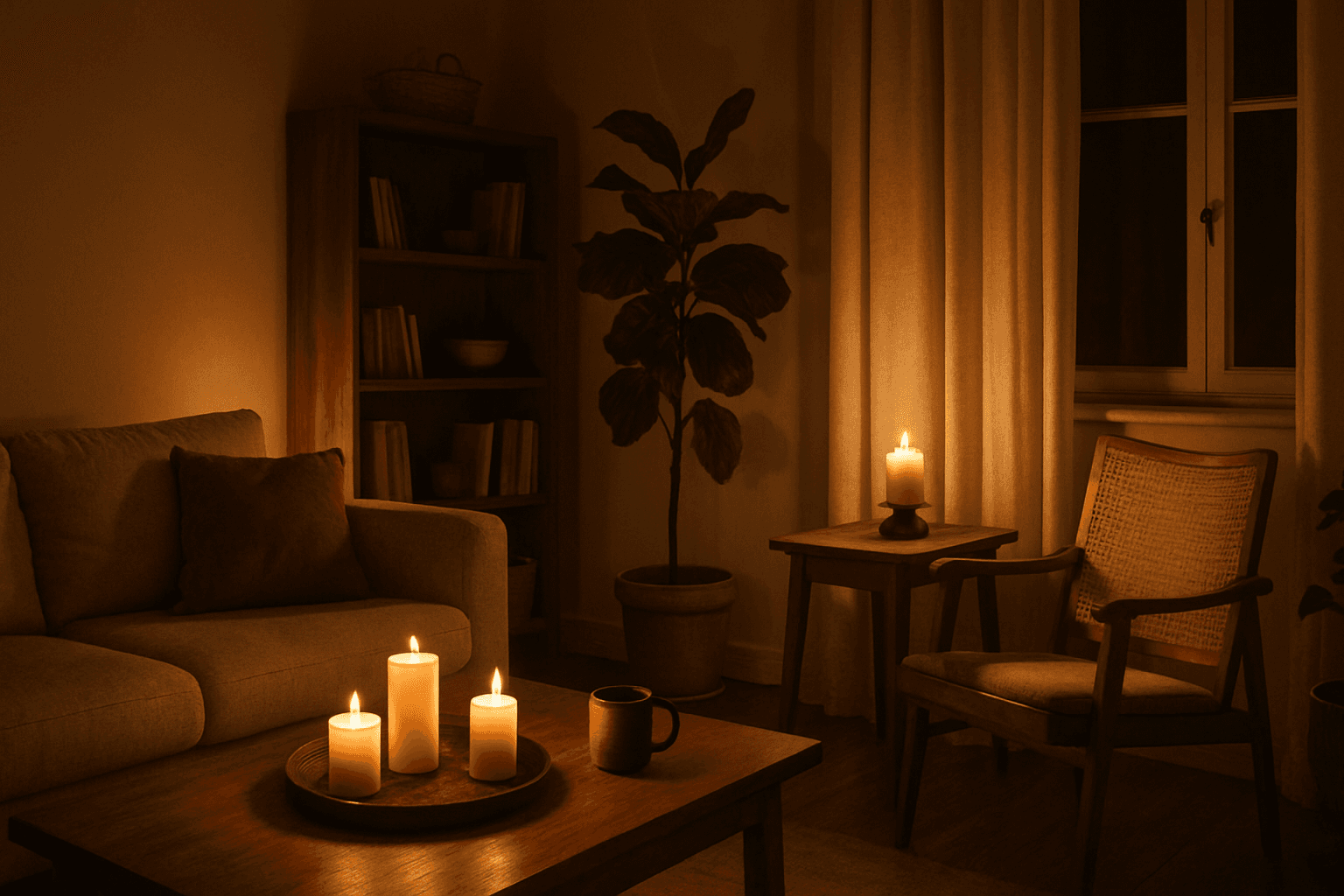
Flickering Light Effect
The Flickering Light Effect brings a unique atmospheric depth to AI-generated images by simulating light sources that pulse or flutter, such as candles, neon signs, or fires. This effect adds realism and drama by replicating natural light instability, often used to evoke ambiance, tension, or warmth. Applying this keyword transforms static lighting into visually engaging dynamics, enhancing storytelling in both photography-style renders and illustrative scenes.
View keyword
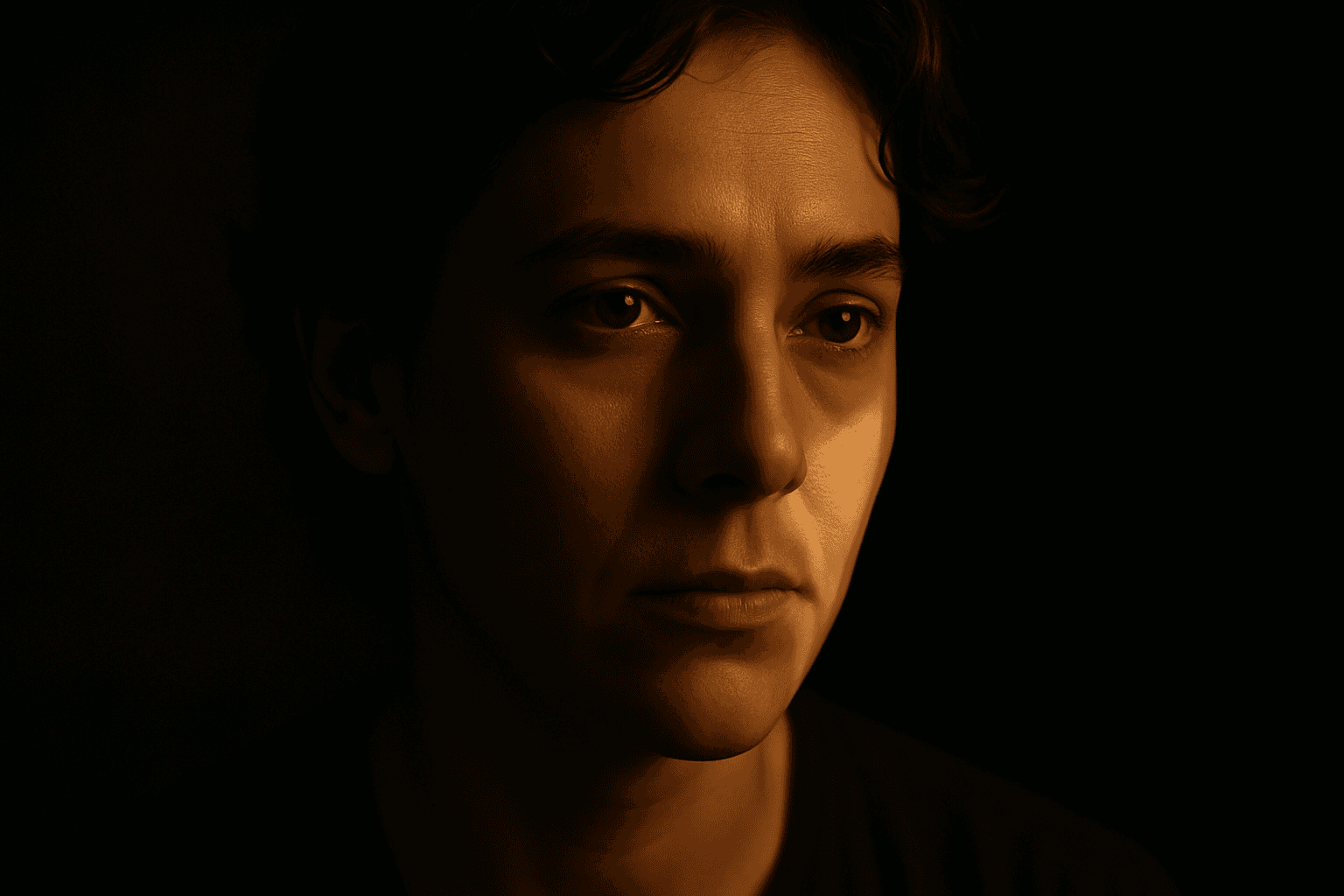
Rembrandt Lighting Technique
The Rembrandt lighting technique is a foundational portrait lighting method originating from the Old Master painter Rembrandt Harmenszoon van Rijn. In AI-generated images, this technique adds a cinematic and three-dimensional quality by highlighting a small illuminated triangle beneath the eye on the shadowed side of the face. Artists and photographers often use Rembrandt lighting to evoke drama, depth, and a classic aesthetic. Including this keyword in AI image prompts instructs models to replicate the lighting angle and shadow play, making portraits more visually compelling and lifelike. This effect enhances textures and contours, perfect for expressive character studies and refined editorial photography simulations.
View keyword
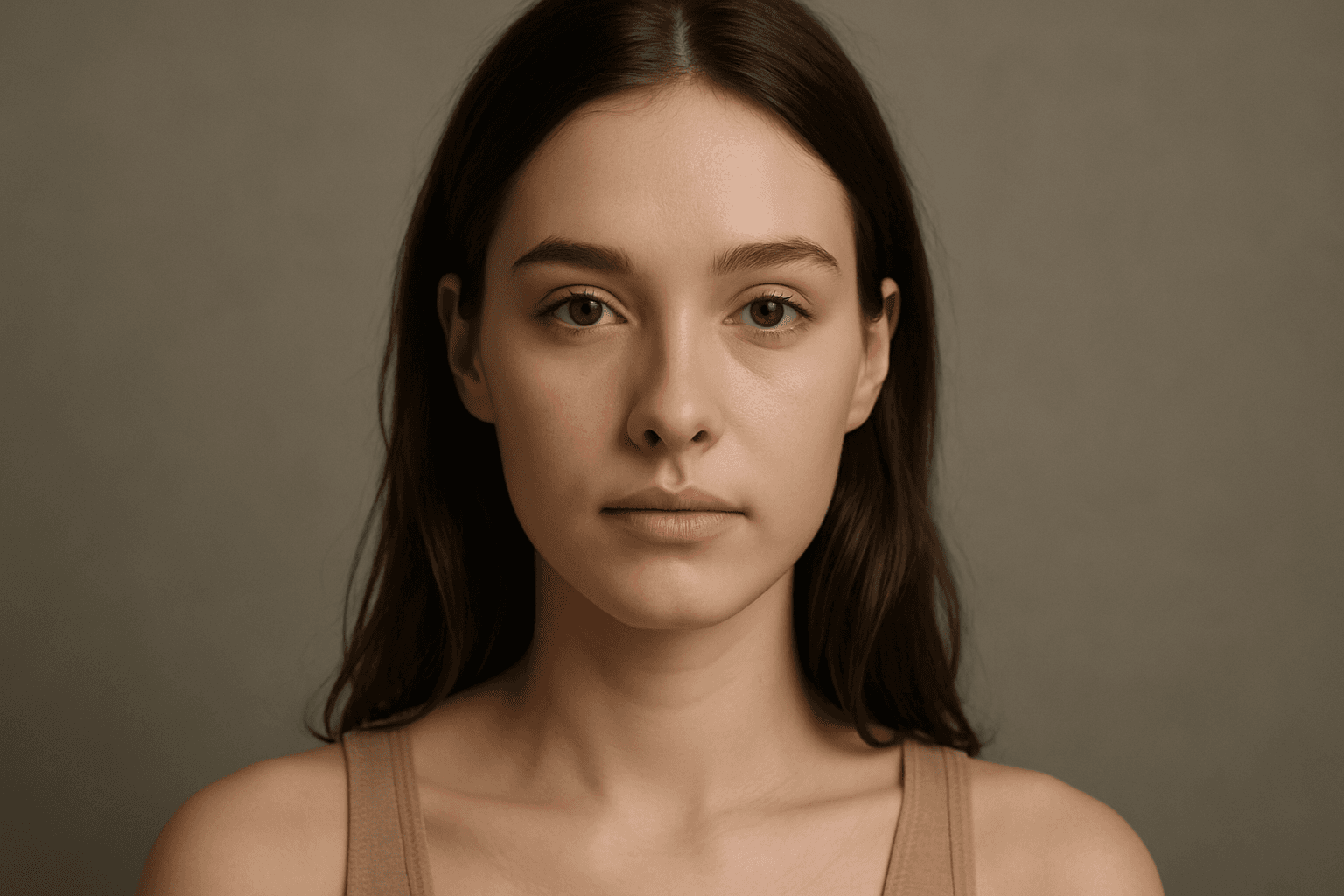
Soft Diffused Lighting
Soft diffused lighting is a popular lighting technique used to create visually appealing images with gentle, even illumination. This lighting style reduces harsh shadows and highlights, producing a smooth transition of light on subjects and backgrounds. In AI-generated imagery, specifying soft diffused lighting helps to evoke a natural, calming mood, making subjects appear more realistic and intricate details visible without stark contrast. It is commonly used in portraiture, product photography, and editorial imagery to deliver a polished, premium look. Leveraging soft diffused lighting enhances an image’s depth and material realism, ensuring a refined and aesthetically balanced output.
View keyword
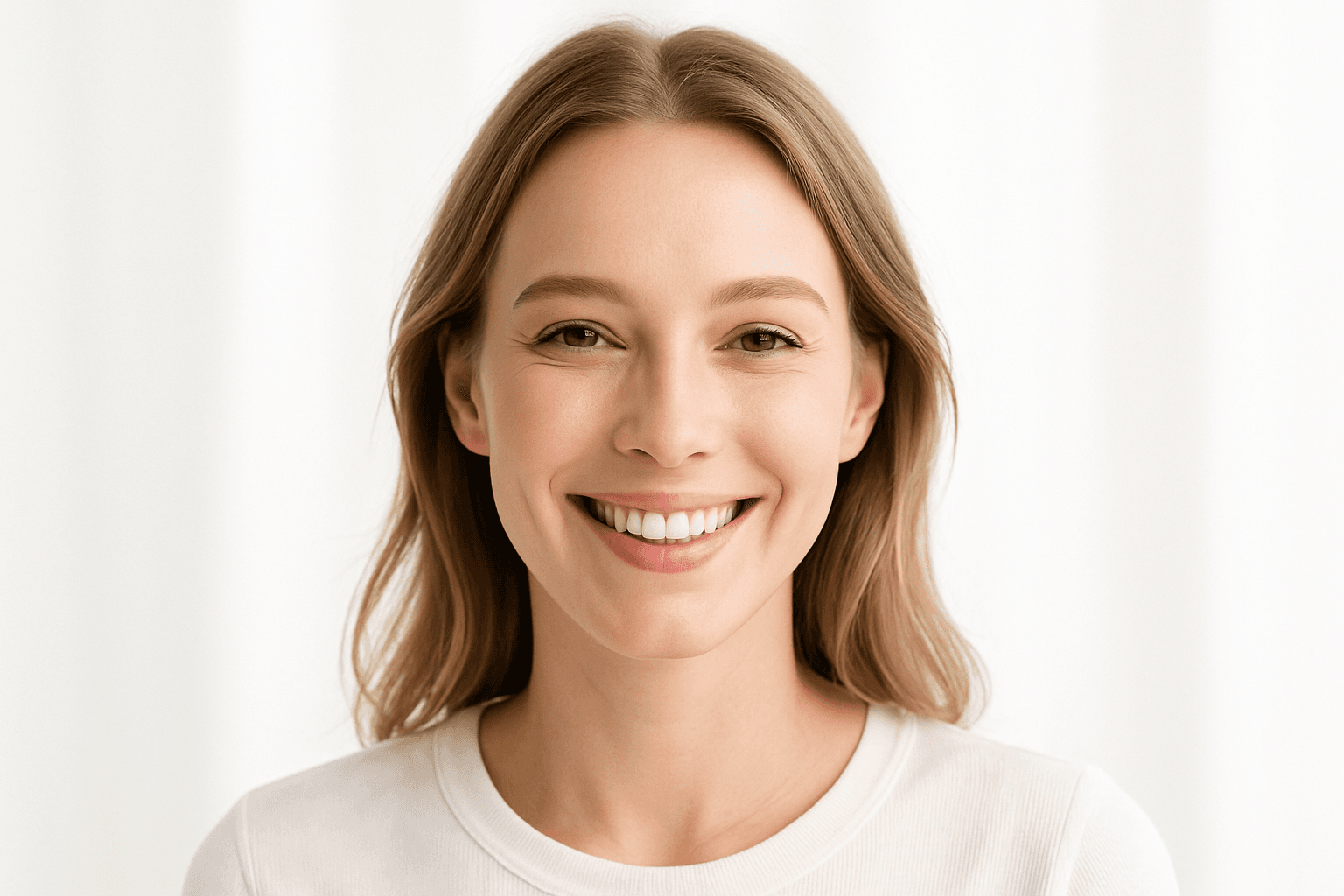
High Key Lighting Setup
High Key Lighting Setup transforms the mood and clarity of an image by emphasizing brightness and reducing harsh shadows. This style is known for its airy, clean, and polished aesthetic that enhances softness and detail. In AI image generation, specifying a high key lighting setup helps evoke feelings of freshness, positivity, and elegance, making images appear bright and inviting. It effectively highlights textures and color purity without dramatic shadows, which suits product photography, portraits, and editorial uses where a crisp, premium look is desired. Understanding and applying high key lighting keywords in prompts ensure consistent outputs aligned with this visual ethos.
View keyword
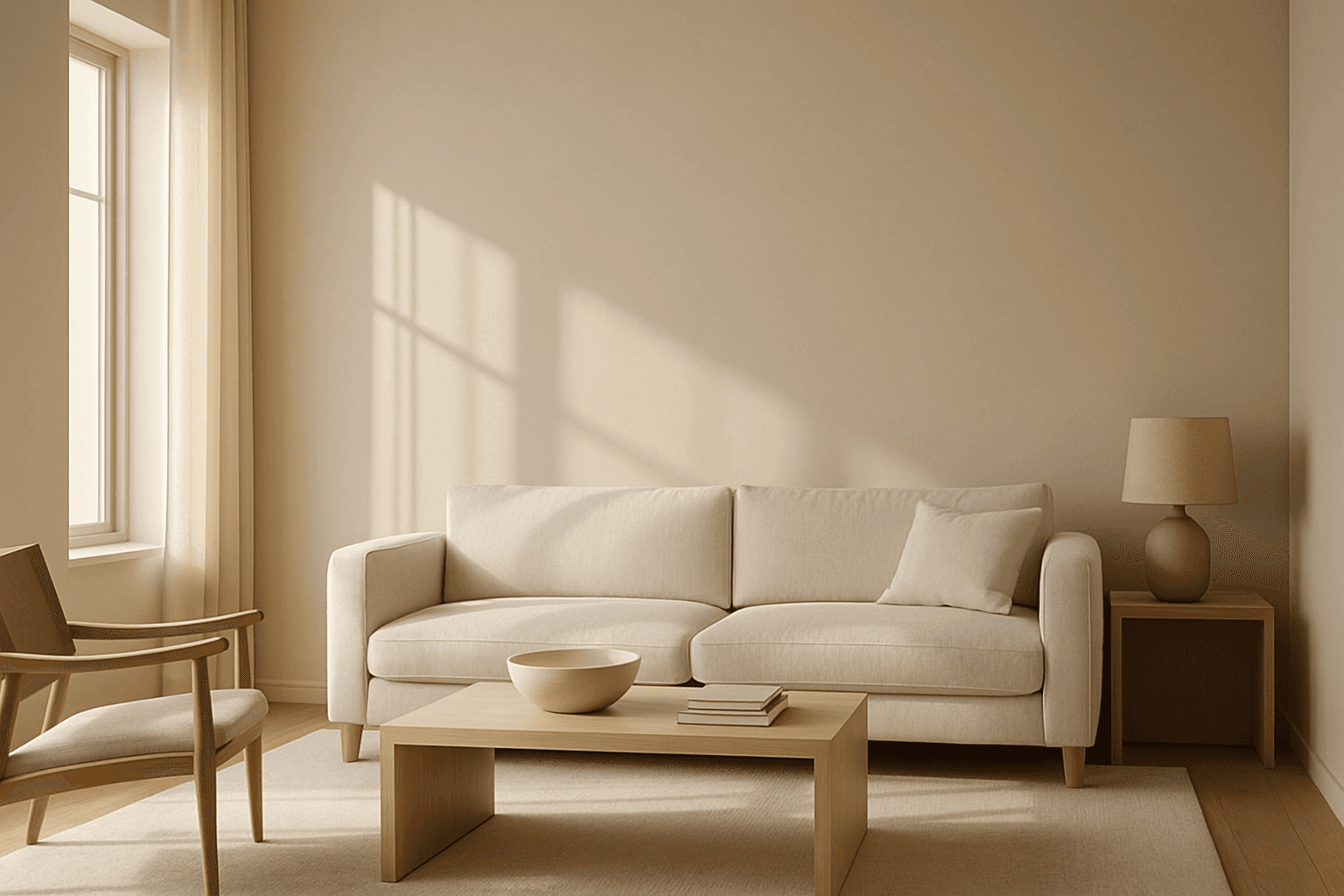
Natural Window Lighting
Natural Window Lighting is a popular lighting technique that mimics the ambient daylight streaming through windows, offering a natural and realistic illumination style in AI-generated images. It emphasizes soft shadows and highlights that define form and texture without harsh contrasts, making scenes appear inviting and warm. This lighting enhances photographic aesthetics, especially for indoor portraits, still lifes, and architectural visualizations, by adding depth and subtle color shifts. Using this keyword in AI prompts guides the image generation to prioritize delicate lighting effects and realistic shadow play reminiscent of early morning or late afternoon light filtering through windowpanes.
View keyword
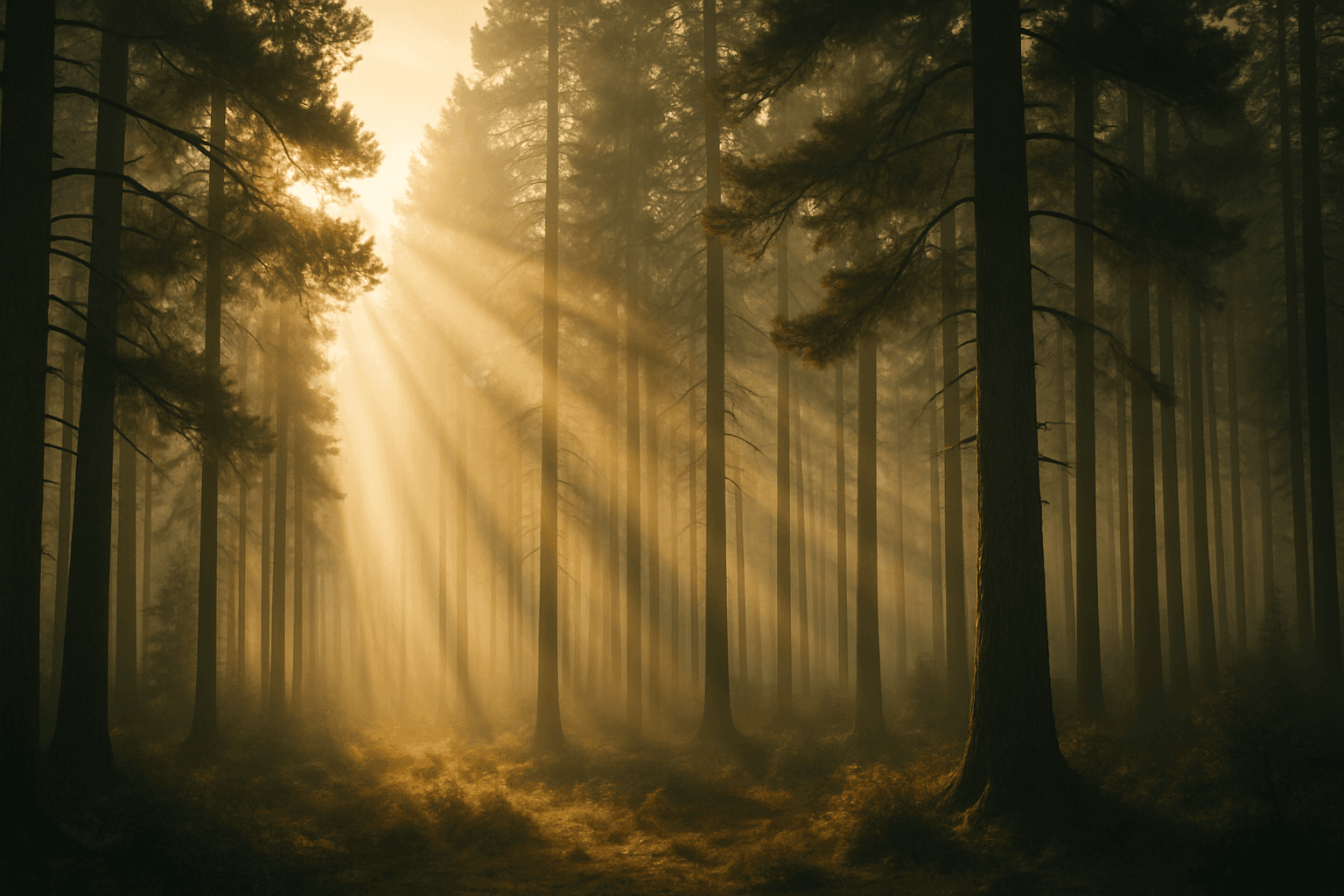
Volumetric Light Rays
Volumetric light rays serve as a compelling lighting effect in AI-generated images, offering a sense of realism and spatial depth by mimicking how light interacts with particles in the air. Incorporating this keyword in prompts helps create scenes lit through fog, dust, or haze where beams of light are visible, producing cinematic or ethereal atmospheres. Common in landscape photography, interiors with windows, and dramatic portraits, volumetric light rays enhance storytelling by emphasizing ambient conditions or time of day. This effect can elevate compositions by adding subtle guiding lines that direct viewers’ attention and foster a mood of mystery, tranquility, or awe.
View keyword
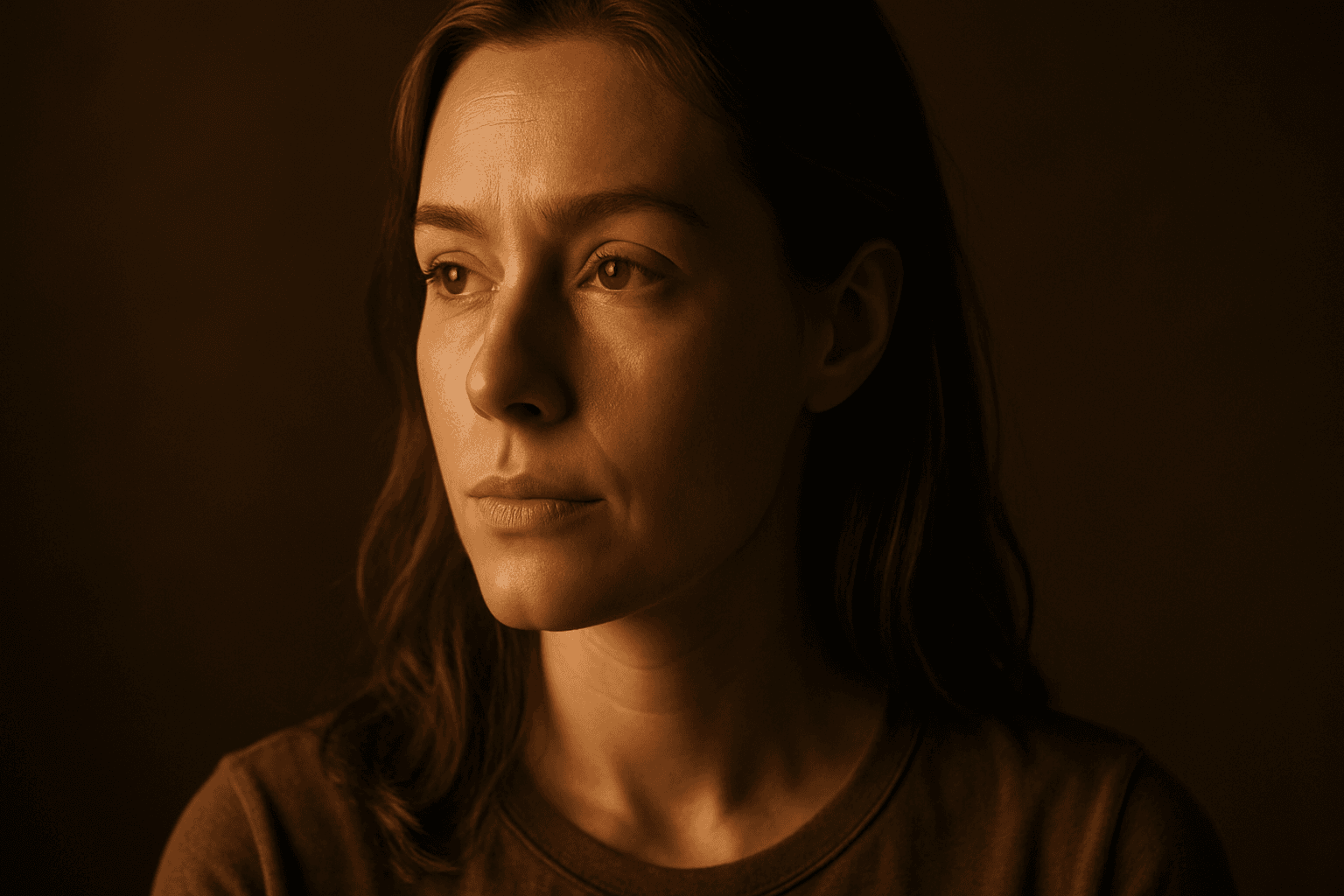
Directional Side Lighting
Directional side lighting is a powerful lighting technique widely used in photography and digital art to add dimensionality and mood. In the context of AI image generation, specifying directional side lighting shapes how the model simulates light interaction with subjects and environments. This lighting style creates pronounced contrasts between illuminated and shaded areas, resulting in images with realistic depth and enhanced visual interest. It is especially effective for emphasizing textures and defining shapes in portraits, still life, architectural renders, and product shots. Using this lighting approach in AI prompts helps generate more polished and professional visuals suitable for editorial and commercial use.
View keyword
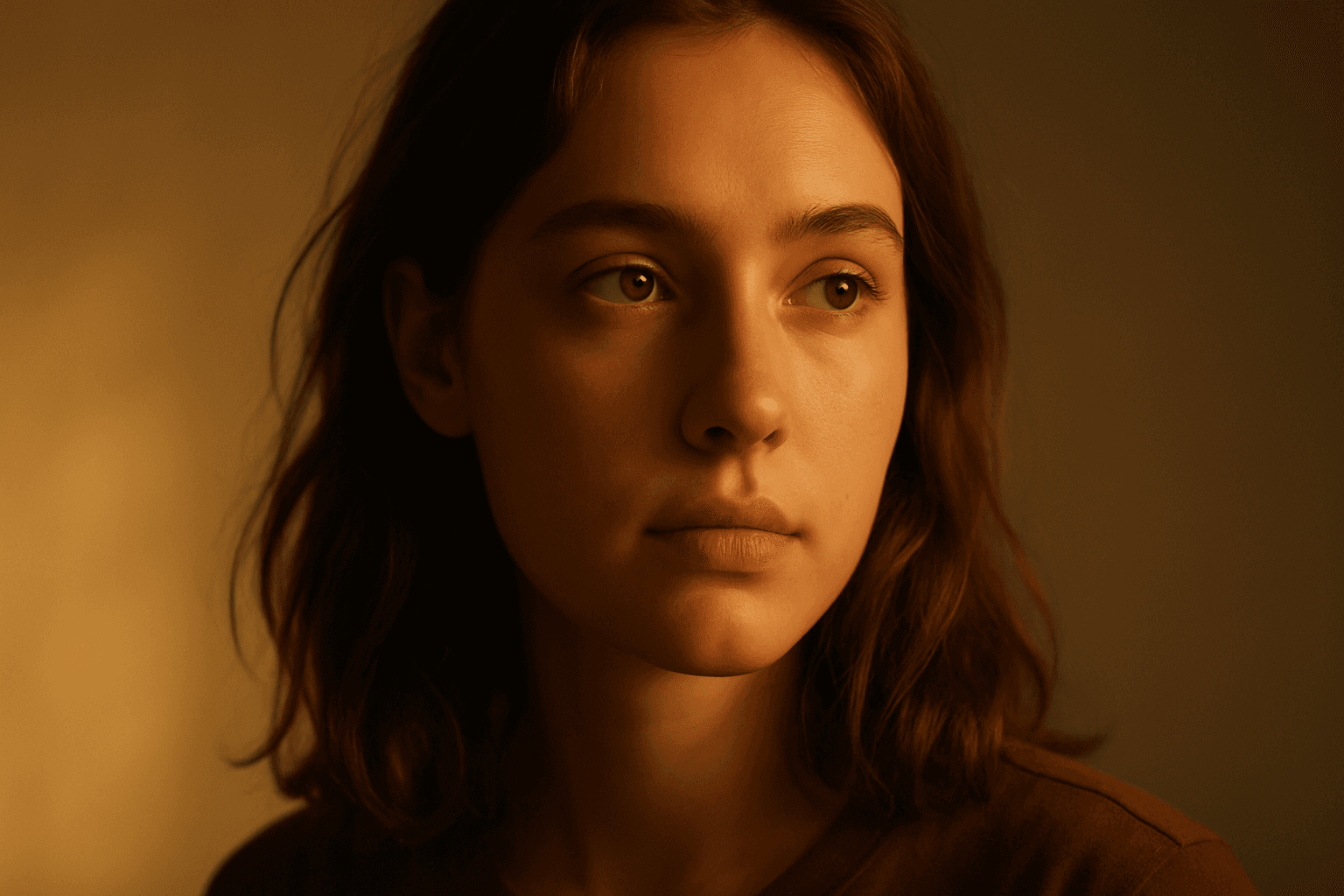
Golden Hour Soft Light
Golden Hour Soft Light captures the magical lighting conditions during the early morning or late afternoon sun. This natural lighting style is prized for its warm colors and flattering softness, often leading to images that feel intimate and aesthetically pleasing. When incorporated into AI prompts, it helps generate scenes with realistic ambient and directional light that evokes emotion and depth. This lighting style works well across portraiture, landscapes, and still-life imagery, providing a premium and elegant look. It subtly enhances textures and materials without harsh contrasts or glare, offering a polished and professional finish suitable for editorial and commercial use.
View keyword
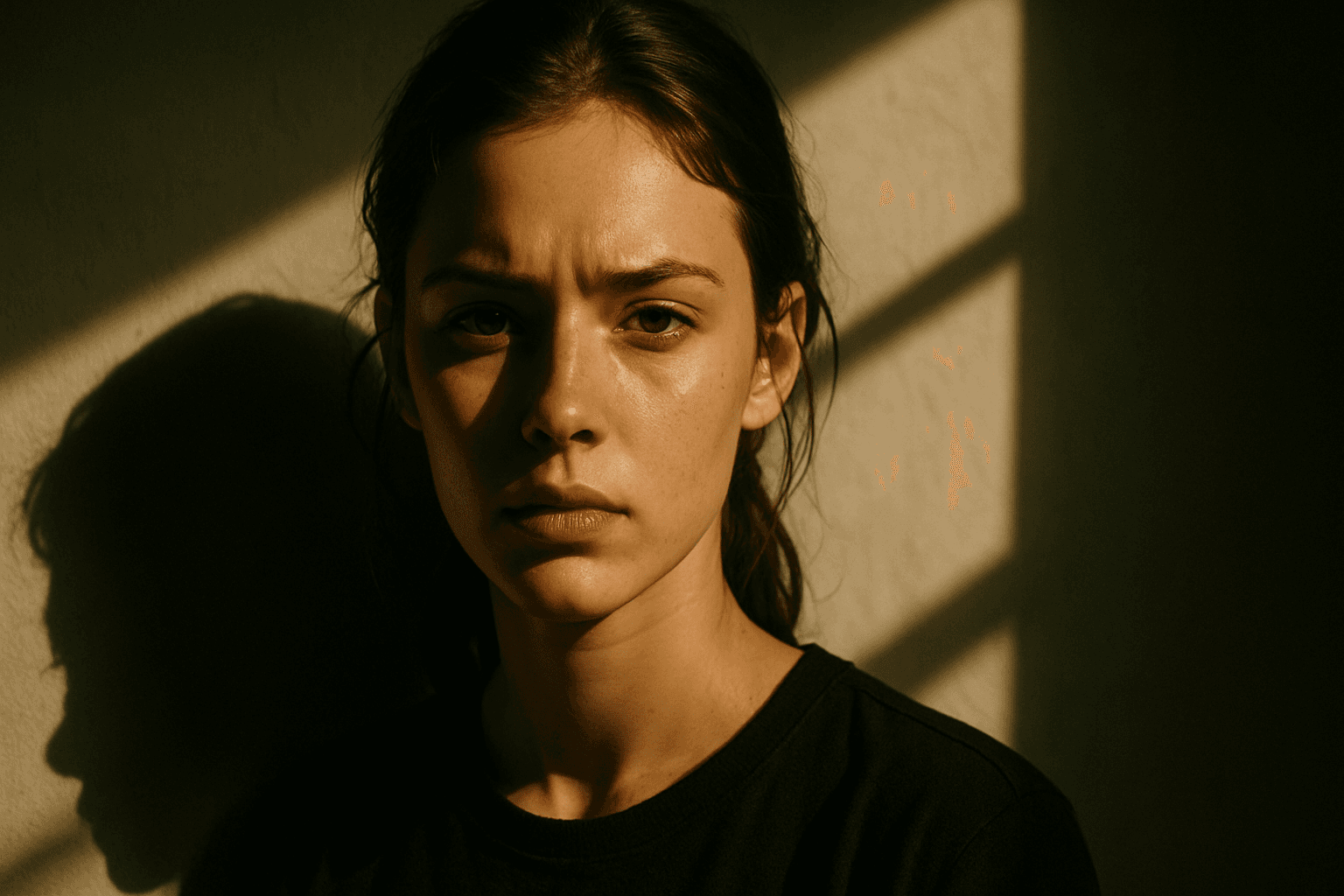
Hard Shadow Contrast
Hard Shadow Contrast is a lighting effect that dramatically defines shadows with crisp, sharp edges and pronounced contrast between light and dark areas. In AI-generated images, incorporating this characteristic elevates the visual impact by adding dimensionality and emphasizing surface textures. It is particularly useful in highlighting form, structure, and materials, creating a striking and refined appearance. By controlling this effect through prompts, artists and designers can guide AI models to produce compositions with cinematic or editorial lighting moods, enhancing realism or artistic expression without soft or diffuse shading.
View keyword
Backlit Rim Lighting
Backlit Rim Lighting offers a striking way to emphasize shapes and contours by placing light sources behind the subject. This technique casts a luminous halo or rim around the edges, enabling clear subject separation from backgrounds even if they are dimly lit. In AI-generated images, prompts including this term encourage models to simulate realistic lighting setups that heighten drama, depth, and visual interest. Artists and photographers often use this style to evoke mood or highlight subject textures through translucent or reflective surfaces. Incorporating Backlit Rim Lighting in image generation can instantly transform compositions, lending premium polish suitable for editorial, cinematic, and commercial visuals.
View keyword
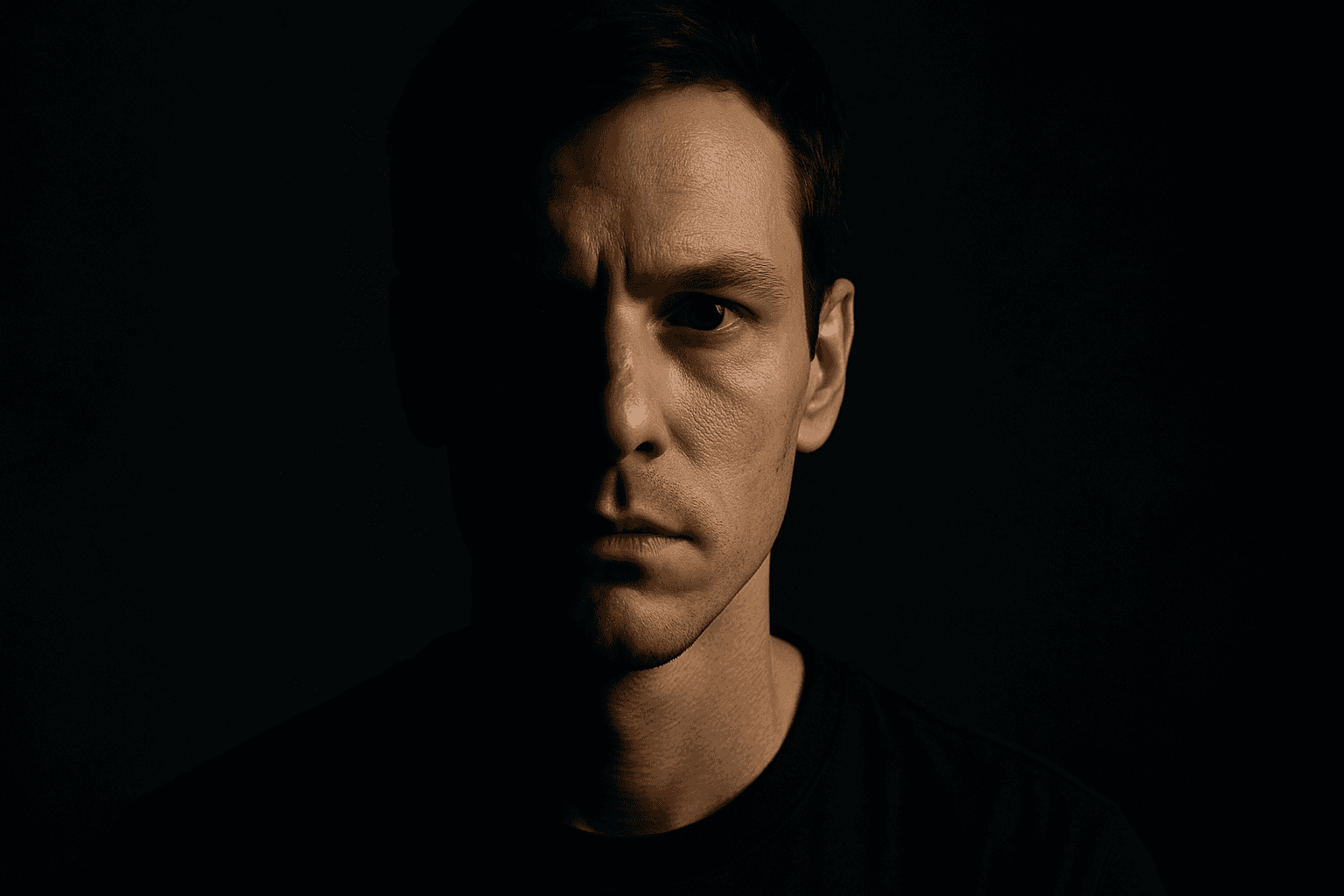
Split Lighting Technique
Split lighting is a classic photographic lighting technique widely used for portraits to craft dramatic and intense images. When applied in AI image prompts, it guides the generation to simulate this lighting style by illuminating one half of the subject brightly while casting the other half in shadow. This technique enhances depth and character, often lending a mysterious or serious tone to portraits. It is especially effective for emphasizing facial features, textures, and emotional expressions. Utilizing split lighting in AI art allows creators to generate compelling, high-contrast images that stand out in editorial, commercial, or artistic contexts.
View keyword
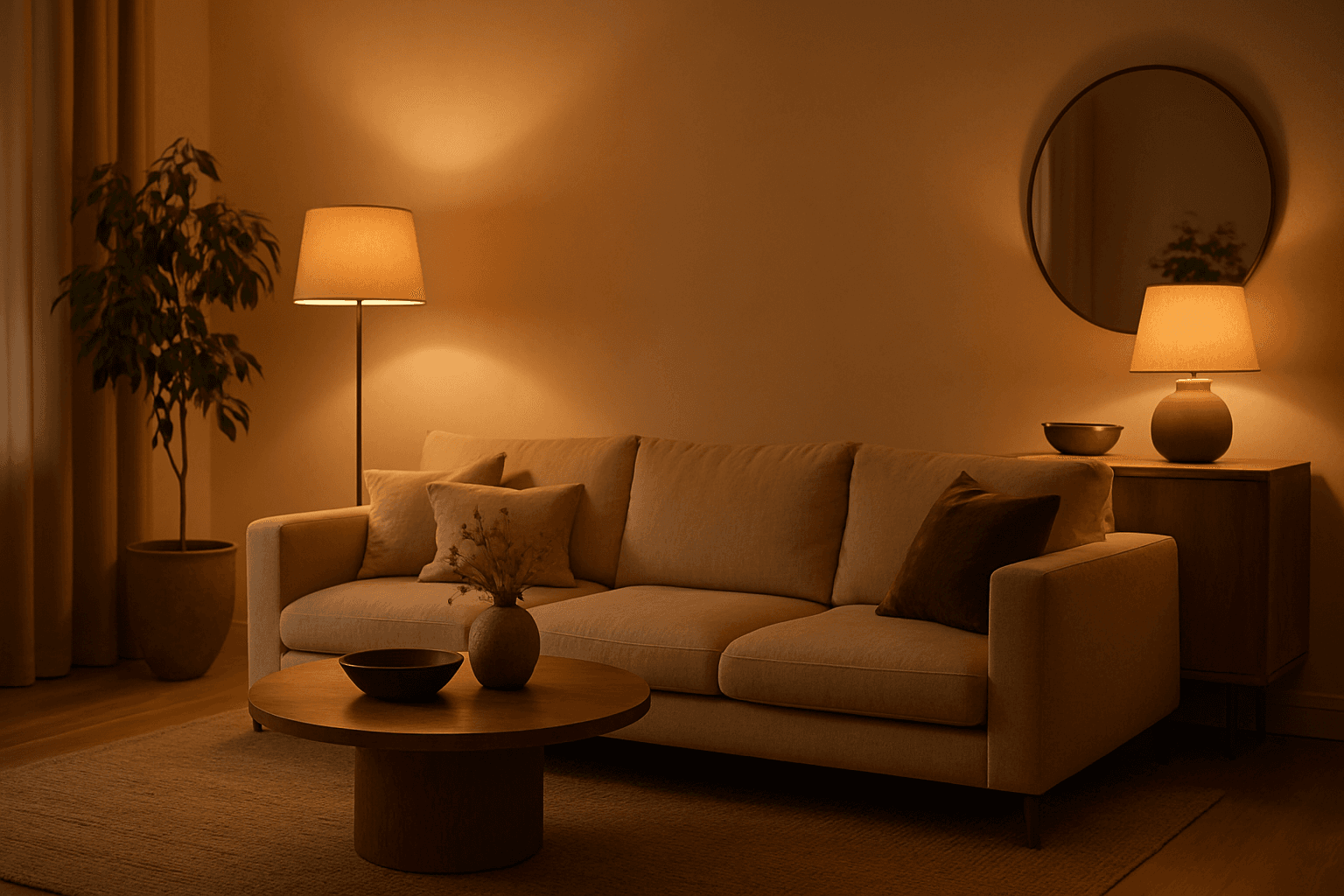
Warm Ambient Glow
In AI-generated imagery, the "Warm Ambient Glow" keyword is used to simulate cozy, inviting lighting environments characterized by soft, warm illumination that enriches the visual texture and mood. This lighting effect mimics natural golden-hour sunlight or artificial sources like incandescent lamps, casting gentle gradients of warm light that add emotional warmth and realism without overpowering highlights or harsh contrasts. The resulting images often convey feelings of comfort, intimacy, or nostalgia and are especially valuable in editorial, lifestyle, and interior design visuals. Incorporating this prompt keyword encourages AI models to focus on warm tones and a balanced ambient light distribution, making it ideal for enhancing the aesthetic appeal of portraits, product shots, and environmental scenes with a premium, polished finish.
View keyword
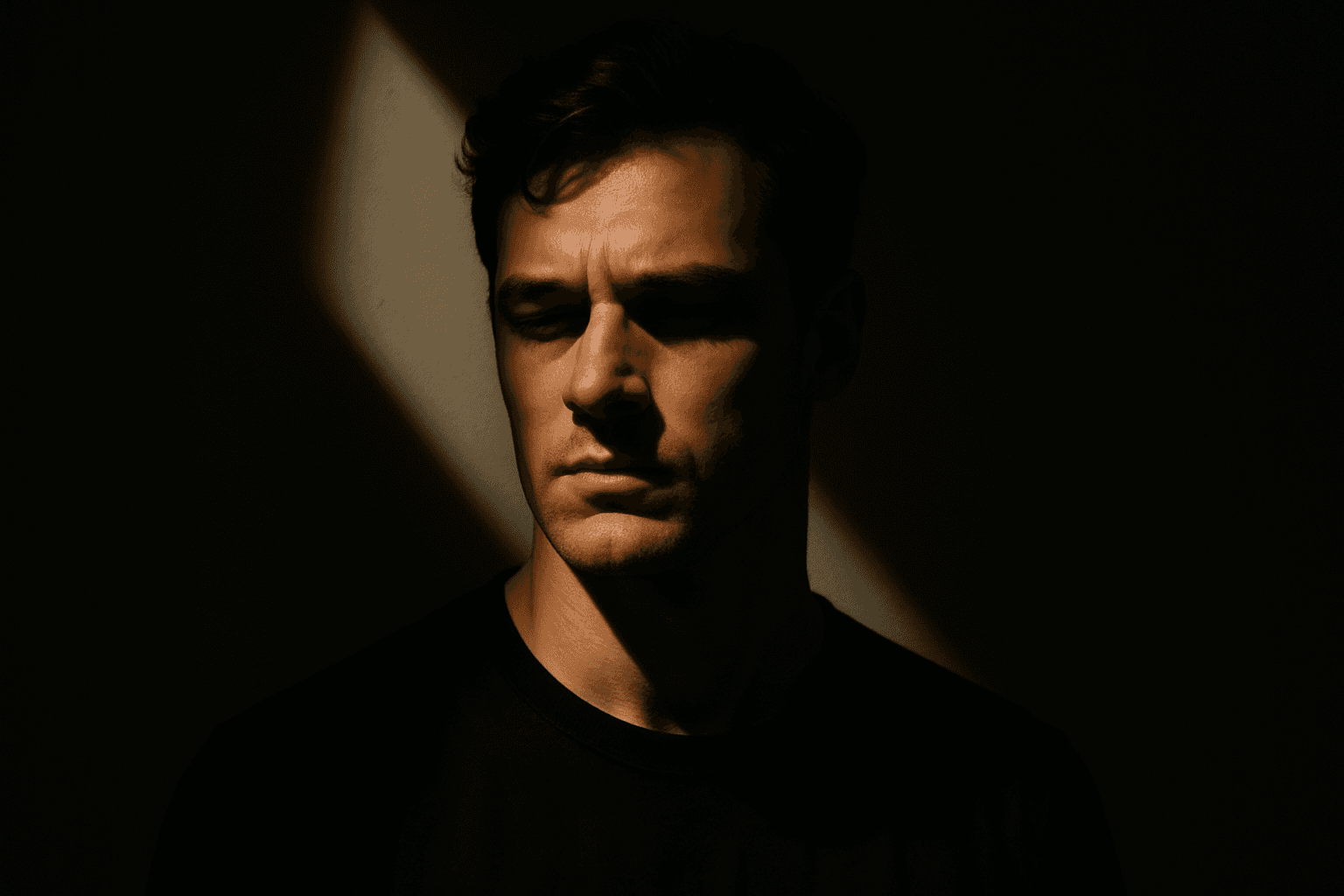
Dramatic Shadow Play
Dramatic shadow play is a powerful lighting technique that leverages stark contrasts between light and dark areas to draw attention and evoke emotion. By guiding AI to create strong directional lighting accompanied by pronounced shadows, images gain a sculptural and dynamic quality. This technique helps emphasize textures, enhance spatial depth, and create visually compelling compositions that stand out. In AI-generated art, incorporating shadow play opens up creative possibilities for storytelling, mood setting, and artistic expression, especially in portraiture, architectural photography, and fine art visuals.
View keyword
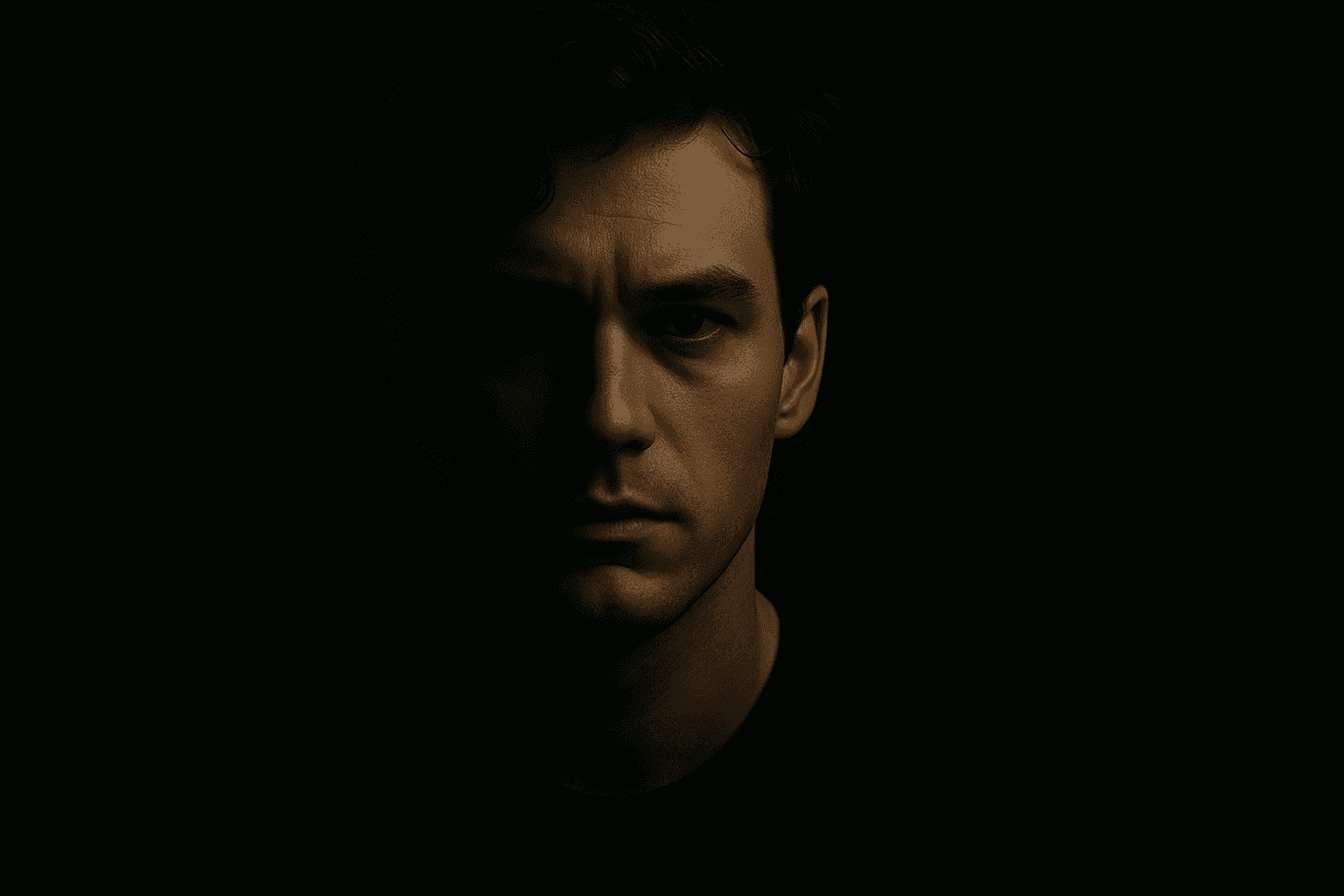
Underexposed Mood Lighting
Underexposed mood lighting is a creative lighting technique used in AI-generated images to evoke atmosphere through reduced exposure and enhanced shadows. By controlling brightness and contrast, it crafts visually compelling scenes that feel intimate, mysterious, or cinematic. In AI prompts, this concept helps guide models toward dimmer settings where textures and shapes are subtly revealed without harsh lighting, often highlighting emotional depth or storytelling elements. Professionals leverage underexposed lighting to produce moody portraits, dramatic environments, or evocative still lifes, making it essential for users aiming to add artistic depth and ambience to their digital creations.
View keyword
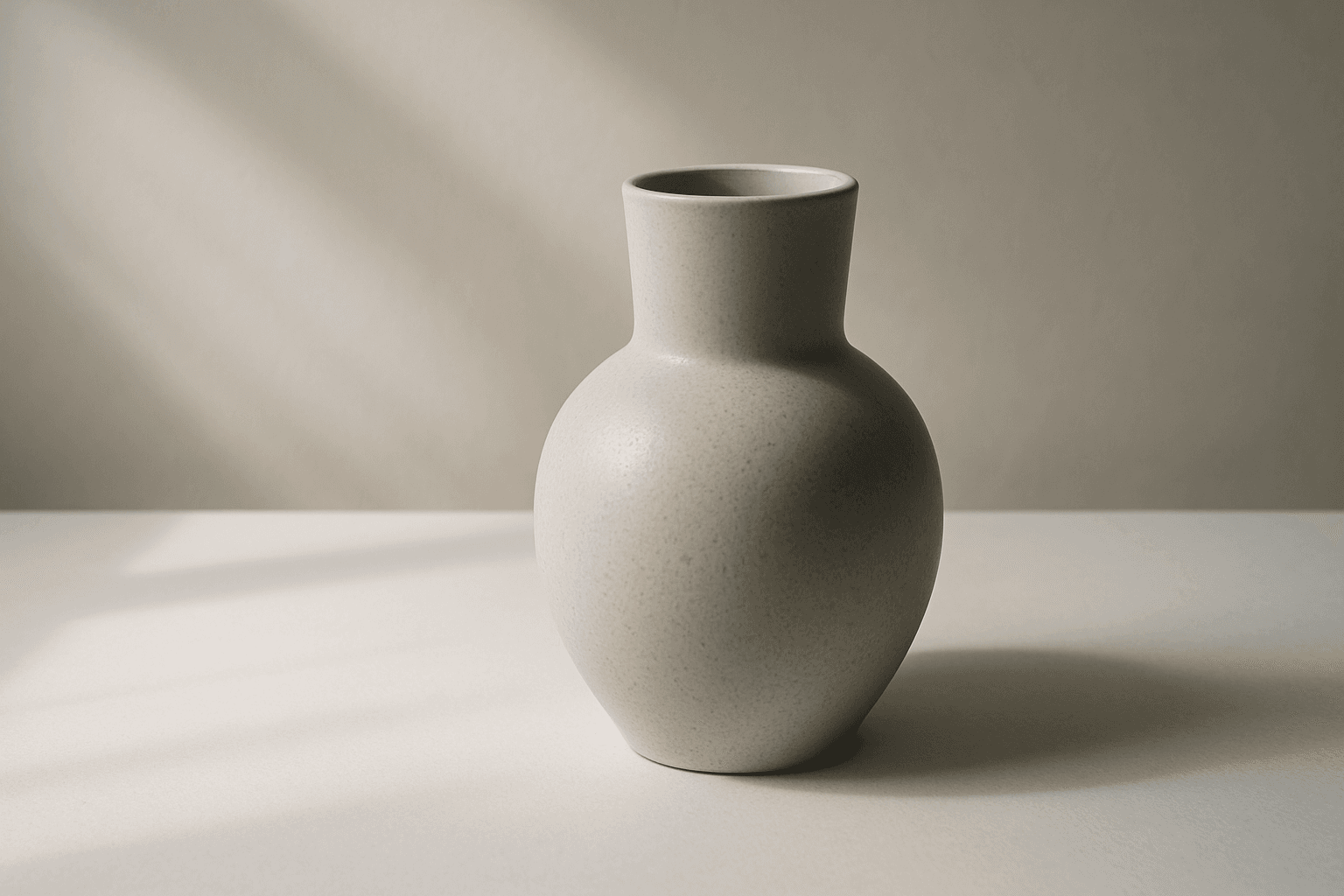
Soft Shadow Gradients
Soft Shadow Gradients introduce nuanced shading that elevates AI-generated images through natural, gentle light transitions. Instead of stark shadows and high contrast, this lighting style produces sophisticated visuals with a premium feel, ideal for editorial and commercial artwork. By specifying this effect in prompts, creators achieve images with refined lighting that highlight textures and shapes gracefully. This enhances realism and adds visual interest without overpowering the subject matter, supporting modern, clean compositions favored in digital design and advertising.
View keyword
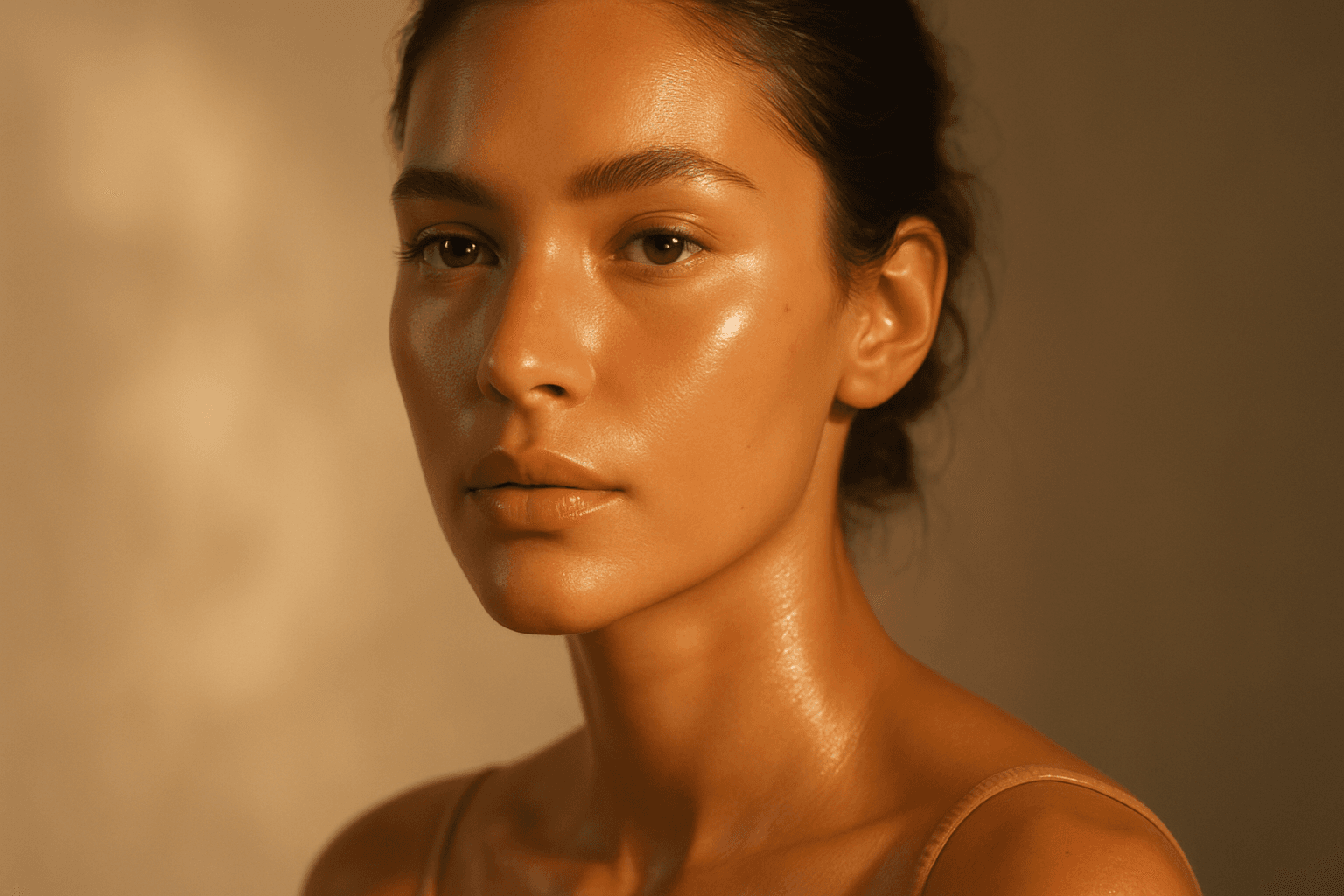
Radiant Glow Effect
The Radiant Glow Effect is a popular keyword in AI-generated imagery for its ability to create captivating lighting that enhances the mood and realism of digital compositions. By incorporating this effect in prompts, users encourage the model to simulate light that softly radiates, producing a luminous aura around objects or environments. This effect can transform flat or dull scenes into vibrant, atmospheric visuals that feel warm and inviting. It is particularly valuable in scenes featuring candles, neon signs, sunsets, or magical elements where the glow enriches the overall narrative of the image. The effect works well complementing realistic materials and natural lighting setups, contributing to images that are both eye-catching and emotionally engaging.
View keyword
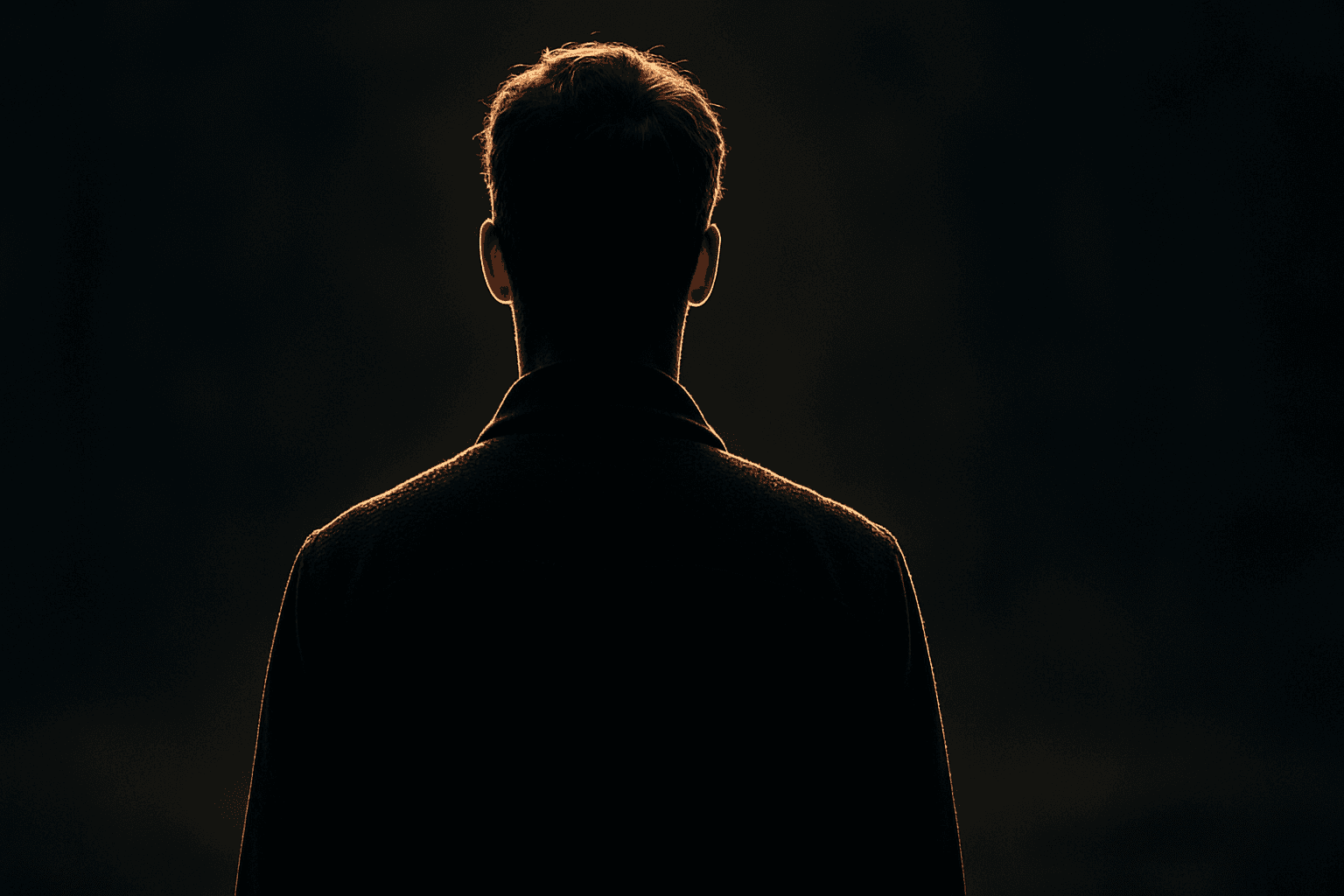
Silhouette Outline Lighting
Silhouette Outline Lighting is a specialized lighting effect that enhances AI-generated images by emphasizing the subject's edges with a glowing rim of light. Commonly used to create dramatic, visually appealing silhouettes, this lighting style accentuates contours and adds striking contrast by brightly outlining the subject against a darker background. In AI image generation, including this keyword can guide the model to apply backlighting or rim lighting techniques, which help separate the subject from the background and add an artistic flair. This approach is widely appreciated in portraiture, product photography, and conceptual art for its ability to convey emotion and focus attention on shape and form.
View keyword
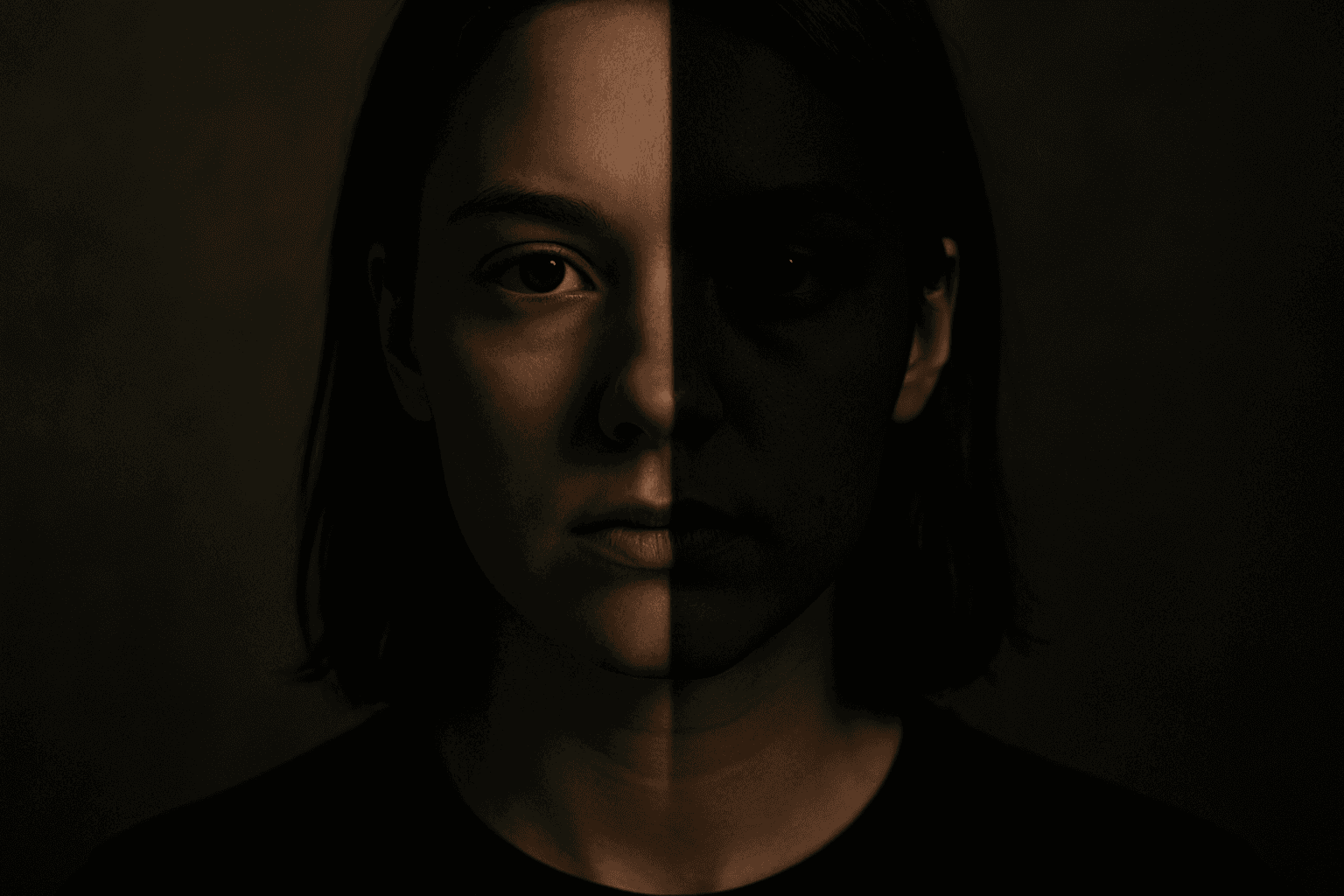
Split Lighting Portrait
Split lighting portrait is a classic photographic and artistic technique used to create images with striking contrast and depth. By illuminating exactly one side of the face and leaving the other in shadow, it sculpts the subject's features in a bold and attention-grabbing way. This lighting style conveys intensity, mystery, or seriousness, making it a popular choice for dramatic portraiture. When used in AI image prompts, split lighting shifts the generated image's mood and composition to highlight this pronounced half-lit effect, producing portraits with enhanced dimensionality and emotional impact.
View keyword
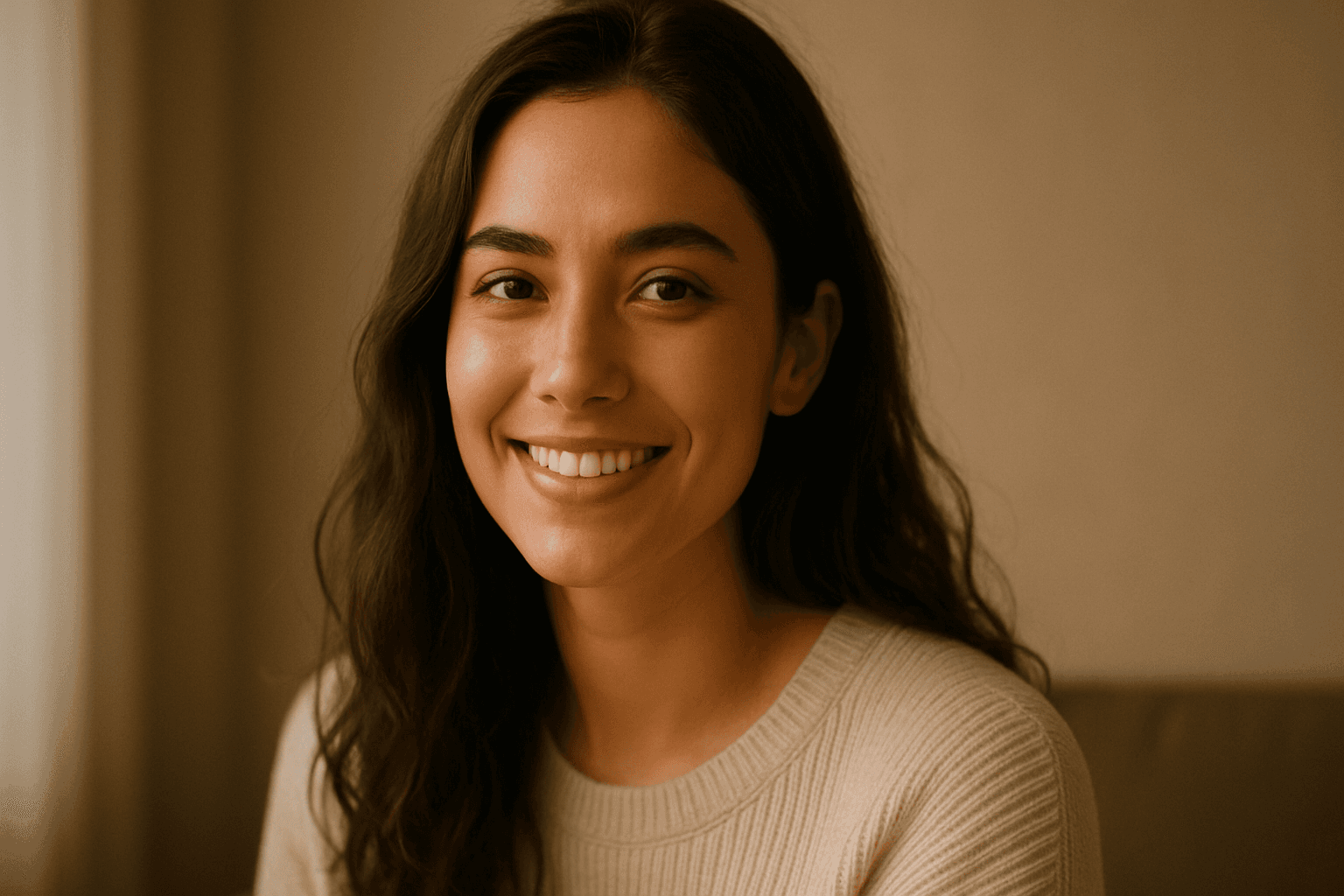
Soft Ambient Glow
The Soft Ambient Glow keyword is essential for adding subtle warmth and diffuse light to AI-generated images. Unlike direct or harsh lighting, it creates a gentle, enveloping glow that enriches texture and form while maintaining natural shadow gradations. This effect works well in editorial portraits, interior scenes, and nature photography, helping images feel intimate and polished. By leveraging this effect, creators can evoke mood and focus attention without overwhelming brightness. It’s particularly useful for achieving premium, realistic visuals that appeal to lifestyle, advertising, or stock image markets. Soft Ambient Glow enhances quality through refined lighting sophistication.
View keyword
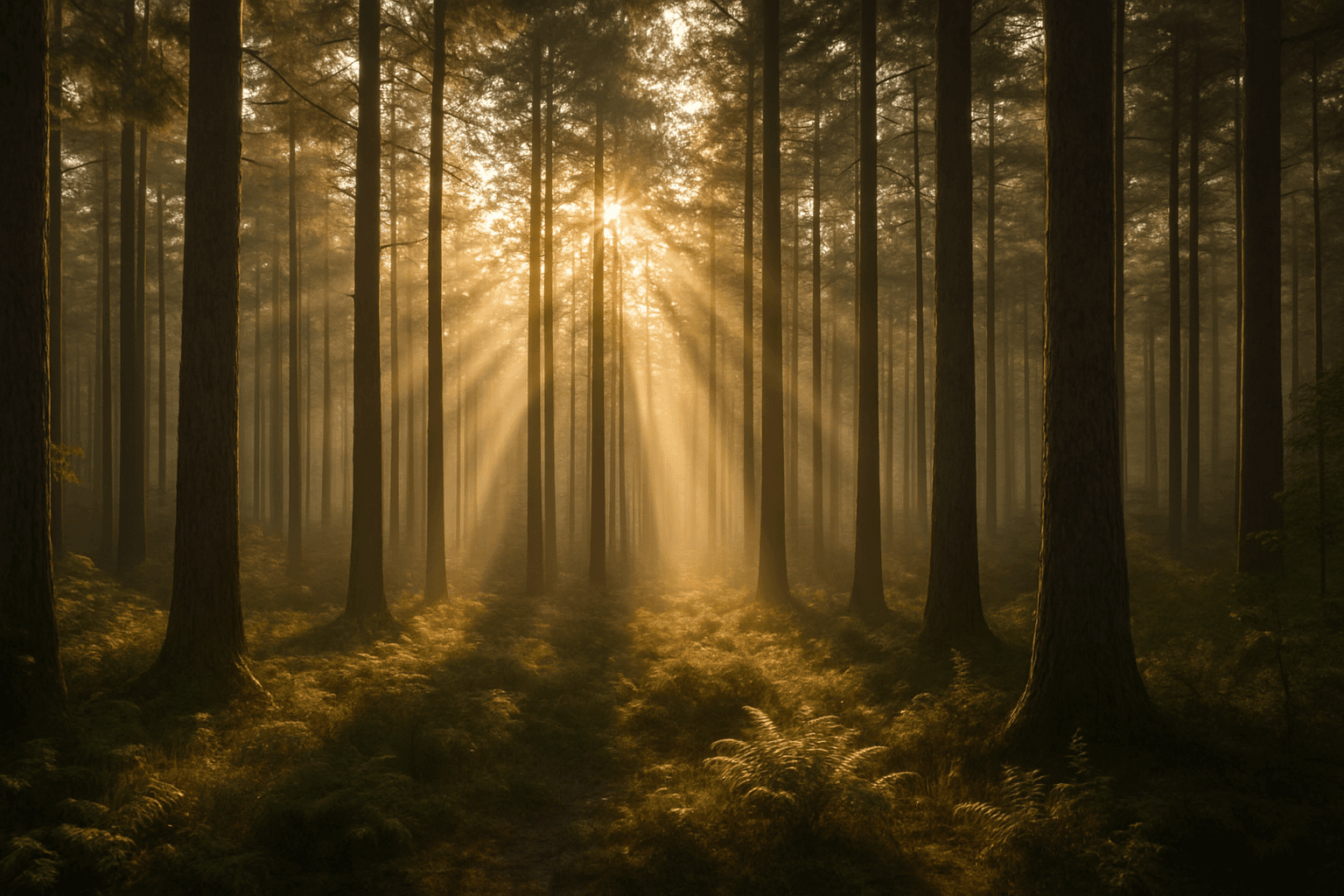
Volumetric Light Beams
Volumetric Light Beams dramatically influence the mood and spatial perception of AI-generated images by simulating the way light interacts with airborne particles. When incorporated into prompts, these beams create distinct shafts of light that visually extend from a source, adding realistic highlights and shadows to compositions. This effect is widely used in photography and cinematic visuals to evoke feelings of mystery, warmth, or ethereal beauty. In AI art generation, it helps transform flat lighting into immersive three-dimensional ambiance, emphasizing light direction and environmental presence.
View keyword
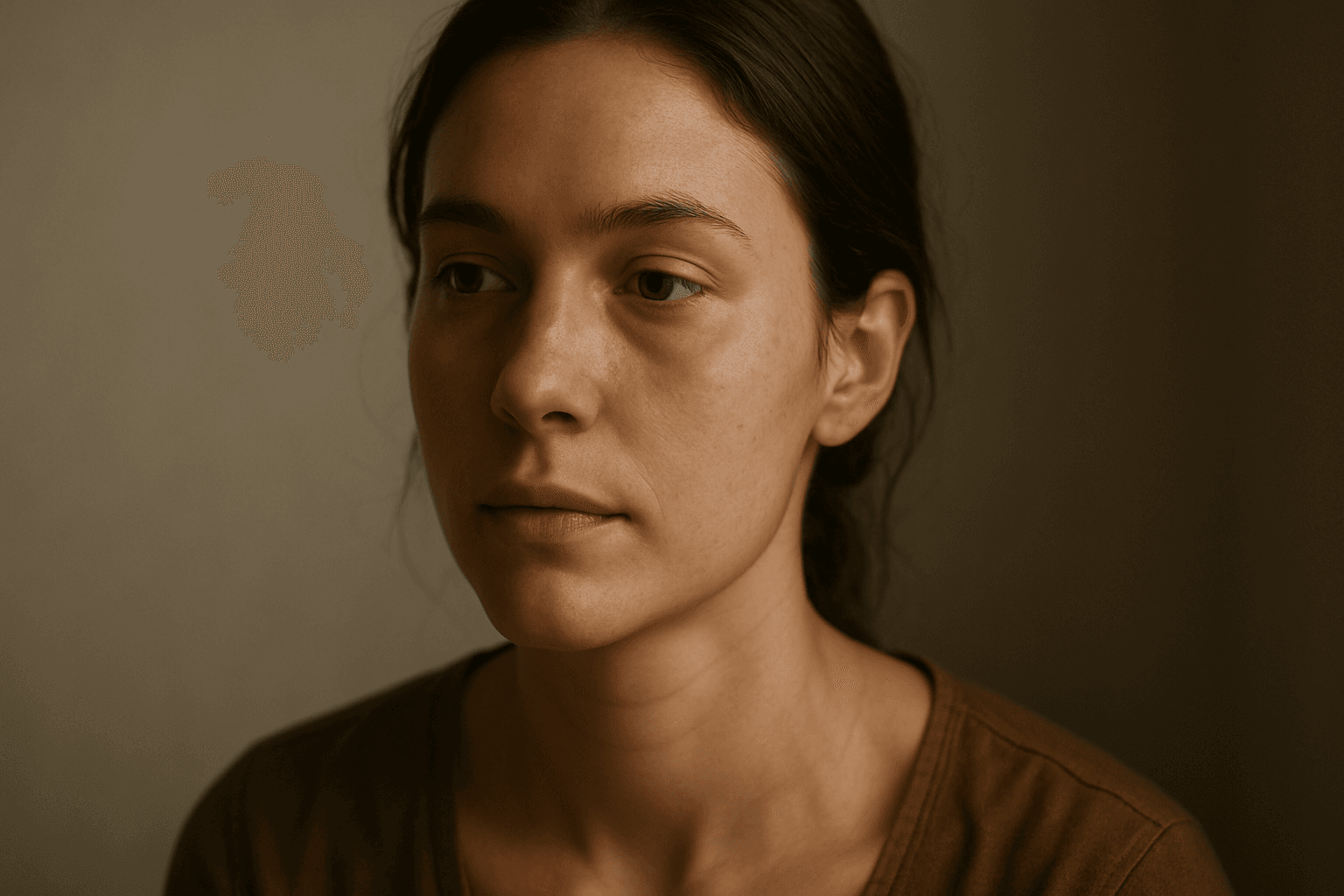
Reflected Light Technique
The reflected light technique is essential for artists and AI users aiming to enhance the quality and realism of generated images. By incorporating reflected light cues into prompts, the AI simulates indirect lighting effects that naturally exist in real-world scenes. This technique softens shadows, improves spatial depth, and accentuates textures and materials subtly. It is especially beneficial in portrait, still life, and interior imagery, where nuanced light behavior impacts mood and detail perception. Using reflected light can transform flat, unrealistic images into visually engaging artwork with a heightened sense of atmosphere and authenticity.
View keyword
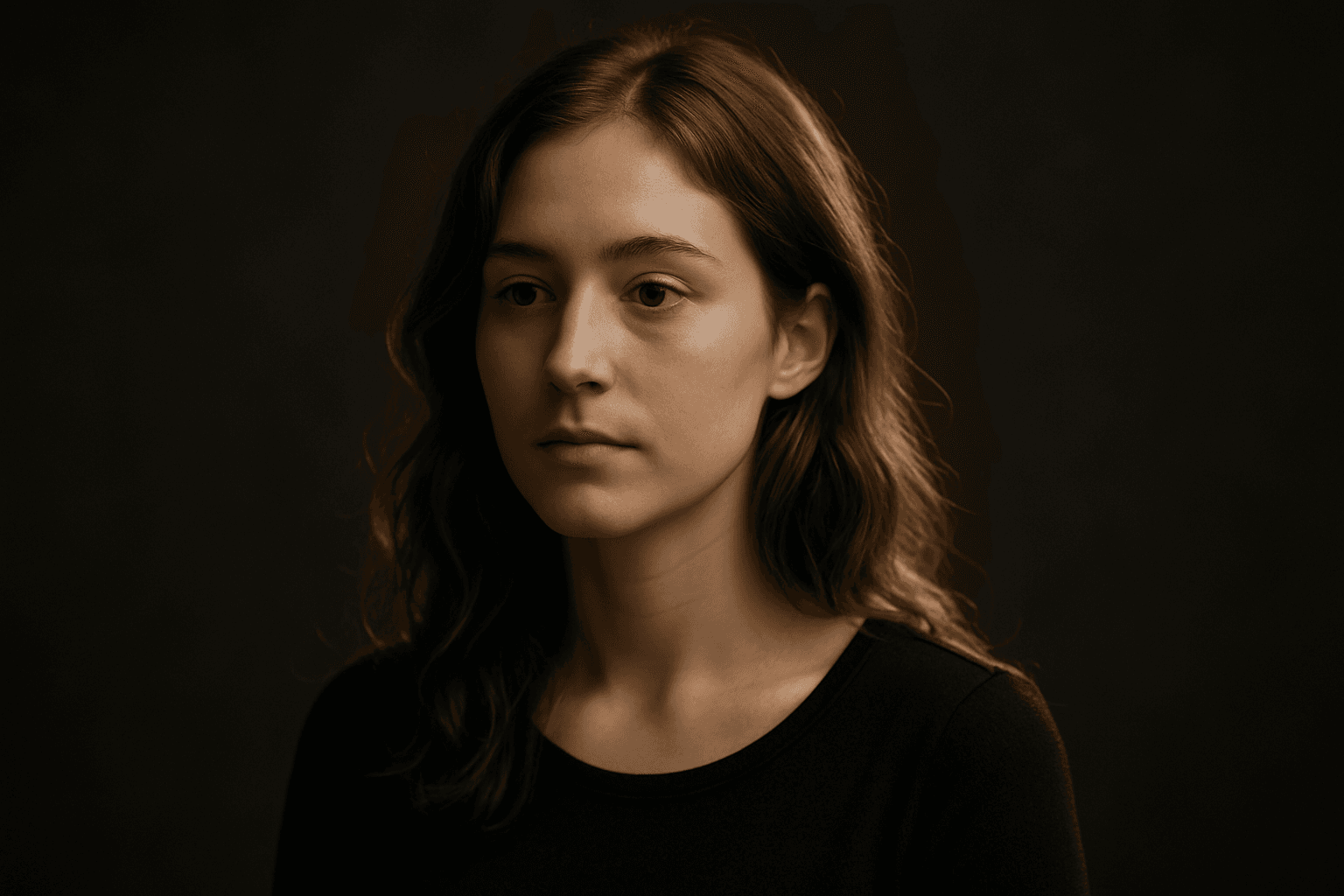
Subtle Rim Lighting
Subtle rim lighting is a refined lighting technique used in AI image generation to highlight the contours of subjects with gentle edge light. This approach adds dimension and a premium feel to images by emphasizing shape and form while maintaining a natural look. Unlike intense rim lighting that creates strong contrasts and sharp edges, subtle rim lighting is understated, providing an elegant halo that enhances realism. It is especially effective in editorial photography, portraiture, and product visuals where nuanced lighting conveys quality and sophistication. Incorporating subtle rim lighting in AI prompts instructs the model to balance illumination carefully, enhancing textures and materials without distracting from the primary composition.
View keyword
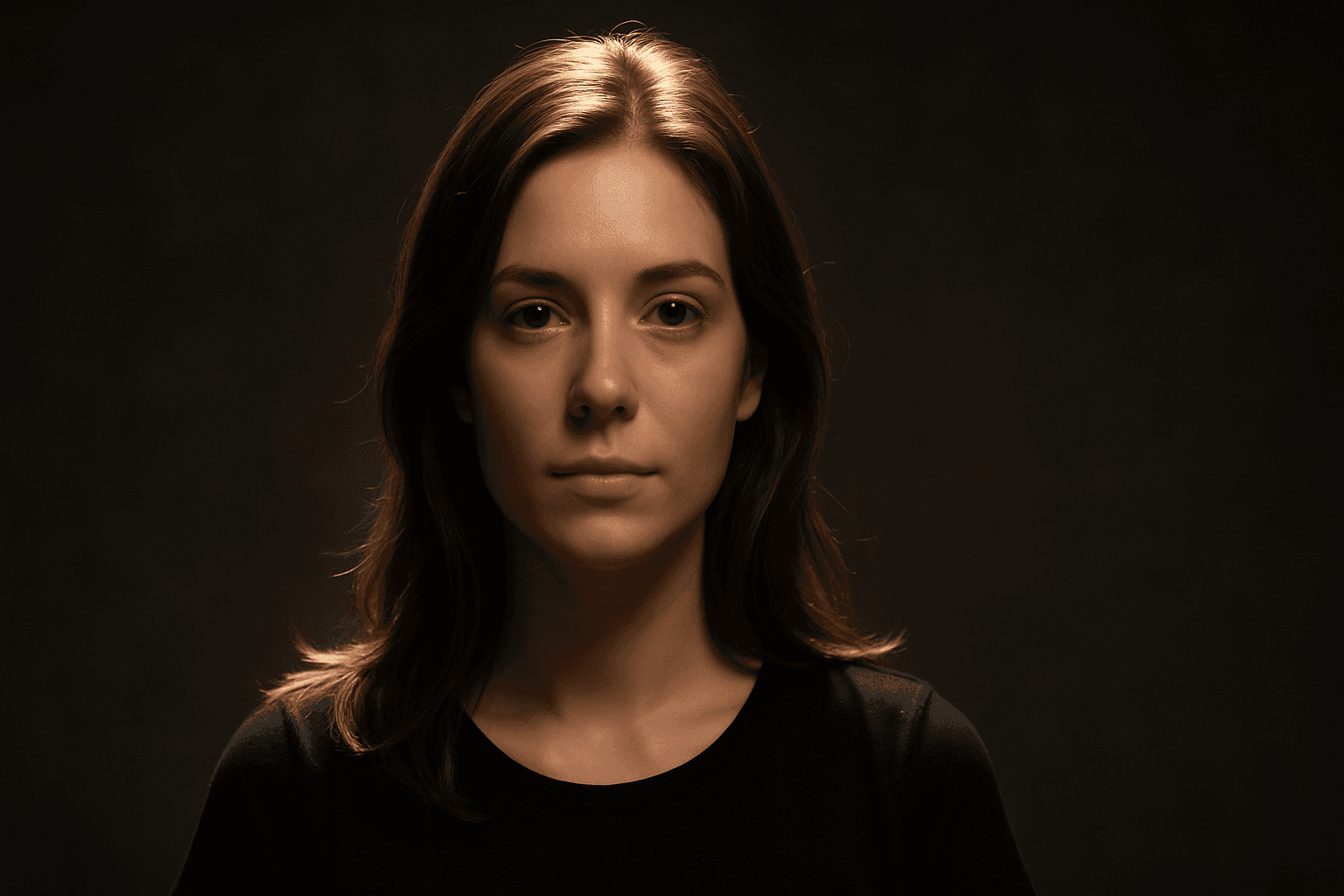
Directional Top Lighting
Directional Top Lighting is a technique widely used to simulate natural or artificial light coming directly from above a subject. In AI image generation, specifying this lighting style helps create images with realistic shading and depth, highlighting the textures and contours of objects or scenes from a top-down perspective. This lighting direction mimics sunlight at midday or overhead indoor fixtures, producing crisp shadows and well-defined highlights. It is especially effective for portraits, still life, architectural visuals, and product photography, enhancing the spatial perception and visual appeal of the subject within the composition.
View keyword
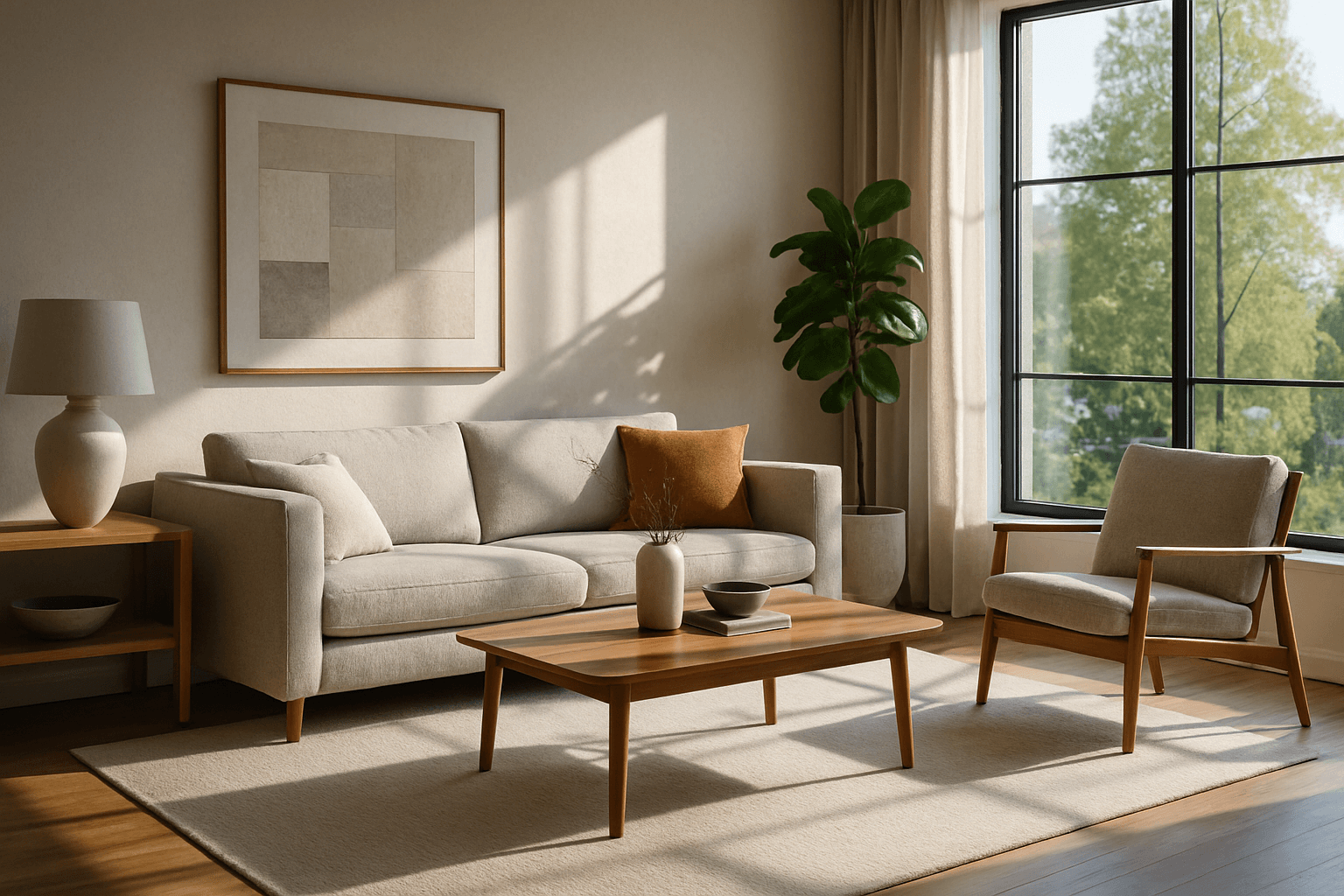
High Dynamic Range Lighting
High Dynamic Range Lighting (HDR Lighting) elevates AI-generated images by mimicking the natural spectrum of light intensity present in real-world environments. This lighting style captures a broad range of brightness, preserving details in both shadows and highlights that might otherwise be lost. When integrated into AI prompts, HDR Lighting contributes to images that feel more immersive, dramatic, and visually striking. It is especially beneficial for scenes involving complex lighting situations like sunsets, indoor interiors with windows, or reflective surfaces. Artists and creators looking to create premium-quality renderings with photorealistic depth often rely on HDR Lighting to add a compelling sense of realism and sophistication to their work.
View keyword

Softbox Lighting Setup
Softbox Lighting Setup is a foundational lighting technique often used in photography and cinematography to produce a flattering, diffused light source. It uses a softbox—a box-like light modifier with a diffusing material—to spread light evenly and soften shadows. When incorporated in AI image prompts, this keyword helps produce images with balanced, natural-looking lighting that enhances texture and detail. This setup is crucial for portraits, product photography, and scenes requiring controlled illumination. Using this keyword improves realism and mood by avoiding harsh contrasts and emphasizing smooth tonal transitions in images.
View keyword

High Contrast Lighting Setup
High contrast lighting setups are widely used in photography and cinematic visuals to produce bold, dynamic images that captivate viewers. Incorporating 'high contrast lighting setup' in an AI image prompt instructs the AI to emphasize striking light sources and deep shadows, adding visual tension and clarity to the scene. This lighting approach reveals textures more vividly and helps create a mood that can range from mysterious to intense. For AI-generated images intended for editorial, commercial, or fine art applications, applying this keyword ensures that the resulting visuals have professional-quality lighting that enhances subject definition and atmosphere.
View keyword

Rembrandt Light Setup
The Rembrandt light setup is a renowned lighting technique that adds dramatic yet natural depth to portraits. It uses a single light source positioned at an angle, creating a small illuminated triangle on the cheek opposite the light. This method emphasizes three-dimensional facial structure while maintaining soft shadow transitions, producing images with a timeless, painterly quality. In AI art generation, including 'Rembrandt lighting' in prompts guides the model toward rendering nuanced shadows and highlights that emulate this classic effect, improving image realism and emotive impact. Its widespread use spans from fine art photography to cinematic scenes, making it a valuable technique for creatives seeking moody, compelling portraits.
View keyword

Ring Light Portrait Setup
Ring light portrait setups are popular for producing flattering and professional portraits by offering uniform lighting that reduces shadows and highlights details evenly. This lighting technique is especially favored in beauty, fashion, and social media photography for its ability to emphasize skin texture and facial features attractively. When integrated into AI image prompts, specifying a ring light portrait setup helps achieve realistic, high-quality portraits with characteristic circular catchlights in the eyes and soft, balanced illumination. This results in images suitable for editorial, commercial, and creative applications requiring premium lighting aesthetics.
View keyword

Natural Reflector Lighting
Natural Reflector Lighting simulates the effect of ambient light reflecting naturally in a scene. Instead of relying solely on direct light sources, it adds softness and warmth by mimicking how light bounces off nearby surfaces like walls, ceilings, or even foliage. This results in images with increased depth, softer shadows, and a more three-dimensional feel, typically seen in premium photography and cinematic lighting setups. Using this term in AI prompts encourages the model to generate visuals that feel organically lit, avoiding flat or artificial illumination. This approach is popular in portraiture, product photography, and interior design renders where realistic light interaction is essential.
View keyword

Diffused Daylight Lighting
Diffused daylight lighting mimics the effect of sunlight filtered through clouds or sheer curtains, creating an environment with balanced, soft illumination. This type of lighting is valued for its ability to enhance realism and natural ambiance in AI-generated images. It avoids harsh contrasts and stark shadows, making scenes appear inviting and tactile. Using this keyword in prompts guides AI models to replicate a subtle, flattering light quality ideal for portraits, interiors, product photography, and nature scenes where natural, gentle light is preferred.
View keyword

Soft Fill Light Setup
Soft fill light setup is an essential lighting approach in photography, cinematography, and AI image generation that focuses on enhancing visual clarity by gently illuminating subjects. This method employs diffused light sources positioned strategically to fill in shadows without creating new ones or flattening the image's depth. In AI-generated images, specifying a soft fill light setup guides the model to render scenes with subtle shading and natural contrast, making portraits, still life, and product shots appear more realistic and appealing. By balancing the interplay between light and shadow, the soft fill light setup adds dimension while maintaining a polished and professional look suitable for editorial, commercial, and creative projects.
View keyword

Softbox Lighting Technique
Softbox lighting is a staple in professional photography for producing flattering and balanced illumination. In AI image generation, invoking this technique in prompts encourages models to replicate the light diffusion qualities typical of softboxes. This results in images with smooth tonal transitions, gentle shadows, and a polished, natural appearance. It is especially favored in producing portraits, marketing visuals, and editorial content where controlled, subtle lighting enhances subject detail and overall mood. Integrating softbox lighting into prompts complements other descriptive lighting terms to refine ambiance and texture representation.
View keyword

Volumetric Lighting Effects
Volumetric lighting effects add a three-dimensional quality to AI images by depicting light as it filters through environmental particles, such as fog or dust. This lighting style is prized for its ability to convey mood, environment, and spatial depth, often used in cinematic scenes or natural landscapes. When prompting AI, specifying volumetric lighting helps models emphasize light shafts and diffused glow rather than flat, uniform illumination. This keyword guides image creation toward a premium, realistic look with refined light behavior, making it ideal for editorial visuals, concept art, and atmospheric photography recreations.
View keyword

Warm Backlighting Style
Warm Backlighting Style uniquely enhances AI-generated images by positioning a soft, warm light source behind the subject. This technique produces a delicate halo effect, defining silhouettes and edges with luminous warmth. The resulting glow often includes amber or golden hues, reminiscent of sunset or candlelight, which adds an inviting and atmospheric ambiance to scenes. Artists and designers use warm backlighting to convey intimacy, nostalgia, or highlight textures naturally. By specifying warm backlighting in your AI prompts, you gain a versatile lighting style that infuses mood and visual interest with gentle contrast and depth.
View keyword

Natural Window Light Quality
Natural window light quality is a sought-after lighting effect in photography and digital art, providing an authentic and warm ambiance to images. This type of lighting emulates sunlight entering through a window, often resulting in soft shadows and delicate contrast that highlight textures and materials naturally. In AI image generation, using this lighting quality can transform compositions to appear more lifelike and emotionally engaging, enhancing the mood without harsh artificial lighting. It's ideal for editorial, lifestyle, and interior imagery where realism and a comfortable atmosphere are essential.
View keyword

Low Angle Lighting
Low angle lighting is a powerful photographic and artistic technique that shifts the viewer's perspective by lighting subjects from below. When integrated into AI image prompts, it helps generate images with a distinct, often dramatic mood and added dimensionality. This lighting arrangement mimics natural scenarios like sunrise or artificial lighting such as street lamps from ground level. Due to its uncommon viewpoint, low angle lighting enhances textures and contours by reversing traditional shadow placement, producing striking images ideal for editorial portraits, architectural shots, and dynamic compositions. Leveraging this keyword allows creators to break away from standard lighting styles and evoke more intriguing atmospheres in synthetic visuals.
View keyword
Backscatter Lighting Effect
The Backscatter Lighting Effect simulates light interacting with airborne particles, typically seen as glowing halos or fog-like glimmers surrounding light sources. This effect provides images with a vivid sense of atmosphere and environmental depth, often enhancing moodiness and realism. When used in AI prompts, it guides models to replicate this physical light interaction, making scenes feel more immersive and cinematic. This effect is especially impactful in scenes with fog, smoke, dust, or mist, emphasizing details that evoke senses of environment and ambience. It’s widely employed in photography, film, and digital art to enrich the visual storytelling experience.
View keyword
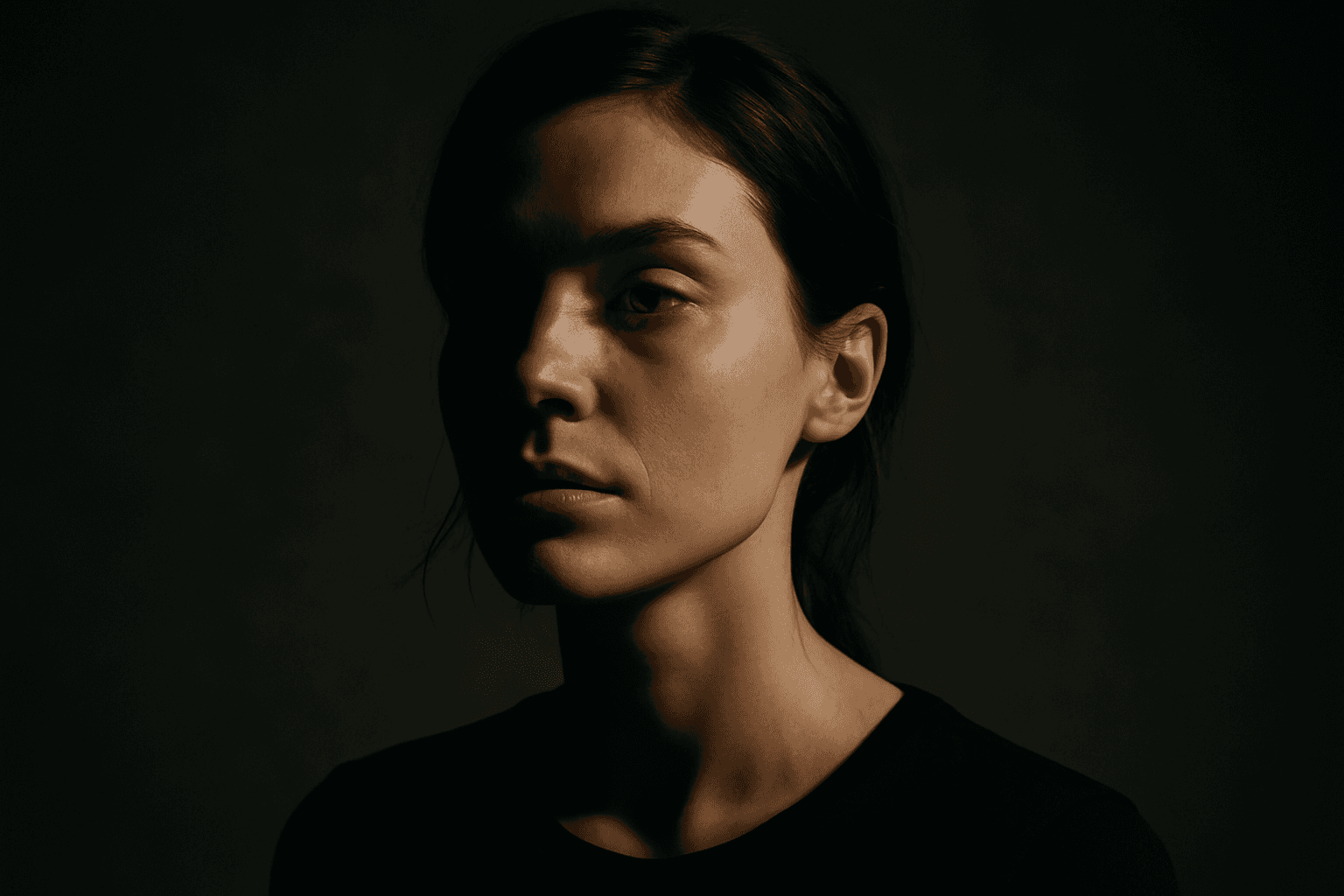
Side Lighting Drama
Side Lighting Drama is a powerful lighting technique widely used in photography and art to evoke intense atmosphere and visual depth. By casting light from one side, it sculpts shapes with stark shadows and highlights, adding drama and intrigue. In AI image generation, specifying Side Lighting Drama guides models to replicate this effect, producing images rich in texture details and emotional tone. It suits portraits that reveal character through shadows, architectural shots emphasizing structure, and still lifes with tactile surfaces. This deliberate use of lateral lighting amplifies visual storytelling by adding contrast and focus, lending images a cinematic and professional aesthetic.
View keyword
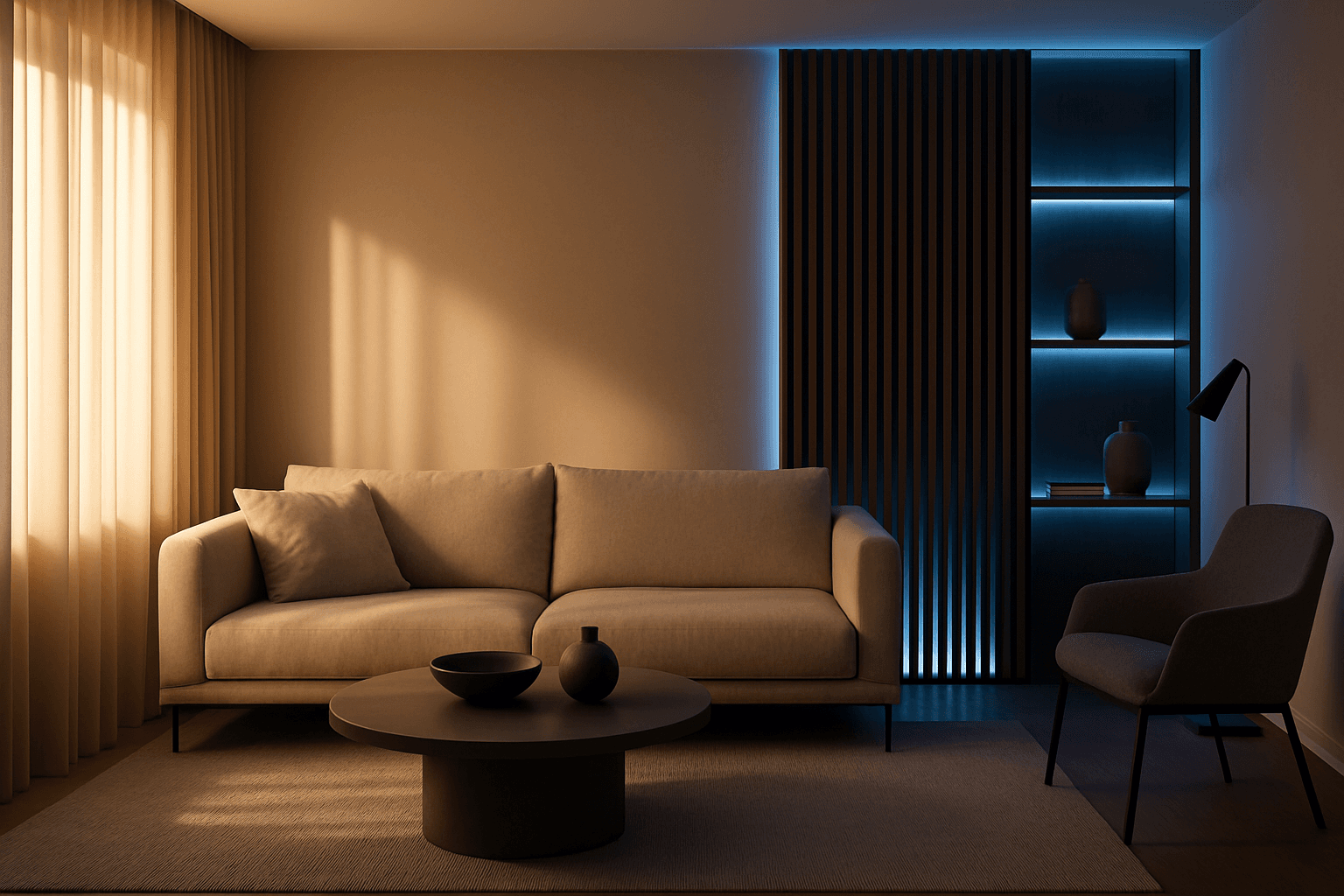
Mixed Lighting Techniques
Mixed Lighting Techniques unlock the power to simulate complex lighting scenarios within AI-generated images. By combining different light sources such as natural daylight, artificial lamps, or neon colors, images gain realism and depth. This method helps depict scenes that feel more authentic and visually compelling, including indoor environments with sunlight filtering through windows alongside artificial lights or street scenes with ambient evening light and colored neon. Using mixed lighting effectively elevates the quality and storytelling potential of AI-generated visuals, making them suitable for high-end editorial work, advertising, and artistic compositions.
View keyword
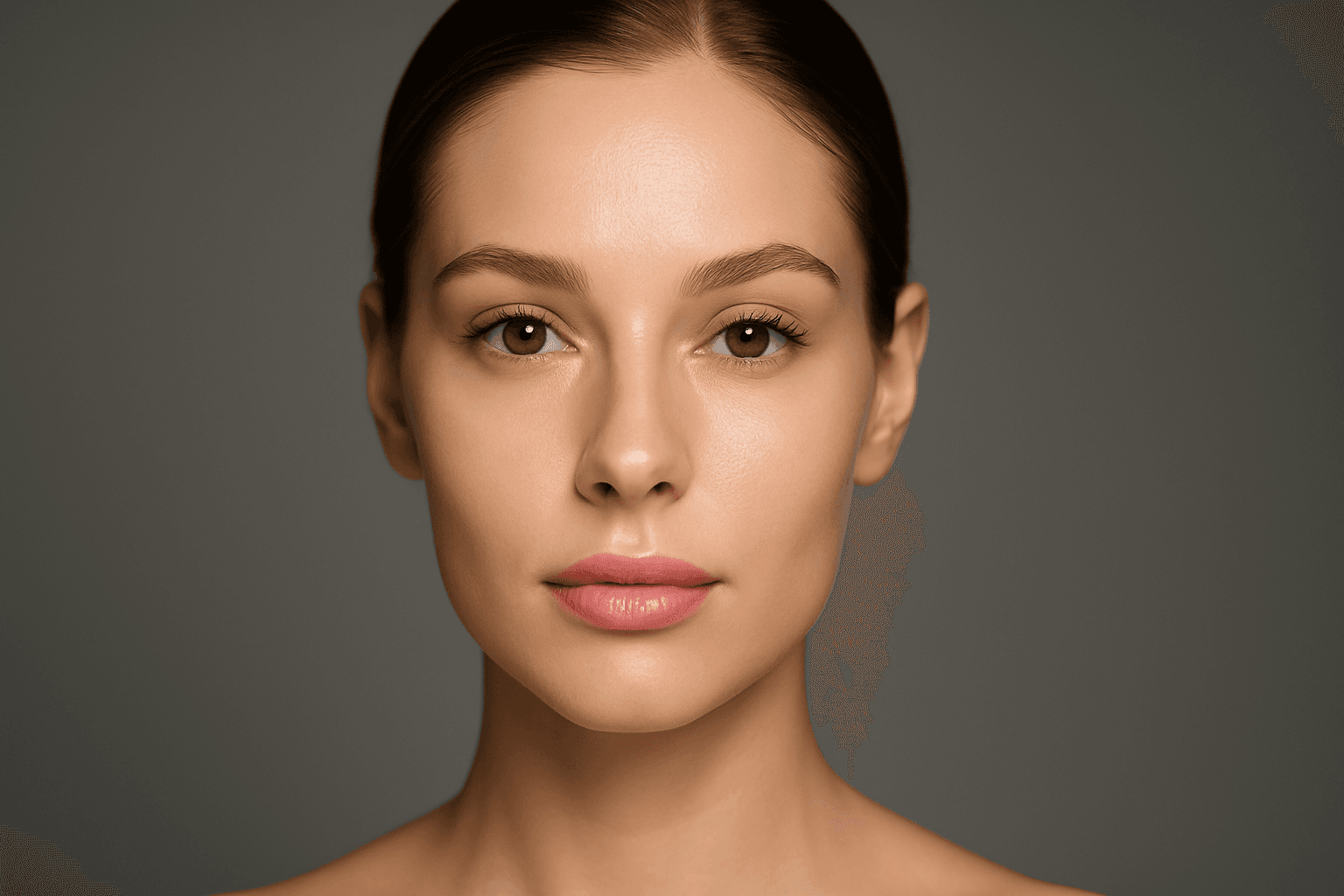
Ring Light Illumination
Ring Light Illumination is a popular lighting technique used in photography and videography to achieve a smooth, shadowless look by positioning a circular light around the lens. This setup creates a distinct ring-shaped catchlight that adds aesthetic appeal and highlights fine features with soft, diffused brightness. Incorporating this lighting style into AI image prompts helps generate images with professional, clean, and flattering illumination, ideal for portraits, product shots, and beauty imagery. It reduces harsh contrasts and highlights textures, offering a polished, premium visual effect that enhances subject clarity and attractiveness in various compositions.
View keyword
Backlight Glow Effect
The Backlight Glow Effect is a powerful lighting feature that adds a striking, luminous outline to subjects by simulating a light source positioned behind them. In AI image generation, specifying this effect helps create images with enhanced spatial separation, subtle highlights, and atmospheric mood. It is a popular choice for editorial, portrait, fashion, and product photography styles, especially when a clean yet visually dynamic aesthetic is desired. This effect captures the modern preference for refined, realistic lighting setups that emphasize texture and form without overpowering the composition.
View keyword
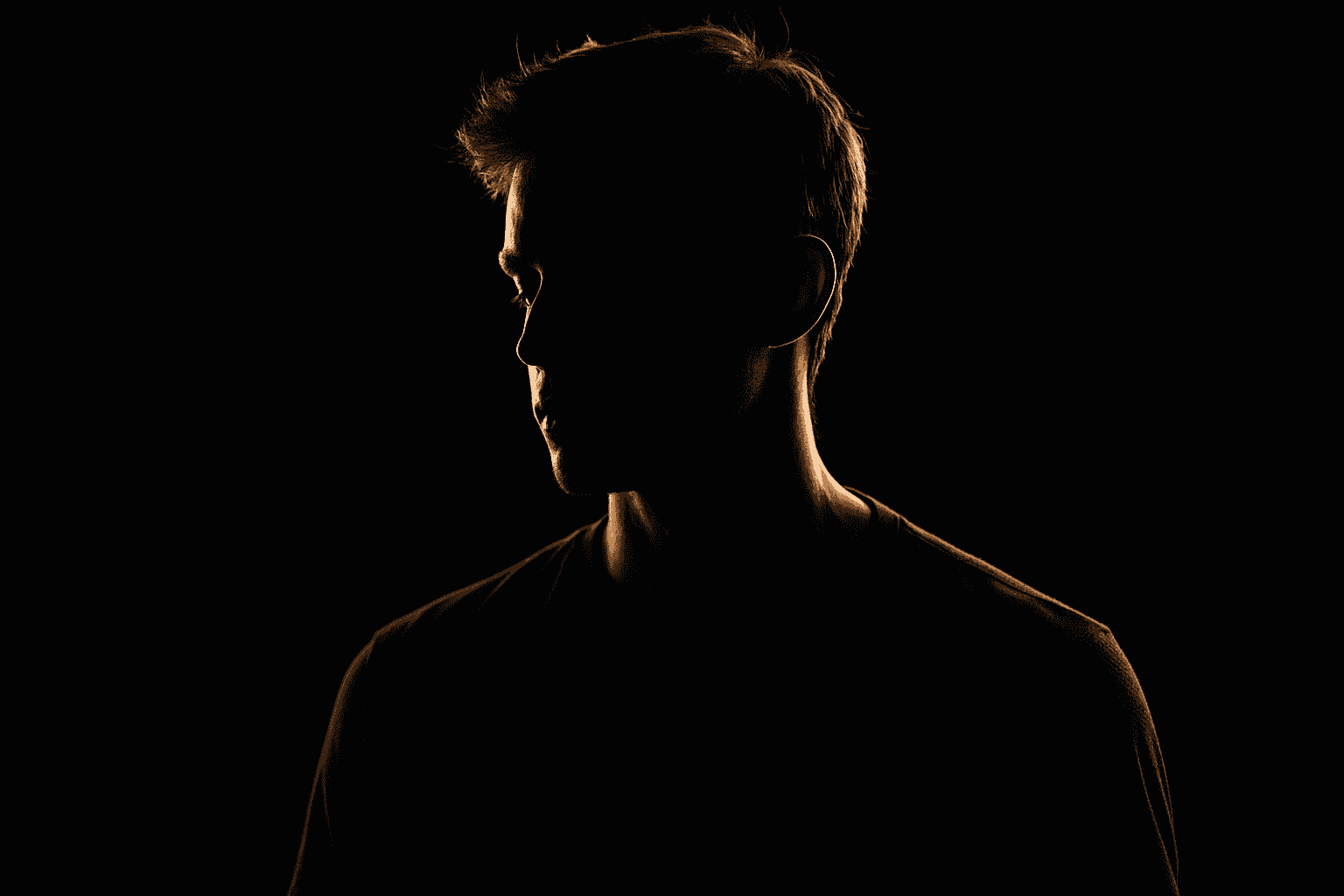
High Contrast Rim Lighting
High Contrast Rim Lighting is a powerful creative technique that adds dramatic flair and dimension to images. By placing a bright light source behind the subject, this method produces vivid outlines with intense brightness contrasting starkly against darker areas. In AI-generated images, this lighting effect helps to make subjects pop by accentuating edges and contours, improving visual separation and focus. It is especially effective for portraits, product shots, and stylized artistic renditions. Incorporating this keyword in AI prompts guides the model to produce images with refined lighting nuances, sharp contrasts, and enhanced depth that elevate the overall composition.
View keyword
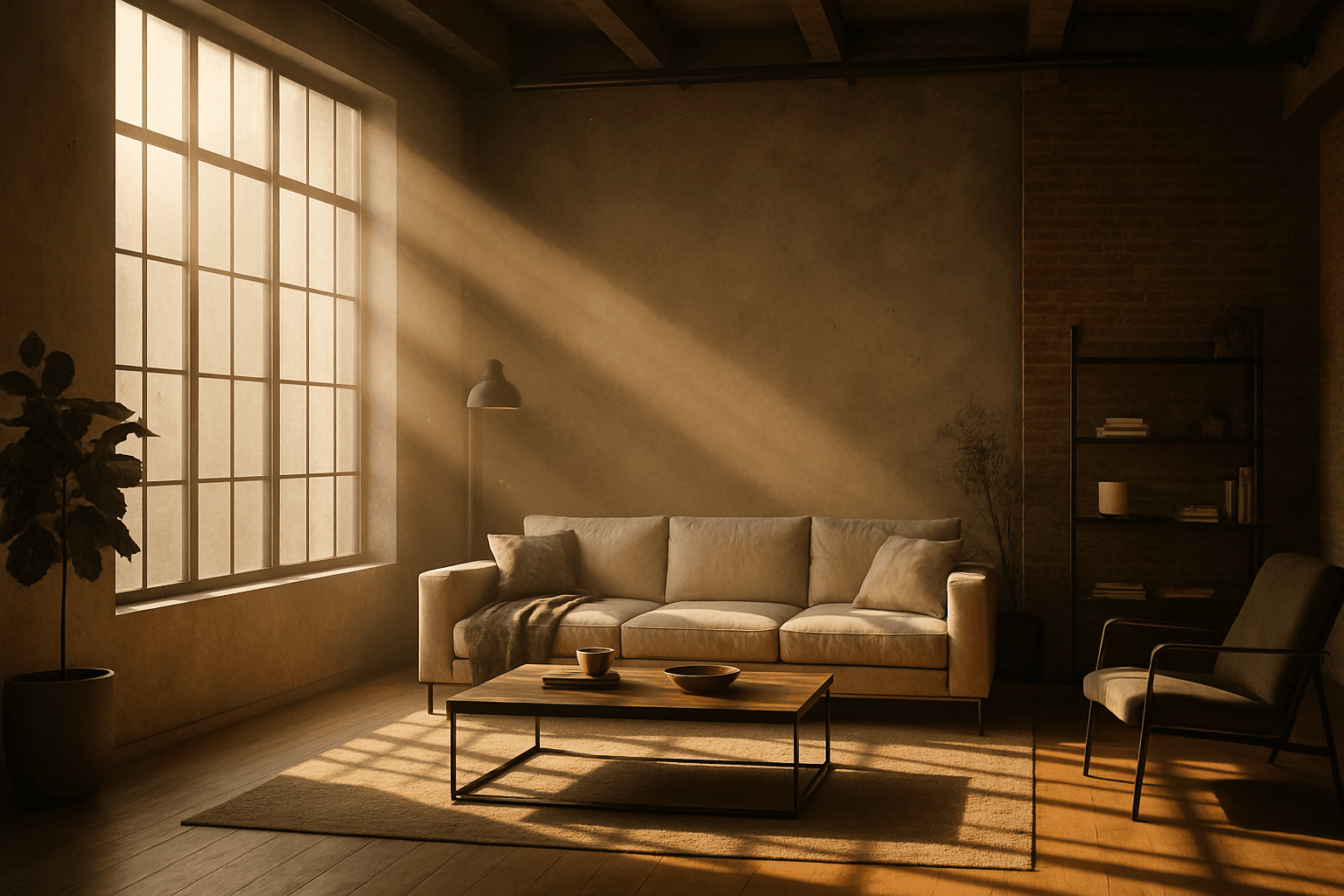
Volumetric Light Effects
Volumetric light effects bring a tangible sense of atmosphere and depth to images by mimicking how light interacts with particles in the air. When used in AI-generated visuals, these effects help establish mood, highlight focal points, and add realism by showcasing how light rays disperse through fog, smoke, or dust. This technique is commonly seen in cinematic scenes, landscape photography, and architectural renderings to give a premium, immersive quality. Adding volumetric lighting prompts to your AI commands can dramatically transform flat or static compositions into vivid, textured visuals with a professional polish.
View keyword
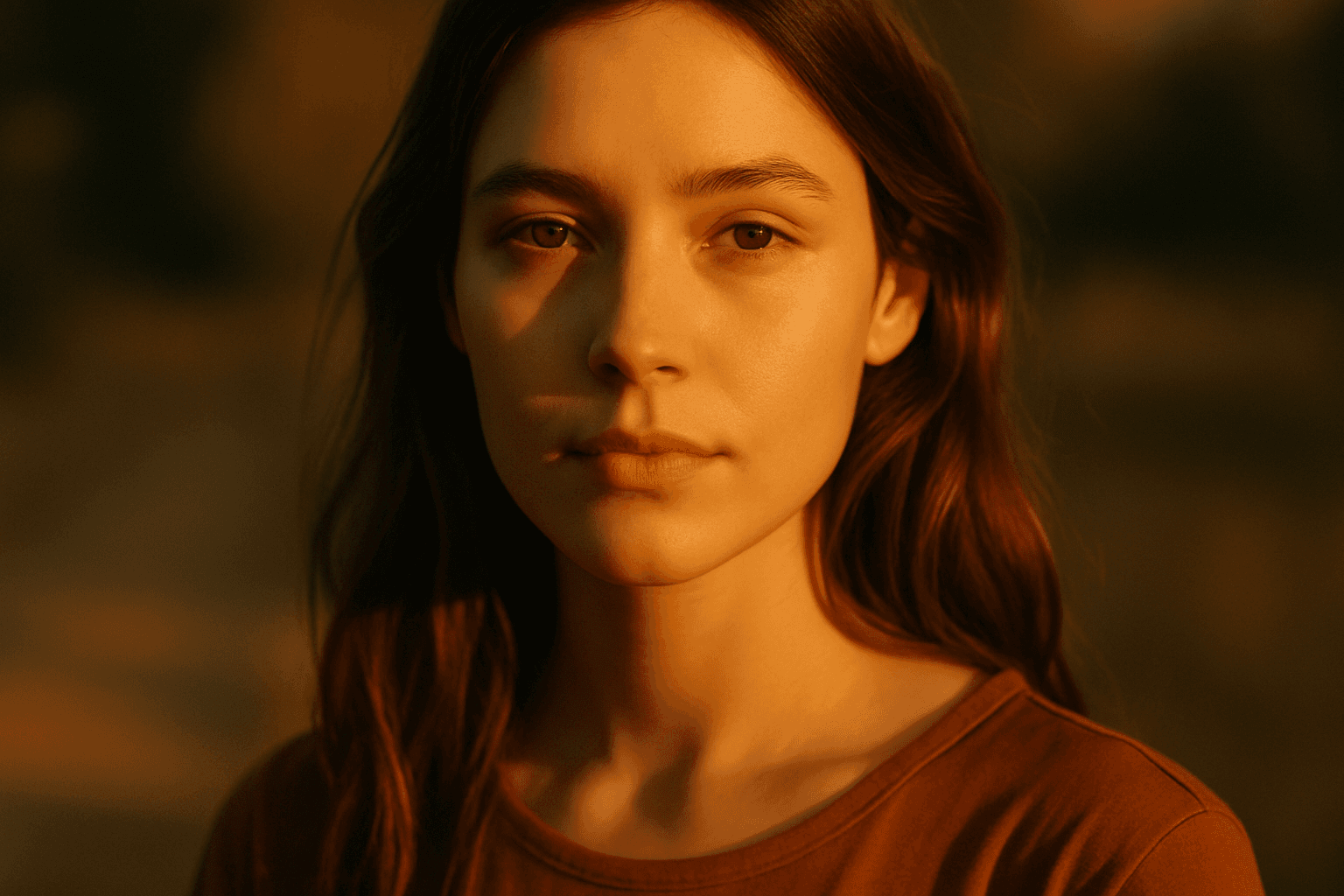
Natural Golden Hour Light
Natural Golden Hour Light is a highly valued lighting effect in photography, cinematography, and digital art for its ability to create warm, inviting, and richly textured images. This lighting appears during the brief periods of sunrise and sunset when the sun is low on the horizon, casting a golden hue that enhances colors and shapes without harsh contrasts. When used in AI image generation, prompt inclusion of this term helps achieve scenes with realistic and appealing atmospheric conditions, ideal for portraits, landscapes, and lifestyle imagery. It energizes visuals with a natural softness that is both aesthetically pleasing and emotionally evocative, often used to convey tranquility, romance, and beauty.
View keyword
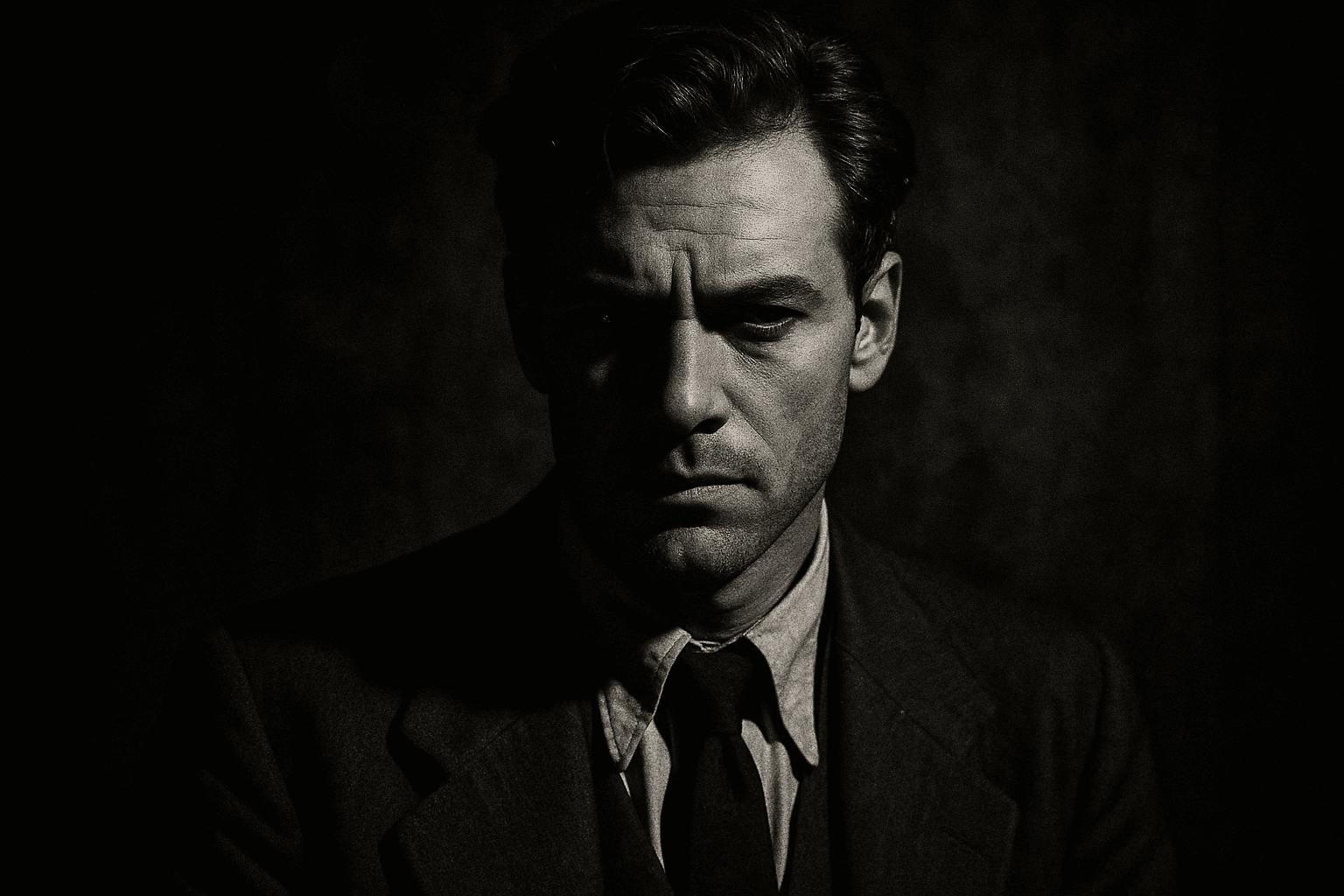
Moody Film Noir Lighting
Moody Film Noir Lighting replicates the classic film noir style popularized in 1940s and 1950s cinema. It emphasizes chiaroscuro effects—sharp contrasts between light and dark—to evoke emotional tension and mystery. This lighting approach creates depth and focus by selectively illuminating subjects while plunging backgrounds into darkness or ambiguous shadow. In AI image generation, applying this lighting style enhances drama, texture, and mood, making scenes feel cinematic and intense. It’s widely used to portray suspenseful narratives, urban nightscapes, or characters shrouded in secrecy, effectively adding a timeless noir aesthetic to visuals.
View keyword
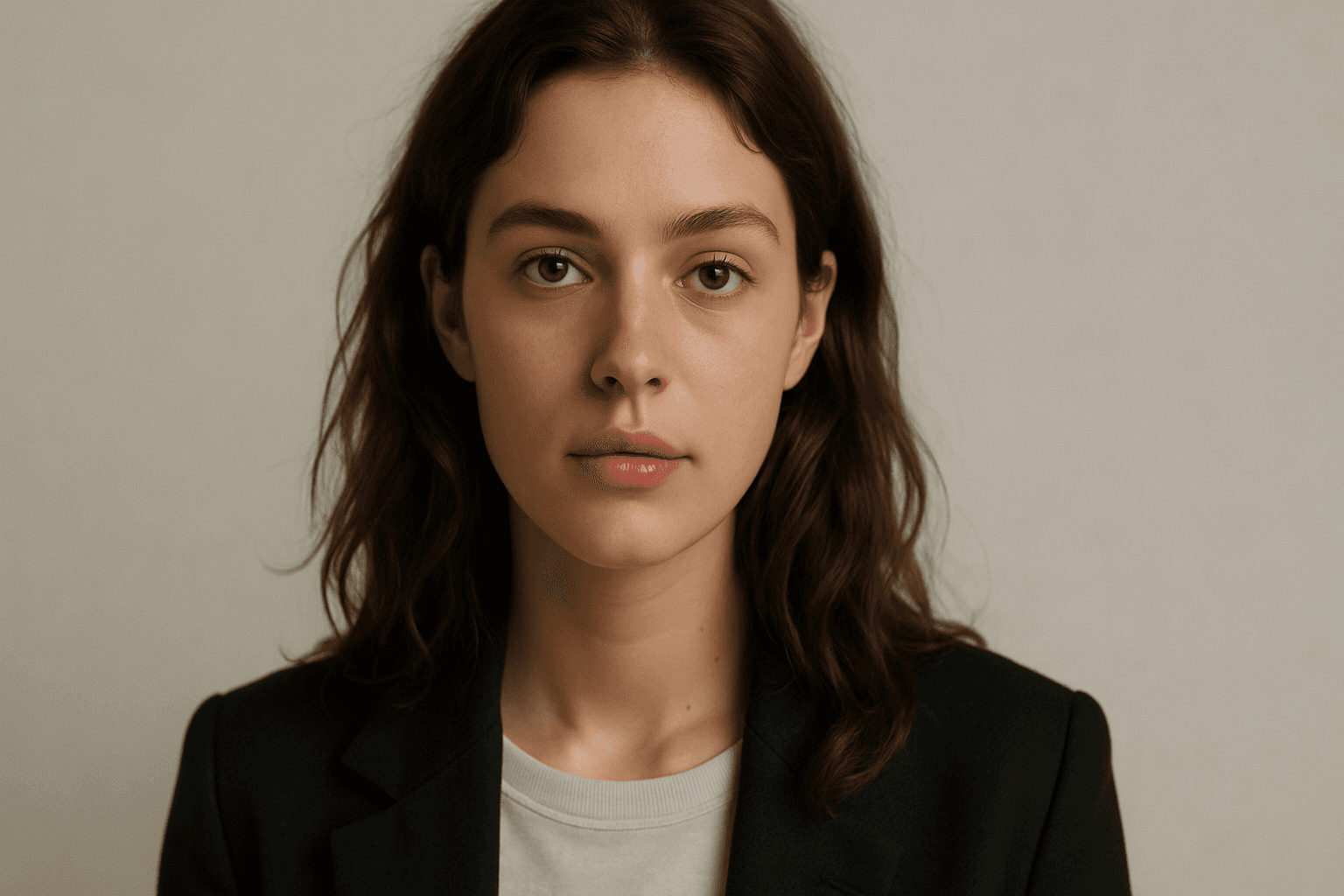
Overhead Diffused Lighting
Overhead Diffused Lighting is a fundamental technique in photography and digital imaging that involves placing a diffused light source directly above the subject. This method softens shadows and reduces contrast, creating an inviting and natural look. When applied in AI image generation, including this keyword in prompts helps achieve realistic skin tones, fabric textures, and surface details without harsh lighting artifacts. It is especially effective for portraits, still lifes, and product photography. The technique enhances depth subtly, maintaining a premium, clean aesthetic that suits modern editorial and commercial imagery.
View keyword
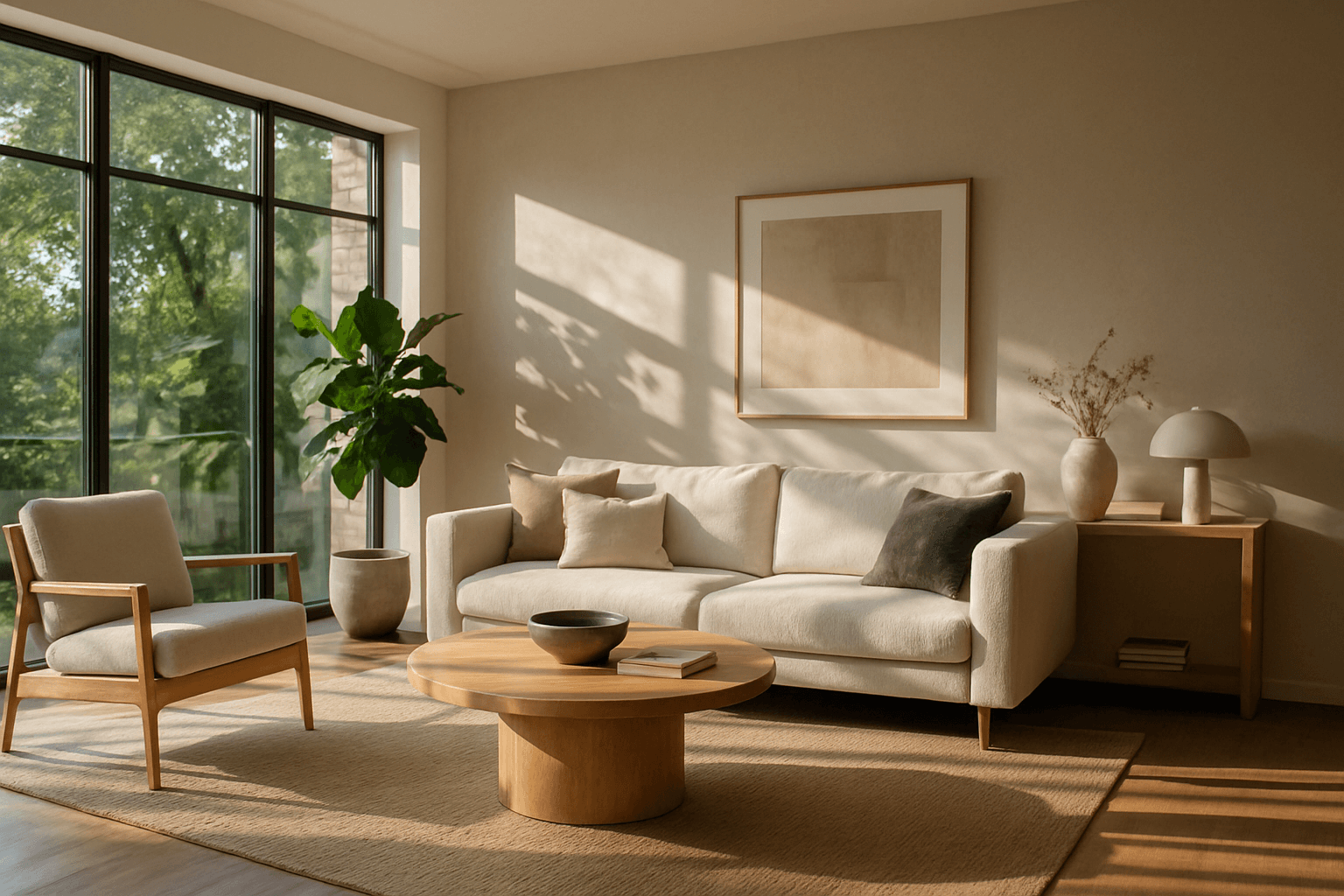
HDR Lighting Techniques
HDR lighting techniques simulate a photographic method that captures a broader luminance range by combining multiple exposure levels. Incorporating HDR descriptors in AI image prompts guides the model to produce visuals rich in contrast and color fidelity, mimicking professional photography results. This technique is particularly effective for scenes where fine details in shadows and highlights must be preserved, such as landscapes, architectural shots, or product imagery. Using HDR lighting keywords prompts AI to render images with superior depth and texture, contributing to a dynamic and immersive viewing experience.
View keyword
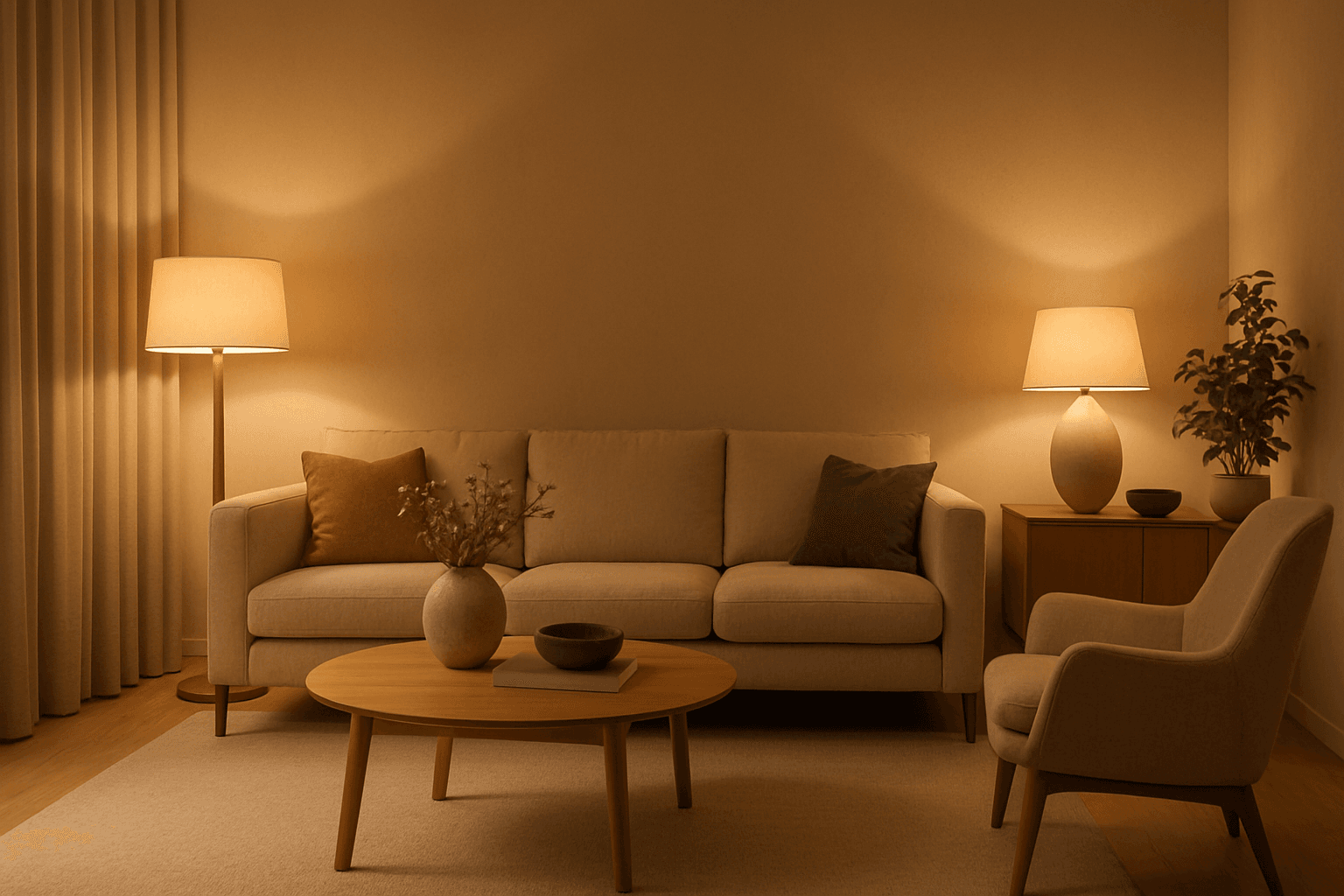
Color Temperature Matching
Color Temperature Matching is essential for creating visually coherent AI images where light sources share harmonious color properties. It influences the warmth or coolness of light in the scene, enhancing realism or stylization by ensuring all lighting matches a specific temperature range. This technique can evoke different moods—warm tones impart a cozy or nostalgic feel, while cooler tones produce crispness or calm. Including precise color temperature cues in AI prompts helps generate images with unified lighting, improving visual impact and professional quality across various subjects and settings.
View keyword
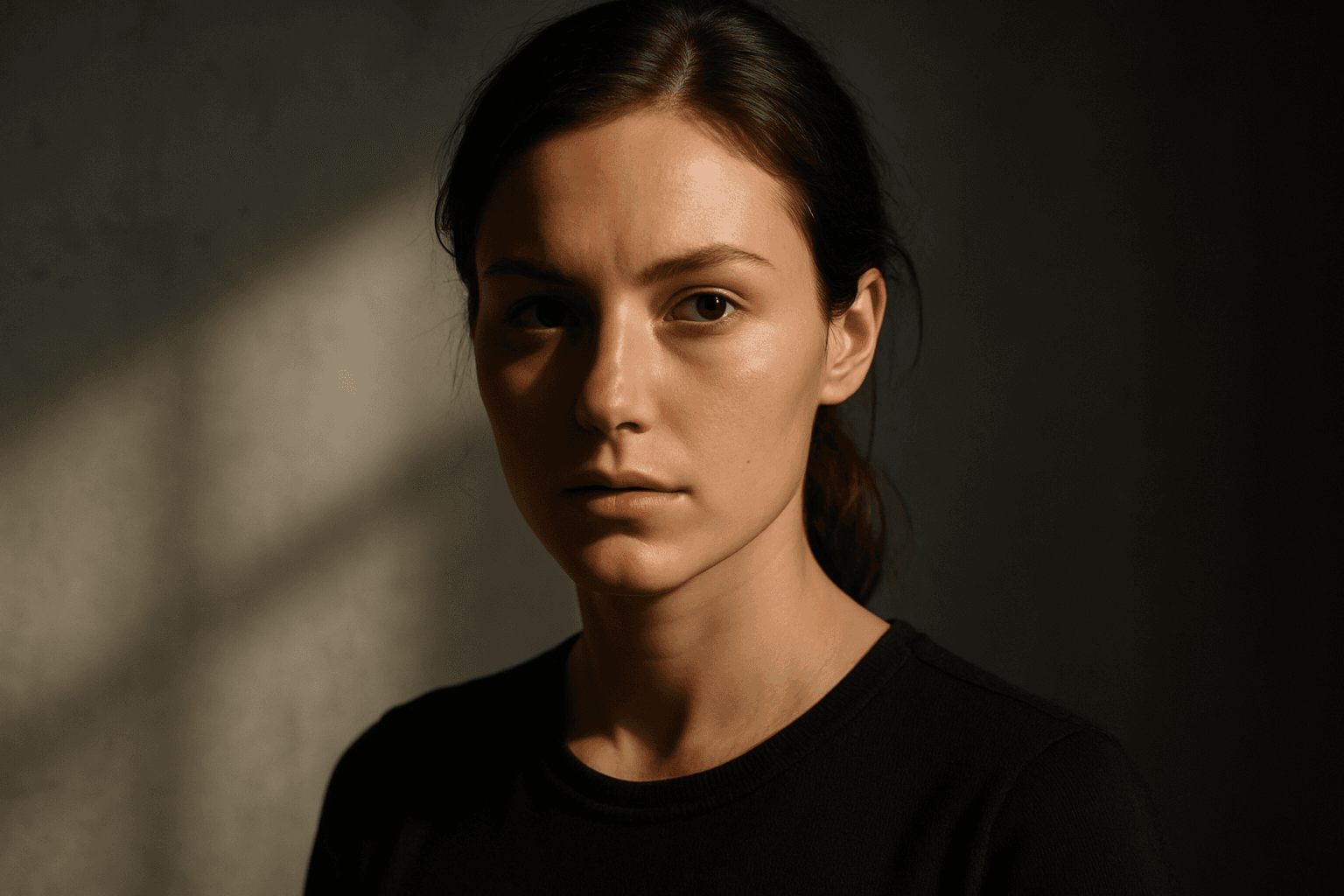
Dynamic Range Lighting
Dynamic Range Lighting significantly improves the quality of AI-generated images by incorporating a wide range of light intensities, from deep shadows to bright highlights. This approach mimics natural lighting conditions or creatively accentuated environments, adding depth and realism to compositions. When integrated into AI prompts, it instructs the model to thoughtfully manage exposure and contrast, preventing flat or washed-out images. Such lighting enriches textures, elevates focal points through contrast, and contributes to a premium, polished appearance fitting for editorial and commercial use.
View keyword
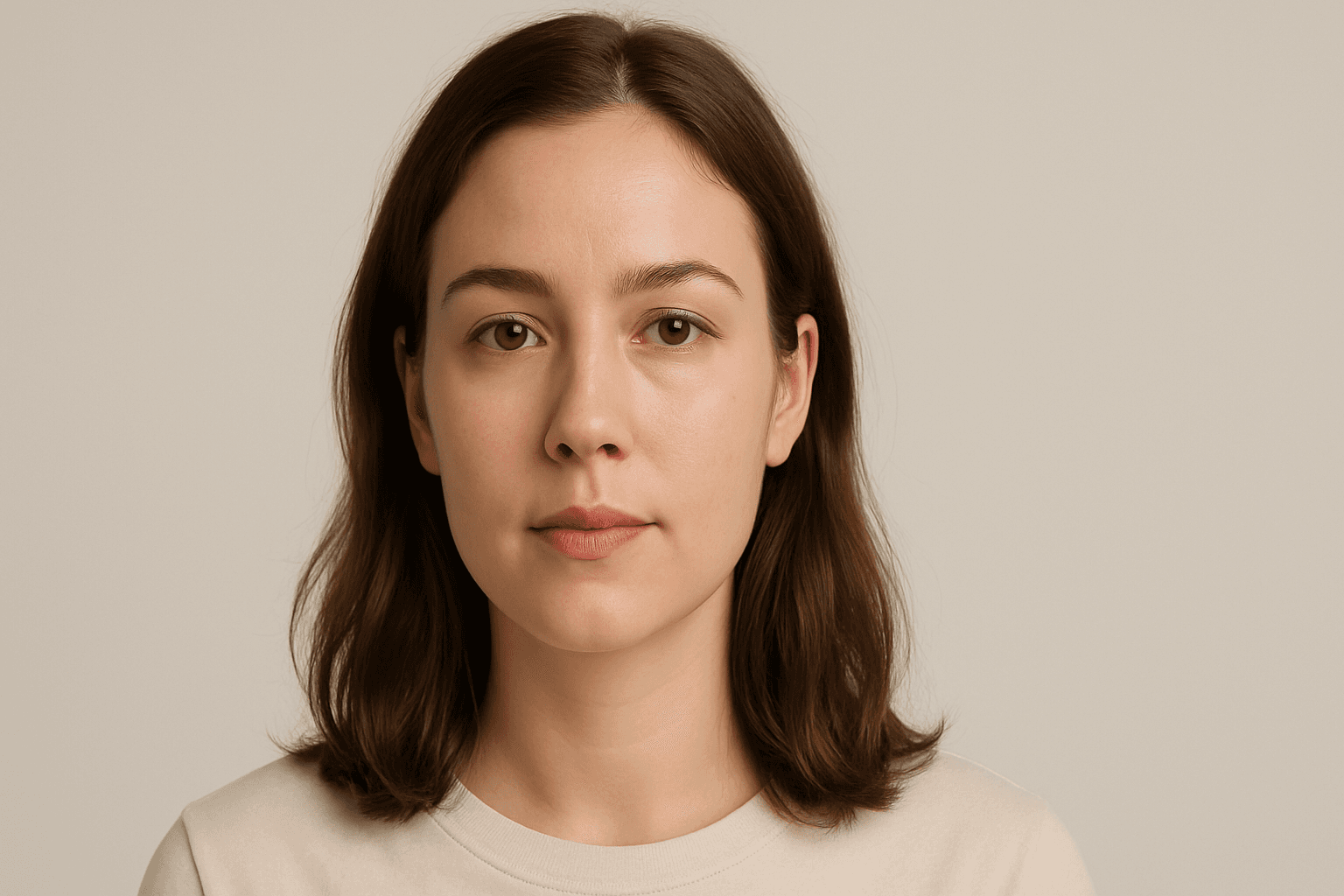
Fill Light Technique
The Fill Light Technique is a crucial component in creating realistic and professionally lit images using AI prompts. By adding a complementary light source, often opposite the main light, it softens shadows and maintains sufficient contrast for depth. This technique avoids flatness that occurs with uniform lighting, enabling better visual storytelling and mood balance. In AI-generated imagery, specifying fill light helps model algorithms simulate natural lighting environments, enhancing the final artwork's quality and appeal. It is widely applied in portraits, product photography simulations, and scene compositions to achieve a polished, studio-quality effect without harsh shadows overwhelming details.
View keyword
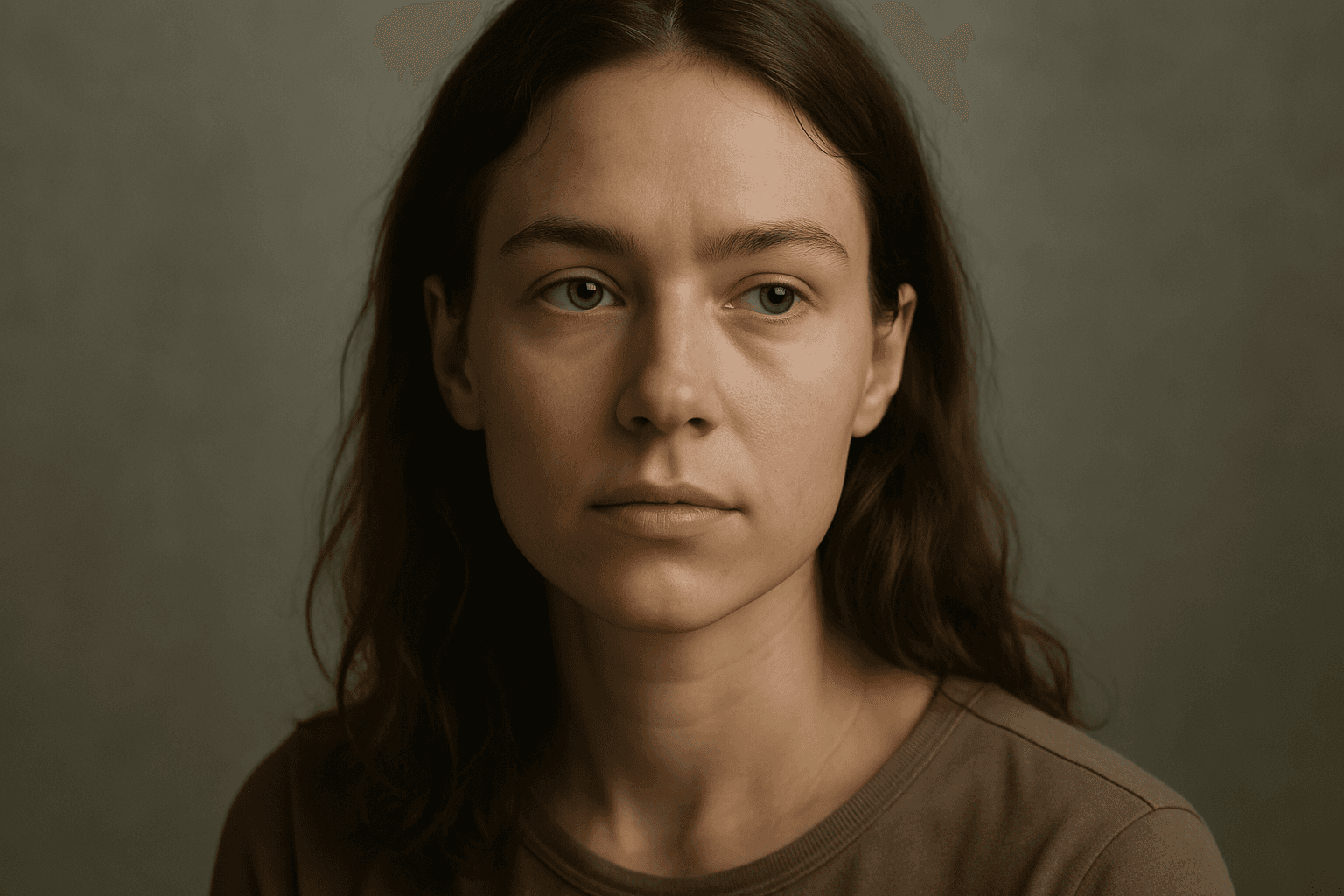
Diffuse Lighting Effect
Diffuse lighting effect is a crucial concept in photography, art, and AI image generation that simulates soft, widespread light typically produced by overcast skies or light diffusion materials. This lighting style provides smooth gradations between light and shadow, avoiding harsh contrasts. When integrated into AI image prompts, it helps achieve images with a gentle, natural look that emphasizes subject details without dramatic shadows or glare. Diffuse lighting creates a mood of calm realism, ideal for portraits, product photography, and interior scenes. Understanding how to prompt for this effect enables creators to produce realistic and appealing visuals with enhanced depth and subtlety while maintaining a clean and harmonious composition.
View keyword
All Categories
Lighting
81Prompt keywords for shaping light direction, quality, glow, and photographic drama.
Browse keywords
Atmosphere
55Mood-setting language for emotion, haze, weather, ambience, and cinematic tone.
Browse keywords
Composition
67Framing and visual structure keywords that guide layout, focus, and balance.
Browse keywords
Style
43Aesthetic directions for design languages, eras, interiors, and visual identity.
Browse keywords
Color
76Palette keywords for controlling temperature, contrast, softness, and brand feeling.
Browse keywords
Texture & Material
77Surface and material cues for tactile realism, reflection, luxury, and craft.
Browse keywords
Commercial Use
46Keywords tuned for stock imagery, ads, branding, product visuals, and business assets.
Browse keywords