Dynamic Range Lighting
Dynamic Range Lighting significantly improves the quality of AI-generated images by incorporating a wide range of light intensities, from deep shadows to bright highlights. This approach mimics natural lighting conditions or creatively accentuated environments, adding depth and realism to compositions. When integrated into AI prompts, it instructs the model to thoughtfully manage exposure and contrast, preventing flat or washed-out images. Such lighting enriches textures, elevates focal points through contrast, and contributes to a premium, polished appearance fitting for editorial and commercial use.
Definition
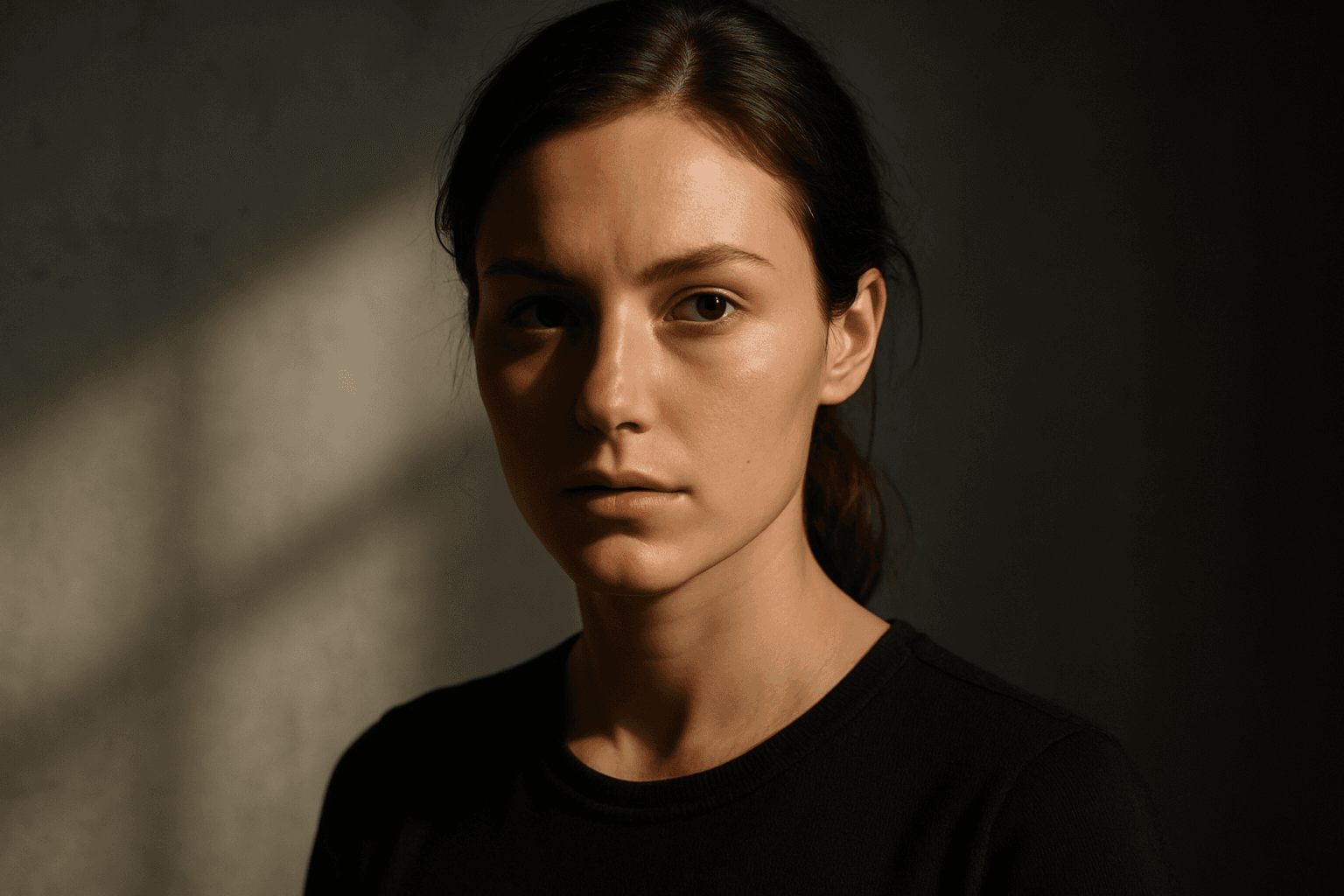
Dynamic Range Lighting involves incorporating a broad spectrum of light intensities in an image, from deep shadows to bright highlights. This creates a balanced, realistic exposure where details are preserved across all luminance levels. In AI prompts, it guides the model to render images with enhanced contrast and depth, improving visual impact and material realism.
Visual Characteristics
- Rich contrasts with clear detail in shadows and highlights
- Natural gradient transitions between light and dark areas
- Enhanced texture and dimensionality in illuminated subjects
Prompt Formula
Use phrases that specify dynamic lighting conditions and contrast levels to guide AI output. Combining 'dynamic range lighting' with descriptors like 'high contrast', 'rich shadows', and 'bright highlights' achieves a balanced luminance effect. Adding lighting style references, such as 'golden hour glow' or 'studio spotlight', further refines results.
- dynamic range lighting
- high contrast lighting with bright highlights and deep shadows
- dynamic range lighting, natural shadows, and subtle highlights
Best Use Cases
- Detailed product shots requiring texture and material clarity
- Portraits focusing on expressive light and shadow interplay
- Landscape scenes with dramatic light variations to enhance mood
Creative Variations
To diversify outputs, combine dynamic range lighting with different color temperatures, such as cool blue evening light or warm sunset hues. Experiment with directional lighting setups like side lighting, backlighting, or spotlights to influence shadows and highlights creatively. Vary scene composition by adding fog, reflections, or contrasting textures to emphasize dynamic range effects.
- Warm golden hour lighting with dynamic range
- Side lighting emphasizing textures and shadows
- Backlit scenes highlighting silhouette contrasts
FAQ
How does dynamic range lighting improve AI-generated images?
It enhances realism by balancing bright and dark areas, preserving details throughout the image, and creating depth through contrast between highlights and shadows.
Can dynamic range lighting be combined with specific lighting styles?
Yes, it works well with styles like studio lighting, golden hour, or HDR to tailor the mood and intensity of light in the image.
Continue Exploring
Related Prompts
High Dynamic Range Lighting
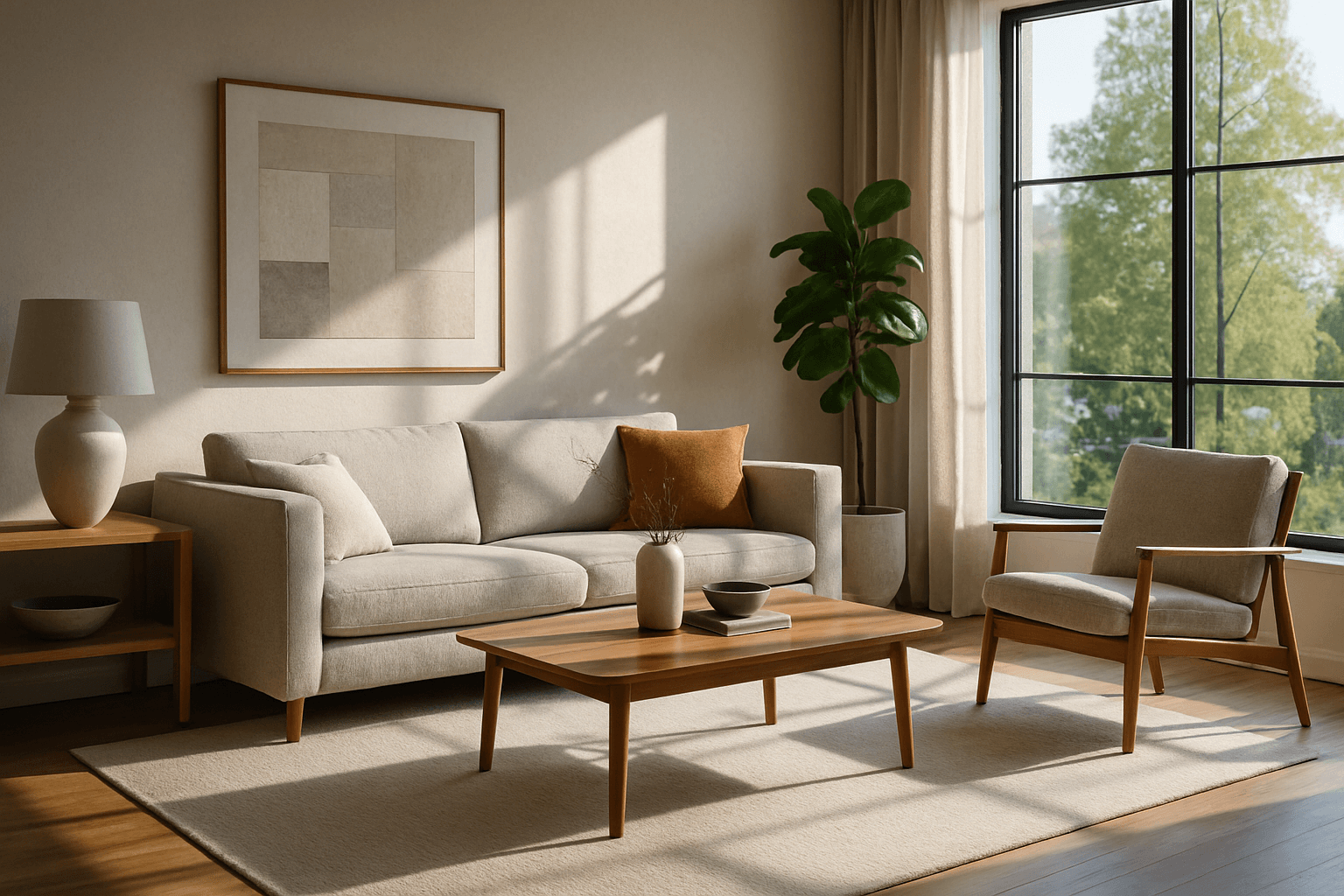
High Dynamic Range Lighting (HDR Lighting) elevates AI-generated images by mimicking the natural spectrum of light intensity present in real-world environments. This lighting style captures a broad range of brightness, preserving details in both shadows and highlights that might otherwise be lost. When integrated into AI prompts, HDR Lighting contributes to images that feel more immersive, dramatic, and visually striking. It is especially beneficial for scenes involving complex lighting situations like sunsets, indoor interiors with windows, or reflective surfaces. Artists and creators looking to create premium-quality renderings with photorealistic depth often rely on HDR Lighting to add a compelling sense of realism and sophistication to their work.
Studio Lighting
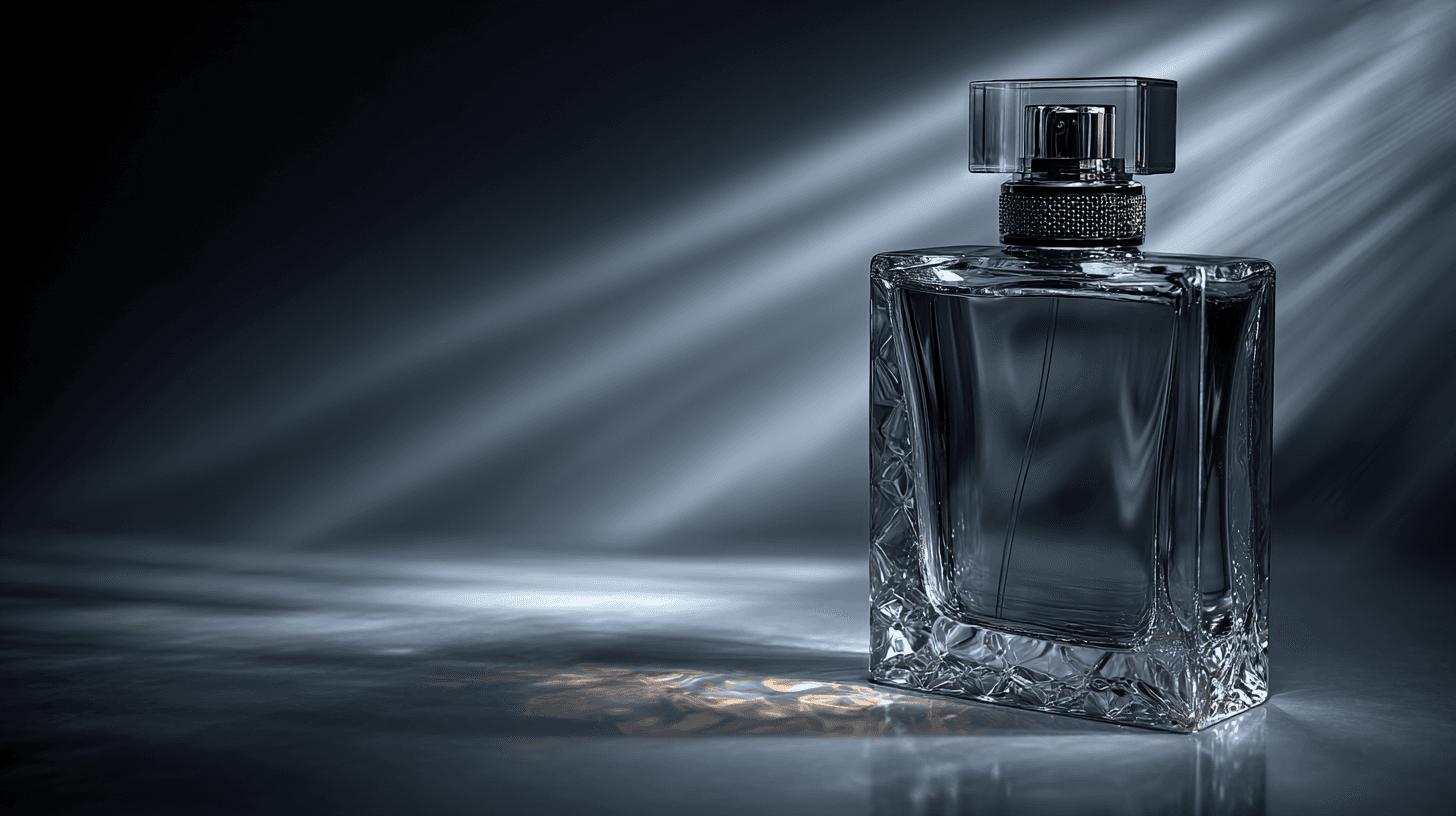
Studio Lighting is a prompt keyword that suggests a controlled, professional lighting setup. Instead of relying on natural sunlight or random environmental light, Studio Lighting points the model toward clean highlights, intentional shadows, balanced exposure, and a polished commercial finish. It is one of the most practical lighting keywords for AI image creators because it works across product photography, portraits, ecommerce, fashion, corporate visuals, and catalog-style imagery. For beginners, Studio Lighting is helpful when you want an image to look professional, reliable, and ready for business use.
HDR Lighting Techniques
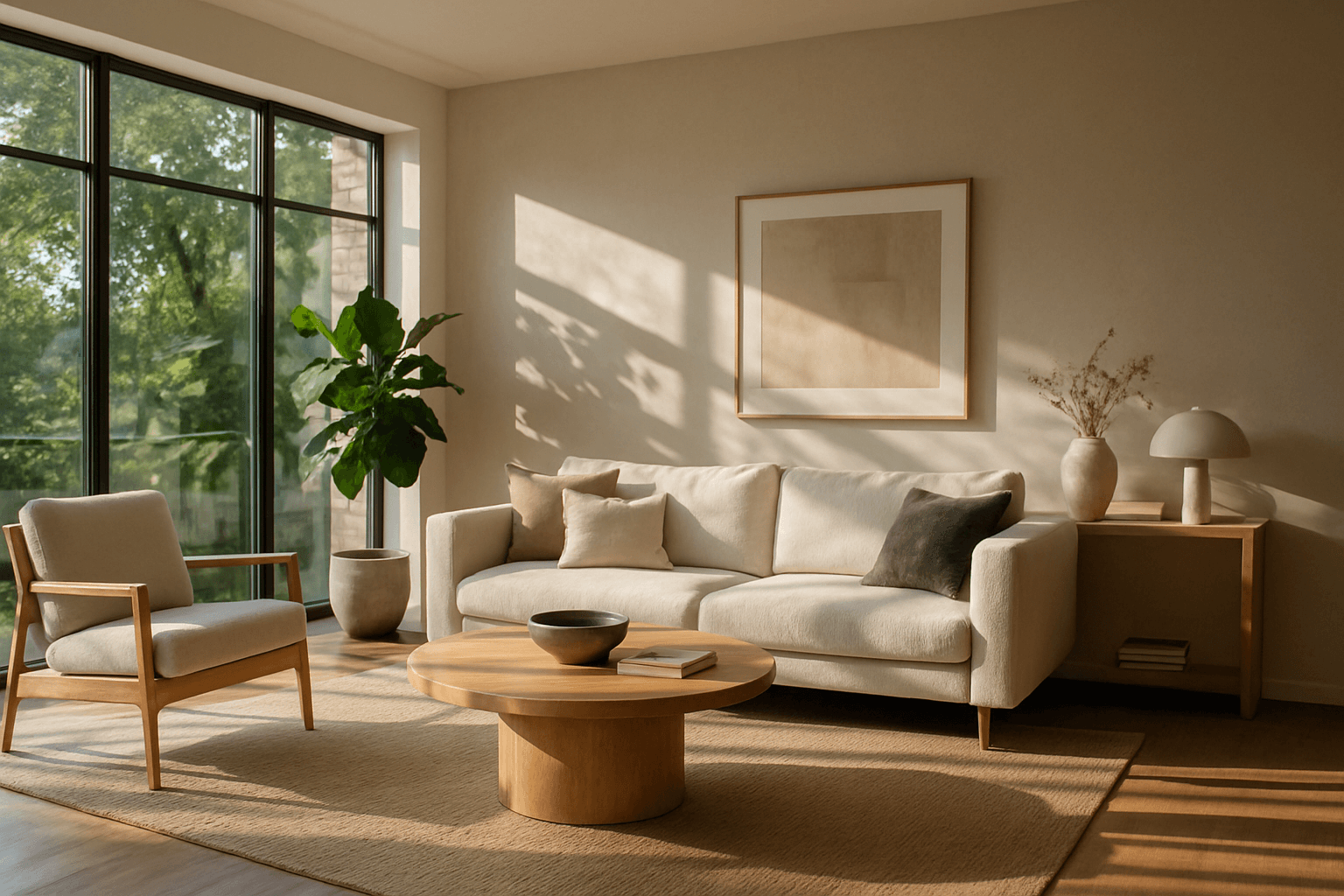
HDR lighting techniques simulate a photographic method that captures a broader luminance range by combining multiple exposure levels. Incorporating HDR descriptors in AI image prompts guides the model to produce visuals rich in contrast and color fidelity, mimicking professional photography results. This technique is particularly effective for scenes where fine details in shadows and highlights must be preserved, such as landscapes, architectural shots, or product imagery. Using HDR lighting keywords prompts AI to render images with superior depth and texture, contributing to a dynamic and immersive viewing experience.
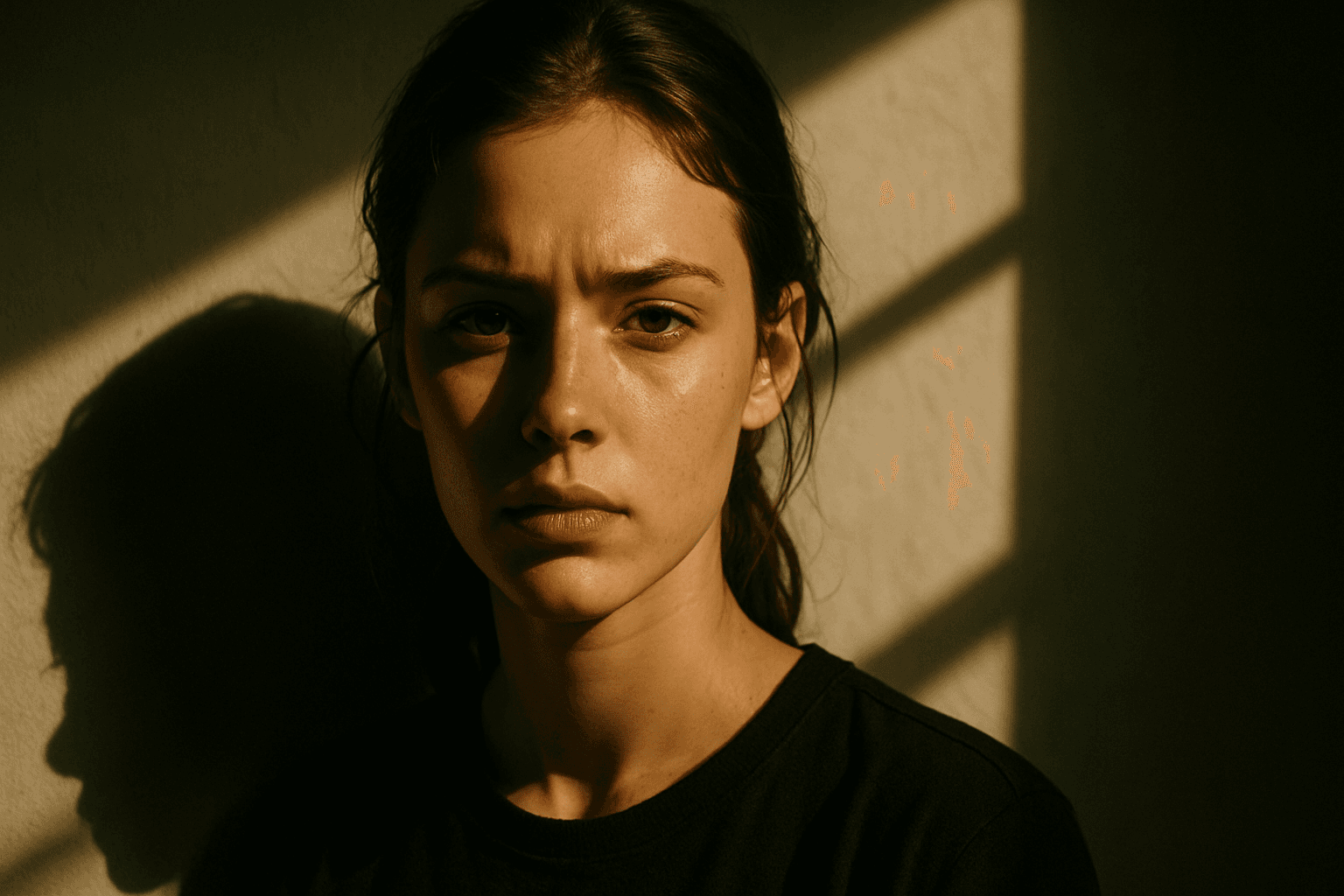
Hard Shadow Contrast
Hard Shadow Contrast is a lighting effect that dramatically defines shadows with crisp, sharp edges and pronounced contrast between light and dark areas. In AI-generated images, incorporating this characteristic elevates the visual impact by adding dimensionality and emphasizing surface textures. It is particularly useful in highlighting form, structure, and materials, creating a striking and refined appearance. By controlling this effect through prompts, artists and designers can guide AI models to produce compositions with cinematic or editorial lighting moods, enhancing realism or artistic expression without soft or diffuse shading.
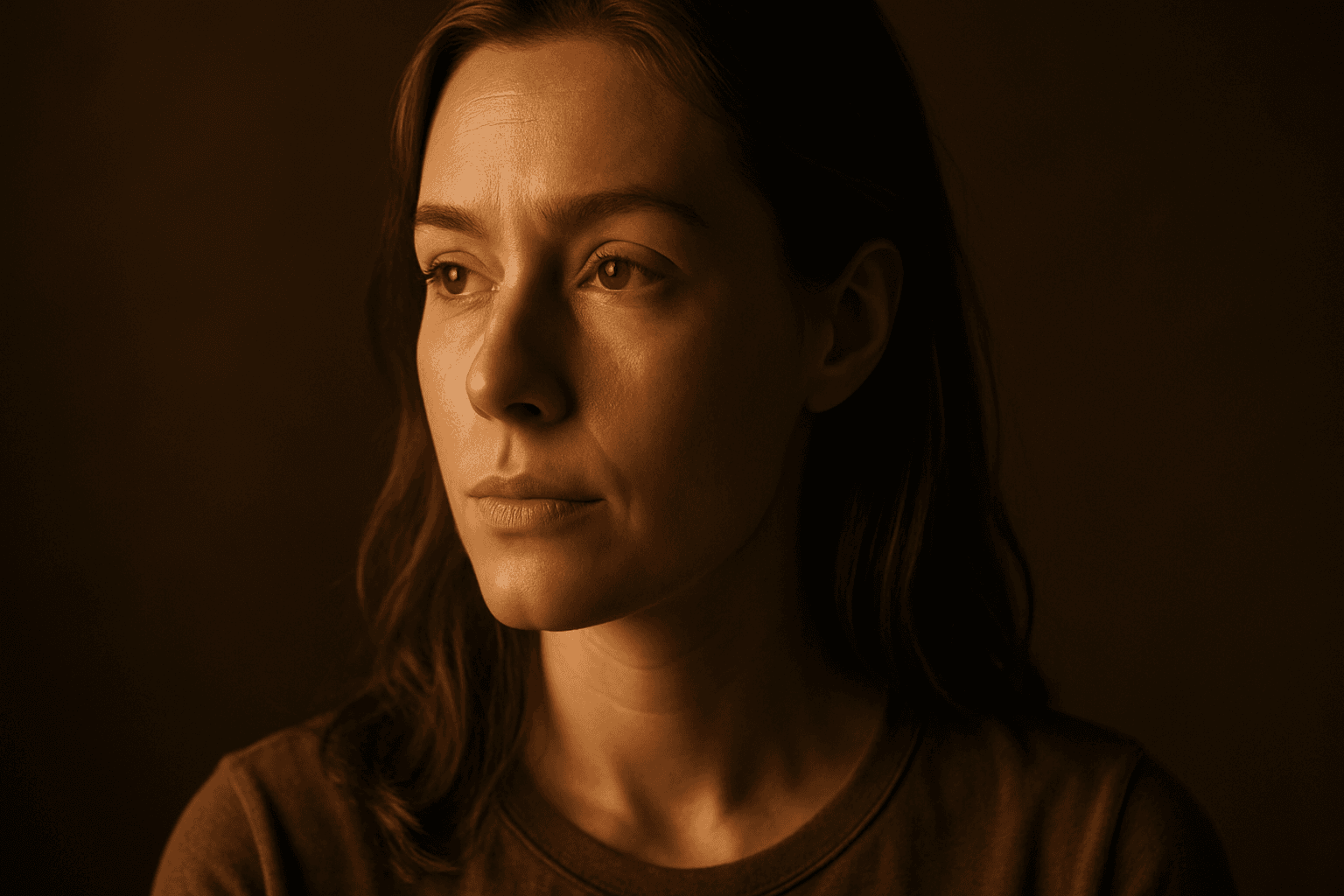
Directional Side Lighting
Directional side lighting is a powerful lighting technique widely used in photography and digital art to add dimensionality and mood. In the context of AI image generation, specifying directional side lighting shapes how the model simulates light interaction with subjects and environments. This lighting style creates pronounced contrasts between illuminated and shaded areas, resulting in images with realistic depth and enhanced visual interest. It is especially effective for emphasizing textures and defining shapes in portraits, still life, architectural renders, and product shots. Using this lighting approach in AI prompts helps generate more polished and professional visuals suitable for editorial and commercial use.
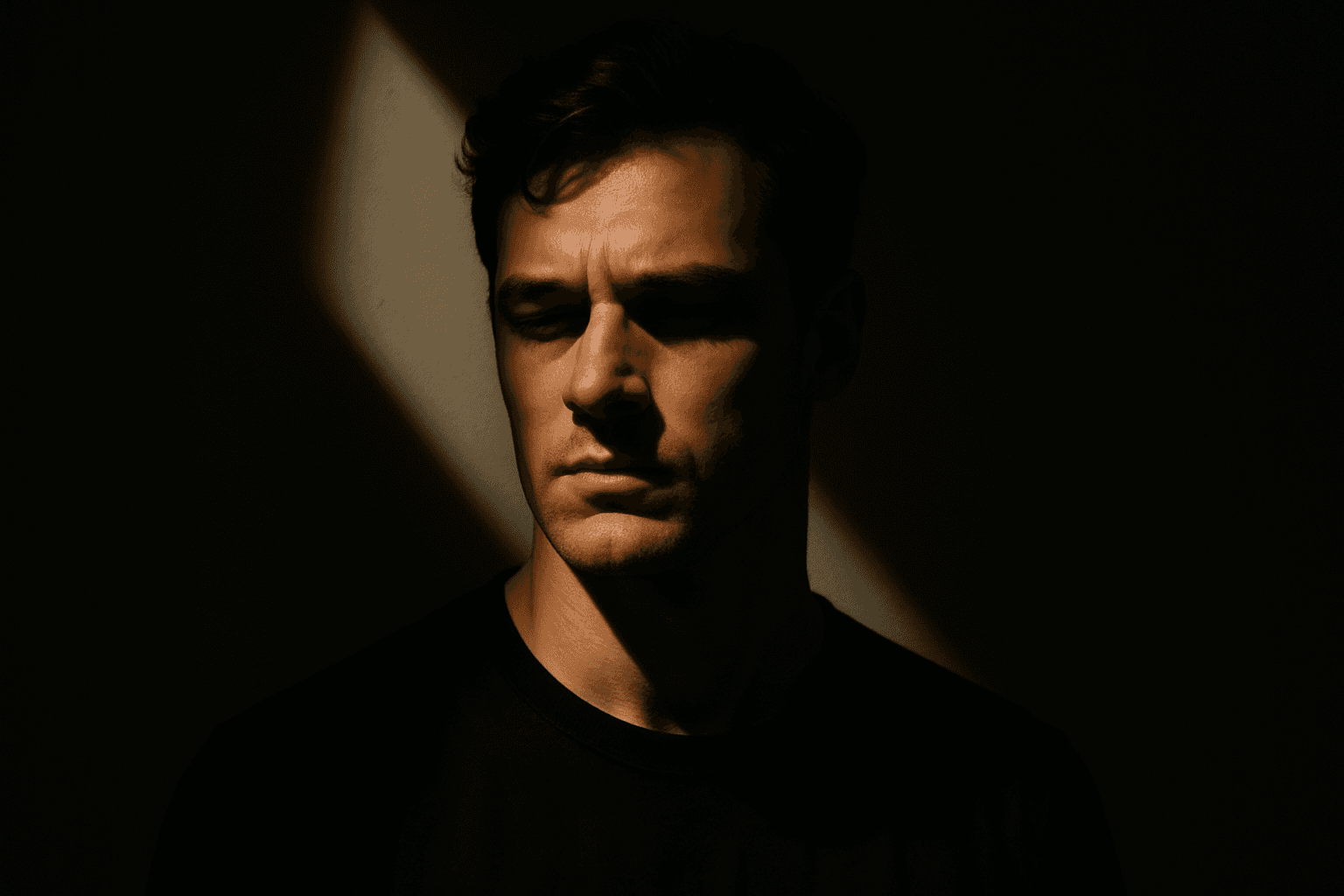
Dramatic Shadow Play
Dramatic shadow play is a powerful lighting technique that leverages stark contrasts between light and dark areas to draw attention and evoke emotion. By guiding AI to create strong directional lighting accompanied by pronounced shadows, images gain a sculptural and dynamic quality. This technique helps emphasize textures, enhance spatial depth, and create visually compelling compositions that stand out. In AI-generated art, incorporating shadow play opens up creative possibilities for storytelling, mood setting, and artistic expression, especially in portraiture, architectural photography, and fine art visuals.