High Dynamic Range Lighting
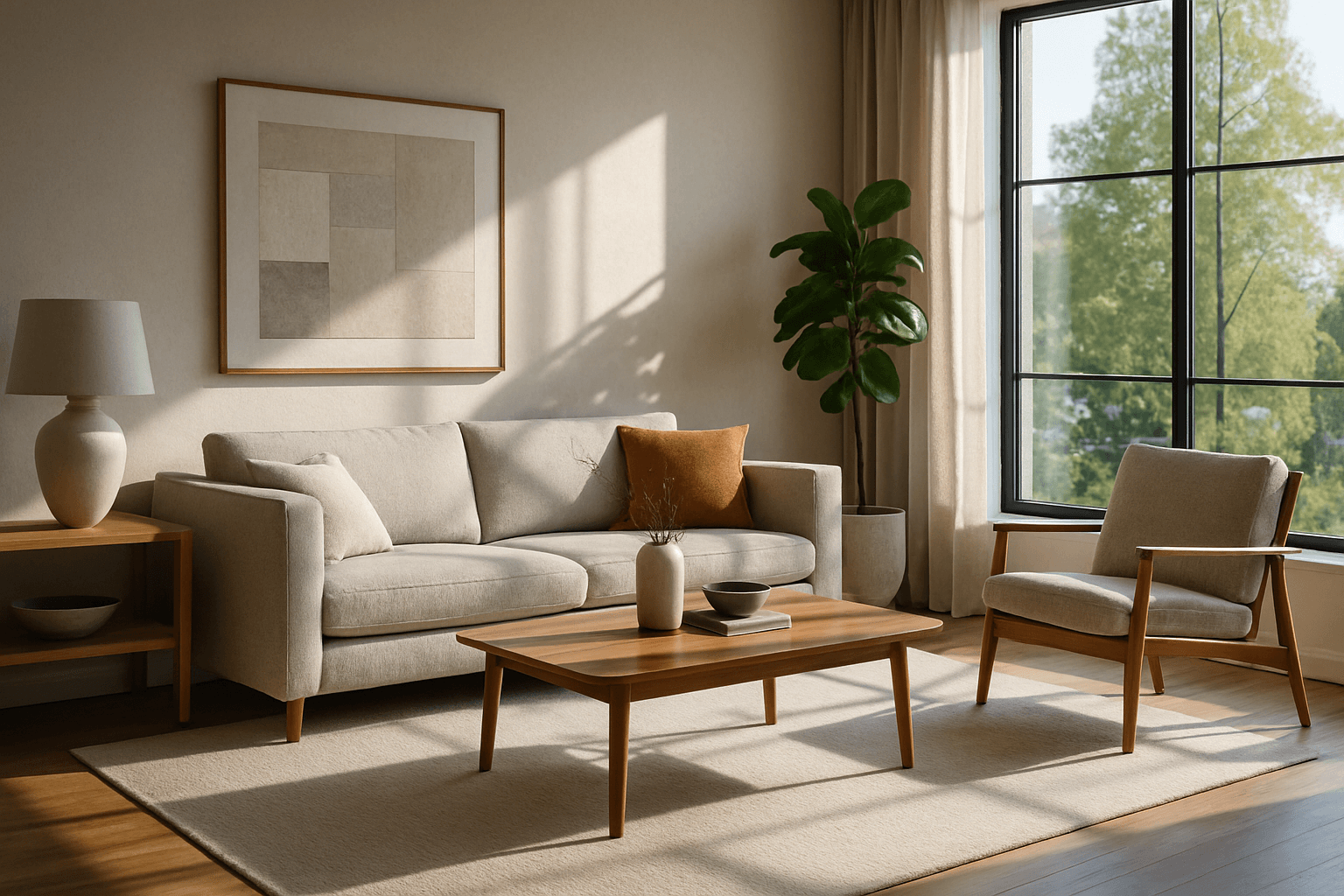
High Dynamic Range Lighting (HDR Lighting) elevates AI-generated images by mimicking the natural spectrum of light intensity present in real-world environments. This lighting style captures a broad range of brightness, preserving details in both shadows and highlights that might otherwise be lost. When integrated into AI prompts, HDR Lighting contributes to images that feel more immersive, dramatic, and visually striking. It is especially beneficial for scenes involving complex lighting situations like sunsets, indoor interiors with windows, or reflective surfaces. Artists and creators looking to create premium-quality renderings with photorealistic depth often rely on HDR Lighting to add a compelling sense of realism and sophistication to their work.
Definition
High Dynamic Range Lighting (HDR Lighting) enhances AI image prompts by simulating a wide range of lighting intensities within a scene. It recreates detailed visuals from deep shadows to bright highlights, enriching contrast and depth in generated images.
Visual Characteristics
- Strong contrast with clear highlight and shadow details
- Lifelike reflections and subtle light gradients
- Balanced exposure minimizing blown-out bright areas and loss of shadow detail
Prompt Formula
Use phrases that emphasize extensive light range and balance for your prompt. Combine terms describing lighting quality with subject and style for best results.
- "[subject] with high dynamic range lighting, realistic shadows and highlights"
- "[scene] bathed in HDR lighting, vivid reflections, natural contrast"
- "[object/setting] illuminated with balanced high dynamic range light, photorealistic"
Best Use Cases
- Architectural renders showcasing natural interior and exterior light
- Product imagery highlighting surface texture and shine
- Nature and landscape scenes featuring intricate lighting interplay
Related Styles
- Volumetric Lighting
- Cinematic Lighting
- Realistic Shadows
Model-Specific Tips
When crafting prompts for AI models, specify HDR lighting early in the description to prioritize light realism. Pair HDR references with detailed material descriptors like 'glossy,' 'reflective,' or 'matte' to maximize contrast effects. Avoid generic lighting terms alone; including HDR-related phrases can help models better interpret the desired dynamic luminance range. Testing prompt variations with and without HDR references can highlight the impact in your selected model.
FAQ
What does High Dynamic Range Lighting add to AI-generated images?
It enhances the contrast and detail in both shadows and highlights, producing images with greater depth and realism.
Can High Dynamic Range Lighting work with all AI image styles?
HDR lighting is best suited for photorealistic and detailed renderings but can also enhance other styles that benefit from dynamic lighting contrasts.
How do I include HDR lighting in my AI prompts?
Include clear phrases such as 'high dynamic range lighting,' 'HDR lighting,' or 'balanced exposure with vibrant highlights and shadows' near the start of your prompt.
Continue Exploring
Related Prompts
Cinematic Lighting
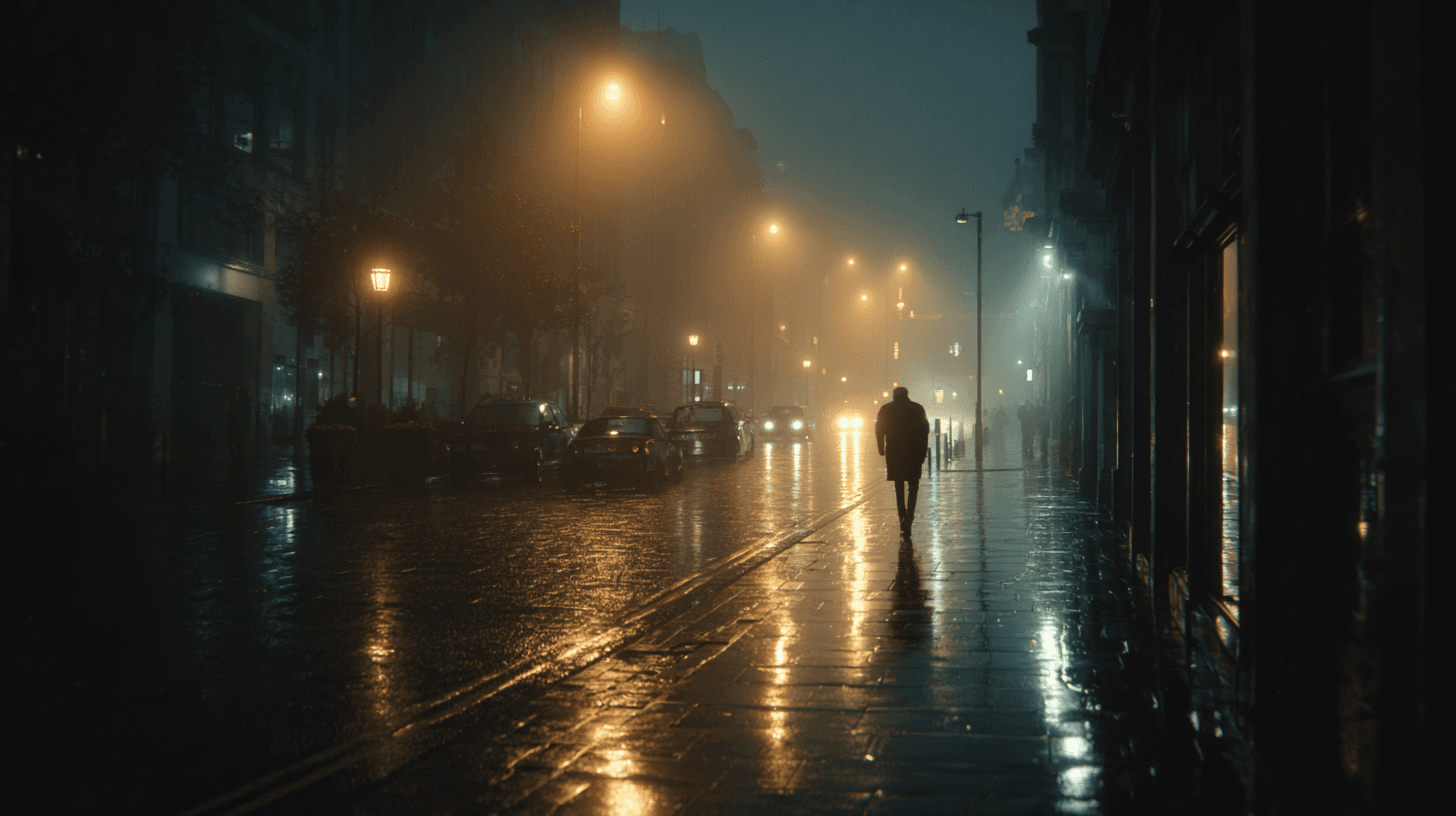
Cinematic Lighting is one of the most useful prompt keywords for making AI-generated images feel intentional, polished, and story-driven. Instead of asking for a flat, evenly lit image, this keyword signals that the scene should feel as if it was lit for a film, commercial, or high-end editorial shoot. The result often includes stronger direction in the light source, more purposeful shadows, richer contrast, and a clearer sense of atmosphere. For beginners, it is a reliable way to move an image away from a generic render and toward something that feels composed, dramatic, and visually memorable.
Volumetric Lighting
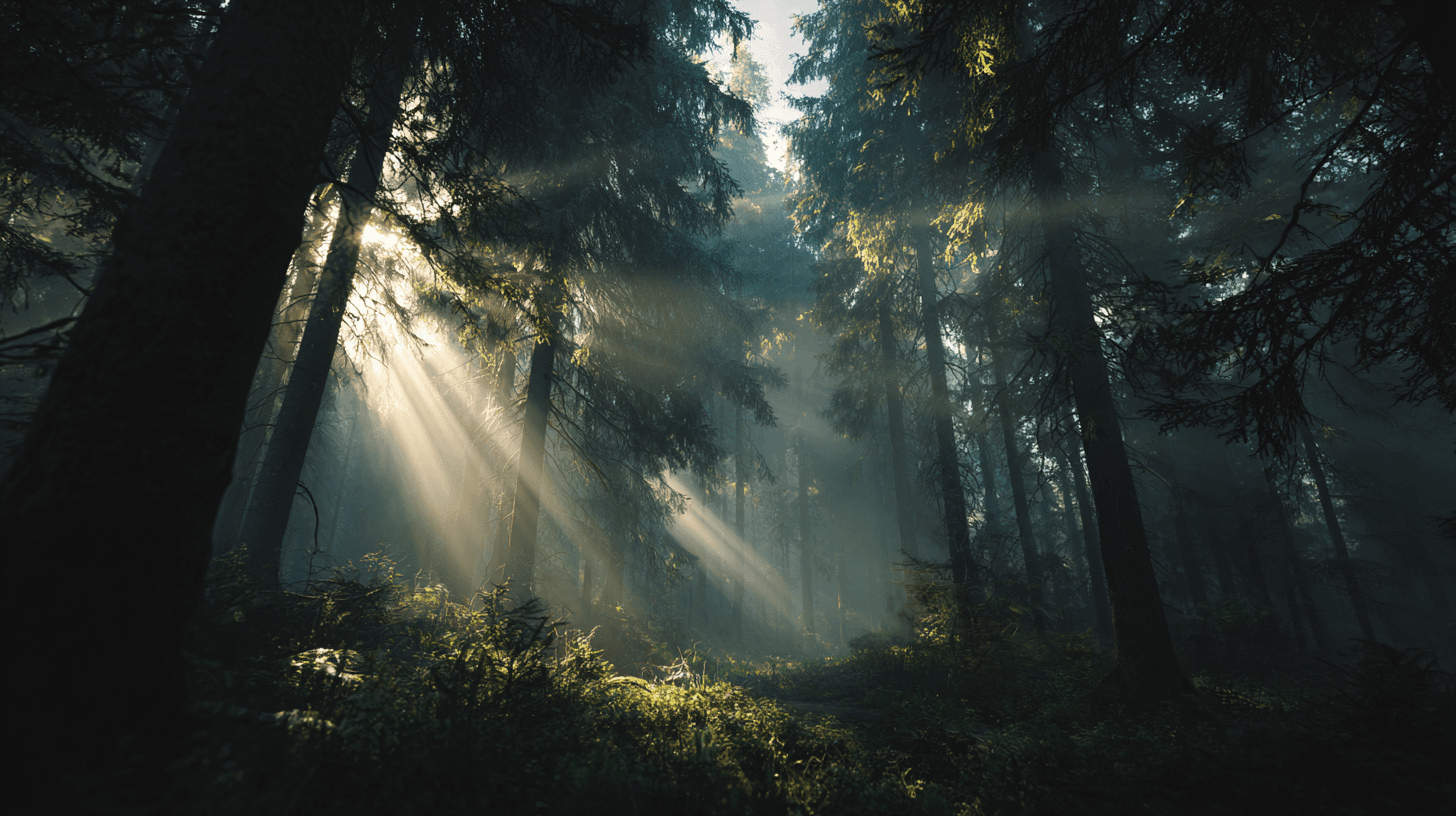
Volumetric Lighting describes visible beams of light traveling through particles in the air, such as mist, dust, smoke, fog, or atmospheric haze. In AI image generation, it is a powerful keyword for adding depth and drama. Instead of light simply landing on objects, the light itself becomes visible inside the scene. This can make an image feel cinematic, mysterious, sacred, futuristic, or magical depending on the setting. Beginners can use Volumetric Lighting when a prompt feels flat or lacks atmosphere. It is especially useful when you want the viewer to feel the scale of a space, the direction of the light, or the mood of an environment.
Underexposed Mood Lighting
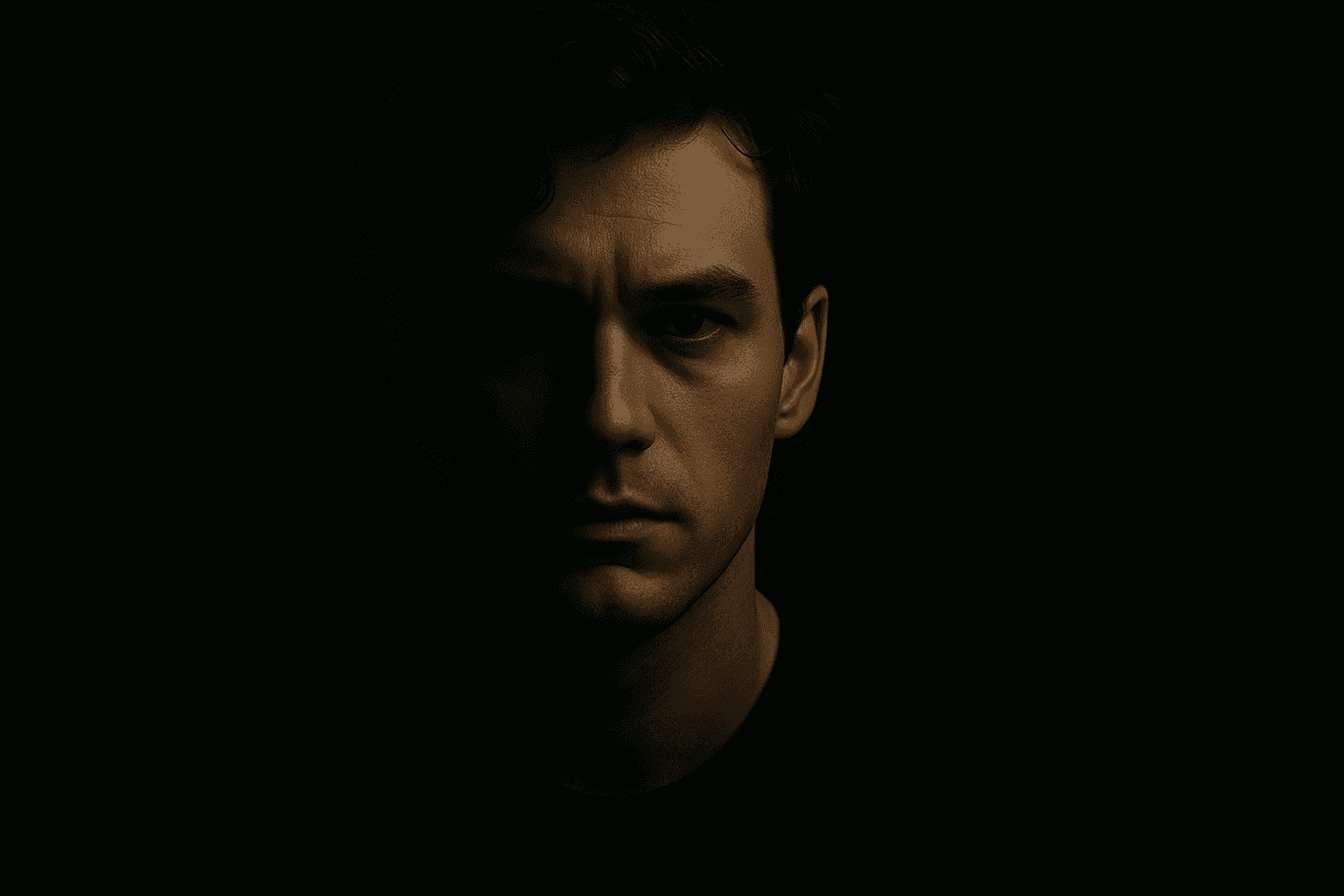
Underexposed mood lighting is a creative lighting technique used in AI-generated images to evoke atmosphere through reduced exposure and enhanced shadows. By controlling brightness and contrast, it crafts visually compelling scenes that feel intimate, mysterious, or cinematic. In AI prompts, this concept helps guide models toward dimmer settings where textures and shapes are subtly revealed without harsh lighting, often highlighting emotional depth or storytelling elements. Professionals leverage underexposed lighting to produce moody portraits, dramatic environments, or evocative still lifes, making it essential for users aiming to add artistic depth and ambience to their digital creations.

High Contrast Lighting Setup
High contrast lighting setups are widely used in photography and cinematic visuals to produce bold, dynamic images that captivate viewers. Incorporating 'high contrast lighting setup' in an AI image prompt instructs the AI to emphasize striking light sources and deep shadows, adding visual tension and clarity to the scene. This lighting approach reveals textures more vividly and helps create a mood that can range from mysterious to intense. For AI-generated images intended for editorial, commercial, or fine art applications, applying this keyword ensures that the resulting visuals have professional-quality lighting that enhances subject definition and atmosphere.
Practical Lighting
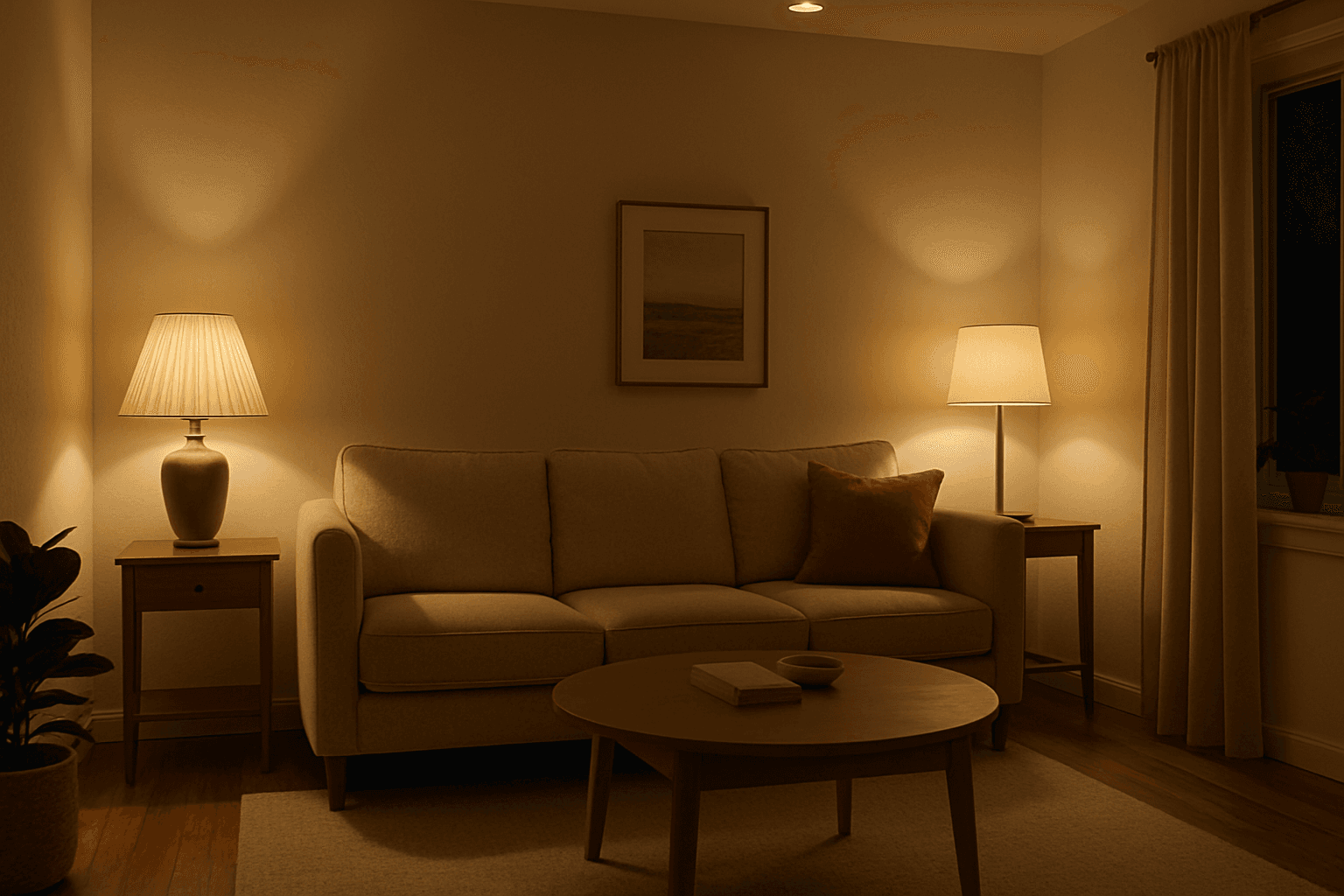
Practical lighting is a fundamental concept in photography, cinematography, and digital art where the light source is part of the scene itself. Unlike external or off-camera lighting, practical lights are tangible fixtures within the visual frame, such as table lamps, street lamps, or neon signs. These lights serve to naturally illuminate subjects and spaces, contributing to the ambiance and realism of the scene. In AI-generated imagery, utilizing practical lighting enhances authenticity and adds depth by mimicking natural illumination behaviors. This technique is essential for creating immersive environments with believable light and shadow interplay, making it a favorite among artists and visual storytellers.
Backscatter Lighting Effect
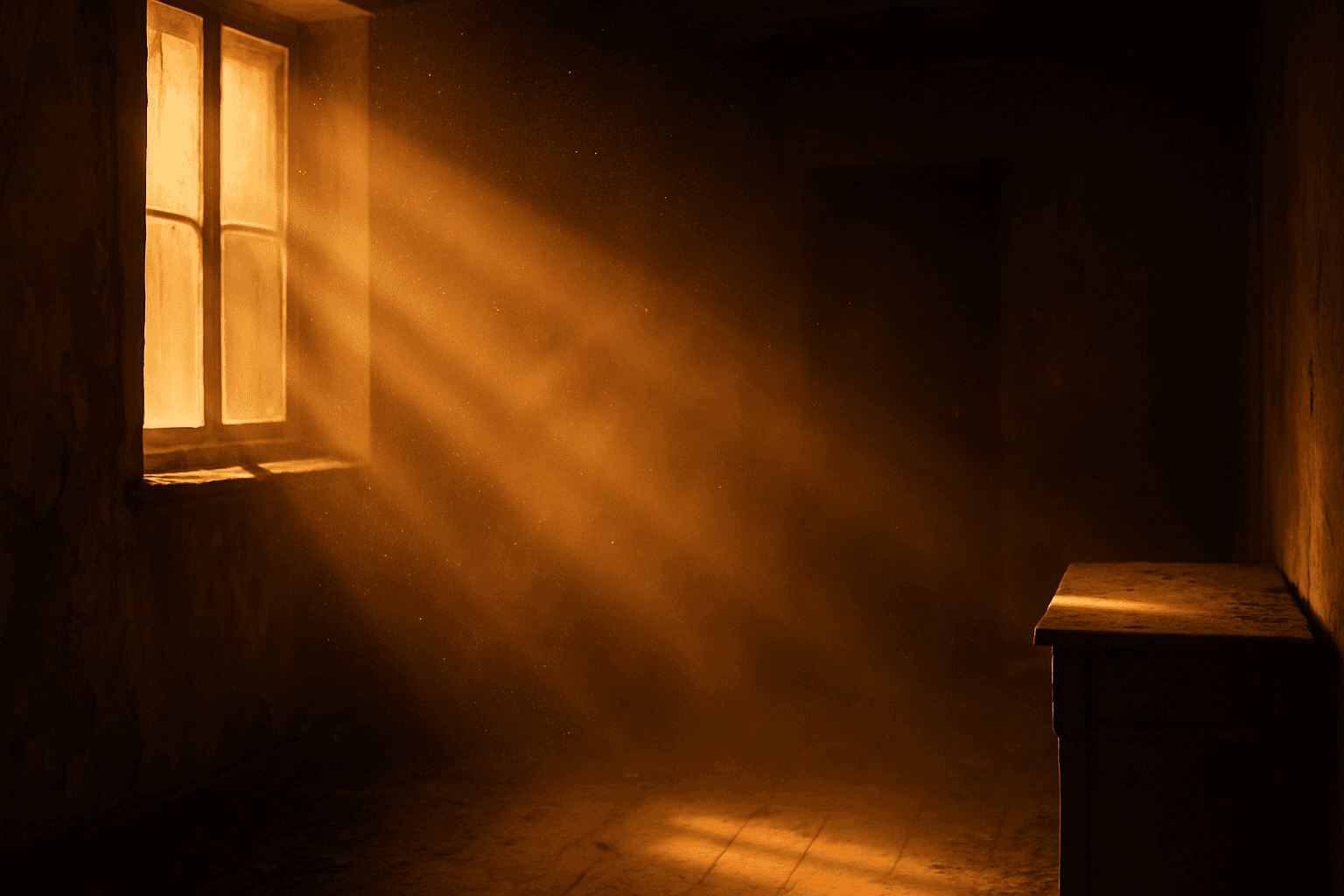
The Backscatter Lighting Effect simulates light interacting with airborne particles, typically seen as glowing halos or fog-like glimmers surrounding light sources. This effect provides images with a vivid sense of atmosphere and environmental depth, often enhancing moodiness and realism. When used in AI prompts, it guides models to replicate this physical light interaction, making scenes feel more immersive and cinematic. This effect is especially impactful in scenes with fog, smoke, dust, or mist, emphasizing details that evoke senses of environment and ambience. It’s widely employed in photography, film, and digital art to enrich the visual storytelling experience.