High Contrast Lighting Setup
High contrast lighting setups are widely used in photography and cinematic visuals to produce bold, dynamic images that captivate viewers. Incorporating 'high contrast lighting setup' in an AI image prompt instructs the AI to emphasize striking light sources and deep shadows, adding visual tension and clarity to the scene. This lighting approach reveals textures more vividly and helps create a mood that can range from mysterious to intense. For AI-generated images intended for editorial, commercial, or fine art applications, applying this keyword ensures that the resulting visuals have professional-quality lighting that enhances subject definition and atmosphere.

Definition
High contrast lighting setup is a lighting technique that creates a strong difference between light and shadow areas in an image, emphasizing texture, depth, and form. In AI image generation, including this keyword prompts the model to simulate these sharp lighting contrasts, producing images with dramatic highlights and deep shadows. This technique enhances subject definition and adds mood and intensity to visuals, making scenes more engaging and visually striking.
Prompt Formula
Use phrasing that specifies light quality and shadow intensity for best results with this keyword. Combine 'high contrast lighting setup' with descriptors of light direction, shadow sharpness, and mood to guide the AI precisely. Example formula: [subject or scene], high contrast lighting setup, sharp shadows, directional light from [source], dramatic mood, high detail, premium lighting
- [subject], high contrast lighting setup, sharp shadows
- Directional light from the side or back for silhouette effect
- Add mood adjectives like dramatic, intense, mysterious
Best Use Cases
High contrast lighting setups are ideal for:
- Portraits requiring emotional intensity and depth
- Product photography showcasing texture and form
- Cinematic or editorial scenes needing atmospheric tension
Creative Variations
To diversify results, try variations such as:
- Change light color temperatures, e.g., warm tungsten or cool daylight
- Use colored gels for dynamic shadows and highlights
- Combine with different times of day—sunset or night scenes
- Adjust composition—close-ups to highlight texture, wide shots for mood
Industry Applications
High contrast lighting setups are widely used in:
- Advertising to create visually compelling campaigns
- Editorial photography for impactful storytelling
- Ecommerce to emphasize product quality and craftsmanship
Common Mistakes
Avoid these pitfalls when prompting high contrast lighting setups:
- Overusing 'high contrast' without specifying light direction leading to flat images
- Forgetting to balance shadows and highlights causing loss of detail
- Applying it to subjects where harsh lighting reduces visual appeal, like overly smooth skin without texture
Advanced Techniques
For experienced users, enhance your prompts by:
- Combining 'high contrast lighting setup' with style modifiers like 'film noir' or 'rembrandt lighting'
- Specifying shadow hardness and highlight brightness levels
- Adding constraints to focus contrast on key elements, such as the face or product only
- Pairing with camera settings prompts — like 'shallow depth of field' or 'wide aperture' — for added realism
FAQ
What mood does a high contrast lighting setup usually create?
High contrast lighting typically creates a dramatic, intense, or mysterious mood by emphasizing the interplay of bright highlights and deep shadows.
Can high contrast lighting be used for all subjects?
While versatile, it suits subjects with texture and strong forms better. It may not flatter very smooth or delicate subjects as the hard shadows can exaggerate imperfections.
Continue Exploring
Related Prompts
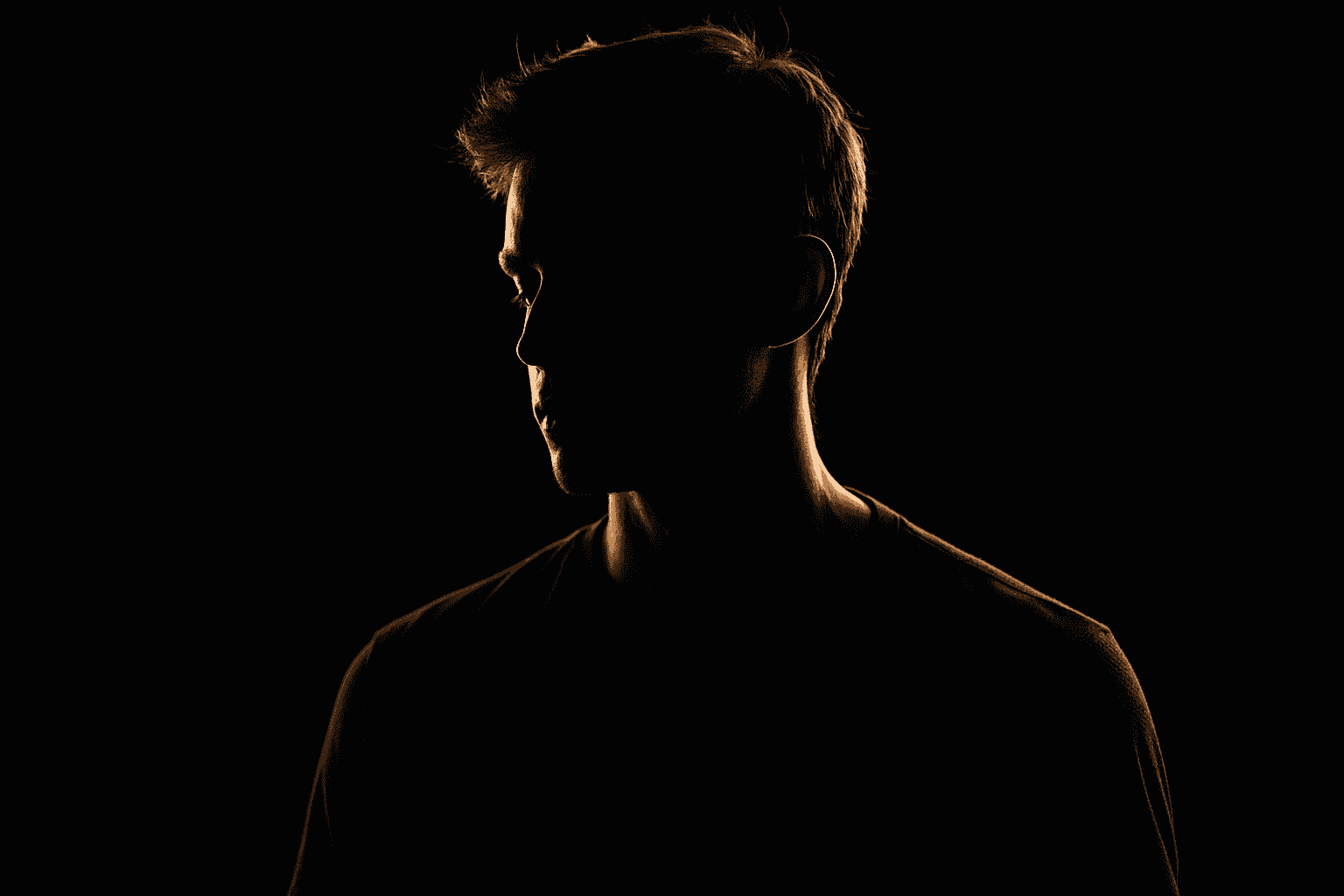
High Contrast Rim Lighting
High Contrast Rim Lighting is a powerful creative technique that adds dramatic flair and dimension to images. By placing a bright light source behind the subject, this method produces vivid outlines with intense brightness contrasting starkly against darker areas. In AI-generated images, this lighting effect helps to make subjects pop by accentuating edges and contours, improving visual separation and focus. It is especially effective for portraits, product shots, and stylized artistic renditions. Incorporating this keyword in AI prompts guides the model to produce images with refined lighting nuances, sharp contrasts, and enhanced depth that elevate the overall composition.
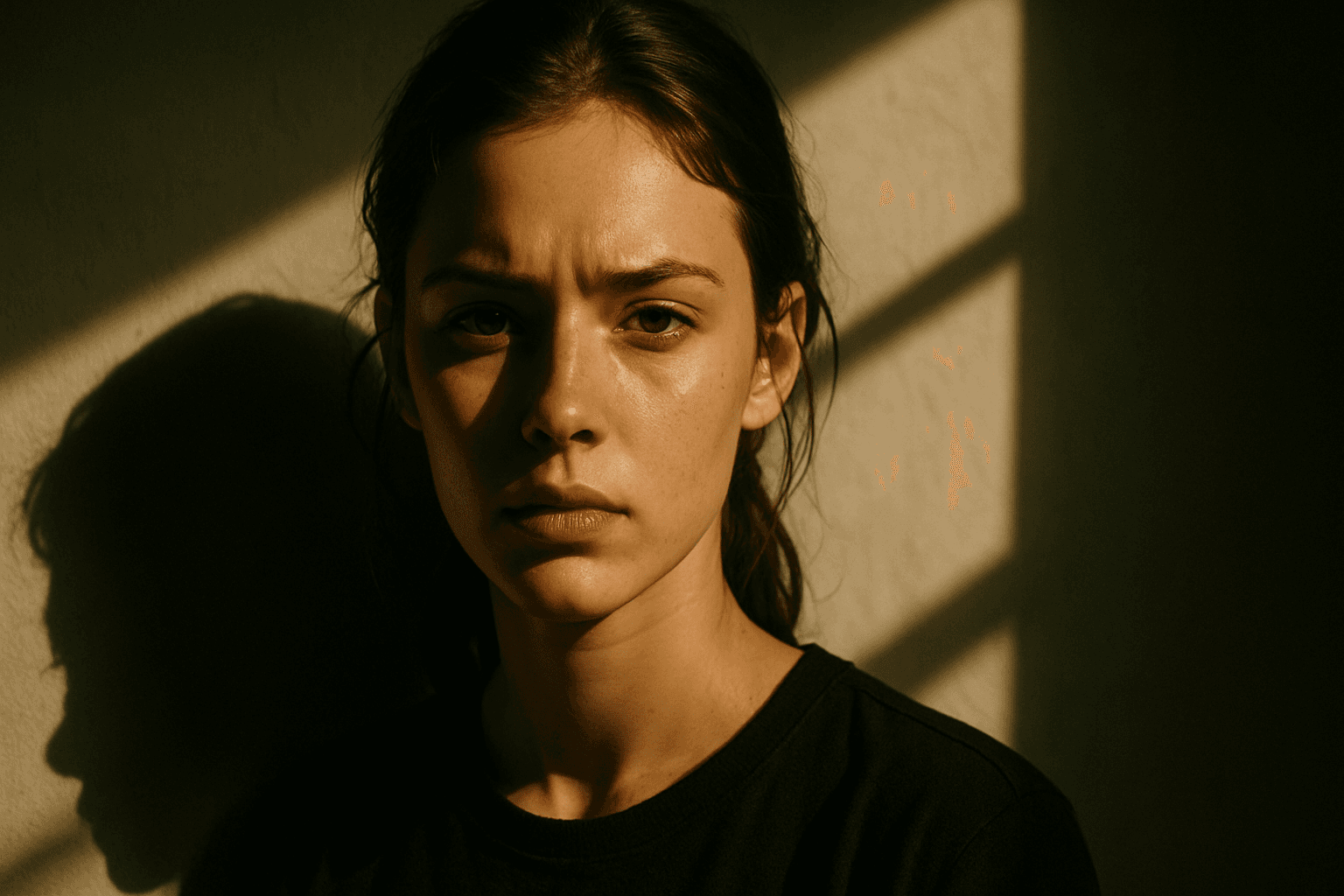
Hard Shadow Contrast
Hard Shadow Contrast is a lighting effect that dramatically defines shadows with crisp, sharp edges and pronounced contrast between light and dark areas. In AI-generated images, incorporating this characteristic elevates the visual impact by adding dimensionality and emphasizing surface textures. It is particularly useful in highlighting form, structure, and materials, creating a striking and refined appearance. By controlling this effect through prompts, artists and designers can guide AI models to produce compositions with cinematic or editorial lighting moods, enhancing realism or artistic expression without soft or diffuse shading.
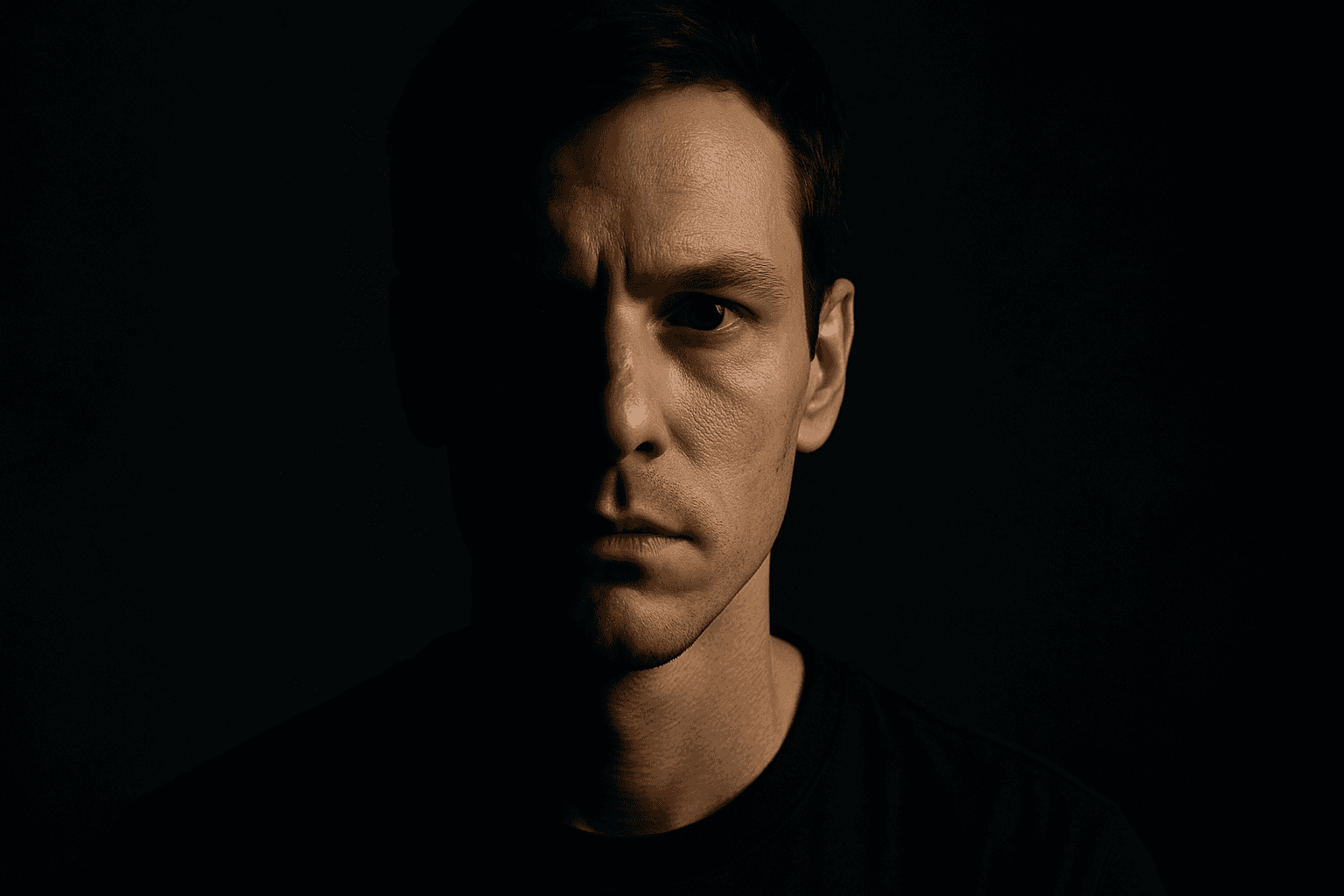
Split Lighting Technique
Split lighting is a classic photographic lighting technique widely used for portraits to craft dramatic and intense images. When applied in AI image prompts, it guides the generation to simulate this lighting style by illuminating one half of the subject brightly while casting the other half in shadow. This technique enhances depth and character, often lending a mysterious or serious tone to portraits. It is especially effective for emphasizing facial features, textures, and emotional expressions. Utilizing split lighting in AI art allows creators to generate compelling, high-contrast images that stand out in editorial, commercial, or artistic contexts.
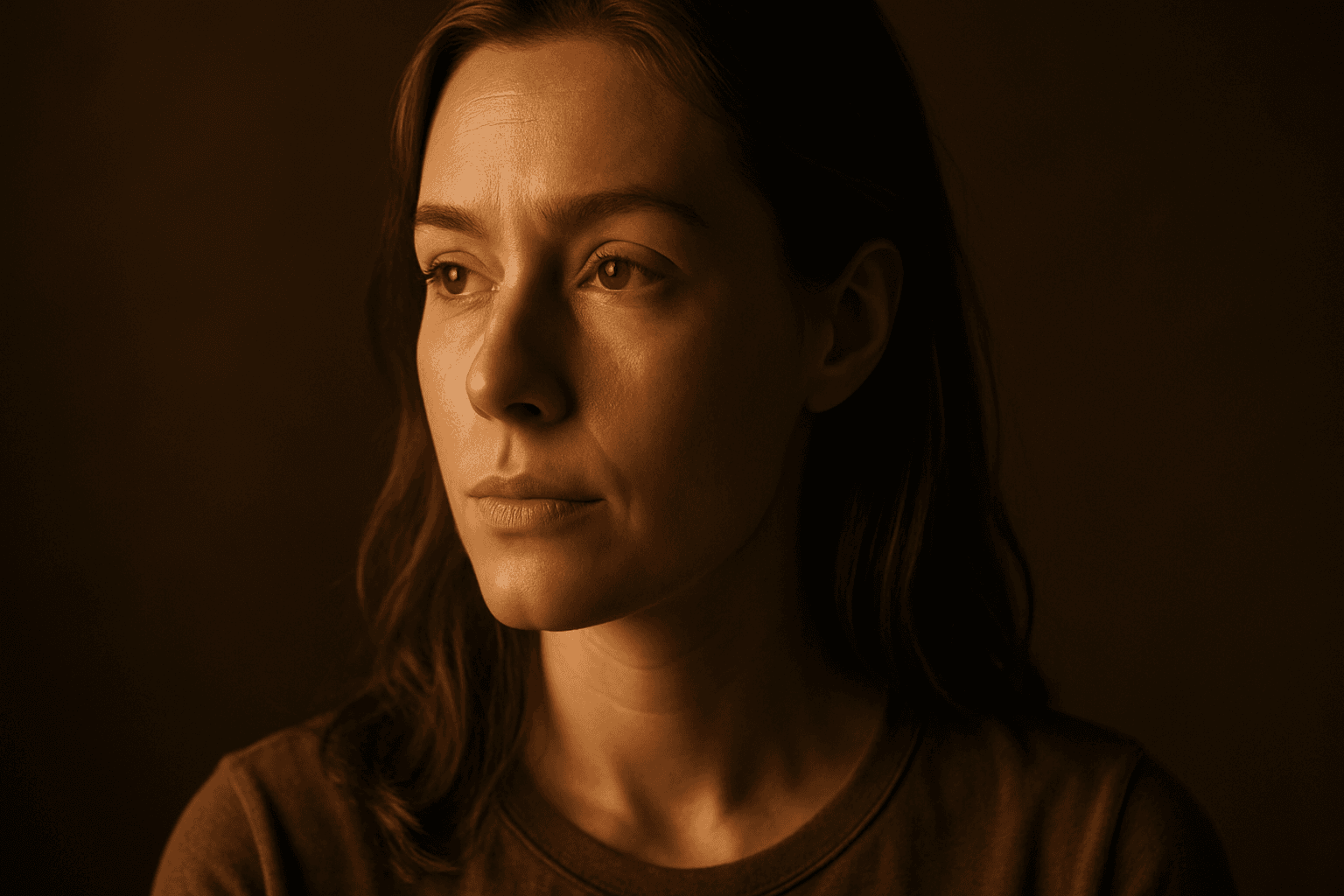
Directional Side Lighting
Directional side lighting is a powerful lighting technique widely used in photography and digital art to add dimensionality and mood. In the context of AI image generation, specifying directional side lighting shapes how the model simulates light interaction with subjects and environments. This lighting style creates pronounced contrasts between illuminated and shaded areas, resulting in images with realistic depth and enhanced visual interest. It is especially effective for emphasizing textures and defining shapes in portraits, still life, architectural renders, and product shots. Using this lighting approach in AI prompts helps generate more polished and professional visuals suitable for editorial and commercial use.
High Key Lighting Setup
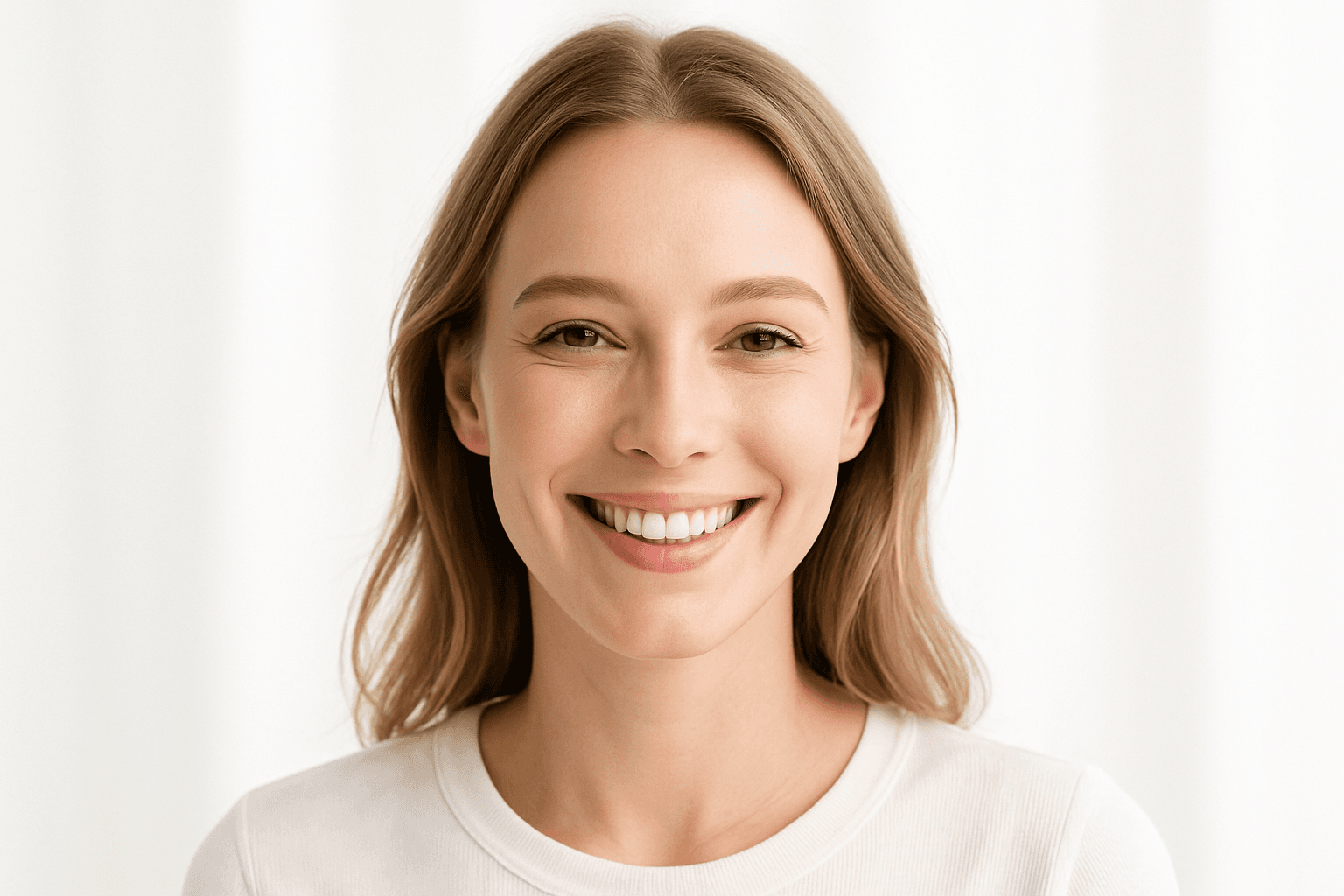
High Key Lighting Setup transforms the mood and clarity of an image by emphasizing brightness and reducing harsh shadows. This style is known for its airy, clean, and polished aesthetic that enhances softness and detail. In AI image generation, specifying a high key lighting setup helps evoke feelings of freshness, positivity, and elegance, making images appear bright and inviting. It effectively highlights textures and color purity without dramatic shadows, which suits product photography, portraits, and editorial uses where a crisp, premium look is desired. Understanding and applying high key lighting keywords in prompts ensure consistent outputs aligned with this visual ethos.

Low Angle Lighting
Low angle lighting is a powerful photographic and artistic technique that shifts the viewer's perspective by lighting subjects from below. When integrated into AI image prompts, it helps generate images with a distinct, often dramatic mood and added dimensionality. This lighting arrangement mimics natural scenarios like sunrise or artificial lighting such as street lamps from ground level. Due to its uncommon viewpoint, low angle lighting enhances textures and contours by reversing traditional shadow placement, producing striking images ideal for editorial portraits, architectural shots, and dynamic compositions. Leveraging this keyword allows creators to break away from standard lighting styles and evoke more intriguing atmospheres in synthetic visuals.