High Contrast Rim Lighting
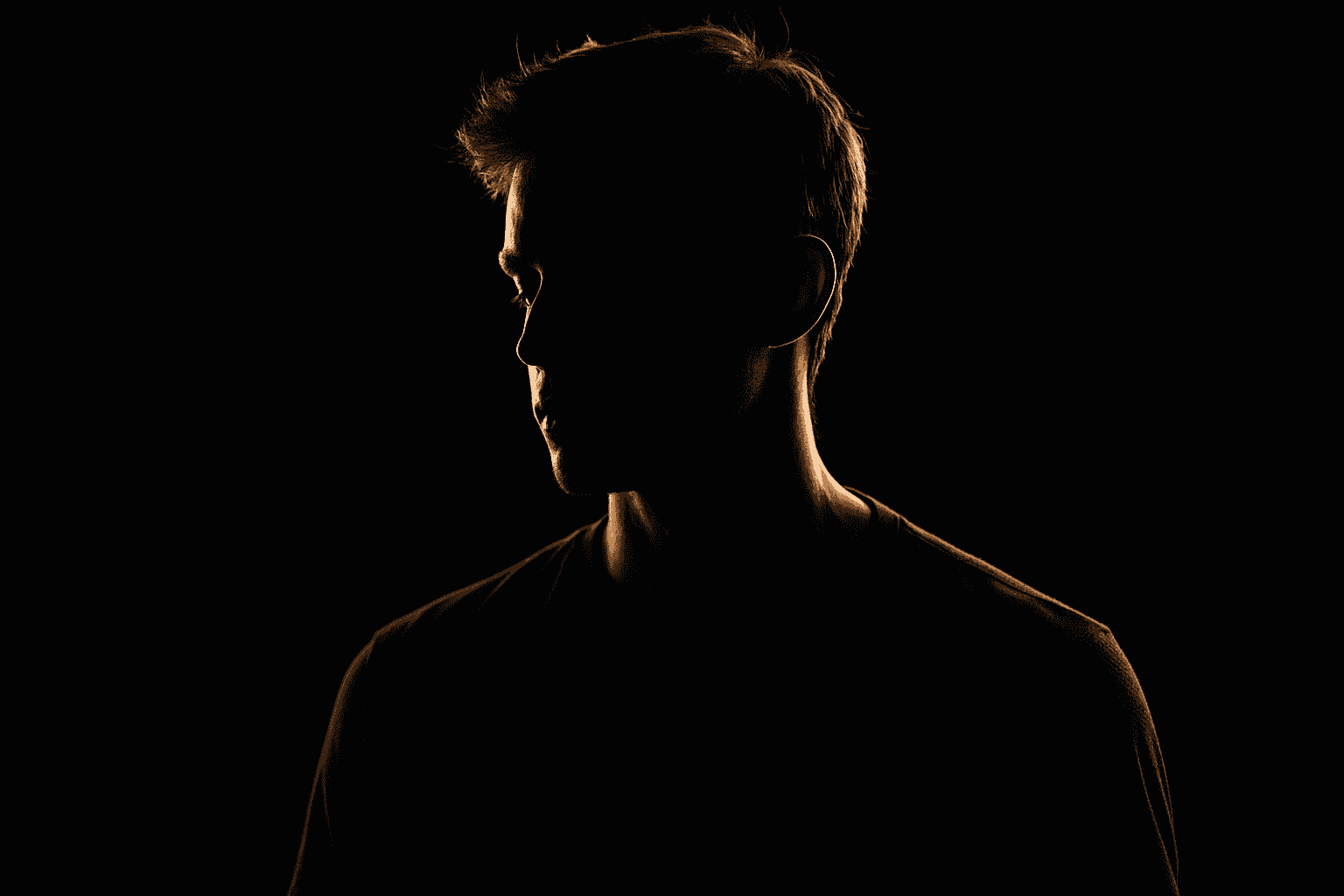
High Contrast Rim Lighting is a powerful creative technique that adds dramatic flair and dimension to images. By placing a bright light source behind the subject, this method produces vivid outlines with intense brightness contrasting starkly against darker areas. In AI-generated images, this lighting effect helps to make subjects pop by accentuating edges and contours, improving visual separation and focus. It is especially effective for portraits, product shots, and stylized artistic renditions. Incorporating this keyword in AI prompts guides the model to produce images with refined lighting nuances, sharp contrasts, and enhanced depth that elevate the overall composition.
Definition
High Contrast Rim Lighting is a lighting effect where a strong backlight creates bright, sharp outlines around the subject. In AI prompts, it directs the model to emphasize these clear edge highlights, boosting subject separation and depth in the image.
Visual Characteristics
- Bright, sharp rim light around subject edges
- Strong contrast between illuminated edges and darker central areas
- Distinct subject-background separation with dramatic shadows
Prompt Formula
To incorporate High Contrast Rim Lighting into AI prompts, use phrases highlighting edge lighting and contrast. Combine terms such as "high contrast rim lighting," "bright backlight," and "sharp glowing edges" with your subject description for best results.
- [subject] with high contrast rim lighting, sharp edge highlights
- [subject] illuminated by intense backlight, strong silhouette contrast
- [subject] with glowing rim light outlining contours, dark background
Best Use Cases
- Dramatic portrait photography emphasizing facial contours
- Product photography focusing on shape and materials
- Character art with strong silhouette and visual impact
Creative Variations
Variations can explore different color temperatures for rim light, such as cool blue or warm orange hues, to influence mood. Experiment with soft versus sharp rim lighting edges, partial rim lighting from one side, or colored rim lighting for fantasy effects. Combining rim lighting with fog or particles adds atmosphere.
- Colored rim lighting (cool blue, warm amber)
- Soft edge rim lighting versus sharp edge
- Partial rim lighting from single side
- Rim lighting with atmospheric particles or fog
Industry Applications
- Advertising imagery highlighting product shapes
- Editorial portraits with dramatic stylization
- Ecommerce visuals emphasizing texture and form
Related Styles
- Backlight Shadow Play
- Silhouette Lighting
- Dramatic Edge Lighting
Model-Specific Tips
When using High Contrast Rim Lighting in prompts, clearly specify "high contrast," "bright rim light," and "sharp edges" to guide image synthesis models effectively. Avoid vague terms like "glow" alone, which can sometimes produce softer lighting. Including background keywords such as "dark background" enhances rim light visibility.
FAQ
What is the difference between rim lighting and high contrast rim lighting?
Rim lighting generally refers to any backlighting that outlines a subject, while high contrast rim lighting emphasizes very strong, sharp, and bright edge highlights that create stark separation and dramatic effect.
Can I use high contrast rim lighting for both portraits and product images?
Yes, this lighting style works well for various subjects including portraits and product photography, as it accentuates edges and adds depth, making subjects stand out distinctly.
How do lighting colors affect high contrast rim lighting?
Changing rim lighting colors can alter the mood; for example, warm hues create a cozy feel, while cool colors add a futuristic or dramatic tone. Colors also influence how materials and textures appear under the light.
Continue Exploring
Related Prompts

High Contrast Lighting Setup
High contrast lighting setups are widely used in photography and cinematic visuals to produce bold, dynamic images that captivate viewers. Incorporating 'high contrast lighting setup' in an AI image prompt instructs the AI to emphasize striking light sources and deep shadows, adding visual tension and clarity to the scene. This lighting approach reveals textures more vividly and helps create a mood that can range from mysterious to intense. For AI-generated images intended for editorial, commercial, or fine art applications, applying this keyword ensures that the resulting visuals have professional-quality lighting that enhances subject definition and atmosphere.
Backlit Rim Lighting
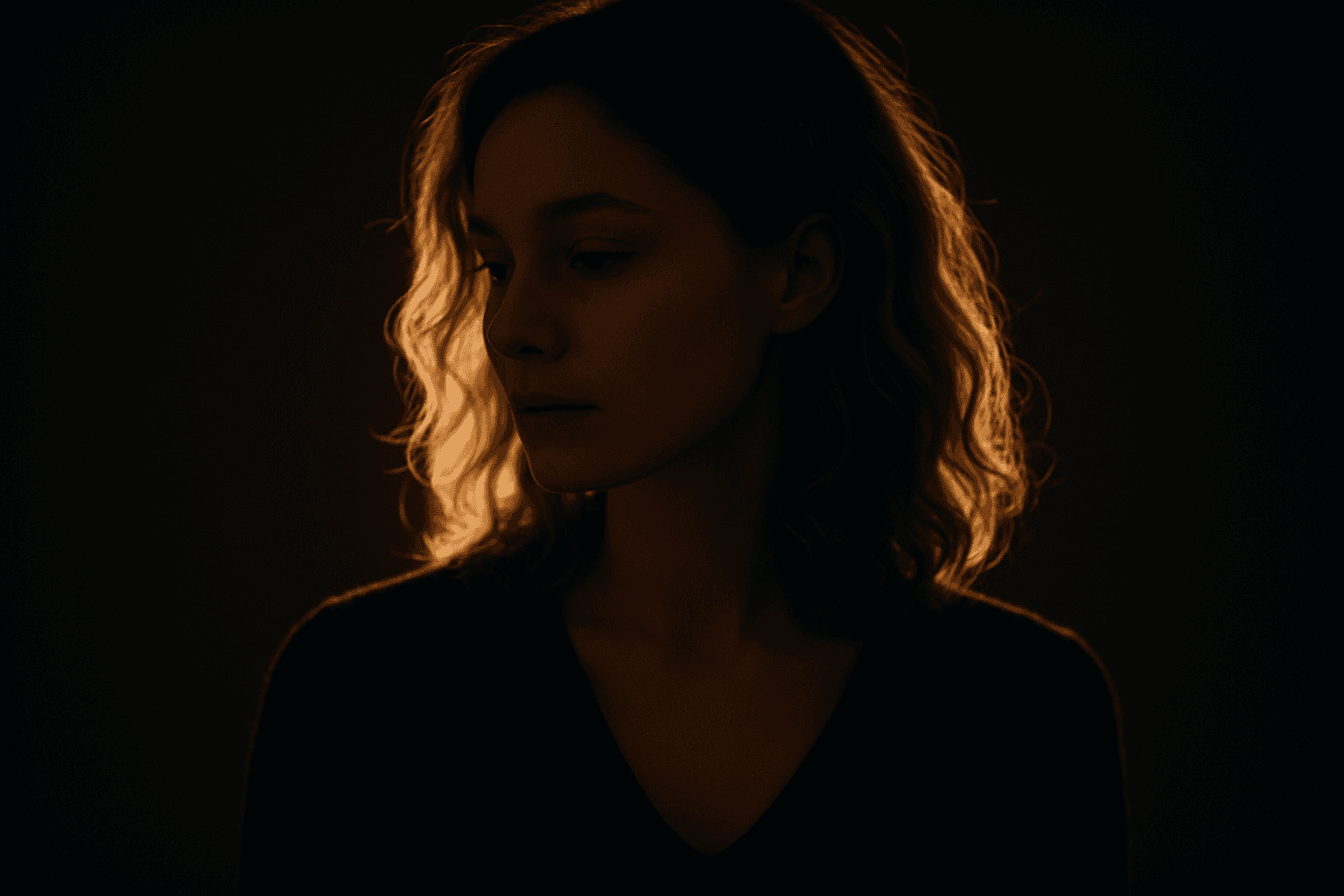
Backlit Rim Lighting offers a striking way to emphasize shapes and contours by placing light sources behind the subject. This technique casts a luminous halo or rim around the edges, enabling clear subject separation from backgrounds even if they are dimly lit. In AI-generated images, prompts including this term encourage models to simulate realistic lighting setups that heighten drama, depth, and visual interest. Artists and photographers often use this style to evoke mood or highlight subject textures through translucent or reflective surfaces. Incorporating Backlit Rim Lighting in image generation can instantly transform compositions, lending premium polish suitable for editorial, cinematic, and commercial visuals.

Silhouette Lighting
Silhouette Lighting is a powerful method used by photographers and visual artists to create images that emphasize shape, form, and mood. By positioning a strong light source behind the subject, the subject itself becomes a dark silhouette, stripped of detail but rich in expressive outlines. This technique can evoke mystery, drama, or elegance depending on the composition and context. It is widely applicable across genres, from portraits and nature photography to commercial and editorial imagery. The minimalist visual impact of silhouette lighting makes it a favorite for delivering compelling visuals that focus on contours and compositions rather than intricate details.
Subtle Rim Lighting
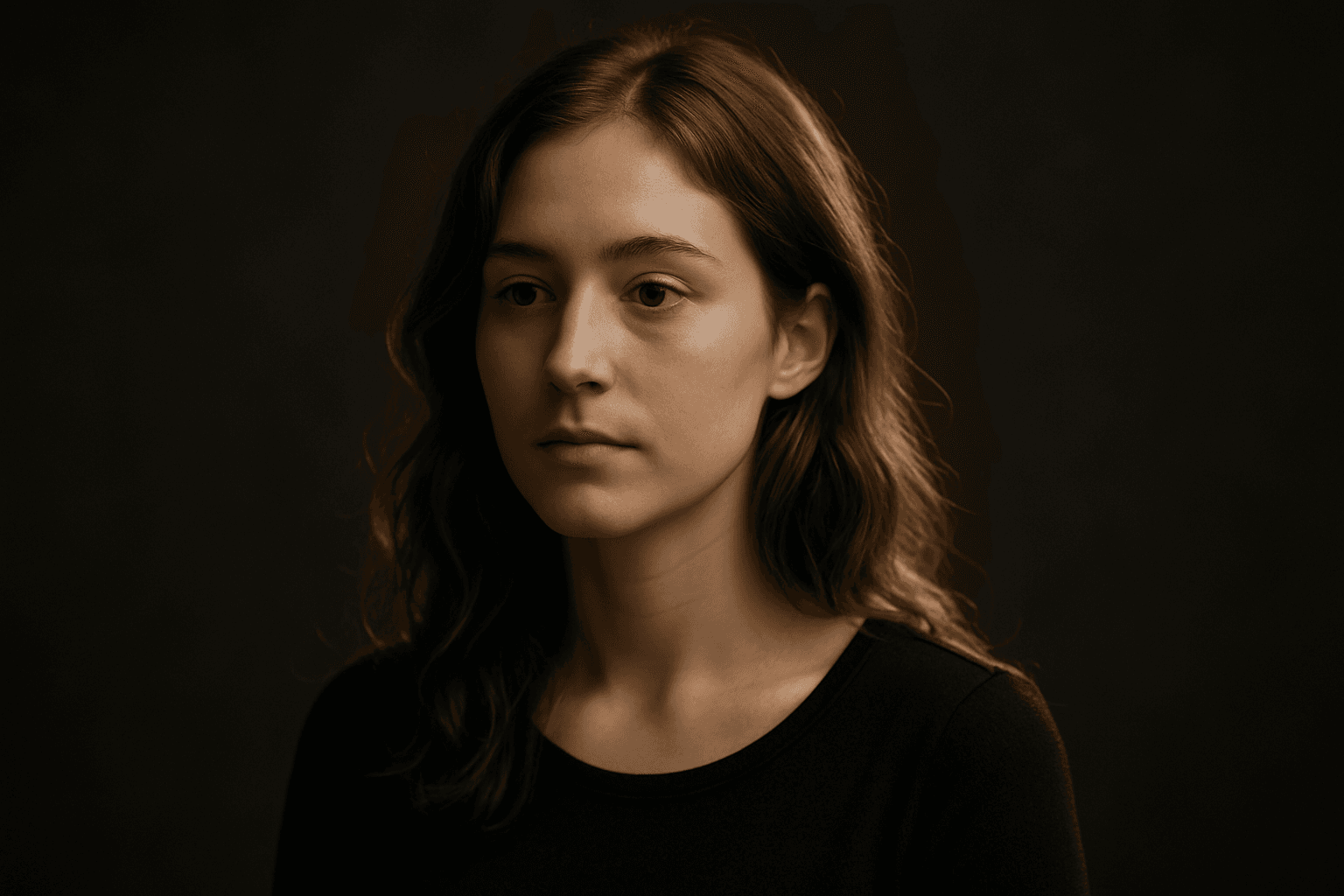
Subtle rim lighting is a refined lighting technique used in AI image generation to highlight the contours of subjects with gentle edge light. This approach adds dimension and a premium feel to images by emphasizing shape and form while maintaining a natural look. Unlike intense rim lighting that creates strong contrasts and sharp edges, subtle rim lighting is understated, providing an elegant halo that enhances realism. It is especially effective in editorial photography, portraiture, and product visuals where nuanced lighting conveys quality and sophistication. Incorporating subtle rim lighting in AI prompts instructs the model to balance illumination carefully, enhancing textures and materials without distracting from the primary composition.
Backlit Silhouette Lighting
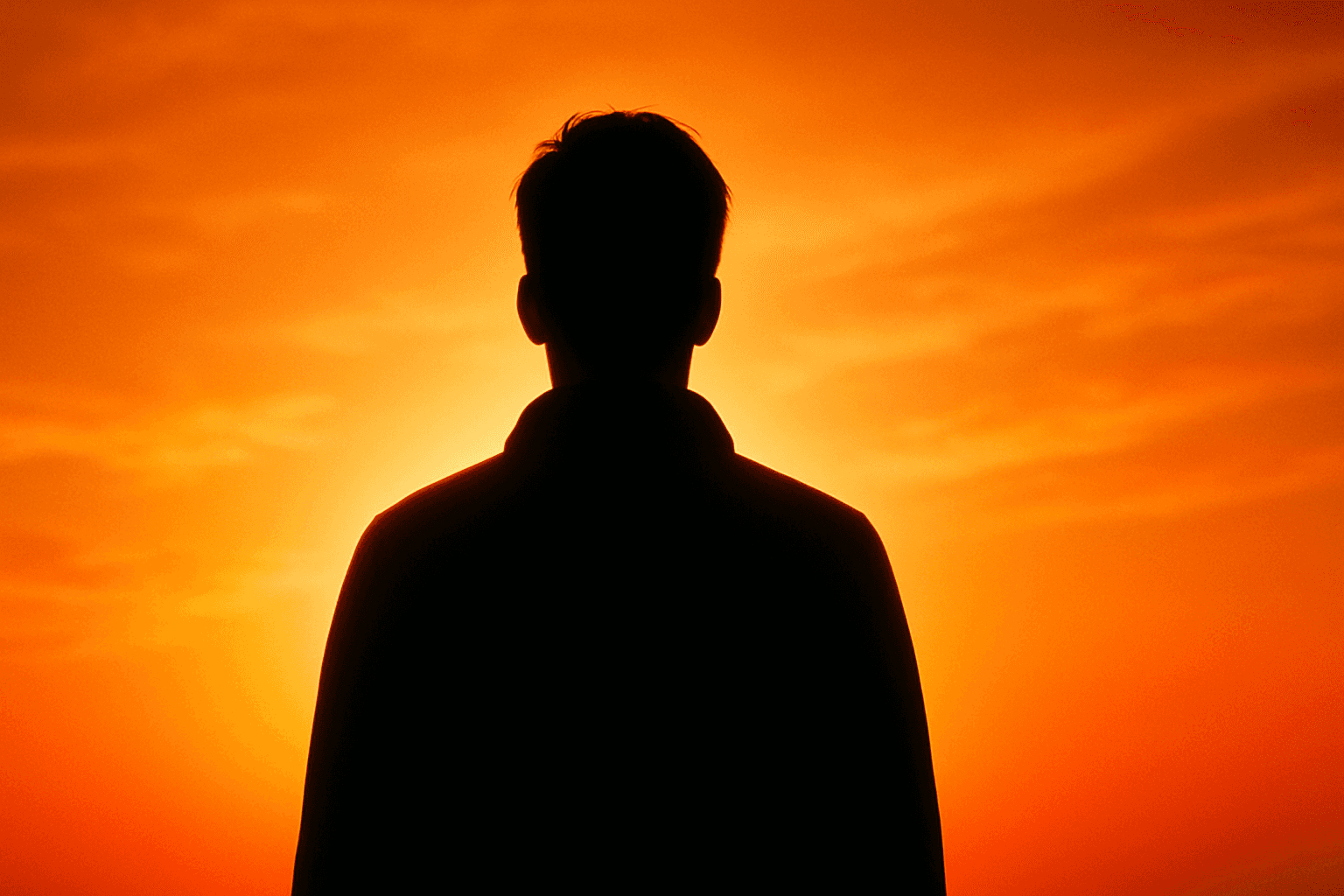
Backlit silhouette lighting creates dramatic imagery by placing the primary light source behind the subject, effectively hiding most or all of the subject's front details and emphasizing its outline. This technique adds mood and mystery to images, making objects or figures appear as bold, graphic shapes against luminous backgrounds. When incorporated into AI prompts, it guides the model toward producing compositions with strong contrast and minimal front-facing detail, perfect for evocative storytelling and artistic expression.

High Key Background Lighting
High key background lighting is a crucial concept in visual arts and photography that has been effectively incorporated into AI image generation. By emphasizing strong, uniform illumination, this lighting style reduces shadows and creates a minimal contrast environment that lends a clean, elegant aesthetic to images. When used in AI prompts, it signals the model to brighten the scene, focusing on light tones and softer shadows. This technique is widely appreciated for its ability to highlight subjects distinctly against an uncluttered, bright backdrop, making the image feel fresh and inviting. High key lighting is particularly popular in fashion, portrait, and product photography and translates well to digital art and design.