Silhouette Lighting
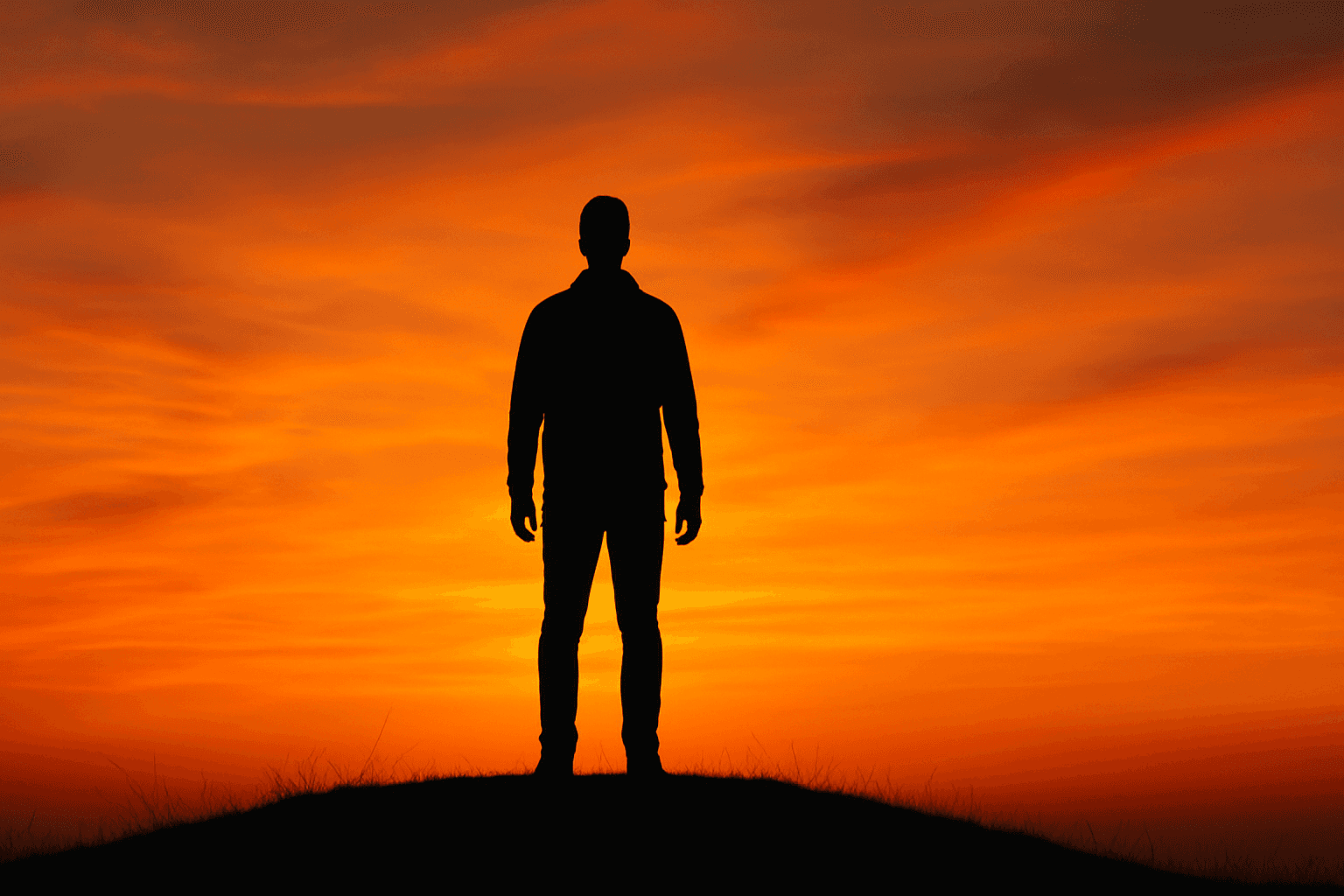
Silhouette Lighting is a powerful method used by photographers and visual artists to create images that emphasize shape, form, and mood. By positioning a strong light source behind the subject, the subject itself becomes a dark silhouette, stripped of detail but rich in expressive outlines. This technique can evoke mystery, drama, or elegance depending on the composition and context. It is widely applicable across genres, from portraits and nature photography to commercial and editorial imagery. The minimalist visual impact of silhouette lighting makes it a favorite for delivering compelling visuals that focus on contours and compositions rather than intricate details.
Definition
Silhouette Lighting is a photographic technique where the subject is placed between the light source and the camera, causing the subject to appear as a dark shape or outline against a brighter background. This creates striking contrasts and emphasizes shape and form rather than detail or color.
Visual Characteristics
- Strong contrast between dark subject and bright background
- Subject appears as a dark outline or shape
- Background is usually well-lit, often with natural or artificial light
Best Use Cases
- Creating striking profile portraits with strong mood
- Emphasizing natural forms like trees or animals in outdoor photography
- Designing dramatic backgrounds for product photography and advertising
Prompt Examples
- A silhouette of a lone tree against a vibrant sunset sky, high contrast lighting
- Silhouette of a dancer captured in mid-pose, backlit studio lighting
- Black cat silhouette sitting on a fence with full moon glowing behind
Adobe Stock Potential
Silhouette Lighting images have strong commercial appeal due to their timeless and versatile aesthetic. Their high-contrast and minimalistic quality make them ideal for use across diverse media, including advertising banners, website hero images, magazine covers, and social media content. Stock platforms like Adobe Stock benefit from well-executed silhouette images because they cater to clients seeking strong visual statements without clutter. The technique’s adaptability to various subjects — from nature and people to objects and architecture — ensures ongoing demand in commercial stock photography.
FAQ
How do I create a silhouette photo?
Place your subject between your camera and a strong light source, expose for the bright background, and underexpose the subject to capture its dark outline.
Can silhouette lighting be used indoors?
Yes, by using a powerful artificial backlight or positioning the subject in front of a bright window, you can achieve silhouette lighting indoors.
What settings help in capturing silhouette photos?
Using a small aperture and low ISO can increase sharpness and contrast; meter for the background light to render the subject dark.
Continue Exploring
Related Prompts
Backlit Silhouette Lighting
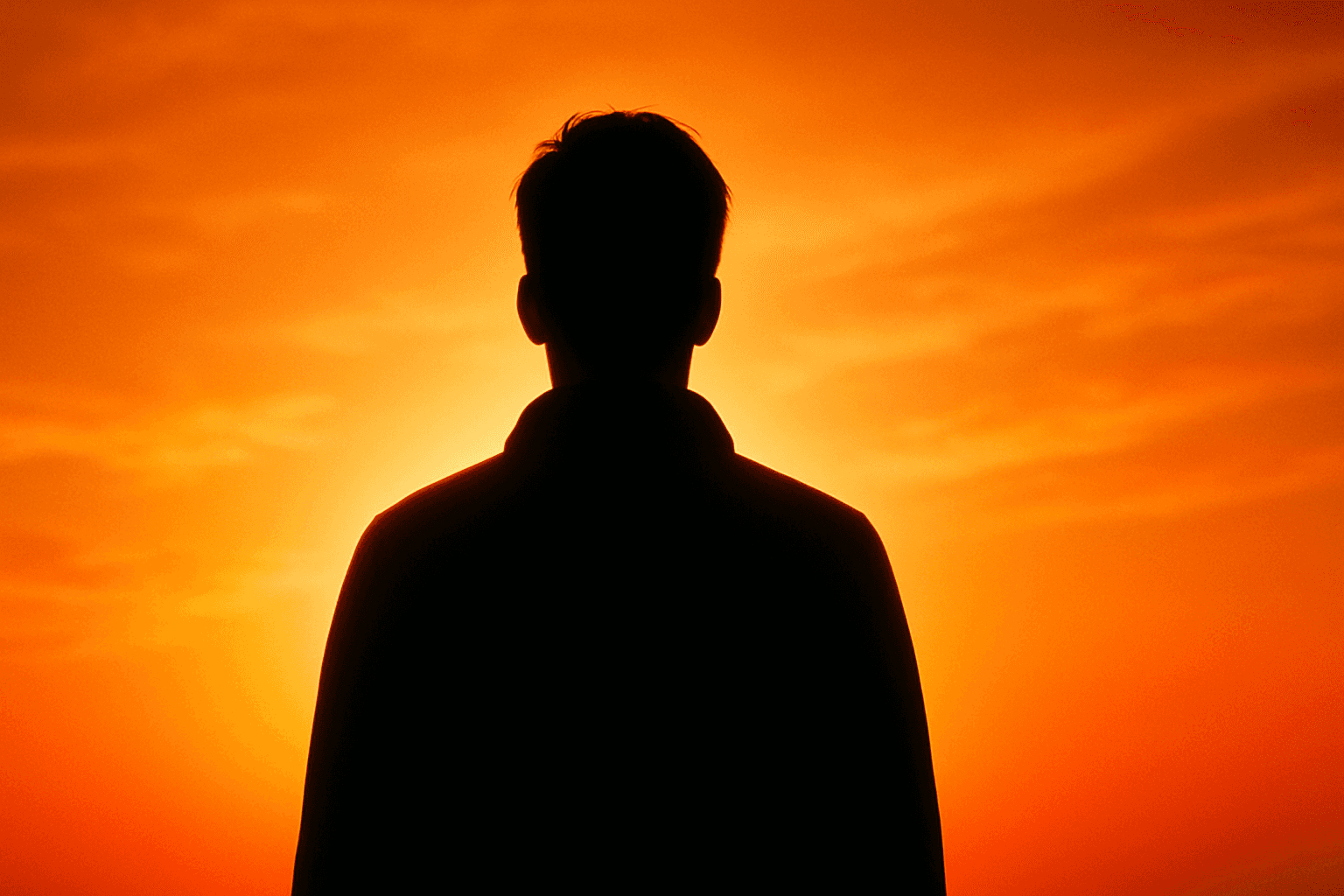
Backlit silhouette lighting creates dramatic imagery by placing the primary light source behind the subject, effectively hiding most or all of the subject's front details and emphasizing its outline. This technique adds mood and mystery to images, making objects or figures appear as bold, graphic shapes against luminous backgrounds. When incorporated into AI prompts, it guides the model toward producing compositions with strong contrast and minimal front-facing detail, perfect for evocative storytelling and artistic expression.
Silhouette Outline Lighting
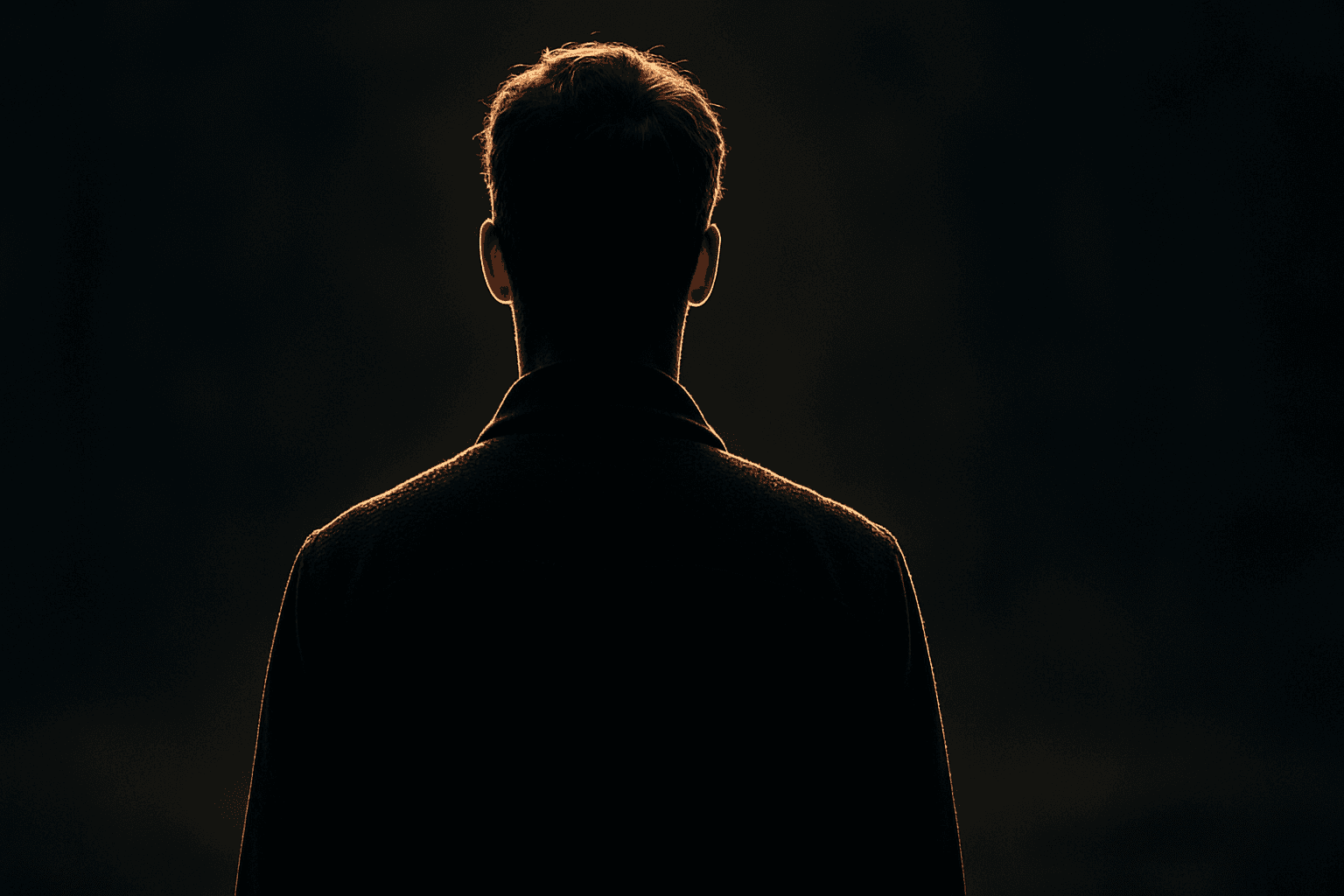
Silhouette Outline Lighting is a specialized lighting effect that enhances AI-generated images by emphasizing the subject's edges with a glowing rim of light. Commonly used to create dramatic, visually appealing silhouettes, this lighting style accentuates contours and adds striking contrast by brightly outlining the subject against a darker background. In AI image generation, including this keyword can guide the model to apply backlighting or rim lighting techniques, which help separate the subject from the background and add an artistic flair. This approach is widely appreciated in portraiture, product photography, and conceptual art for its ability to convey emotion and focus attention on shape and form.
High Contrast Rim Lighting
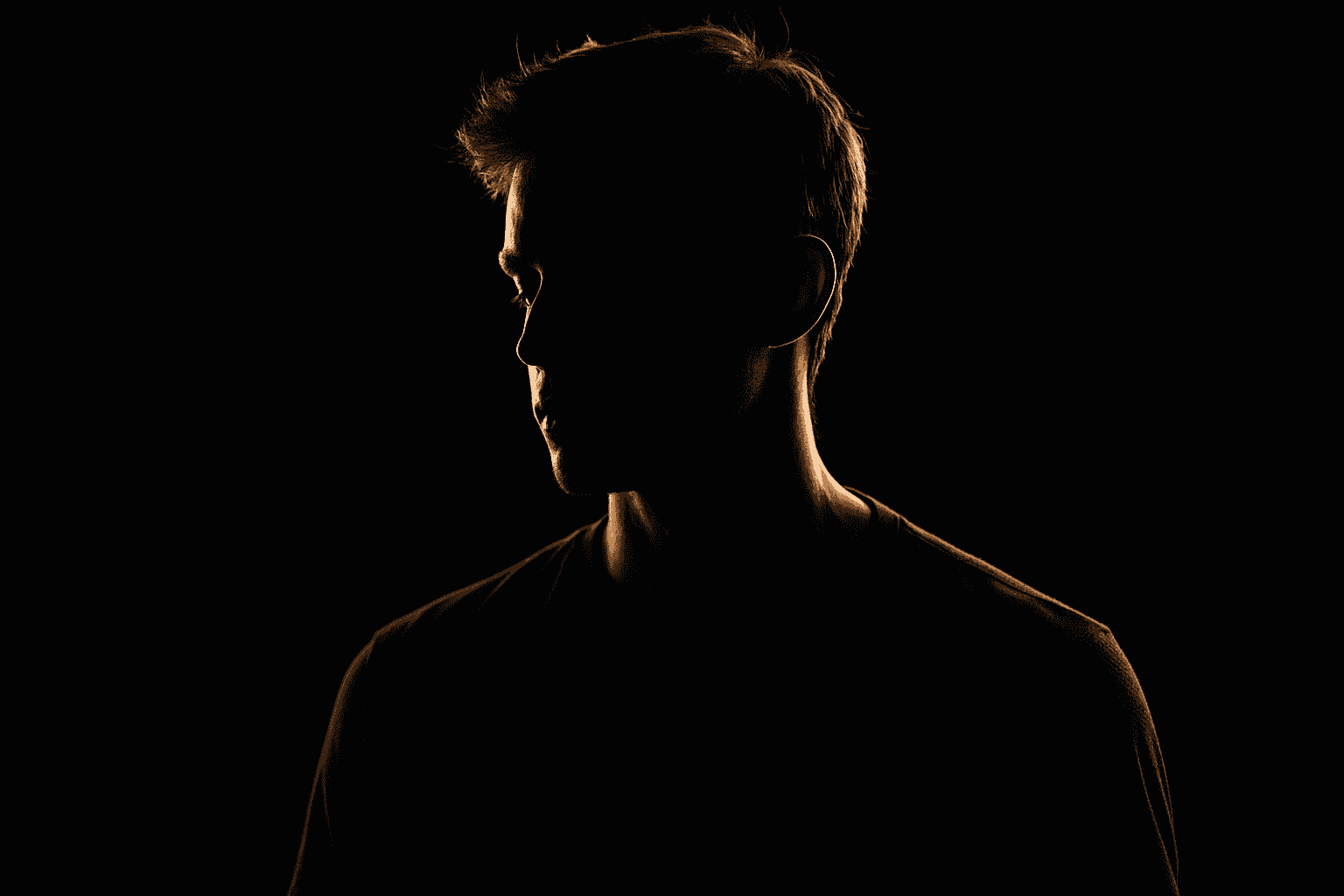
High Contrast Rim Lighting is a powerful creative technique that adds dramatic flair and dimension to images. By placing a bright light source behind the subject, this method produces vivid outlines with intense brightness contrasting starkly against darker areas. In AI-generated images, this lighting effect helps to make subjects pop by accentuating edges and contours, improving visual separation and focus. It is especially effective for portraits, product shots, and stylized artistic renditions. Incorporating this keyword in AI prompts guides the model to produce images with refined lighting nuances, sharp contrasts, and enhanced depth that elevate the overall composition.

High Contrast Lighting Setup
High contrast lighting setups are widely used in photography and cinematic visuals to produce bold, dynamic images that captivate viewers. Incorporating 'high contrast lighting setup' in an AI image prompt instructs the AI to emphasize striking light sources and deep shadows, adding visual tension and clarity to the scene. This lighting approach reveals textures more vividly and helps create a mood that can range from mysterious to intense. For AI-generated images intended for editorial, commercial, or fine art applications, applying this keyword ensures that the resulting visuals have professional-quality lighting that enhances subject definition and atmosphere.
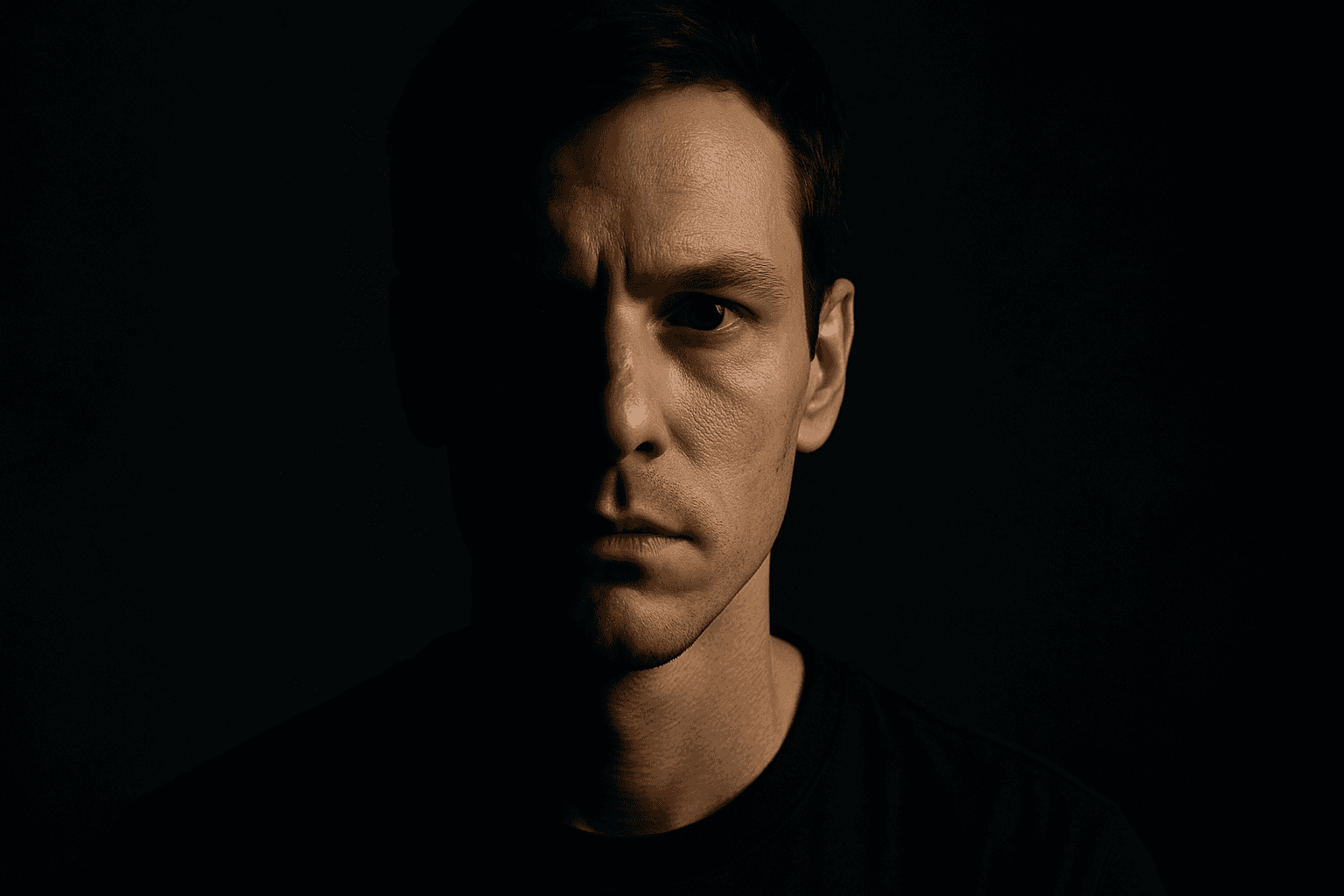
Split Lighting Technique
Split lighting is a classic photographic lighting technique widely used for portraits to craft dramatic and intense images. When applied in AI image prompts, it guides the generation to simulate this lighting style by illuminating one half of the subject brightly while casting the other half in shadow. This technique enhances depth and character, often lending a mysterious or serious tone to portraits. It is especially effective for emphasizing facial features, textures, and emotional expressions. Utilizing split lighting in AI art allows creators to generate compelling, high-contrast images that stand out in editorial, commercial, or artistic contexts.

Low Angle Lighting
Low angle lighting is a powerful photographic and artistic technique that shifts the viewer's perspective by lighting subjects from below. When integrated into AI image prompts, it helps generate images with a distinct, often dramatic mood and added dimensionality. This lighting arrangement mimics natural scenarios like sunrise or artificial lighting such as street lamps from ground level. Due to its uncommon viewpoint, low angle lighting enhances textures and contours by reversing traditional shadow placement, producing striking images ideal for editorial portraits, architectural shots, and dynamic compositions. Leveraging this keyword allows creators to break away from standard lighting styles and evoke more intriguing atmospheres in synthetic visuals.