Split Lighting Technique
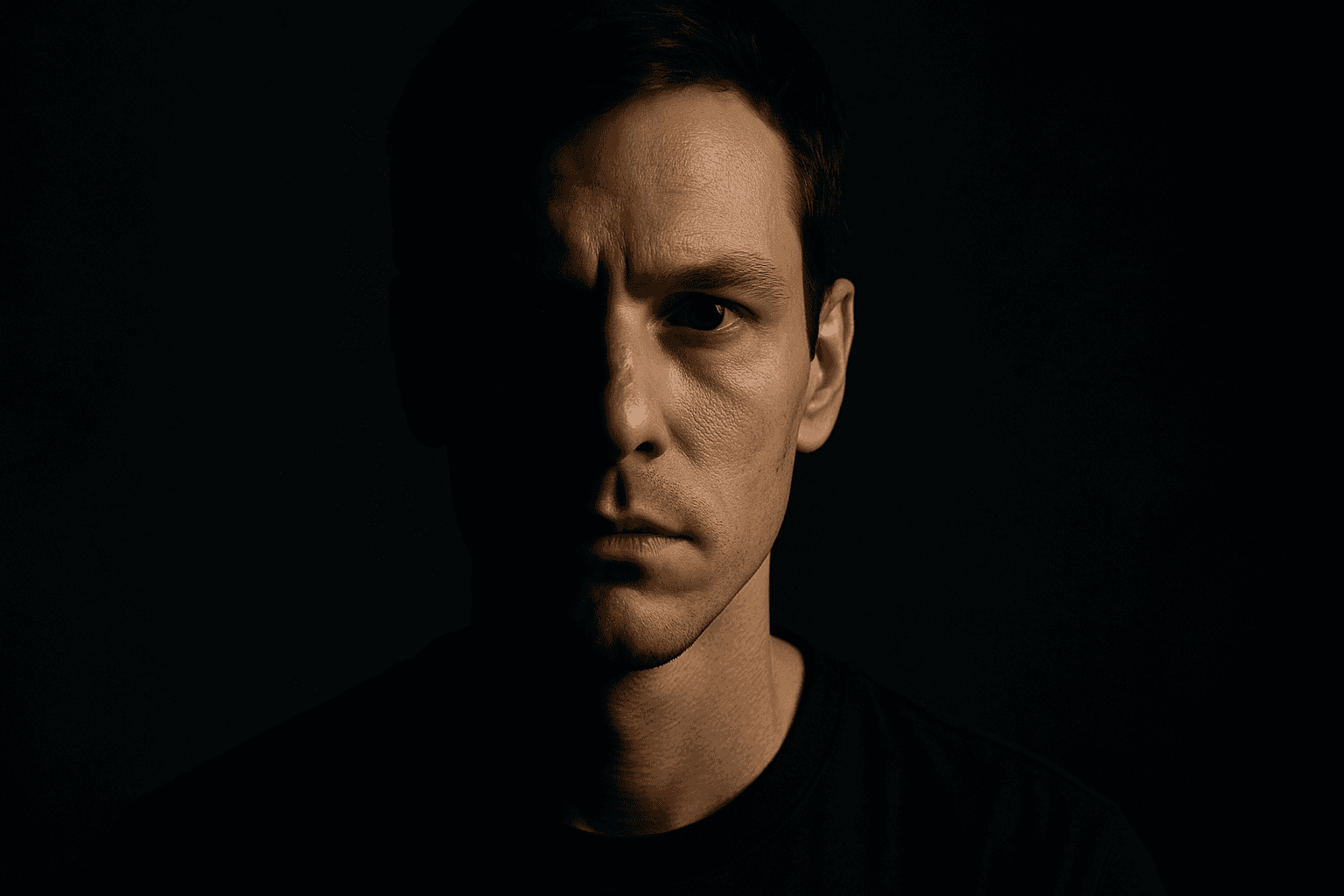
Split lighting is a classic photographic lighting technique widely used for portraits to craft dramatic and intense images. When applied in AI image prompts, it guides the generation to simulate this lighting style by illuminating one half of the subject brightly while casting the other half in shadow. This technique enhances depth and character, often lending a mysterious or serious tone to portraits. It is especially effective for emphasizing facial features, textures, and emotional expressions. Utilizing split lighting in AI art allows creators to generate compelling, high-contrast images that stand out in editorial, commercial, or artistic contexts.
Definition
Split lighting in AI image prompts is a lighting effect where the subject's face or object is divided into a well-lit half and a heavily shadowed half. This technique creates strong contrast and sharp division of light, emphasizing the subject's three-dimensional form and adding dramatic mood. Including 'split lighting' in AI prompts instructs the model to simulate this impactful lighting style, ideal for portraits and textured subjects.
Prompt Formula
Use combinations like: - "[subject], split lighting, high contrast, dramatic shadows" - "portrait with split lighting, one side illuminated, moody atmosphere" - "product shot, split lighting emphasizing texture and depth" Inserting modifiers such as 'intense', 'shadowed', 'half face lit' helps refine the lighting's sharp division and mood.
- [subject], split lighting, high contrast, dramatic shadows
- portrait with split lighting, one side illuminated, moody atmosphere
- product shot, split lighting emphasizing texture and depth
Best Use Cases
- Dramatic portraits to emphasize facial structure and emotion
- Product photography requiring texture and dimensional emphasis
- Editorial images needing a moody or intense atmosphere
Industry Applications
Split lighting is widely applicable across multiple commercial sectors. In advertising, it enhances portrait ads by creating emotional and attention-grabbing visuals. Ecommerce benefits from the technique by highlighting product contours and textures, offering a tactile sense to buyers. Editorial and magazine photography use split lighting to craft storytelling images with depth and character, making covers or feature spreads stand out. Social media influencers leverage this lighting style for striking profile images that convey professionalism and mood.
- Advertising – emotive, bold portraiture for campaigns
- Ecommerce – textured product shots with depth
- Editorial – storytelling portraits with dramatic mood
Common Mistakes
A frequent error is instructing ‘split lighting’ without clarifying the desired intensity or subject, resulting in uneven or muddy shadows that lack dramatic impact. Overusing modifiers like 'dark' or 'shadow' can cause the shadowed half to lose detail, making the image flat or unrealistic. Including vague lighting terms may create generic or diffused lighting rather than a sharp split. To avoid this, specify 'high contrast', 'sharp division', or 'one side illuminated' along with split lighting for clear directional control.
- Not specifying contrast level, resulting in weak lighting split
- Using vague lighting terms diluting the dramatic effect
- Overdarkening shadows and losing detail on shadow side
FAQ
How does split lighting affect the mood of an AI-generated portrait?
Split lighting creates a striking contrast between light and shadow, making the portrait appear more dramatic, intense, or mysterious. This strong division adds emotional depth and focuses attention on facial structure and expression.
Can split lighting be used for subjects other than portraits?
Yes, split lighting effectively accentuates textures and shapes in objects or products by illuminating one side and shadowing the other, adding dimensionality and visual interest.
Continue Exploring
Related Prompts

High Contrast Lighting Setup
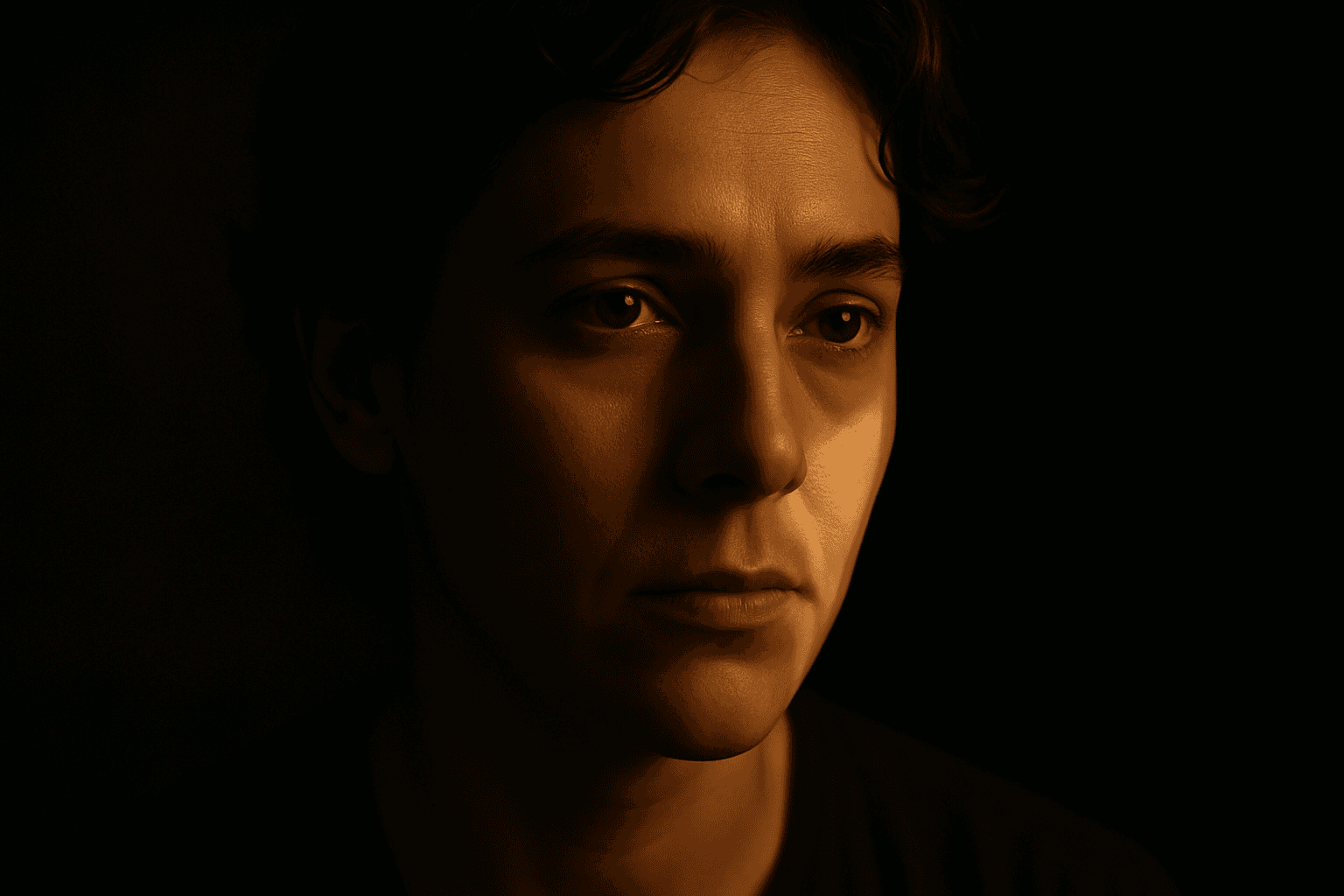
High contrast lighting setups are widely used in photography and cinematic visuals to produce bold, dynamic images that captivate viewers. Incorporating 'high contrast lighting setup' in an AI image prompt instructs the AI to emphasize striking light sources and deep shadows, adding visual tension and clarity to the scene. This lighting approach reveals textures more vividly and helps create a mood that can range from mysterious to intense. For AI-generated images intended for editorial, commercial, or fine art applications, applying this keyword ensures that the resulting visuals have professional-quality lighting that enhances subject definition and atmosphere.
Rembrandt Lighting Technique
The Rembrandt lighting technique is a foundational portrait lighting method originating from the Old Master painter Rembrandt Harmenszoon van Rijn. In AI-generated images, this technique adds a cinematic and three-dimensional quality by highlighting a small illuminated triangle beneath the eye on the shadowed side of the face. Artists and photographers often use Rembrandt lighting to evoke drama, depth, and a classic aesthetic. Including this keyword in AI image prompts instructs models to replicate the lighting angle and shadow play, making portraits more visually compelling and lifelike. This effect enhances textures and contours, perfect for expressive character studies and refined editorial photography simulations.
Split Lighting Portrait
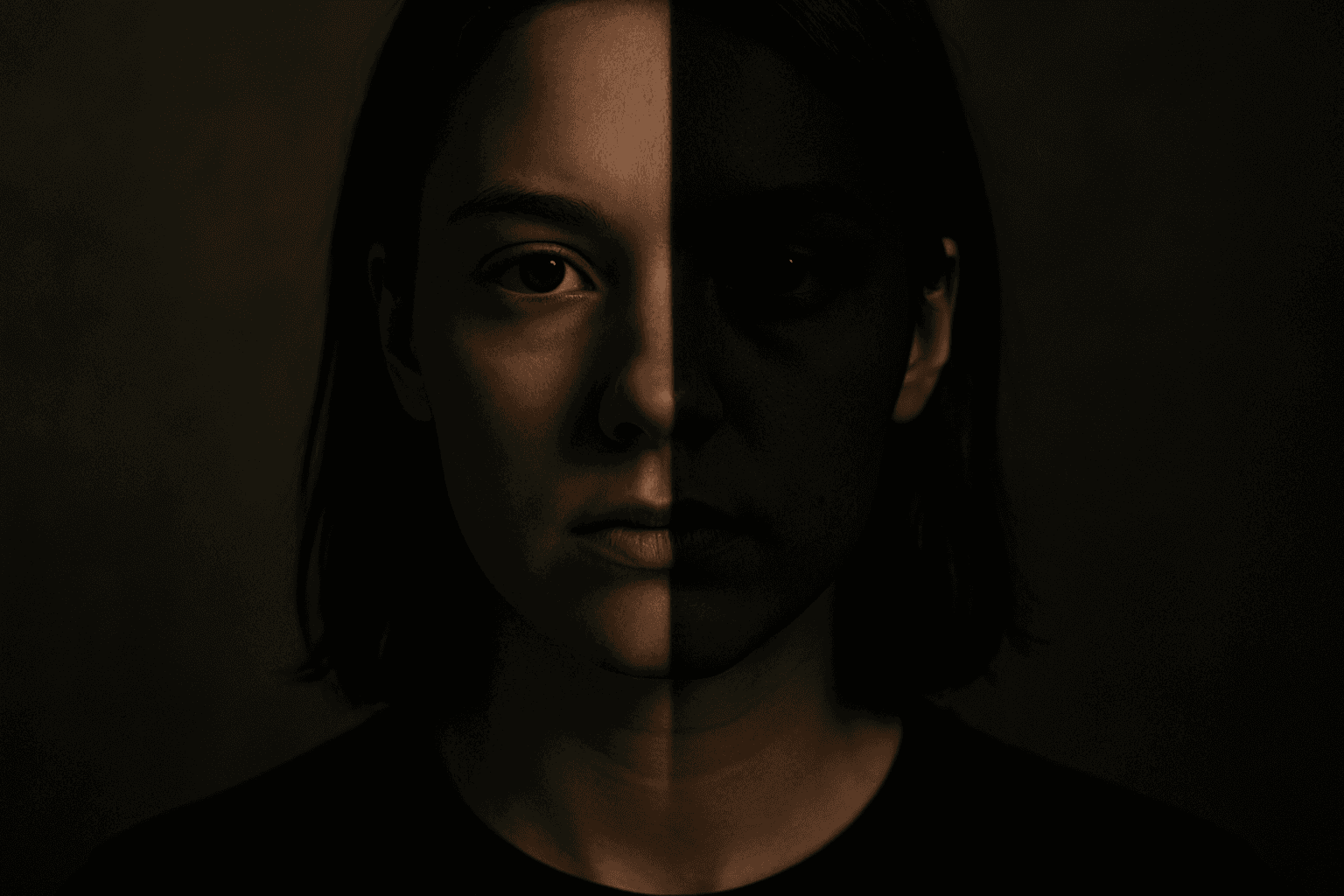
Split lighting portrait is a classic photographic and artistic technique used to create images with striking contrast and depth. By illuminating exactly one side of the face and leaving the other in shadow, it sculpts the subject's features in a bold and attention-grabbing way. This lighting style conveys intensity, mystery, or seriousness, making it a popular choice for dramatic portraiture. When used in AI image prompts, split lighting shifts the generated image's mood and composition to highlight this pronounced half-lit effect, producing portraits with enhanced dimensionality and emotional impact.
Low Key Lighting
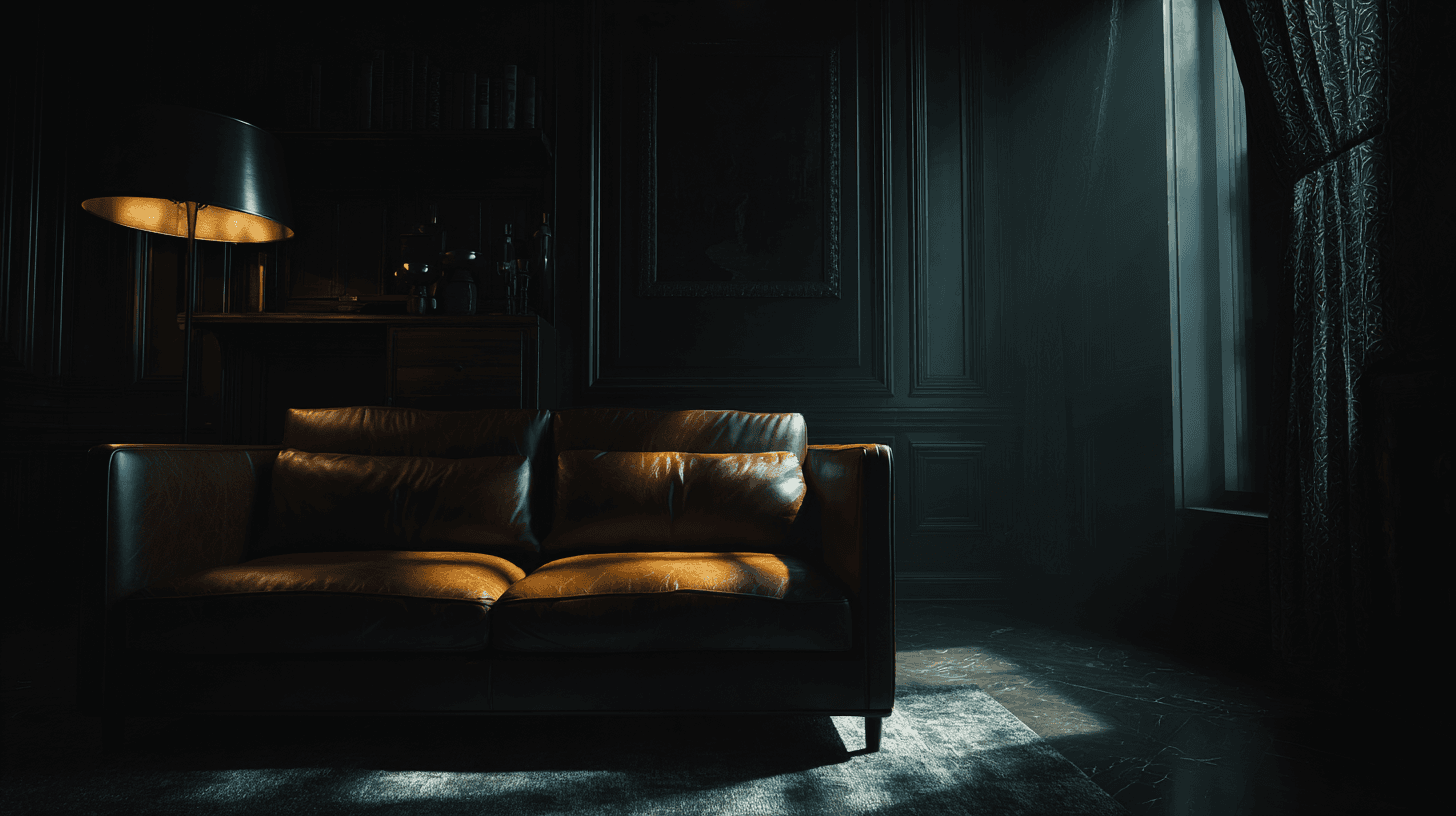
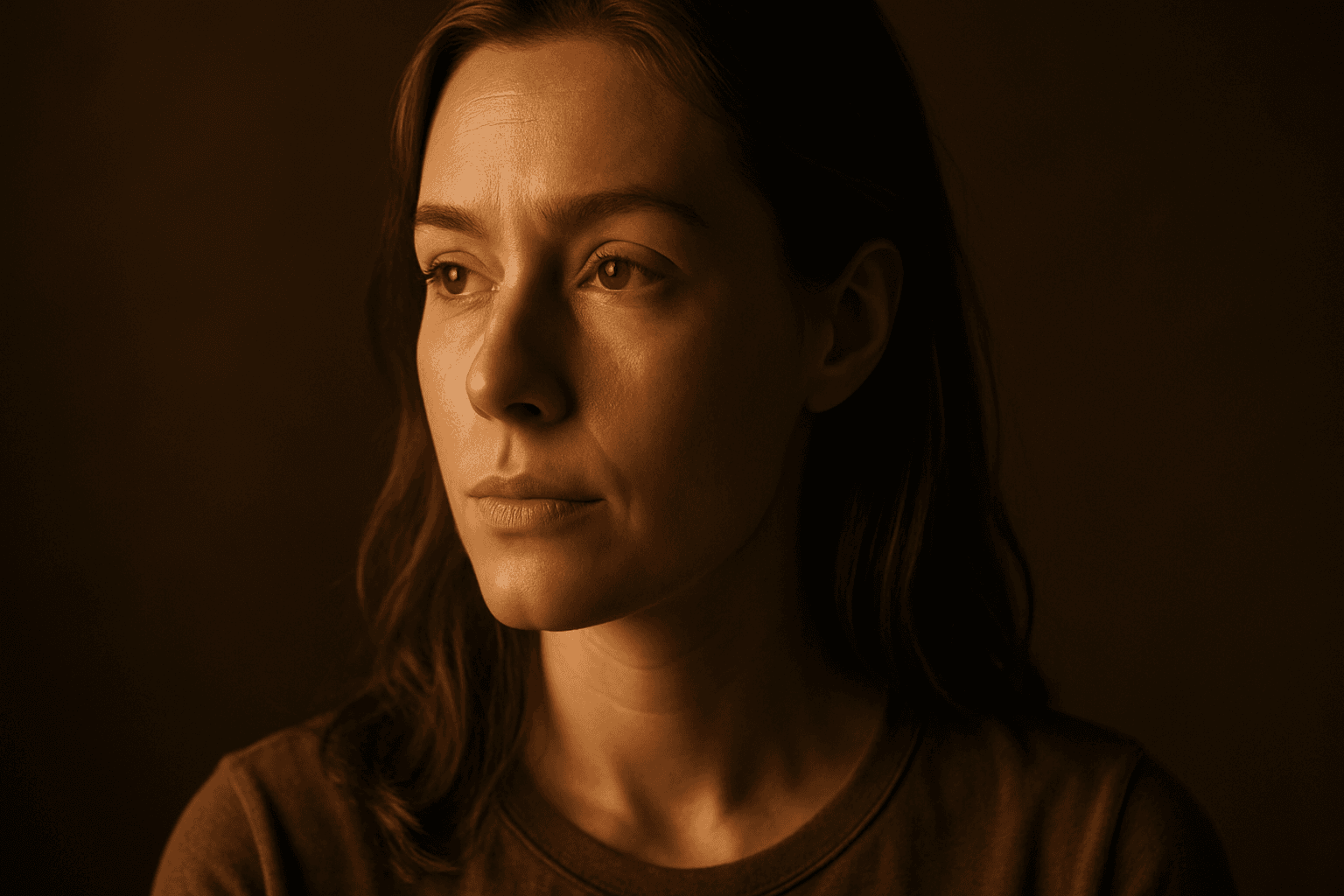
Low Key Lighting is a lighting style built around darkness, contrast, and selective illumination. In AI image prompts, it usually creates images with deep shadows, darker backgrounds, and a small amount of focused light on the subject. The result can feel dramatic, mysterious, premium, serious, or cinematic. Low Key Lighting is often used in luxury product photography, film posters, athletic portraits, music visuals, and editorial images. For beginners, it is a useful keyword when you want more mood and depth, but it needs a clear subject so the image does not become too dark to read.
Directional Side Lighting
Directional side lighting is a powerful lighting technique widely used in photography and digital art to add dimensionality and mood. In the context of AI image generation, specifying directional side lighting shapes how the model simulates light interaction with subjects and environments. This lighting style creates pronounced contrasts between illuminated and shaded areas, resulting in images with realistic depth and enhanced visual interest. It is especially effective for emphasizing textures and defining shapes in portraits, still life, architectural renders, and product shots. Using this lighting approach in AI prompts helps generate more polished and professional visuals suitable for editorial and commercial use.

Low Angle Lighting
Low angle lighting is a powerful photographic and artistic technique that shifts the viewer's perspective by lighting subjects from below. When integrated into AI image prompts, it helps generate images with a distinct, often dramatic mood and added dimensionality. This lighting arrangement mimics natural scenarios like sunrise or artificial lighting such as street lamps from ground level. Due to its uncommon viewpoint, low angle lighting enhances textures and contours by reversing traditional shadow placement, producing striking images ideal for editorial portraits, architectural shots, and dynamic compositions. Leveraging this keyword allows creators to break away from standard lighting styles and evoke more intriguing atmospheres in synthetic visuals.