Rembrandt Lighting Technique
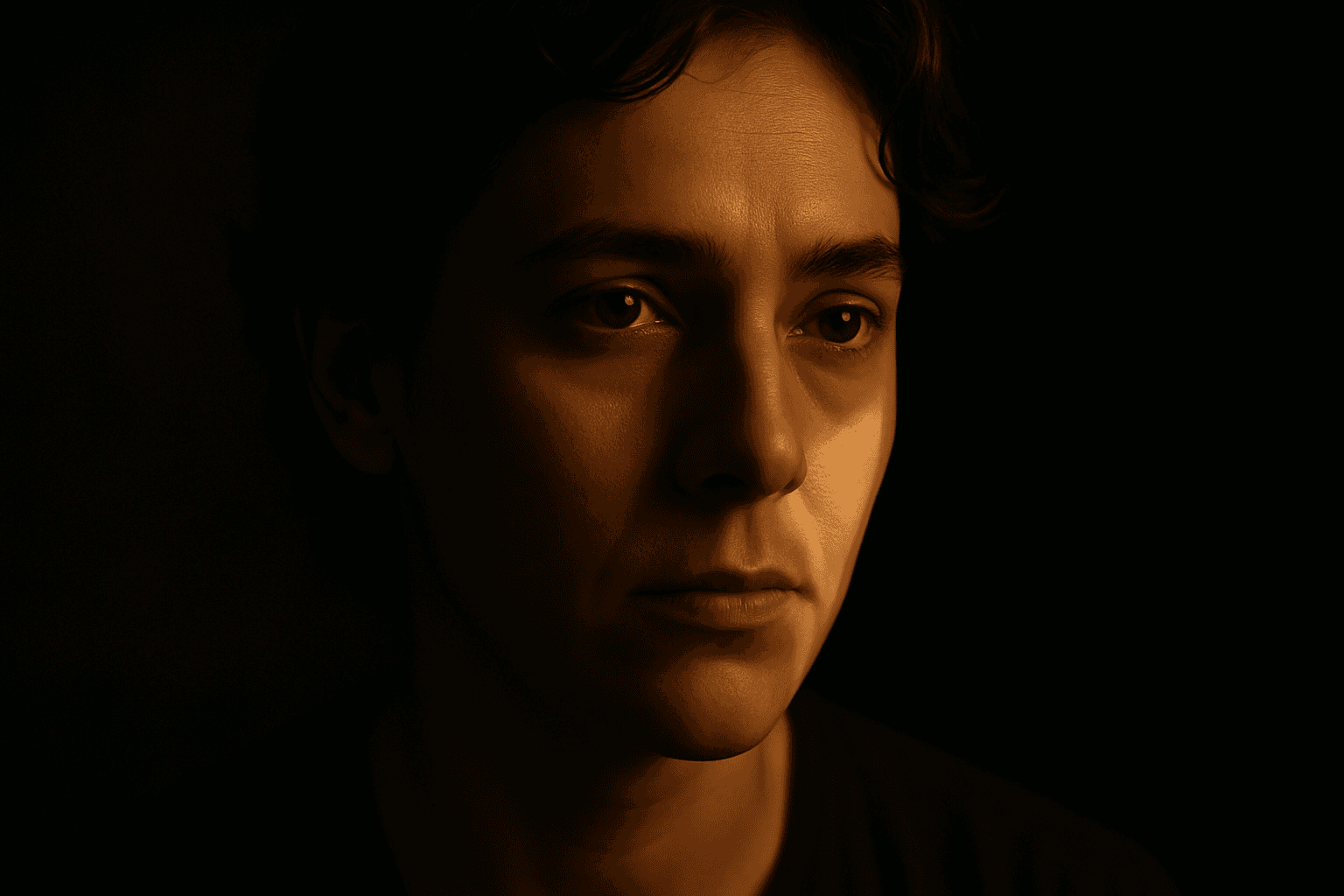
The Rembrandt lighting technique is a foundational portrait lighting method originating from the Old Master painter Rembrandt Harmenszoon van Rijn. In AI-generated images, this technique adds a cinematic and three-dimensional quality by highlighting a small illuminated triangle beneath the eye on the shadowed side of the face. Artists and photographers often use Rembrandt lighting to evoke drama, depth, and a classic aesthetic. Including this keyword in AI image prompts instructs models to replicate the lighting angle and shadow play, making portraits more visually compelling and lifelike. This effect enhances textures and contours, perfect for expressive character studies and refined editorial photography simulations.
Definition
Rembrandt lighting technique is a classic portrait lighting style characterized by an illuminated triangle on the subject's cheek opposite the light source. In AI image generation prompts, referring to this technique directs the AI model to replicate this iconic interplay of light and shadow, adding depth and dramatic contrast to faces, thereby enhancing realism and visual impact.
Prompt Formula
Use descriptive phrases to build prompts that instruct the AI to simulate Rembrandt lighting accurately. Combine terms describing light quality, direction, and shadow shape for best results.
- Rembrandt lighting with soft, warm key light from side
- Triangle of light on cheek beneath eye, shadow on opposite side
- High-contrast chiaroscuro effect with subtle shadow details
Best Use Cases
- Dramatic portraits for editorial and fine art imagery
- Character concept art emphasizing 3-dimensional facial features
- Luxury brand lifestyle shots needing refined lighting mood
Professional Workflow
Start by briefing the AI with a detailed prompt including "Rembrandt lighting" combined with subject description. Generate multiple image variations to explore light balance and shadow quality. Select images that clearly show the triangular cheek highlight. Refine the prompt iteratively to improve shadow softness and overall mood, ensuring consistency with your creative vision.
Related Styles
- Chiaroscuro Lighting: emphasizes strong light-dark contrast
- Butterfly Lighting: soft even shadow beneath nose
- Split Lighting: divides face into light and dark halves
Model-Specific Tips
When prompting different AI models, explicitly mention "Rembrandt lighting" alongside keywords like "soft shadows," "warm light," and "three-dimensional shading" to improve interpretation. Avoid overly technical or archaic terms, and provide examples or analogies such as "triangle of light on cheek" to guide the model toward accurate representation.
FAQ
What does Rembrandt lighting look like in AI-generated images?
It features a distinct illuminated triangle under the eye on the shaded side of the face, creating dramatic depth and shadow contrast typical of classic portraiture.
Can I use Rembrandt lighting with other lighting styles in AI prompts?
Yes, combining Rembrandt lighting with styles like chiaroscuro or warm key light can create nuanced artistic effects, but clarity in prompts helps AI balance these influences.
Continue Exploring
Related Prompts
Chiaroscuro Lighting
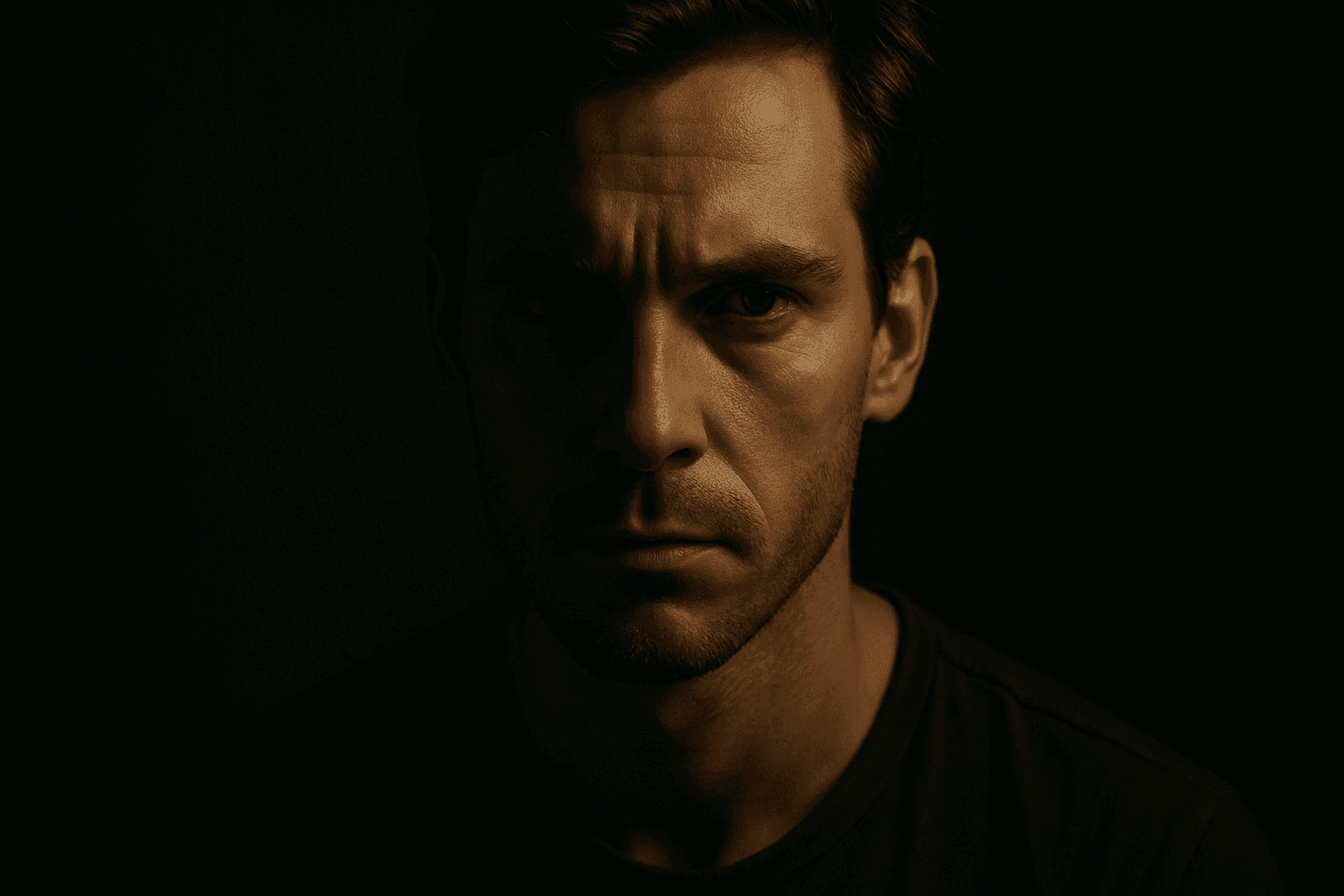
Chiaroscuro lighting is a powerful artistic method used to create striking contrasts between illuminated and shadowed regions within an image. This approach originated in 16th-century painting and remains popular in photography and digital art to evoke drama and emphasize form. In AI-generated imagery, the chiaroscuro effect guides models to produce compositions rich in depth and texture, often with a single directional light source casting pronounced shadows. This lighting style is ideal for portraits, still lifes, and narrative scenes where mood and visual impact are priorities. Understanding chiaroscuro expands an artist's toolkit, enabling controlled manipulation of light to transform flat images into compelling visual stories.

Rembrandt Light Setup
The Rembrandt light setup is a renowned lighting technique that adds dramatic yet natural depth to portraits. It uses a single light source positioned at an angle, creating a small illuminated triangle on the cheek opposite the light. This method emphasizes three-dimensional facial structure while maintaining soft shadow transitions, producing images with a timeless, painterly quality. In AI art generation, including 'Rembrandt lighting' in prompts guides the model toward rendering nuanced shadows and highlights that emulate this classic effect, improving image realism and emotive impact. Its widespread use spans from fine art photography to cinematic scenes, making it a valuable technique for creatives seeking moody, compelling portraits.
Split Lighting Technique
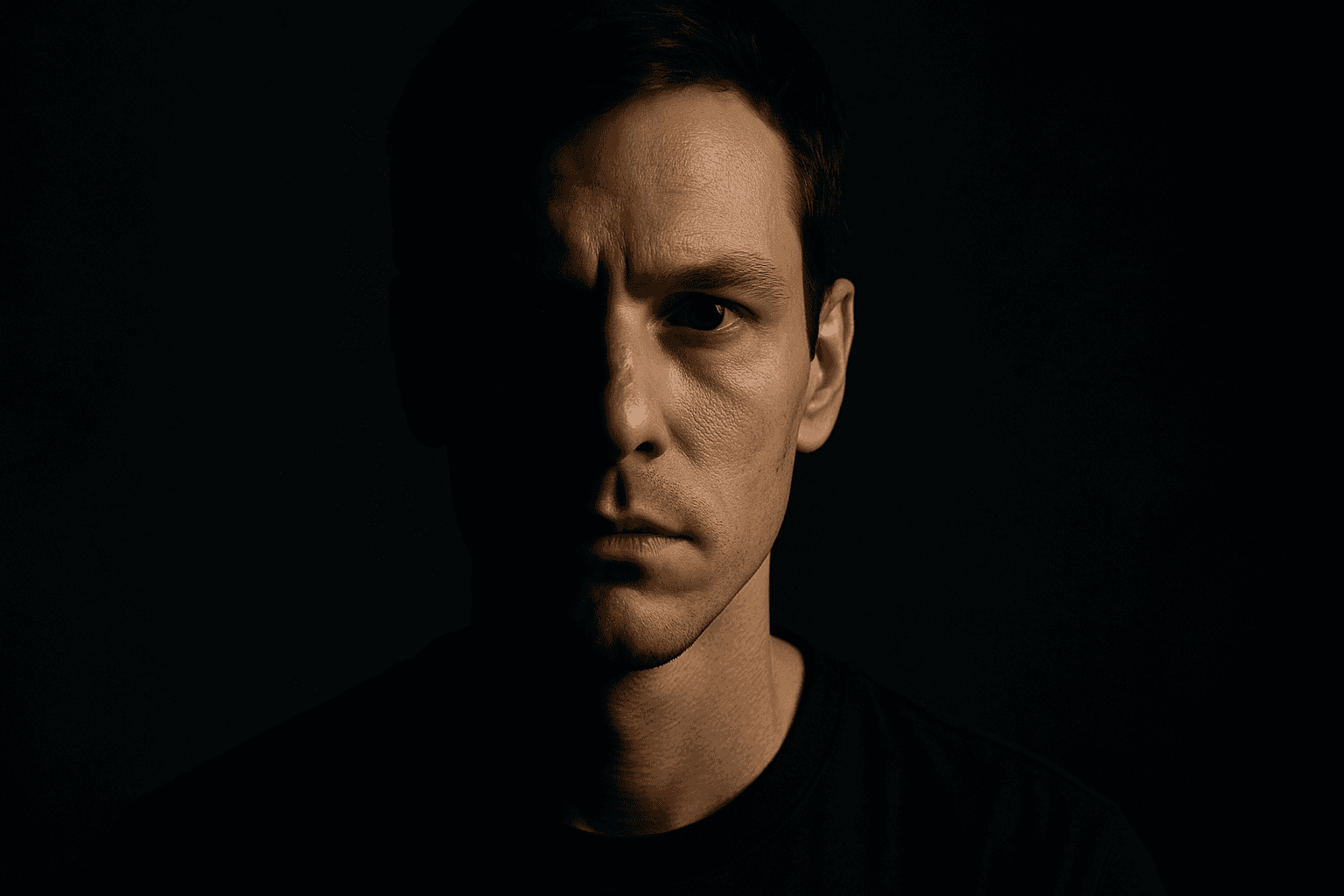
Split lighting is a classic photographic lighting technique widely used for portraits to craft dramatic and intense images. When applied in AI image prompts, it guides the generation to simulate this lighting style by illuminating one half of the subject brightly while casting the other half in shadow. This technique enhances depth and character, often lending a mysterious or serious tone to portraits. It is especially effective for emphasizing facial features, textures, and emotional expressions. Utilizing split lighting in AI art allows creators to generate compelling, high-contrast images that stand out in editorial, commercial, or artistic contexts.
Butterfly Lighting
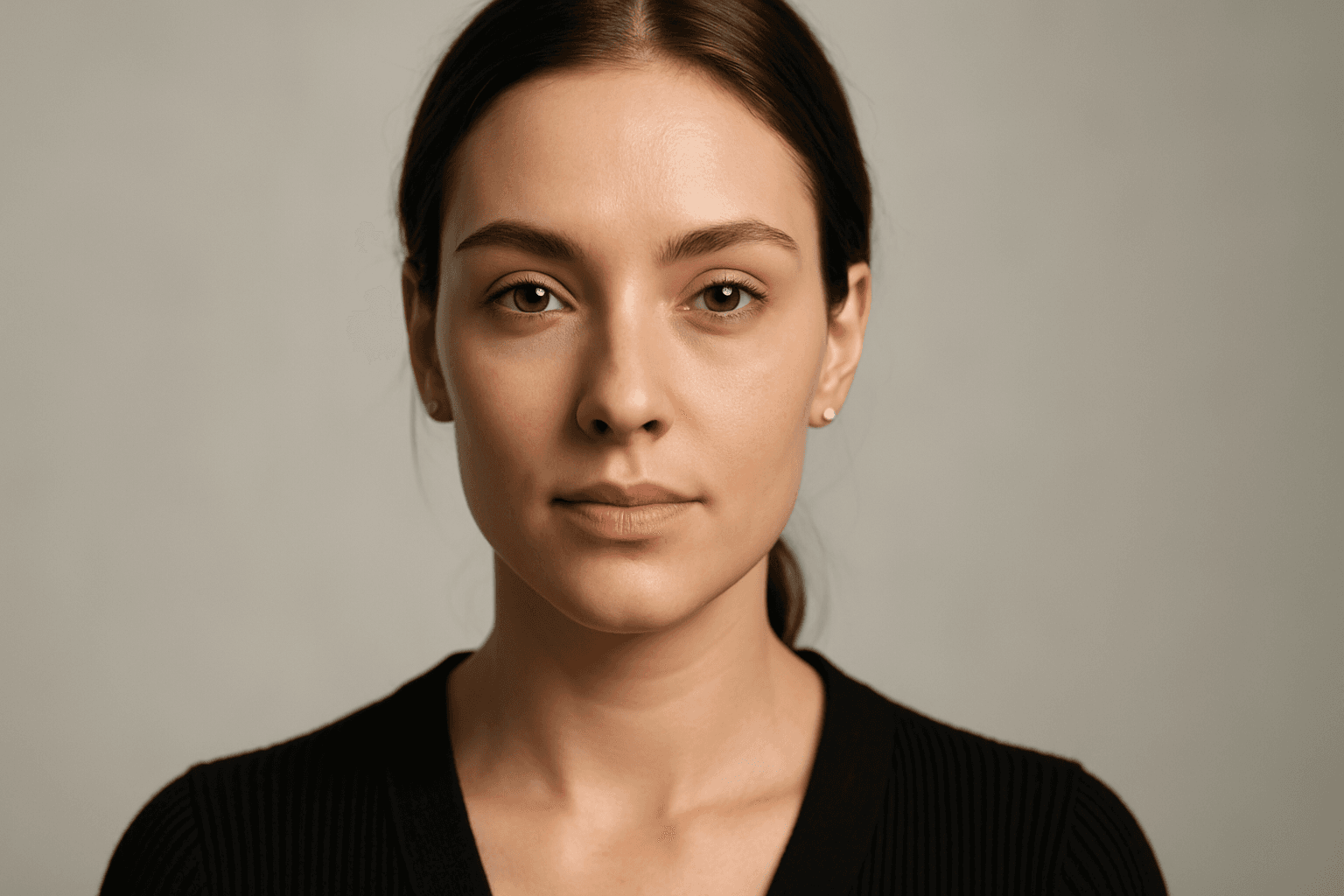
Butterfly Lighting, also known as Paramount Lighting, is a classic portrait lighting setup ideal for flattering facial features. By placing the main light source centered and elevated in front of the subject, it casts a subtle butterfly-shaped shadow beneath the nose, enhancing the cheekbones and jawline. This technique provides a glamorous and clean look, often seen in vintage Hollywood portraits and contemporary beauty photography. It works well with various light modifiers such as softboxes or beauty dishes, which help create smooth, even illumination across the face. While typically used in studio settings, Butterfly Lighting can also be adapted for outdoor shoots with reflectors or natural overhead sunlight.
Overhead Lighting Technique
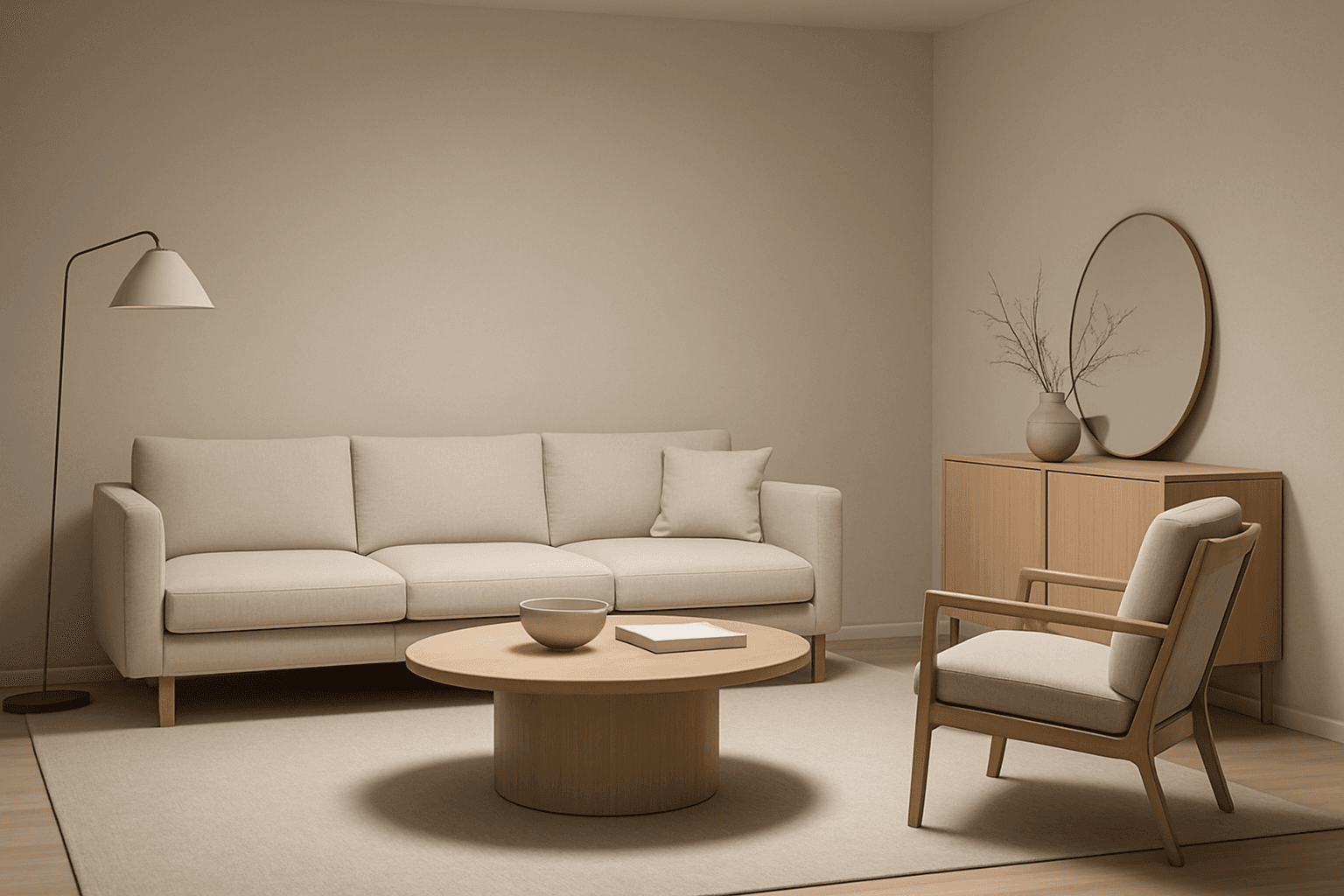
Using the overhead lighting technique in AI image generation adds a realistic and professional quality to images by simulating light coming from above the subject. This lighting style emphasizes the contours and shapes by casting natural shadows beneath objects, enhancing visual depth and dimensionality. It is frequently used in editorial photography, product displays, and interior visuals to create a refined mood and clarity. Incorporating overhead lighting into your prompts helps produce images with clean, premium aesthetics that suit commercial and artistic purposes alike.
Backlit Rim Lighting
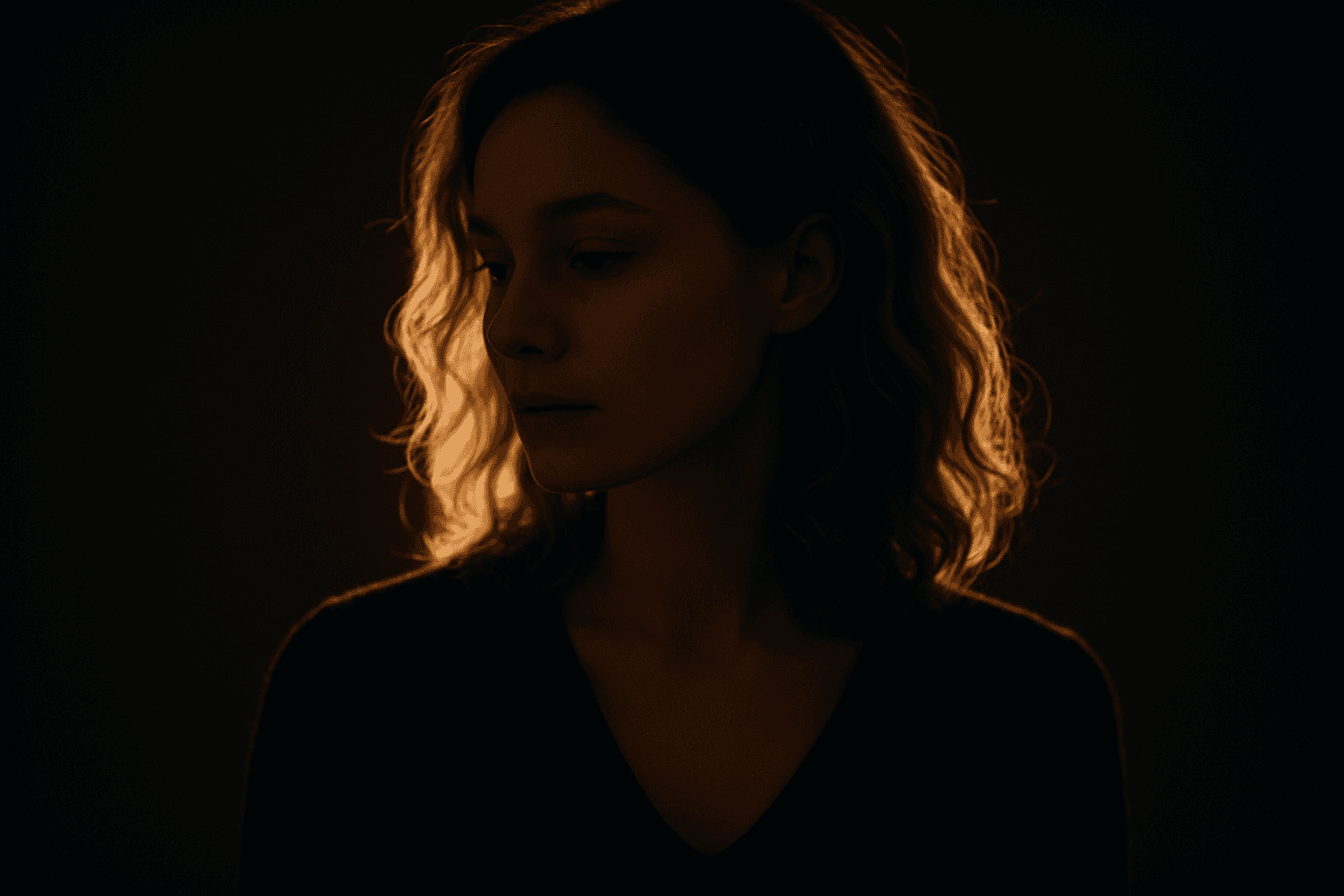
Backlit Rim Lighting offers a striking way to emphasize shapes and contours by placing light sources behind the subject. This technique casts a luminous halo or rim around the edges, enabling clear subject separation from backgrounds even if they are dimly lit. In AI-generated images, prompts including this term encourage models to simulate realistic lighting setups that heighten drama, depth, and visual interest. Artists and photographers often use this style to evoke mood or highlight subject textures through translucent or reflective surfaces. Incorporating Backlit Rim Lighting in image generation can instantly transform compositions, lending premium polish suitable for editorial, cinematic, and commercial visuals.