Side Lighting
Side lighting is a powerful lighting technique used in photography and visual arts where light strikes the subject from one side. This approach emphasizes contours, textures, and shapes by casting shadows that add depth and drama. Unlike frontal lighting, which minimizes shadows, side lighting accentuates details and forms, making the subject appear more three-dimensional. It is widely used to evoke mood, reveal surface intricacies, and create dynamic compositions. Whether in portrait, still life, or product photography, side lighting allows artists to play with contrast and emphasize specific features while maintaining a naturalistic look.
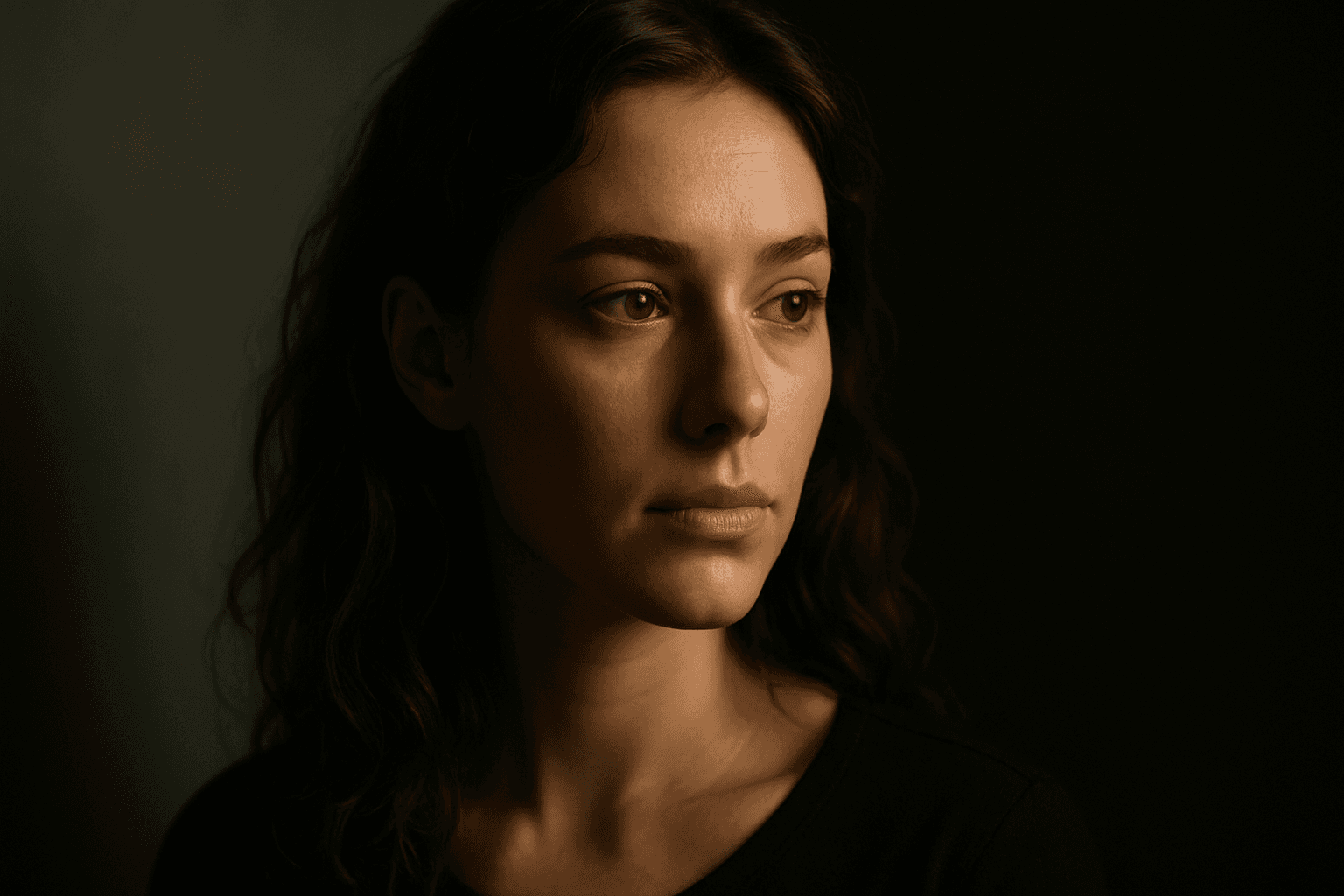
Definition
Side lighting refers to illumination that comes from the side of the subject, creating strong shadows and highlights that enhance texture and depth in a photograph or image.
Visual Characteristics
- Strong directional light creating shadows
- Enhanced texture and surface details
- Increased depth and three-dimensionality
Best Use Cases
- Portrait photography to highlight facial structure and expression
- Still life photography to emphasize texture and detail
- Product photography to create appealing dimensionality and form
Prompt Examples
- A portrait with side lighting casting dramatic shadows on one half of the face, high detail, soft focus background
- Still life composition with side lighting accentuating the rough texture of wooden objects, natural color palette
- Product shot of a sleek watch with side lighting highlighting metallic surfaces and contours against a dark background
Adobe Stock Potential
Images using side lighting have strong commercial potential on Adobe Stock and similar platforms because they showcase textures and details highly valued by advertisers and editors. The enhanced depth and dramatic shadows create visually compelling compositions that stand out. They fit a range of commercial needs from fashion and beauty editorial spreads to product catalogs and commercial advertising. Side lighting images often align well with trends favoring natural yet dynamic lighting aesthetics, making them versatile for stock portfolios.
FAQ
What is the difference between side lighting and frontal lighting?
Side lighting illuminates a subject from the side, creating shadows and depth, whereas frontal lighting lights the subject from the front, minimizing shadows and flattening texture.
Can side lighting be used in outdoor photography?
Yes, side lighting can be achieved outdoors by shooting during times like early morning or late afternoon when the sun is low, casting light from the side.
How do I soften side lighting to reduce harsh shadows?
Using diffusers, reflectors, or bouncing light can soften side lighting, reducing the harshness of shadows while maintaining depth.
Continue Exploring
Related Prompts

Low Angle Lighting
Low angle lighting is a powerful photographic and artistic technique that shifts the viewer's perspective by lighting subjects from below. When integrated into AI image prompts, it helps generate images with a distinct, often dramatic mood and added dimensionality. This lighting arrangement mimics natural scenarios like sunrise or artificial lighting such as street lamps from ground level. Due to its uncommon viewpoint, low angle lighting enhances textures and contours by reversing traditional shadow placement, producing striking images ideal for editorial portraits, architectural shots, and dynamic compositions. Leveraging this keyword allows creators to break away from standard lighting styles and evoke more intriguing atmospheres in synthetic visuals.
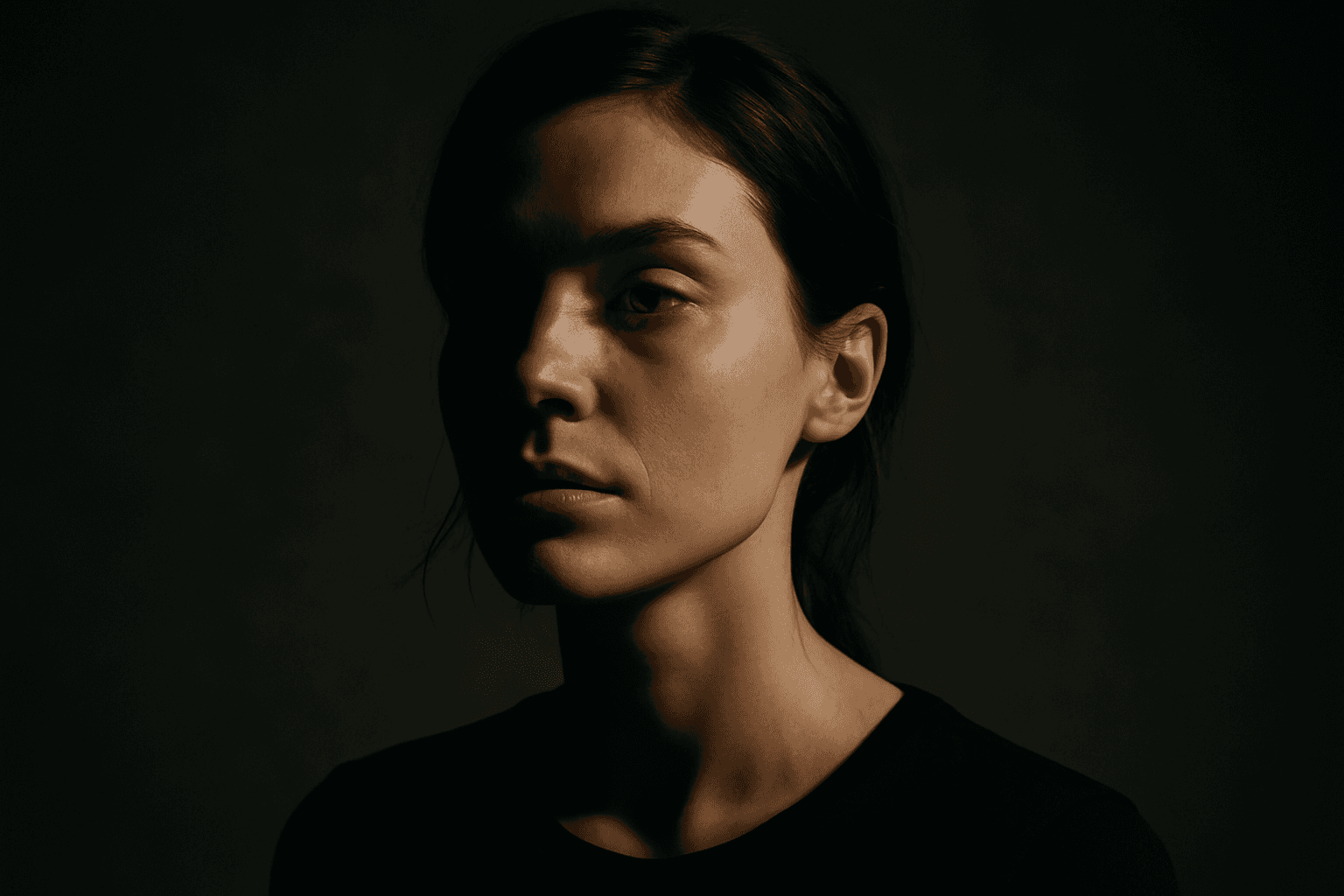
Side Lighting Drama
Side Lighting Drama is a powerful lighting technique widely used in photography and art to evoke intense atmosphere and visual depth. By casting light from one side, it sculpts shapes with stark shadows and highlights, adding drama and intrigue. In AI image generation, specifying Side Lighting Drama guides models to replicate this effect, producing images rich in texture details and emotional tone. It suits portraits that reveal character through shadows, architectural shots emphasizing structure, and still lifes with tactile surfaces. This deliberate use of lateral lighting amplifies visual storytelling by adding contrast and focus, lending images a cinematic and professional aesthetic.
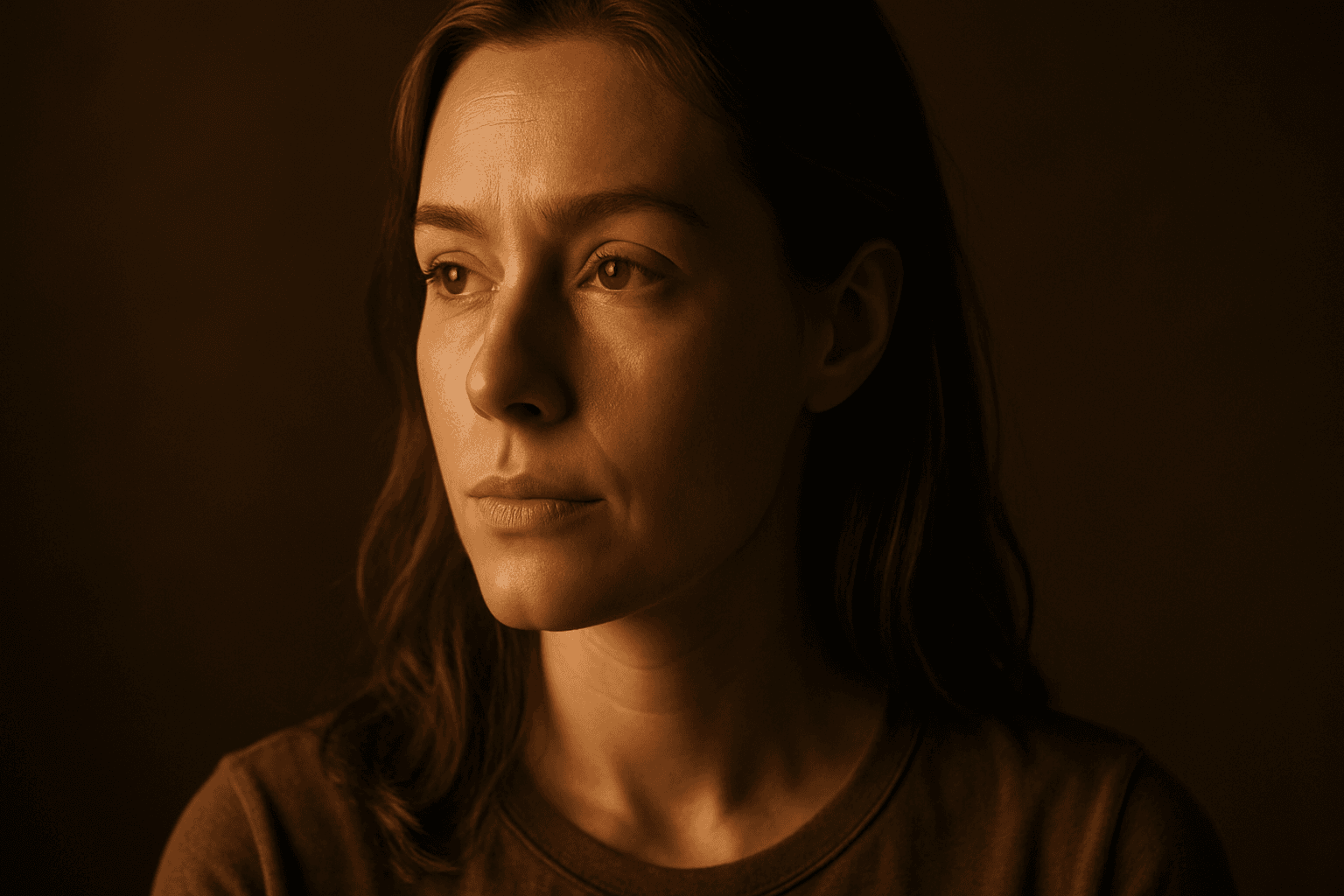
Directional Side Lighting
Directional side lighting is a powerful lighting technique widely used in photography and digital art to add dimensionality and mood. In the context of AI image generation, specifying directional side lighting shapes how the model simulates light interaction with subjects and environments. This lighting style creates pronounced contrasts between illuminated and shaded areas, resulting in images with realistic depth and enhanced visual interest. It is especially effective for emphasizing textures and defining shapes in portraits, still life, architectural renders, and product shots. Using this lighting approach in AI prompts helps generate more polished and professional visuals suitable for editorial and commercial use.
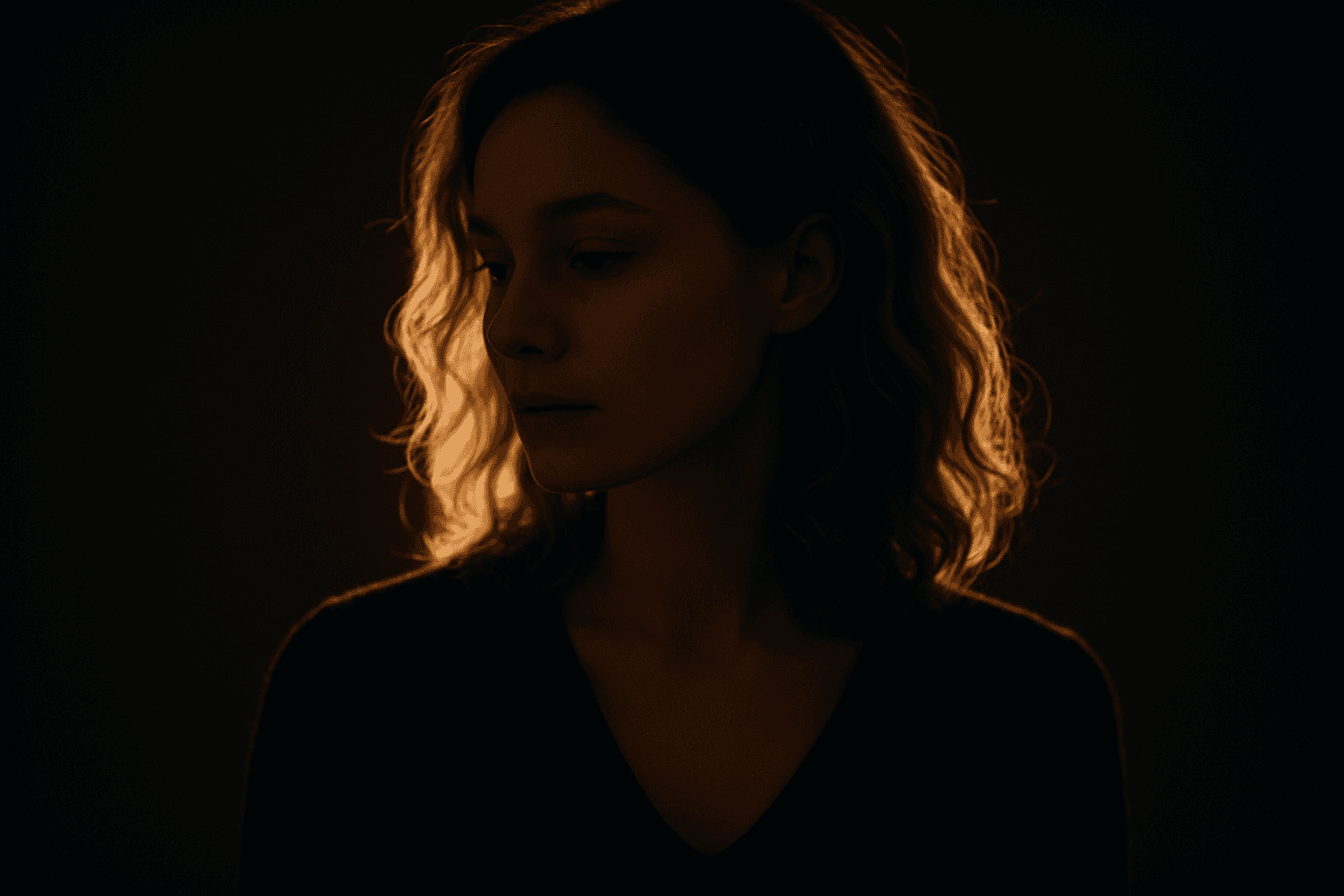
Backlit Rim Lighting
Backlit Rim Lighting offers a striking way to emphasize shapes and contours by placing light sources behind the subject. This technique casts a luminous halo or rim around the edges, enabling clear subject separation from backgrounds even if they are dimly lit. In AI-generated images, prompts including this term encourage models to simulate realistic lighting setups that heighten drama, depth, and visual interest. Artists and photographers often use this style to evoke mood or highlight subject textures through translucent or reflective surfaces. Incorporating Backlit Rim Lighting in image generation can instantly transform compositions, lending premium polish suitable for editorial, cinematic, and commercial visuals.
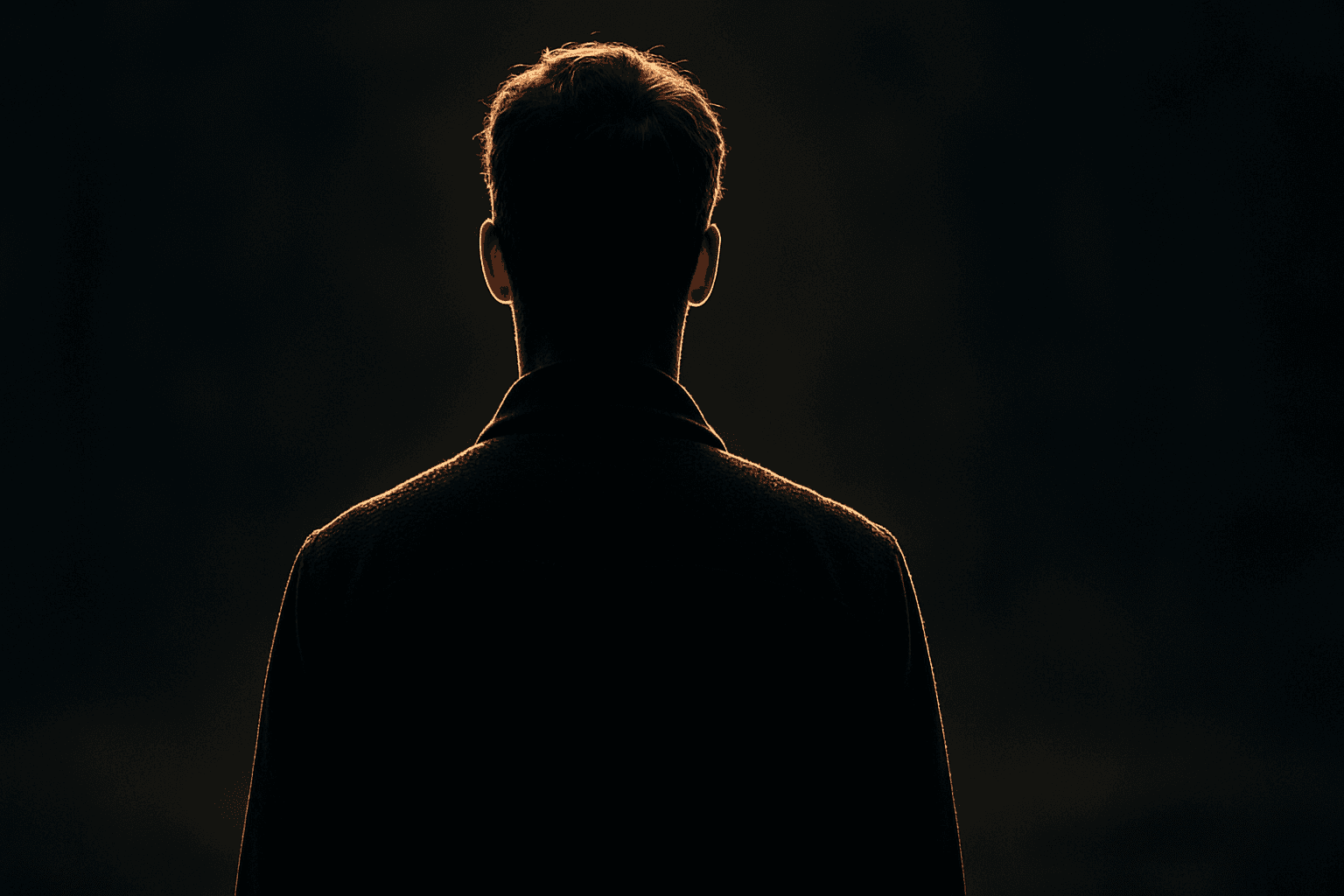
Silhouette Outline Lighting
Silhouette Outline Lighting is a specialized lighting effect that enhances AI-generated images by emphasizing the subject's edges with a glowing rim of light. Commonly used to create dramatic, visually appealing silhouettes, this lighting style accentuates contours and adds striking contrast by brightly outlining the subject against a darker background. In AI image generation, including this keyword can guide the model to apply backlighting or rim lighting techniques, which help separate the subject from the background and add an artistic flair. This approach is widely appreciated in portraiture, product photography, and conceptual art for its ability to convey emotion and focus attention on shape and form.
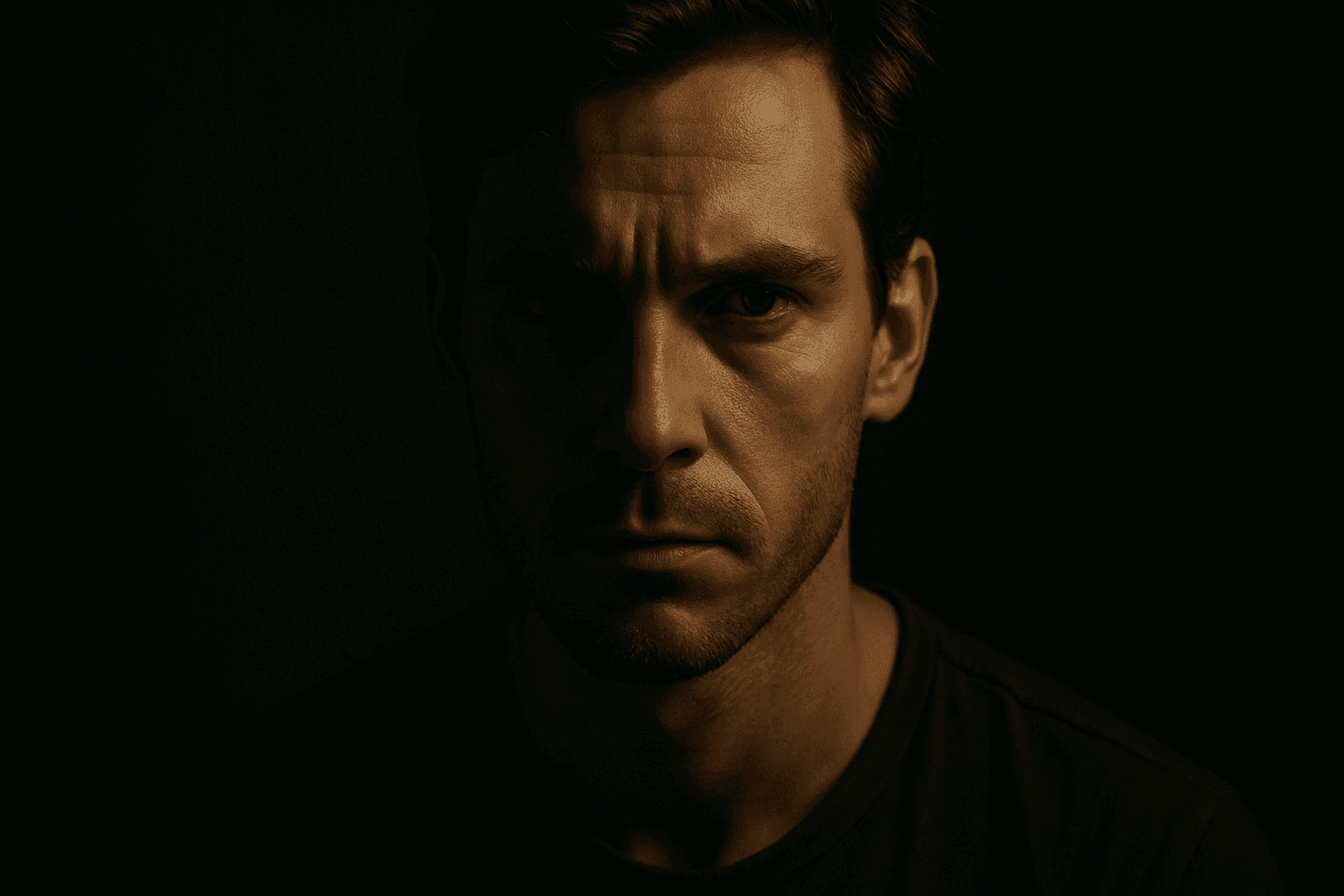
Chiaroscuro Lighting
Chiaroscuro lighting is a powerful artistic method used to create striking contrasts between illuminated and shadowed regions within an image. This approach originated in 16th-century painting and remains popular in photography and digital art to evoke drama and emphasize form. In AI-generated imagery, the chiaroscuro effect guides models to produce compositions rich in depth and texture, often with a single directional light source casting pronounced shadows. This lighting style is ideal for portraits, still lifes, and narrative scenes where mood and visual impact are priorities. Understanding chiaroscuro expands an artist's toolkit, enabling controlled manipulation of light to transform flat images into compelling visual stories.