Directional Side Lighting
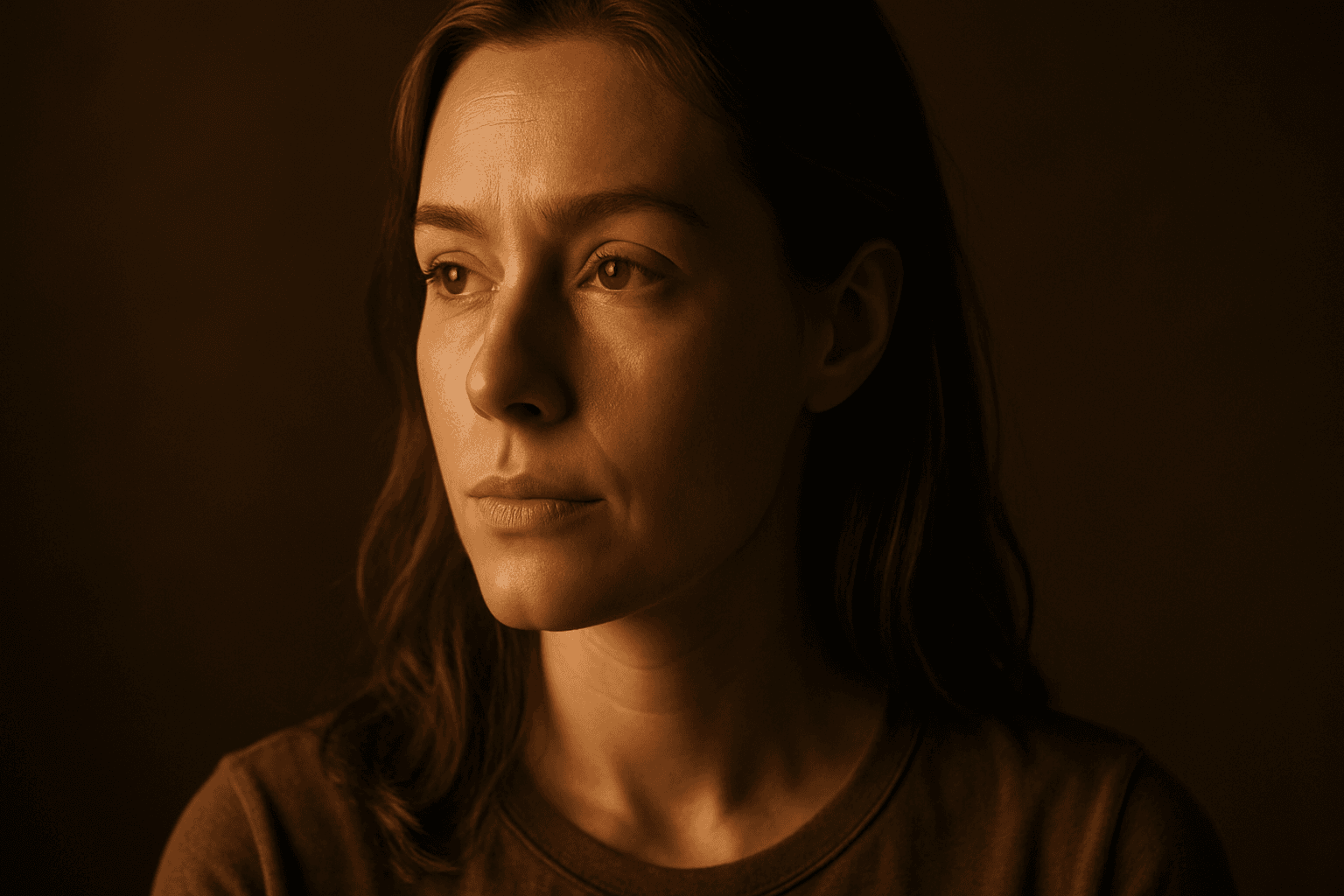
Directional side lighting is a powerful lighting technique widely used in photography and digital art to add dimensionality and mood. In the context of AI image generation, specifying directional side lighting shapes how the model simulates light interaction with subjects and environments. This lighting style creates pronounced contrasts between illuminated and shaded areas, resulting in images with realistic depth and enhanced visual interest. It is especially effective for emphasizing textures and defining shapes in portraits, still life, architectural renders, and product shots. Using this lighting approach in AI prompts helps generate more polished and professional visuals suitable for editorial and commercial use.
Definition
Directional side lighting in AI image generation refers to specifying that the main source of light comes from one side of the subject or scene. This lighting creates shadows on the opposite side, adding depth and texture. Using this keyword modifies AI prompts to simulate realistic light direction rather than uniform or frontal illumination, resulting in more dimensional and dynamic images.
Visual Characteristics
- Strong, well-defined shadows on one side
- Bright highlights on the opposite side facing the light
- Noticeable texture and enhanced contours giving a three-dimensional feel
Prompt Formula
To build AI prompts with directional side lighting, use patterns that specify light source direction, intensity, and mood. Combine phrases like "directional side lighting from the left" or "soft side light casting long shadows" with descriptive terms for shadows and highlights. Adding modifiers such as "dramatic contrast," "warm glow," or "natural daylight" refines the effect.
- "[subject] with directional side lighting from the [left/right], soft shadows, high detail"
- "[scene] illuminated by warm directional side lighting, enhanced textures"
- "[object] highlighted with strong side light, deep shadows, realistic materials"
Best Use Cases
- Portraits and character art needing mood and dimensionality
- Product photography to reveal material texture and shape
- Architectural visualizations highlighting spatial depth and form
Creative Variations
To avoid repetitive images with directional side lighting, experiment with different lighting intensities, colors, and angles. Incorporate cool or warm tones to change mood. Combine directional side lighting with backlighting or rim lighting for dramatic effects. Vary compositions by changing light height or distance, or by adding environmental elements that interact with the light, such as fog or reflections.
- Use colored gels to create tinted side lighting effects
- Combine side lighting with rim lighting for extra depth
- Adjust light angle for harsher or softer shadow edges
- Include environmental effects like mist or dust to scatter side light
- Switch between warm and cool light temperature for stylistic variation
Industry Applications
- Advertising to emphasize product details through textured light
- Editorial imagery for storytelling with dramatic shadows
- Ecommerce showcasing products with clear material definition and form
Common Mistakes
A frequent mistake is overusing directional side lighting without balancing brightness and shadow, leading to overly dark or muddy regions that obscure details. Avoid vague lighting instructions that result in flat or unrealistic illumination. Another pitfall is neglecting shadow direction consistency, which can create confusing or unnatural visuals. To prevent this, specify exact light direction, intensity, and shadow softness in prompts.
- Overly harsh shadows hiding subject details
- Vague or conflicting light direction causing unrealistic lighting
- Ignoring shadow softness leading to unnatural edges
- Using directional side lighting with overly bright fill light that flattens the effect
Model-Specific Tips
When working with various AI image generation models, use clear and descriptive lighting terms like "directional side lighting from left" combined with modifiers such as "soft shadows" or "high contrast". Avoid overly technical jargon that might confuse generalized models. Experiment with adding synonyms like "side light," "lateral illumination," or "angled light" to see which phrasing yields the best results. Also, control shadow sharpness and light color by adding those descriptors explicitly.
- Use simple, unambiguous phrases specifying direction and shadow quality
- Try synonyms: side light, lateral lighting, rim side light
- Include light color and temperature modifiers for mood
- Adjust shadow descriptors: soft, hard, diffused
- Test combinations to find which prompt style each model interprets best
FAQ
What is directional side lighting in AI image prompts?
It is a lighting specification where the main light source comes from one side, creating shadows and highlights that add depth and realism to AI-generated images.
How does directional side lighting improve AI images?
It introduces contrast and texture by simulating natural light angles, making subjects look more three-dimensional and visually engaging.
Can directional side lighting be combined with other lighting styles?
Yes, it can be creatively mixed with rim lighting, backlighting, or ambient light modifiers to produce varied and dynamic results.
Continue Exploring
Related Prompts
Directional Top Lighting
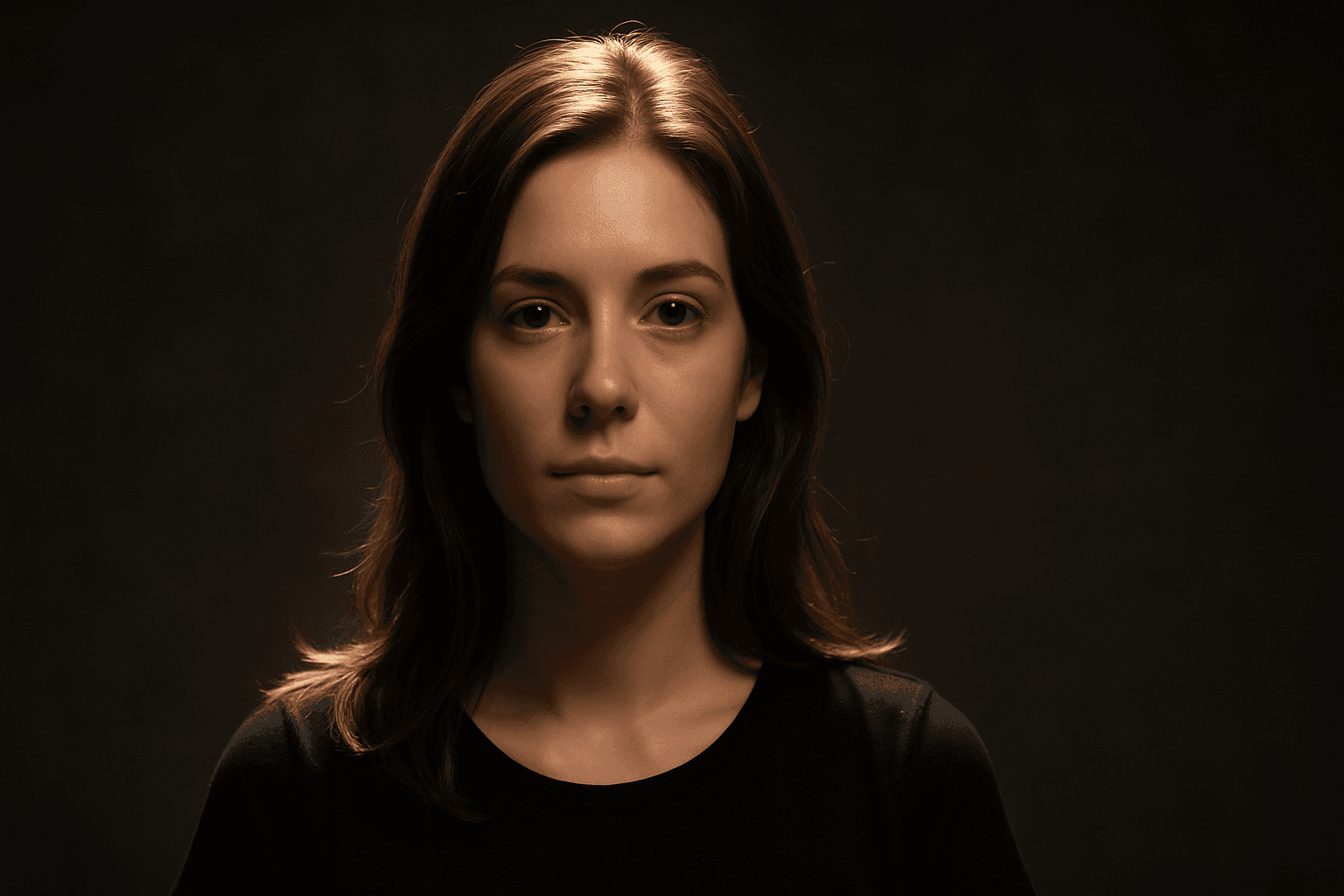
Directional Top Lighting is a technique widely used to simulate natural or artificial light coming directly from above a subject. In AI image generation, specifying this lighting style helps create images with realistic shading and depth, highlighting the textures and contours of objects or scenes from a top-down perspective. This lighting direction mimics sunlight at midday or overhead indoor fixtures, producing crisp shadows and well-defined highlights. It is especially effective for portraits, still life, architectural visuals, and product photography, enhancing the spatial perception and visual appeal of the subject within the composition.

Low Angle Lighting
Low angle lighting is a powerful photographic and artistic technique that shifts the viewer's perspective by lighting subjects from below. When integrated into AI image prompts, it helps generate images with a distinct, often dramatic mood and added dimensionality. This lighting arrangement mimics natural scenarios like sunrise or artificial lighting such as street lamps from ground level. Due to its uncommon viewpoint, low angle lighting enhances textures and contours by reversing traditional shadow placement, producing striking images ideal for editorial portraits, architectural shots, and dynamic compositions. Leveraging this keyword allows creators to break away from standard lighting styles and evoke more intriguing atmospheres in synthetic visuals.

High Contrast Lighting Setup
High contrast lighting setups are widely used in photography and cinematic visuals to produce bold, dynamic images that captivate viewers. Incorporating 'high contrast lighting setup' in an AI image prompt instructs the AI to emphasize striking light sources and deep shadows, adding visual tension and clarity to the scene. This lighting approach reveals textures more vividly and helps create a mood that can range from mysterious to intense. For AI-generated images intended for editorial, commercial, or fine art applications, applying this keyword ensures that the resulting visuals have professional-quality lighting that enhances subject definition and atmosphere.
Side Lighting Drama
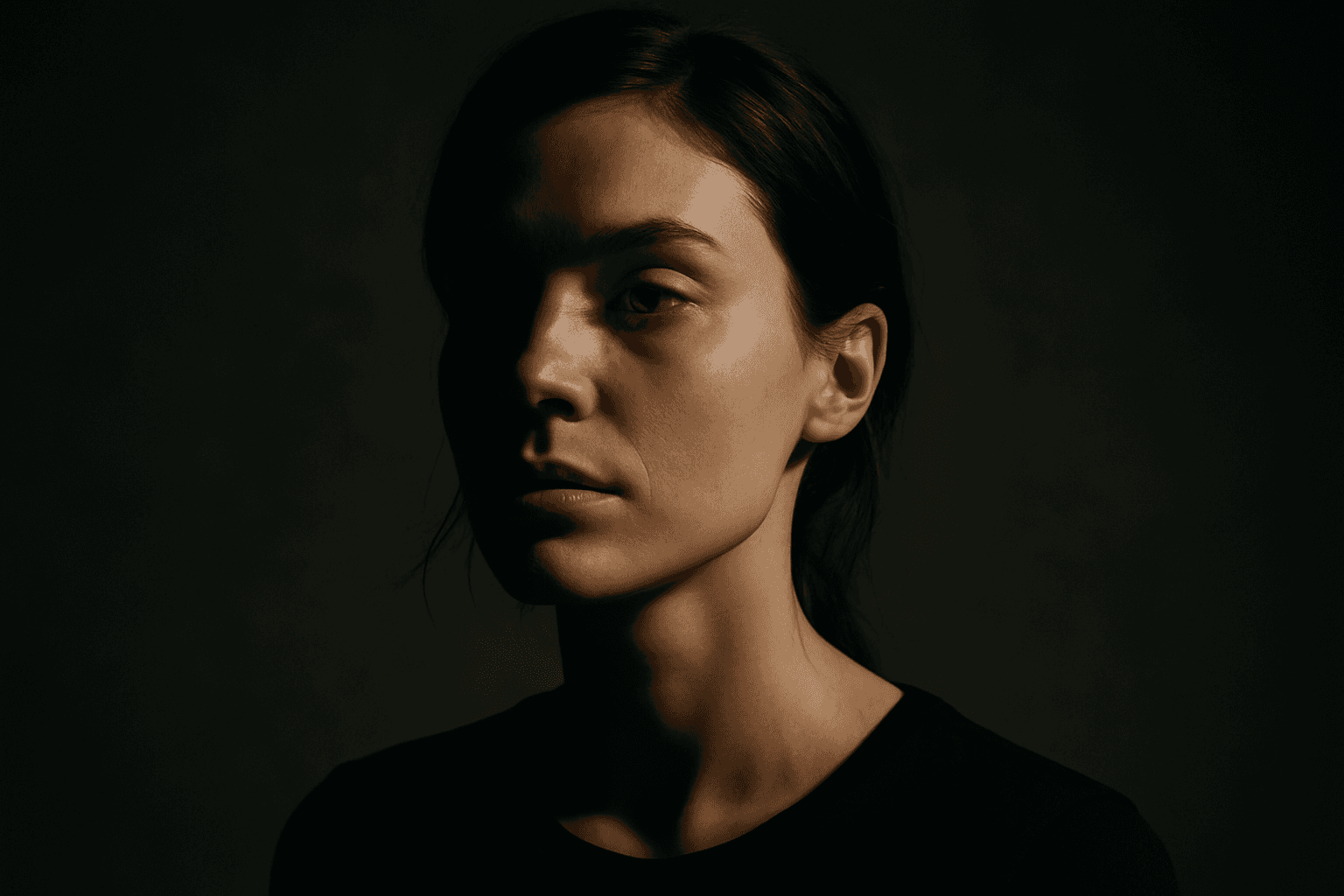
Side Lighting Drama is a powerful lighting technique widely used in photography and art to evoke intense atmosphere and visual depth. By casting light from one side, it sculpts shapes with stark shadows and highlights, adding drama and intrigue. In AI image generation, specifying Side Lighting Drama guides models to replicate this effect, producing images rich in texture details and emotional tone. It suits portraits that reveal character through shadows, architectural shots emphasizing structure, and still lifes with tactile surfaces. This deliberate use of lateral lighting amplifies visual storytelling by adding contrast and focus, lending images a cinematic and professional aesthetic.
Silhouette Outline Lighting
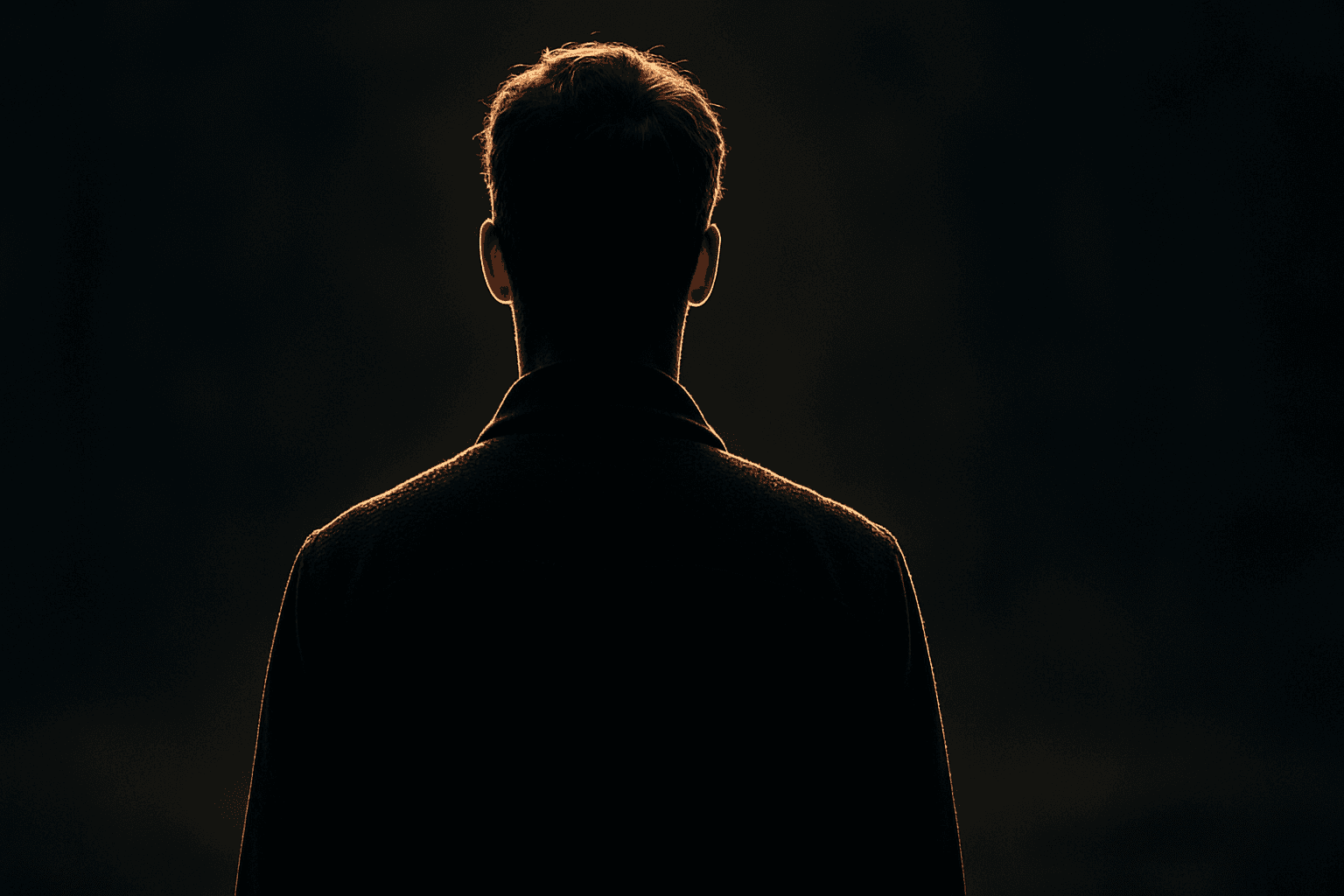
Silhouette Outline Lighting is a specialized lighting effect that enhances AI-generated images by emphasizing the subject's edges with a glowing rim of light. Commonly used to create dramatic, visually appealing silhouettes, this lighting style accentuates contours and adds striking contrast by brightly outlining the subject against a darker background. In AI image generation, including this keyword can guide the model to apply backlighting or rim lighting techniques, which help separate the subject from the background and add an artistic flair. This approach is widely appreciated in portraiture, product photography, and conceptual art for its ability to convey emotion and focus attention on shape and form.
Split Lighting Technique
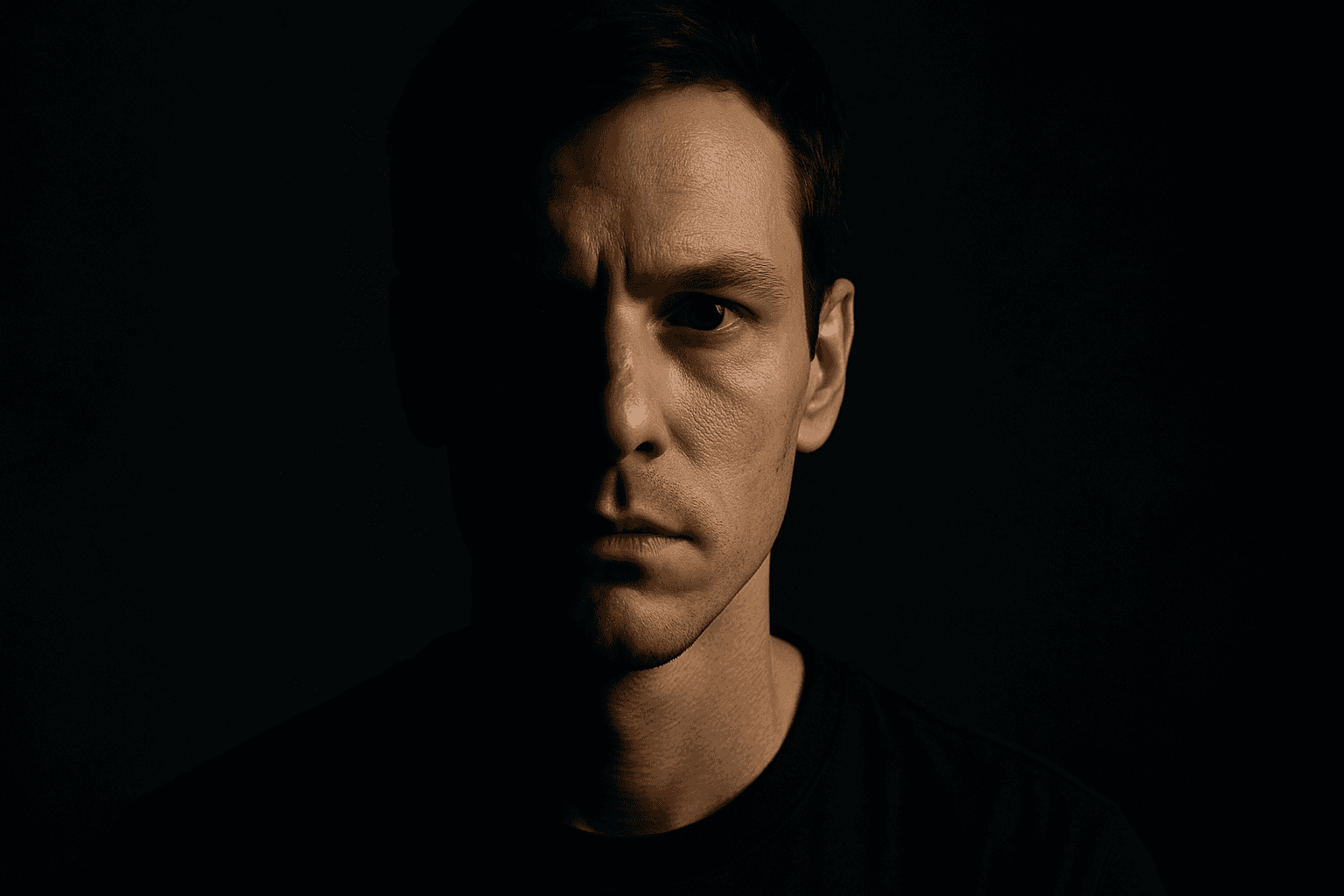
Split lighting is a classic photographic lighting technique widely used for portraits to craft dramatic and intense images. When applied in AI image prompts, it guides the generation to simulate this lighting style by illuminating one half of the subject brightly while casting the other half in shadow. This technique enhances depth and character, often lending a mysterious or serious tone to portraits. It is especially effective for emphasizing facial features, textures, and emotional expressions. Utilizing split lighting in AI art allows creators to generate compelling, high-contrast images that stand out in editorial, commercial, or artistic contexts.