Overhead Lighting Technique
Using the overhead lighting technique in AI image generation adds a realistic and professional quality to images by simulating light coming from above the subject. This lighting style emphasizes the contours and shapes by casting natural shadows beneath objects, enhancing visual depth and dimensionality. It is frequently used in editorial photography, product displays, and interior visuals to create a refined mood and clarity. Incorporating overhead lighting into your prompts helps produce images with clean, premium aesthetics that suit commercial and artistic purposes alike.
Definition
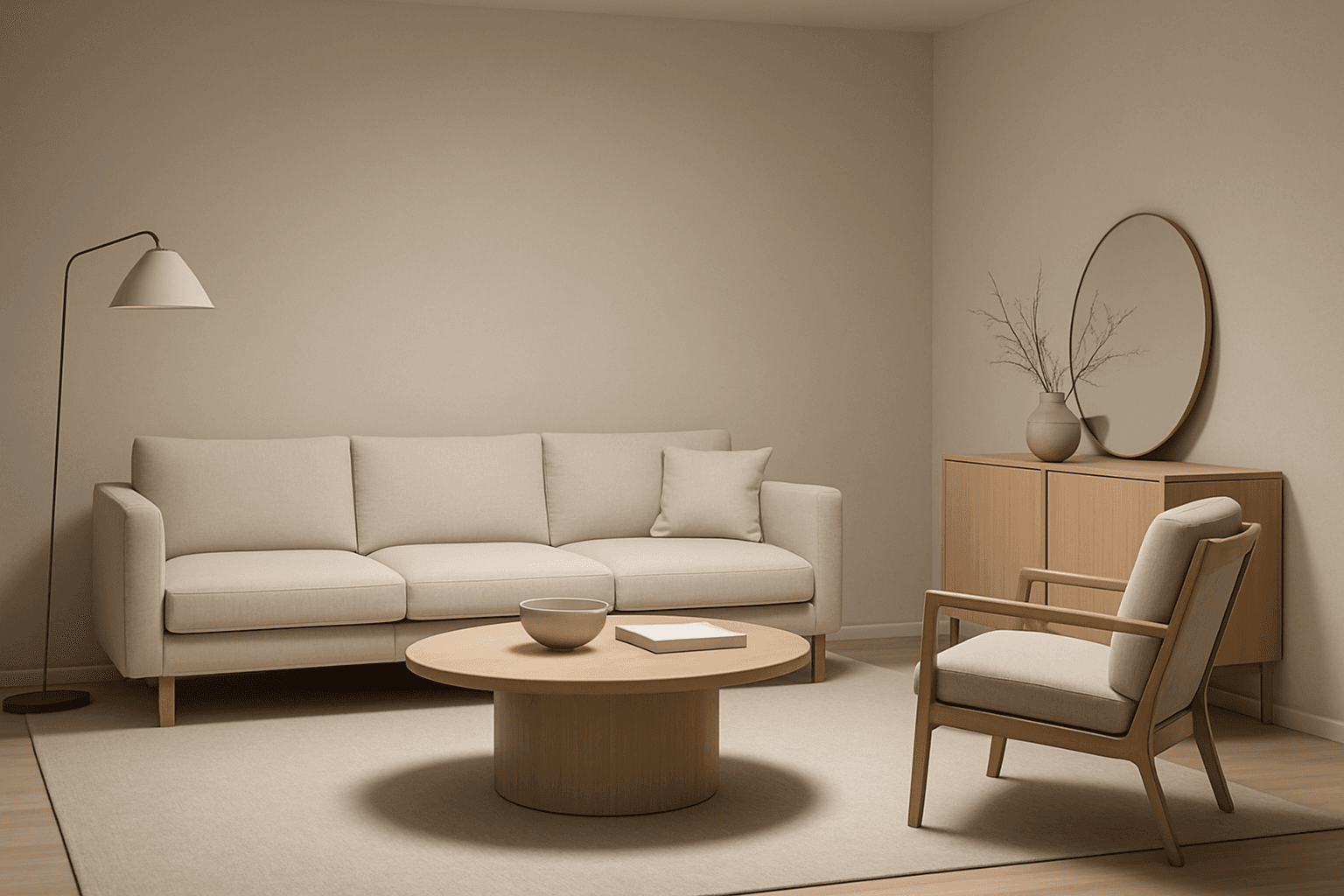
Overhead lighting technique is a lighting setup where the main light source shines from directly above the subject. It changes AI image prompts by specifying illumination from the top, which helps create natural shadows below objects and adds depth to images. By including this keyword, you instruct the AI to simulate realistic light direction often seen with ceiling fixtures or sunlight, resulting in clearer contours and enhanced dimensionality.
Visual Characteristics
- Light primarily illuminating the top surfaces of subjects
- Shadows cast directly downward beneath objects and facial features
- Balanced ambient light with clear directional highlights and shaded areas
Prompt Formula
Use these prompt structures to incorporate overhead lighting effectively: - "[Subject] under overhead lighting, sharp top highlights, natural shadows below" - "Scene with overhead lighting casting soft shadows, photorealistic, high detail" - "Close-up portrait illuminated by overhead lighting, emphasizing contours and depth" Mix these with style or mood descriptors like "soft," "dramatic," or "studio" to refine results.
Best Use Cases
- Product photography where shadow placement enhances shape perception
- Editorial portraits emphasizing facial features and bone structure
- Interior design visuals showcasing architectural details with natural light effects
Creative Variations
To avoid repetitive outputs and explore creative breadth, try these variations: - Combine overhead lighting with soft diffusers for gentle illumination - Use colored gels or warm/cool tones to change mood - Experiment with multiple overhead sources for layered shadows - Adjust intensity to create dramatic contrast or subtle ambiance - Pair with minimalist or busy backgrounds to shift focus dynamically
Industry Applications
- Ecommerce platforms needing clear, attractive product images
- Fashion and beauty editorials focusing on facial and body highlights
- Architectural and interior design firms displaying details and textures
Common Mistakes
Common issues when using overhead lighting in prompts include specifying vague lighting leading to flat or unrealistic images, overexposure on top areas causing loss of detail, and neglecting shadow softness which can produce harsh, unnatural shadows. To avoid this, be precise with lighting descriptors, balance light intensity, and consider modifiers like "soft shadows" or "diffused overhead lighting" for natural results.
FAQ
What effect does overhead lighting have on shadows in AI images?
Overhead lighting creates shadows directly beneath subjects and facial features, adding depth and a three-dimensional appearance to the image.
Can overhead lighting be soft as well as harsh?
Yes, by including terms like "soft" or "diffused" in your prompt, you can create gentle overhead lighting that casts subtle shadows and provides even illumination.
Continue Exploring
Related Prompts
Overhead Diffused Lighting
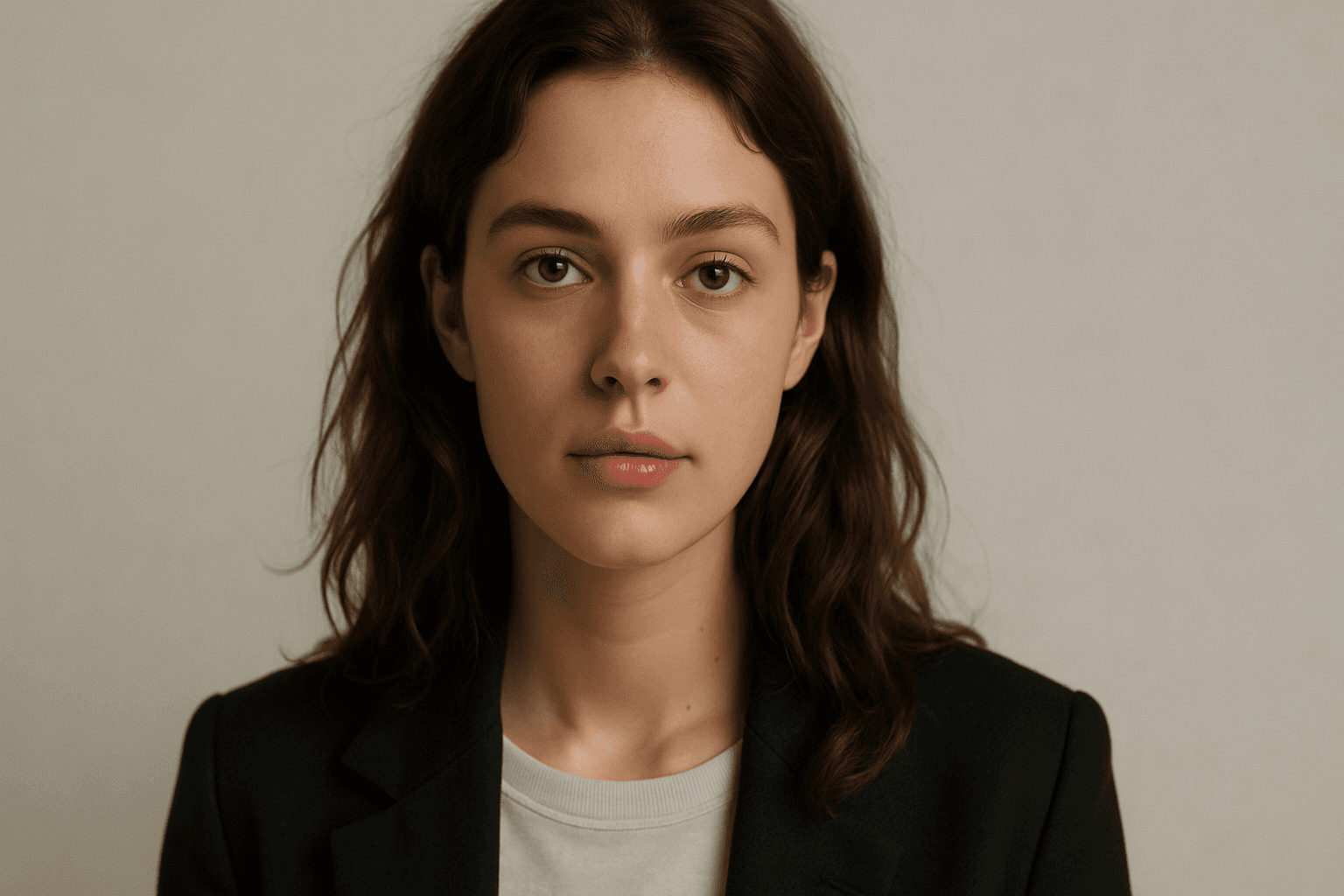
Overhead Diffused Lighting is a fundamental technique in photography and digital imaging that involves placing a diffused light source directly above the subject. This method softens shadows and reduces contrast, creating an inviting and natural look. When applied in AI image generation, including this keyword in prompts helps achieve realistic skin tones, fabric textures, and surface details without harsh lighting artifacts. It is especially effective for portraits, still lifes, and product photography. The technique enhances depth subtly, maintaining a premium, clean aesthetic that suits modern editorial and commercial imagery.

High Contrast Lighting Setup
High contrast lighting setups are widely used in photography and cinematic visuals to produce bold, dynamic images that captivate viewers. Incorporating 'high contrast lighting setup' in an AI image prompt instructs the AI to emphasize striking light sources and deep shadows, adding visual tension and clarity to the scene. This lighting approach reveals textures more vividly and helps create a mood that can range from mysterious to intense. For AI-generated images intended for editorial, commercial, or fine art applications, applying this keyword ensures that the resulting visuals have professional-quality lighting that enhances subject definition and atmosphere.
Directional Top Lighting
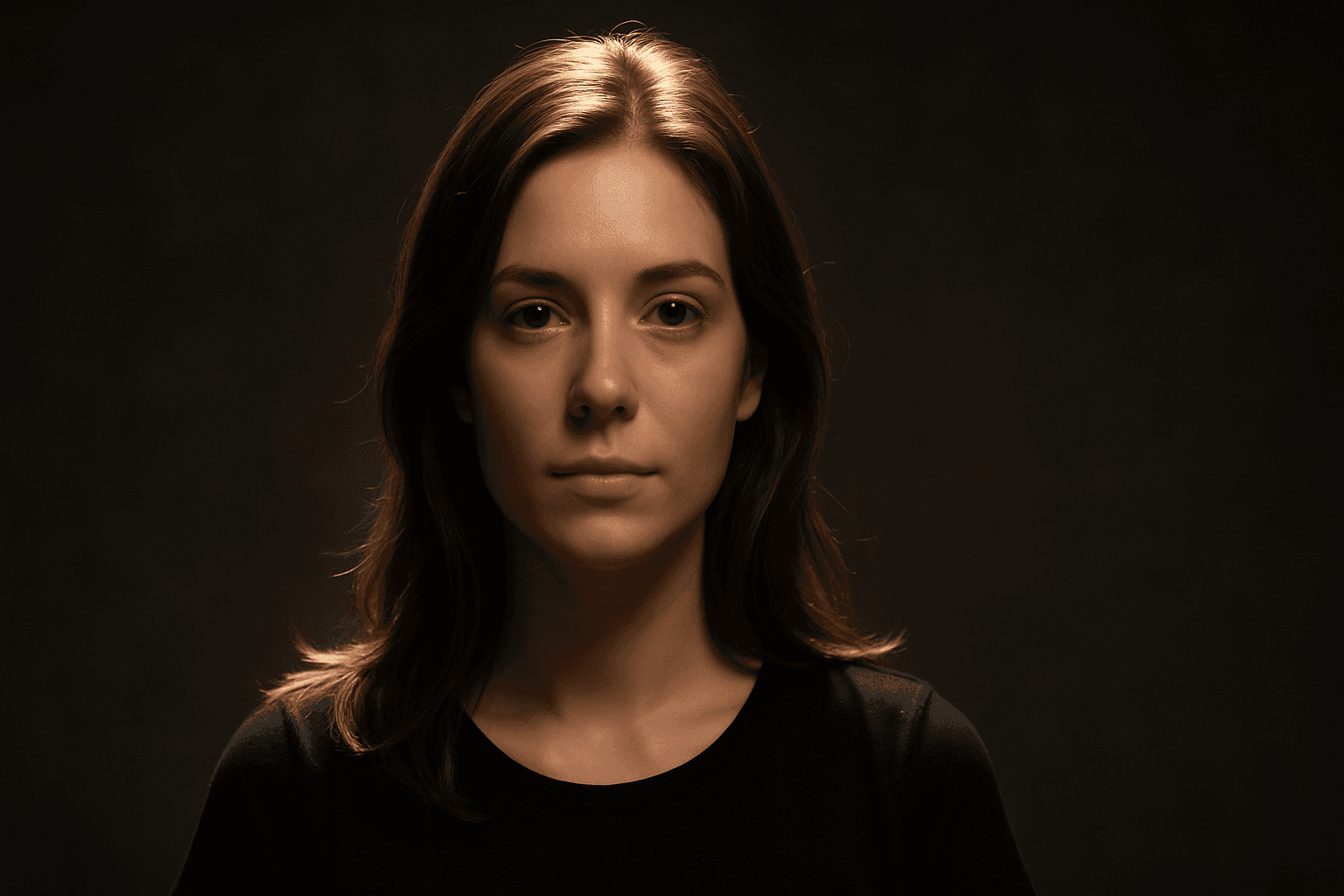
Directional Top Lighting is a technique widely used to simulate natural or artificial light coming directly from above a subject. In AI image generation, specifying this lighting style helps create images with realistic shading and depth, highlighting the textures and contours of objects or scenes from a top-down perspective. This lighting direction mimics sunlight at midday or overhead indoor fixtures, producing crisp shadows and well-defined highlights. It is especially effective for portraits, still life, architectural visuals, and product photography, enhancing the spatial perception and visual appeal of the subject within the composition.
Directional Side Lighting
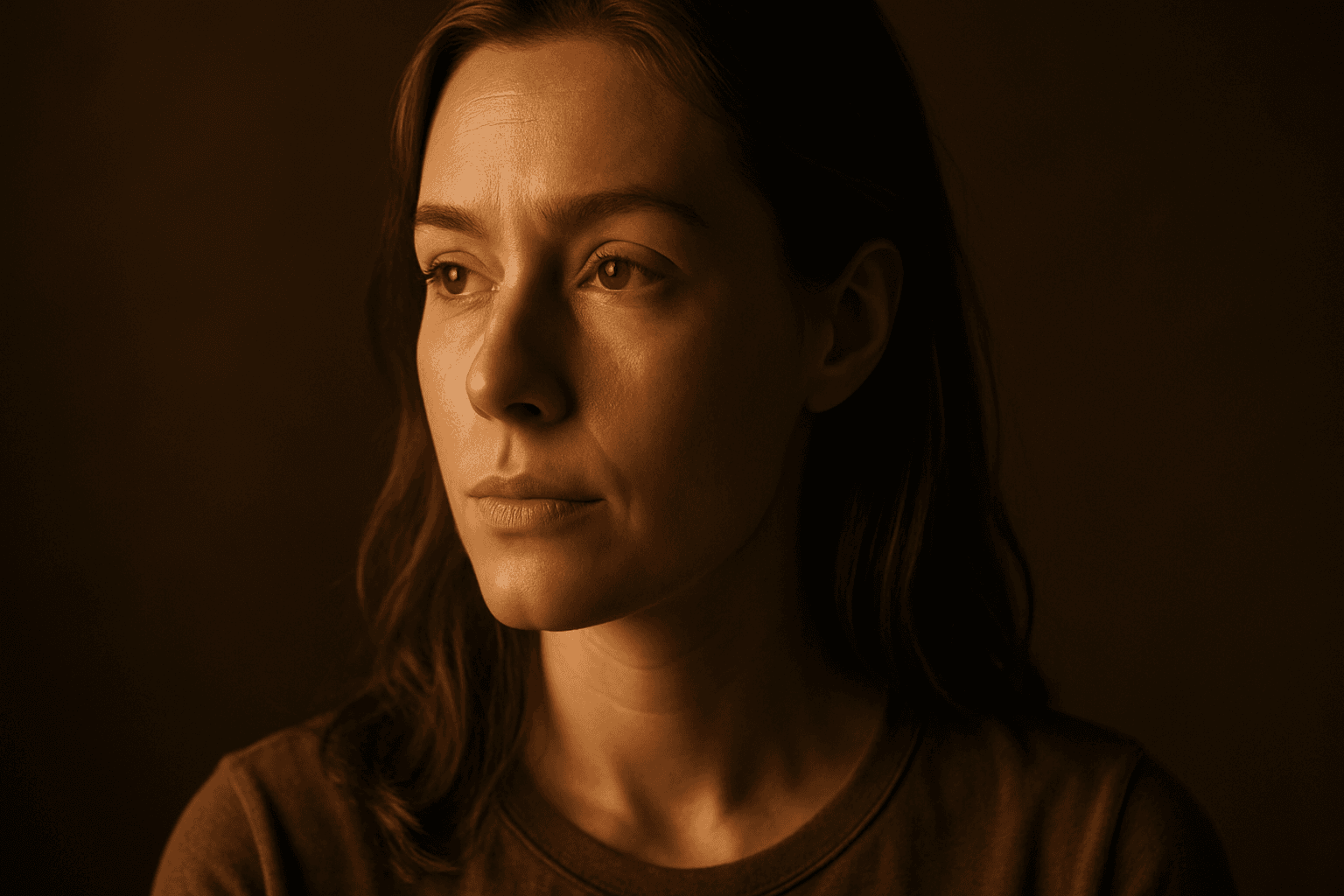
Directional side lighting is a powerful lighting technique widely used in photography and digital art to add dimensionality and mood. In the context of AI image generation, specifying directional side lighting shapes how the model simulates light interaction with subjects and environments. This lighting style creates pronounced contrasts between illuminated and shaded areas, resulting in images with realistic depth and enhanced visual interest. It is especially effective for emphasizing textures and defining shapes in portraits, still life, architectural renders, and product shots. Using this lighting approach in AI prompts helps generate more polished and professional visuals suitable for editorial and commercial use.

Low Angle Lighting
Low angle lighting is a powerful photographic and artistic technique that shifts the viewer's perspective by lighting subjects from below. When integrated into AI image prompts, it helps generate images with a distinct, often dramatic mood and added dimensionality. This lighting arrangement mimics natural scenarios like sunrise or artificial lighting such as street lamps from ground level. Due to its uncommon viewpoint, low angle lighting enhances textures and contours by reversing traditional shadow placement, producing striking images ideal for editorial portraits, architectural shots, and dynamic compositions. Leveraging this keyword allows creators to break away from standard lighting styles and evoke more intriguing atmospheres in synthetic visuals.
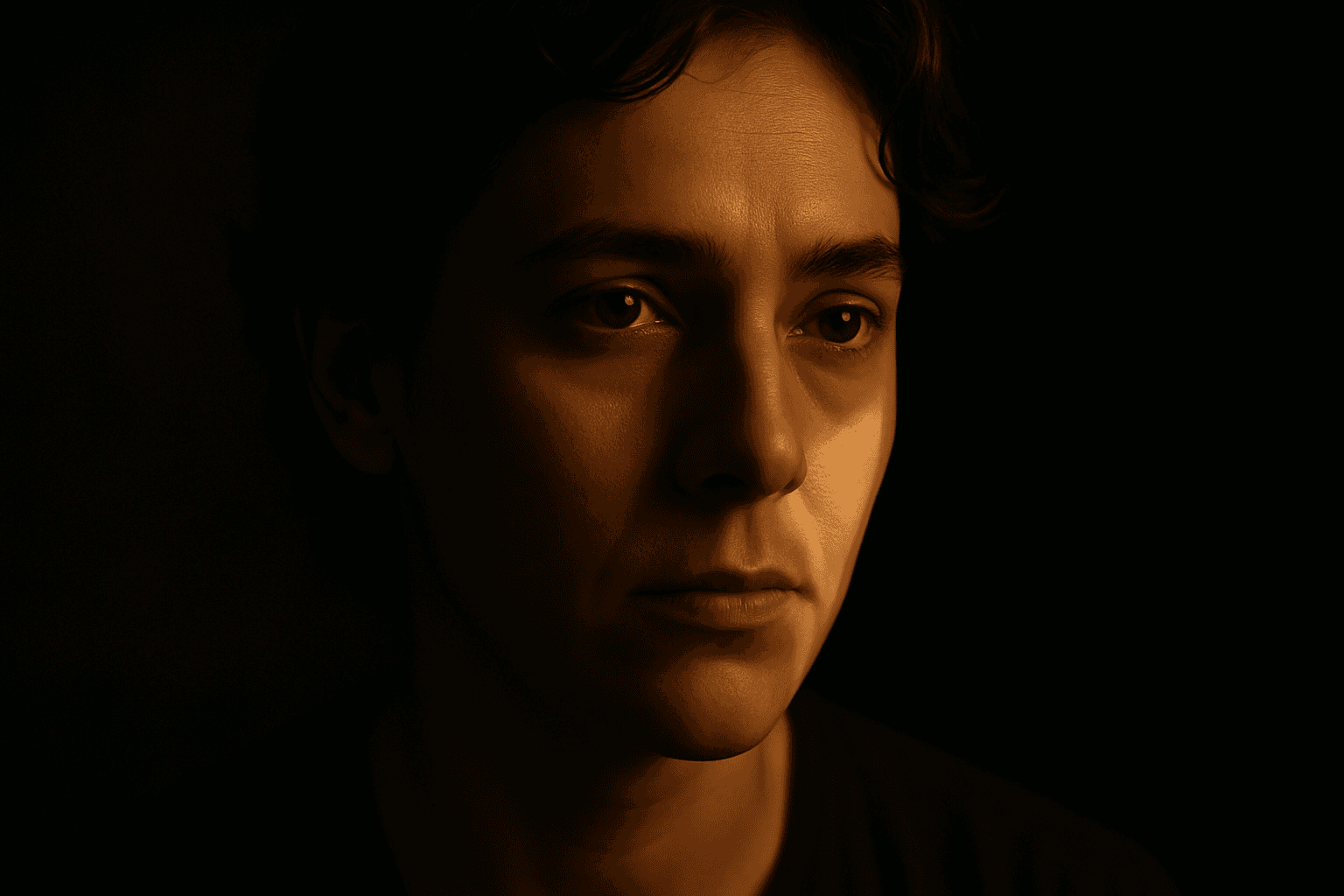
Rembrandt Lighting Technique
The Rembrandt lighting technique is a foundational portrait lighting method originating from the Old Master painter Rembrandt Harmenszoon van Rijn. In AI-generated images, this technique adds a cinematic and three-dimensional quality by highlighting a small illuminated triangle beneath the eye on the shadowed side of the face. Artists and photographers often use Rembrandt lighting to evoke drama, depth, and a classic aesthetic. Including this keyword in AI image prompts instructs models to replicate the lighting angle and shadow play, making portraits more visually compelling and lifelike. This effect enhances textures and contours, perfect for expressive character studies and refined editorial photography simulations.