Studio Lighting Setup Guide
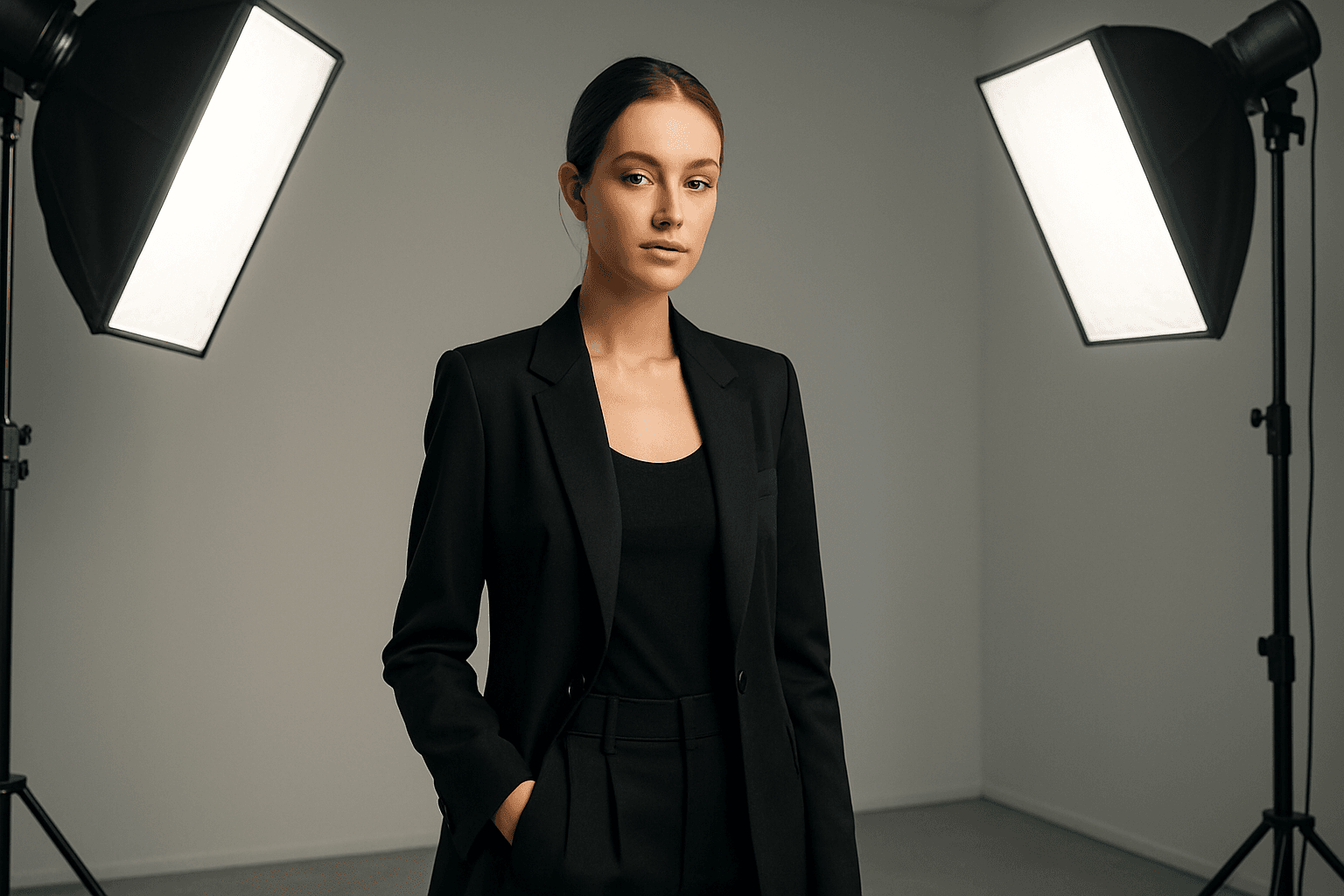
In AI image generation, incorporating 'Studio Lighting Setup Guide' helps emulate the controlled lighting environment typical of photography studios. This setup ensures subjects are well-defined with nuanced shadows and highlights, enhancing realism and artistic quality. Professional studio lighting involves key light, fill light, and backlight positioned strategically to model the subject beautifully. When used as a prompt keyword, it communicates to the AI how to place such lighting, resulting in images that appear polished and editorial-grade. This is essential for generating product shots, portraits, or commercial visuals that require a premium look.
Definition
'Studio Lighting Setup Guide' in AI image prompts refers to specifying detailed lighting configurations that mimic professional studio environments. It guides AI in rendering balanced, realistic illumination and shadows, enhancing the subject's three-dimensional appearance and visual depth.
Visual Characteristics
- Balanced, soft shadows emphasizing the subject
- Evenly distributed light producing clear details
- Realistic reflections and subtle highlights on surfaces
Prompt Formula
To effectively use 'Studio Lighting Setup Guide' in prompts, combine specific lighting elements and descriptors to guide the AI in replicating a controlled studio environment.
- "studio lighting setup guide" + "soft key light" + "fill light" + "backlight"
- "studio lighting setup guide" + "even illumination" + "sharp shadows"
- "studio lighting setup guide" + "diffused light" + "reflective highlights"
Best Use Cases
- Professional portrait photography and headshots
- E-commerce product photography with clear details
- Editorial fashion shoots requiring polished lighting
Model-Specific Tips
When incorporating 'Studio Lighting Setup Guide' across different AI image models, use clear and universally understood lighting descriptors to maintain consistent output quality. Avoid overly technical jargon that some models may not interpret well. Emphasize natural terms like "soft key light," "fill light," and "backlight" to ensure your lighting setup translates effectively across platforms.
- Use common lighting terms such as "softbox," "key light," and "fill light"
- Pair the keyword with descriptive adjectives like "soft," "diffused," or "dramatic"
- Avoid overly complex syntax or rare lighting effects that might confuse the model
FAQ
How does 'Studio Lighting Setup Guide' improve AI-generated images?
It instructs the AI to simulate professional studio lighting conditions, creating realistic shadows, highlights, and balanced illumination that enhance depth and texture in images.
Can I use this keyword for outdoor scenes?
This keyword is primarily suited for indoor studio-like environments; it may not produce natural results for outdoor lighting scenarios.
Continue Exploring
Related Prompts

High Contrast Lighting Setup
High contrast lighting setups are widely used in photography and cinematic visuals to produce bold, dynamic images that captivate viewers. Incorporating 'high contrast lighting setup' in an AI image prompt instructs the AI to emphasize striking light sources and deep shadows, adding visual tension and clarity to the scene. This lighting approach reveals textures more vividly and helps create a mood that can range from mysterious to intense. For AI-generated images intended for editorial, commercial, or fine art applications, applying this keyword ensures that the resulting visuals have professional-quality lighting that enhances subject definition and atmosphere.
High Key Lighting Setup
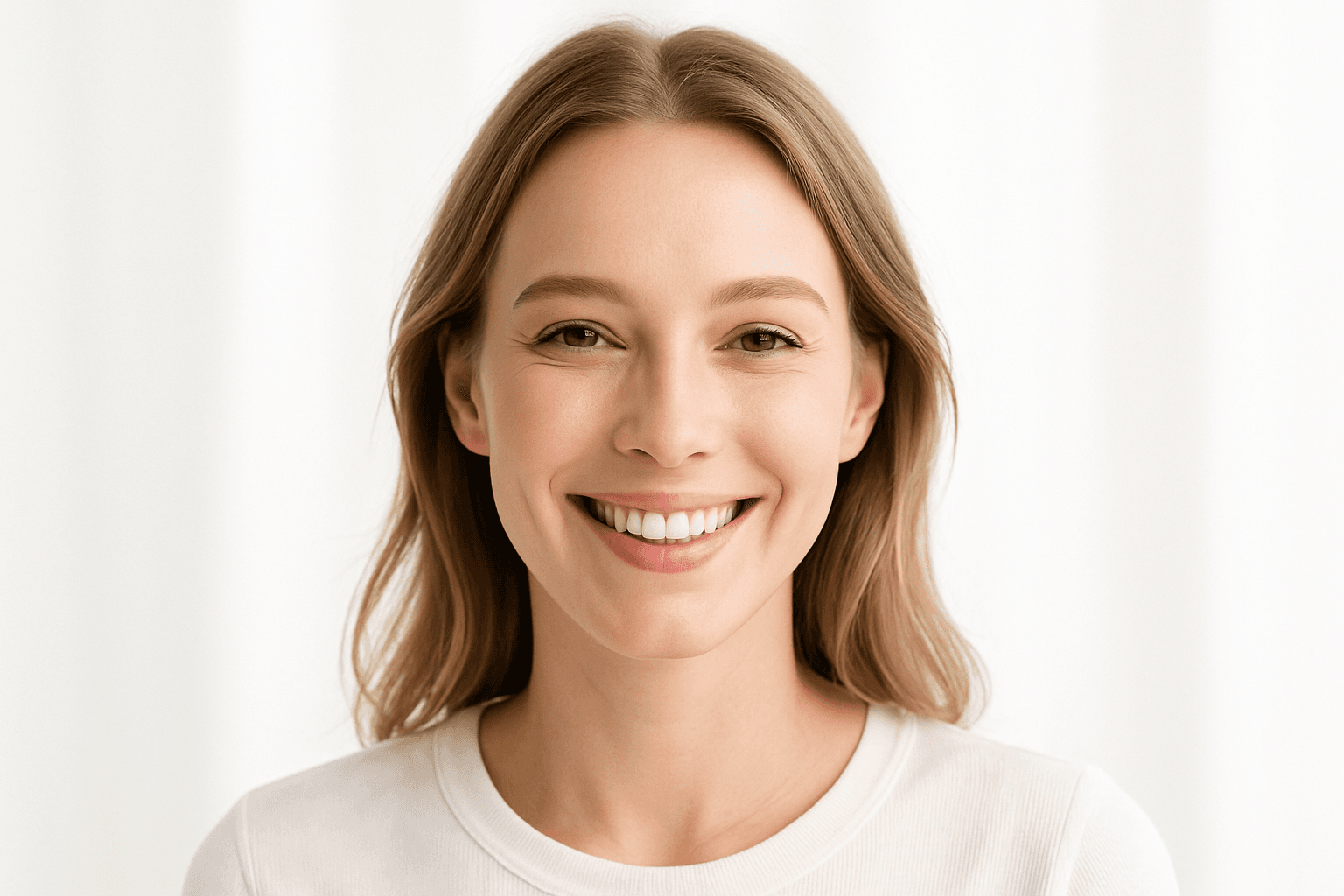
High Key Lighting Setup transforms the mood and clarity of an image by emphasizing brightness and reducing harsh shadows. This style is known for its airy, clean, and polished aesthetic that enhances softness and detail. In AI image generation, specifying a high key lighting setup helps evoke feelings of freshness, positivity, and elegance, making images appear bright and inviting. It effectively highlights textures and color purity without dramatic shadows, which suits product photography, portraits, and editorial uses where a crisp, premium look is desired. Understanding and applying high key lighting keywords in prompts ensure consistent outputs aligned with this visual ethos.

Soft Fill Light Setup
Soft fill light setup is an essential lighting approach in photography, cinematography, and AI image generation that focuses on enhancing visual clarity by gently illuminating subjects. This method employs diffused light sources positioned strategically to fill in shadows without creating new ones or flattening the image's depth. In AI-generated images, specifying a soft fill light setup guides the model to render scenes with subtle shading and natural contrast, making portraits, still life, and product shots appear more realistic and appealing. By balancing the interplay between light and shadow, the soft fill light setup adds dimension while maintaining a polished and professional look suitable for editorial, commercial, and creative projects.

Softbox Lighting Setup
Softbox Lighting Setup is a foundational lighting technique often used in photography and cinematography to produce a flattering, diffused light source. It uses a softbox—a box-like light modifier with a diffusing material—to spread light evenly and soften shadows. When incorporated in AI image prompts, this keyword helps produce images with balanced, natural-looking lighting that enhances texture and detail. This setup is crucial for portraits, product photography, and scenes requiring controlled illumination. Using this keyword improves realism and mood by avoiding harsh contrasts and emphasizing smooth tonal transitions in images.
Studio Lighting
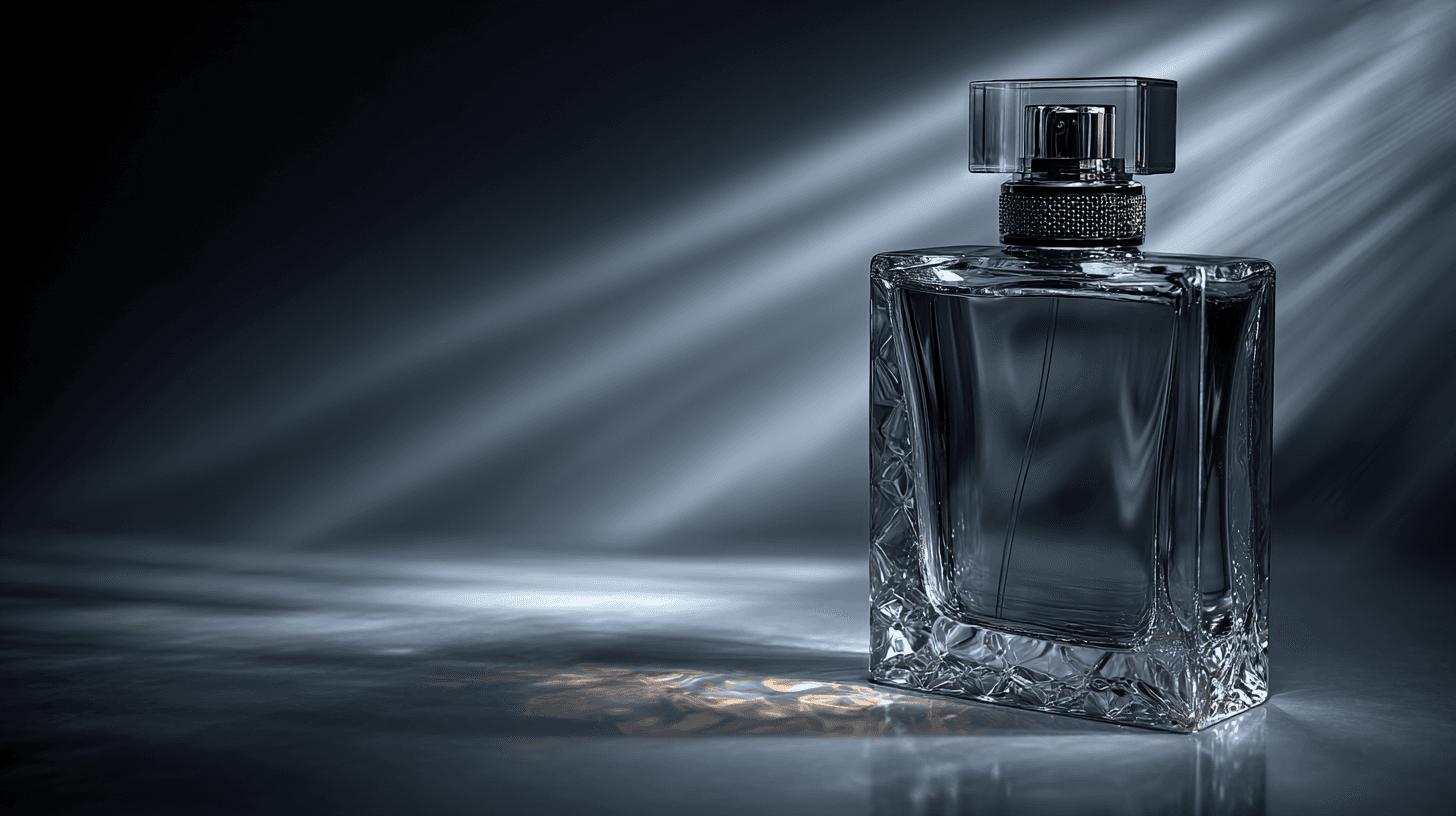
Studio Lighting is a prompt keyword that suggests a controlled, professional lighting setup. Instead of relying on natural sunlight or random environmental light, Studio Lighting points the model toward clean highlights, intentional shadows, balanced exposure, and a polished commercial finish. It is one of the most practical lighting keywords for AI image creators because it works across product photography, portraits, ecommerce, fashion, corporate visuals, and catalog-style imagery. For beginners, Studio Lighting is helpful when you want an image to look professional, reliable, and ready for business use.
Directional Side Lighting
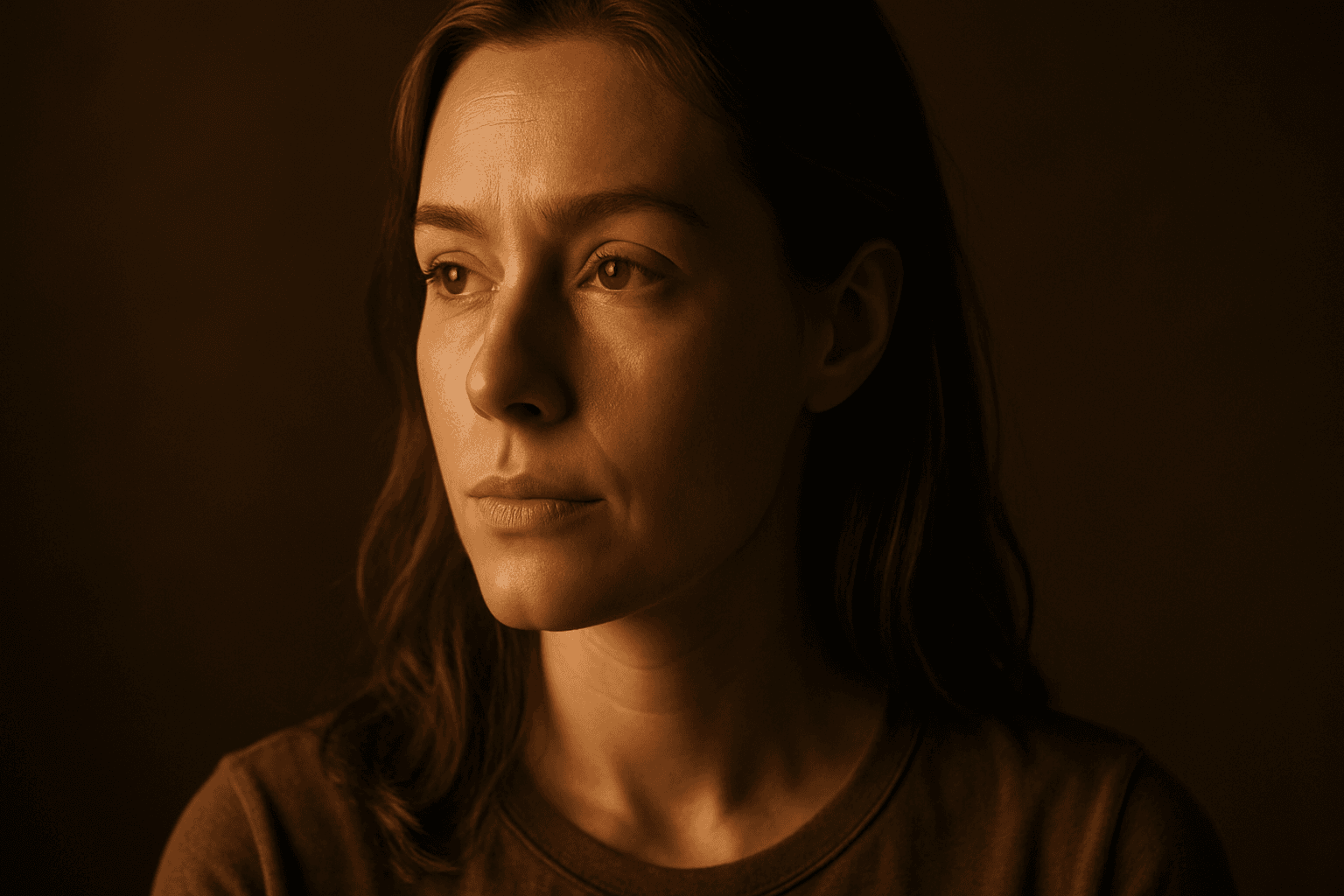
Directional side lighting is a powerful lighting technique widely used in photography and digital art to add dimensionality and mood. In the context of AI image generation, specifying directional side lighting shapes how the model simulates light interaction with subjects and environments. This lighting style creates pronounced contrasts between illuminated and shaded areas, resulting in images with realistic depth and enhanced visual interest. It is especially effective for emphasizing textures and defining shapes in portraits, still life, architectural renders, and product shots. Using this lighting approach in AI prompts helps generate more polished and professional visuals suitable for editorial and commercial use.