Softbox Lighting Setup
Softbox Lighting Setup is a foundational lighting technique often used in photography and cinematography to produce a flattering, diffused light source. It uses a softbox—a box-like light modifier with a diffusing material—to spread light evenly and soften shadows. When incorporated in AI image prompts, this keyword helps produce images with balanced, natural-looking lighting that enhances texture and detail. This setup is crucial for portraits, product photography, and scenes requiring controlled illumination. Using this keyword improves realism and mood by avoiding harsh contrasts and emphasizing smooth tonal transitions in images.

Definition
A Softbox Lighting Setup is a technique using a softbox device to evenly diffuse light, creating gentle illumination without sharp shadows or bright spots. In AI imaging, mentioning this setup cues the model to render images with smooth light gradients and soft shadows, enhancing natural appearance and detail.
Visual Characteristics
- Soft, diffused light enveloping the subject
- Even light distribution with minimal shadow edges
- Natural color tones without harsh specular highlights
Prompt Formula
To create effective prompts featuring Softbox Lighting Setup, combine subject descriptors with lighting keywords and modifiers. Example formulas include:
- [Subject] under softbox lighting setup, soft shadows, balanced illumination
- High-detail [subject], softbox lighting setup, smooth tonal gradients
- Studio scene with softbox lighting setup, diffuse light, subtle highlights
Best Use Cases
- Portrait images needing flattering, natural skin tones
- Product photography requiring reduced glare and even exposure
- Indoor scenes where controlled soft lighting enhances atmosphere
Creative Variations
To diversify the output when using Softbox Lighting Setup, consider modifying color temperature, composition, and artistic style. Introducing warm or cool tones can shift mood, while varying angles of light placement changes shadow behavior. Mixing this setup with different backdrops or adding selective focus creates unique visuals.
- Warm or cool softbox lighting for mood variation
- Asymmetric softbox positions for dynamic shadows
- Combining softbox lighting with natural window light for hybrid effects
- Using softbox lighting in high-key or low-key scenes
- Adding colored gels for tinted diffusion effects
Industry Applications
- Advertising campaigns for beauty and fashion products
- E-commerce websites showcasing detailed product images
- Editorial photography for magazines and professional headshots
Common Mistakes
Novices often over-describe lighting conditions or mix incompatible terms, causing AI to produce unrealistic or muddy images. Avoid mentioning conflicting light sources or excessive shadow details that contradict softbox diffusion. Instead, focus on simple, clear prompts emphasizing softness, diffusion, and even illumination for better results.
- Overloading prompts with multiple light types leading to inconsistent shadows
- Using vague lighting terms that confuse the model
- Neglecting subject placement relative to light source
- Requesting harsh shadows along with softbox lighting setup
FAQ
What is the main benefit of using a softbox lighting setup in images?
The primary benefit is achieving soft, even illumination that reduces harsh shadows and highlights, making subjects appear more natural and flattering.
Can I combine softbox lighting with other lighting techniques in AI prompts?
Yes, but be cautious. Combining with drastically different lighting styles may confuse the model; subtle combinations yield best results.
What subjects work best with softbox lighting in AI-generated images?
Portraits, products, and indoor environments benefit most as they require controlled, diffuse lighting to enhance details and mood.
Continue Exploring
Related Prompts

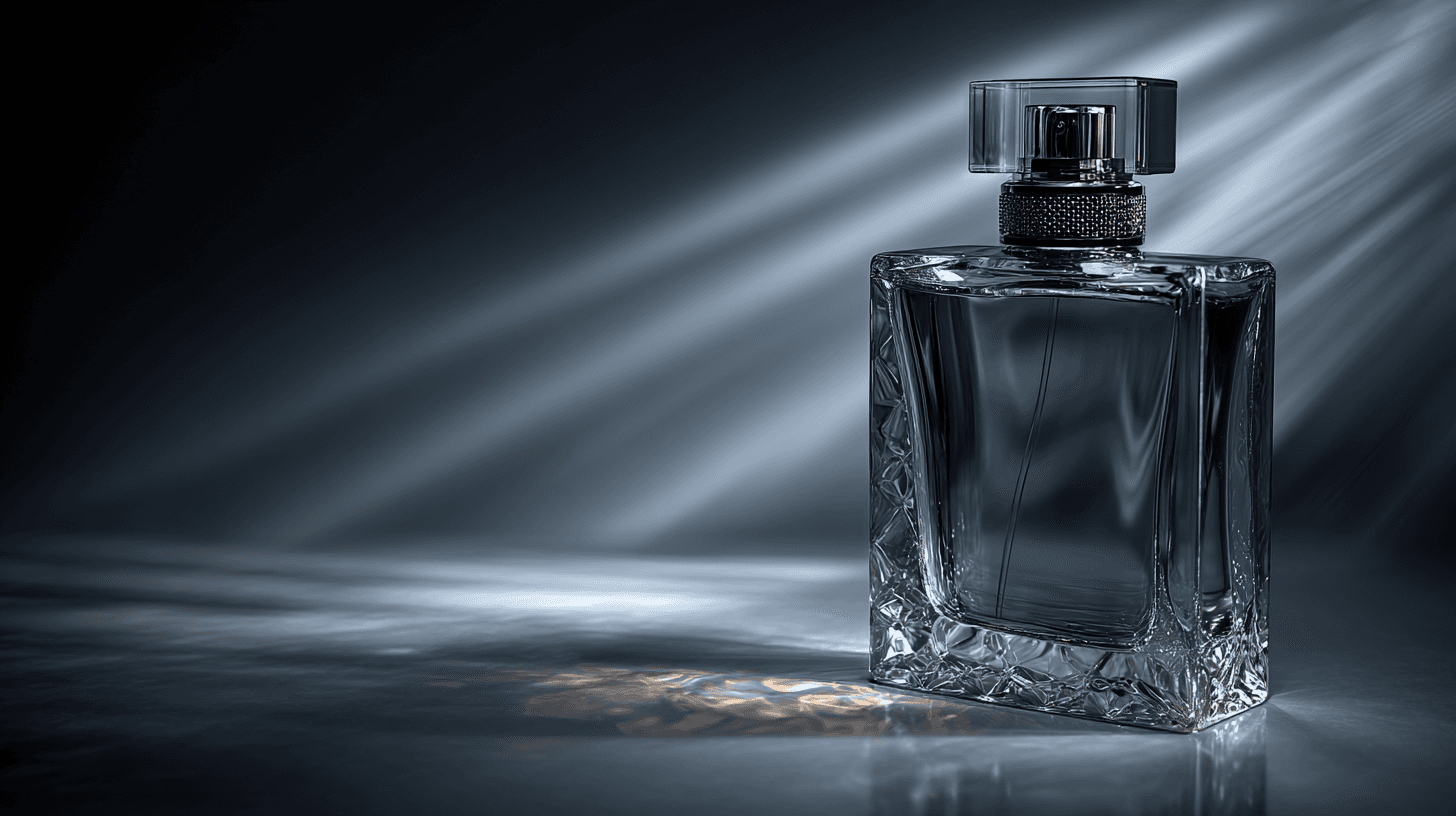
Softbox Lighting Technique
Softbox lighting is a staple in professional photography for producing flattering and balanced illumination. In AI image generation, invoking this technique in prompts encourages models to replicate the light diffusion qualities typical of softboxes. This results in images with smooth tonal transitions, gentle shadows, and a polished, natural appearance. It is especially favored in producing portraits, marketing visuals, and editorial content where controlled, subtle lighting enhances subject detail and overall mood. Integrating softbox lighting into prompts complements other descriptive lighting terms to refine ambiance and texture representation.
Studio Lighting
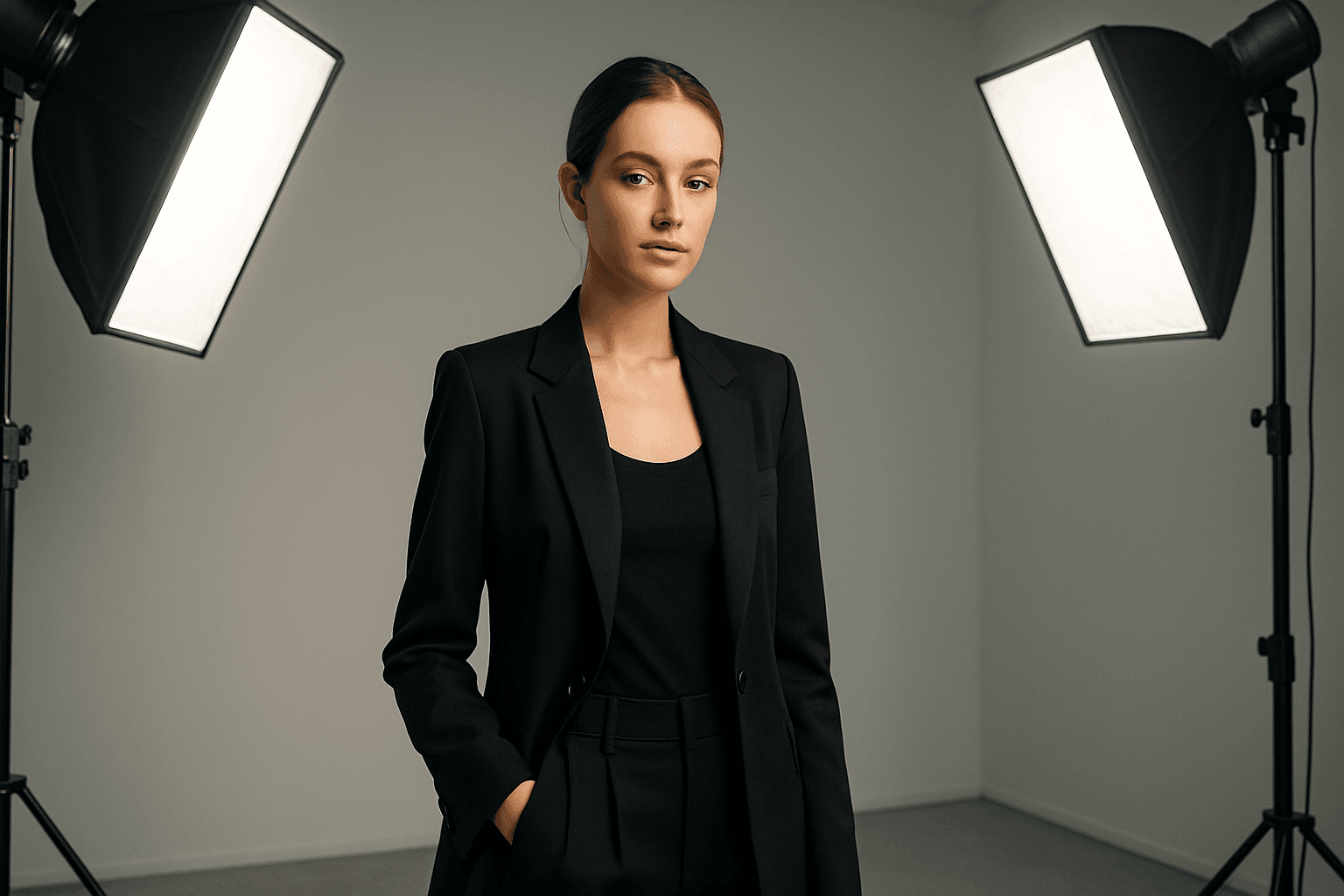
Studio Lighting is a prompt keyword that suggests a controlled, professional lighting setup. Instead of relying on natural sunlight or random environmental light, Studio Lighting points the model toward clean highlights, intentional shadows, balanced exposure, and a polished commercial finish. It is one of the most practical lighting keywords for AI image creators because it works across product photography, portraits, ecommerce, fashion, corporate visuals, and catalog-style imagery. For beginners, Studio Lighting is helpful when you want an image to look professional, reliable, and ready for business use.
Studio Lighting Setup Guide
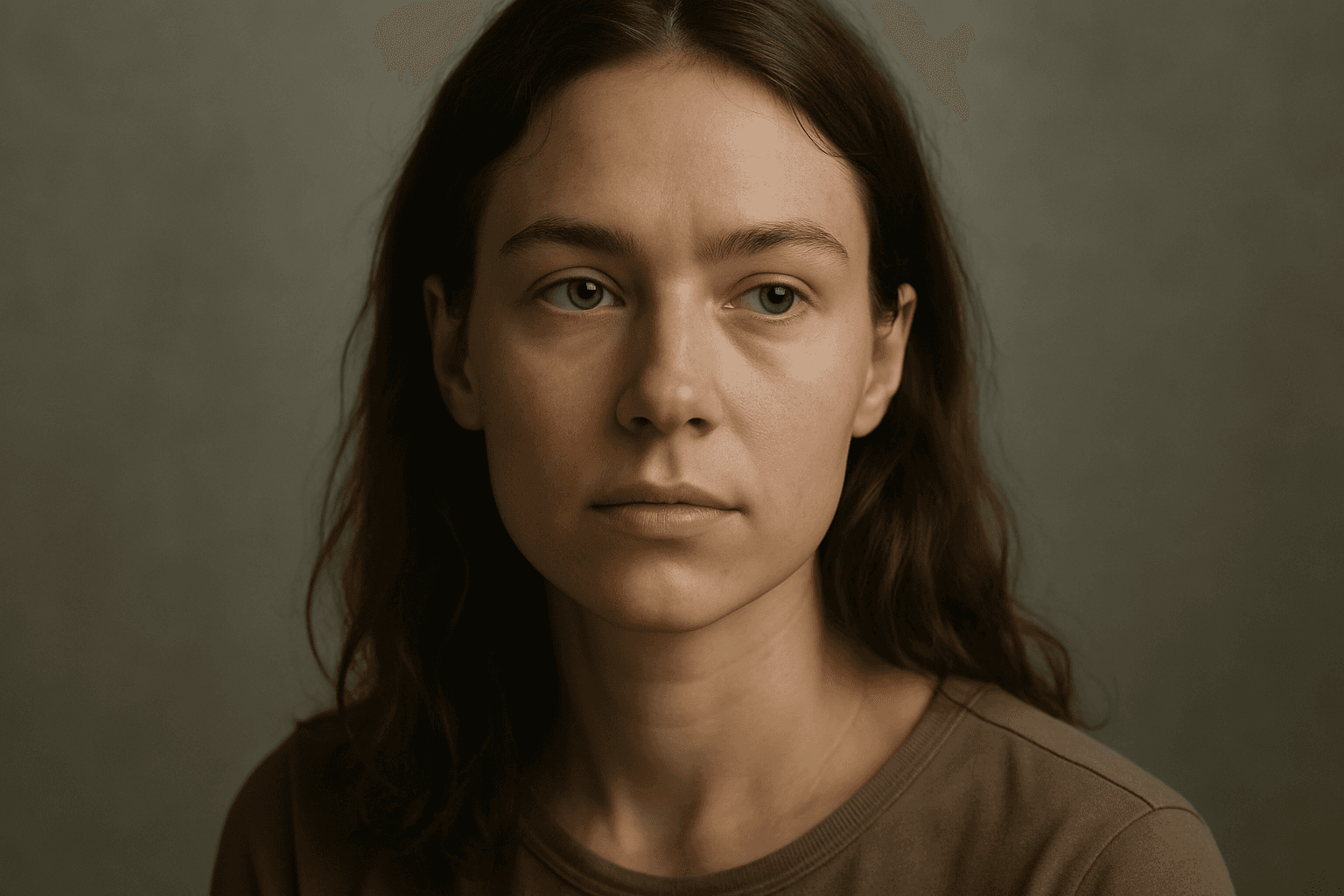
In AI image generation, incorporating 'Studio Lighting Setup Guide' helps emulate the controlled lighting environment typical of photography studios. This setup ensures subjects are well-defined with nuanced shadows and highlights, enhancing realism and artistic quality. Professional studio lighting involves key light, fill light, and backlight positioned strategically to model the subject beautifully. When used as a prompt keyword, it communicates to the AI how to place such lighting, resulting in images that appear polished and editorial-grade. This is essential for generating product shots, portraits, or commercial visuals that require a premium look.

Soft Fill Light Setup
Soft fill light setup is an essential lighting approach in photography, cinematography, and AI image generation that focuses on enhancing visual clarity by gently illuminating subjects. This method employs diffused light sources positioned strategically to fill in shadows without creating new ones or flattening the image's depth. In AI-generated images, specifying a soft fill light setup guides the model to render scenes with subtle shading and natural contrast, making portraits, still life, and product shots appear more realistic and appealing. By balancing the interplay between light and shadow, the soft fill light setup adds dimension while maintaining a polished and professional look suitable for editorial, commercial, and creative projects.
Diffuse Lighting Effect
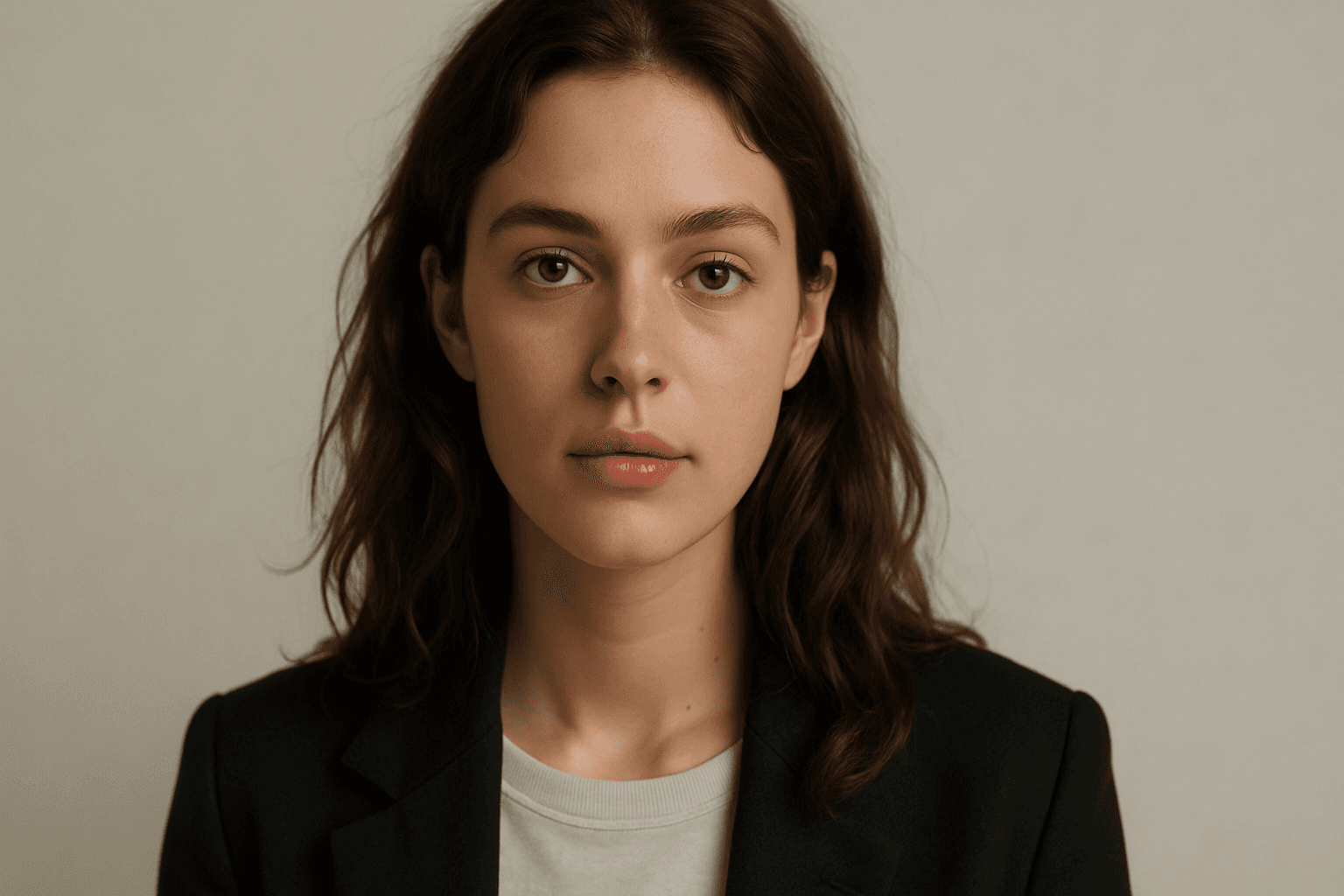
Diffuse lighting effect is a crucial concept in photography, art, and AI image generation that simulates soft, widespread light typically produced by overcast skies or light diffusion materials. This lighting style provides smooth gradations between light and shadow, avoiding harsh contrasts. When integrated into AI image prompts, it helps achieve images with a gentle, natural look that emphasizes subject details without dramatic shadows or glare. Diffuse lighting creates a mood of calm realism, ideal for portraits, product photography, and interior scenes. Understanding how to prompt for this effect enables creators to produce realistic and appealing visuals with enhanced depth and subtlety while maintaining a clean and harmonious composition.
Overhead Diffused Lighting
Overhead Diffused Lighting is a fundamental technique in photography and digital imaging that involves placing a diffused light source directly above the subject. This method softens shadows and reduces contrast, creating an inviting and natural look. When applied in AI image generation, including this keyword in prompts helps achieve realistic skin tones, fabric textures, and surface details without harsh lighting artifacts. It is especially effective for portraits, still lifes, and product photography. The technique enhances depth subtly, maintaining a premium, clean aesthetic that suits modern editorial and commercial imagery.