Overhead Diffused Lighting
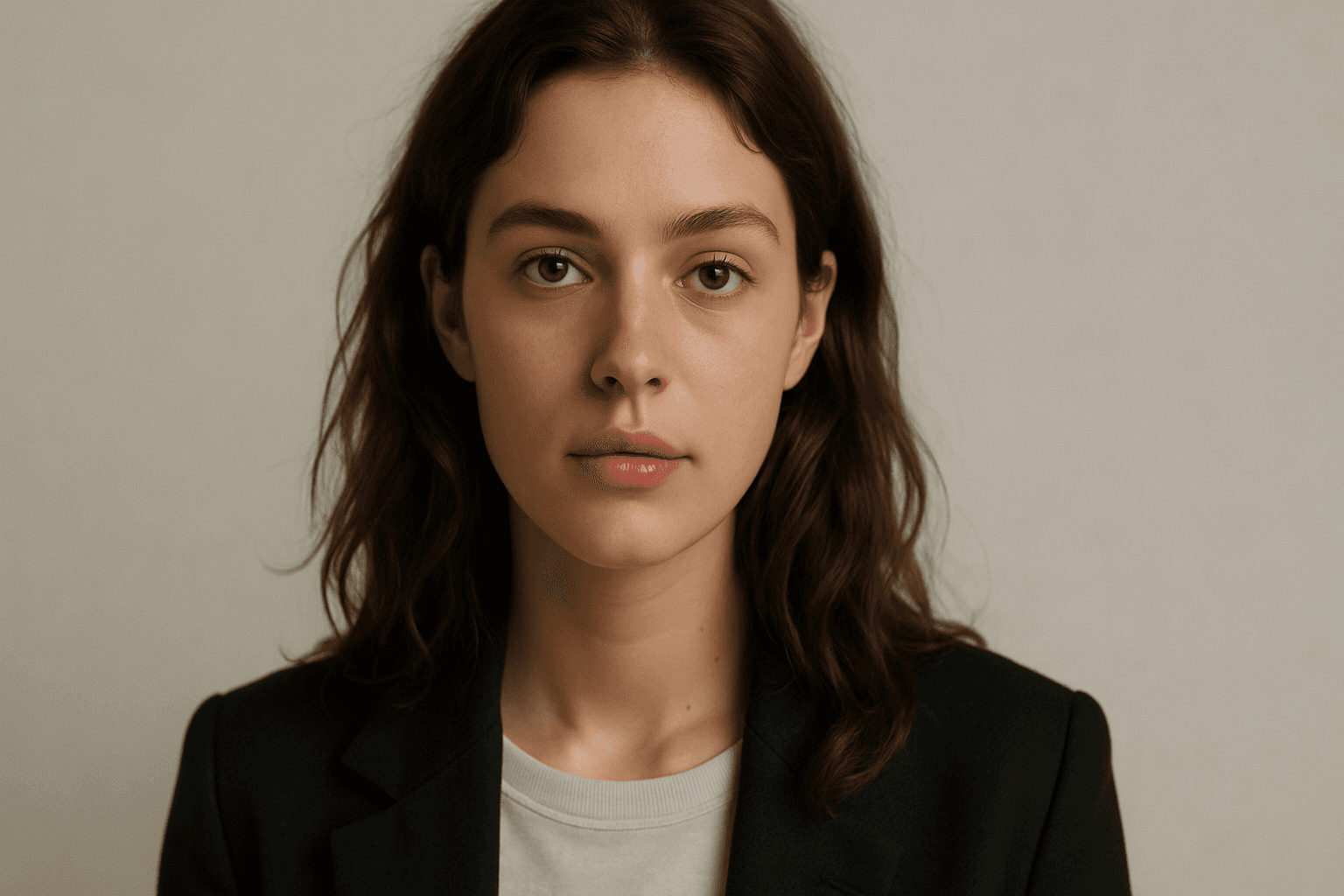
Overhead Diffused Lighting is a fundamental technique in photography and digital imaging that involves placing a diffused light source directly above the subject. This method softens shadows and reduces contrast, creating an inviting and natural look. When applied in AI image generation, including this keyword in prompts helps achieve realistic skin tones, fabric textures, and surface details without harsh lighting artifacts. It is especially effective for portraits, still lifes, and product photography. The technique enhances depth subtly, maintaining a premium, clean aesthetic that suits modern editorial and commercial imagery.
Definition
Overhead Diffused Lighting is a lighting approach where the light source is positioned above the subject and softened with diffusion materials to spread light evenly. This technique reduces harsh shadows and creates uniform illumination, producing a natural, flattering effect. In AI image prompts, using this keyword directs the model to generate images with gentle, overhead light that enhances textures and tones subtly.
Prompt Formula
To incorporate Overhead Diffused Lighting effectively, combine it with subject and style descriptors for balanced illumination. Example formulas: - [Subject], overhead diffused lighting, soft shadows, natural colors - [Scene], overhead diffused lighting, subtle highlights, premium editorial - [Subject], overhead diffused lighting, gentle illumination, realistic textures
- [Subject], overhead diffused lighting, soft shadows, natural colors
- [Scene], overhead diffused lighting, subtle highlights, premium editorial
- [Subject], overhead diffused lighting, gentle illumination, realistic textures
Best Use Cases
- Portrait photography where soft, flattering facial lighting is important
- Product photography needing even, glare-free illumination
- Editorial fashion shoots emphasizing natural skin and fabric detail
Related Styles
- Softbox Lighting
- Natural Light Diffusion
- Studio Soft Lighting
Model-Specific Tips
When working with various AI image models, keep your prompts clear and descriptive by pairing 'overhead diffused lighting' with concrete subjects and style cues. Avoid overly complex or ambiguous descriptions to prevent misinterpretations. Emphasize qualities like 'soft shadows,' 'natural colors,' and 'gentle illumination' alongside the lighting keyword to help the model synthesize coherent and natural lighting effects.
- Pair with descriptive adjectives such as 'soft,' 'gentle,' or 'natural'
- Combine with subject specifics for precise lighting effects
- Avoid conflicting lighting terms to maintain clarity
FAQ
How does overhead diffused lighting differ from direct overhead lighting?
Overhead diffused lighting softens and scatters light from above using diffusion materials, reducing sharp shadows, while direct overhead lighting casts harder shadows and stronger contrasts due to unfiltered light.
Can overhead diffused lighting be used effectively for both indoor and outdoor scenes in AI images?
Yes, this lighting style can simulate soft natural sunlight in outdoor settings or diffused artificial light indoors, making it versatile for many AI-generated scenarios.
Continue Exploring
Related Prompts
Soft Diffused Lighting
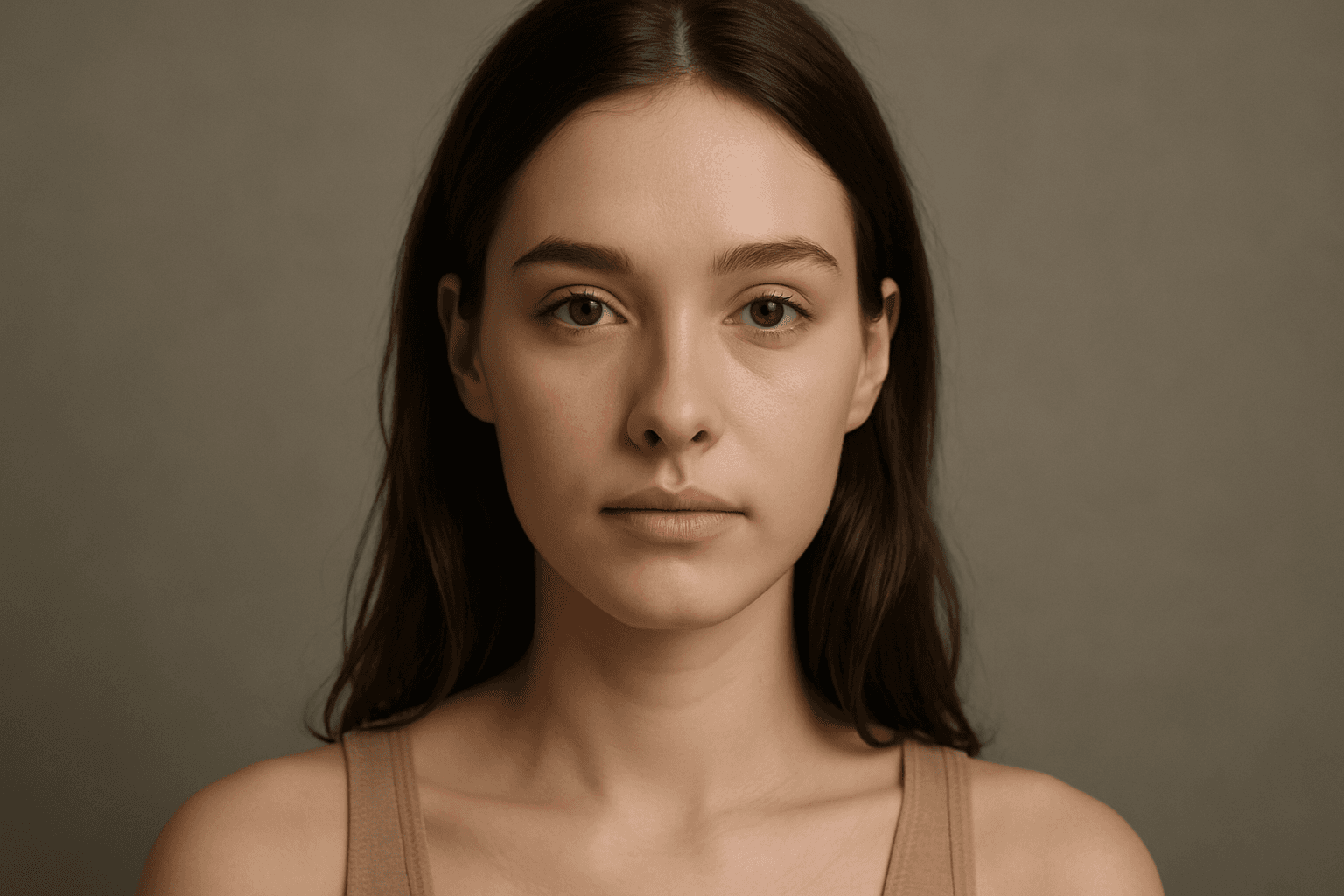
Soft diffused lighting is a popular lighting technique used to create visually appealing images with gentle, even illumination. This lighting style reduces harsh shadows and highlights, producing a smooth transition of light on subjects and backgrounds. In AI-generated imagery, specifying soft diffused lighting helps to evoke a natural, calming mood, making subjects appear more realistic and intricate details visible without stark contrast. It is commonly used in portraiture, product photography, and editorial imagery to deliver a polished, premium look. Leveraging soft diffused lighting enhances an image’s depth and material realism, ensuring a refined and aesthetically balanced output.
Overhead Lighting Technique
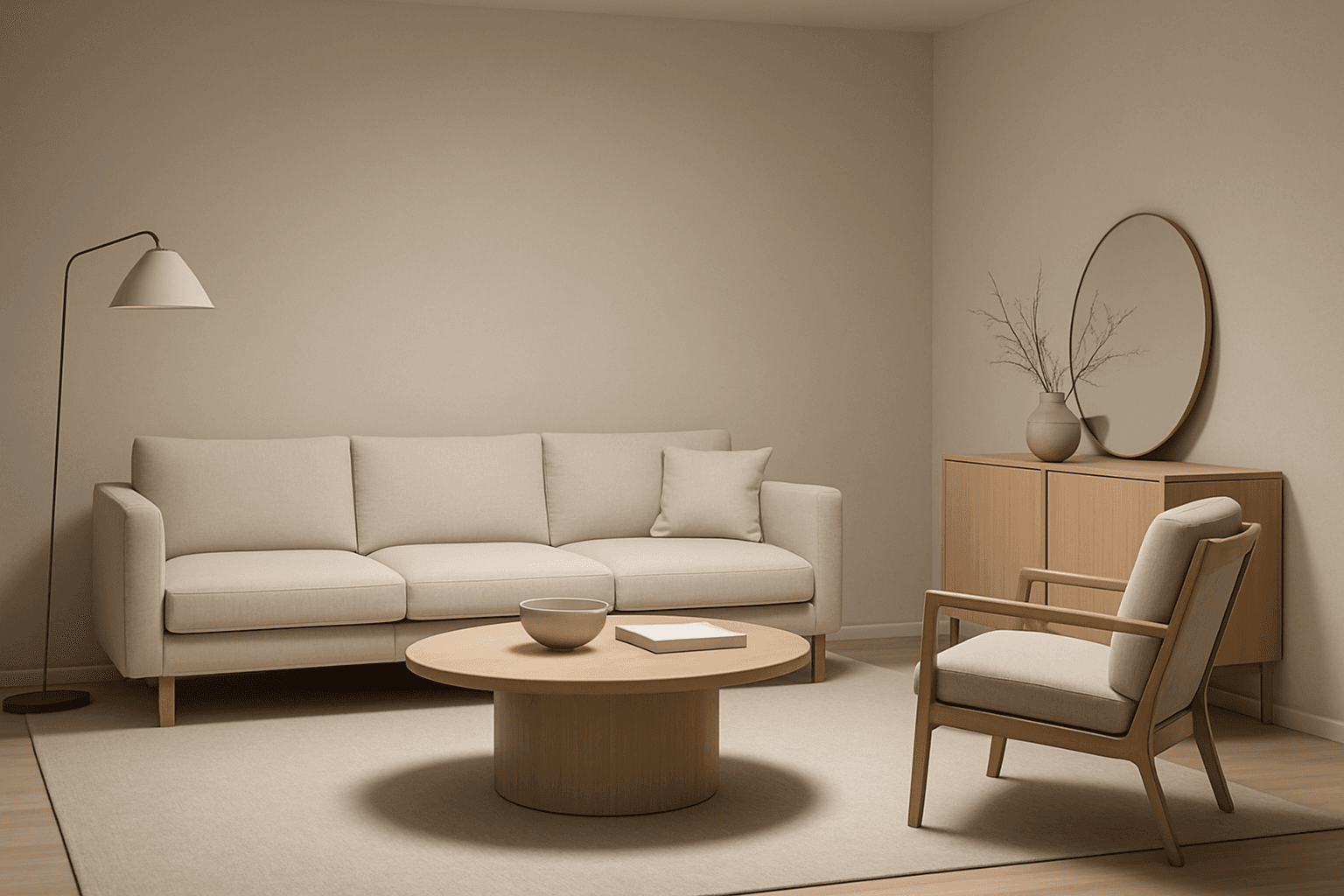
Using the overhead lighting technique in AI image generation adds a realistic and professional quality to images by simulating light coming from above the subject. This lighting style emphasizes the contours and shapes by casting natural shadows beneath objects, enhancing visual depth and dimensionality. It is frequently used in editorial photography, product displays, and interior visuals to create a refined mood and clarity. Incorporating overhead lighting into your prompts helps produce images with clean, premium aesthetics that suit commercial and artistic purposes alike.

Diffused Daylight Lighting
Diffused daylight lighting mimics the effect of sunlight filtered through clouds or sheer curtains, creating an environment with balanced, soft illumination. This type of lighting is valued for its ability to enhance realism and natural ambiance in AI-generated images. It avoids harsh contrasts and stark shadows, making scenes appear inviting and tactile. Using this keyword in prompts guides AI models to replicate a subtle, flattering light quality ideal for portraits, interiors, product photography, and nature scenes where natural, gentle light is preferred.
Ring Light Illumination
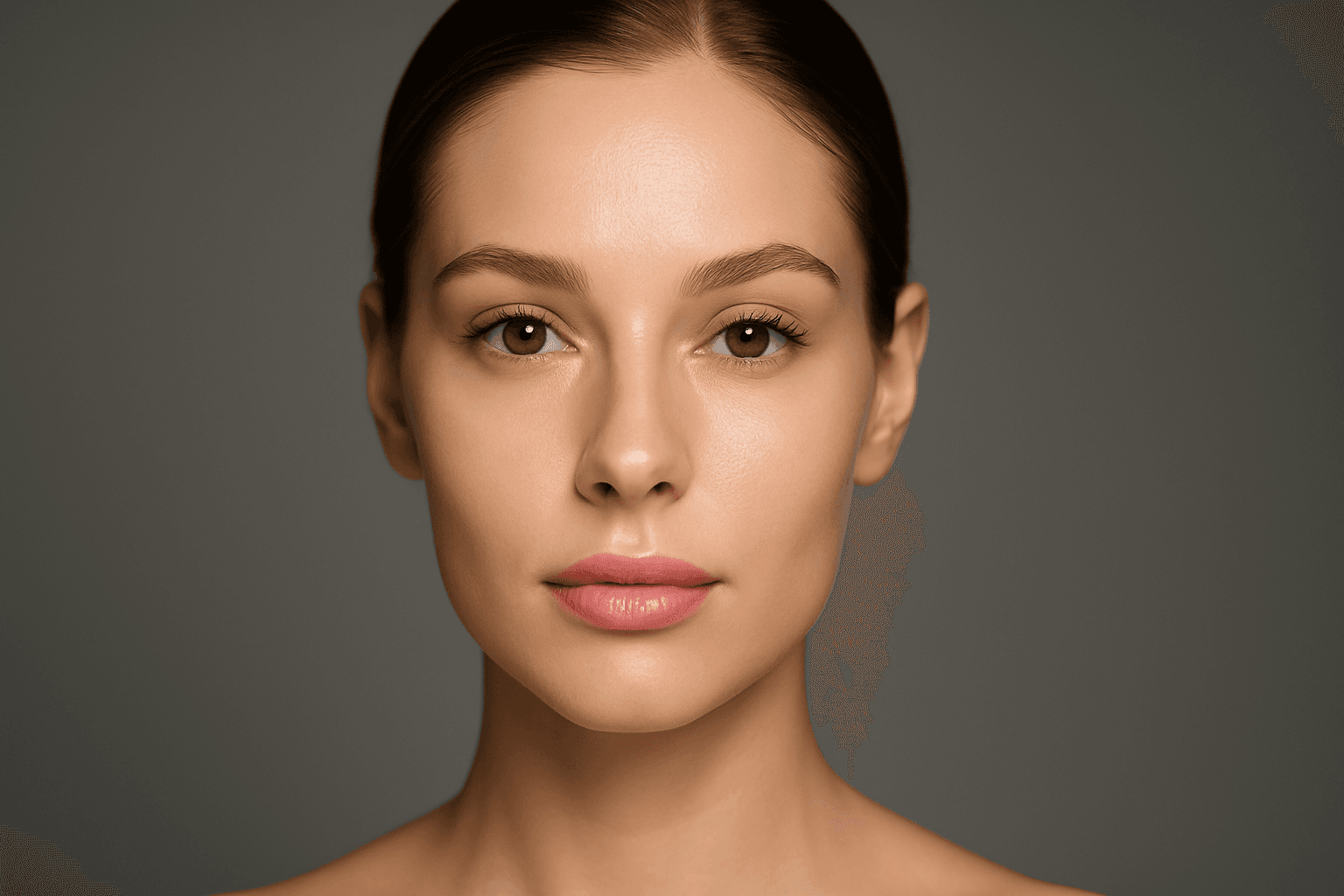
Ring Light Illumination is a popular lighting technique used in photography and videography to achieve a smooth, shadowless look by positioning a circular light around the lens. This setup creates a distinct ring-shaped catchlight that adds aesthetic appeal and highlights fine features with soft, diffused brightness. Incorporating this lighting style into AI image prompts helps generate images with professional, clean, and flattering illumination, ideal for portraits, product shots, and beauty imagery. It reduces harsh contrasts and highlights textures, offering a polished, premium visual effect that enhances subject clarity and attractiveness in various compositions.

Soft Fill Light Setup
Soft fill light setup is an essential lighting approach in photography, cinematography, and AI image generation that focuses on enhancing visual clarity by gently illuminating subjects. This method employs diffused light sources positioned strategically to fill in shadows without creating new ones or flattening the image's depth. In AI-generated images, specifying a soft fill light setup guides the model to render scenes with subtle shading and natural contrast, making portraits, still life, and product shots appear more realistic and appealing. By balancing the interplay between light and shadow, the soft fill light setup adds dimension while maintaining a polished and professional look suitable for editorial, commercial, and creative projects.
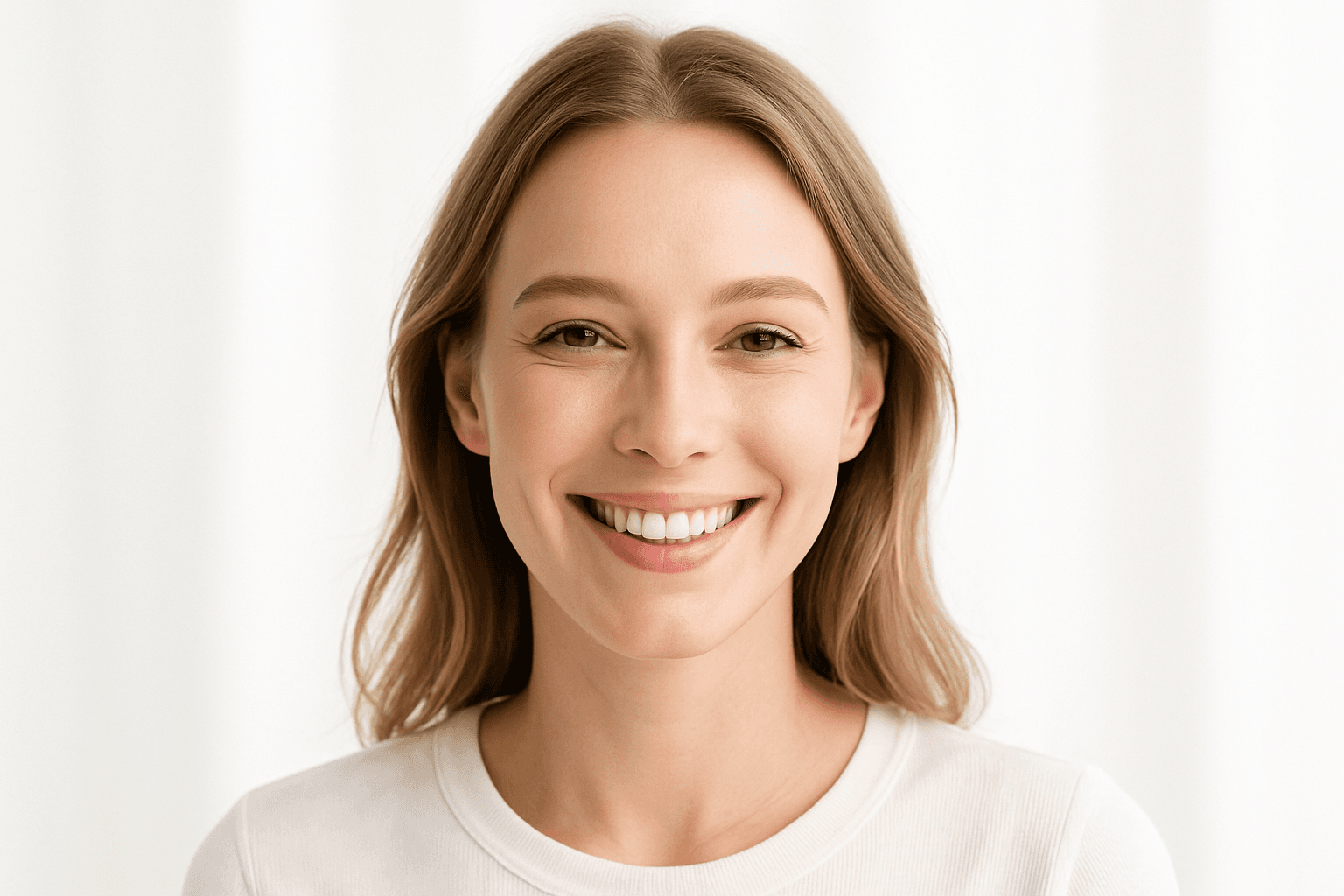
High Key Lighting Setup
High Key Lighting Setup transforms the mood and clarity of an image by emphasizing brightness and reducing harsh shadows. This style is known for its airy, clean, and polished aesthetic that enhances softness and detail. In AI image generation, specifying a high key lighting setup helps evoke feelings of freshness, positivity, and elegance, making images appear bright and inviting. It effectively highlights textures and color purity without dramatic shadows, which suits product photography, portraits, and editorial uses where a crisp, premium look is desired. Understanding and applying high key lighting keywords in prompts ensure consistent outputs aligned with this visual ethos.