Ring Light Illumination
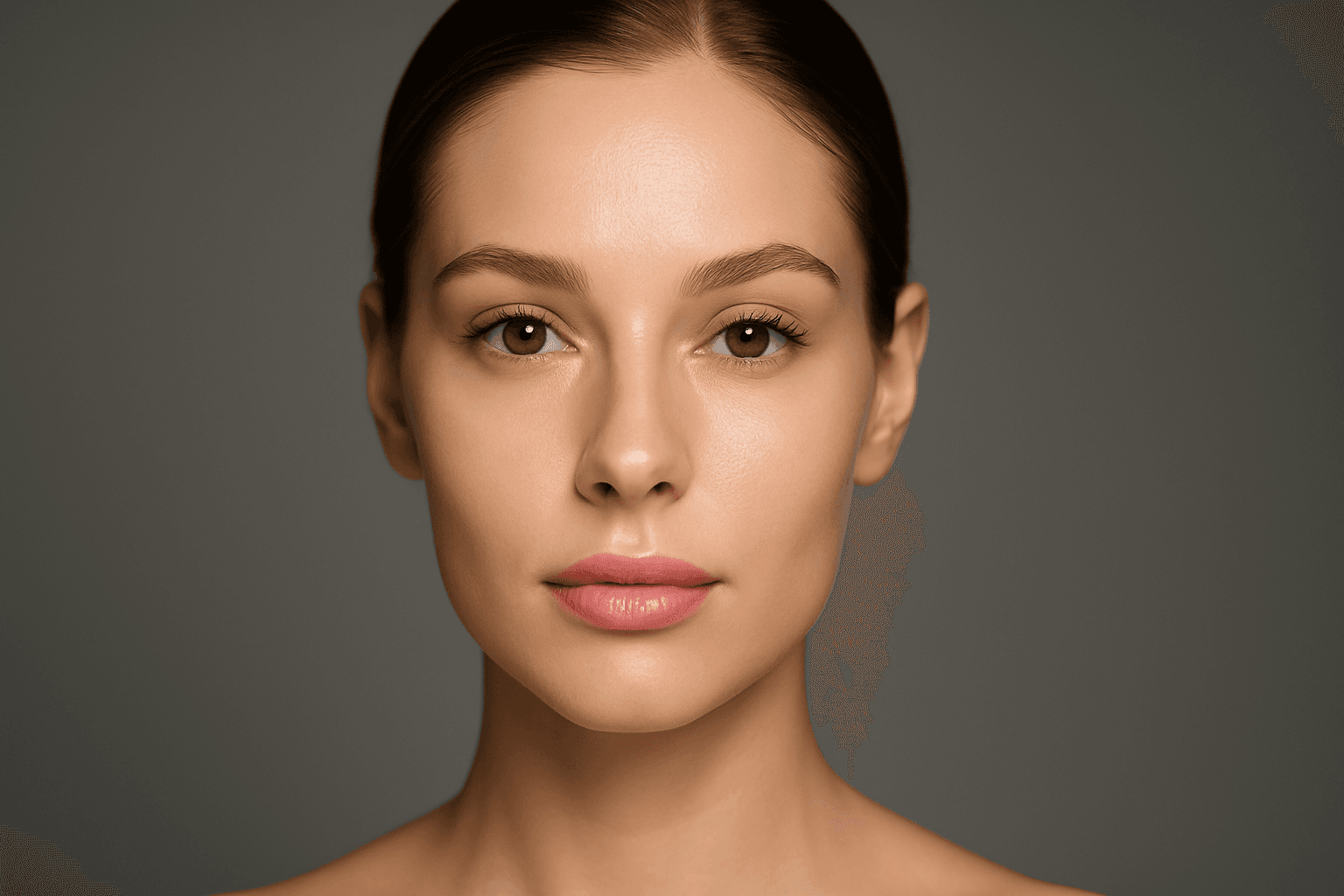
Ring Light Illumination is a popular lighting technique used in photography and videography to achieve a smooth, shadowless look by positioning a circular light around the lens. This setup creates a distinct ring-shaped catchlight that adds aesthetic appeal and highlights fine features with soft, diffused brightness. Incorporating this lighting style into AI image prompts helps generate images with professional, clean, and flattering illumination, ideal for portraits, product shots, and beauty imagery. It reduces harsh contrasts and highlights textures, offering a polished, premium visual effect that enhances subject clarity and attractiveness in various compositions.
Definition
Ring Light Illumination is a lighting method utilizing a circular light ring positioned around the camera lens. This produces even, soft, and flattering light on the subject, minimizing shadows and creating a distinctive ring-shaped photic reflection, commonly in the eyes of portraits or reflective surfaces. In AI image prompts, adding this term instructs the model to replicate these lighting characteristics, improving clarity, brightness, and aesthetic appeal.
Prompt Formula
To incorporate Ring Light Illumination effectively in prompts, use combinations like: 1. Subject description + 'ring light illumination' + lighting adjectives (e.g., soft, even, diffused) 2. Specify catchlight appearance: 'circular catchlight in eyes' or 'ring-shaped reflection' 3. Add scenario or setting for context: 'studio background' or 'white seamless backdrop'
- [subject], ring light illumination, soft even lighting, high detail
- close-up [object], ring light illumination, circular catchlight, crisp textures
- [environment], ring light illumination, clean background, flattering light
Best Use Cases
- Beauty and portrait photography requiring soft, shadowless illumination
- Product photography needing texture emphasis and clear reflections
- Social media influencer and tutorial setups for polished, premium looks
Creative Variations
To avoid repetitive outputs when using 'Ring Light Illumination', experiment with variations like: - Color temperature shifts (warm, cool, neutral) - Adding subtle shadows or partial side lighting for dimension - Combining with different backgrounds (studio, lifestyle, abstract) - Varying catchlight size or intensity - Introducing additional reflective surfaces or props
- Warm ring light illumination for cozy effect
- Cool, blue-toned ring light for modern aesthetics
- Ring light illumination with dark, moody background for contrast
- Partial wrap-around ring light with soft shadows for depth
Industry Applications
Ring Light Illumination is widely applied across multiple commercial fields. In advertising, it delivers polished visuals essential for beauty and tech product promotions. Editorial use includes fashion and portrait story layouts where flattering light is critical. E-commerce relies on this lighting style to present products with minimal distractions, highlighting detail. Social media and influencer marketing benefit from the soft, appealing glow enhancing personal branding and tutorial content.
- Advertising for cosmetics and technology products
- Editorial fashion and portrait photography
- E-commerce product listings and social content
Common Mistakes
Typical prompt errors involving Ring Light Illumination include overusing generic terms without specifying light quality, resulting in flat or unrealistic images. Failing to mention catchlight details can omit the distinctive ring reflection, reducing authenticity. Additionally, combining it with overly harsh or complex lighting descriptors may produce conflicting or muddy visuals. To avoid this, keep prompts concise, emphasize soft and even lighting qualities, and clarify reflections or shadows as needed.
- Omitting catchlight description leads to less authentic ring light effect
- Mixing ring light with harsh directional light causes conflicting illumination
- Using vague lighting adjectives yields flat or unnatural results
- Excessive modifiers clutter the prompt and degrade clarity
Advanced Techniques
Experienced prompt writers can enhance Ring Light Illumination effects by integrating constraints such as specifying aperture settings for depth of field, adjusting light intensity, or combining with secondary light sources (e.g., softbox fill). Employing camera angle directives (e.g., eye-level, close-up) helps control catchlight visibility. Defining material properties (skin texture, reflective surfaces) influences how the ring light interacts realistically. These refinements generate nuanced, professional-grade images with optimized lighting balance.
- Combine ‘ring light illumination’ with ‘softbox fill light’ for dimensionality
- Specify 'aperture f/2.8' to enhance background bokeh and subject focus
- Use 'eye-level angle with circular catchlight visible' for portrait authenticity
- Detail skin texture descriptors to affect light diffusion quality
Professional Workflow
A streamlined workflow for using Ring Light Illumination in AI image generation involves: (1) Defining the subject and desired mood with clear lighting goals; (2) Crafting precise prompts emphasizing ring light characteristics and settings; (3) Running iterative generations adjusting intensity and catchlight parameters; (4) Selecting images with natural, flattering illumination and distinct ring reflections; (5) Refining chosen outputs with minor edits or upscaling for clarity. This ensures consistently high-quality, usable images fitting professional standards.
- Brief subject and lighting style focusing on ring light effects
- Generate multiple prompts refining light softness and catchlights
- Select images with authentic ring reflection and flattering exposure
- Post-process subtle enhancements maintaining natural light quality
FAQ
What is the visual effect of Ring Light Illumination in AI-generated images?
It creates an even, soft lighting effect with minimal shadows and produces a distinctive circular catchlight reflection visible in eyes or shiny surfaces, enhancing the subject's clarity and appeal.
Can I combine Ring Light Illumination with other lighting styles in AI prompts?
Yes, combining it with fill lights like softboxes or natural light can add dimension and depth, but prompts should specify lighting intent clearly to avoid conflicting effects.
Continue Exploring
Related Prompts

Ring Light Portrait Setup
Ring light portrait setups are popular for producing flattering and professional portraits by offering uniform lighting that reduces shadows and highlights details evenly. This lighting technique is especially favored in beauty, fashion, and social media photography for its ability to emphasize skin texture and facial features attractively. When integrated into AI image prompts, specifying a ring light portrait setup helps achieve realistic, high-quality portraits with characteristic circular catchlights in the eyes and soft, balanced illumination. This results in images suitable for editorial, commercial, and creative applications requiring premium lighting aesthetics.
Ambient Light Effects
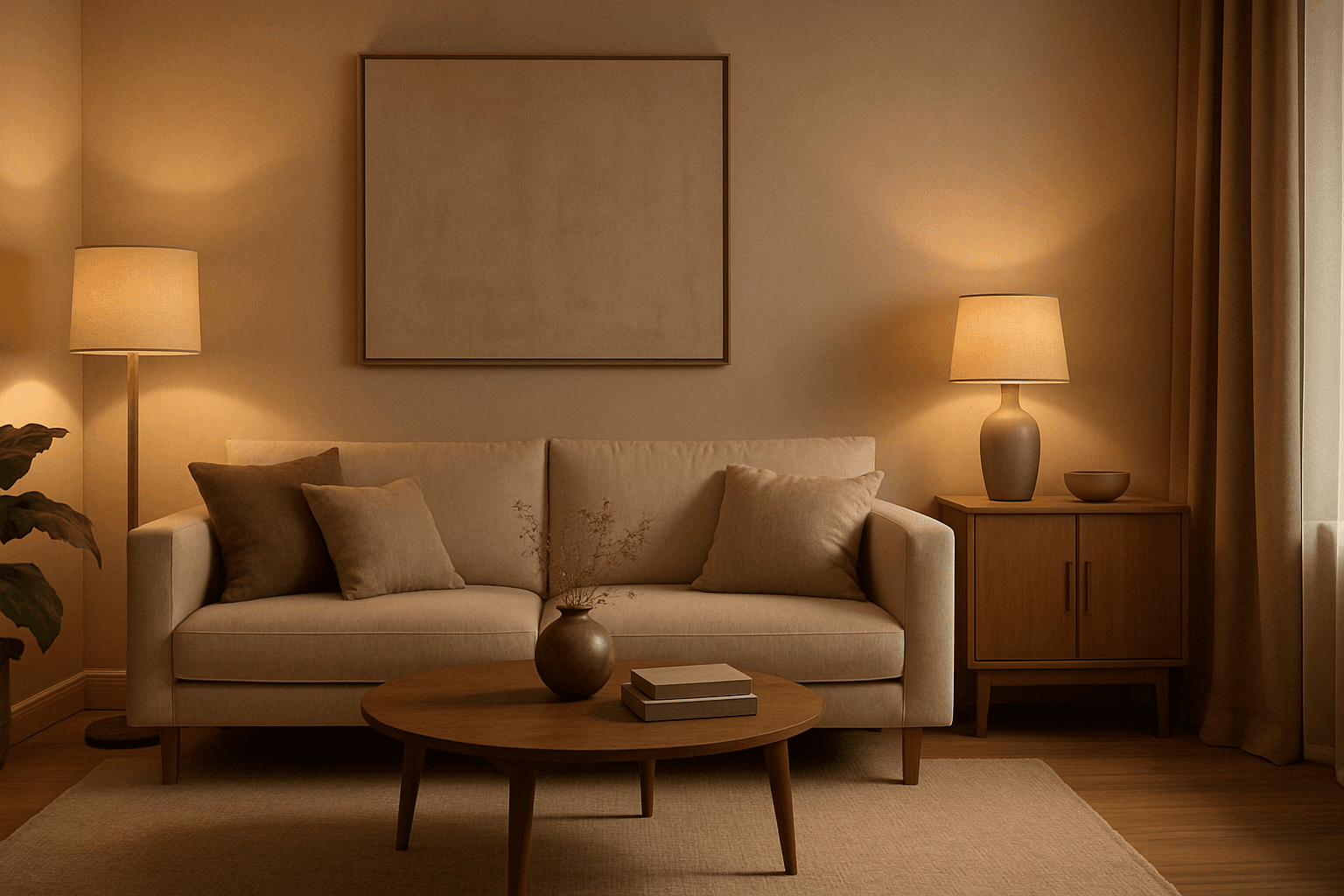
Ambient Light Effects in AI-generated images create a harmonious and natural lighting environment that enhances realism and mood without overpowering contrasts. This lighting type softly bathes scenes in diffuse light, mimicking the effect of indirect sunlight or overcast skies. By integrating ambient light into prompts, users can achieve visuals that feel authentic and immersive, ideal for scenes requiring subtle illumination or a calm atmosphere. This approach minimizes harsh shadows and bright spots, yielding images with smooth gradations and an understated elegance. The result is a balanced exposure that allows textures and colors to appear true to life, enhancing the viewer’s emotional connection.
High Key Lighting Setup
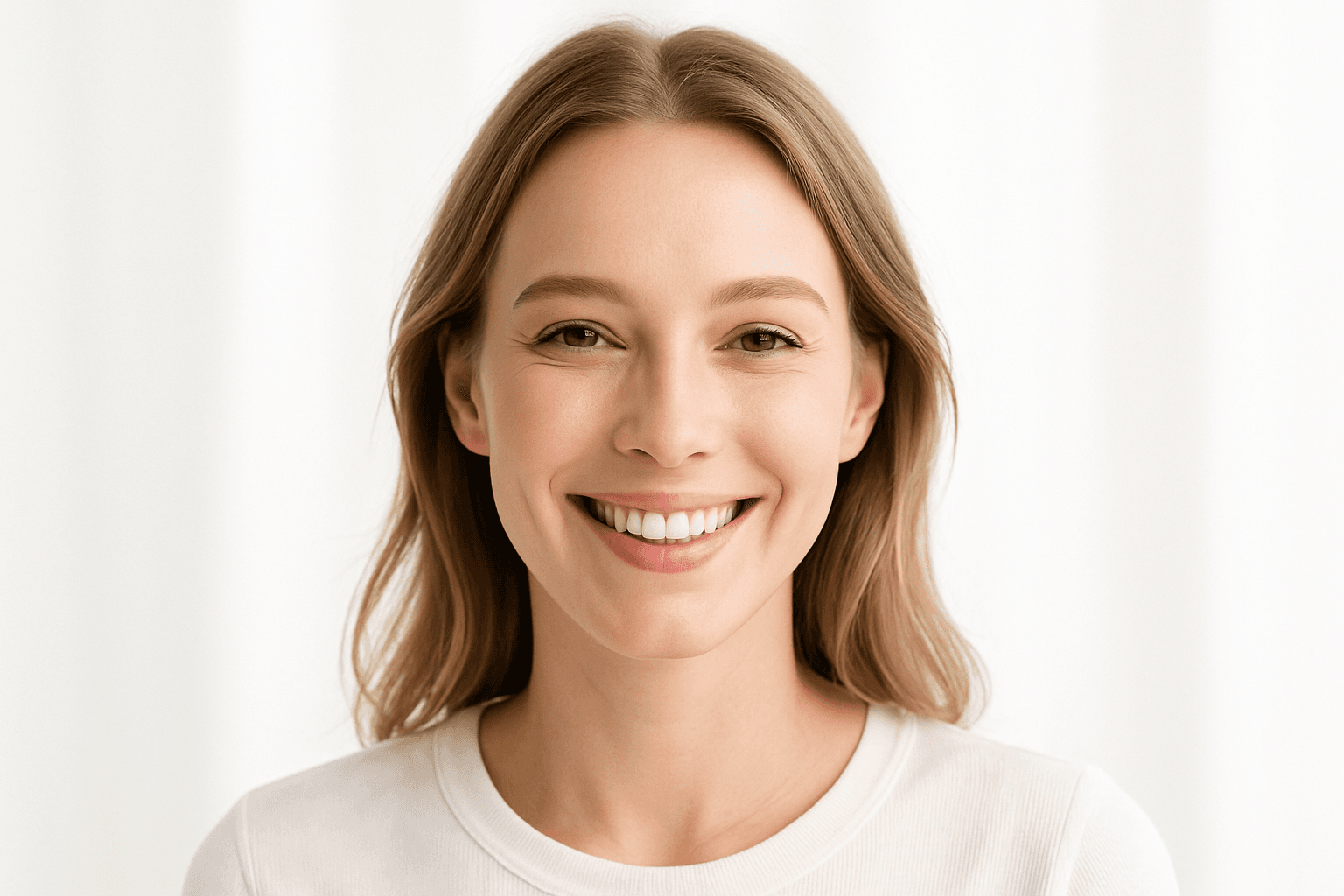
High Key Lighting Setup transforms the mood and clarity of an image by emphasizing brightness and reducing harsh shadows. This style is known for its airy, clean, and polished aesthetic that enhances softness and detail. In AI image generation, specifying a high key lighting setup helps evoke feelings of freshness, positivity, and elegance, making images appear bright and inviting. It effectively highlights textures and color purity without dramatic shadows, which suits product photography, portraits, and editorial uses where a crisp, premium look is desired. Understanding and applying high key lighting keywords in prompts ensure consistent outputs aligned with this visual ethos.
Soft Diffused Lighting
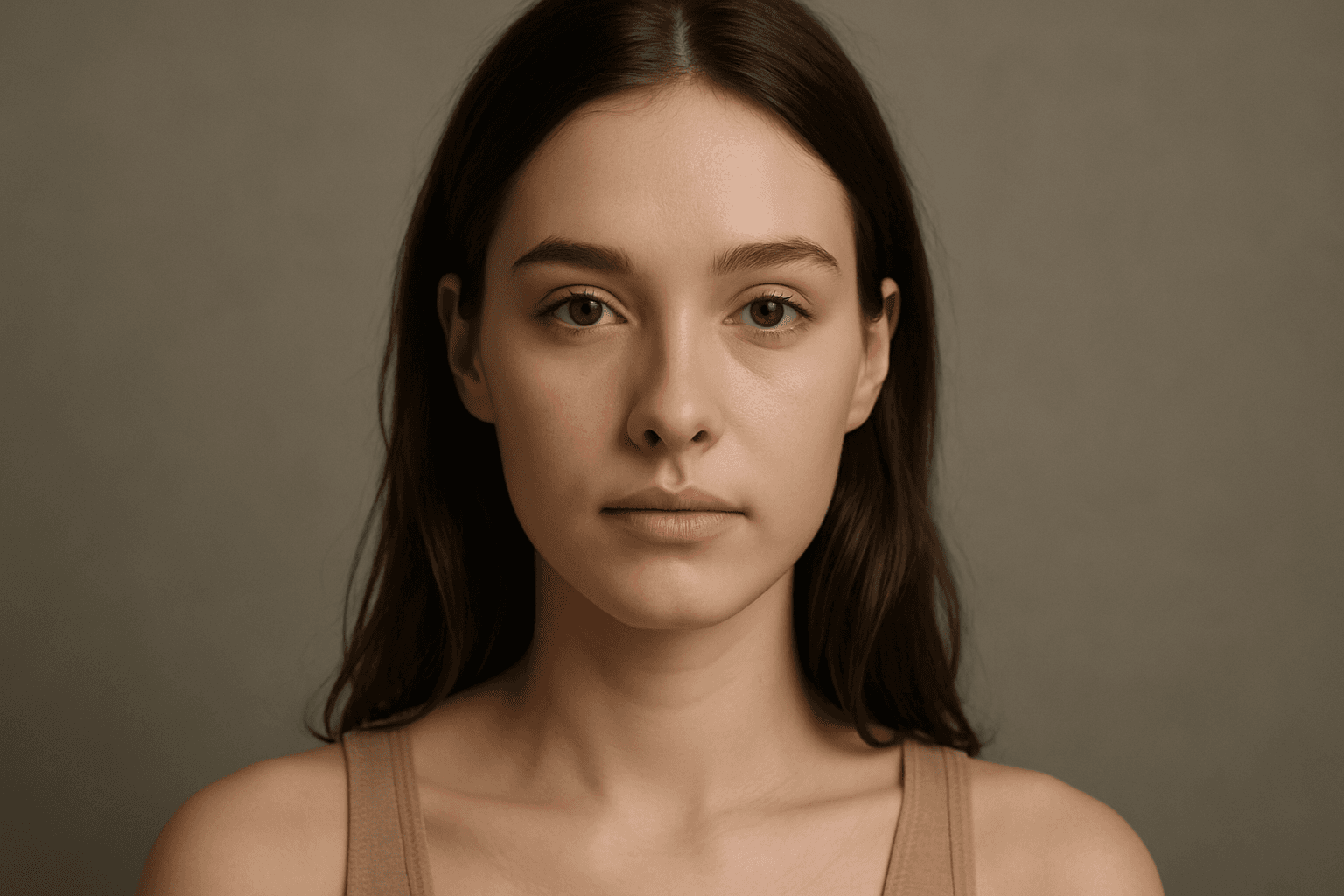
Soft diffused lighting is a popular lighting technique used to create visually appealing images with gentle, even illumination. This lighting style reduces harsh shadows and highlights, producing a smooth transition of light on subjects and backgrounds. In AI-generated imagery, specifying soft diffused lighting helps to evoke a natural, calming mood, making subjects appear more realistic and intricate details visible without stark contrast. It is commonly used in portraiture, product photography, and editorial imagery to deliver a polished, premium look. Leveraging soft diffused lighting enhances an image’s depth and material realism, ensuring a refined and aesthetically balanced output.

Soft Fill Light Setup
Soft fill light setup is an essential lighting approach in photography, cinematography, and AI image generation that focuses on enhancing visual clarity by gently illuminating subjects. This method employs diffused light sources positioned strategically to fill in shadows without creating new ones or flattening the image's depth. In AI-generated images, specifying a soft fill light setup guides the model to render scenes with subtle shading and natural contrast, making portraits, still life, and product shots appear more realistic and appealing. By balancing the interplay between light and shadow, the soft fill light setup adds dimension while maintaining a polished and professional look suitable for editorial, commercial, and creative projects.
Golden Hour Soft Light
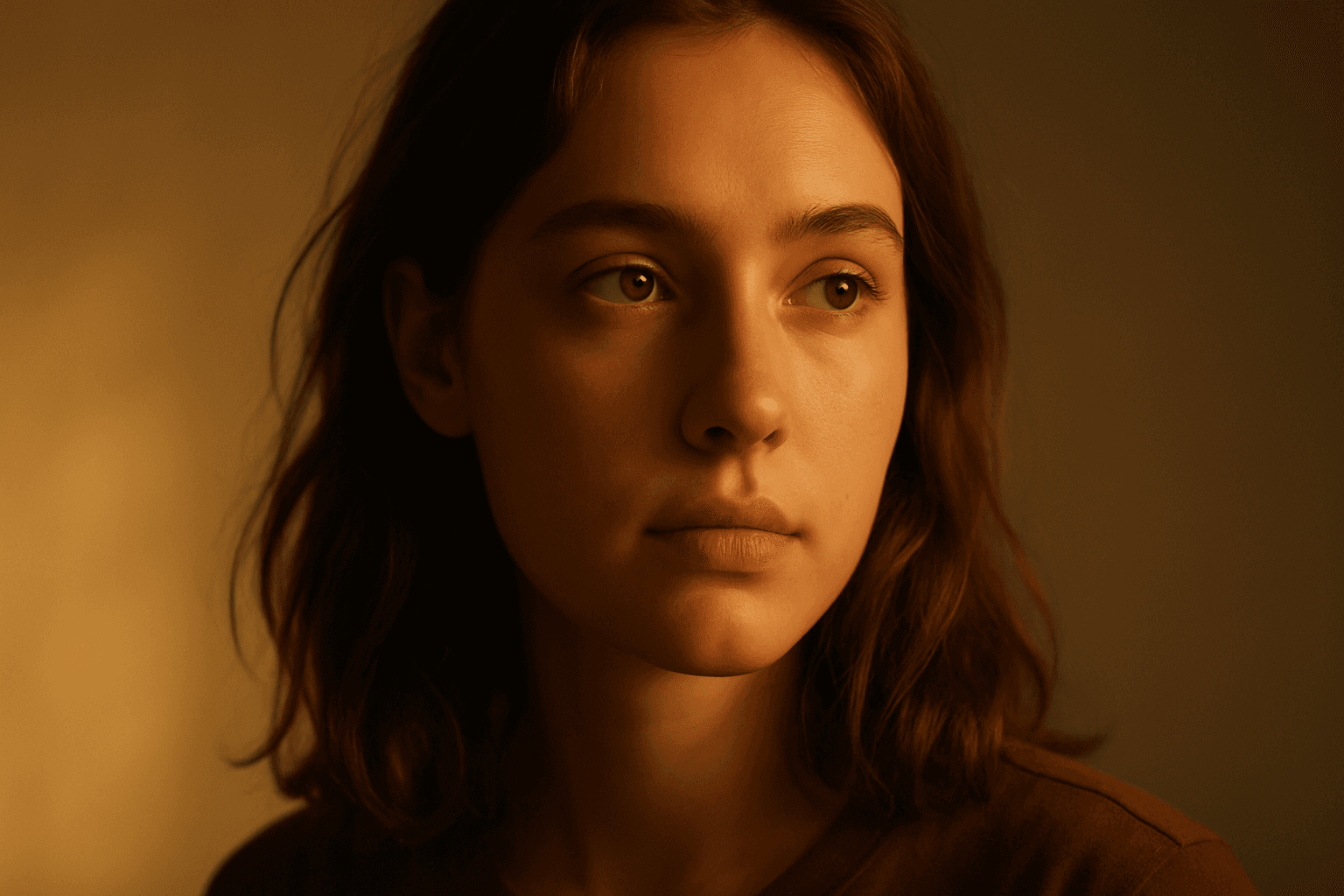
Golden Hour Soft Light captures the magical lighting conditions during the early morning or late afternoon sun. This natural lighting style is prized for its warm colors and flattering softness, often leading to images that feel intimate and aesthetically pleasing. When incorporated into AI prompts, it helps generate scenes with realistic ambient and directional light that evokes emotion and depth. This lighting style works well across portraiture, landscapes, and still-life imagery, providing a premium and elegant look. It subtly enhances textures and materials without harsh contrasts or glare, offering a polished and professional finish suitable for editorial and commercial use.