Ambient Light Effects
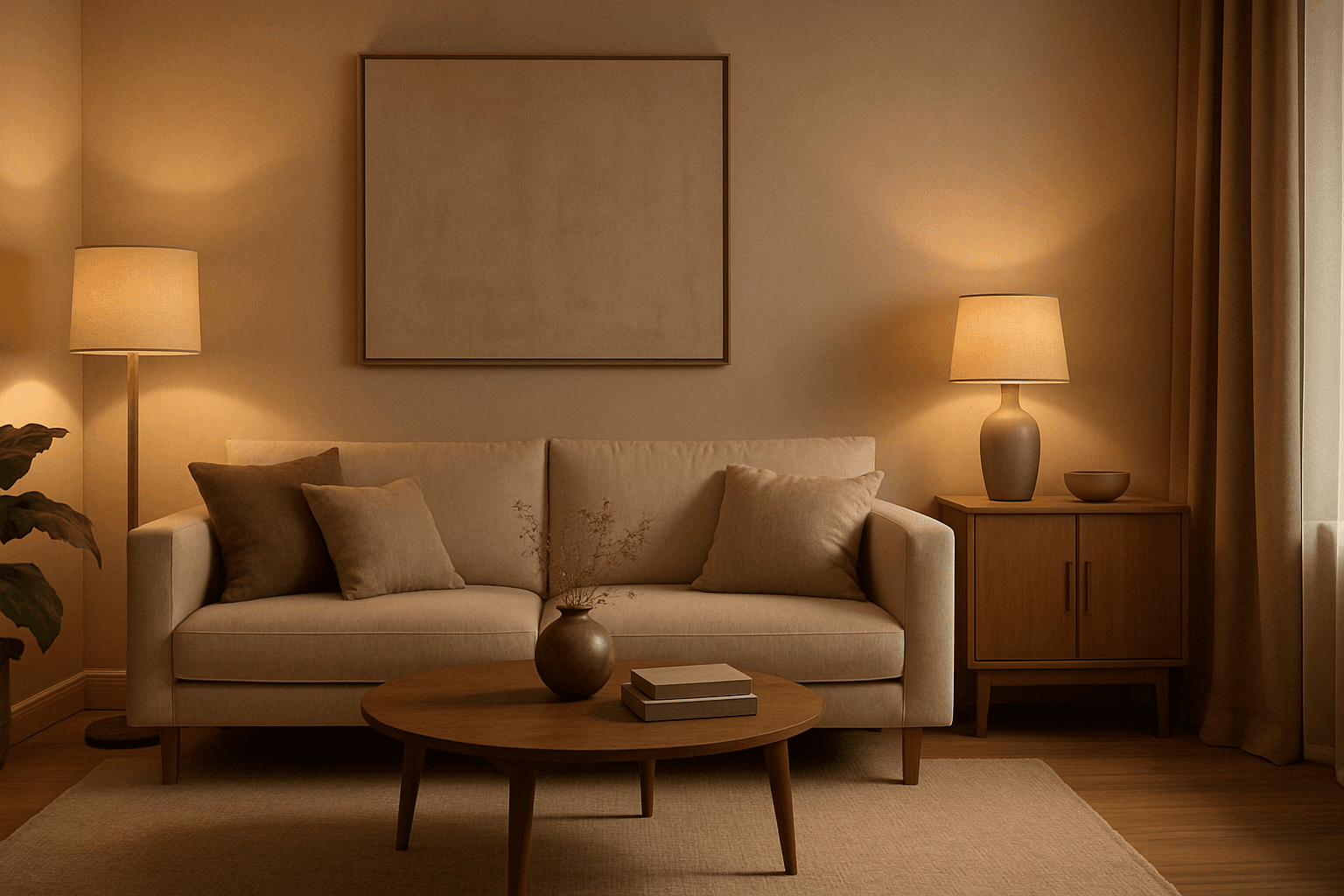
Ambient Light Effects in AI-generated images create a harmonious and natural lighting environment that enhances realism and mood without overpowering contrasts. This lighting type softly bathes scenes in diffuse light, mimicking the effect of indirect sunlight or overcast skies. By integrating ambient light into prompts, users can achieve visuals that feel authentic and immersive, ideal for scenes requiring subtle illumination or a calm atmosphere. This approach minimizes harsh shadows and bright spots, yielding images with smooth gradations and an understated elegance. The result is a balanced exposure that allows textures and colors to appear true to life, enhancing the viewer’s emotional connection.
Definition
Ambient Light Effects simulate soft, diffused lighting that evenly illuminates environments or subjects in AI-generated imagery. Unlike direct or focused light sources, ambient light provides gentle, all-around illumination that minimizes shadows and highlights, creating a natural and balanced atmosphere. Including this keyword in prompts guides the AI to produce scenes with subtle lighting nuances, enhancing realism and mood without harsh contrasts.
Visual Characteristics
- Soft and even light distribution across the scene
- Minimal or nonexistent harsh shadows and bright spots
- Colors appear natural and cohesive with gentle gradations
Prompt Formula
To effectively incorporate Ambient Light Effects, combine descriptors of light quality with mood and environmental context. Use phrases like "soft ambient light," "diffuse illumination," or "natural ambient glow" followed by scene details. Emphasize adjectives that describe subtlety and balance, such as "gentle," "muted," or "calm." For example:
- "soft ambient light creating a warm, cozy atmosphere"
- "diffuse illumination with smooth shadows in an interior"
- "natural ambient glow highlighting textures without glare"
Best Use Cases
- Creating realistic indoor scenes emphasizing atmosphere over dramatic contrast
- Generating product images where glare and reflections should be minimized
- Portraits or character renders requiring flattering, natural lighting
Creative Variations
To diversify Ambient Light Effects in prompts, experiment with variations in color temperature, intensity, and environment. Combining ambient light with elements like fog or haze can add depth. Alternatively, specify different times of day or weather conditions to influence ambient qualities.
- Cool ambient light for moody, overcast scenes
- Warm ambient glow simulating sunset or candlelight
- Ambient light filtered through foliage for dappled effects
FAQ
How does ambient light differ from direct lighting in AI image prompts?
Ambient light provides soft, even illumination without defined shadows or bright spots, creating a balanced atmosphere. Direct lighting produces distinct highlights and shadows with sharper contrasts, often creating drama or focus.
Can I combine ambient light with other lighting effects in a prompt?
Yes, combining ambient light with directional or accent lights can produce complex, realistic lighting scenarios, adding depth and interest to AI-generated images.
Continue Exploring
Related Prompts
Soft Diffused Lighting
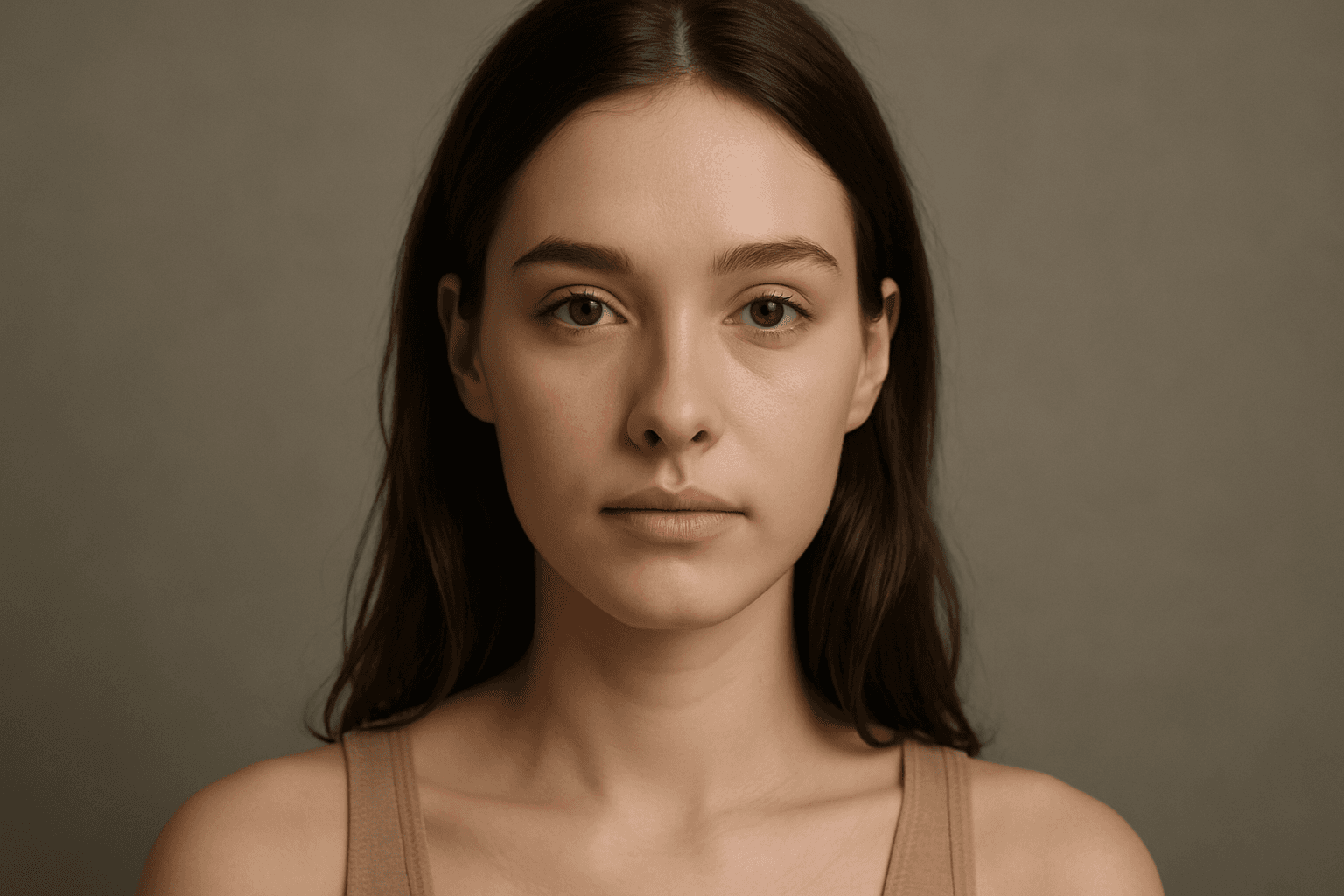
Soft diffused lighting is a popular lighting technique used to create visually appealing images with gentle, even illumination. This lighting style reduces harsh shadows and highlights, producing a smooth transition of light on subjects and backgrounds. In AI-generated imagery, specifying soft diffused lighting helps to evoke a natural, calming mood, making subjects appear more realistic and intricate details visible without stark contrast. It is commonly used in portraiture, product photography, and editorial imagery to deliver a polished, premium look. Leveraging soft diffused lighting enhances an image’s depth and material realism, ensuring a refined and aesthetically balanced output.
Reflected Light Technique
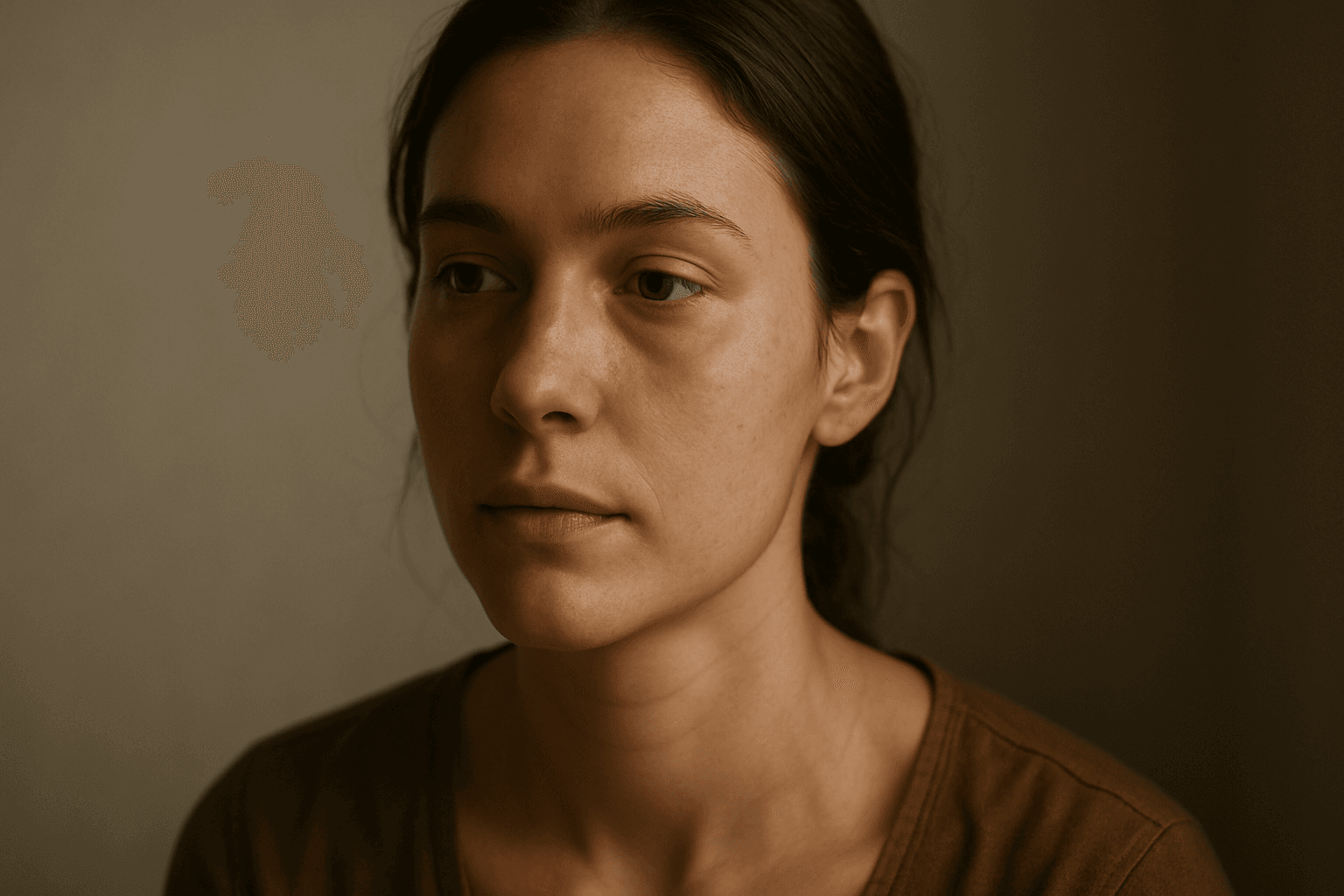
The reflected light technique is essential for artists and AI users aiming to enhance the quality and realism of generated images. By incorporating reflected light cues into prompts, the AI simulates indirect lighting effects that naturally exist in real-world scenes. This technique softens shadows, improves spatial depth, and accentuates textures and materials subtly. It is especially beneficial in portrait, still life, and interior imagery, where nuanced light behavior impacts mood and detail perception. Using reflected light can transform flat, unrealistic images into visually engaging artwork with a heightened sense of atmosphere and authenticity.
Warm Ambient Glow
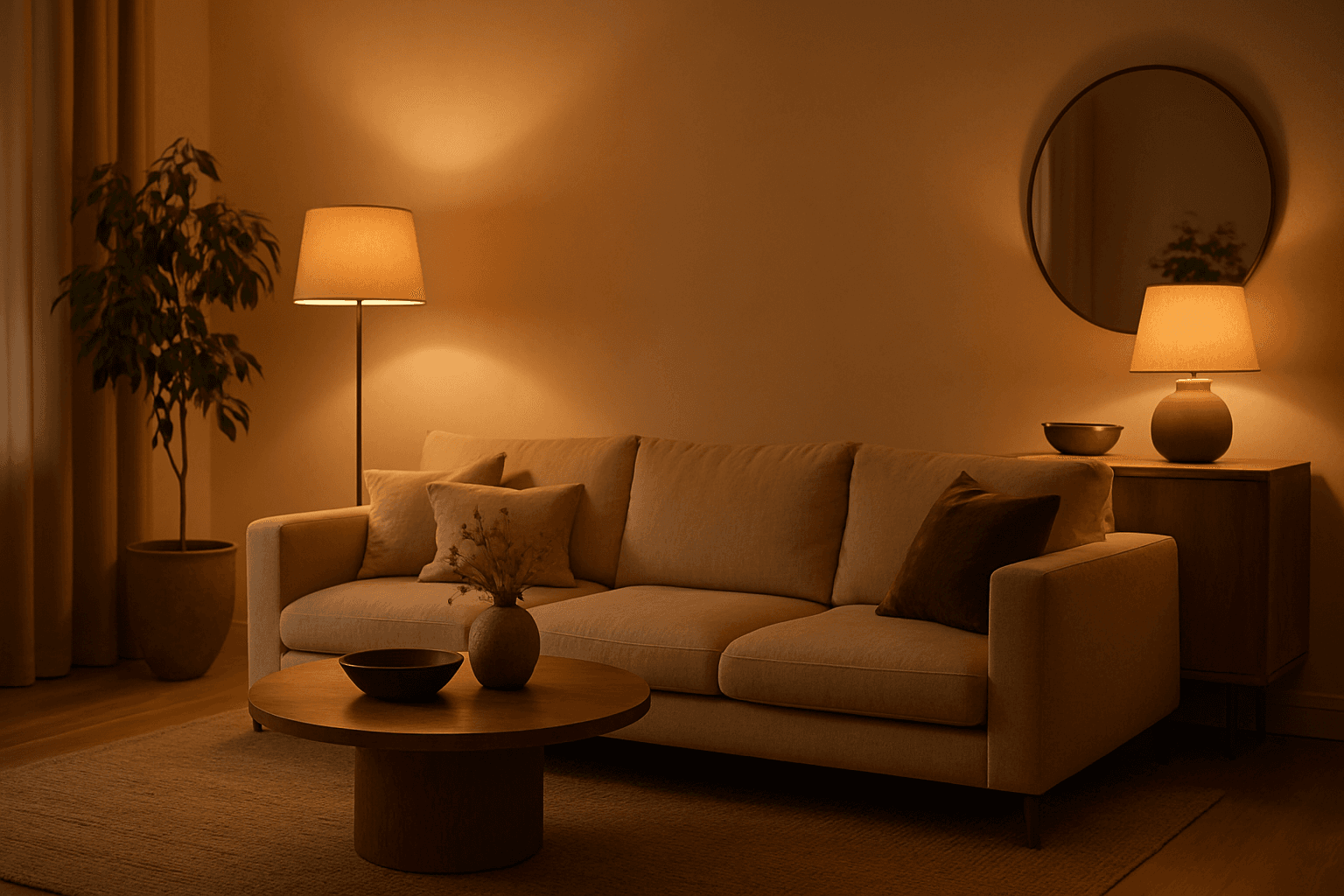
In AI-generated imagery, the "Warm Ambient Glow" keyword is used to simulate cozy, inviting lighting environments characterized by soft, warm illumination that enriches the visual texture and mood. This lighting effect mimics natural golden-hour sunlight or artificial sources like incandescent lamps, casting gentle gradients of warm light that add emotional warmth and realism without overpowering highlights or harsh contrasts. The resulting images often convey feelings of comfort, intimacy, or nostalgia and are especially valuable in editorial, lifestyle, and interior design visuals. Incorporating this prompt keyword encourages AI models to focus on warm tones and a balanced ambient light distribution, making it ideal for enhancing the aesthetic appeal of portraits, product shots, and environmental scenes with a premium, polished finish.

Natural Window Light Quality
Natural window light quality is a sought-after lighting effect in photography and digital art, providing an authentic and warm ambiance to images. This type of lighting emulates sunlight entering through a window, often resulting in soft shadows and delicate contrast that highlight textures and materials naturally. In AI image generation, using this lighting quality can transform compositions to appear more lifelike and emotionally engaging, enhancing the mood without harsh artificial lighting. It's ideal for editorial, lifestyle, and interior imagery where realism and a comfortable atmosphere are essential.

Soft Fill Light Setup
Soft fill light setup is an essential lighting approach in photography, cinematography, and AI image generation that focuses on enhancing visual clarity by gently illuminating subjects. This method employs diffused light sources positioned strategically to fill in shadows without creating new ones or flattening the image's depth. In AI-generated images, specifying a soft fill light setup guides the model to render scenes with subtle shading and natural contrast, making portraits, still life, and product shots appear more realistic and appealing. By balancing the interplay between light and shadow, the soft fill light setup adds dimension while maintaining a polished and professional look suitable for editorial, commercial, and creative projects.
Soft Ambient Glow
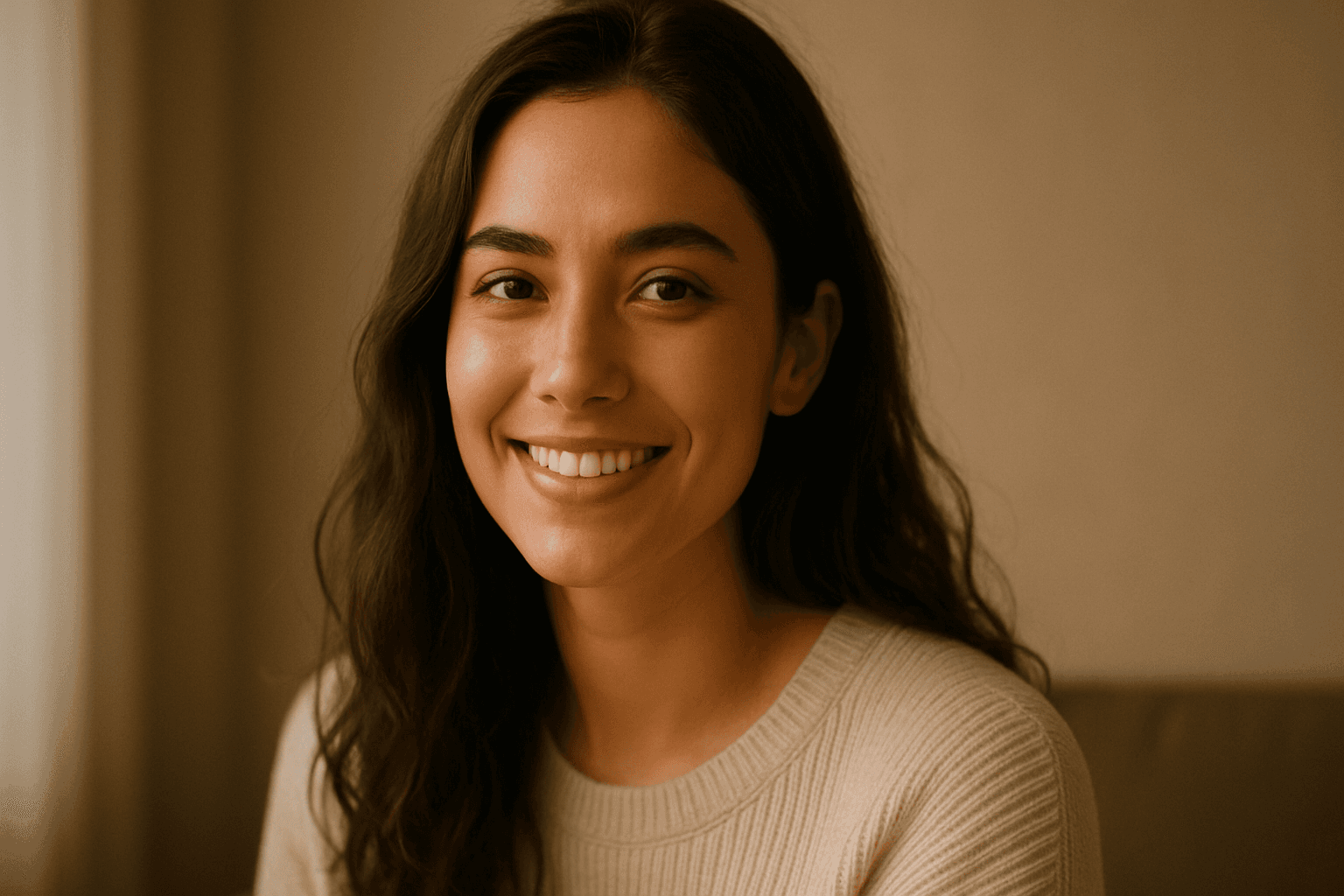
The Soft Ambient Glow keyword is essential for adding subtle warmth and diffuse light to AI-generated images. Unlike direct or harsh lighting, it creates a gentle, enveloping glow that enriches texture and form while maintaining natural shadow gradations. This effect works well in editorial portraits, interior scenes, and nature photography, helping images feel intimate and polished. By leveraging this effect, creators can evoke mood and focus attention without overwhelming brightness. It’s particularly useful for achieving premium, realistic visuals that appeal to lifestyle, advertising, or stock image markets. Soft Ambient Glow enhances quality through refined lighting sophistication.