Volumetric Light Effects
Volumetric light effects bring a tangible sense of atmosphere and depth to images by mimicking how light interacts with particles in the air. When used in AI-generated visuals, these effects help establish mood, highlight focal points, and add realism by showcasing how light rays disperse through fog, smoke, or dust. This technique is commonly seen in cinematic scenes, landscape photography, and architectural renderings to give a premium, immersive quality. Adding volumetric lighting prompts to your AI commands can dramatically transform flat or static compositions into vivid, textured visuals with a professional polish.
Definition
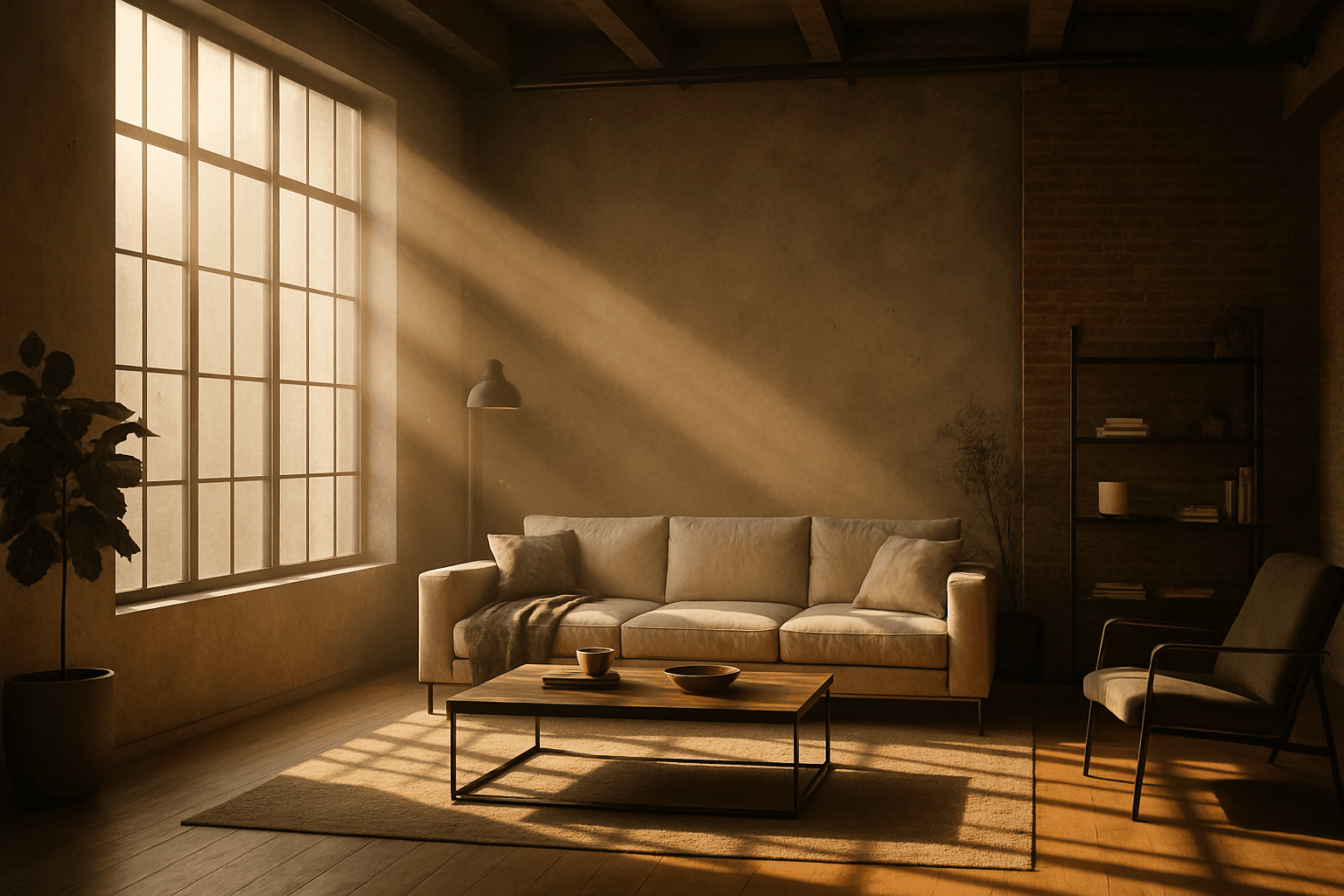
Volumetric light effects refer to the visualization of light beams as they scatter through particles suspended in the air, such as fog, smoke, or dust. This creates distinct light shafts or god rays that add atmospheric depth and realism to images. In AI image prompting, including this term instructs the AI to incorporate these visible volumetric light phenomena, greatly enhancing the mood and dimension of the scene.
Prompt Formula
Here are effective prompt structures to incorporate volumetric light effects: - "[Scene description], with volumetric light beams filtering through [medium, e.g., fog, trees, windows], soft shadows, high detail" - "[Subject], illuminated by warm volumetric sunlight, subtle haze, cinematic atmosphere" - "[Environment], dramatic volumetric god rays, enhanced contrast, realistic textures" Mix these with descriptive adjectives and context to tailor mood and realism.
- [Scene], with volumetric light beams filtering through [medium], soft shadows, high detail
- [Subject], illuminated by warm volumetric sunlight, subtle haze, cinematic atmosphere
- [Environment], dramatic volumetric god rays, enhanced contrast, realistic textures
Best Use Cases
- Cinematic or dramatic landscapes emphasizing sunrays through trees or mist
- Architectural interiors showing natural light filtering through windows and dusty air
- Fantasy or magical scenes requiring ethereal and mood-driven lighting effects
Industry Applications
Volumetric light effects are widely used across creative and commercial industries. In advertising, they enhance product photos and lifestyle imagery by adding captivating light drama. Editorial photography leverages these effects to create evocative, story-driven visuals that engage readers. Ecommerce platforms utilize volumetric lighting to present interiors and environments more naturally, helping buyers visualize spaces realistically. Social media content creators also adopt these effects to produce eye-catching, high-quality posts and stories that stand out.
- Advertising photography to dramatize product and lifestyle shots
- Editorial visuals for storytelling and mood setting
- Ecommerce imagery showcasing interiors with natural, volumetric lighting
Common Mistakes
Avoid these frequent mistakes when prompting volumetric light effects: - Overusing volumetric lighting, leading to artificial or overly hazy images - Neglecting the light source direction causing inconsistent shadows and unrealistic beams - Using vague terms like 'light rays' without specifying medium or intensity, resulting in generic effects Ensure balancing light and shadow for realistic depth and specify environmental context to anchor the effect naturally.
- Overusing volumetric light causing unnatural haze
- Ignoring light source direction affecting beam realism
- Using vague descriptors that produce generic lighting effects
Advanced Techniques
For experienced prompt writers, refine volumetric lighting by: - Combining with specific environmental states like "morning mist," "dust storm," or "smoky atmosphere" to contextualize light interaction - Using modifiers such as "soft glow," "high contrast beams," or "color-tinted rays" to control mood - Applying constraints like "sharp volumetric shafts" versus "diffused light beams" to direct clarity These methods yield sophisticated and tailored volumetric effects, enhancing scene storytelling and realism.
- Pair volumetric light with environmental conditions like mist or dust
- Use modifiers like soft glow, high contrast, or color tinting
- Define beam clarity using terms such as sharp shafts or diffused beams
Professional Workflow
A streamlined workflow for volumetric light effect prompts includes: 1. Brief: Define the scene, mood, and light source clearly. 2. Generate: Use prompt formulas with specified volumetric keywords. 3. Select: Choose images with realistic, balanced light shafts and consistent shadows. 4. Refine: Adjust prompts to tweak haze density, beam sharpness, or color tone. 5. Finalize: Post-process if needed to enhance contrast or reduce noise for premium quality. This approach ensures efficient creation of high-quality images showcasing volumetric lighting.
- Define scene and lighting mood clearly
- Generate images using volumetric prompt formulas
- Select balanced, realistic lighting renderings
- Refine prompts to adjust haze and beam qualities
- Finalize images with post-processing for polish
FAQ
What are volumetric light effects in AI image generation?
They simulate visible light beams passing through particles in the air, adding depth and atmosphere to AI-generated images.
How can I avoid unnatural looking volumetric lighting?
Specify the light source direction, control haze density, and avoid overuse of volumetric terms to keep lighting realistic.
Continue Exploring
Related Prompts
Volumetric Light Rays
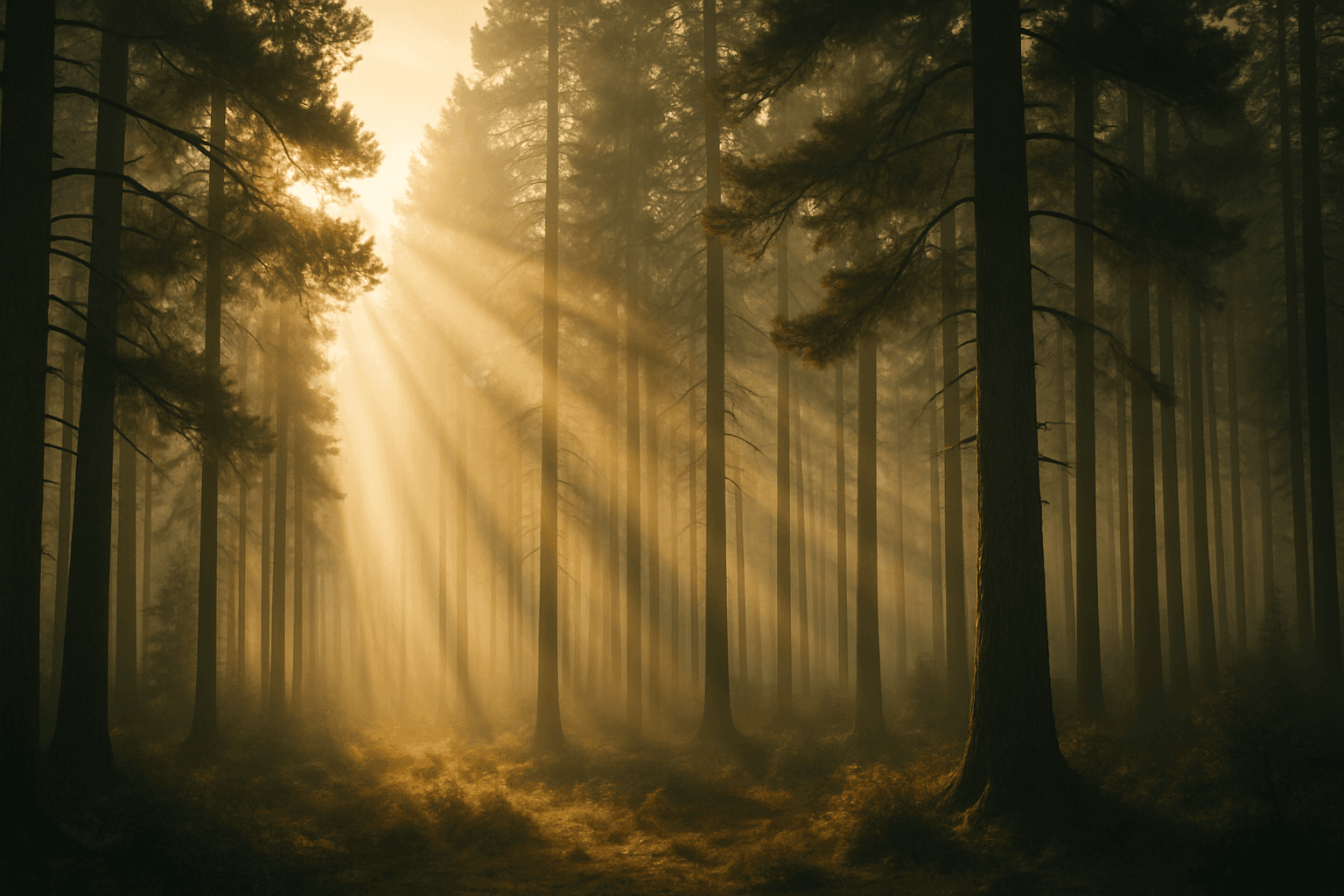
Volumetric light rays serve as a compelling lighting effect in AI-generated images, offering a sense of realism and spatial depth by mimicking how light interacts with particles in the air. Incorporating this keyword in prompts helps create scenes lit through fog, dust, or haze where beams of light are visible, producing cinematic or ethereal atmospheres. Common in landscape photography, interiors with windows, and dramatic portraits, volumetric light rays enhance storytelling by emphasizing ambient conditions or time of day. This effect can elevate compositions by adding subtle guiding lines that direct viewers’ attention and foster a mood of mystery, tranquility, or awe.
Volumetric Light Beams
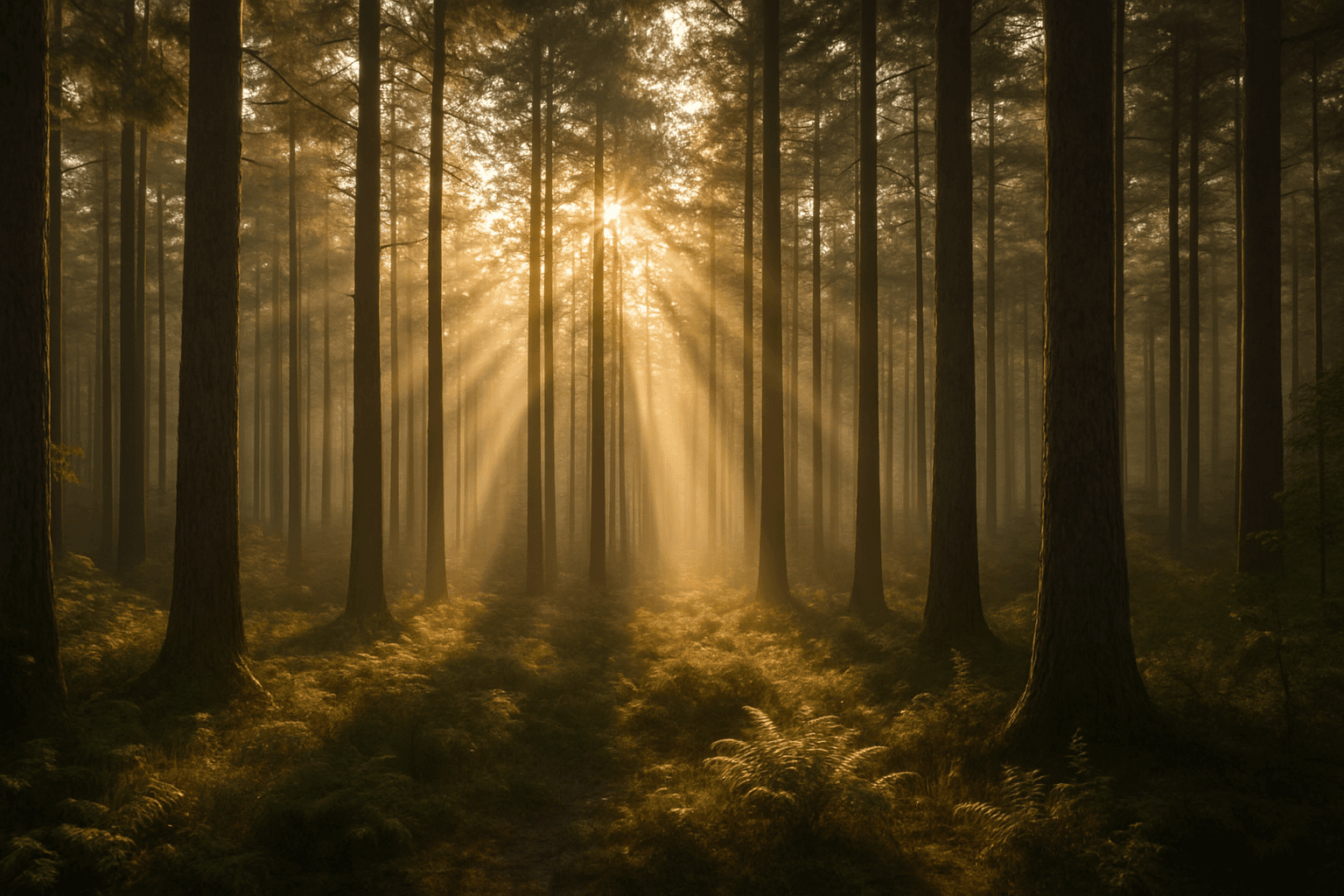
Volumetric Light Beams dramatically influence the mood and spatial perception of AI-generated images by simulating the way light interacts with airborne particles. When incorporated into prompts, these beams create distinct shafts of light that visually extend from a source, adding realistic highlights and shadows to compositions. This effect is widely used in photography and cinematic visuals to evoke feelings of mystery, warmth, or ethereal beauty. In AI art generation, it helps transform flat lighting into immersive three-dimensional ambiance, emphasizing light direction and environmental presence.

Volumetric Lighting Effects
Volumetric lighting effects add a three-dimensional quality to AI images by depicting light as it filters through environmental particles, such as fog or dust. This lighting style is prized for its ability to convey mood, environment, and spatial depth, often used in cinematic scenes or natural landscapes. When prompting AI, specifying volumetric lighting helps models emphasize light shafts and diffused glow rather than flat, uniform illumination. This keyword guides image creation toward a premium, realistic look with refined light behavior, making it ideal for editorial visuals, concept art, and atmospheric photography recreations.
Volumetric Lighting
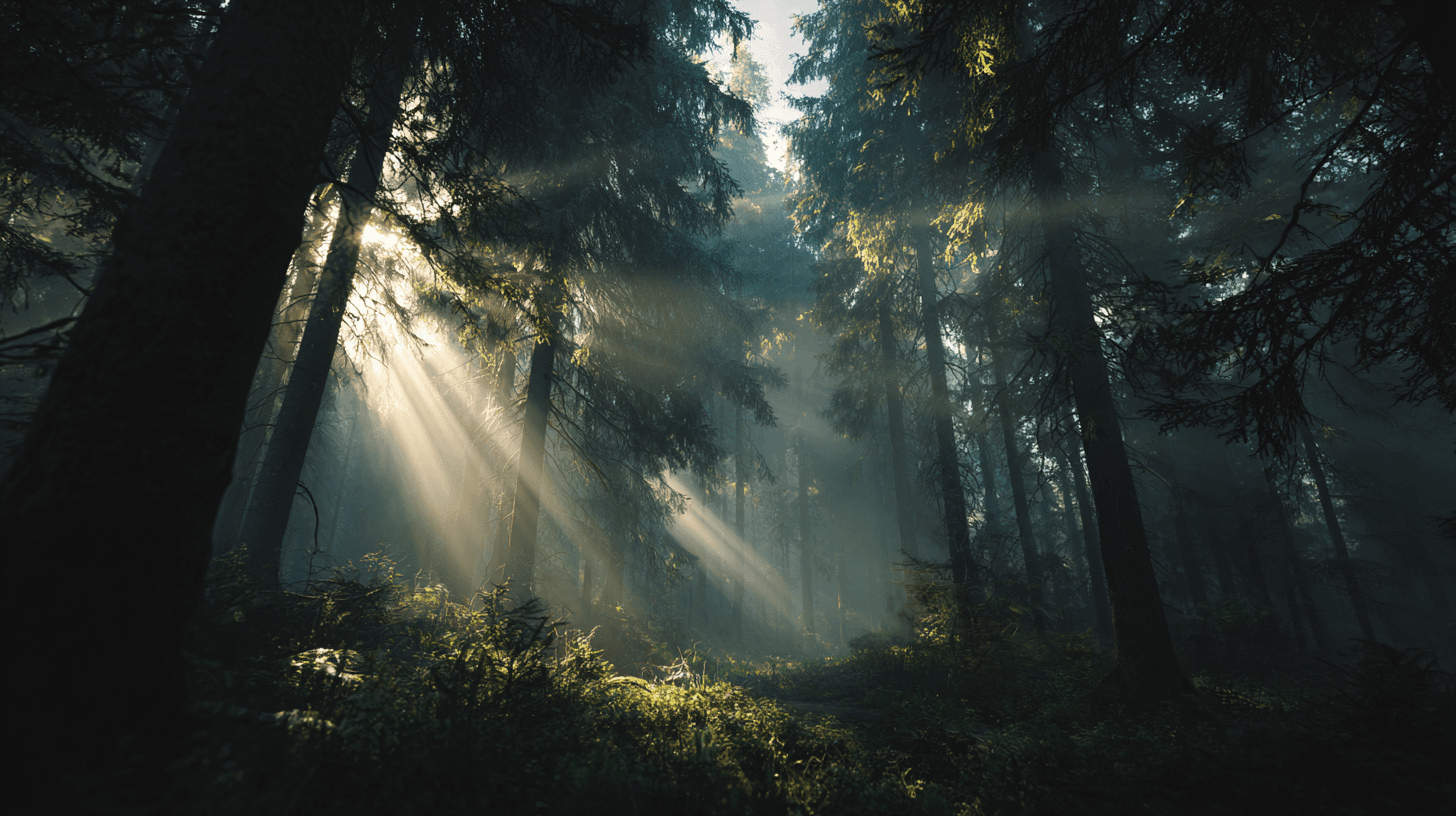
Volumetric Lighting describes visible beams of light traveling through particles in the air, such as mist, dust, smoke, fog, or atmospheric haze. In AI image generation, it is a powerful keyword for adding depth and drama. Instead of light simply landing on objects, the light itself becomes visible inside the scene. This can make an image feel cinematic, mysterious, sacred, futuristic, or magical depending on the setting. Beginners can use Volumetric Lighting when a prompt feels flat or lacks atmosphere. It is especially useful when you want the viewer to feel the scale of a space, the direction of the light, or the mood of an environment.
Ambient Light Effects
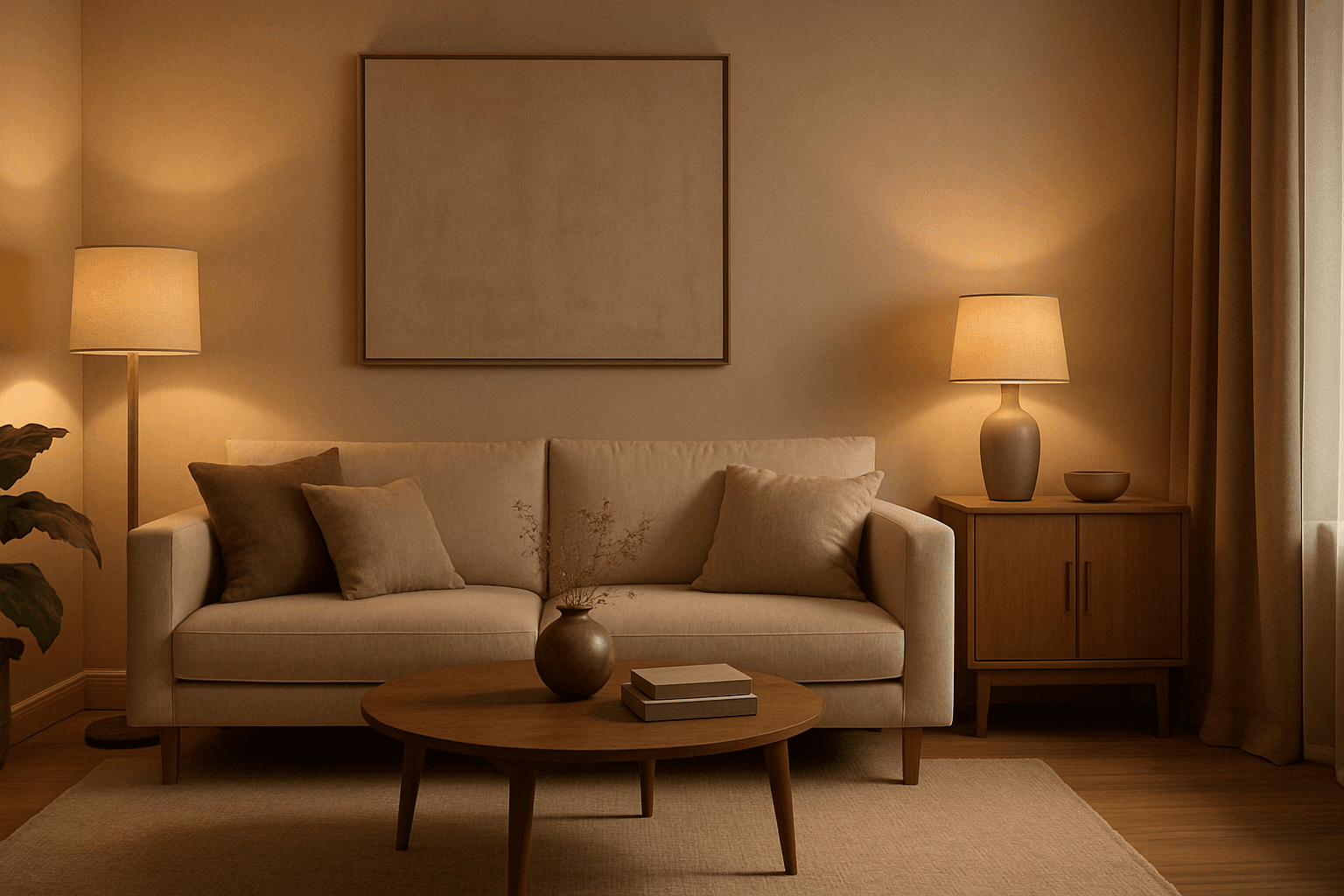
Ambient Light Effects in AI-generated images create a harmonious and natural lighting environment that enhances realism and mood without overpowering contrasts. This lighting type softly bathes scenes in diffuse light, mimicking the effect of indirect sunlight or overcast skies. By integrating ambient light into prompts, users can achieve visuals that feel authentic and immersive, ideal for scenes requiring subtle illumination or a calm atmosphere. This approach minimizes harsh shadows and bright spots, yielding images with smooth gradations and an understated elegance. The result is a balanced exposure that allows textures and colors to appear true to life, enhancing the viewer’s emotional connection.
Cinematic Lighting
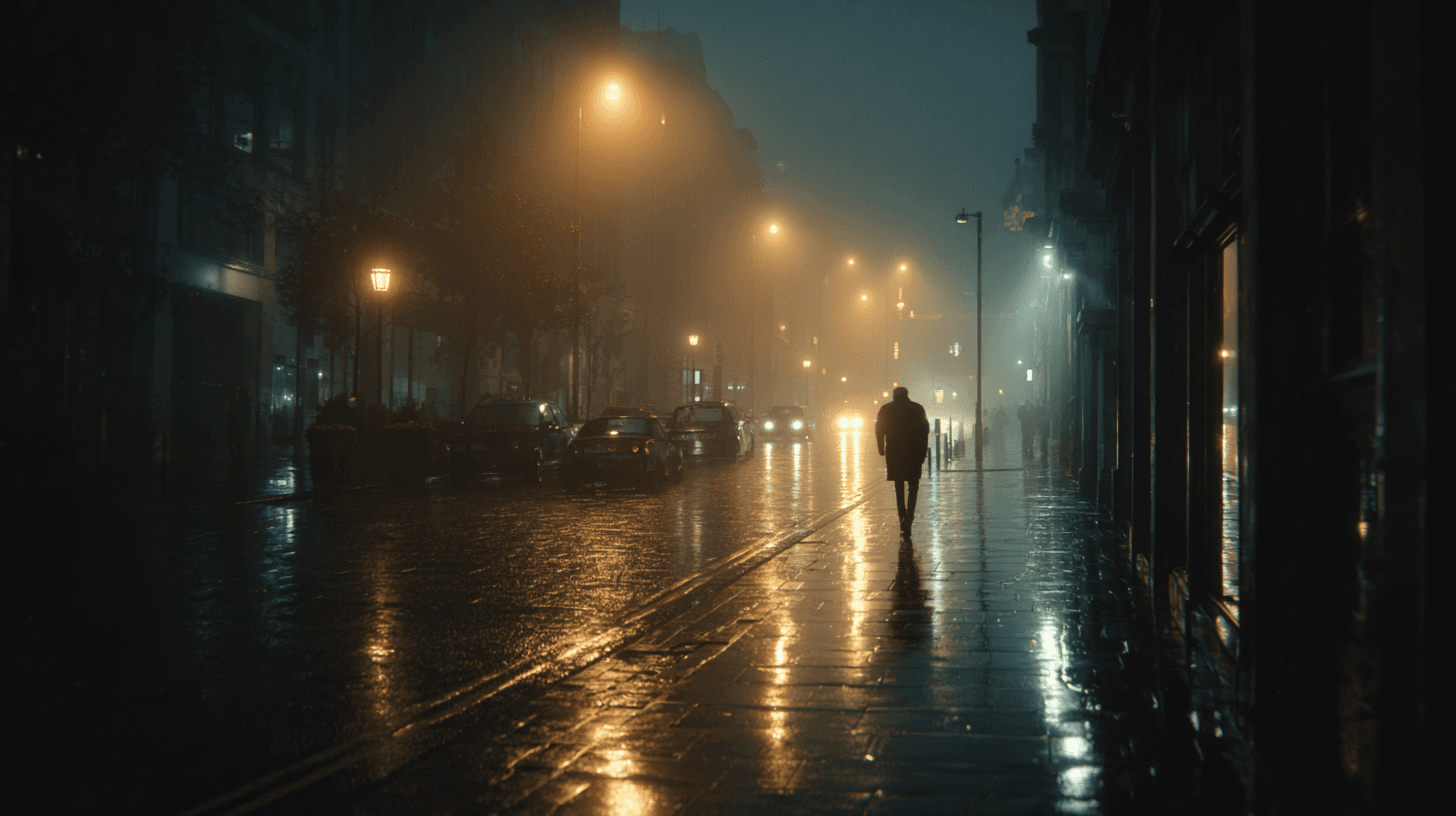
Cinematic Lighting is one of the most useful prompt keywords for making AI-generated images feel intentional, polished, and story-driven. Instead of asking for a flat, evenly lit image, this keyword signals that the scene should feel as if it was lit for a film, commercial, or high-end editorial shoot. The result often includes stronger direction in the light source, more purposeful shadows, richer contrast, and a clearer sense of atmosphere. For beginners, it is a reliable way to move an image away from a generic render and toward something that feels composed, dramatic, and visually memorable.