Volumetric Lighting
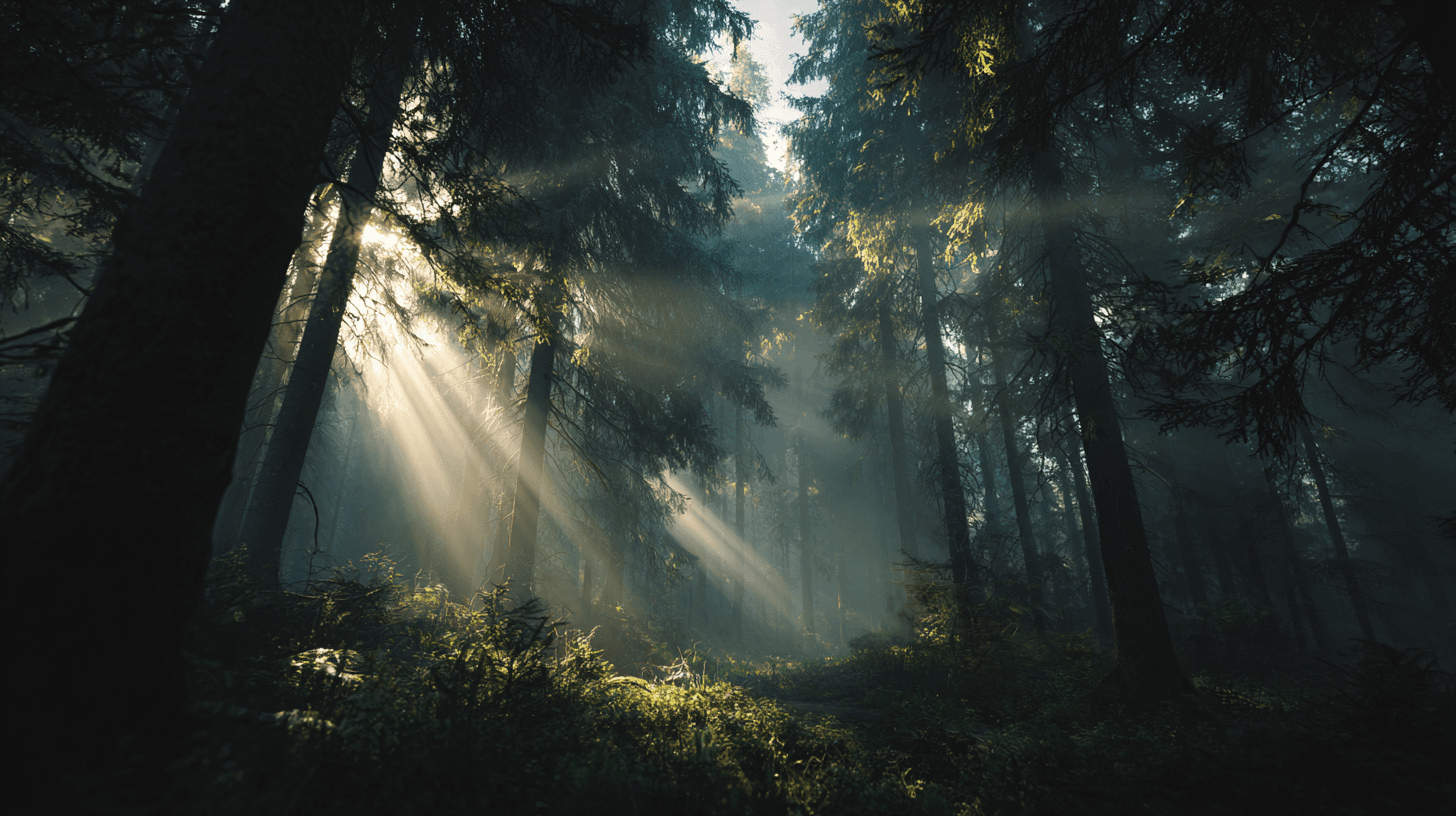
Volumetric Lighting describes visible beams of light traveling through particles in the air, such as mist, dust, smoke, fog, or atmospheric haze. In AI image generation, it is a powerful keyword for adding depth and drama. Instead of light simply landing on objects, the light itself becomes visible inside the scene. This can make an image feel cinematic, mysterious, sacred, futuristic, or magical depending on the setting. Beginners can use Volumetric Lighting when a prompt feels flat or lacks atmosphere. It is especially useful when you want the viewer to feel the scale of a space, the direction of the light, or the mood of an environment.
Overview
Volumetric Lighting describes visible beams of light traveling through particles in the air, such as mist, dust, smoke, fog, or atmospheric haze. In AI image generation, it is a powerful keyword for adding depth and drama. Instead of light simply landing on objects, the light itself becomes visible inside the scene. This can make an image feel cinematic, mysterious, sacred, futuristic, or magical depending on the setting. Beginners can use Volumetric Lighting when a prompt feels flat or lacks atmosphere. It is especially useful when you want the viewer to feel the scale of a space, the direction of the light, or the mood of an environment.
What It Does
This keyword tells the model to render light as a physical presence. You may see beams passing through tall windows, shafts of sunlight crossing a forest, stage lights cutting through smoke, or glowing haze inside a futuristic hallway. Volumetric Lighting often increases the sense of distance because it creates layers between the foreground, middle ground, and background. It also helps guide attention. A beam of light can point toward a subject, highlight a product, or create a natural focal path through the image. To control it well, pair it with words that describe the environment: dusty library, misty forest, smoky concert stage, foggy street, or sunlit cathedral. If the image becomes too heavy or unclear, add subtle haze, clean subject focus, or soft atmospheric depth.
Best Use Cases
- Large interiors such as libraries, museums, studios, churches, warehouses, hotels, and modern offices. Beams of light can make these spaces feel grand and visually layered.
- Fantasy, sci-fi, and concept art where atmosphere matters as much as the subject. Volumetric Lighting can suggest mystery, discovery, danger, or wonder.
- Commercial backgrounds that need a strong mood without relying on busy details. It can create dramatic empty space for posters, hero banners, or presentation slides.
- Stock images about spirituality, inspiration, performance, entertainment, innovation, and nature. The visible light can make abstract ideas feel more concrete.
Example Prompt
Adobe Stock Potential
Volumetric Lighting has solid Adobe Stock potential, especially for atmospheric backgrounds, entertainment concepts, spiritual visuals, dramatic interiors, and cinematic design assets. Buyers may use these images for book covers, event posters, music promotions, film-related articles, game concepts, or website hero sections. The strongest stock images usually have a readable subject and controlled atmosphere. If there is too much haze, the image can become hard to use commercially. Keep the composition clean, avoid copyrighted symbols, and make sure the lighting supports a clear concept such as inspiration, mystery, performance, technology, history, or discovery. Volumetric Lighting can also increase the perceived production value of otherwise simple scenes.
Continue Exploring
Related Prompts
Cinematic Lighting
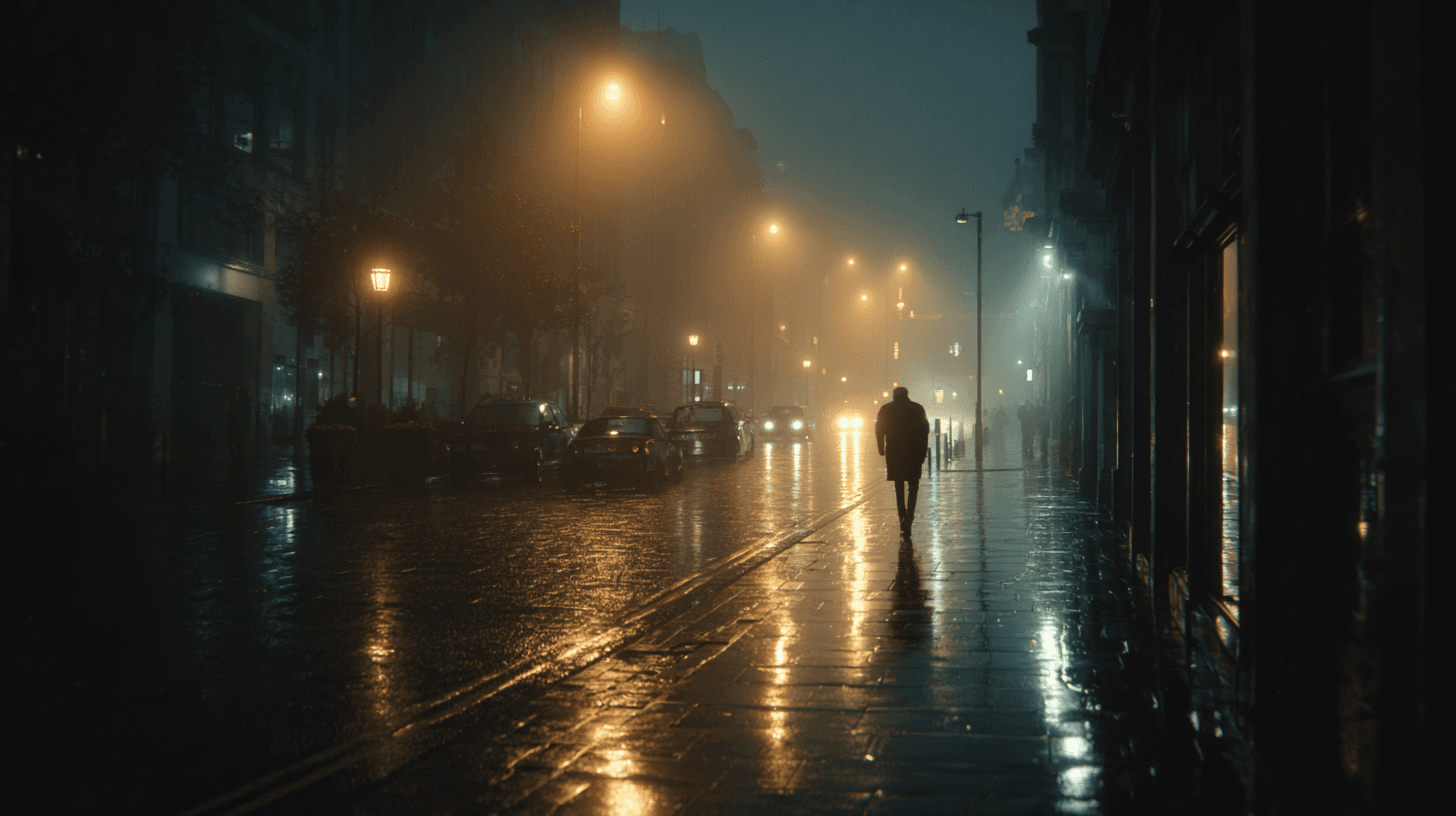
Cinematic Lighting is one of the most useful prompt keywords for making AI-generated images feel intentional, polished, and story-driven. Instead of asking for a flat, evenly lit image, this keyword signals that the scene should feel as if it was lit for a film, commercial, or high-end editorial shoot. The result often includes stronger direction in the light source, more purposeful shadows, richer contrast, and a clearer sense of atmosphere. For beginners, it is a reliable way to move an image away from a generic render and toward something that feels composed, dramatic, and visually memorable.
Backlight
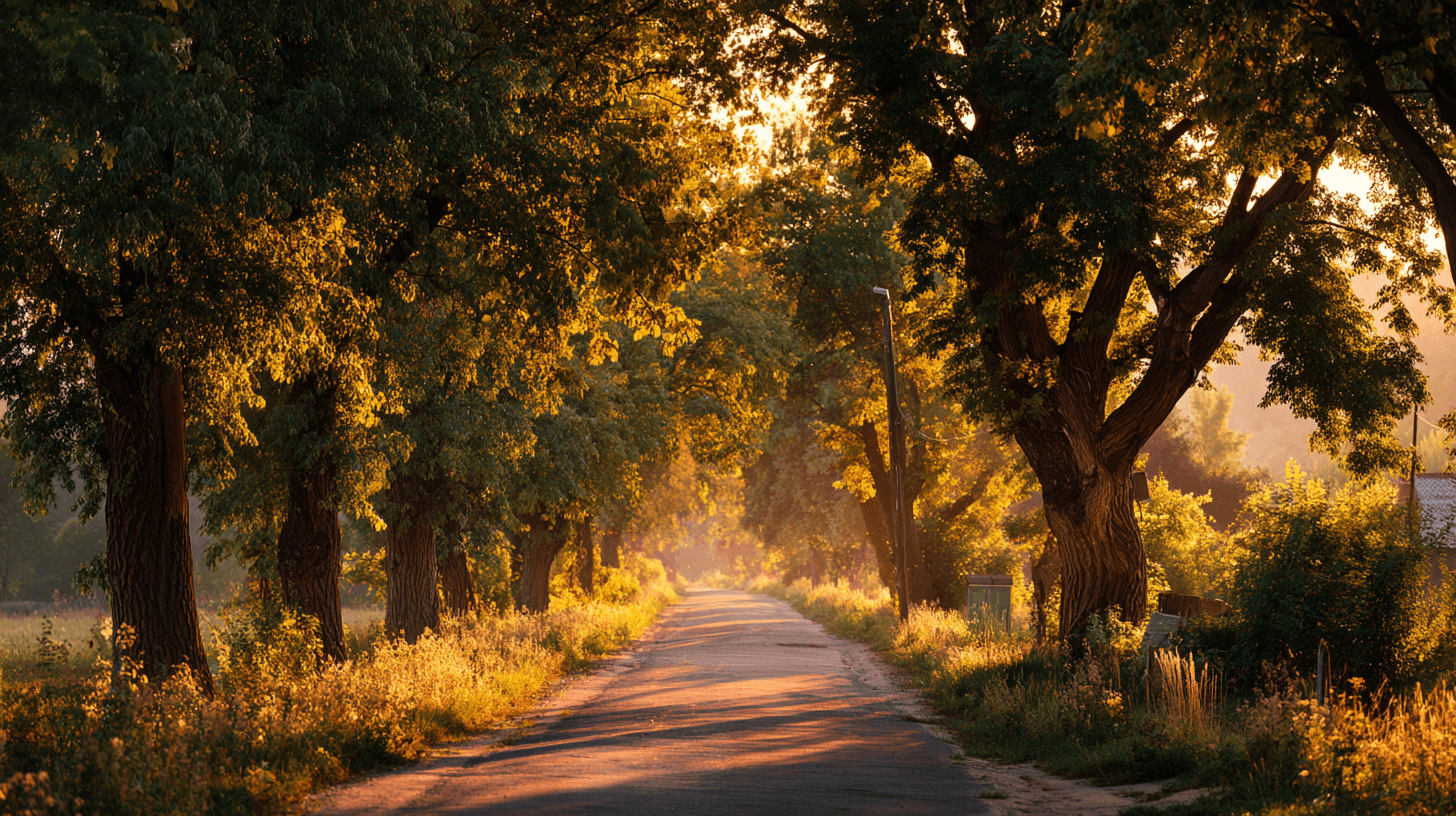
Backlight is a lighting direction where the main light source sits behind the subject, facing toward the camera. It can create glowing edges, silhouettes, translucent materials, and a strong sense of atmosphere. In AI image prompts, Backlight is useful when you want an image to feel warm, emotional, mysterious, or visually layered. It is common in outdoor lifestyle photography, travel imagery, nature scenes, music videos, and cinematic portraits. Beginners can use Backlight to make a simple scene feel more dramatic without needing complicated camera or lighting language.
Rim Light
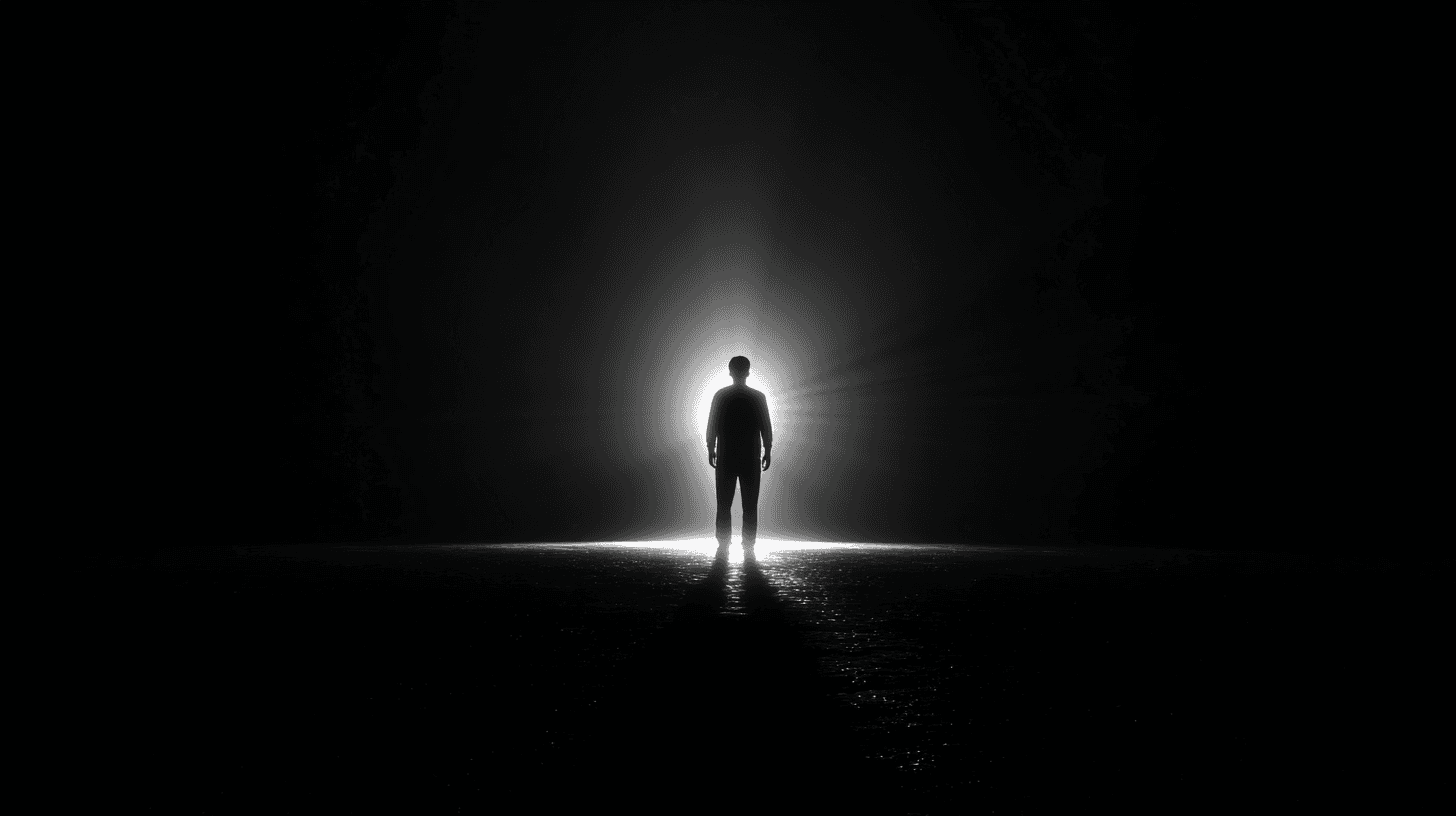
Rim Light is a lighting keyword that describes a bright edge of light around a subject. The light usually comes from behind or slightly behind the subject, catching the outline of hair, shoulders, products, glass, metal, or other edges. In AI image generation, Rim Light is useful when the subject blends into the background or when you want a more professional, cinematic result. It adds separation, depth, and polish. For beginners, Rim Light is a practical keyword because it solves a common problem: flat images where the subject does not stand out clearly.
Low Key Lighting
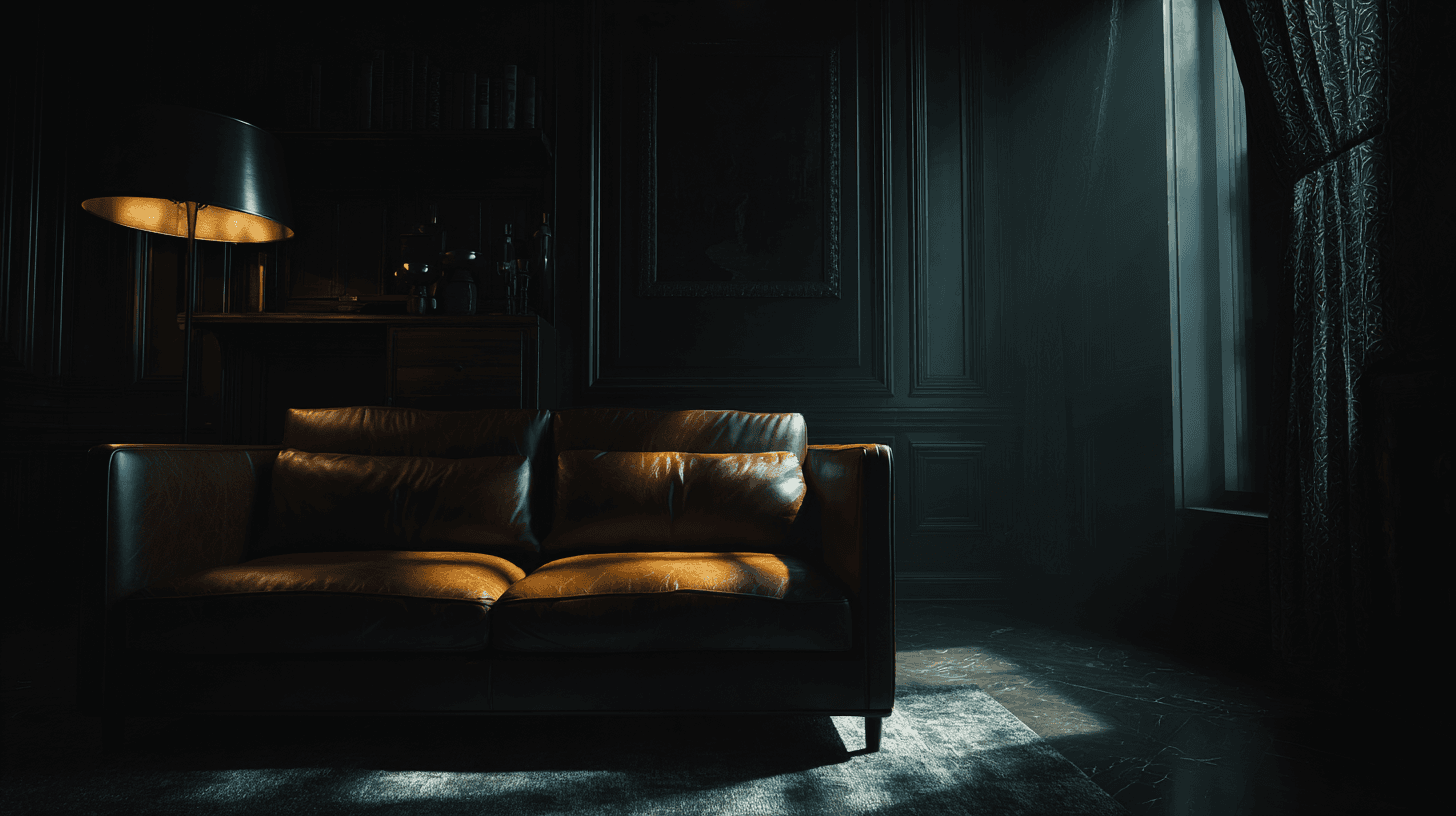
Low Key Lighting is a lighting style built around darkness, contrast, and selective illumination. In AI image prompts, it usually creates images with deep shadows, darker backgrounds, and a small amount of focused light on the subject. The result can feel dramatic, mysterious, premium, serious, or cinematic. Low Key Lighting is often used in luxury product photography, film posters, athletic portraits, music visuals, and editorial images. For beginners, it is a useful keyword when you want more mood and depth, but it needs a clear subject so the image does not become too dark to read.
Moody Lighting
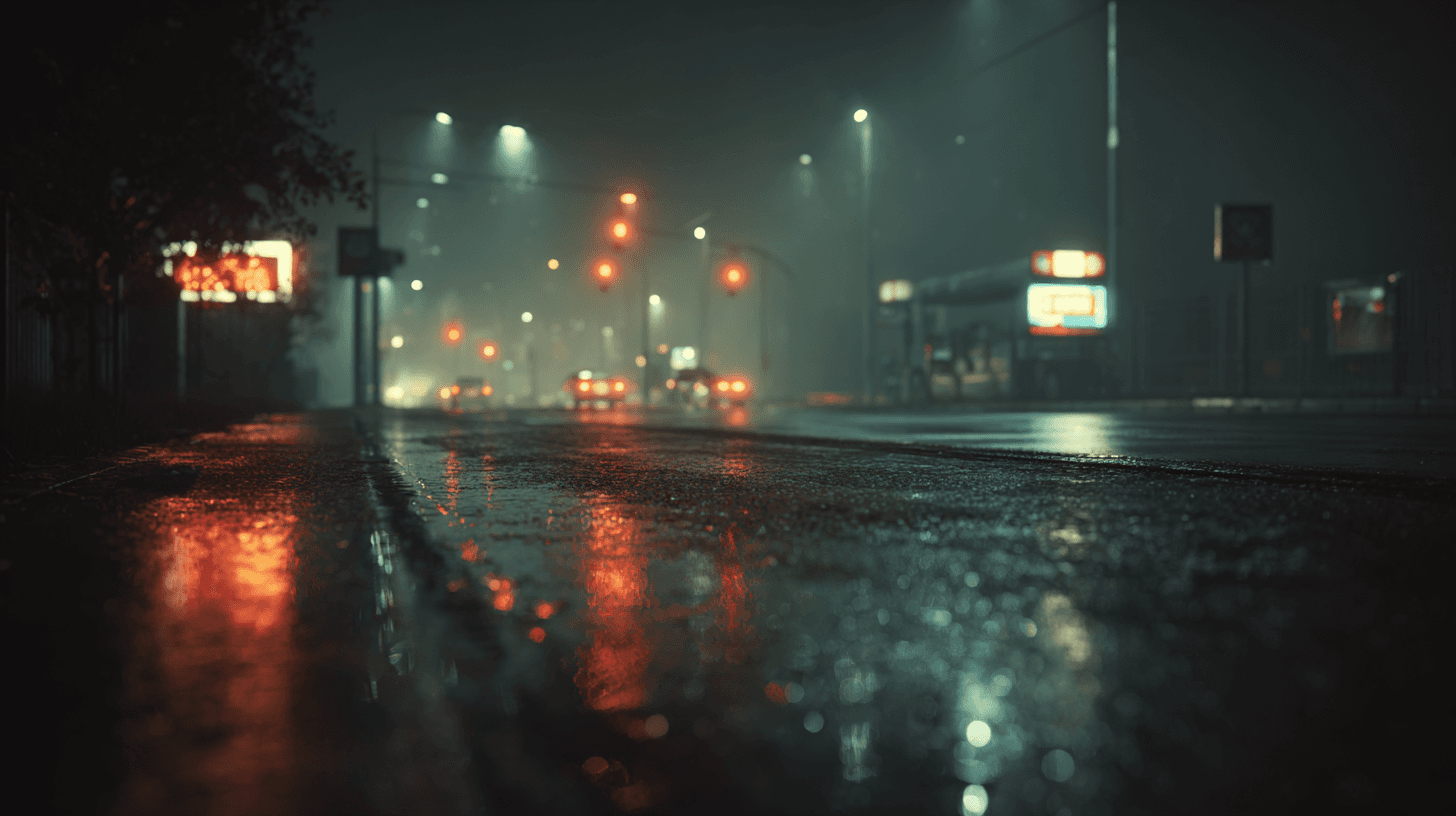
Moody Lighting is a prompt keyword for images with atmosphere, emotional depth, and a more restrained lighting style. It often includes darker tones, directional light, muted colors, and visible shadow areas, but it does not have to be as dark as Low Key Lighting. In AI image generation, Moody Lighting is useful when you want a scene to feel thoughtful, cinematic, intimate, elegant, or mysterious. It is common in editorial portraits, luxury interiors, coffee shop scenes, rainy windows, fashion campaigns, and premium product photography. Beginners can use it to add feeling and story to otherwise plain images.
Golden Hour
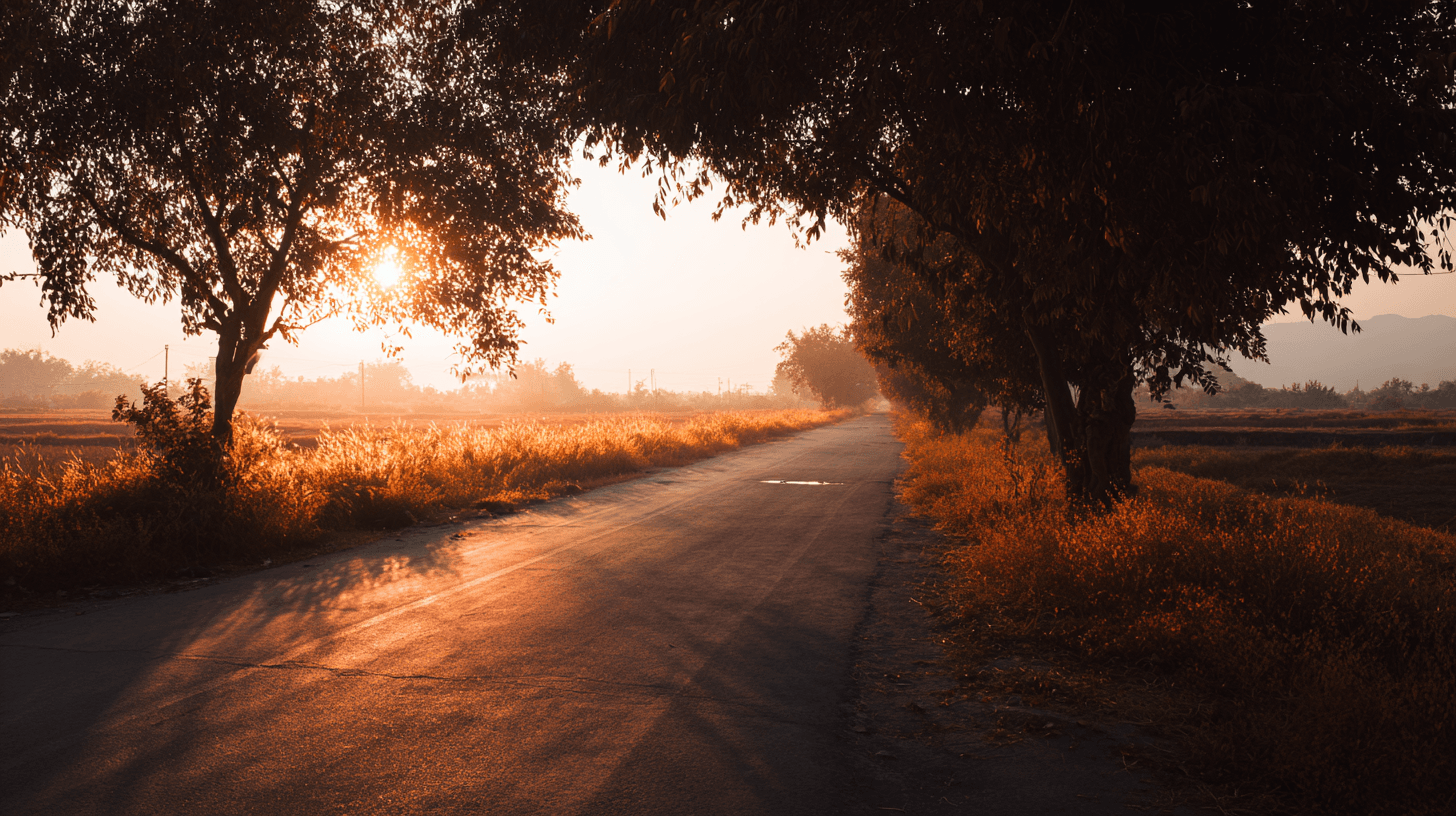
Golden Hour is a lighting keyword that refers to the warm, low-angle sunlight shortly after sunrise or shortly before sunset. In AI image prompts, it is one of the easiest ways to make a scene feel natural, emotional, and commercially appealing. The light is usually softer than midday sun, the shadows are longer, and the color temperature leans warm. This makes subjects feel more flattering and environments feel more inviting. For beginners, Golden Hour is a dependable keyword because it improves mood without requiring a complicated lighting setup. It works for people, landscapes, products, interiors, food, travel scenes, and lifestyle imagery.