Volumetric Lighting Effects
Volumetric lighting effects add a three-dimensional quality to AI images by depicting light as it filters through environmental particles, such as fog or dust. This lighting style is prized for its ability to convey mood, environment, and spatial depth, often used in cinematic scenes or natural landscapes. When prompting AI, specifying volumetric lighting helps models emphasize light shafts and diffused glow rather than flat, uniform illumination. This keyword guides image creation toward a premium, realistic look with refined light behavior, making it ideal for editorial visuals, concept art, and atmospheric photography recreations.

Definition
Volumetric lighting effects in AI image generation refer to the simulation of light interacting with particles like dust, fog, or smoke to produce visible light beams or shafts. This creates an atmospheric and three-dimensional lighting effect that adds mood and depth to the image. Adding this keyword to your prompt tells the AI to emphasize these light interactions, enhancing realism and spatial perception.
Prompt Formula
To effectively generate volumetric lighting effects, combine descriptors of the lighting environment with atmospheric conditions and style notes. For example, use: "[scene description], volumetric lighting, visible light beams, soft light shafts, atmospheric haze, realistic materials, cinematic lighting." Adjust modifiers like time of day or weather to vary the effect. Including adjectives like "golden," "misty," or "dusty" helps specify the mood.
- [Scene], volumetric lighting, light shafts, atmospheric haze
- Sunlight streaming through fog, volumetric lighting, soft glow, cinematic style
- Interior scene with dusty air, volumetric light beams, photorealistic
Best Use Cases
- Cinematic and fantasy scenes requiring atmospheric depth
- Outdoor nature scenes with fog, mist, or dust
- Editorial or commercial images needing premium, dramatic lighting
Advanced Techniques
For experienced prompt creators, volumetric lighting can be refined by combining it with directional light sources and color grading to achieve specific moods. Use constraints like "soft shadows," "warm light shafts," or "low contrast volumetric glow" to control intensity and style. Pair volumetric lighting with environmental details such as "smoke particles," "dust motes," or "morning mist" for enhanced realism. Experiment with layering multiple light beams and contrasting light temperatures to add complexity.
- Combine with directional lighting: "volumetric sunlight with warm light shafts"
- Add environmental particles: "volumetric light with dust motes and haze"
- Control light quality: "soft volumetric glow, low contrast shadows"
Professional Workflow
To efficiently integrate volumetric lighting effects, start by briefing the intended mood and environment focusing on light interaction. Generate images using prompt formulas incorporating volumetric lighting and relevant environmental descriptors. Select outputs emphasizing clear, well-defined light beams and realistic atmospheric depth. Refine chosen images by adjusting color, contrast, and sharpness to enhance the volumetric effect. Iteratively explore variations combining volumetric lighting with complementary styles for maximum impact.
- Brief scene mood and lighting conditions targeting volumetric effects
- Generate images with prompts emphasizing light shafts and atmospheric haze
- Select images with distinct volumetric lighting and atmospheric depth
- Refine results with post-processing for enhanced contrast and glow
Related Styles
- Light Shafts - focuses on distinct beams of light
- Atmospheric Lighting - emphasizes environmental ambiance
- Mood Lighting - enhances emotional tone via light and shadow
Model-Specific Tips
When using volumetric lighting keywords in modern AI image models, avoid overly complex or rare syntax that might confuse the system. Explicitly mention environmental conditions like 'fog' or 'dust' alongside 'volumetric lighting' for better clarity. Emphasize natural adjectives such as 'soft,' 'warm,' or 'diffused' to guide light behavior. Iteratively test prompt variations focusing on light source descriptions combined with volumetric terms to find optimal outputs across different models.
- Pair volumetric lighting with environment terms: 'fog', 'dust', 'mist'
- Use natural adjectives: 'soft', 'warm', 'diffused'
- Avoid overly complicated phrase structures for clarity
FAQ
What is volumetric lighting in AI image generation?
It's a technique where the AI simulates light beams and atmosphere by showing light interacting with particles in the air, creating visible shafts and depth.
How do I include volumetric lighting in my AI prompts?
Add keywords like 'volumetric lighting,' 'light beams,' 'atmospheric haze,' along with environmental conditions like fog or dust to your prompt.
Continue Exploring
Related Prompts
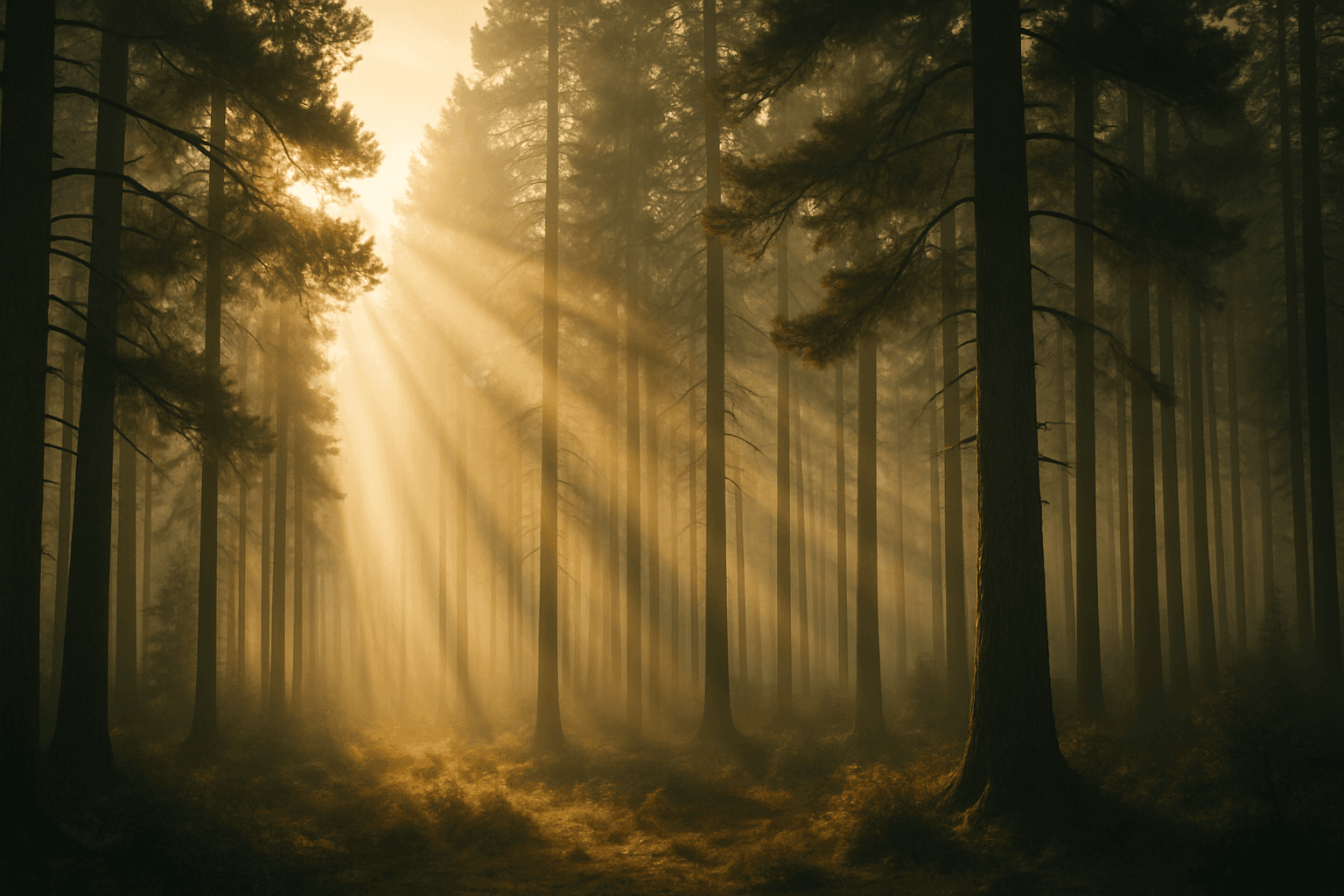
Volumetric Light Rays
Volumetric light rays serve as a compelling lighting effect in AI-generated images, offering a sense of realism and spatial depth by mimicking how light interacts with particles in the air. Incorporating this keyword in prompts helps create scenes lit through fog, dust, or haze where beams of light are visible, producing cinematic or ethereal atmospheres. Common in landscape photography, interiors with windows, and dramatic portraits, volumetric light rays enhance storytelling by emphasizing ambient conditions or time of day. This effect can elevate compositions by adding subtle guiding lines that direct viewers’ attention and foster a mood of mystery, tranquility, or awe.
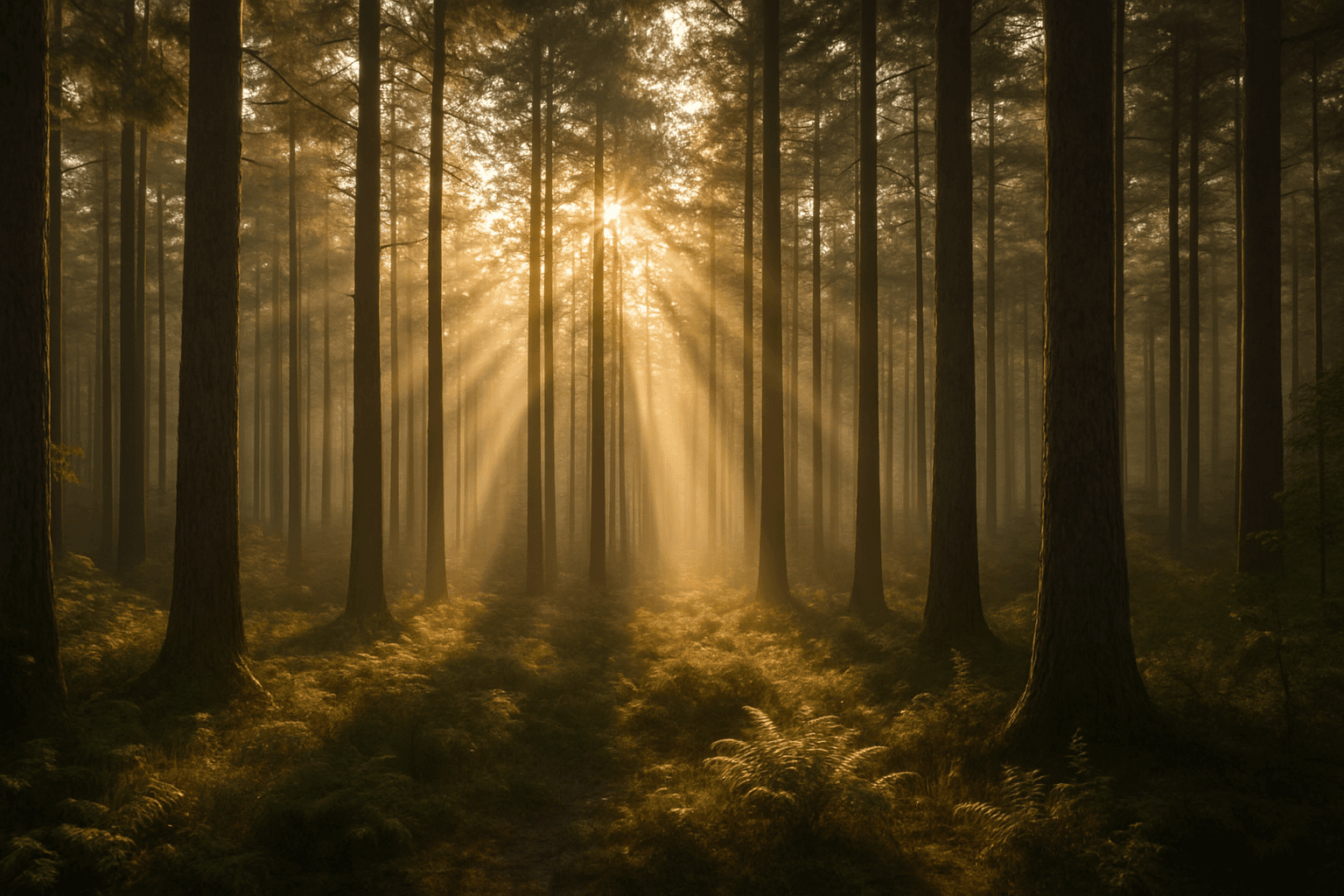
Volumetric Light Beams
Volumetric Light Beams dramatically influence the mood and spatial perception of AI-generated images by simulating the way light interacts with airborne particles. When incorporated into prompts, these beams create distinct shafts of light that visually extend from a source, adding realistic highlights and shadows to compositions. This effect is widely used in photography and cinematic visuals to evoke feelings of mystery, warmth, or ethereal beauty. In AI art generation, it helps transform flat lighting into immersive three-dimensional ambiance, emphasizing light direction and environmental presence.
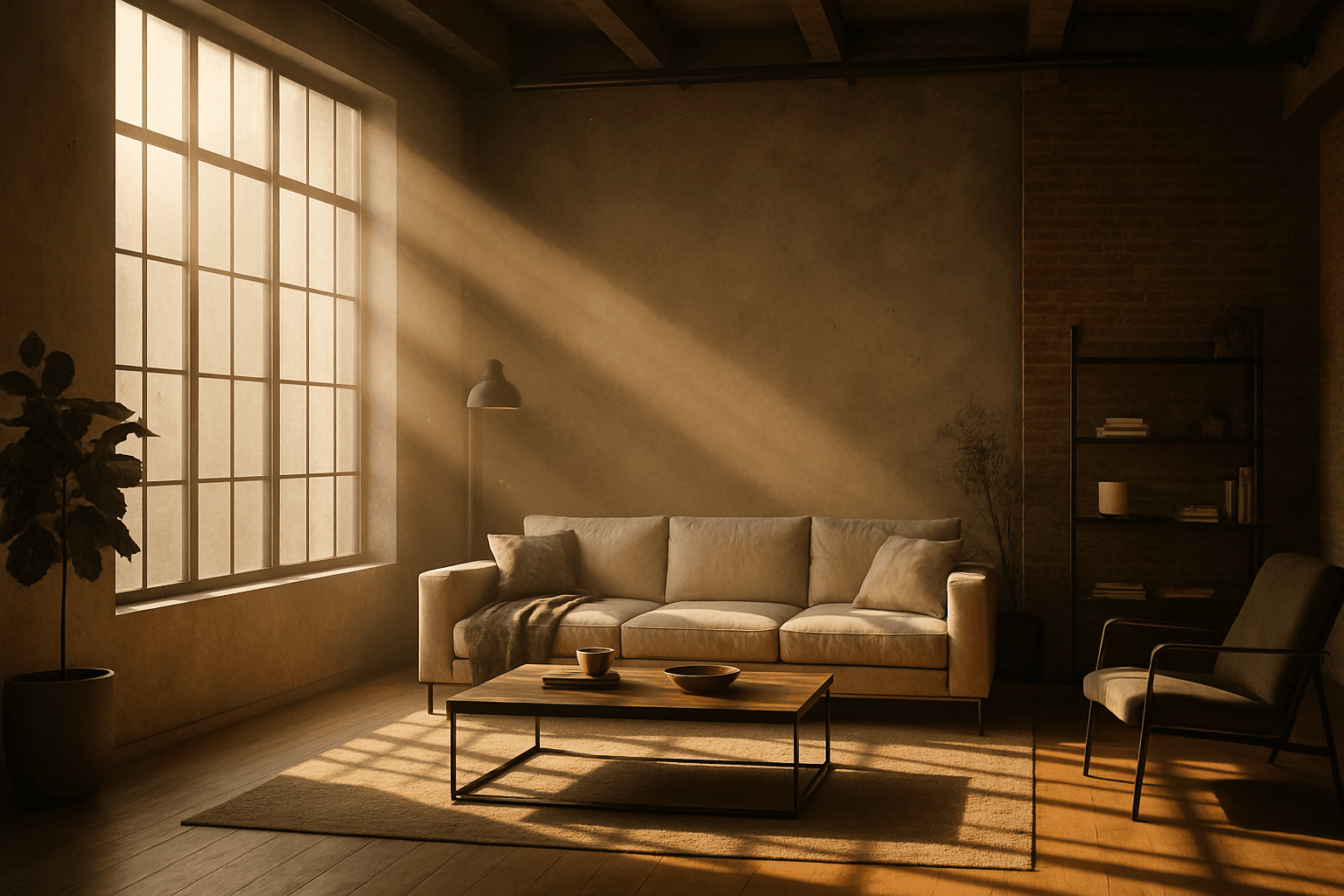
Volumetric Light Effects
Volumetric light effects bring a tangible sense of atmosphere and depth to images by mimicking how light interacts with particles in the air. When used in AI-generated visuals, these effects help establish mood, highlight focal points, and add realism by showcasing how light rays disperse through fog, smoke, or dust. This technique is commonly seen in cinematic scenes, landscape photography, and architectural renderings to give a premium, immersive quality. Adding volumetric lighting prompts to your AI commands can dramatically transform flat or static compositions into vivid, textured visuals with a professional polish.
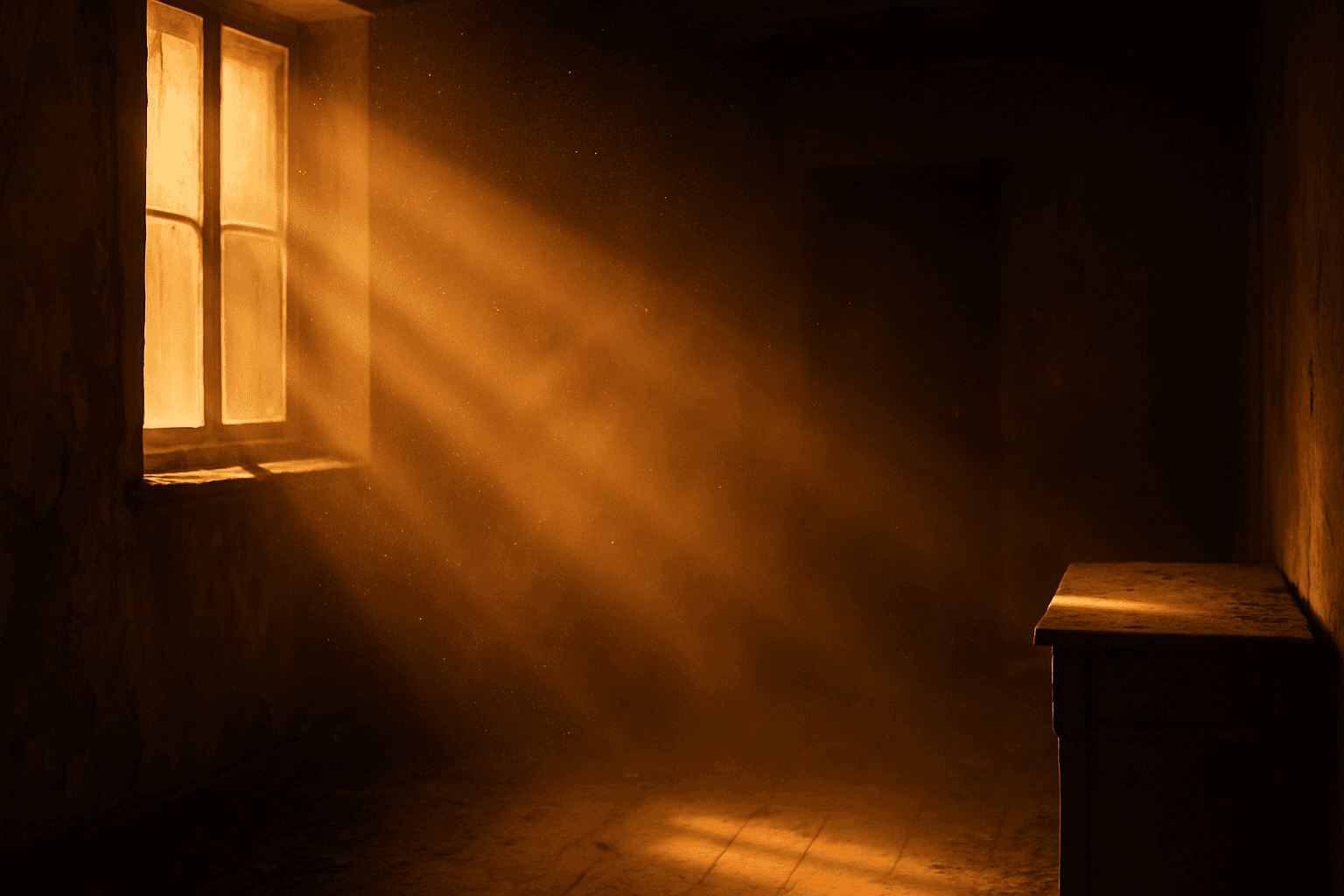
Backscatter Lighting Effect
The Backscatter Lighting Effect simulates light interacting with airborne particles, typically seen as glowing halos or fog-like glimmers surrounding light sources. This effect provides images with a vivid sense of atmosphere and environmental depth, often enhancing moodiness and realism. When used in AI prompts, it guides models to replicate this physical light interaction, making scenes feel more immersive and cinematic. This effect is especially impactful in scenes with fog, smoke, dust, or mist, emphasizing details that evoke senses of environment and ambience. It’s widely employed in photography, film, and digital art to enrich the visual storytelling experience.
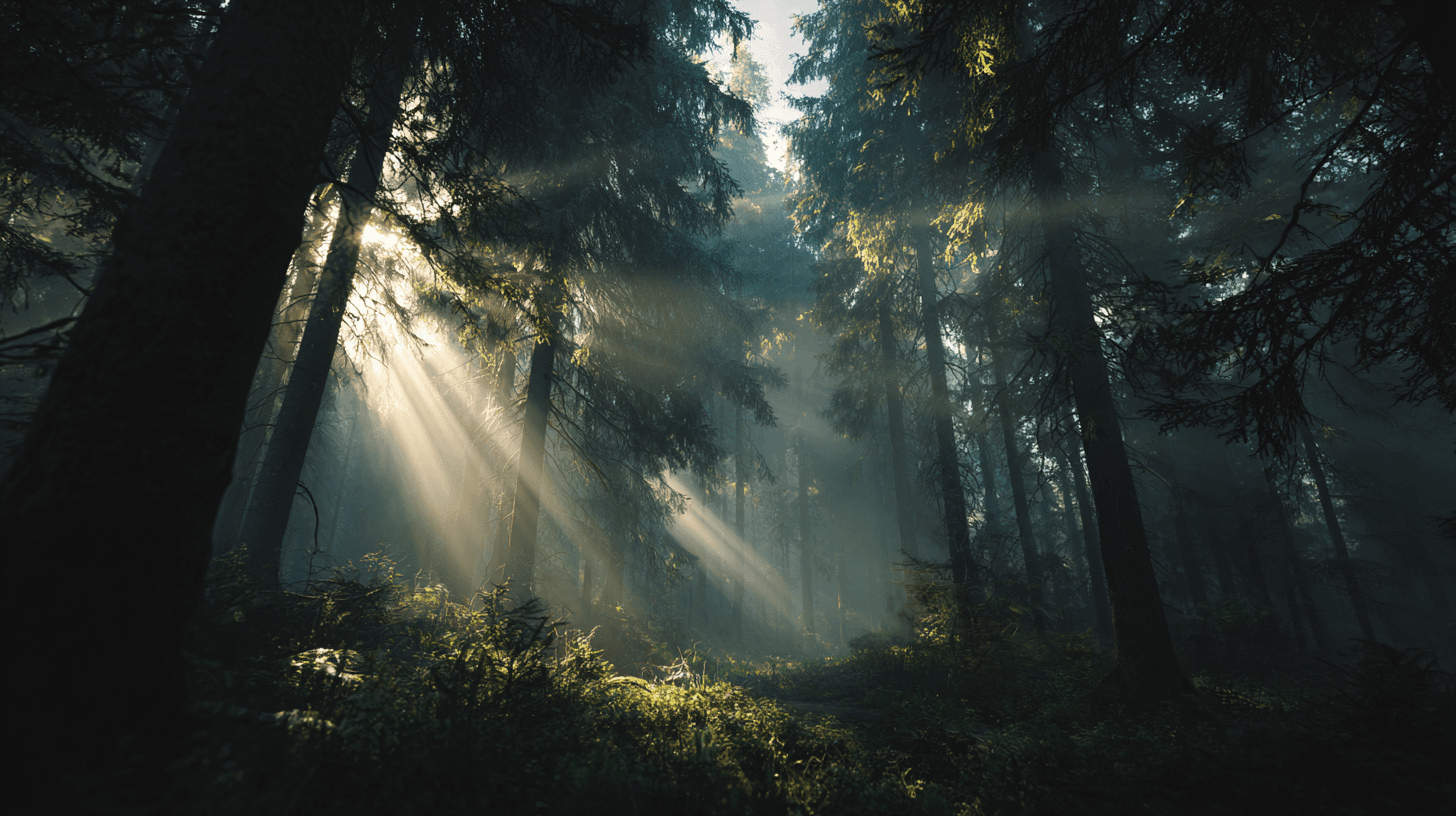
Volumetric Lighting
Volumetric Lighting describes visible beams of light traveling through particles in the air, such as mist, dust, smoke, fog, or atmospheric haze. In AI image generation, it is a powerful keyword for adding depth and drama. Instead of light simply landing on objects, the light itself becomes visible inside the scene. This can make an image feel cinematic, mysterious, sacred, futuristic, or magical depending on the setting. Beginners can use Volumetric Lighting when a prompt feels flat or lacks atmosphere. It is especially useful when you want the viewer to feel the scale of a space, the direction of the light, or the mood of an environment.

High Contrast Lighting Setup
High contrast lighting setups are widely used in photography and cinematic visuals to produce bold, dynamic images that captivate viewers. Incorporating 'high contrast lighting setup' in an AI image prompt instructs the AI to emphasize striking light sources and deep shadows, adding visual tension and clarity to the scene. This lighting approach reveals textures more vividly and helps create a mood that can range from mysterious to intense. For AI-generated images intended for editorial, commercial, or fine art applications, applying this keyword ensures that the resulting visuals have professional-quality lighting that enhances subject definition and atmosphere.