Reflected Light Technique
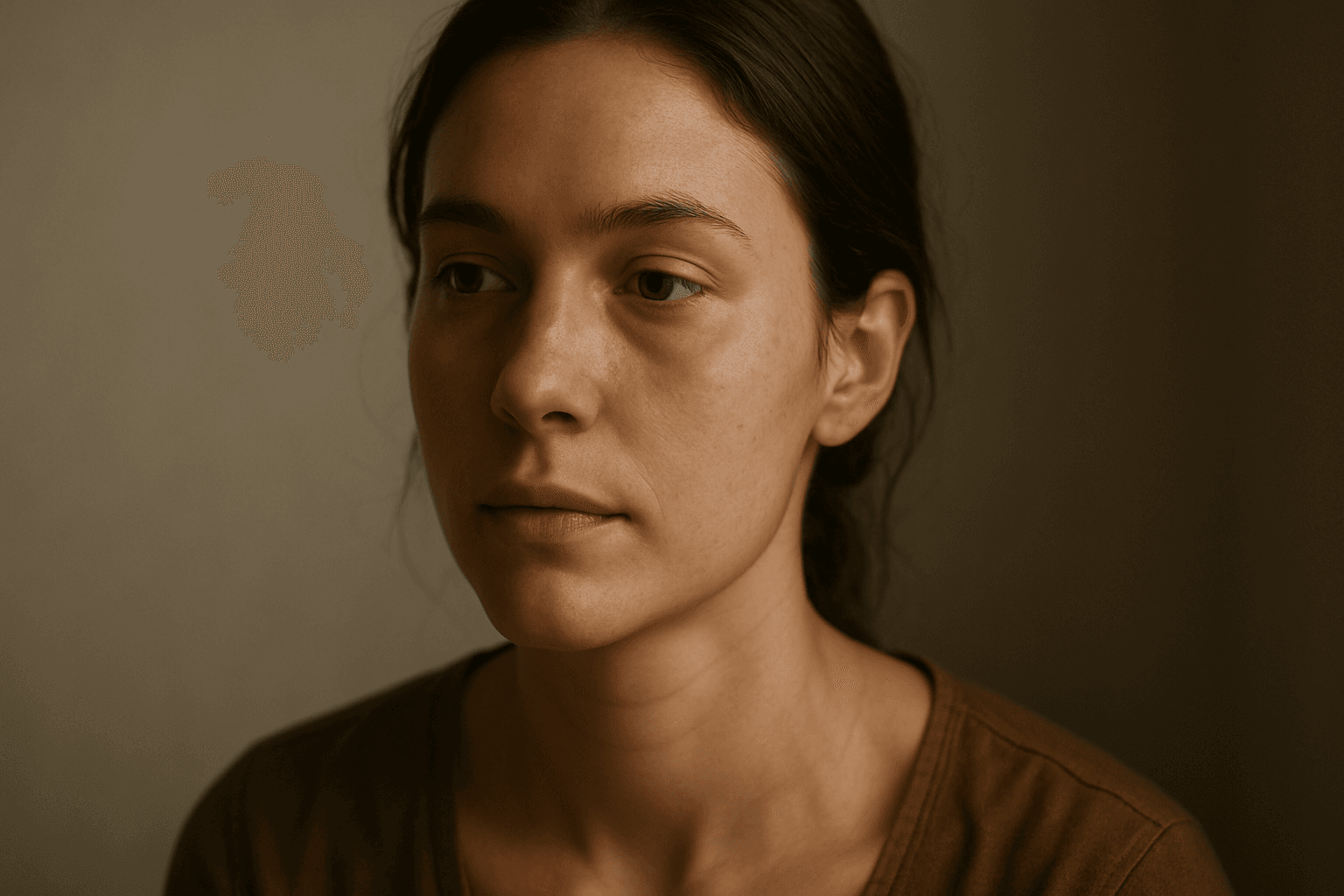
The reflected light technique is essential for artists and AI users aiming to enhance the quality and realism of generated images. By incorporating reflected light cues into prompts, the AI simulates indirect lighting effects that naturally exist in real-world scenes. This technique softens shadows, improves spatial depth, and accentuates textures and materials subtly. It is especially beneficial in portrait, still life, and interior imagery, where nuanced light behavior impacts mood and detail perception. Using reflected light can transform flat, unrealistic images into visually engaging artwork with a heightened sense of atmosphere and authenticity.
Definition
The reflected light technique in AI image prompts defines how light is represented as bouncing off surfaces and gently illuminating areas shadowed from the primary light source. This inclusion helps create a more realistic and three-dimensional effect by simulating the indirect light that occurs naturally in environments. In prompt terms, it means specifying aspects such as “soft reflected light,” “bounce lighting,” or “subtle illumination in shadows” to guide the AI toward rendering natural light behavior beyond direct lighting.
Prompt Formula
Use these formulaic patterns to integrate reflected light effectively into AI prompts:
- Subject or scene description + soft reflected light + material details (e.g., skin texture, wood grain)
- Scene lighting + bounce light from specific surfaces (e.g., walls, furniture) + subtle shadow illumination
- Mood or atmosphere + reflected light color tones (warm/cool) + depth-enhancing lighting effects
Best Use Cases
- Portraits requiring natural, gentle shadow modeling for realism
- Interior environments emphasizing indirect daylight and ambiance
- Still life artwork focused on enhancing texture and material realism with soft highlights
Industry Applications
Reflected light technique finds broad usage across several commercial sectors. In advertising, it lends human subjects a flattering softness that enhances emotional connection. Editorial photography leverages reflected light to build mood and atmosphere in lifestyle or fashion spreads. Ecommerce benefits by showing products with realistic surface detail and appealing lighting, increasing buyer confidence. Interior design visualization uses this method to communicate space layout and material authenticity through nuanced lighting effects, facilitating client engagement and design decisions.
- Advertising for emotive, relatable portraits
- Editorial imagery emphasizing story and mood through lighting
- Ecommerce product imagery highlighting textures and finishes
Common Mistakes
Prompt writers new to reflected light often overuse strong bounce descriptions resulting in unrealistic lighting or muddled shadows. Another pitfall is neglecting material-specific interactions—reflected light on skin differs from that on glass or metal. Avoid vague instructions like “light in shadows” without qualifiers, which confuse the AI and create flat or inconsistent results. Careful balance and material awareness are essential to avoid overbrightening shadowed areas or creating unnatural color casts.
- Overemphasizing bounce light causing unnatural brightness
- Ignoring material differences affecting reflected light appearance
- Using vague or contradictory lighting terms in the prompt
Advanced Techniques
For experienced prompt engineers, combining reflected light with specific constraints sharpens realism. For example, adding modifiers for reflected light color temperature (cool blue for shaded outdoor scenes or warm amber for interiors) improves mood fidelity. Limiting reflected light intensity to moderate values preserves shadow depth while enhancing texture. Layering reflected light mentions with directional keywords like “from marble floor” or “off wooden panel” aids contextual accuracy. Additionally, blending reflected light with global illumination or environment lighting terms refines spatial coherence.
- Specify reflected light color temperature to match scene mood
- Constrain reflectivity intensity to balance contrast and detail
- Combine bounced light from defined surfaces to improve realism
- Integrate reflected light with environment or ambient illumination terms
Professional Workflow
Start by defining the main subject and lighting environment clearly in the prompt. Incorporate reflected light using the formula patterns to add realistic shadow illumination. Generate multiple variations to observe how the AI interprets bounce lighting. Review outputs critically, selecting images with balanced light and natural shading. Refine prompts iteratively, adjusting bounce descriptors and color temperature for subtle improvements. Finally, enhance selected images with post-processing if necessary to perfect light balance and material detail for professional use.
FAQ
What is the purpose of reflected light in AI image prompts?
Reflected light adds subtle illumination to shadowed areas by simulating light bouncing from surfaces, enhancing depth and realism in AI-generated images.
How can I avoid unnatural lighting when using reflected light in prompts?
Use specific, balanced descriptors for reflected light, consider material types, and avoid vague or excessive bounce light terms to maintain natural appearance.
Continue Exploring
Related Prompts
Ambient Light Effects
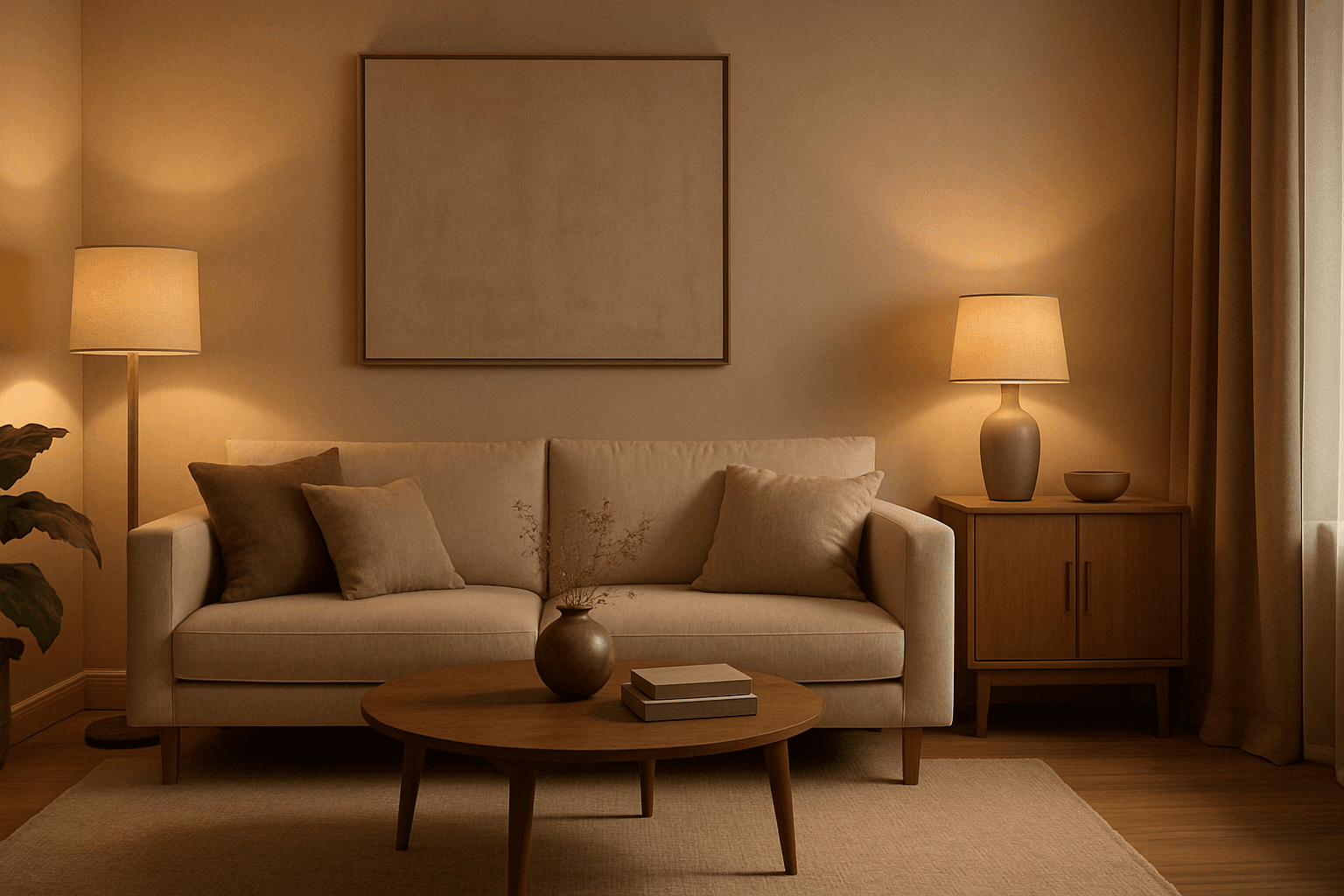
Ambient Light Effects in AI-generated images create a harmonious and natural lighting environment that enhances realism and mood without overpowering contrasts. This lighting type softly bathes scenes in diffuse light, mimicking the effect of indirect sunlight or overcast skies. By integrating ambient light into prompts, users can achieve visuals that feel authentic and immersive, ideal for scenes requiring subtle illumination or a calm atmosphere. This approach minimizes harsh shadows and bright spots, yielding images with smooth gradations and an understated elegance. The result is a balanced exposure that allows textures and colors to appear true to life, enhancing the viewer’s emotional connection.

Natural Window Light Quality
Natural window light quality is a sought-after lighting effect in photography and digital art, providing an authentic and warm ambiance to images. This type of lighting emulates sunlight entering through a window, often resulting in soft shadows and delicate contrast that highlight textures and materials naturally. In AI image generation, using this lighting quality can transform compositions to appear more lifelike and emotionally engaging, enhancing the mood without harsh artificial lighting. It's ideal for editorial, lifestyle, and interior imagery where realism and a comfortable atmosphere are essential.
Natural Window Lighting
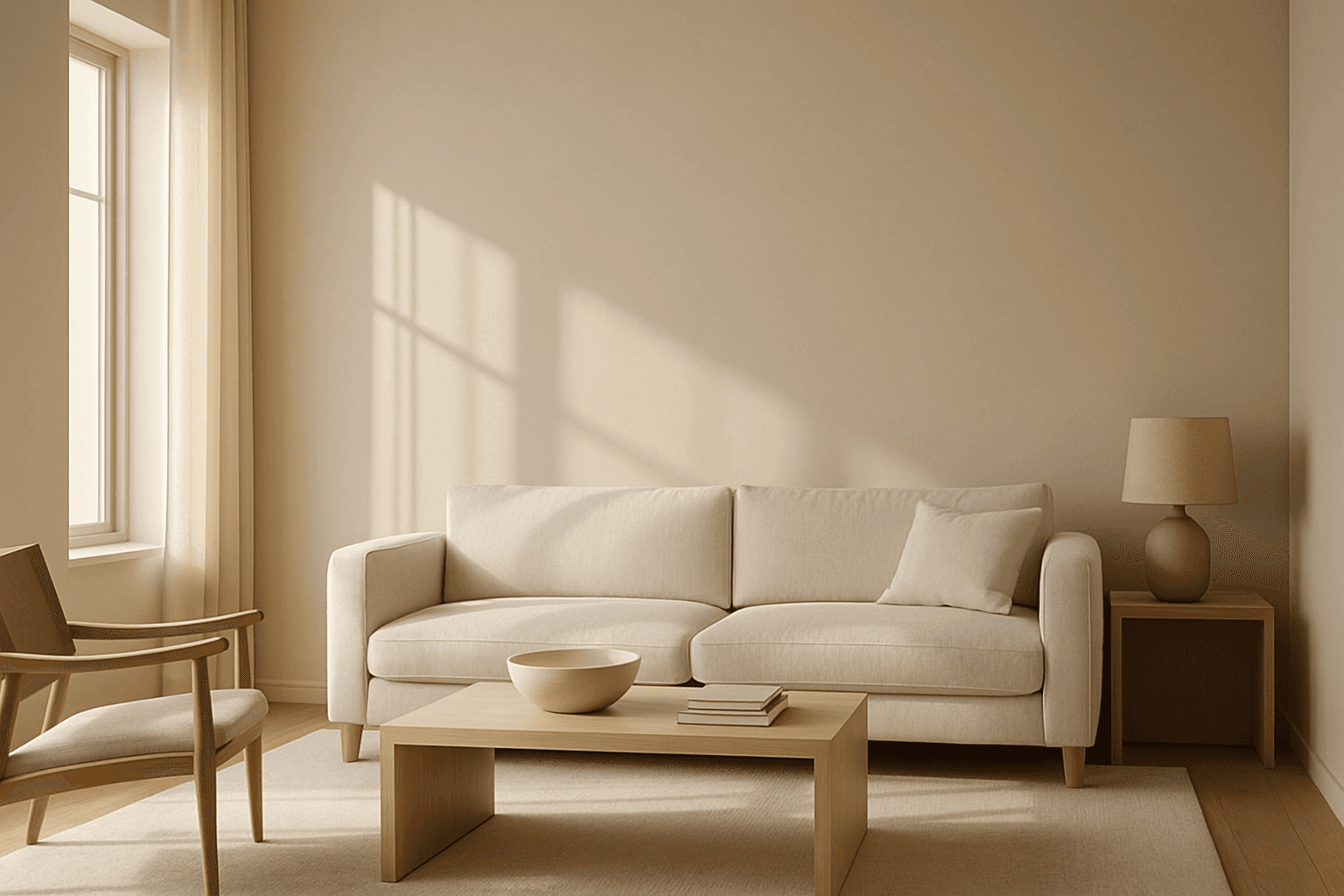
Natural Window Lighting is a popular lighting technique that mimics the ambient daylight streaming through windows, offering a natural and realistic illumination style in AI-generated images. It emphasizes soft shadows and highlights that define form and texture without harsh contrasts, making scenes appear inviting and warm. This lighting enhances photographic aesthetics, especially for indoor portraits, still lifes, and architectural visualizations, by adding depth and subtle color shifts. Using this keyword in AI prompts guides the image generation to prioritize delicate lighting effects and realistic shadow play reminiscent of early morning or late afternoon light filtering through windowpanes.

Rembrandt Light Setup
The Rembrandt light setup is a renowned lighting technique that adds dramatic yet natural depth to portraits. It uses a single light source positioned at an angle, creating a small illuminated triangle on the cheek opposite the light. This method emphasizes three-dimensional facial structure while maintaining soft shadow transitions, producing images with a timeless, painterly quality. In AI art generation, including 'Rembrandt lighting' in prompts guides the model toward rendering nuanced shadows and highlights that emulate this classic effect, improving image realism and emotive impact. Its widespread use spans from fine art photography to cinematic scenes, making it a valuable technique for creatives seeking moody, compelling portraits.
Soft Diffused Lighting
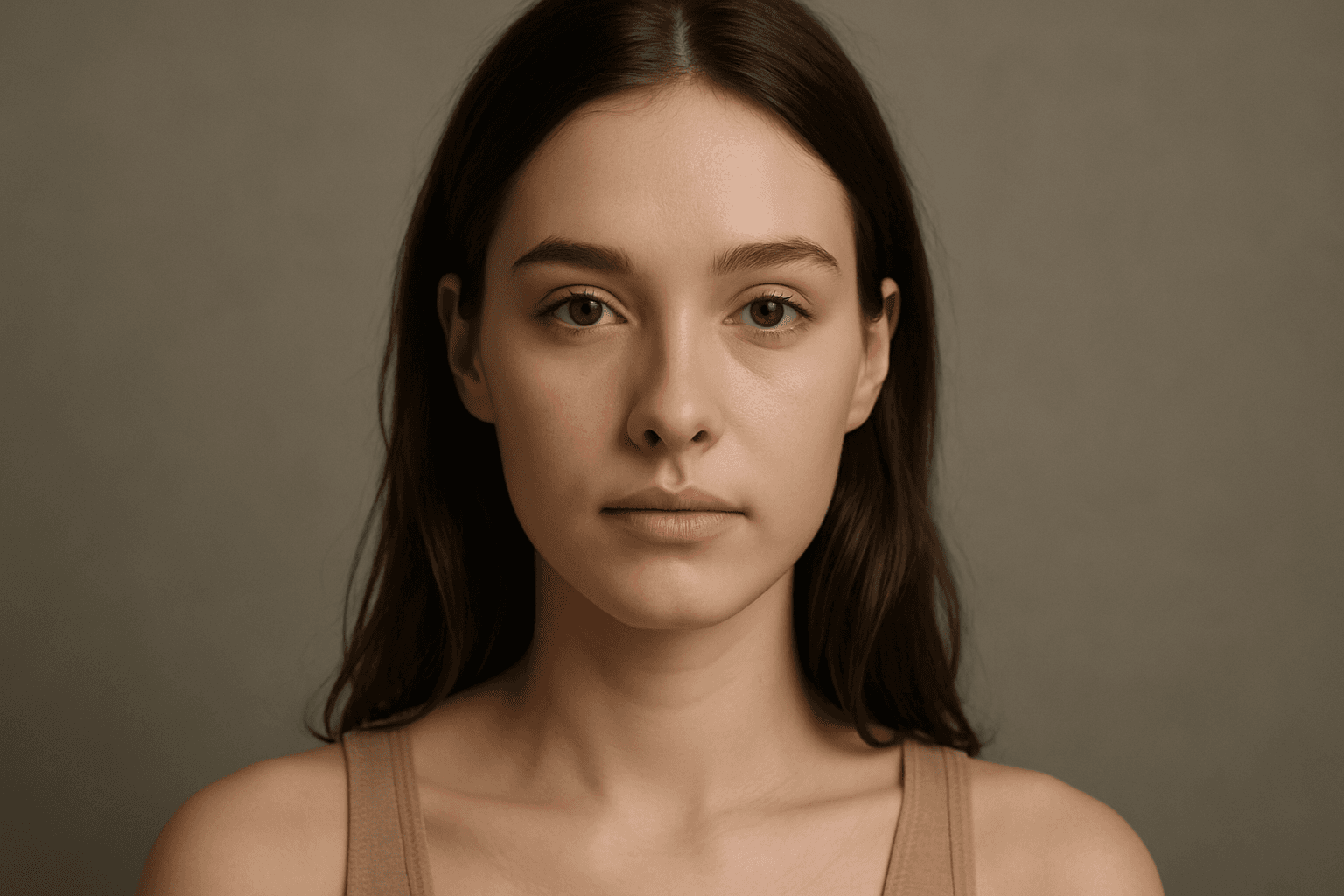
Soft diffused lighting is a popular lighting technique used to create visually appealing images with gentle, even illumination. This lighting style reduces harsh shadows and highlights, producing a smooth transition of light on subjects and backgrounds. In AI-generated imagery, specifying soft diffused lighting helps to evoke a natural, calming mood, making subjects appear more realistic and intricate details visible without stark contrast. It is commonly used in portraiture, product photography, and editorial imagery to deliver a polished, premium look. Leveraging soft diffused lighting enhances an image’s depth and material realism, ensuring a refined and aesthetically balanced output.
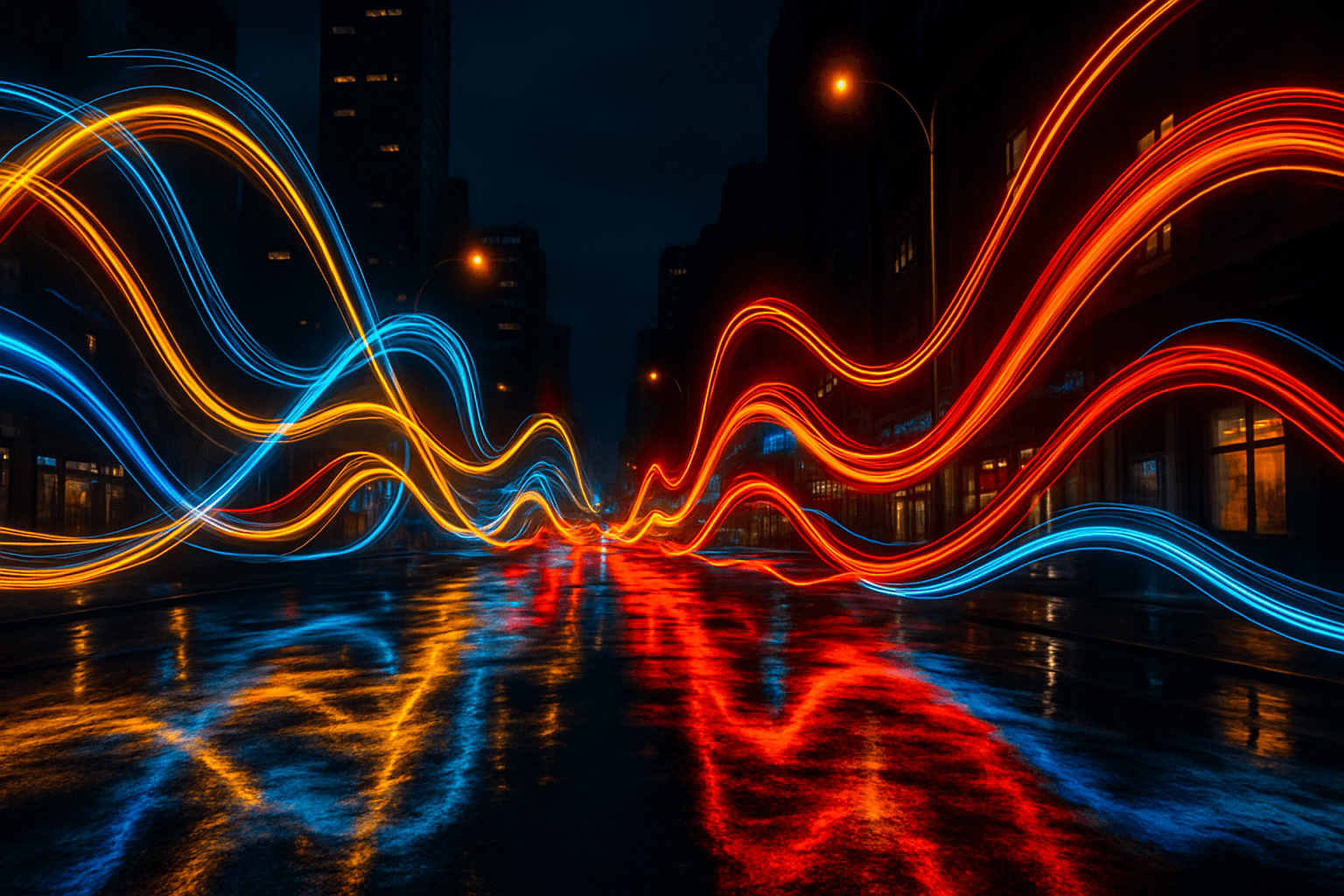
Light Painting Technique
Light Painting Technique is a powerful keyword in AI image generation that mimics the real-world photographic method of painting with light during long exposures. By incorporating this keyword into prompts, users can evoke dramatic, ethereal lighting effects that add movement and vibrancy to images. This technique is particularly effective for creating dynamic scenes featuring motion, abstract light art, or futuristic aesthetics. Using the Light Painting Technique keyword enables creators to explore an innovative lighting style that transforms ordinary settings into visually captivating compositions with glowing and fluid light elements.