Natural Window Lighting
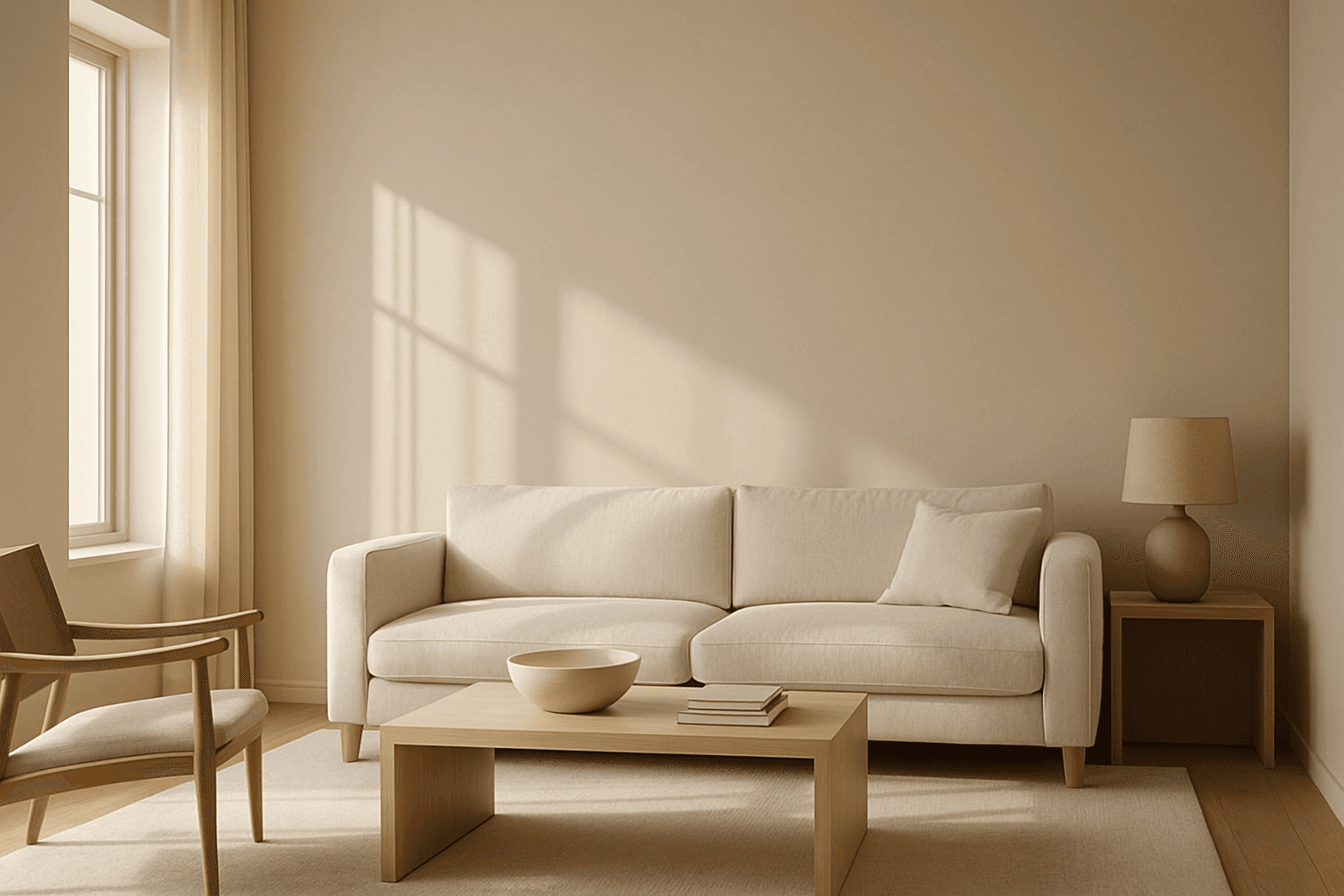
Natural Window Lighting is a popular lighting technique that mimics the ambient daylight streaming through windows, offering a natural and realistic illumination style in AI-generated images. It emphasizes soft shadows and highlights that define form and texture without harsh contrasts, making scenes appear inviting and warm. This lighting enhances photographic aesthetics, especially for indoor portraits, still lifes, and architectural visualizations, by adding depth and subtle color shifts. Using this keyword in AI prompts guides the image generation to prioritize delicate lighting effects and realistic shadow play reminiscent of early morning or late afternoon light filtering through windowpanes.
Definition
Natural Window Lighting describes the simulation of sunlight streaming through a window to create soft, directional light with natural shadows and highlights indoors. Adding this keyword in an AI prompt guides the model to prioritize lighting that replicates realistic daylight conditions, producing warmth and depth without harsh contrasts.
- Soft, natural directional light source from window
- Creates gentle shadows and highlights
- Enhances realism and depth indoors
Prompt Formula
To effectively invoke Natural Window Lighting in your AI images, use the following prompt pattern that balances environment, subject, and lighting: '[subject] in [interior style], illuminated by natural window lighting, soft shadows, warm daylight, realistic textures' Alternatively, combine with time-of-day modifiers: '[subject] near a large window during golden hour, natural window lighting, soft ambient glow, subtle shadows' This formula helps maintain focus on natural, diffuse lighting effects.
- [subject] in [interior] illuminated by natural window lighting
- Include descriptors like 'soft shadows' and 'warm daylight'
- Add time references such as 'morning' or 'golden hour' for mood
Best Use Cases
Natural Window Lighting excels in scenarios where authentic indoor illumination is desired without artificial harsh light. This includes: - Capturing intimate and realistic indoor portraits that emphasize skin tones and facial depth. - Showcasing architectural interiors with inviting daylight to highlight space and texture. - Enhancing still life or product shots that benefit from nuanced shadows and subtle light transitions.
- Indoor portrait photography with soft natural illumination
- Interior design and architectural visualization
- Artistic still life compositions requiring ambient daylight
Professional Workflow
To produce high-quality AI images using Natural Window Lighting: - Begin by gathering reference images that depict the desired lighting quality and angle. - Craft prompts specifying the subject, setting, and lighting nuances, including time of day and window size or placement. - Generate multiple variations to explore different shadow intensities and warmth. - Select images with balanced exposure and natural light diffusion. - Refine chosen images via post-processing or iterative prompting to enhance softness and detail.
- Collect reference images with window light effects
- Write detailed prompts specifying lighting and setting
- Generate variations and select optimal renders
- Refine images for softness and exposure balance
Related Styles
Natural Window Lighting complements and overlaps with several visual styles and keywords: - Soft Ambient Lighting emphasizes gentle light without harshness. - Golden Hour Lighting captures the warm, directional light shortly after sunrise or before sunset. - Indoor Natural Light highlights daylight used indoors but can vary in softness or direction. These keywords can be combined or alternated to achieve subtle lighting nuances depending on the scene.
- Soft Ambient Lighting
- Golden Hour Lighting
- Indoor Natural Light
Model-Specific Tips
When working with various AI image models: - Use clear, descriptive phrases like 'natural window lighting' combined with environment details to guide the model. - Avoid relying solely on numerical lighting parameters; instead, describe the mood and quality of light. - Include additional descriptors such as 'soft shadows' or 'warm daylight' for clarity. - Test prompt variations with different model versions to find optimal light rendering. - Combine lighting keywords sensitively to prevent conflicting effects.
- Use descriptive light quality phrases over numerical parameters
- Combine lighting with environment and time descriptors
- Test prompt variations for best lighting effect
- Avoid conflicting lighting terms in one prompt
FAQ
What does Natural Window Lighting mean in AI art?
It means simulating the effect of sunlight streaming through a window, creating soft, natural light and shadows in indoor scenes to enhance realism and atmosphere.
How do I include Natural Window Lighting in my prompts?
Add descriptive phrases like 'natural window lighting', 'soft shadows', and specify the setting or time of day to direct the AI toward realistic daylight illumination.
Continue Exploring
Related Prompts
Natural Window Light Usage
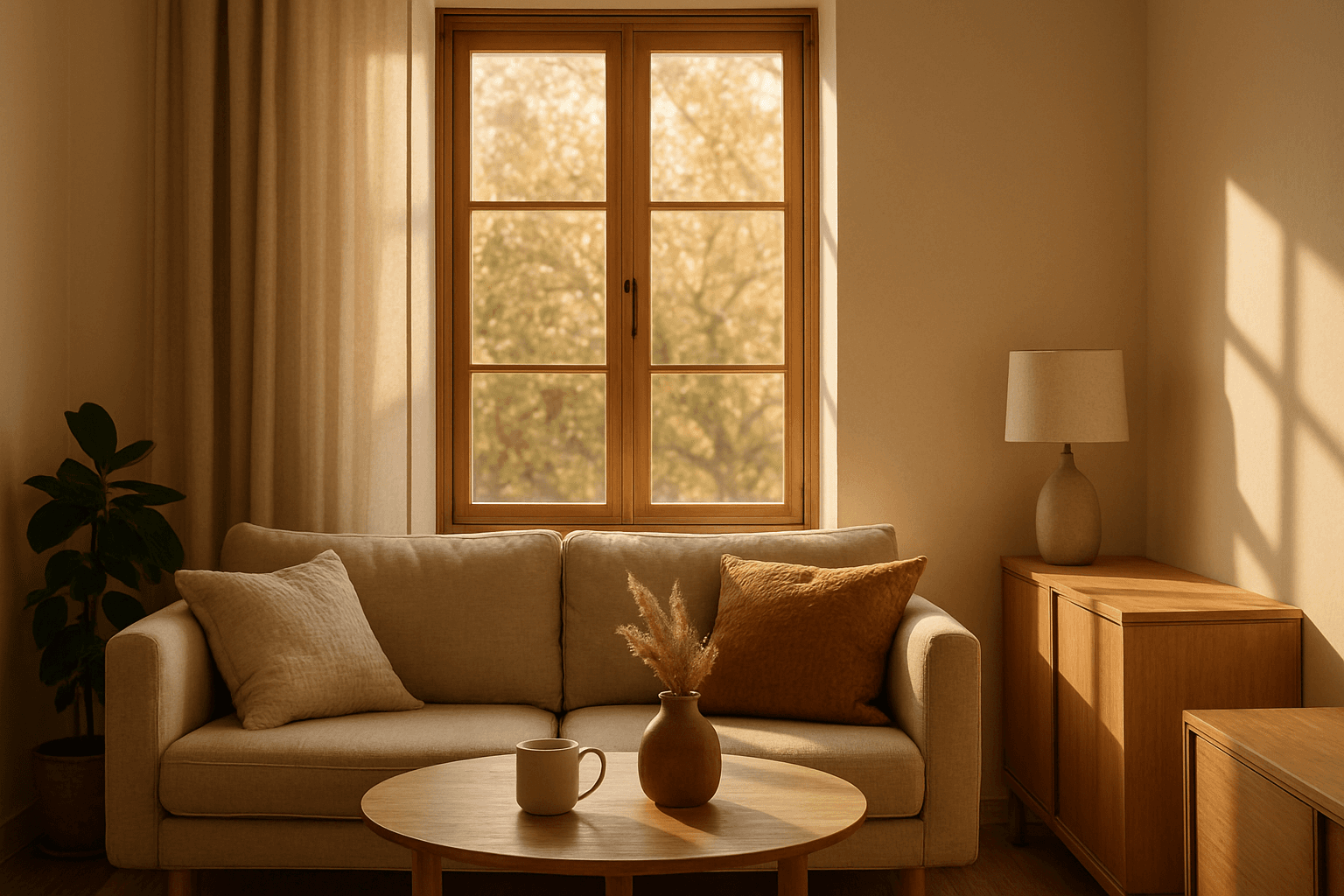
Utilizing Natural Window Light in AI-generated images enhances realism by replicating the nuanced qualities of daylight entering an indoor space. This approach creates subtle contrasts between illuminated areas and shadows, adding dimensionality and mood. The lighting often produces warm tones and soft shadows that reveal textures and form delicately, making portraits, still lifes, and interiors appear inviting and authentic. Prompting with this keyword guides AI models to focus on lighting interplay shaped by window light, fostering images that feel naturally composed and comfortable.
Directional Top Lighting
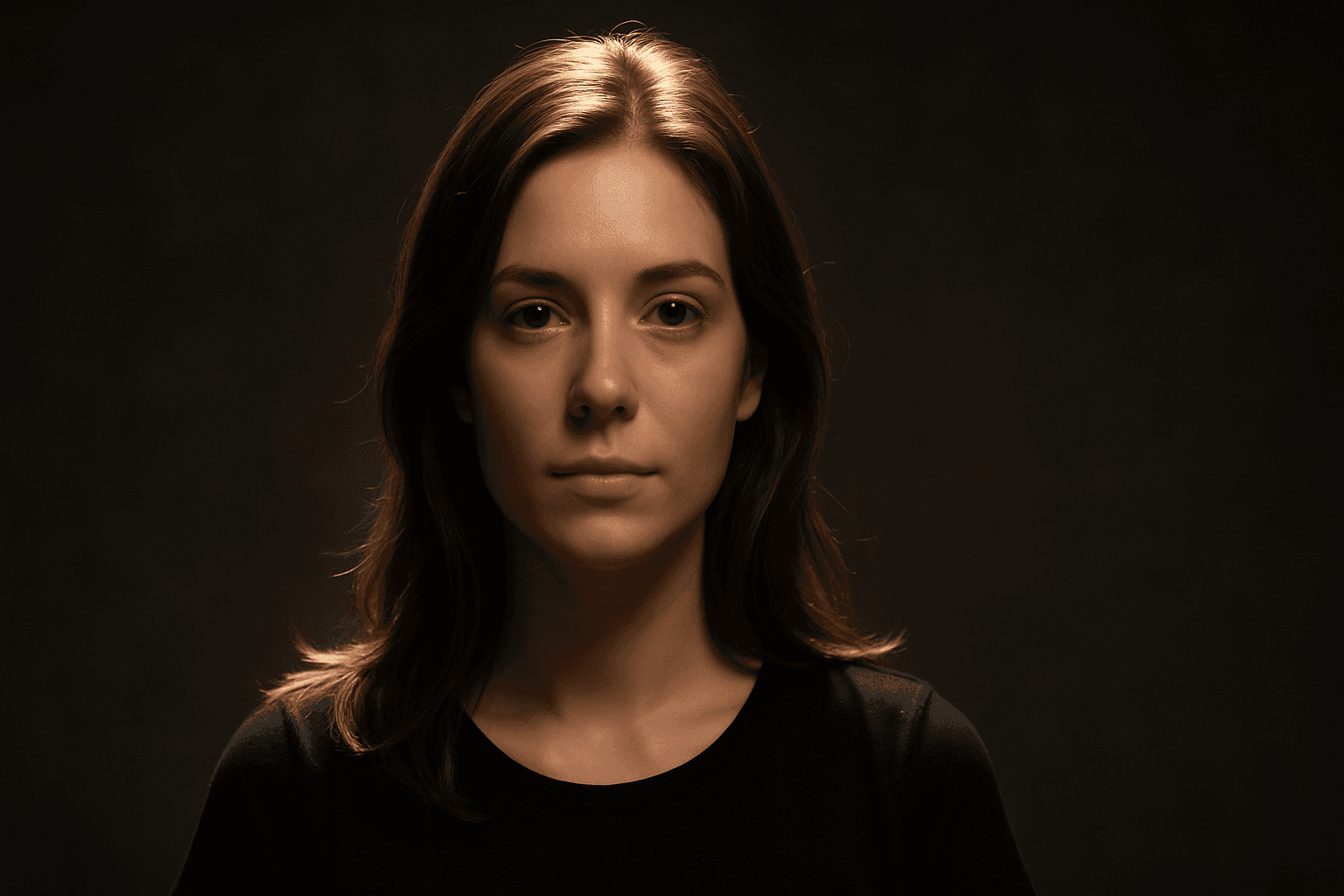
Directional Top Lighting is a technique widely used to simulate natural or artificial light coming directly from above a subject. In AI image generation, specifying this lighting style helps create images with realistic shading and depth, highlighting the textures and contours of objects or scenes from a top-down perspective. This lighting direction mimics sunlight at midday or overhead indoor fixtures, producing crisp shadows and well-defined highlights. It is especially effective for portraits, still life, architectural visuals, and product photography, enhancing the spatial perception and visual appeal of the subject within the composition.

Natural Window Light Quality
Natural window light quality is a sought-after lighting effect in photography and digital art, providing an authentic and warm ambiance to images. This type of lighting emulates sunlight entering through a window, often resulting in soft shadows and delicate contrast that highlight textures and materials naturally. In AI image generation, using this lighting quality can transform compositions to appear more lifelike and emotionally engaging, enhancing the mood without harsh artificial lighting. It's ideal for editorial, lifestyle, and interior imagery where realism and a comfortable atmosphere are essential.
Warm Ambient Glow
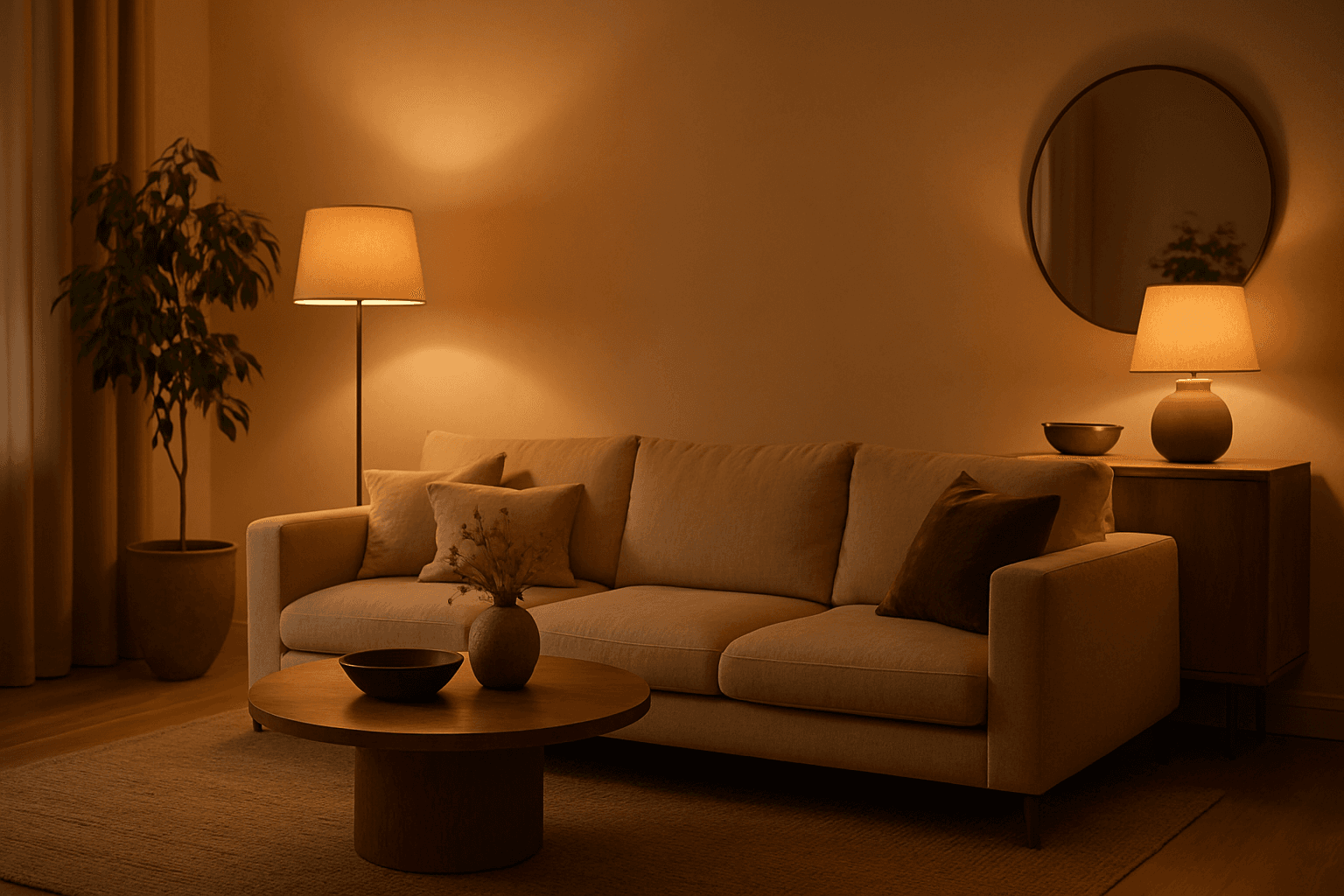
In AI-generated imagery, the "Warm Ambient Glow" keyword is used to simulate cozy, inviting lighting environments characterized by soft, warm illumination that enriches the visual texture and mood. This lighting effect mimics natural golden-hour sunlight or artificial sources like incandescent lamps, casting gentle gradients of warm light that add emotional warmth and realism without overpowering highlights or harsh contrasts. The resulting images often convey feelings of comfort, intimacy, or nostalgia and are especially valuable in editorial, lifestyle, and interior design visuals. Incorporating this prompt keyword encourages AI models to focus on warm tones and a balanced ambient light distribution, making it ideal for enhancing the aesthetic appeal of portraits, product shots, and environmental scenes with a premium, polished finish.
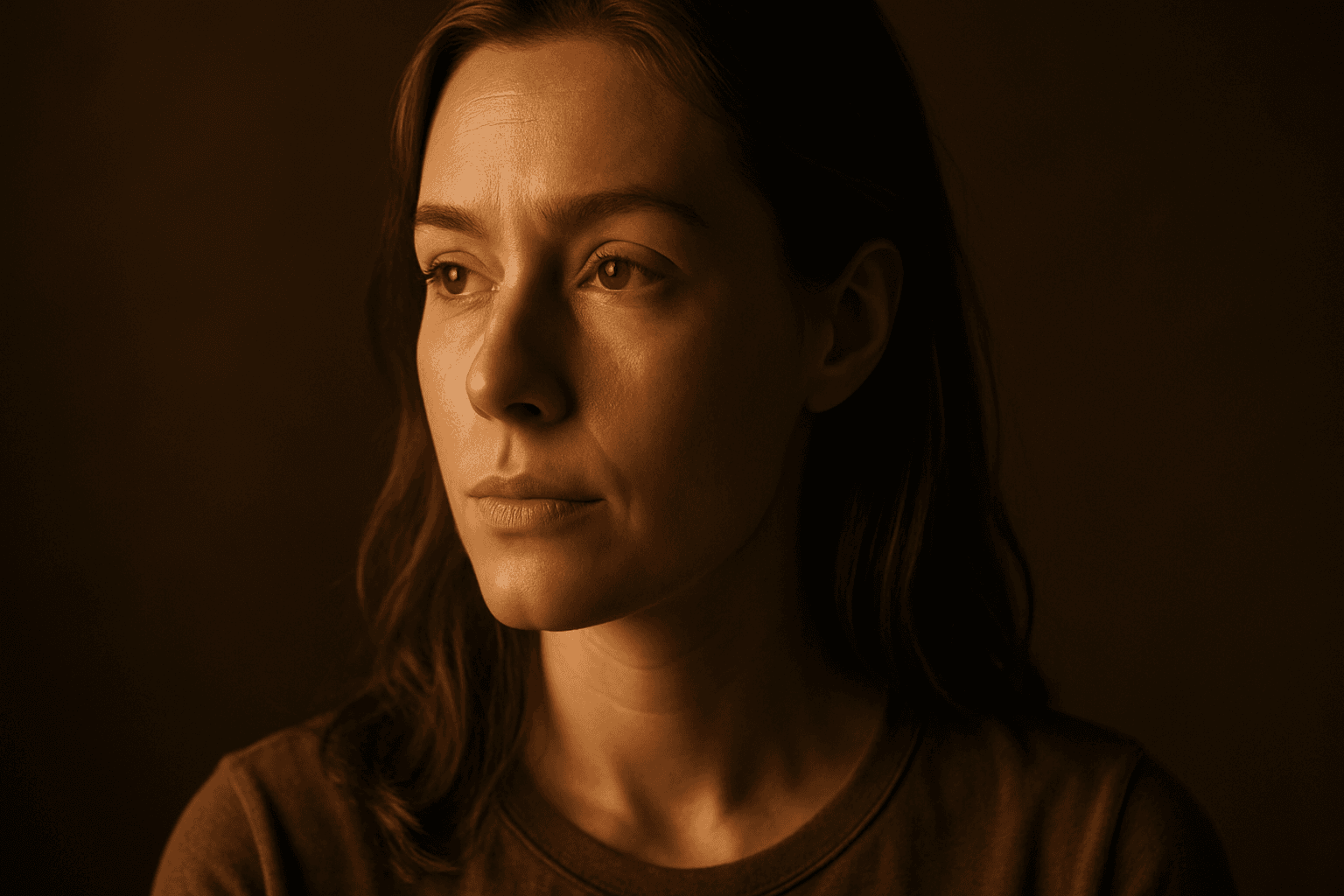
Directional Side Lighting
Directional side lighting is a powerful lighting technique widely used in photography and digital art to add dimensionality and mood. In the context of AI image generation, specifying directional side lighting shapes how the model simulates light interaction with subjects and environments. This lighting style creates pronounced contrasts between illuminated and shaded areas, resulting in images with realistic depth and enhanced visual interest. It is especially effective for emphasizing textures and defining shapes in portraits, still life, architectural renders, and product shots. Using this lighting approach in AI prompts helps generate more polished and professional visuals suitable for editorial and commercial use.
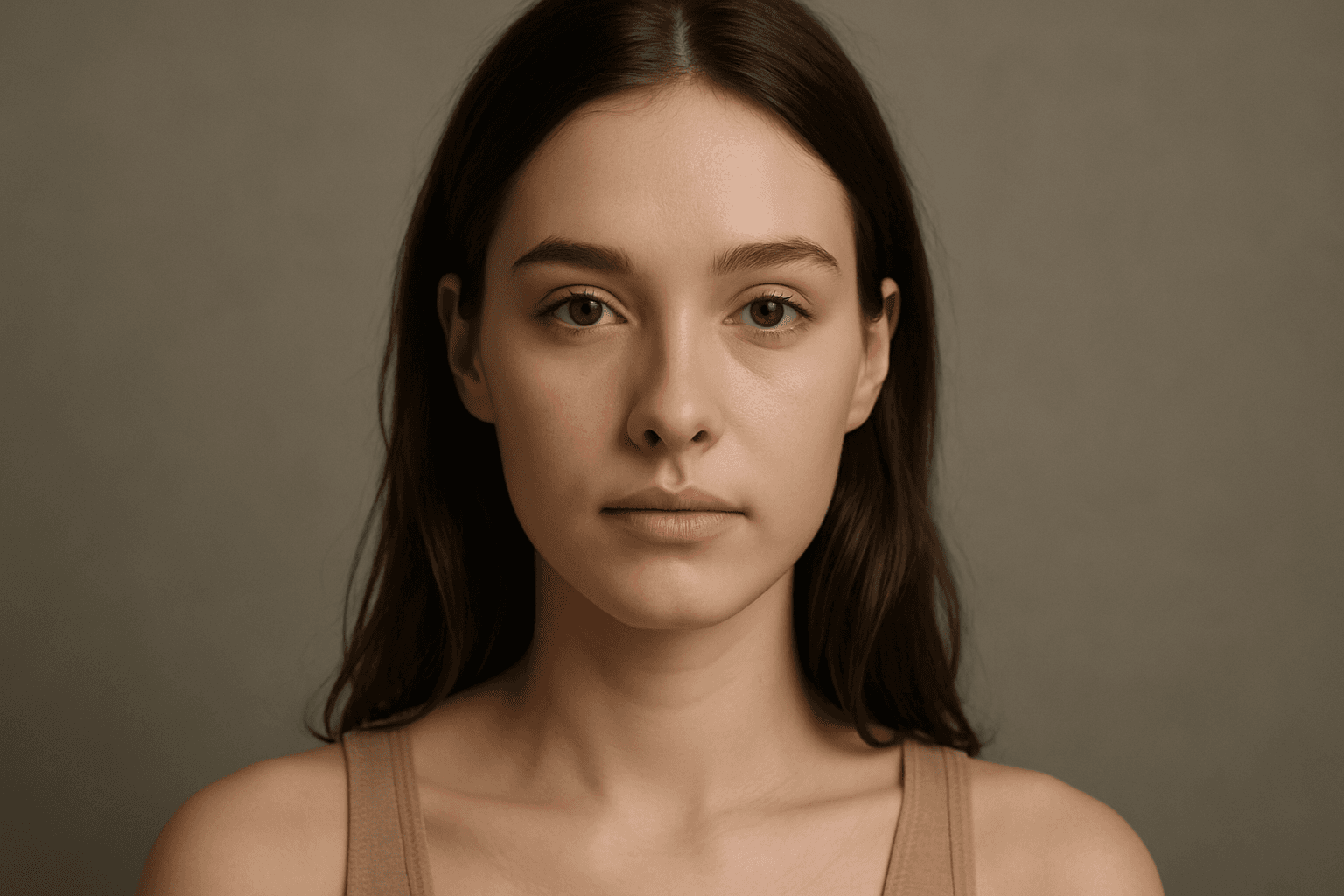
Soft Diffused Lighting
Soft diffused lighting is a popular lighting technique used to create visually appealing images with gentle, even illumination. This lighting style reduces harsh shadows and highlights, producing a smooth transition of light on subjects and backgrounds. In AI-generated imagery, specifying soft diffused lighting helps to evoke a natural, calming mood, making subjects appear more realistic and intricate details visible without stark contrast. It is commonly used in portraiture, product photography, and editorial imagery to deliver a polished, premium look. Leveraging soft diffused lighting enhances an image’s depth and material realism, ensuring a refined and aesthetically balanced output.