Natural Window Light Quality
Natural window light quality is a sought-after lighting effect in photography and digital art, providing an authentic and warm ambiance to images. This type of lighting emulates sunlight entering through a window, often resulting in soft shadows and delicate contrast that highlight textures and materials naturally. In AI image generation, using this lighting quality can transform compositions to appear more lifelike and emotionally engaging, enhancing the mood without harsh artificial lighting. It's ideal for editorial, lifestyle, and interior imagery where realism and a comfortable atmosphere are essential.

Definition
Natural Window Light Quality simulates the distinctive properties of sunlight passing through windows, producing soft, directional light with natural warmth and gentle shadows. In AI image prompts, it instructs the model to recreate this realistic indoor lighting effect, enhancing image depth and mood with subtler highlights and diffusions than direct sunlight.
Visual Characteristics
- Soft, diffused shadows with smooth gradient transitions
- Directional light beams creating highlights on textures and surfaces
- Warm or neutral tones reflecting natural daylight ambiance
Prompt Formula
To incorporate natural window light quality effectively, use phrases focusing on lighting conditions and qualities. Combine terms describing source, effect, and mood to guide the AI precisely.
- "natural window light quality"
- "soft, directional sunlight through window"
- "diffused daylight with warm tones"
- "gentle shadows and highlights"
- "ambient indoor lighting from window"
Best Use Cases
- Editorial portraits with authentic, flattering window light
- Interior scenes emphasizing natural, cozy atmospheres
- Product photography with soft natural shadows enhancing details
Advanced Techniques
Enhance natural window light quality by specifying time of day or weather conditions—such as "morning light through sheer curtains" or "overcast window light"—to fine-tune color temperature and shadow softness. Combine with reflective surfaces or translucent materials to create complex light interplay. Use constraints like "avoid harsh shadows" or "moderate contrast" for refined results.
- Specify time of day: morning, afternoon, golden hour
- Include modifiers: sheer curtains, partly cloudy windows
- Add environmental reflections for complexity
- Control shadow hardness or softness
- Combine with warm or cool color grading
Professional Workflow
Start by briefing the AI with a clear image concept including ‘natural window light quality’ to ensure desirable lighting. Generate initial batches reviewing shadow softness, directionality, and overall mood. Select images exhibiting realistic light interplay, then refine prompts to adjust warmth or shadow contrast. Integrate post-generation edits sparingly to enhance subtle light effects without losing authenticity.
- Draft prompt emphasizing the scene and light quality
- Generate multiple variants focusing on light behavior
- Select images with optimal shadow softness and warmth
- Iterate prompts to fine-tune light direction and color temperature
- Apply minimal post-processing to maintain natural look
Related Styles
- Soft Diffused Light
- Ambient Indoor Lighting
- Indirect Sunlight Glow
Model-Specific Tips
When using modern AI image models, pair ‘natural window light quality’ with explicit modifiers like ‘soft shadows’ and ‘directional light’ to strengthen lighting cues. Avoid vague lighting terms alone. Adjust prompt length to prevent overshadowing scene description but maintain clarity. Consider including camera settings or lens descriptors to aid realism, such as ‘50mm lens, shallow depth of field’ to complement lighting effects.
- Combine with modifiers: soft shadows, warm tones
- Use concise but precise lighting descriptions
- Include complementary camera or lens details
- Avoid broad or ambiguous terms like 'natural light' alone
- Test prompt variations to capture desired lighting nuances
FAQ
How does 'Natural Window Light Quality' differ from general natural light in AI prompts?
‘Natural Window Light Quality’ specifically refers to the characteristics of sunlight filtered through windows, producing softer, directional, and warmer lighting effects with gentle shadows, whereas general natural light can refer to any outdoor or ambient daylight without the window filtering nuances.
Can I use 'Natural Window Light Quality' for night scenes?
No, this lighting style emulates daylight conditions through windows and is unsuitable for night scenes. For nighttime indoor lighting, consider keywords related to artificial or moonlight sources.
Continue Exploring
Related Prompts
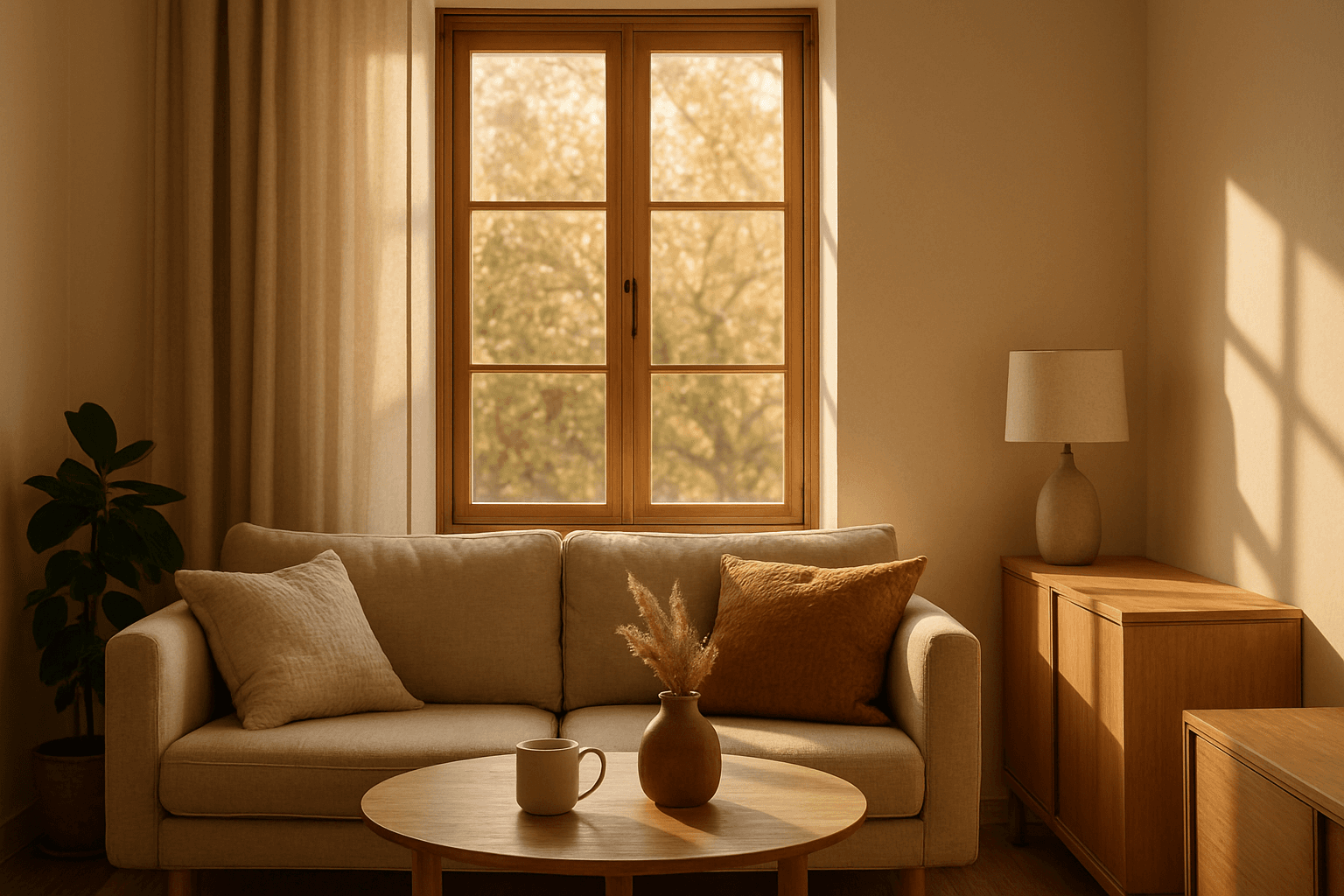
Natural Window Light Usage
Utilizing Natural Window Light in AI-generated images enhances realism by replicating the nuanced qualities of daylight entering an indoor space. This approach creates subtle contrasts between illuminated areas and shadows, adding dimensionality and mood. The lighting often produces warm tones and soft shadows that reveal textures and form delicately, making portraits, still lifes, and interiors appear inviting and authentic. Prompting with this keyword guides AI models to focus on lighting interplay shaped by window light, fostering images that feel naturally composed and comfortable.
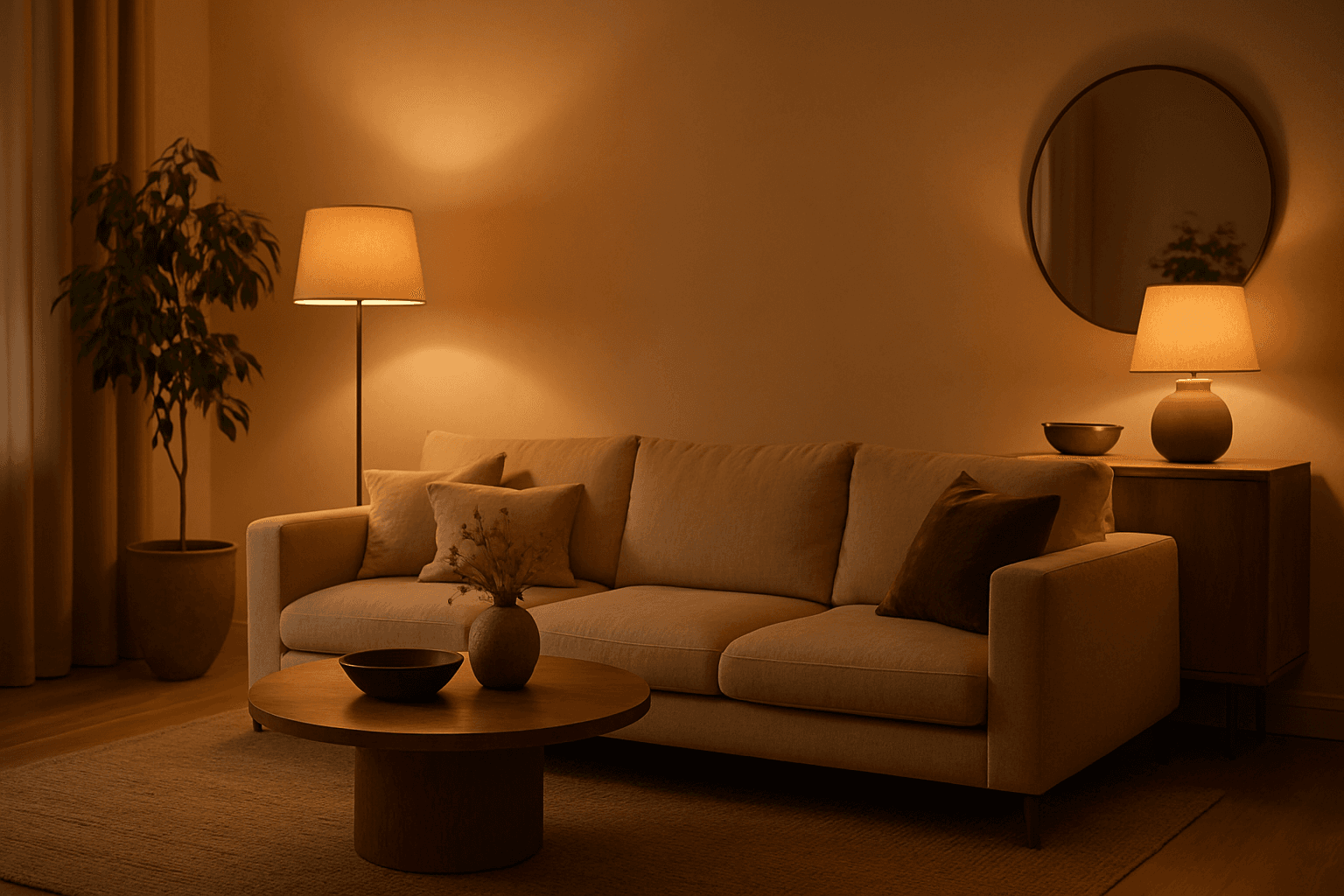
Warm Ambient Glow
In AI-generated imagery, the "Warm Ambient Glow" keyword is used to simulate cozy, inviting lighting environments characterized by soft, warm illumination that enriches the visual texture and mood. This lighting effect mimics natural golden-hour sunlight or artificial sources like incandescent lamps, casting gentle gradients of warm light that add emotional warmth and realism without overpowering highlights or harsh contrasts. The resulting images often convey feelings of comfort, intimacy, or nostalgia and are especially valuable in editorial, lifestyle, and interior design visuals. Incorporating this prompt keyword encourages AI models to focus on warm tones and a balanced ambient light distribution, making it ideal for enhancing the aesthetic appeal of portraits, product shots, and environmental scenes with a premium, polished finish.
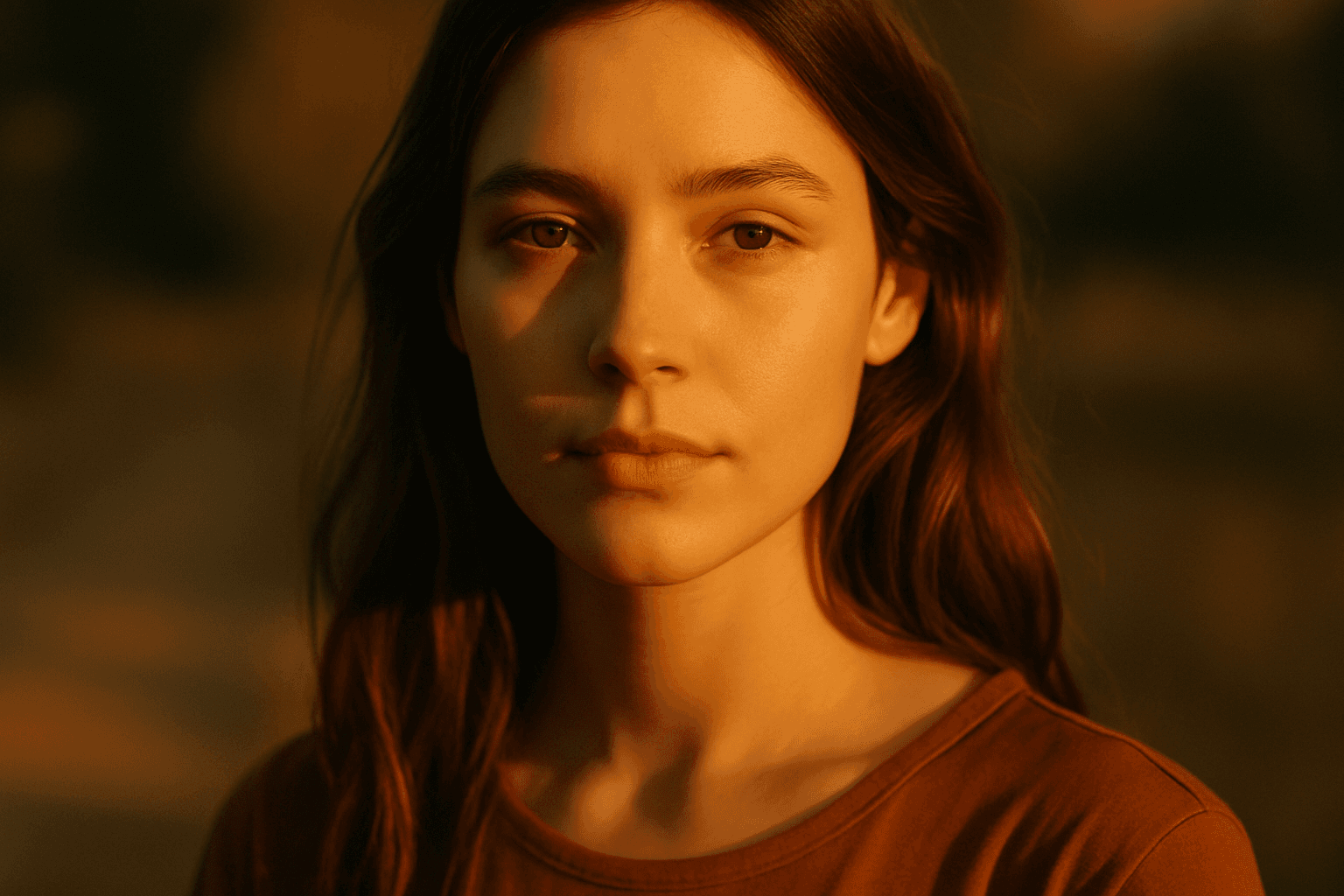
Natural Golden Hour Light
Natural Golden Hour Light is a highly valued lighting effect in photography, cinematography, and digital art for its ability to create warm, inviting, and richly textured images. This lighting appears during the brief periods of sunrise and sunset when the sun is low on the horizon, casting a golden hue that enhances colors and shapes without harsh contrasts. When used in AI image generation, prompt inclusion of this term helps achieve scenes with realistic and appealing atmospheric conditions, ideal for portraits, landscapes, and lifestyle imagery. It energizes visuals with a natural softness that is both aesthetically pleasing and emotionally evocative, often used to convey tranquility, romance, and beauty.
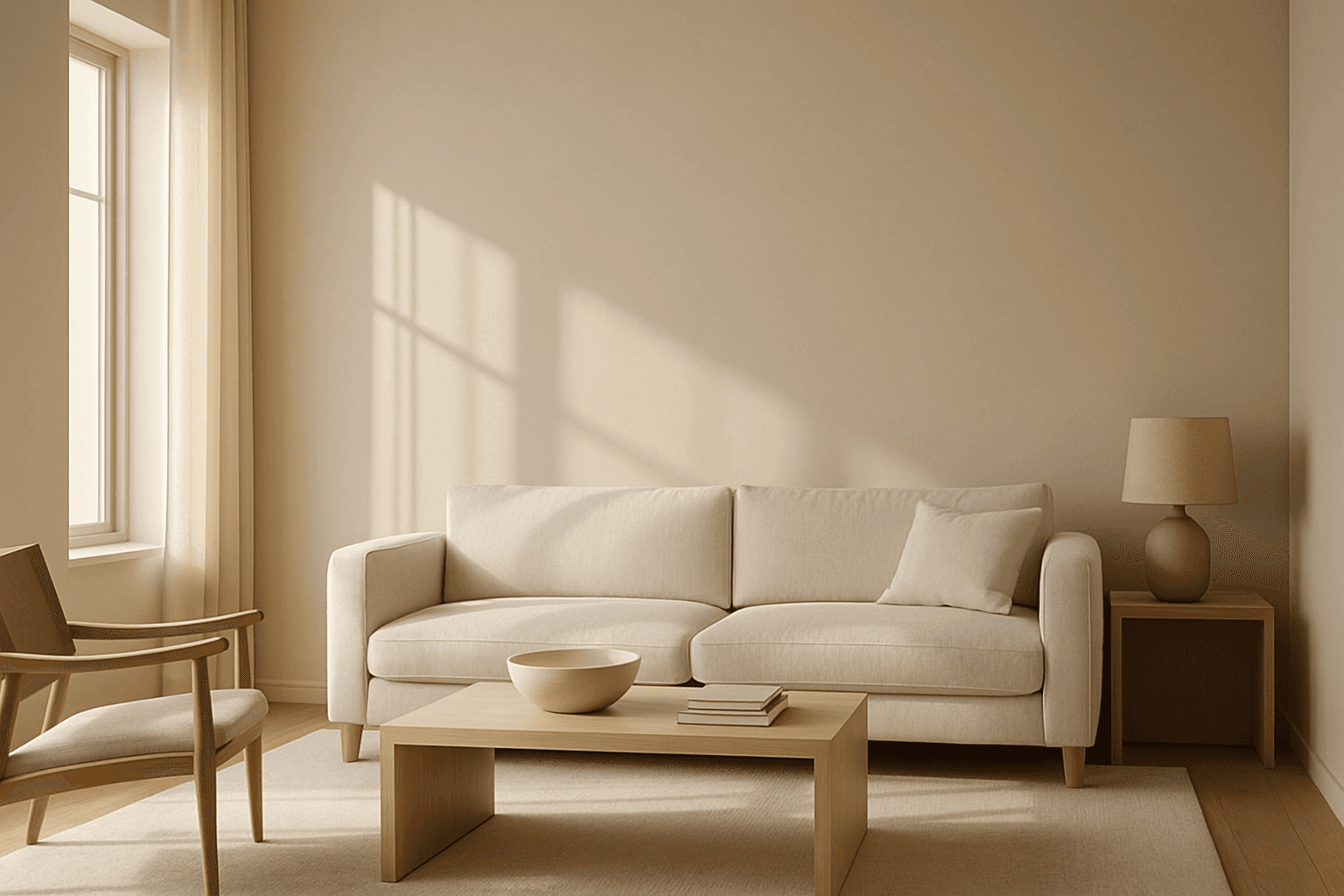
Natural Window Lighting
Natural Window Lighting is a popular lighting technique that mimics the ambient daylight streaming through windows, offering a natural and realistic illumination style in AI-generated images. It emphasizes soft shadows and highlights that define form and texture without harsh contrasts, making scenes appear inviting and warm. This lighting enhances photographic aesthetics, especially for indoor portraits, still lifes, and architectural visualizations, by adding depth and subtle color shifts. Using this keyword in AI prompts guides the image generation to prioritize delicate lighting effects and realistic shadow play reminiscent of early morning or late afternoon light filtering through windowpanes.
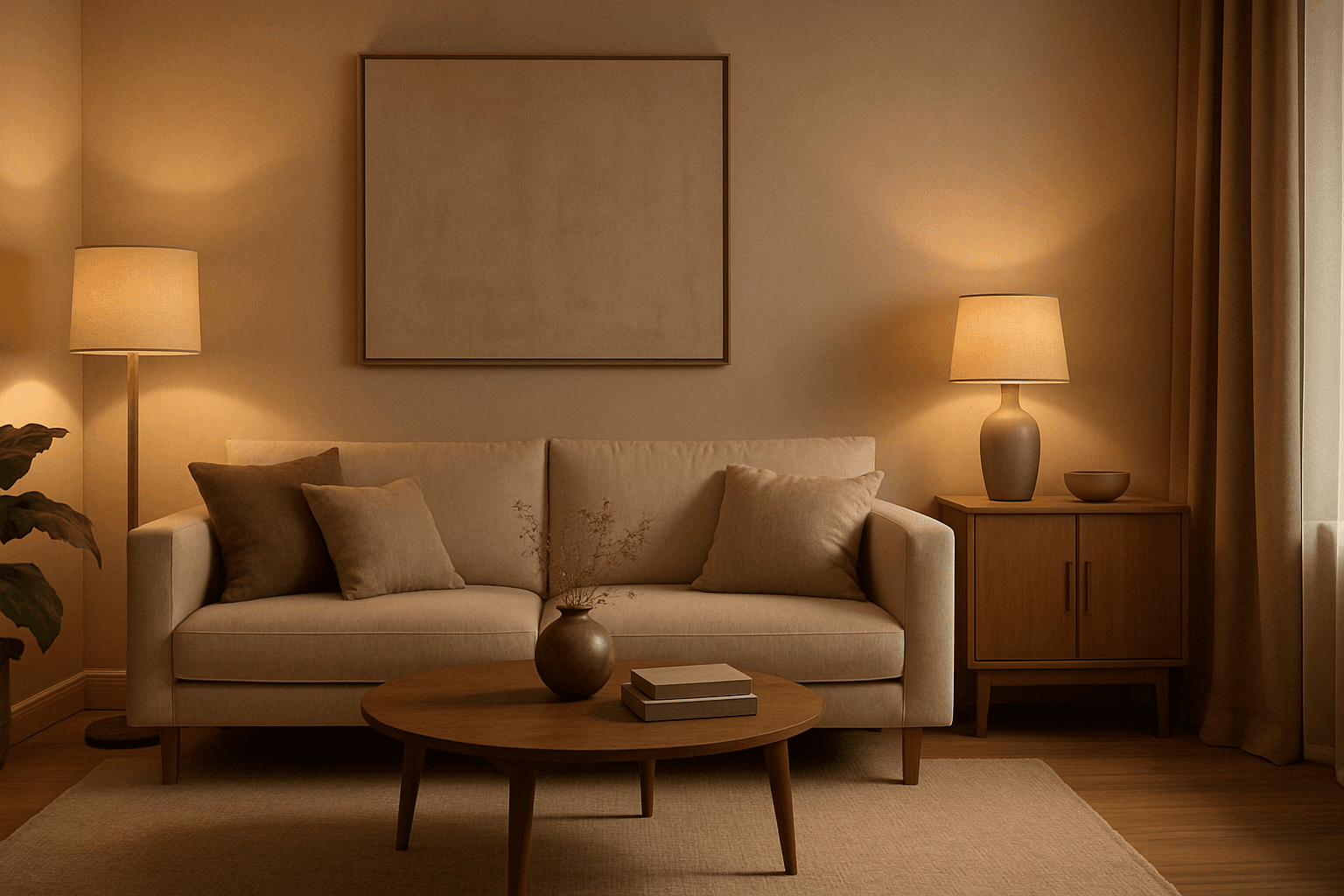
Ambient Light Effects
Ambient Light Effects in AI-generated images create a harmonious and natural lighting environment that enhances realism and mood without overpowering contrasts. This lighting type softly bathes scenes in diffuse light, mimicking the effect of indirect sunlight or overcast skies. By integrating ambient light into prompts, users can achieve visuals that feel authentic and immersive, ideal for scenes requiring subtle illumination or a calm atmosphere. This approach minimizes harsh shadows and bright spots, yielding images with smooth gradations and an understated elegance. The result is a balanced exposure that allows textures and colors to appear true to life, enhancing the viewer’s emotional connection.

Reflected Light Technique
The reflected light technique is essential for artists and AI users aiming to enhance the quality and realism of generated images. By incorporating reflected light cues into prompts, the AI simulates indirect lighting effects that naturally exist in real-world scenes. This technique softens shadows, improves spatial depth, and accentuates textures and materials subtly. It is especially beneficial in portrait, still life, and interior imagery, where nuanced light behavior impacts mood and detail perception. Using reflected light can transform flat, unrealistic images into visually engaging artwork with a heightened sense of atmosphere and authenticity.