Natural Golden Hour Light
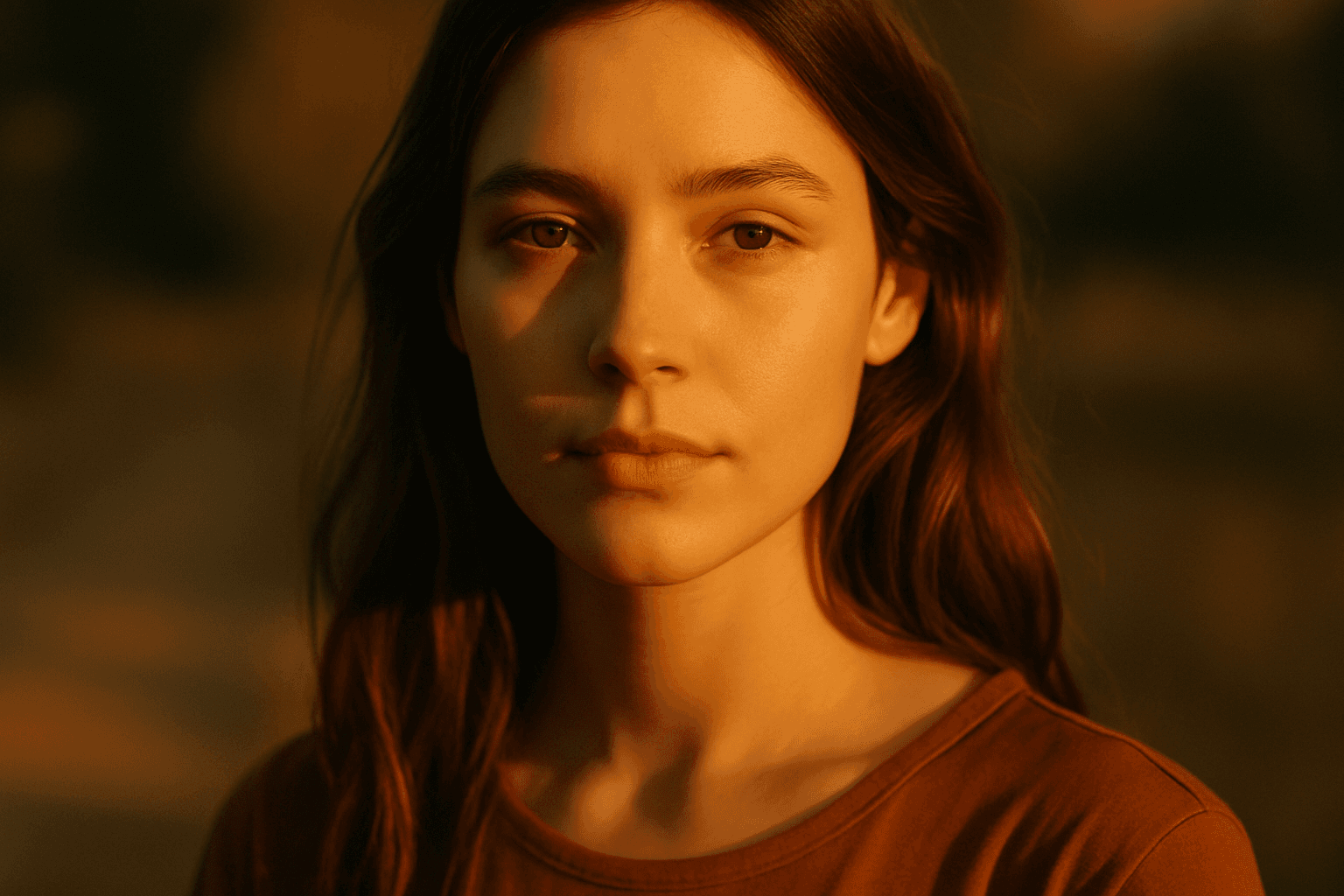
Natural Golden Hour Light is a highly valued lighting effect in photography, cinematography, and digital art for its ability to create warm, inviting, and richly textured images. This lighting appears during the brief periods of sunrise and sunset when the sun is low on the horizon, casting a golden hue that enhances colors and shapes without harsh contrasts. When used in AI image generation, prompt inclusion of this term helps achieve scenes with realistic and appealing atmospheric conditions, ideal for portraits, landscapes, and lifestyle imagery. It energizes visuals with a natural softness that is both aesthetically pleasing and emotionally evocative, often used to convey tranquility, romance, and beauty.
Definition
Natural Golden Hour Light captures the warm, soft sunlight that occurs shortly after sunrise or just before sunset. Incorporating this into AI image prompts instructs the model to simulate the unique color temperature and diffused glow of these moments, imparting warmth and enhanced depth to the scene. This keyword helps create images with gentle shadows and a harmonious atmosphere, differing greatly from harsh midday lighting.
Prompt Formula
To effectively use Natural Golden Hour Light in AI prompts, combine descriptors that emphasize warmth, softness, and shadow quality. Examples include: "natural golden hour light, warm orange glow, soft long shadows", "golden hour sunlight filtering through trees, ambient warm tones", or "portrait with natural golden hour light, subtle highlights, smooth light transitions." This pattern ensures the lighting effect is clearly conveyed for realistic rendering.
- natural golden hour light, warm orange glow, soft long shadows
- golden hour sunlight filtering through trees, ambient warm tones
- portrait with natural golden hour light, subtle highlights, smooth light transitions
Best Use Cases
Natural Golden Hour Light enhances the emotional and visual impact in several scenarios:
- Portraits requiring flattering, warm skin tones and soft shadows
- Outdoor landscapes emphasizing texture and mood during early morning or late afternoon
- Lifestyle and travel images that aim to capture a natural, cozy ambiance
Industry Applications
This lighting effect has valuable applications across multiple commercial fields:
- Advertising: creates warm, inviting scenes that resonate emotionally with viewers
- Editorial: enhances storytelling by setting a specific time and mood in photography
- Ecommerce: highlights products with realistic, flattering light to improve attractiveness and detail visibility
Common Mistakes
Typical pitfalls when prompting for Natural Golden Hour Light include over-saturation of warm tones leading to unrealistic color balance, ignoring shadow direction which can flatten the image, or generating lighting that appears artificial or too harsh. To avoid these issues, balance warmth with subtle shading, specify soft and elongated shadows, and avoid excessive brightness or contrast that detracts from the natural feel.
- Avoid over-saturating orange and yellow hues
- Specify soft, long shadows to maintain depth
- Balance warmth to prevent unnatural color casts
Advanced Techniques
Experienced prompt writers can refine Natural Golden Hour Light effects by combining them with environmental and atmospheric details such as mist, lens flare, or volumetric light effects. Using constraints like "soft focus" or "bokeh highlights" can produce richer depth and realism. Additionally, pairing with subject-specific descriptors (e.g., "wheat field with golden hour light casting dynamic shadows") enhances narrative depth and visual complexity.
- Combine with atmospheric effects like mist and lens flare
- Use constraints like 'soft focus' or 'shallow depth of field'
- Integrate environment-specific descriptors for nuanced lighting interplay
FAQ
How does Natural Golden Hour Light differ from regular sunlight in AI images?
Natural Golden Hour Light simulates the warm, diffused, and low-angle sunlight found shortly after sunrise or before sunset, producing softer shadows and richer warm tones compared to the harsher, more neutral midday sunlight typically seen in images without this keyword.
Can I use Natural Golden Hour Light for indoor images?
Yes, if the indoor scene is depicted with sunlight streaming through windows during the golden hour. Including details like window light direction and time of day helps the AI render authentic warm lighting indoors.
Continue Exploring
Related Prompts
Golden Hour Soft Light
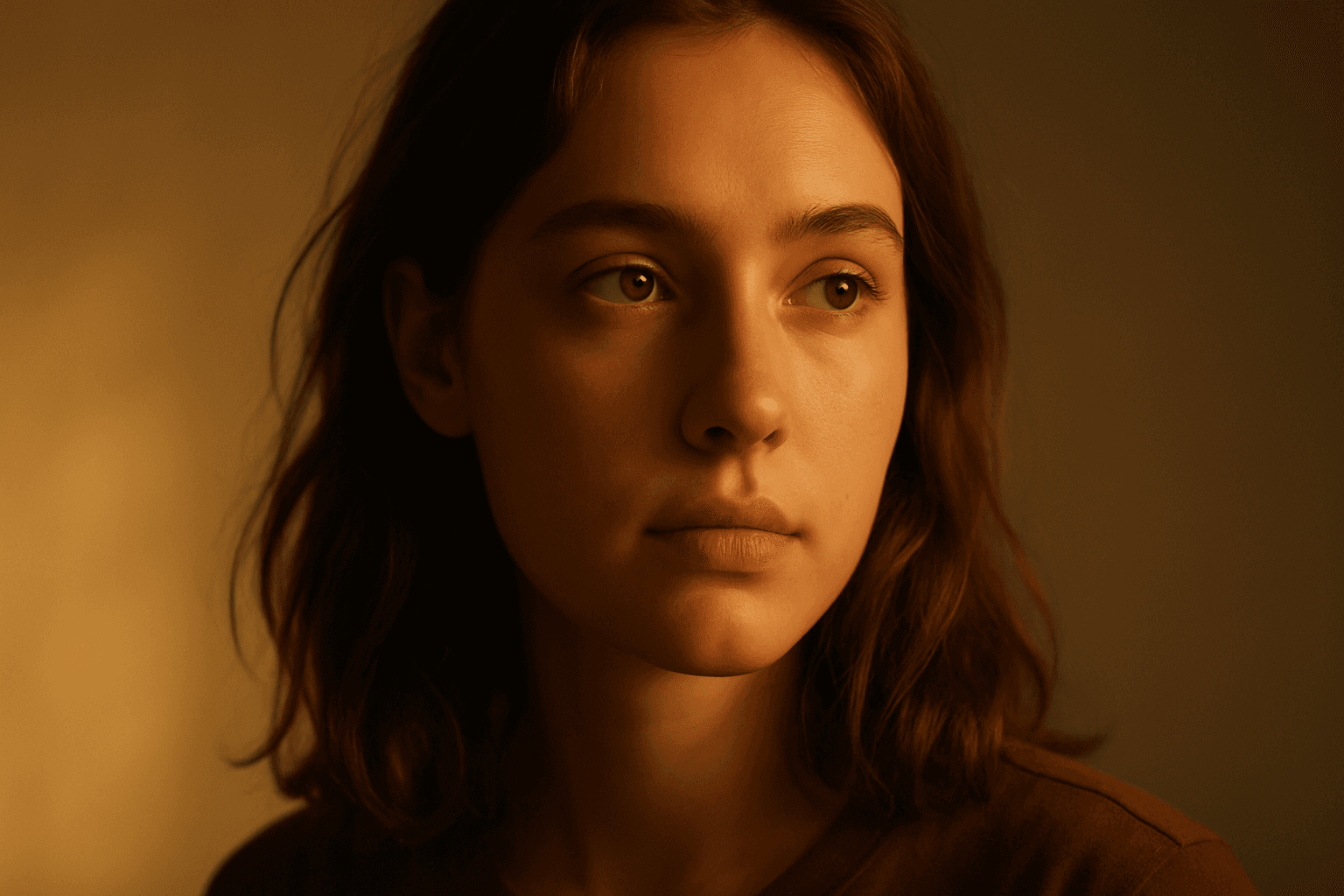
Golden Hour Soft Light captures the magical lighting conditions during the early morning or late afternoon sun. This natural lighting style is prized for its warm colors and flattering softness, often leading to images that feel intimate and aesthetically pleasing. When incorporated into AI prompts, it helps generate scenes with realistic ambient and directional light that evokes emotion and depth. This lighting style works well across portraiture, landscapes, and still-life imagery, providing a premium and elegant look. It subtly enhances textures and materials without harsh contrasts or glare, offering a polished and professional finish suitable for editorial and commercial use.
Golden Hour
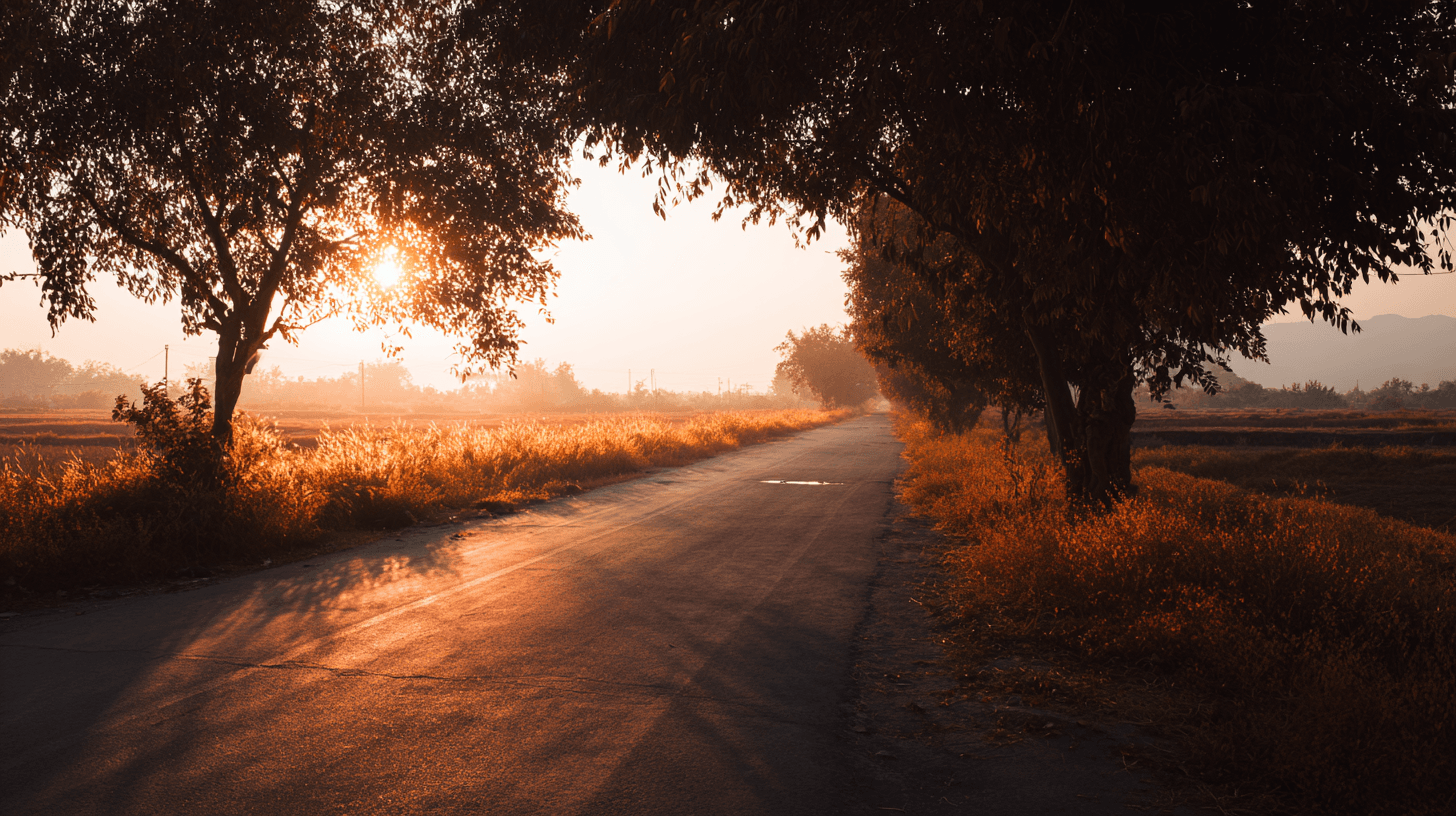
Golden Hour is a lighting keyword that refers to the warm, low-angle sunlight shortly after sunrise or shortly before sunset. In AI image prompts, it is one of the easiest ways to make a scene feel natural, emotional, and commercially appealing. The light is usually softer than midday sun, the shadows are longer, and the color temperature leans warm. This makes subjects feel more flattering and environments feel more inviting. For beginners, Golden Hour is a dependable keyword because it improves mood without requiring a complicated lighting setup. It works for people, landscapes, products, interiors, food, travel scenes, and lifestyle imagery.

Natural Window Light Quality
Natural window light quality is a sought-after lighting effect in photography and digital art, providing an authentic and warm ambiance to images. This type of lighting emulates sunlight entering through a window, often resulting in soft shadows and delicate contrast that highlight textures and materials naturally. In AI image generation, using this lighting quality can transform compositions to appear more lifelike and emotionally engaging, enhancing the mood without harsh artificial lighting. It's ideal for editorial, lifestyle, and interior imagery where realism and a comfortable atmosphere are essential.
Ambient Light Effects
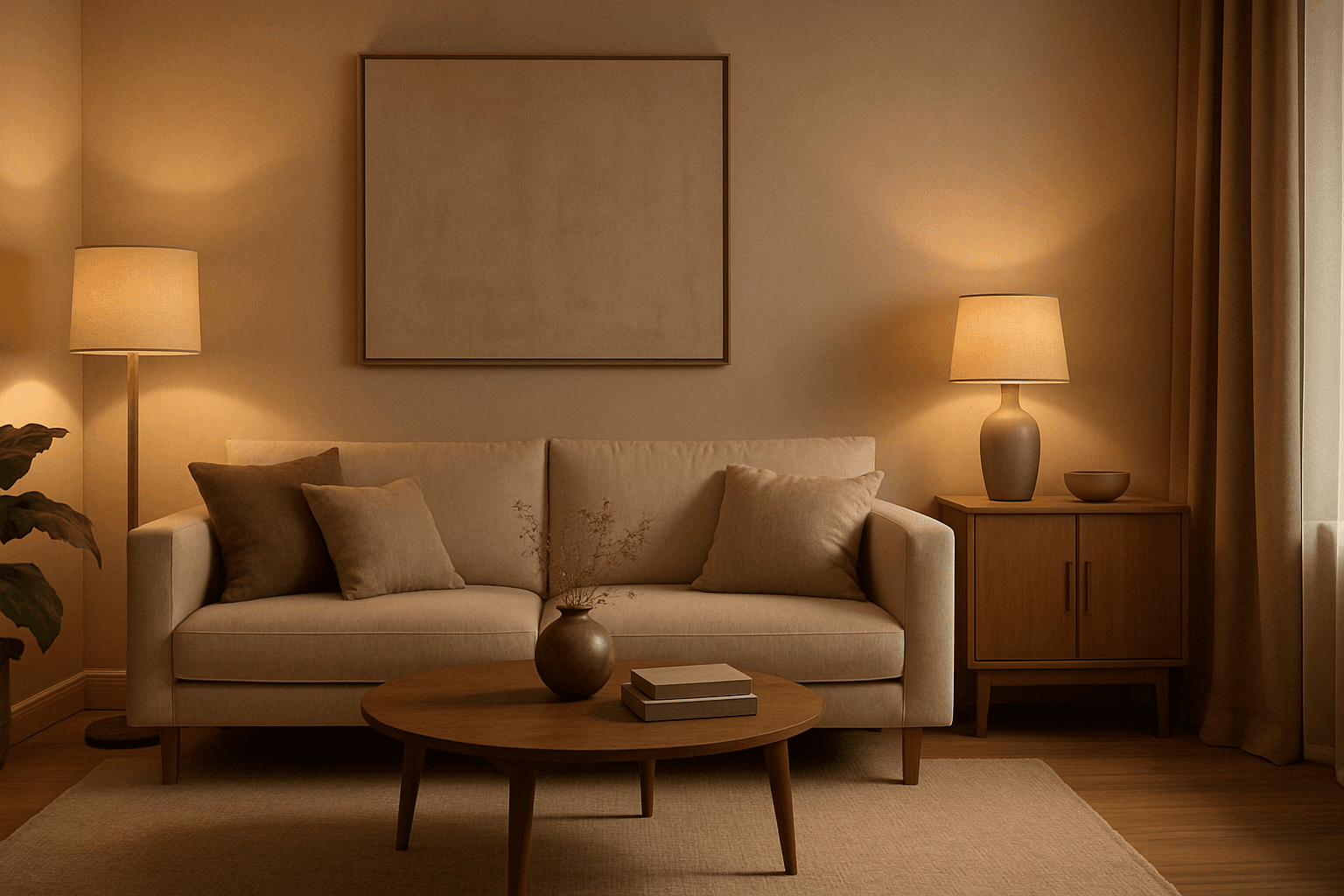
Ambient Light Effects in AI-generated images create a harmonious and natural lighting environment that enhances realism and mood without overpowering contrasts. This lighting type softly bathes scenes in diffuse light, mimicking the effect of indirect sunlight or overcast skies. By integrating ambient light into prompts, users can achieve visuals that feel authentic and immersive, ideal for scenes requiring subtle illumination or a calm atmosphere. This approach minimizes harsh shadows and bright spots, yielding images with smooth gradations and an understated elegance. The result is a balanced exposure that allows textures and colors to appear true to life, enhancing the viewer’s emotional connection.

Soft Fill Light Setup
Soft fill light setup is an essential lighting approach in photography, cinematography, and AI image generation that focuses on enhancing visual clarity by gently illuminating subjects. This method employs diffused light sources positioned strategically to fill in shadows without creating new ones or flattening the image's depth. In AI-generated images, specifying a soft fill light setup guides the model to render scenes with subtle shading and natural contrast, making portraits, still life, and product shots appear more realistic and appealing. By balancing the interplay between light and shadow, the soft fill light setup adds dimension while maintaining a polished and professional look suitable for editorial, commercial, and creative projects.
Warm Ambient Glow
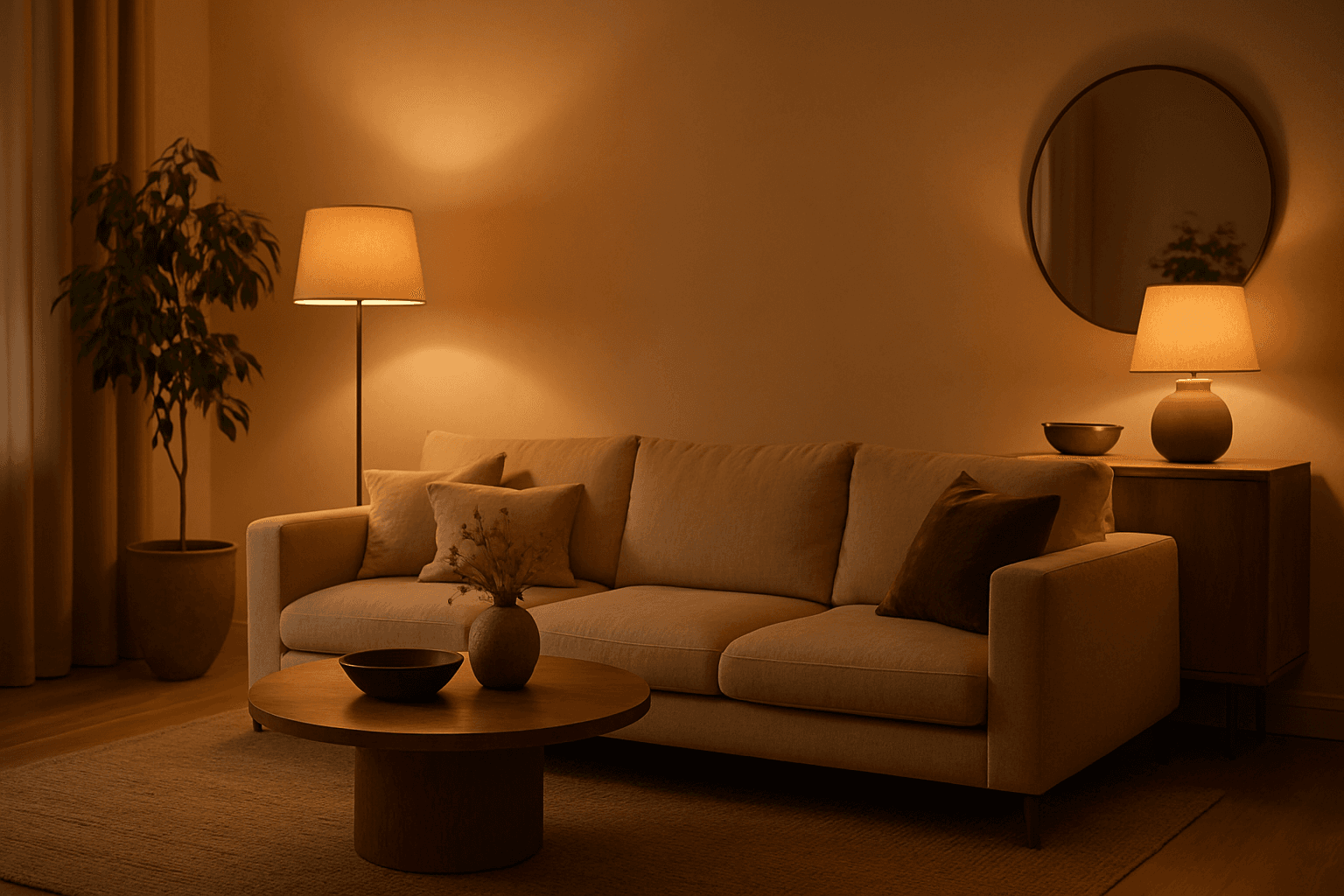
In AI-generated imagery, the "Warm Ambient Glow" keyword is used to simulate cozy, inviting lighting environments characterized by soft, warm illumination that enriches the visual texture and mood. This lighting effect mimics natural golden-hour sunlight or artificial sources like incandescent lamps, casting gentle gradients of warm light that add emotional warmth and realism without overpowering highlights or harsh contrasts. The resulting images often convey feelings of comfort, intimacy, or nostalgia and are especially valuable in editorial, lifestyle, and interior design visuals. Incorporating this prompt keyword encourages AI models to focus on warm tones and a balanced ambient light distribution, making it ideal for enhancing the aesthetic appeal of portraits, product shots, and environmental scenes with a premium, polished finish.