Rembrandt Light Setup
The Rembrandt light setup is a renowned lighting technique that adds dramatic yet natural depth to portraits. It uses a single light source positioned at an angle, creating a small illuminated triangle on the cheek opposite the light. This method emphasizes three-dimensional facial structure while maintaining soft shadow transitions, producing images with a timeless, painterly quality. In AI art generation, including 'Rembrandt lighting' in prompts guides the model toward rendering nuanced shadows and highlights that emulate this classic effect, improving image realism and emotive impact. Its widespread use spans from fine art photography to cinematic scenes, making it a valuable technique for creatives seeking moody, compelling portraits.

Definition
Rembrandt light setup is a portrait lighting technique producing a small illuminated triangle on the subject's shadowed cheek, creating depth and contrast. In AI prompts, including this term directs the model to emulate this iconic, dramatic lighting style, adding realism and mood to portraits.
Prompt Formula
Use phrases like 'portrait with Rembrandt lighting,' 'dramatic chiaroscuro light with triangular highlight on cheek,' 'warm directional studio light, strong shadow contrast' to convey the effect clearly in prompts. Combine with subject details and style notes to refine results.
- portrait with Rembrandt lighting
- dramatic chiaroscuro light with triangular cheek highlight
- warm directional studio light, shadow contrast
Best Use Cases
- Creating classic, moody portraits with sculpted facial features
- Generating artistic character illustrations with strong emotional impact
- Producing cinematic or editorial images emphasizing depth and atmosphere
Industry Applications
Rembrandt lighting is widely used across commercial fields to evoke mood and focus in portraits. Advertising leverages it to highlight product details and personality; editorial photography uses it for sophisticated storytelling; ecommerce benefits from its ability to dramatize textures and features, enhancing product appeal.
- Advertising portraits emphasizing mood and detail
- Editorial imagery focusing on storytelling and emotion
- Ecommerce visuals that enhance product texture and depth
Common Mistakes
A frequent error is overusing Rembrandt lighting in AI prompts without specifying mood or softness, resulting in harsh, unrealistic shadows. Another is neglecting context, causing the lighting to clash with the scene’s tone. Avoid generic terms and encourage subtle shadow transitions to maintain naturalism.
- Overly harsh shadows due to missing softness parameters
- Ignoring scene context leading to mismatched lighting mood
- Generic prompts causing unconvincing or flat lighting effects
Advanced Techniques
Enhance Rembrandt lighting by combining with modifiers like rim light or fill light to balance shadows. Specify light temperature to adjust warmth. Use precise angles and distances in prompts to control shadow size and shape, and experiment with post-processing descriptors like 'soft glow' or 'high contrast' for stylistic finesse.
- Add rim or fill light to soften shadows selectively
- Specify color temperature (e.g., warm amber) for mood
- Control light angle/distance for shadow geometry
- Include post-processing terms like 'soft glow', 'high contrast'
Professional Workflow
Start by briefing image purpose and subject details, then include Rembrandt lighting with modifiers in initial prompts. Generate multiple variants, review shadow quality and mood consistency, select best images, and refine through iterative prompt tuning or enhancement tools to achieve polished, usable results ready for commercial use.
- Brief subject and image mood clearly
- Incorporate 'Rembrandt lighting' with modifiers in prompts
- Generate several images for comparison
- Select best images focusing on shadow and highlight accuracy
- Refine prompts or post-process to perfect lighting effect
FAQ
What is Rembrandt lighting in AI image prompts?
It is a lighting style prompt keyword that instructs AI models to simulate the classic portrait lighting pattern featuring a small triangle of light underneath the eye on the shadowed side, adding depth and drama.
How can I avoid harsh shadows when using Rembrandt lighting prompts?
Specify softness or use modifiers like fill light in your prompt, and avoid generic terms to maintain subtle, natural transitions between light and shadow.
Continue Exploring
Related Prompts
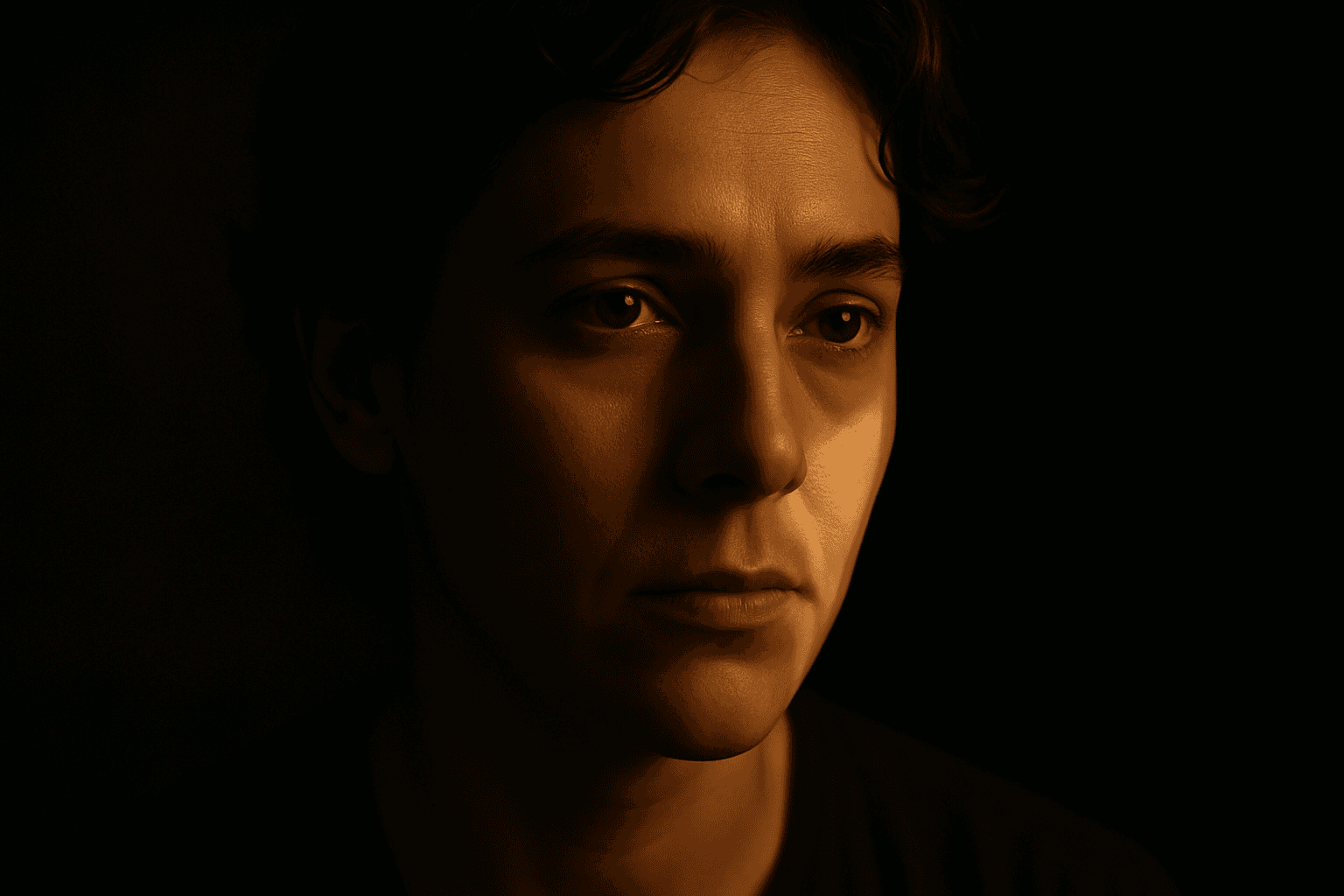
Rembrandt Lighting Technique
The Rembrandt lighting technique is a foundational portrait lighting method originating from the Old Master painter Rembrandt Harmenszoon van Rijn. In AI-generated images, this technique adds a cinematic and three-dimensional quality by highlighting a small illuminated triangle beneath the eye on the shadowed side of the face. Artists and photographers often use Rembrandt lighting to evoke drama, depth, and a classic aesthetic. Including this keyword in AI image prompts instructs models to replicate the lighting angle and shadow play, making portraits more visually compelling and lifelike. This effect enhances textures and contours, perfect for expressive character studies and refined editorial photography simulations.

Soft Fill Light Setup
Soft fill light setup is an essential lighting approach in photography, cinematography, and AI image generation that focuses on enhancing visual clarity by gently illuminating subjects. This method employs diffused light sources positioned strategically to fill in shadows without creating new ones or flattening the image's depth. In AI-generated images, specifying a soft fill light setup guides the model to render scenes with subtle shading and natural contrast, making portraits, still life, and product shots appear more realistic and appealing. By balancing the interplay between light and shadow, the soft fill light setup adds dimension while maintaining a polished and professional look suitable for editorial, commercial, and creative projects.

Ring Light Portrait Setup
Ring light portrait setups are popular for producing flattering and professional portraits by offering uniform lighting that reduces shadows and highlights details evenly. This lighting technique is especially favored in beauty, fashion, and social media photography for its ability to emphasize skin texture and facial features attractively. When integrated into AI image prompts, specifying a ring light portrait setup helps achieve realistic, high-quality portraits with characteristic circular catchlights in the eyes and soft, balanced illumination. This results in images suitable for editorial, commercial, and creative applications requiring premium lighting aesthetics.
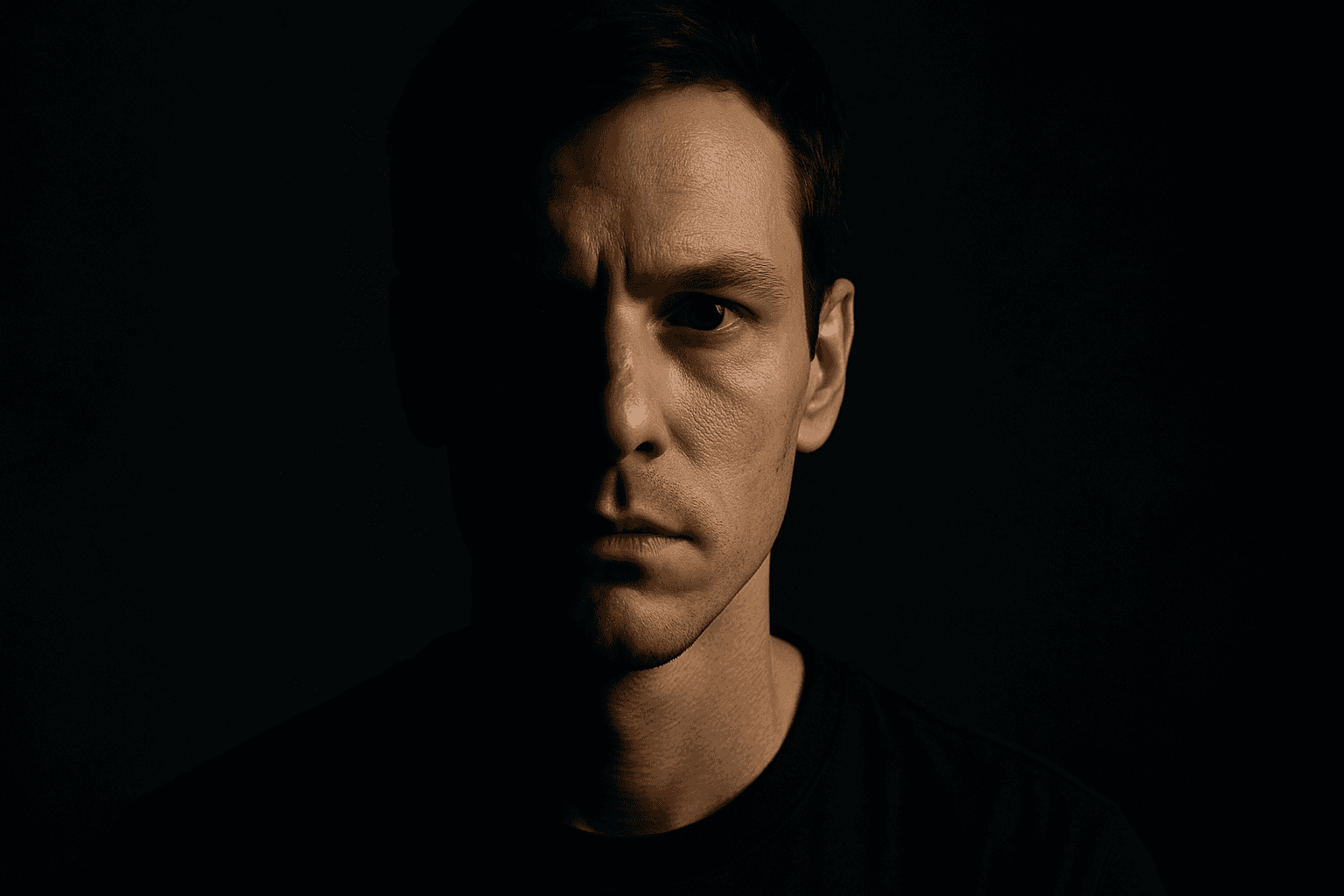
Split Lighting Technique
Split lighting is a classic photographic lighting technique widely used for portraits to craft dramatic and intense images. When applied in AI image prompts, it guides the generation to simulate this lighting style by illuminating one half of the subject brightly while casting the other half in shadow. This technique enhances depth and character, often lending a mysterious or serious tone to portraits. It is especially effective for emphasizing facial features, textures, and emotional expressions. Utilizing split lighting in AI art allows creators to generate compelling, high-contrast images that stand out in editorial, commercial, or artistic contexts.
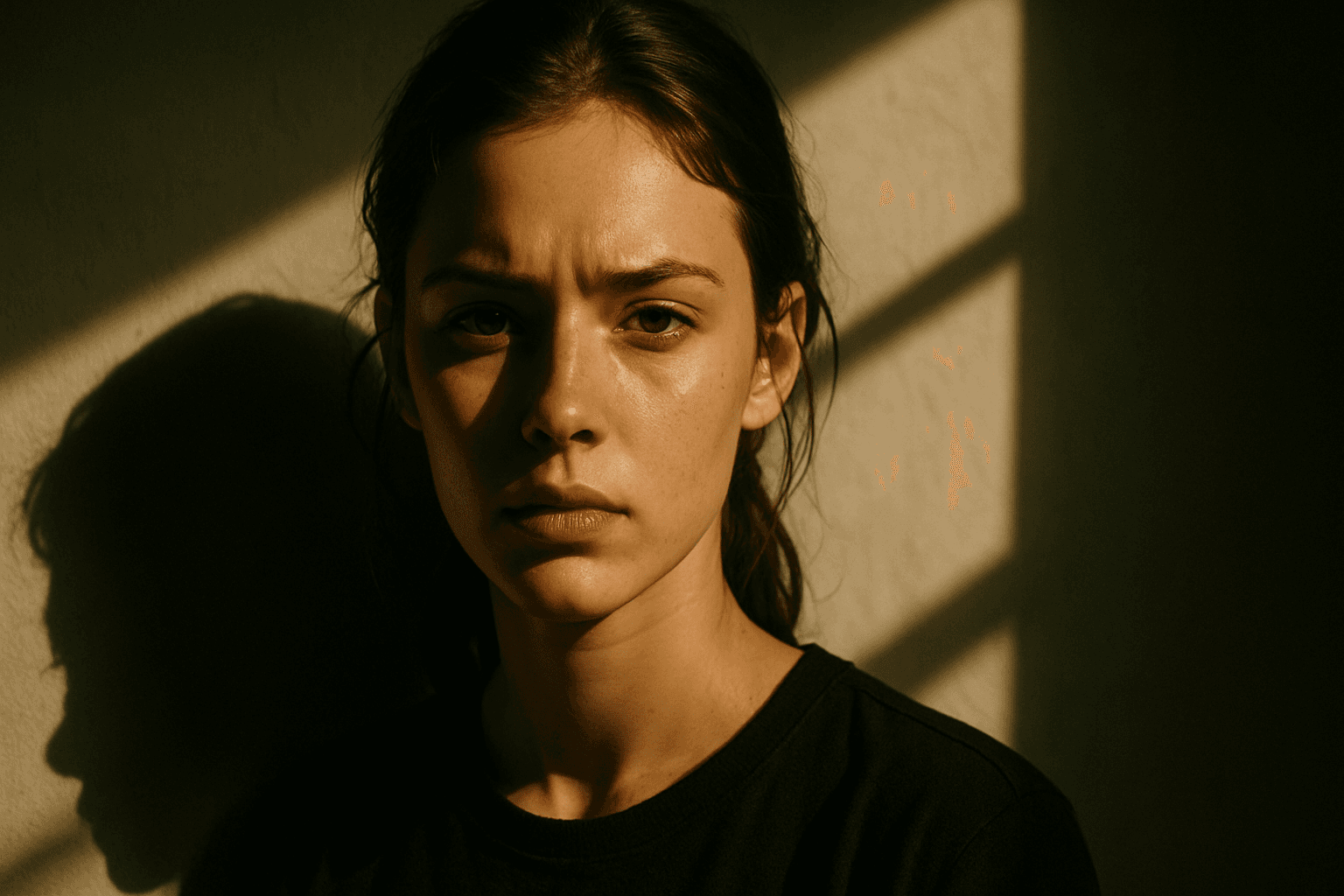
Hard Shadow Contrast
Hard Shadow Contrast is a lighting effect that dramatically defines shadows with crisp, sharp edges and pronounced contrast between light and dark areas. In AI-generated images, incorporating this characteristic elevates the visual impact by adding dimensionality and emphasizing surface textures. It is particularly useful in highlighting form, structure, and materials, creating a striking and refined appearance. By controlling this effect through prompts, artists and designers can guide AI models to produce compositions with cinematic or editorial lighting moods, enhancing realism or artistic expression without soft or diffuse shading.

Low Angle Lighting
Low angle lighting is a powerful photographic and artistic technique that shifts the viewer's perspective by lighting subjects from below. When integrated into AI image prompts, it helps generate images with a distinct, often dramatic mood and added dimensionality. This lighting arrangement mimics natural scenarios like sunrise or artificial lighting such as street lamps from ground level. Due to its uncommon viewpoint, low angle lighting enhances textures and contours by reversing traditional shadow placement, producing striking images ideal for editorial portraits, architectural shots, and dynamic compositions. Leveraging this keyword allows creators to break away from standard lighting styles and evoke more intriguing atmospheres in synthetic visuals.