Hard Shadow Contrast
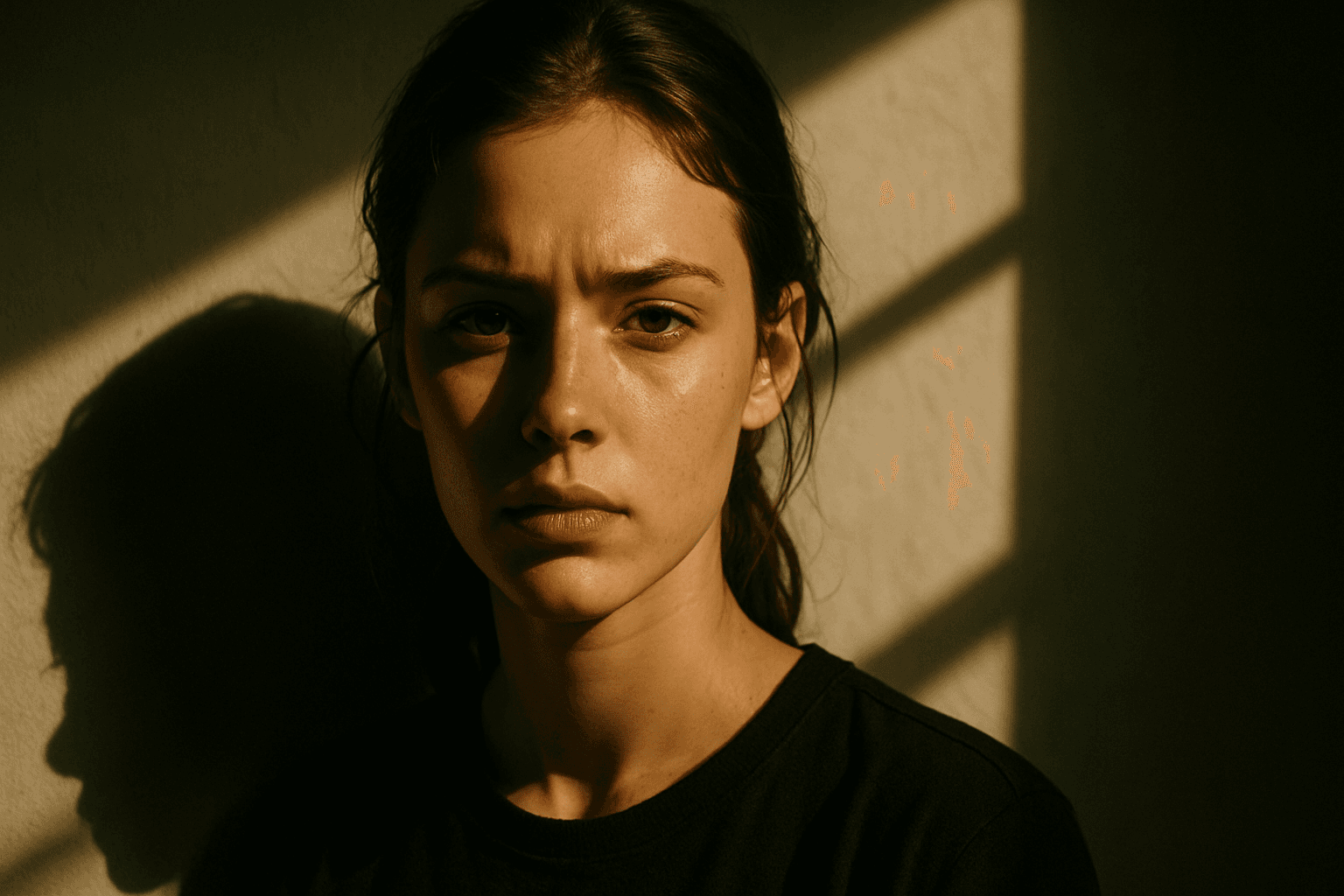
Hard Shadow Contrast is a lighting effect that dramatically defines shadows with crisp, sharp edges and pronounced contrast between light and dark areas. In AI-generated images, incorporating this characteristic elevates the visual impact by adding dimensionality and emphasizing surface textures. It is particularly useful in highlighting form, structure, and materials, creating a striking and refined appearance. By controlling this effect through prompts, artists and designers can guide AI models to produce compositions with cinematic or editorial lighting moods, enhancing realism or artistic expression without soft or diffuse shading.
Definition
Hard Shadow Contrast involves lighting that produces sharp, well-defined shadows with clear edges, creating a high-contrast interplay between light and dark. In AI prompts, specifying this term directs the model to emulate the effect of a strong, undiffused light source casting distinct shadows, enhancing depth and texture in the generated image.
Prompt Formula
Use combinations like "hard shadow contrast," "strong directional light," and "sharp-edged shadows" along with subject and setting descriptions to emphasize this lighting style. Variations include pairing with mood descriptors such as "dramatic lighting" or "cinematic shadows."
- subject + hard shadow contrast + strong directional light
- scene + dramatic lighting with sharp-edged shadows
- object + hard shadows + high contrast lighting + realistic textures
Best Use Cases
- Product photography with emphasis on material textures and shapes
- Editorial portraits for strong moods and facial detail
- Architectural visualization where shadow defines structural form
Professional Workflow
Start by defining the core subject and composition, then incorporate 'hard shadow contrast' and related lighting keywords into the AI prompt to instruct lighting style. Generate multiple variations, select images showing crisp, well-defined shadows with strong contrast, and refine by adjusting light intensity, direction, and environment details to optimize realism and mood.
- Brief specifying hard shadow contrast lighting
- Initial prompt generation with varied angles and settings
- Select outputs with sharp, strong shadows
- Refine prompts to enhance texture and shadow edge clarity
- Final image adjustments for color and detail balance
Related Styles
Hard Shadow Contrast relates closely to styles such as Directional Lighting and High Contrast Lighting, which also emphasize strong light sources and shading. It aligns with Chiaroscuro, a classical art technique focusing on light-dark contrast, applicable in moody or dramatic image themes.
- Directional Lighting
- High Contrast Lighting
- Chiaroscuro
Model-Specific Tips
Use straightforward descriptive language avoiding complex syntax. Specify lighting attributes clearly such as 'hard shadows' and 'strong directional light.' Combine with subject and environment details for contextual consistency. Adjust prompt weight or repetition where available to emphasize lighting terms, and preview outputs iteratively to ensure fidelity to the hard shadow effect.
- Use clear descriptors like 'hard shadows', 'sharp edge shadows'
- Pair lighting terms with scene and subject details
- Employ iterative prompt tuning to refine shadow intensity
- Avoid ambiguous adjectives for lighting style
- Utilize prompt weighting if supported to emphasize lighting
FAQ
What does hard shadow contrast do in AI images?
It creates sharp, well-defined shadows with strong light-dark contrast, enhancing depth, texture, and dramatic impact in AI-generated images.
Can hard shadow contrast be combined with soft lighting?
Typically, hard shadow contrast implies strong directional light and sharp shadows, which contrasts with soft lighting; mixing both may reduce the hard shadow effect.
Continue Exploring
Related Prompts
Dramatic Shadow Play
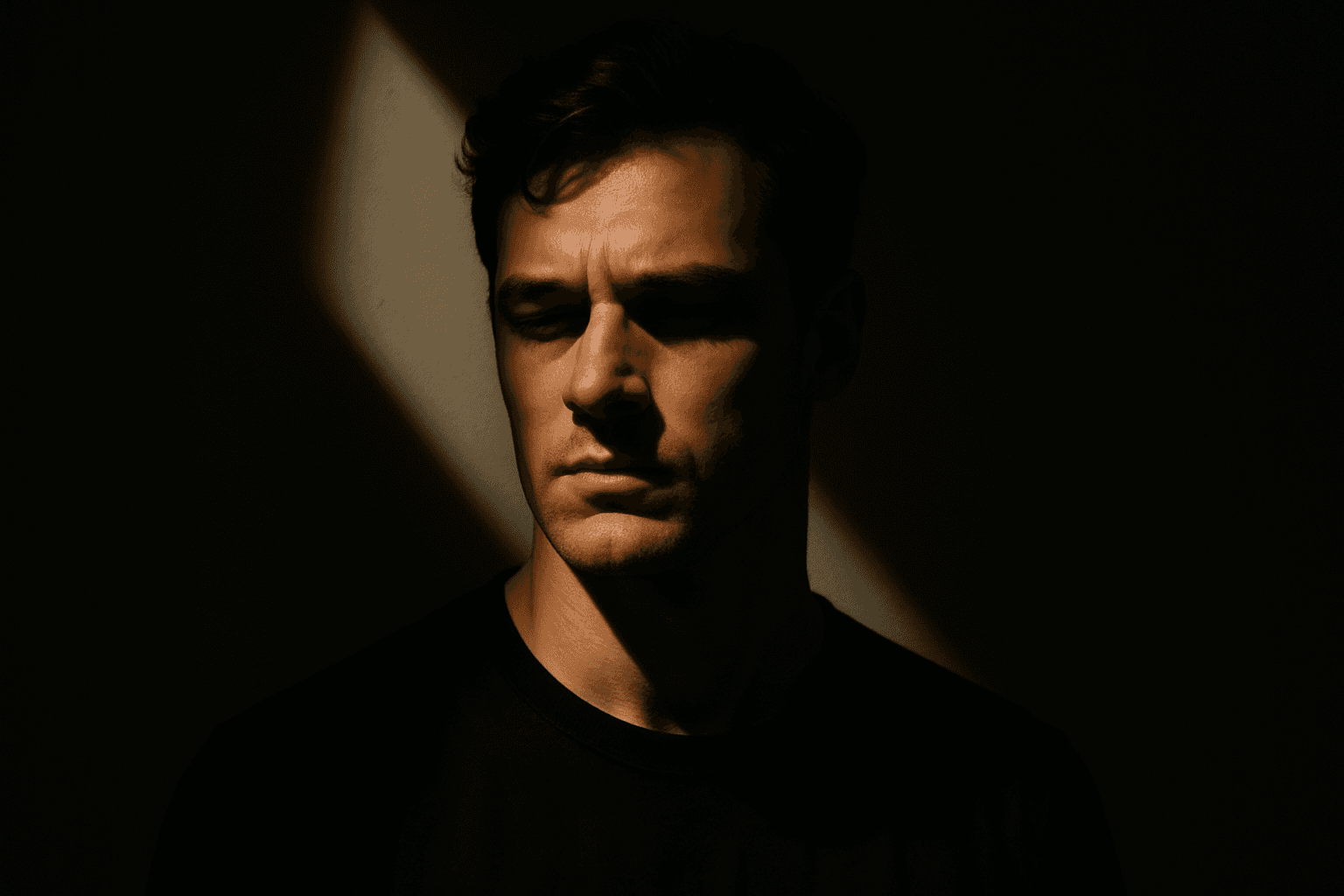
Dramatic shadow play is a powerful lighting technique that leverages stark contrasts between light and dark areas to draw attention and evoke emotion. By guiding AI to create strong directional lighting accompanied by pronounced shadows, images gain a sculptural and dynamic quality. This technique helps emphasize textures, enhance spatial depth, and create visually compelling compositions that stand out. In AI-generated art, incorporating shadow play opens up creative possibilities for storytelling, mood setting, and artistic expression, especially in portraiture, architectural photography, and fine art visuals.

High Contrast Lighting Setup
High contrast lighting setups are widely used in photography and cinematic visuals to produce bold, dynamic images that captivate viewers. Incorporating 'high contrast lighting setup' in an AI image prompt instructs the AI to emphasize striking light sources and deep shadows, adding visual tension and clarity to the scene. This lighting approach reveals textures more vividly and helps create a mood that can range from mysterious to intense. For AI-generated images intended for editorial, commercial, or fine art applications, applying this keyword ensures that the resulting visuals have professional-quality lighting that enhances subject definition and atmosphere.
Dynamic Range Lighting
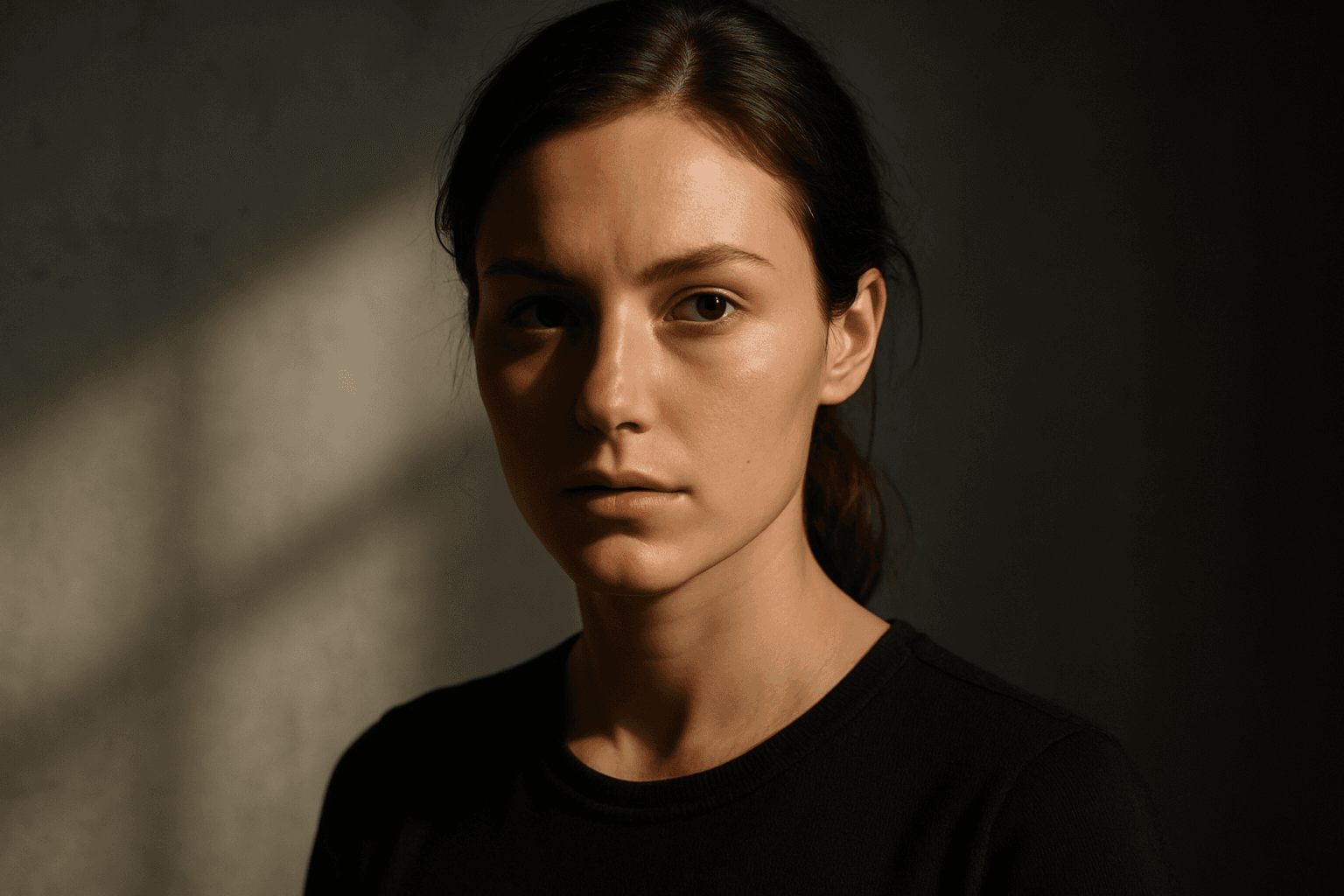
Dynamic Range Lighting significantly improves the quality of AI-generated images by incorporating a wide range of light intensities, from deep shadows to bright highlights. This approach mimics natural lighting conditions or creatively accentuated environments, adding depth and realism to compositions. When integrated into AI prompts, it instructs the model to thoughtfully manage exposure and contrast, preventing flat or washed-out images. Such lighting enriches textures, elevates focal points through contrast, and contributes to a premium, polished appearance fitting for editorial and commercial use.

Rembrandt Light Setup
The Rembrandt light setup is a renowned lighting technique that adds dramatic yet natural depth to portraits. It uses a single light source positioned at an angle, creating a small illuminated triangle on the cheek opposite the light. This method emphasizes three-dimensional facial structure while maintaining soft shadow transitions, producing images with a timeless, painterly quality. In AI art generation, including 'Rembrandt lighting' in prompts guides the model toward rendering nuanced shadows and highlights that emulate this classic effect, improving image realism and emotive impact. Its widespread use spans from fine art photography to cinematic scenes, making it a valuable technique for creatives seeking moody, compelling portraits.
Soft Shadow Play
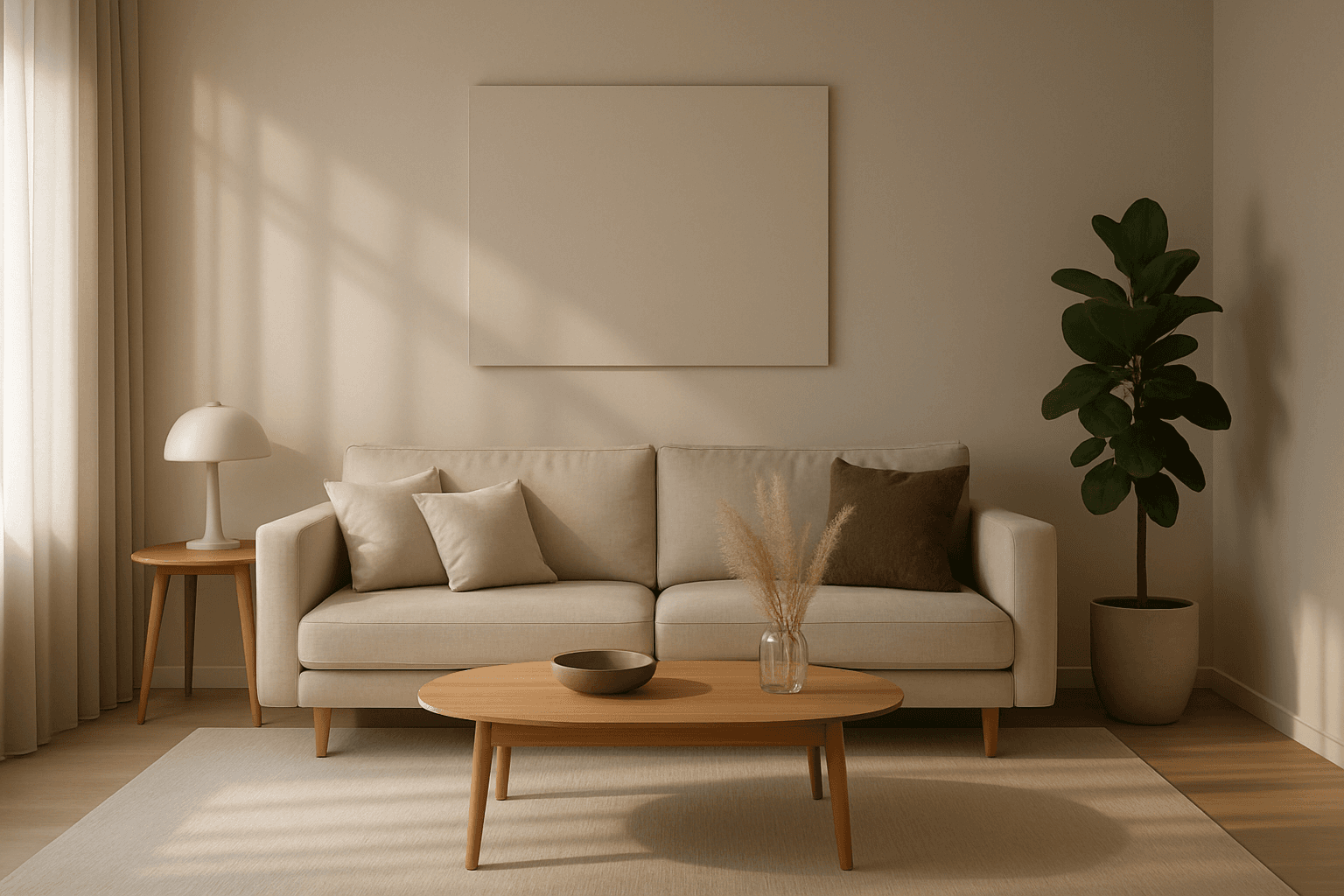
Soft Shadow Play enriches AI-generated visuals by introducing diffused shadows that simulate natural lighting conditions. Rather than sharp, stark shadows, this effect ensures that shadows appear smooth and blend seamlessly with illuminated areas. Incorporating Soft Shadow Play into prompts supports a refined, premium look with delicate depth cues. It is ideal for compositions where a gentle atmosphere and realistic lighting nuance are desired, such as portraits, product photography, or serene landscapes. Mastering this technique empowers creators to produce images with a calm, elegant mood and enhanced three-dimensionality.
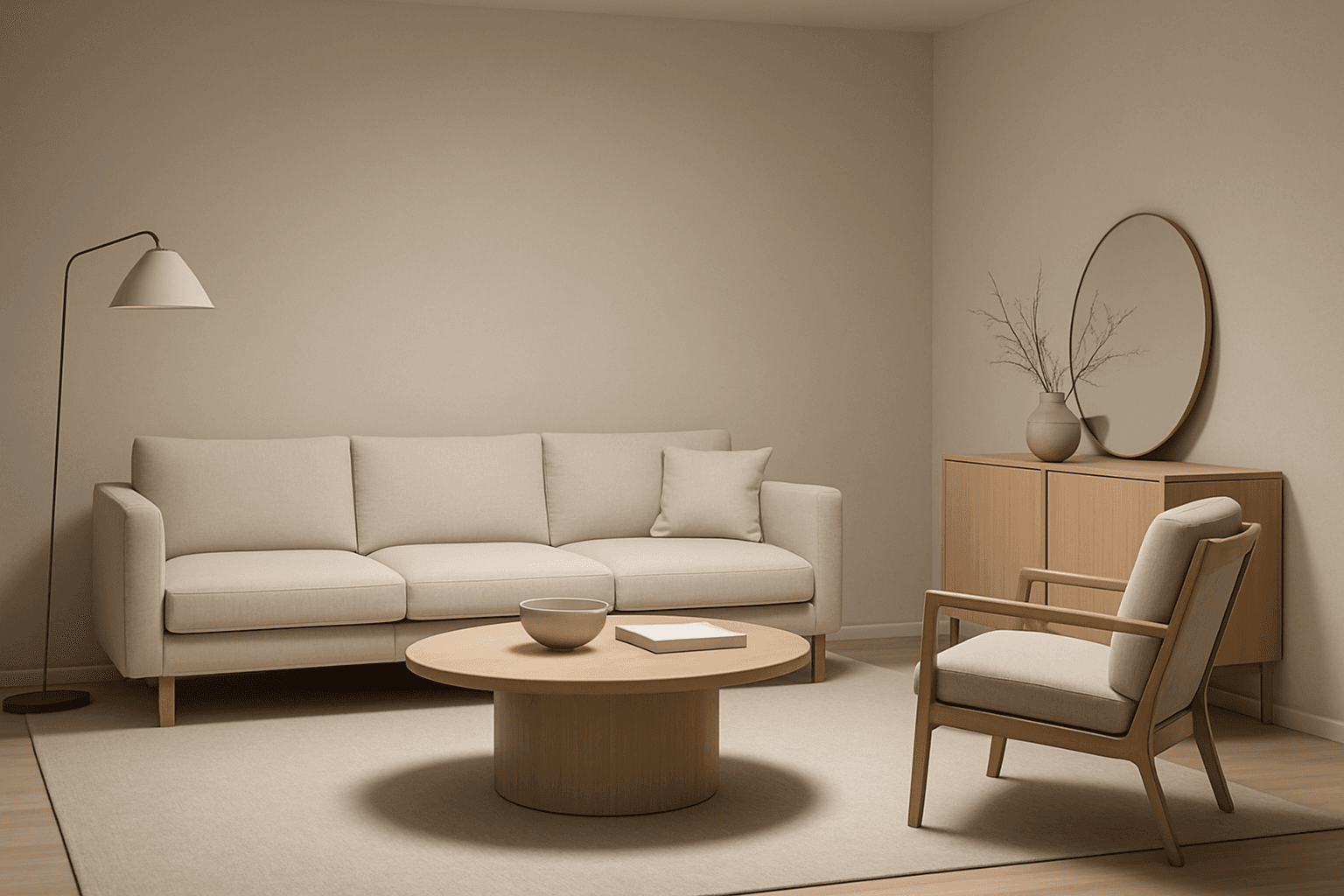
Overhead Lighting Technique
Using the overhead lighting technique in AI image generation adds a realistic and professional quality to images by simulating light coming from above the subject. This lighting style emphasizes the contours and shapes by casting natural shadows beneath objects, enhancing visual depth and dimensionality. It is frequently used in editorial photography, product displays, and interior visuals to create a refined mood and clarity. Incorporating overhead lighting into your prompts helps produce images with clean, premium aesthetics that suit commercial and artistic purposes alike.