Dramatic Shadow Play
Dramatic shadow play is a powerful lighting technique that leverages stark contrasts between light and dark areas to draw attention and evoke emotion. By guiding AI to create strong directional lighting accompanied by pronounced shadows, images gain a sculptural and dynamic quality. This technique helps emphasize textures, enhance spatial depth, and create visually compelling compositions that stand out. In AI-generated art, incorporating shadow play opens up creative possibilities for storytelling, mood setting, and artistic expression, especially in portraiture, architectural photography, and fine art visuals.
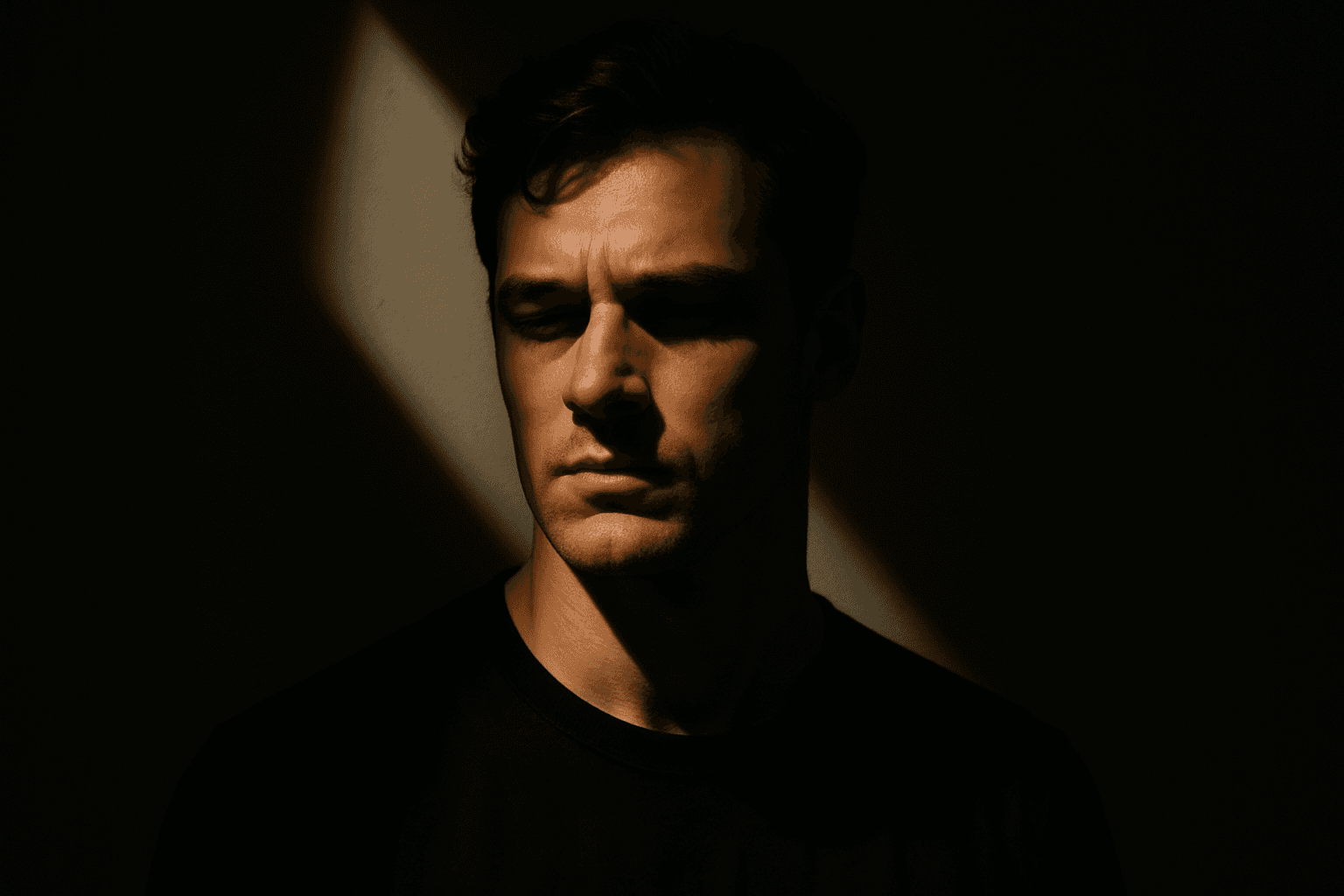
Definition
Dramatic shadow play is a lighting technique that emphasizes shadows to create strong contrasts, highlight shapes, and convey mood within an image. When added to an AI prompt, it cues the model to render distinct shadows cast by one or more intense light sources, boosting visual interest and depth. This effect mimics styles seen in film noir, fine art, and theatrical photography, where shadows are integral to composition rather than incidental.
- Emphasizes bold shadow and highlight contrasts
- Mimics chiaroscuro lighting style
- Enhances depth and drama in images
Prompt Formula
Use the following patterns to integrate dramatic shadow play effectively: - "[subject], dramatic shadow play, high contrast lighting, deep sharp shadows" - "[scene], single directional light source casting long bold shadows, chiaroscuro effect" - "[composition], intense light and shadow interplay, emphasizes texture and form" - "[object/scene], cinematic lighting with pronounced shadow patterns, moody atmosphere" Combine with terms like "hard light," "spotlight," or "low key lighting" to refine results.
- [subject], dramatic shadow play, high contrast lighting, deep sharp shadows
- [scene], single directional light source casting long bold shadows, chiaroscuro effect
- [composition], intense light and shadow interplay, emphasizes texture and form
Best Use Cases
- Portrait photography emphasizing mood through shadowed facial contours
- Architectural visuals highlighting geometric depth and form
- Still life compositions with textured objects and rich light-shadow patterns
Common Mistakes
Common errors when using dramatic shadow play in AI prompts include insufficiently specifying light source direction, resulting in flat or unrealistic shadows. Overusing vague terms like "dark shadows" without context can produce muddy or grainy images. Conversely, forcing shadows without harmonizing ambient light may create unnatural or harsh contrasts that distract from the subject. To avoid these issues, clearly define light angles, shadow sharpness, and lighting intensity, balancing contrast for realistic yet dramatic effects.
- Omitting light source direction leads to flat shadows
- Using generic 'dark shadows' without specificity causes muddy effects
- Overdoing shadow contrast leads to unnatural harshness
- Ignoring ambient light balance reduces realism
Advanced Techniques
For experienced prompt writers, layering dramatic shadow play with modifiers can enhance artistic control. Combine it with "colored gels on light sources" to introduce tinted shadows or highlights. Use constraints like "soft edge shadows with high contrast areas" to blend drama with subtlety. Layer multiple directional lights with varying intensities for complex shadow interplay. Incorporate environmental factors such as "light filtering through blinds" or "dappled shadows from foliage" to create intricate, textured lighting scenarios reflecting natural conditions.
- Add colored gel lighting for tinted shadow effects
- Specify shadow edge softness for nuanced contrast
- Layer multiple directional lights for complex shadow patterns
- Include environmental shadow sources like blinds or foliage
Professional Workflow
Start by clearly briefing the desired mood and lighting style to align expectations with dramatic shadow play. Generate initial images emphasizing directional lighting and shadow strength. Evaluate candidates for shadow clarity, subject emphasis, and naturalism. Select the best renders, then refine prompts to adjust shadow crispness, light positioning, or color temperature. Iteratively fine-tune until achieving balanced, dynamic images that maintain realism while maximizing shadow impact. Use post-generation tools if needed for fine shadow enhancements or cleanup.
- Brief mood and lighting style emphasizing dramatic shadows
- Generate images with specified shadow intensity and direction
- Review and select images for shadow sharpness and composition
- Refine prompts iteratively to adjust lighting and shadow qualities
- Apply minor post-editing to perfect shadow realism
Related Styles
- Chiaroscuro Lighting — high-contrast interplay of light and shadow
- High Contrast Lighting — emphasizing tonal difference and bold shadows
- Directional Lighting — lighting coming from a specific angle to cast defined shadows
Model-Specific Tips
When prompting for dramatic shadow play across AI models, avoid overly generic terms and instead anchor shadows with defined light sources and modifiers. Use explicit phrases like "sharp shadows from a single point light" or "low key lighting emphasizing shadow contours." Specify shadow softness or hardness to control edge definition, and mention environmental context to guide realistic shadow casting. Remember most models respond better to concrete lighting adjectives than abstract concepts, improving consistency and visual clarity across outputs.
- Specify light source direction for precise shadow casting
- Use terms like 'hard' or 'soft' shadows to control shadow edges
- Anchor shadows to environmental context (e.g., blinds, foliage)
- Avoid vague shadow descriptions; be concrete and descriptive
FAQ
How does dramatic shadow play differ from regular shadow effects in AI images?
Dramatic shadow play specifically emphasizes strong contrasts and defined, often sharp shadows to create mood and depth, whereas regular shadow effects may be subtle or incidental without impacting the image's emotional tone or composition significantly.
Can dramatic shadow play be combined with colorful lighting effects?
Yes, combining dramatic shadow play with colored gels or tinted lighting can create visually striking images where shadows carry hues, adding complexity and artistic flair to the composition.
What subjects benefit most from dramatic shadow play?
Portraits, architectural scenes, and still life compositions especially gain impact from dramatic shadow play, as the technique accentuates contours, textures, and shapes that define these subjects.
Continue Exploring
Related Prompts
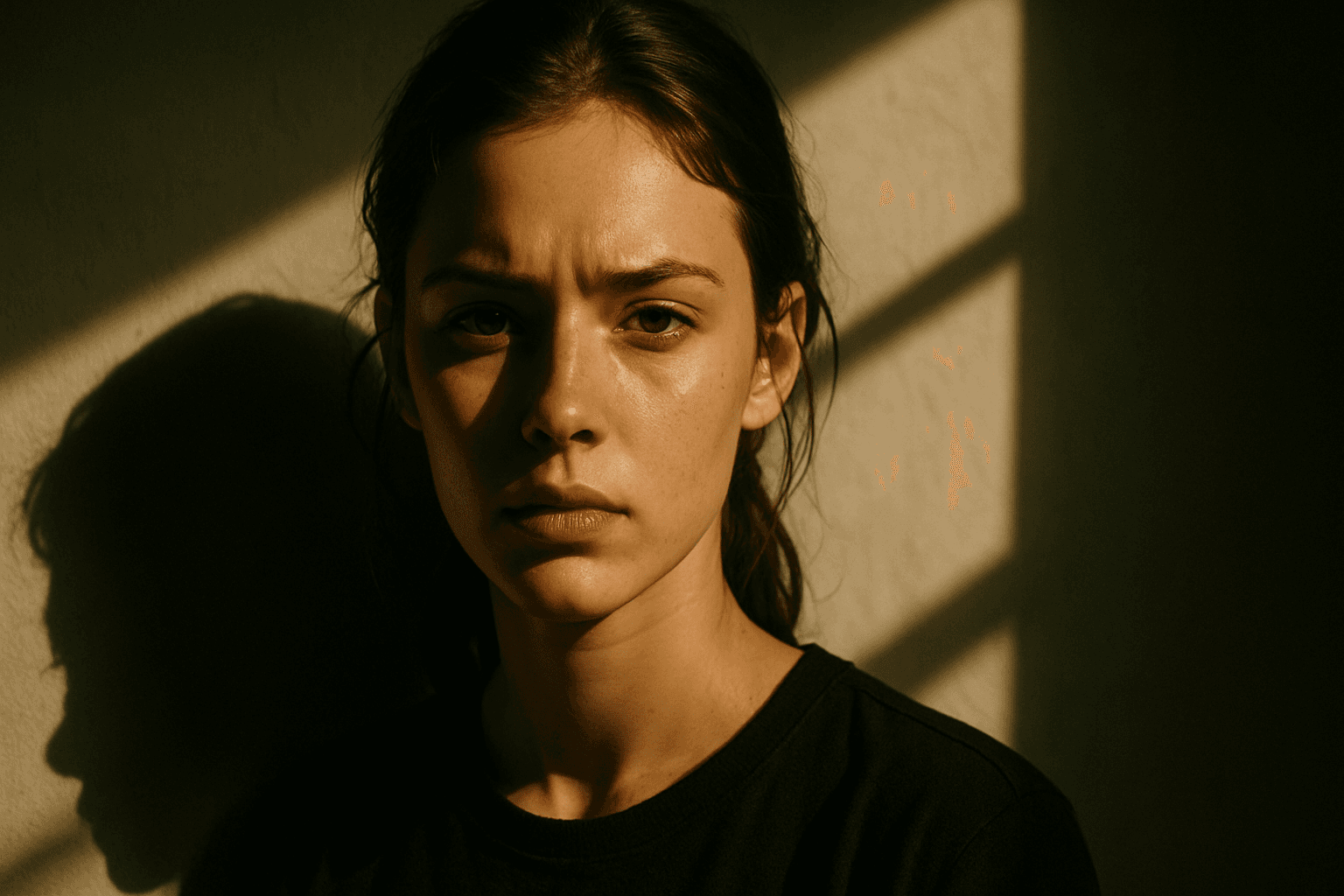
Hard Shadow Contrast
Hard Shadow Contrast is a lighting effect that dramatically defines shadows with crisp, sharp edges and pronounced contrast between light and dark areas. In AI-generated images, incorporating this characteristic elevates the visual impact by adding dimensionality and emphasizing surface textures. It is particularly useful in highlighting form, structure, and materials, creating a striking and refined appearance. By controlling this effect through prompts, artists and designers can guide AI models to produce compositions with cinematic or editorial lighting moods, enhancing realism or artistic expression without soft or diffuse shading.
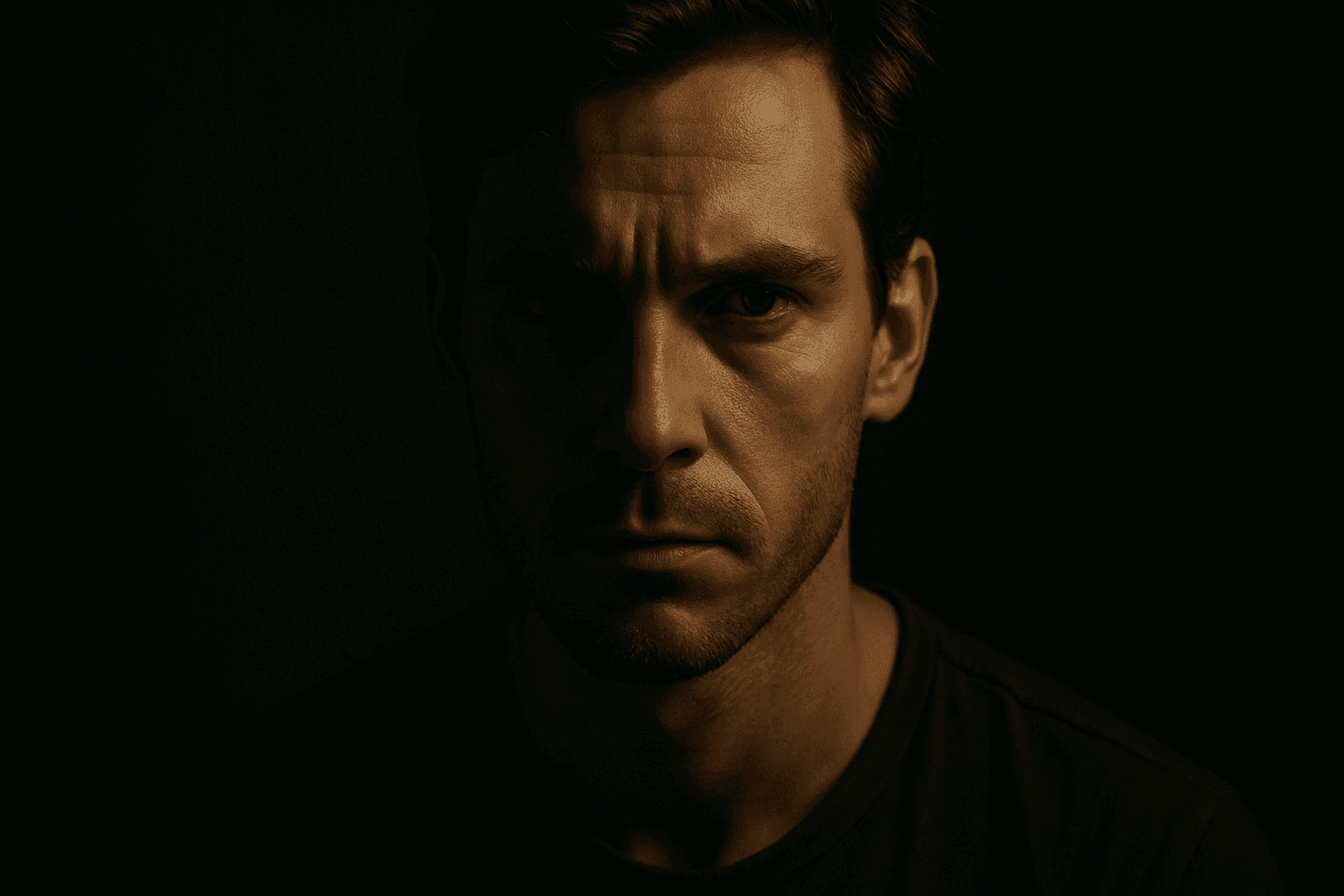
Chiaroscuro Lighting
Chiaroscuro lighting is a powerful artistic method used to create striking contrasts between illuminated and shadowed regions within an image. This approach originated in 16th-century painting and remains popular in photography and digital art to evoke drama and emphasize form. In AI-generated imagery, the chiaroscuro effect guides models to produce compositions rich in depth and texture, often with a single directional light source casting pronounced shadows. This lighting style is ideal for portraits, still lifes, and narrative scenes where mood and visual impact are priorities. Understanding chiaroscuro expands an artist's toolkit, enabling controlled manipulation of light to transform flat images into compelling visual stories.
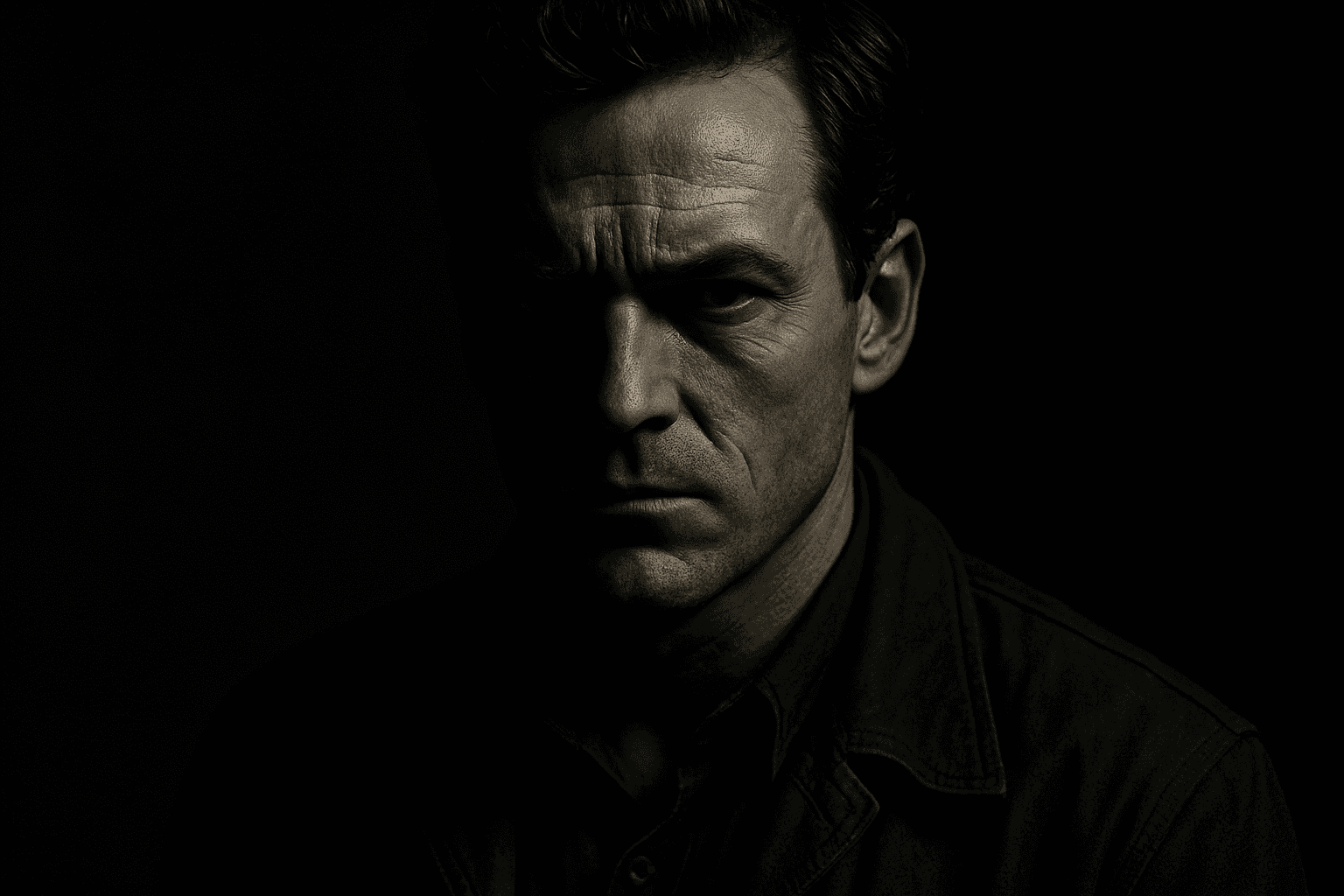
Noir Lighting
Noir Lighting is a powerful style used to convey mystery, suspense, or classic elegance by playing with deep shadows and stark light contrasts. Originating from the mid-20th century film noir genre, this lighting style uses minimal light sources to cast dramatic shadows, emphasizing shapes and contours. It evokes an intense mood while often simplifying the visual elements, focusing the viewer's attention on specific parts of the composition. Noir Lighting is versatile, used in photography, film, and digital art to add emotional depth and a cinematic feel. Artists and photographers employ it to create visually compelling images that engage the audience with their enigmatic atmosphere.

High Contrast Lighting Setup
High contrast lighting setups are widely used in photography and cinematic visuals to produce bold, dynamic images that captivate viewers. Incorporating 'high contrast lighting setup' in an AI image prompt instructs the AI to emphasize striking light sources and deep shadows, adding visual tension and clarity to the scene. This lighting approach reveals textures more vividly and helps create a mood that can range from mysterious to intense. For AI-generated images intended for editorial, commercial, or fine art applications, applying this keyword ensures that the resulting visuals have professional-quality lighting that enhances subject definition and atmosphere.
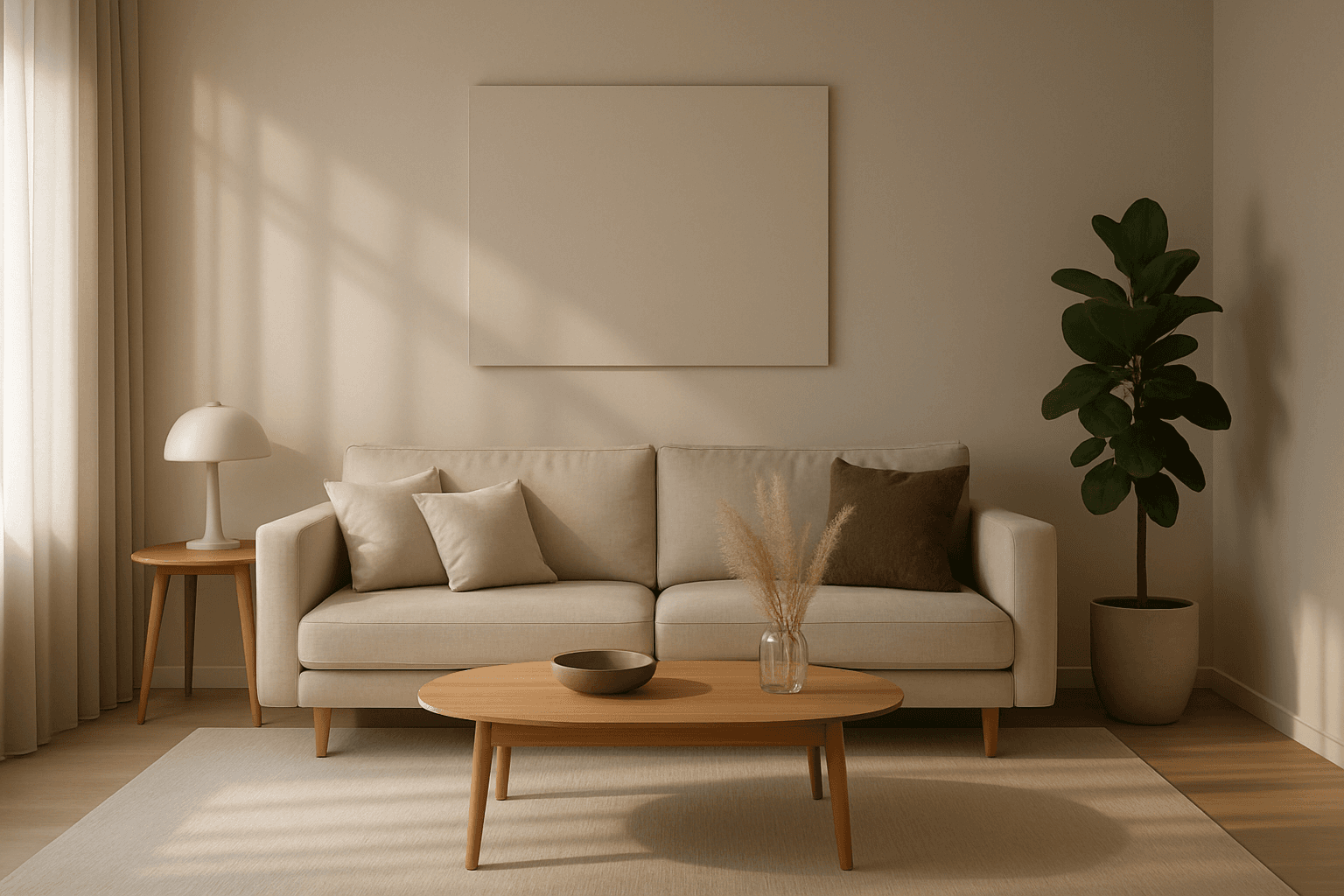
Soft Shadow Play
Soft Shadow Play enriches AI-generated visuals by introducing diffused shadows that simulate natural lighting conditions. Rather than sharp, stark shadows, this effect ensures that shadows appear smooth and blend seamlessly with illuminated areas. Incorporating Soft Shadow Play into prompts supports a refined, premium look with delicate depth cues. It is ideal for compositions where a gentle atmosphere and realistic lighting nuance are desired, such as portraits, product photography, or serene landscapes. Mastering this technique empowers creators to produce images with a calm, elegant mood and enhanced three-dimensionality.
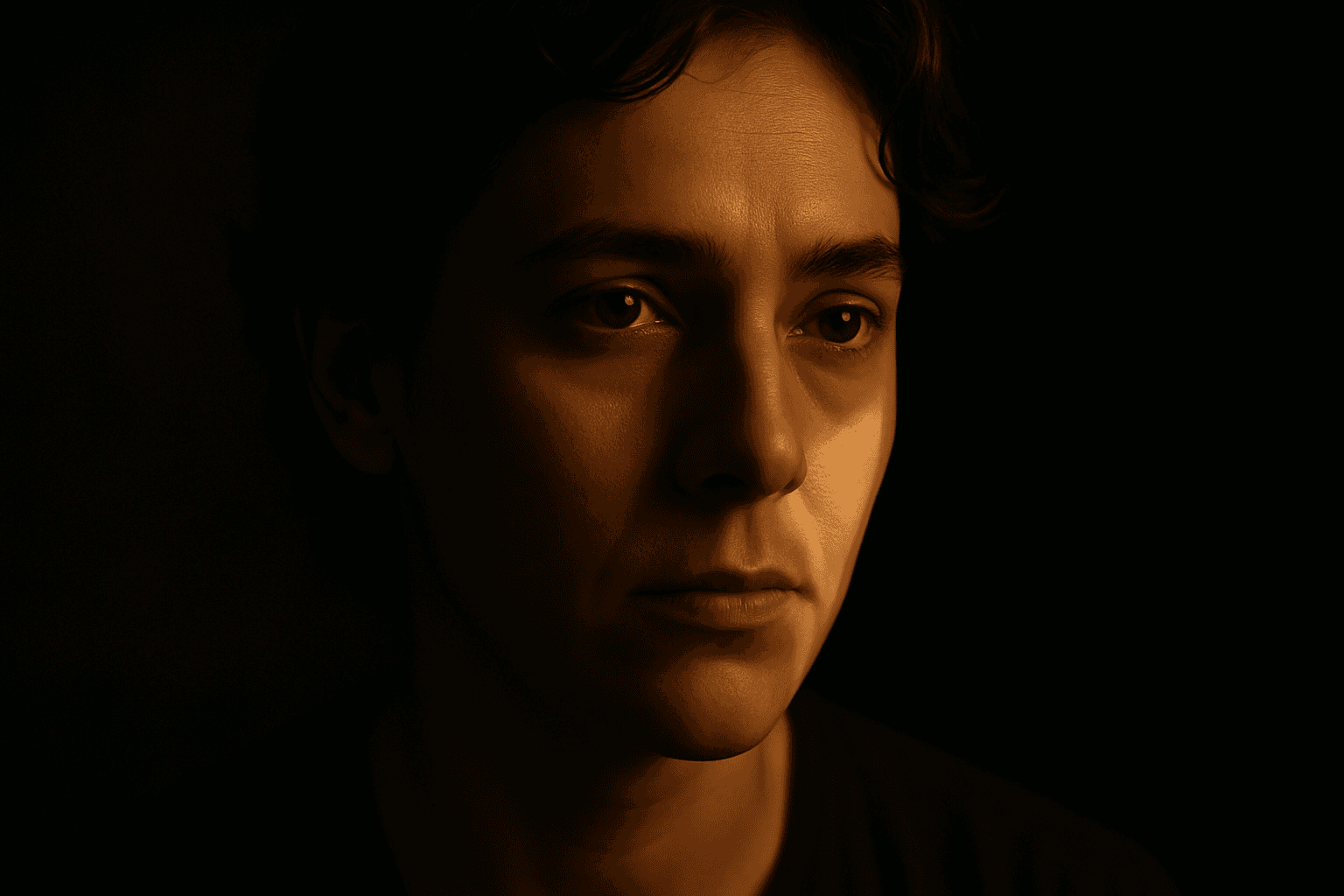
Rembrandt Lighting Technique
The Rembrandt lighting technique is a foundational portrait lighting method originating from the Old Master painter Rembrandt Harmenszoon van Rijn. In AI-generated images, this technique adds a cinematic and three-dimensional quality by highlighting a small illuminated triangle beneath the eye on the shadowed side of the face. Artists and photographers often use Rembrandt lighting to evoke drama, depth, and a classic aesthetic. Including this keyword in AI image prompts instructs models to replicate the lighting angle and shadow play, making portraits more visually compelling and lifelike. This effect enhances textures and contours, perfect for expressive character studies and refined editorial photography simulations.