Chiaroscuro Lighting
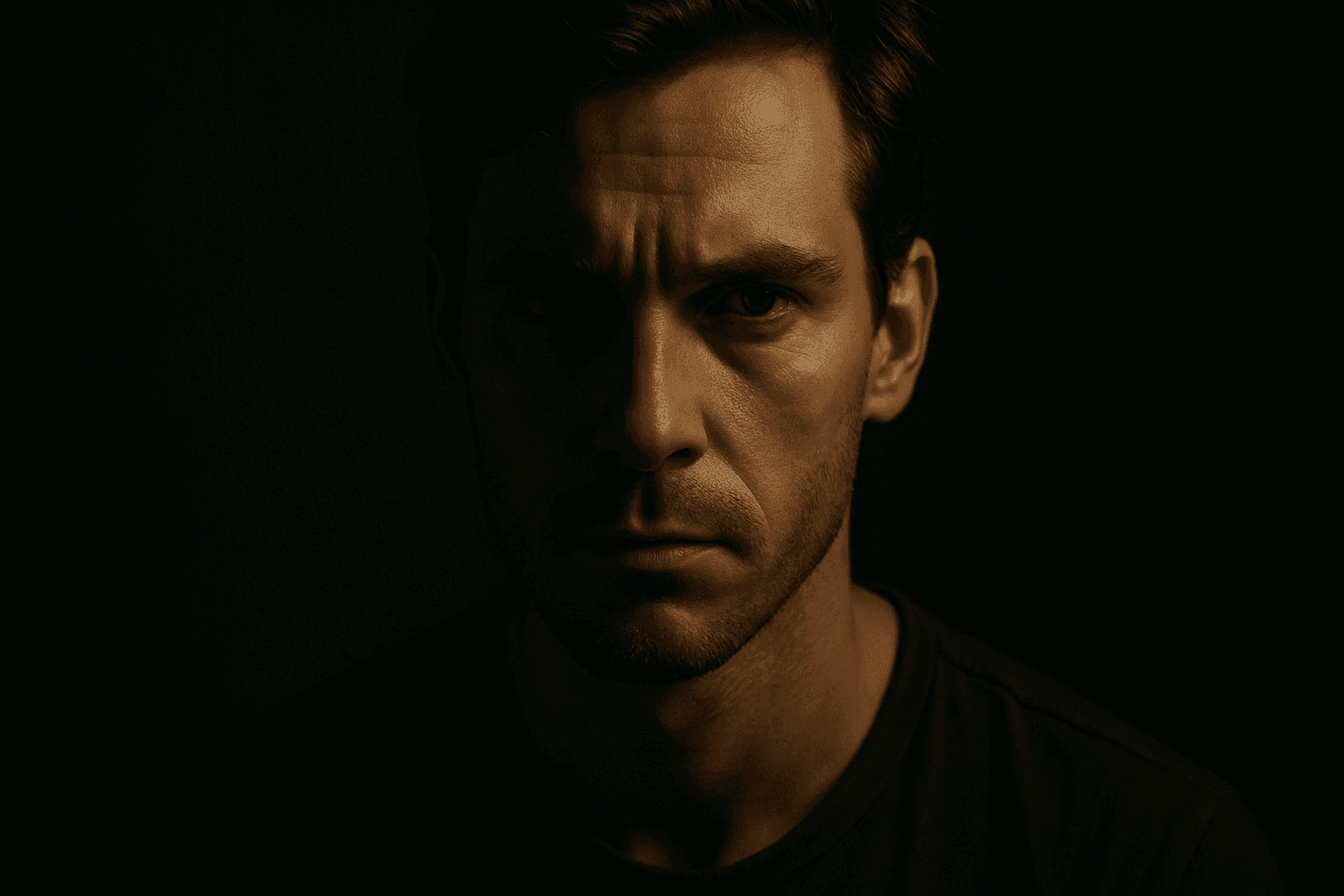
Chiaroscuro lighting is a powerful artistic method used to create striking contrasts between illuminated and shadowed regions within an image. This approach originated in 16th-century painting and remains popular in photography and digital art to evoke drama and emphasize form. In AI-generated imagery, the chiaroscuro effect guides models to produce compositions rich in depth and texture, often with a single directional light source casting pronounced shadows. This lighting style is ideal for portraits, still lifes, and narrative scenes where mood and visual impact are priorities. Understanding chiaroscuro expands an artist's toolkit, enabling controlled manipulation of light to transform flat images into compelling visual stories.
Definition
Chiaroscuro lighting refers to a technique that emphasizes stark contrasts between light and dark areas within an image. Traditionally used in painting and photography, it gives subjects a three-dimensional appearance by illuminating some regions intensely while casting others in deep shadow. When added to an AI image prompt, it instructs the model to enhance this dramatic contrast effect, creating visually compelling and atmospheric compositions ideal for storytelling and mood.
- Focuses on high contrast interplay of light and shadow
- Enhances three-dimensional form and depth
- Creates a dramatic, moody atmosphere
Prompt Formula
Utilize combinations of lighting-focused keywords to direct AI models effectively. Incorporate terms that define light direction, contrast, and mood for precise chiaroscuro lighting results.
- Subject (e.g., portrait, still life) + chiaroscuro lighting
- Add descriptors: intense shadows, sharp highlights
- Specify mood: dramatic, moody, cinematic
- Include light source: single directional light, candlelight, window light
Best Use Cases
Chiaroscuro lighting excels in scenarios where contrast and depth heighten the image's impact. Specific applications include:
- Emotional portraits emphasizing facial features and expression
- Still life art highlighting texture and detail
- Narrative or cinematic scenes requiring atmosphere and tension
Advanced Techniques
Skilled prompt writers can refine chiaroscuro effect by combining it with stylistic and technical constraints. Examples:
- Pairing with Rembrandt Lighting for classic portraiture effects
- Using 'low-key lighting' to deepen shadows further
- Specifying exact light angles to sculpt form
- Incorporating color temperature shifts within shadows and highlights
Professional Workflow
1. Brief with pictured subject and chiaroscuro lighting specification; include desired mood and light direction. 2. Generate multiple variations emphasizing contrast and shadow interplay. 3. Select images with balanced light and shadow that best highlight form and texture. 4. Refine by adjusting prompt with added descriptors (e.g., highlight softness, shadow depth). 5. Finalize images for editorial or commercial use ensuring consistency and composition quality.
- Clear briefing with lighting requirements
- Iterative generation and curation
- Prompt refinement targeting contrast and mood
Related Styles
Chiaroscuro lighting complements and intersects with several adjacent visual styles and keywords to enhance prompt versatility.
- Rembrandt Lighting: focused triangular highlight on the cheek
- Low-Key Lighting: predominantly dark compositions with selective illumination
- Ambient Occlusion: subtle shadowing to enhance object contact and depth
FAQ
What does 'chiaroscuro lighting' mean in AI prompts?
It instructs the AI to create images with strong contrasts between brightly lit areas and deep shadows, emphasizing dramatic light and depth.
Can chiaroscuro lighting be combined with color effects?
Yes, pairing chiaroscuro lighting with specific color tones like warm candlelight or cool window light enhances mood and artistic appeal.
Is chiaroscuro lighting suitable for all subjects?
While most effective for portraits, still life, and cinematic scenes, it may not suit brightly lit or minimalistic compositions requiring uniform lighting.
Continue Exploring
Related Prompts
Rembrandt Lighting Technique
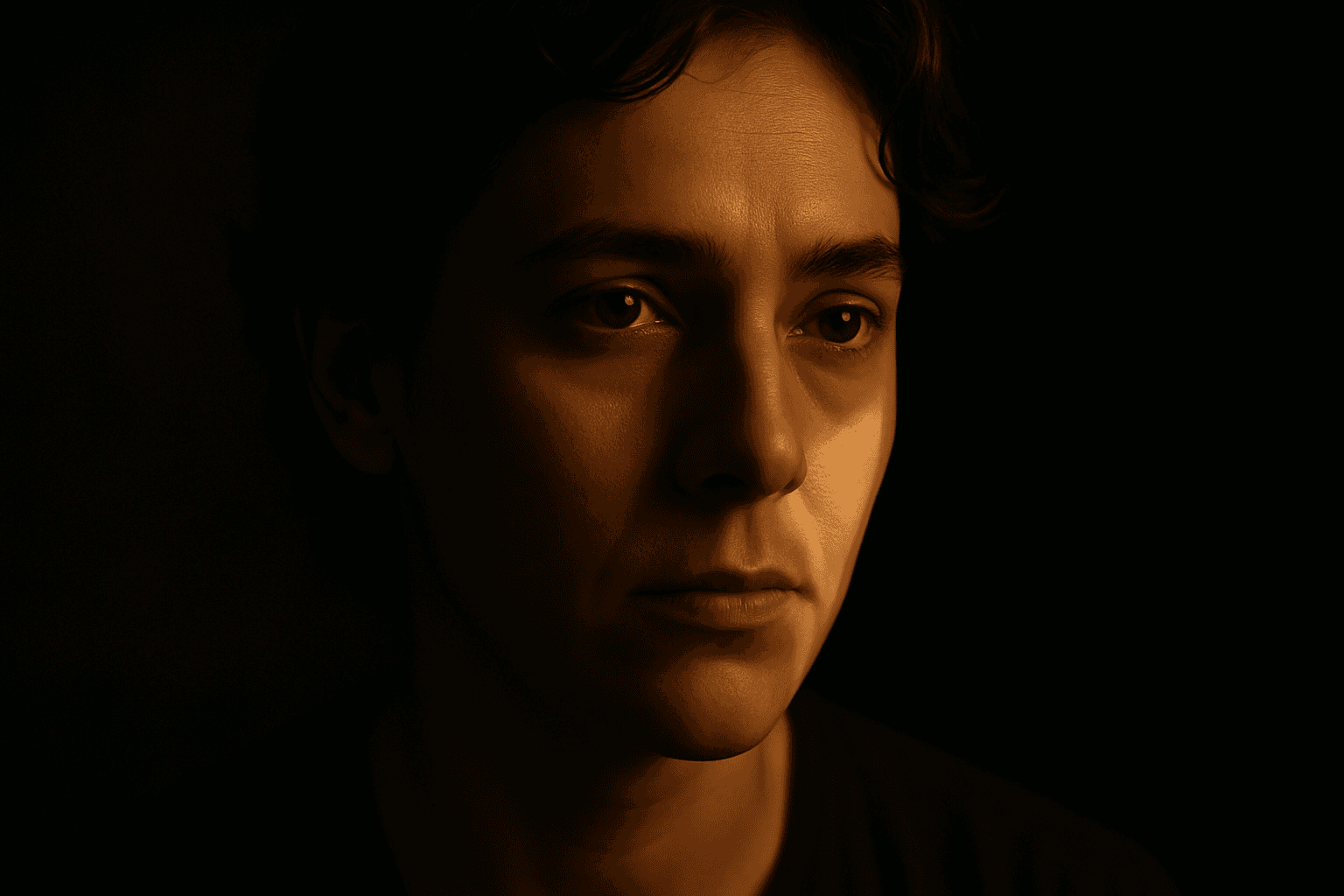
The Rembrandt lighting technique is a foundational portrait lighting method originating from the Old Master painter Rembrandt Harmenszoon van Rijn. In AI-generated images, this technique adds a cinematic and three-dimensional quality by highlighting a small illuminated triangle beneath the eye on the shadowed side of the face. Artists and photographers often use Rembrandt lighting to evoke drama, depth, and a classic aesthetic. Including this keyword in AI image prompts instructs models to replicate the lighting angle and shadow play, making portraits more visually compelling and lifelike. This effect enhances textures and contours, perfect for expressive character studies and refined editorial photography simulations.
Noir Lighting
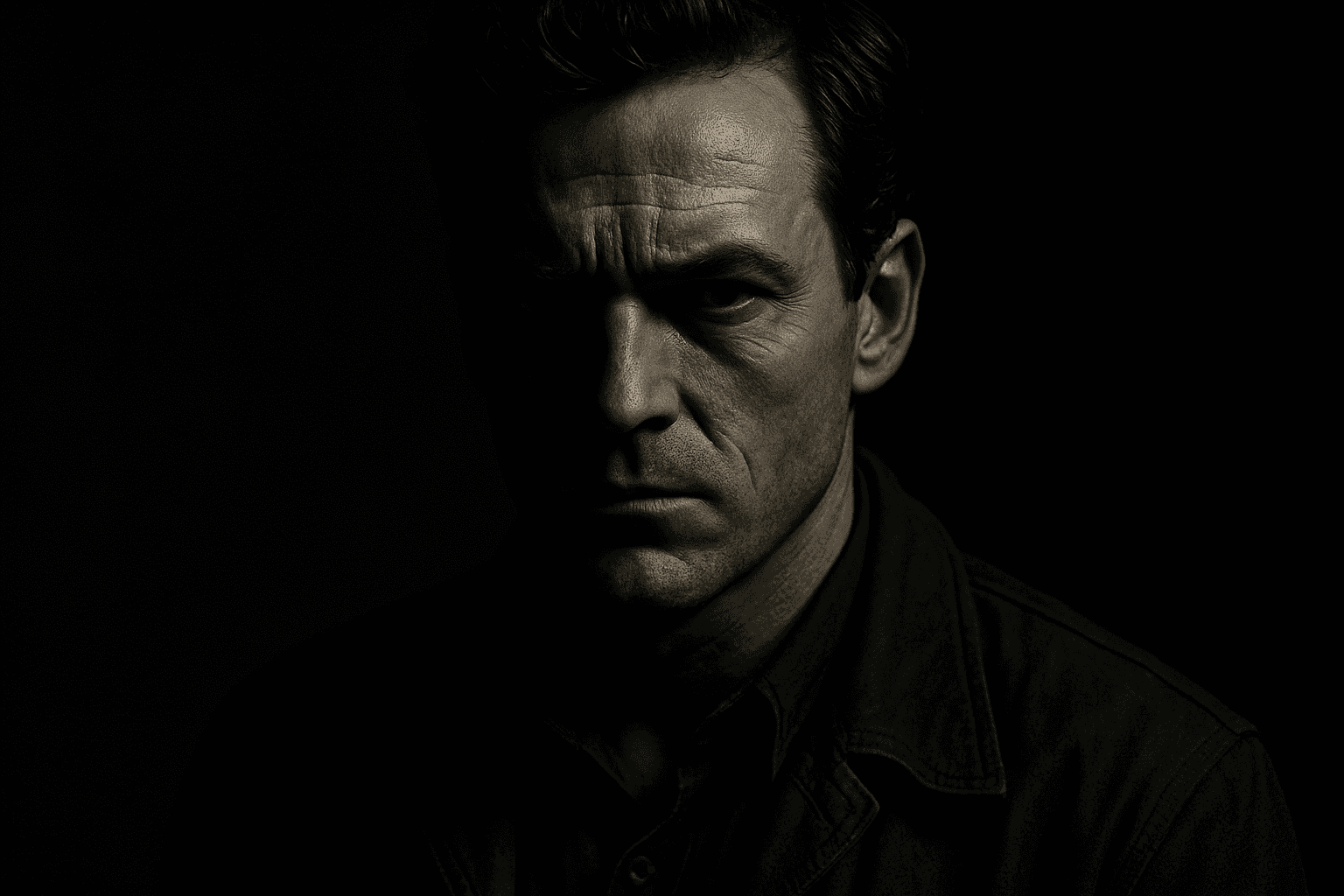
Noir Lighting is a powerful style used to convey mystery, suspense, or classic elegance by playing with deep shadows and stark light contrasts. Originating from the mid-20th century film noir genre, this lighting style uses minimal light sources to cast dramatic shadows, emphasizing shapes and contours. It evokes an intense mood while often simplifying the visual elements, focusing the viewer's attention on specific parts of the composition. Noir Lighting is versatile, used in photography, film, and digital art to add emotional depth and a cinematic feel. Artists and photographers employ it to create visually compelling images that engage the audience with their enigmatic atmosphere.
Dramatic Shadow Play
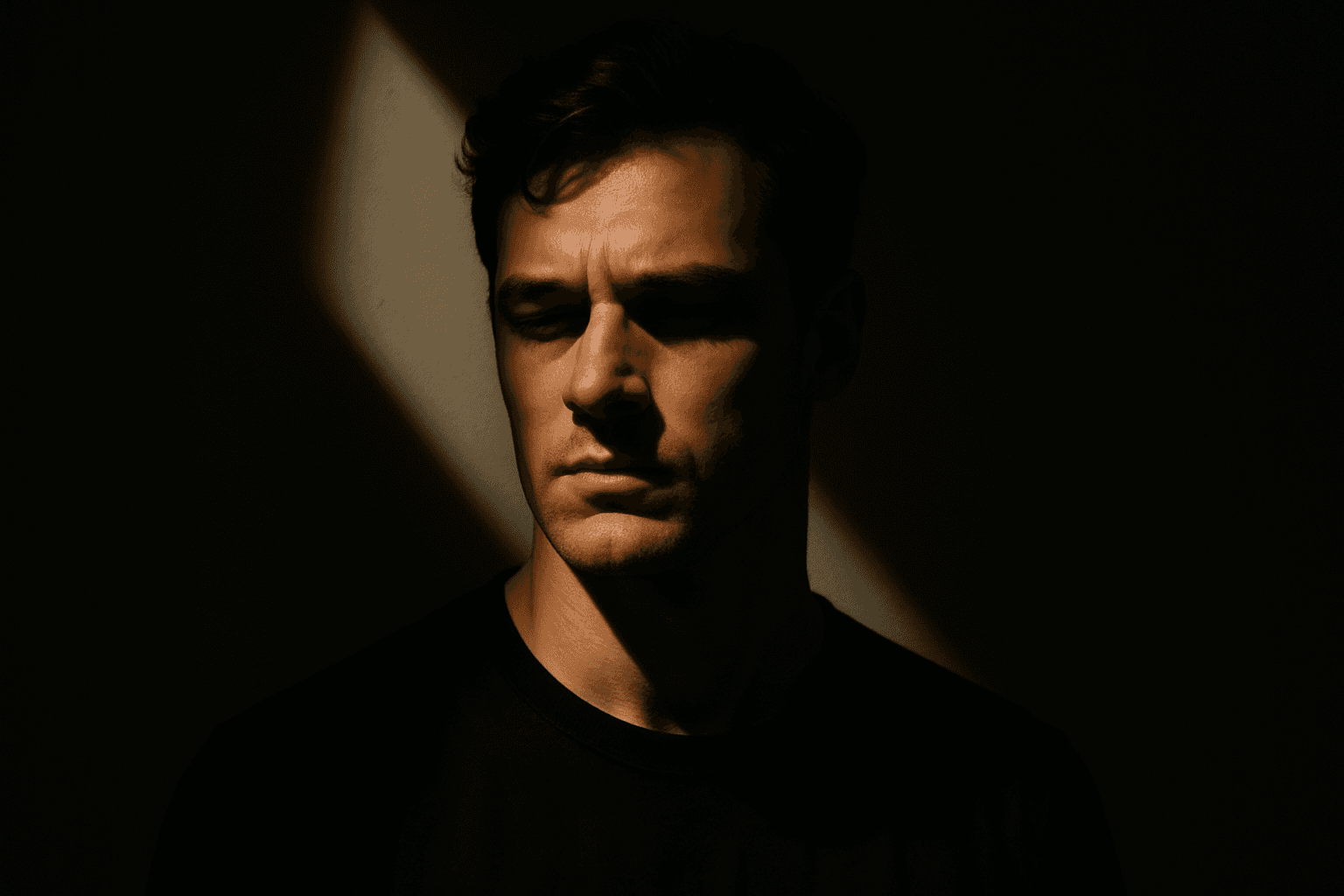
Dramatic shadow play is a powerful lighting technique that leverages stark contrasts between light and dark areas to draw attention and evoke emotion. By guiding AI to create strong directional lighting accompanied by pronounced shadows, images gain a sculptural and dynamic quality. This technique helps emphasize textures, enhance spatial depth, and create visually compelling compositions that stand out. In AI-generated art, incorporating shadow play opens up creative possibilities for storytelling, mood setting, and artistic expression, especially in portraiture, architectural photography, and fine art visuals.
Low Key Lighting
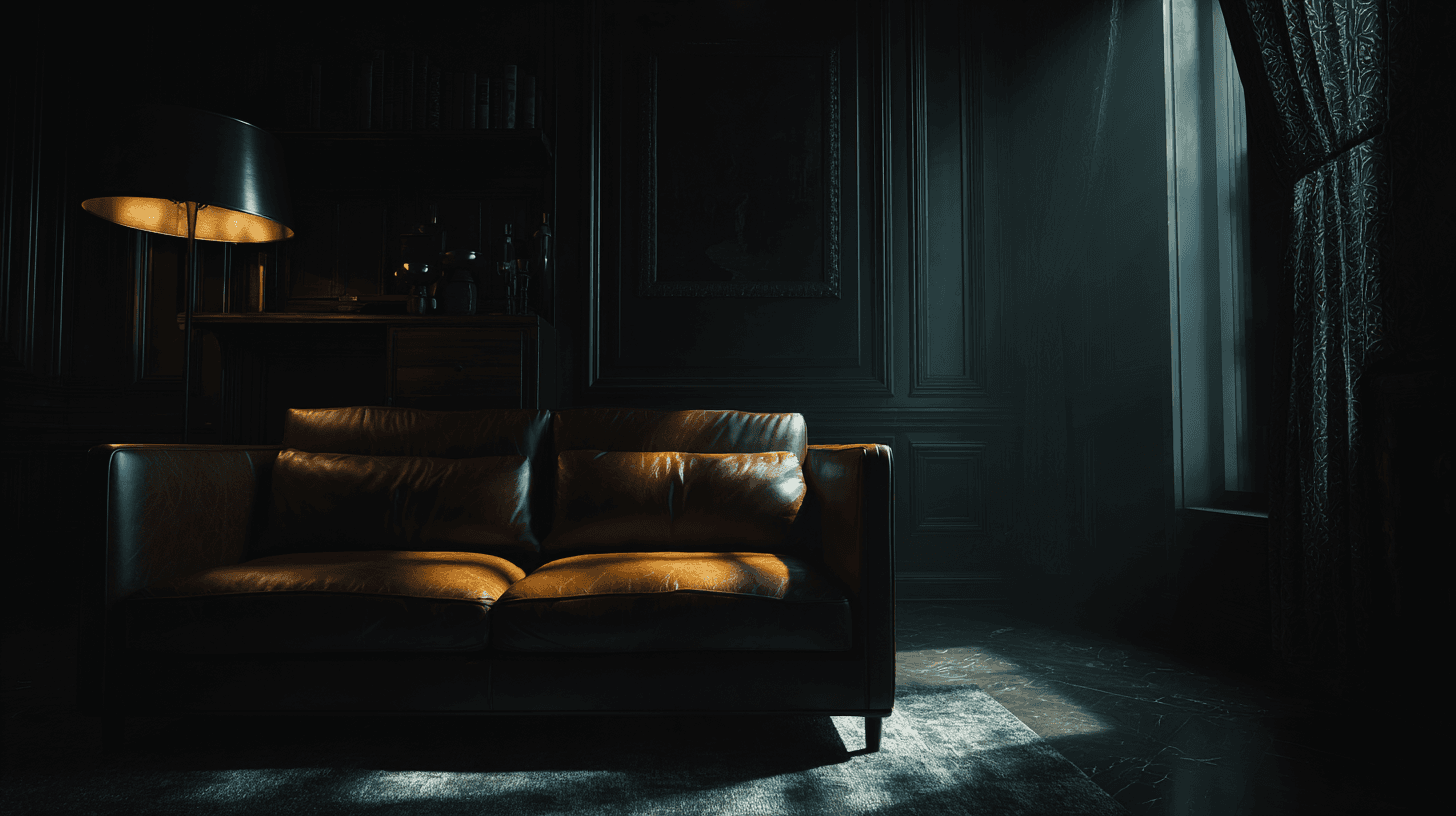
Low Key Lighting is a lighting style built around darkness, contrast, and selective illumination. In AI image prompts, it usually creates images with deep shadows, darker backgrounds, and a small amount of focused light on the subject. The result can feel dramatic, mysterious, premium, serious, or cinematic. Low Key Lighting is often used in luxury product photography, film posters, athletic portraits, music visuals, and editorial images. For beginners, it is a useful keyword when you want more mood and depth, but it needs a clear subject so the image does not become too dark to read.
Underexposed Mood Lighting
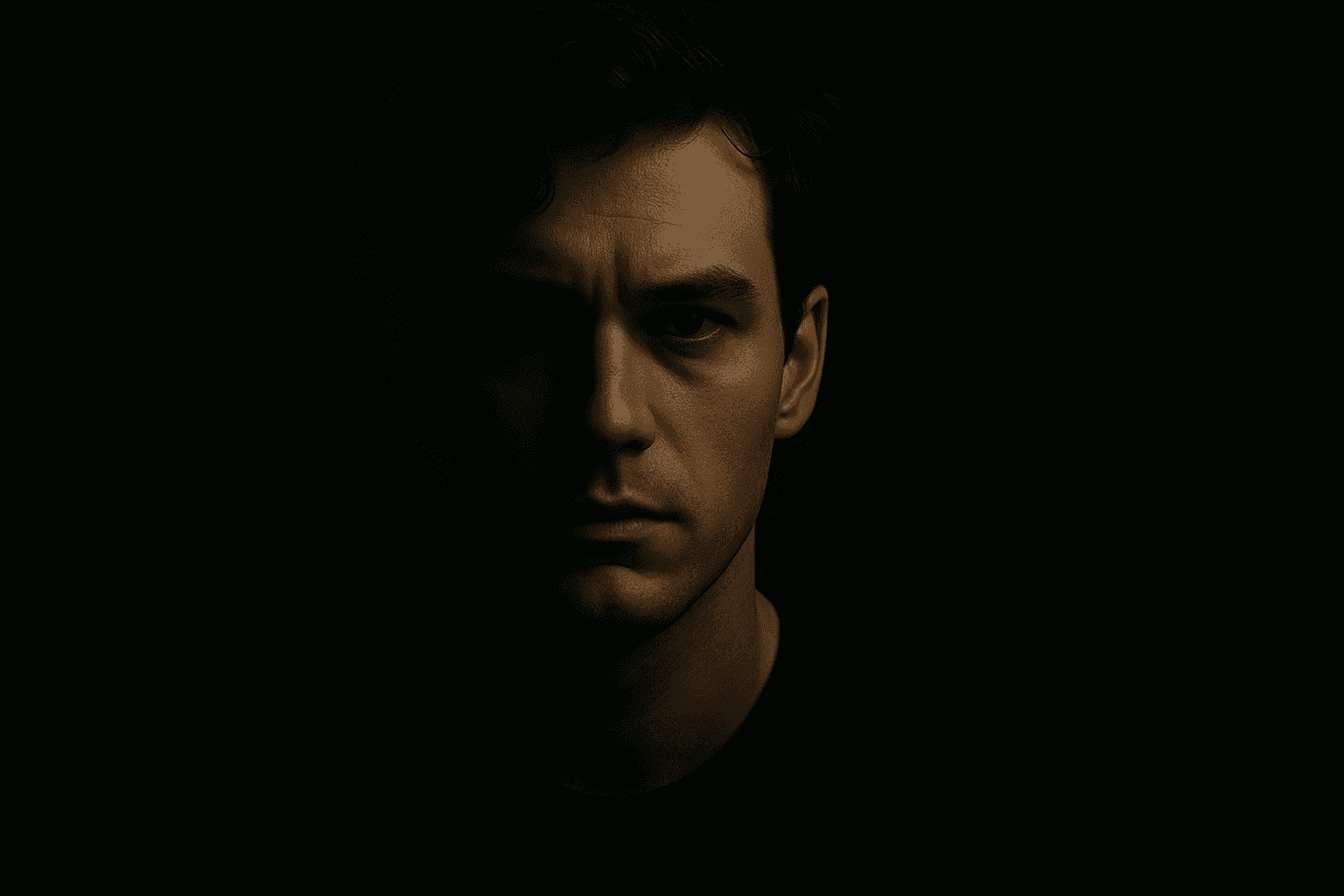
Underexposed mood lighting is a creative lighting technique used in AI-generated images to evoke atmosphere through reduced exposure and enhanced shadows. By controlling brightness and contrast, it crafts visually compelling scenes that feel intimate, mysterious, or cinematic. In AI prompts, this concept helps guide models toward dimmer settings where textures and shapes are subtly revealed without harsh lighting, often highlighting emotional depth or storytelling elements. Professionals leverage underexposed lighting to produce moody portraits, dramatic environments, or evocative still lifes, making it essential for users aiming to add artistic depth and ambience to their digital creations.
Split Lighting Technique
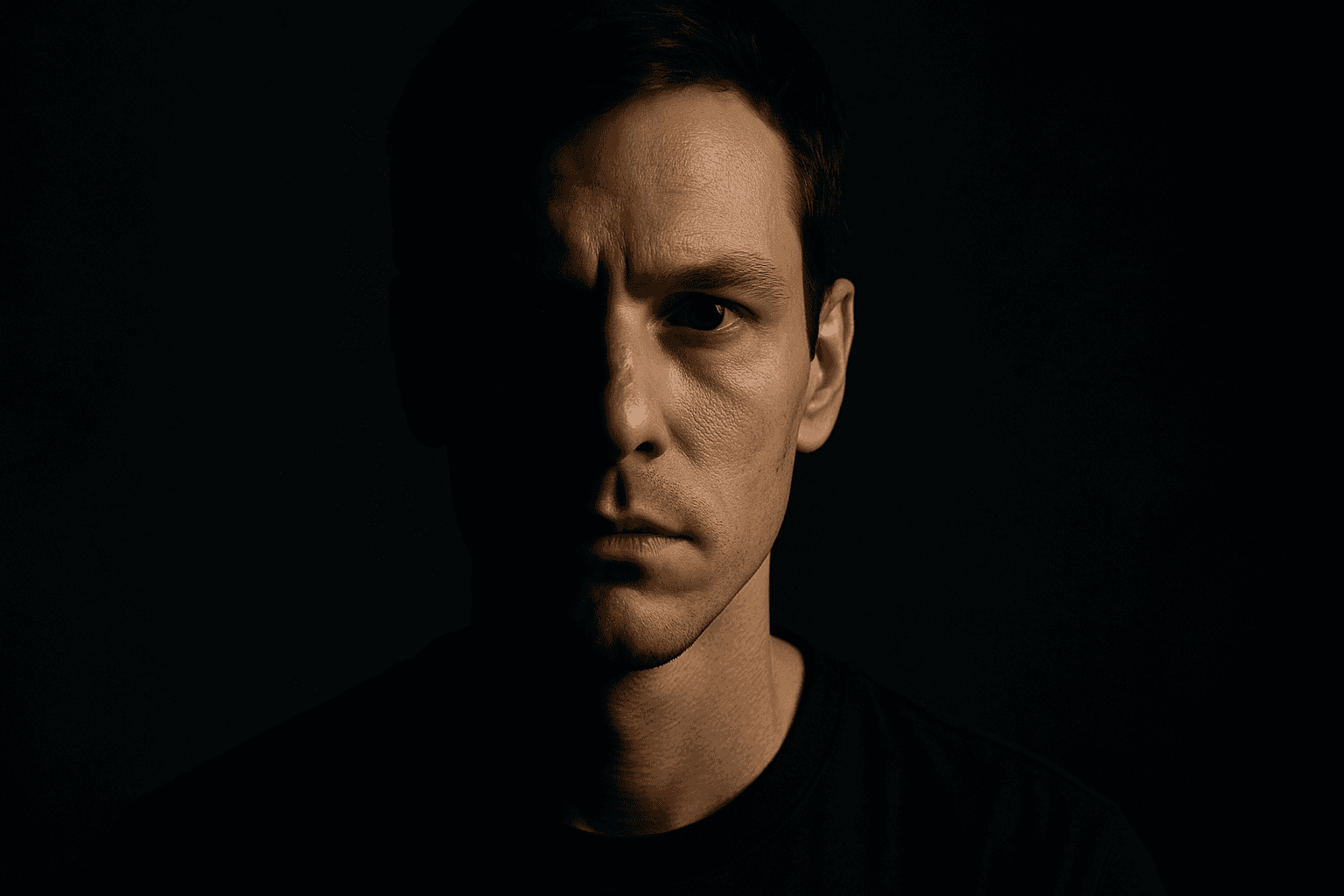
Split lighting is a classic photographic lighting technique widely used for portraits to craft dramatic and intense images. When applied in AI image prompts, it guides the generation to simulate this lighting style by illuminating one half of the subject brightly while casting the other half in shadow. This technique enhances depth and character, often lending a mysterious or serious tone to portraits. It is especially effective for emphasizing facial features, textures, and emotional expressions. Utilizing split lighting in AI art allows creators to generate compelling, high-contrast images that stand out in editorial, commercial, or artistic contexts.