Moody Film Noir Lighting
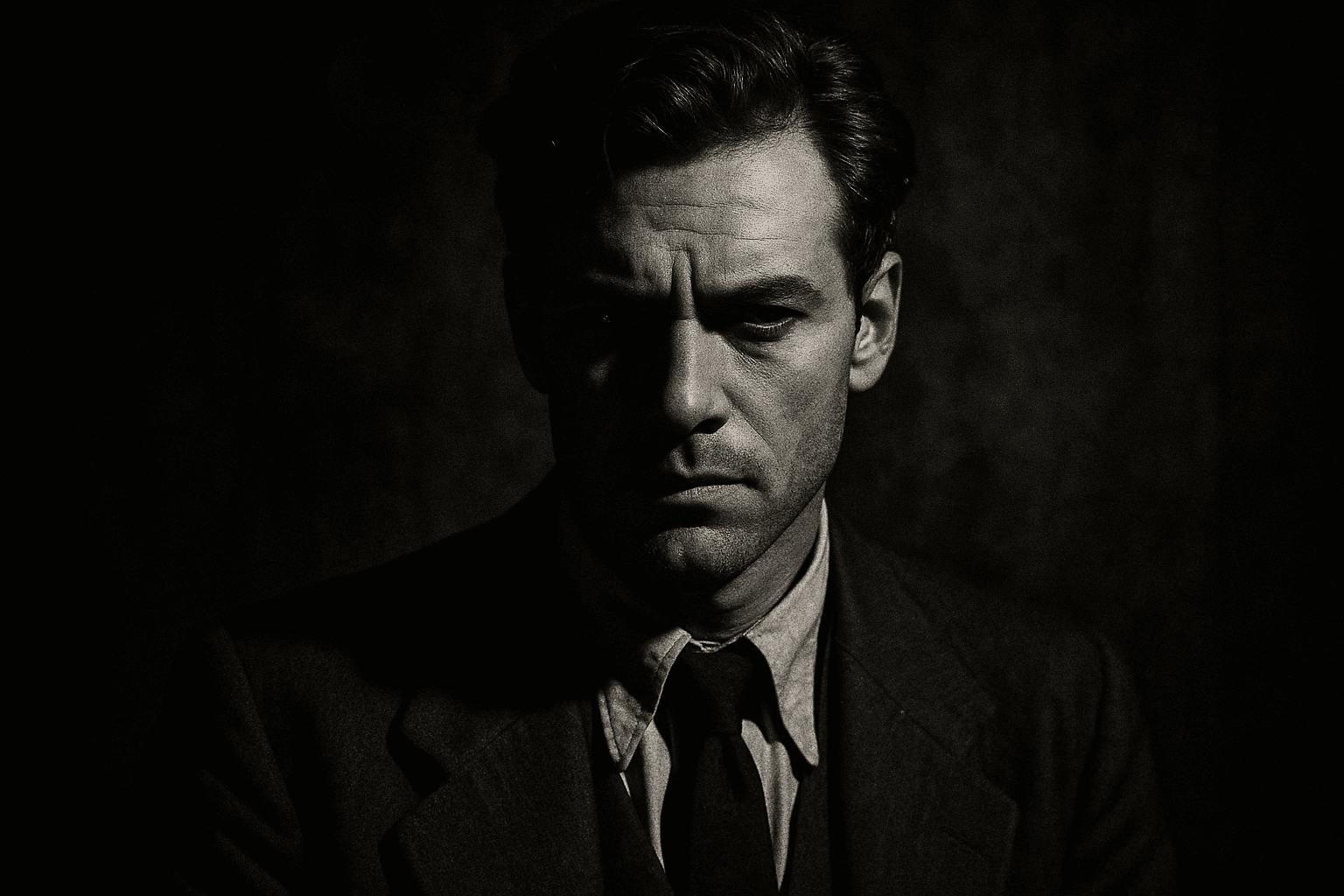
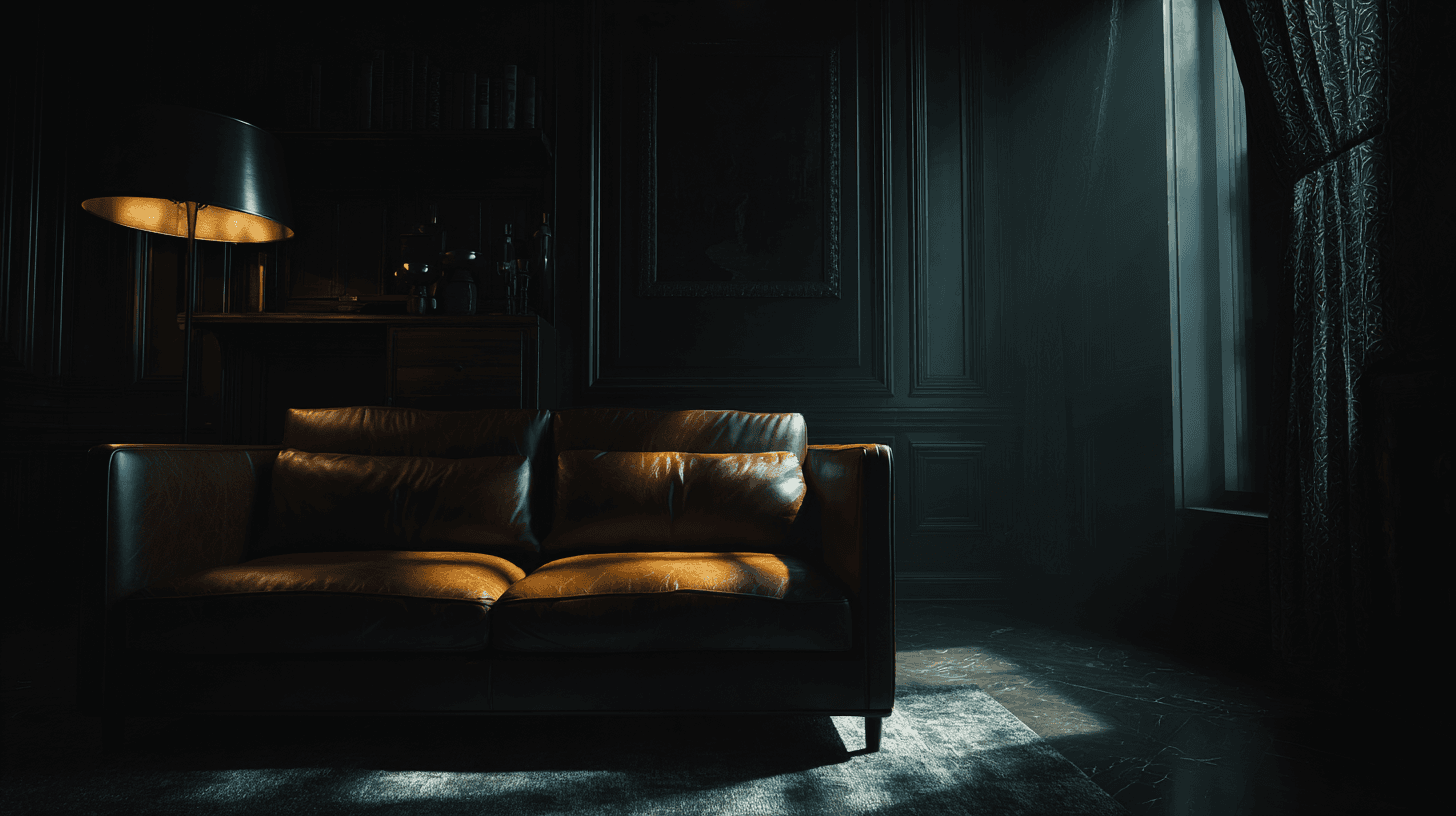
Moody Film Noir Lighting replicates the classic film noir style popularized in 1940s and 1950s cinema. It emphasizes chiaroscuro effects—sharp contrasts between light and dark—to evoke emotional tension and mystery. This lighting approach creates depth and focus by selectively illuminating subjects while plunging backgrounds into darkness or ambiguous shadow. In AI image generation, applying this lighting style enhances drama, texture, and mood, making scenes feel cinematic and intense. It’s widely used to portray suspenseful narratives, urban nightscapes, or characters shrouded in secrecy, effectively adding a timeless noir aesthetic to visuals.
Definition
Moody Film Noir Lighting is a visual style that uses strong contrasts, selectively illuminating subjects while casting deep shadows. It creates a dramatic and mysterious ambiance reminiscent of classic film noir cinematography. In AI image prompting, adding this keyword instructs the model to produce images with pronounced chiaroscuro effects, dim highlights, and heightened texture that evoke suspense and emotional complexity.
Prompt Formula
To incorporate Moody Film Noir Lighting effectively, combine these phrases to guide the AI model: - Base subject description (e.g., 'urban nighttime street') - Lighting style: 'Moody Film Noir Lighting,' 'high contrast shadows,' 'dramatic chiaroscuro' - Mood descriptors: 'mysterious atmosphere,' 'cinematic suspense,' 'textured highlights' - Optional textures or effects: 'foggy background,' 'venetian blinds shadow patterns,' 'wet reflective surfaces'
- [Subject] under Moody Film Noir Lighting
- dramatic chiaroscuro, high contrast shadows
- mysterious atmosphere, cinematic suspense
- textured highlights, atmospheric depth
Best Use Cases
- Portraits emphasizing emotional intensity and character
- Cityscapes or nighttime urban environments to evoke suspense
- Editorial and advertising imagery for mystery, thriller, or vintage fashion themes
Advanced Techniques
For experienced users, enhance your prompts by coupling Moody Film Noir Lighting with other elements: - Specify light sources: 'single overhead bulb casting long shadows,' 'venetian blinds creating striped light patterns' - Introduce atmospheric effects: 'dense fog softening edges,' 'smoke or mist catching light beams' - Combine with color grading: 'monochrome tones with subtle sepia tint,' 'muted palette emphasizing contrast' - Use negative prompts to avoid unwanted brightness or flat lighting These refinements deepen realism and stylistic precision in generated images.
- Specify exact light sources and shadow shapes
- Add atmospheric effects like fog or smoke
- Apply selective monochrome or muted color grading
- Use negative prompts to reduce soft or flat lighting
Professional Workflow
Start by clearly defining the concept and emotional tone desired, including Moody Film Noir Lighting as a core stylistic element in your prompt. Generate multiple image variations to explore different light placements and shadow patterns. Evaluate outputs focusing on contrast quality, texture, and mood authenticity. Select images with balanced brightness and impactful lighting without losing detail in shadows. Refine prompts with more precise light descriptors or atmospheric effects to perfect the ambiance. Once finalized, export images optimized for editorial or commercial use while maintaining their cinematic noir integrity.
- Brief concept and lighting mood clearly in prompt
- Generate multiple variations to explore light-shadow dynamics
- Evaluate and select images for optimal contrast and detail
- Iterate prompt refinements for lighting precision and atmosphere
- Export final images with professional quality standards
Related Styles
Moody Film Noir Lighting often intersects with several adjacent lighting and stylistic approaches. Dramatic Shadows emphasizes contrast and silhouette effects. Chiaroscuro Lighting underlines the interplay of light and dark similar to Renaissance paintings but applied cinematically. Vintage Cinematic Lighting includes sepia tones and textured light to evoke nostalgia. These styles complement Moody Film Noir Lighting by enhancing dramatic storytelling and atmospherics in AI-generated imagery.
- Dramatic Shadows
- Chiaroscuro Lighting
- Vintage Cinematic Lighting
FAQ
What is the main visual effect of Moody Film Noir Lighting?
It creates high-contrast images with deep shadows and selective illumination to convey mystery and dramatic tension.
Can this lighting style be used in color images?
Yes, but it typically involves muted, monochrome, or desaturated palettes to maintain a noir atmosphere.
Continue Exploring
Related Prompts
Chiaroscuro Lighting
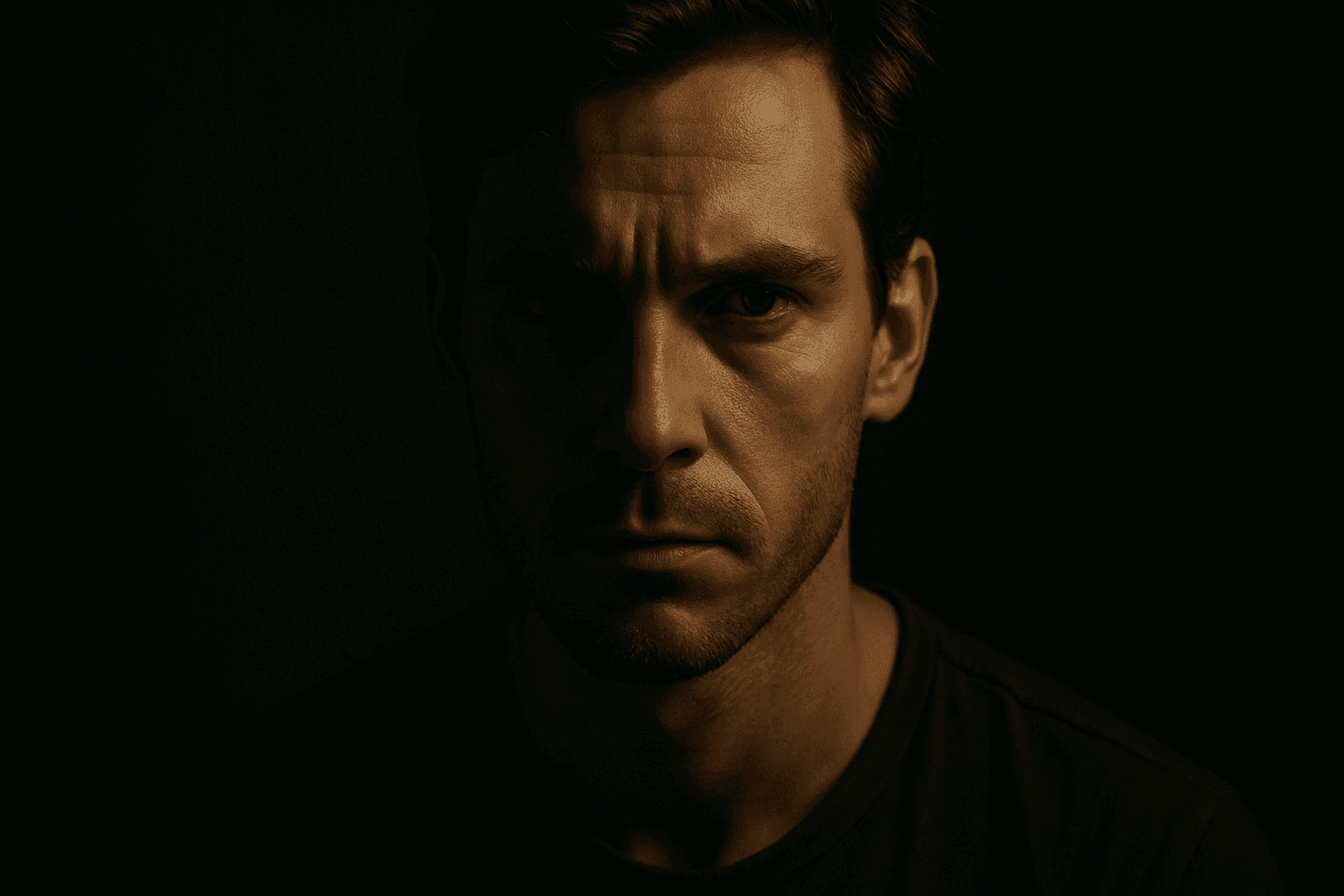
Chiaroscuro lighting is a powerful artistic method used to create striking contrasts between illuminated and shadowed regions within an image. This approach originated in 16th-century painting and remains popular in photography and digital art to evoke drama and emphasize form. In AI-generated imagery, the chiaroscuro effect guides models to produce compositions rich in depth and texture, often with a single directional light source casting pronounced shadows. This lighting style is ideal for portraits, still lifes, and narrative scenes where mood and visual impact are priorities. Understanding chiaroscuro expands an artist's toolkit, enabling controlled manipulation of light to transform flat images into compelling visual stories.
Noir Lighting
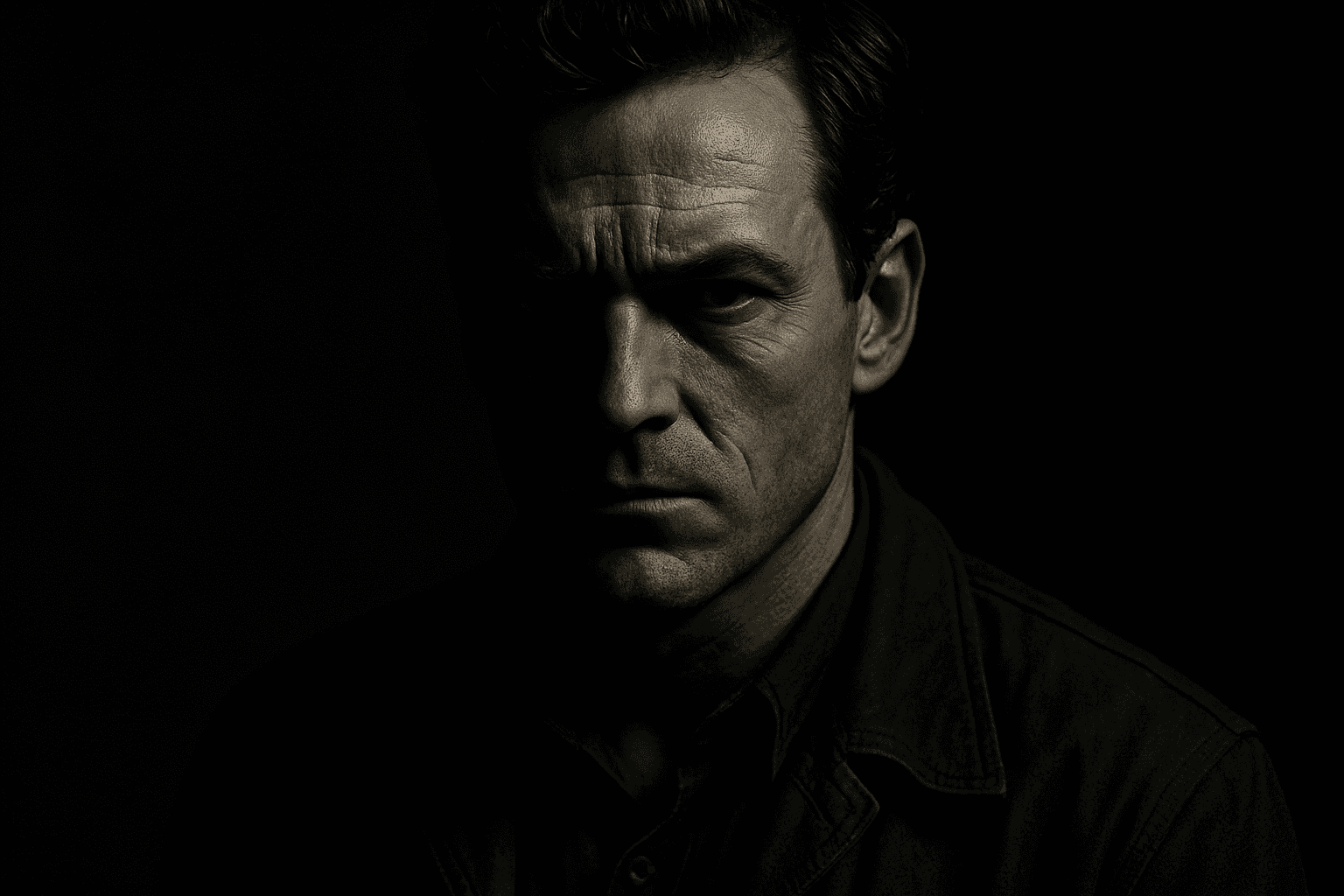
Noir Lighting is a powerful style used to convey mystery, suspense, or classic elegance by playing with deep shadows and stark light contrasts. Originating from the mid-20th century film noir genre, this lighting style uses minimal light sources to cast dramatic shadows, emphasizing shapes and contours. It evokes an intense mood while often simplifying the visual elements, focusing the viewer's attention on specific parts of the composition. Noir Lighting is versatile, used in photography, film, and digital art to add emotional depth and a cinematic feel. Artists and photographers employ it to create visually compelling images that engage the audience with their enigmatic atmosphere.
Side Lighting Drama
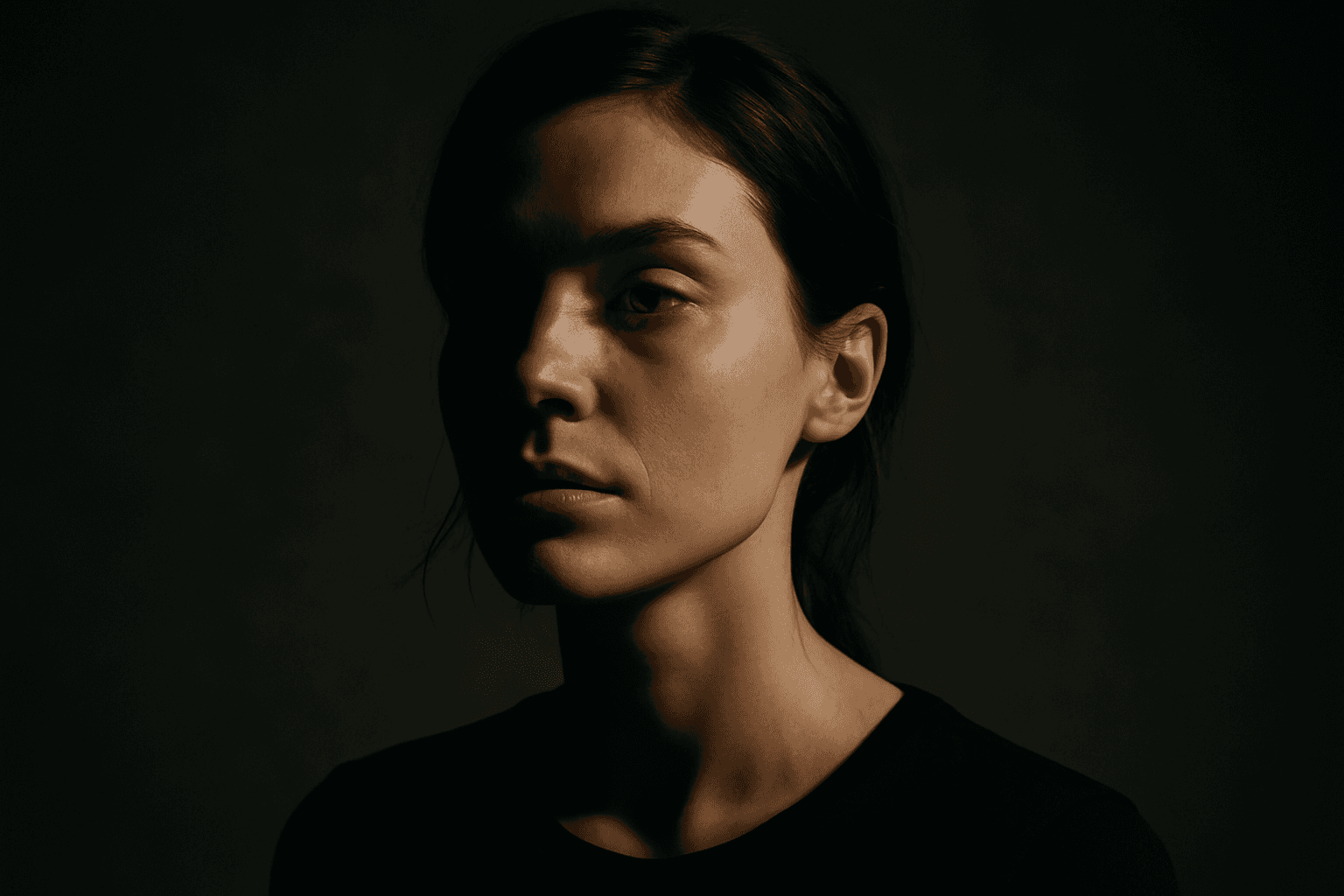
Side Lighting Drama is a powerful lighting technique widely used in photography and art to evoke intense atmosphere and visual depth. By casting light from one side, it sculpts shapes with stark shadows and highlights, adding drama and intrigue. In AI image generation, specifying Side Lighting Drama guides models to replicate this effect, producing images rich in texture details and emotional tone. It suits portraits that reveal character through shadows, architectural shots emphasizing structure, and still lifes with tactile surfaces. This deliberate use of lateral lighting amplifies visual storytelling by adding contrast and focus, lending images a cinematic and professional aesthetic.

High Contrast Lighting Setup
High contrast lighting setups are widely used in photography and cinematic visuals to produce bold, dynamic images that captivate viewers. Incorporating 'high contrast lighting setup' in an AI image prompt instructs the AI to emphasize striking light sources and deep shadows, adding visual tension and clarity to the scene. This lighting approach reveals textures more vividly and helps create a mood that can range from mysterious to intense. For AI-generated images intended for editorial, commercial, or fine art applications, applying this keyword ensures that the resulting visuals have professional-quality lighting that enhances subject definition and atmosphere.

High Key Background Lighting
High key background lighting is a crucial concept in visual arts and photography that has been effectively incorporated into AI image generation. By emphasizing strong, uniform illumination, this lighting style reduces shadows and creates a minimal contrast environment that lends a clean, elegant aesthetic to images. When used in AI prompts, it signals the model to brighten the scene, focusing on light tones and softer shadows. This technique is widely appreciated for its ability to highlight subjects distinctly against an uncluttered, bright backdrop, making the image feel fresh and inviting. High key lighting is particularly popular in fashion, portrait, and product photography and translates well to digital art and design.
Low Key Lighting
Low Key Lighting is a lighting style built around darkness, contrast, and selective illumination. In AI image prompts, it usually creates images with deep shadows, darker backgrounds, and a small amount of focused light on the subject. The result can feel dramatic, mysterious, premium, serious, or cinematic. Low Key Lighting is often used in luxury product photography, film posters, athletic portraits, music visuals, and editorial images. For beginners, it is a useful keyword when you want more mood and depth, but it needs a clear subject so the image does not become too dark to read.