Side Lighting Drama
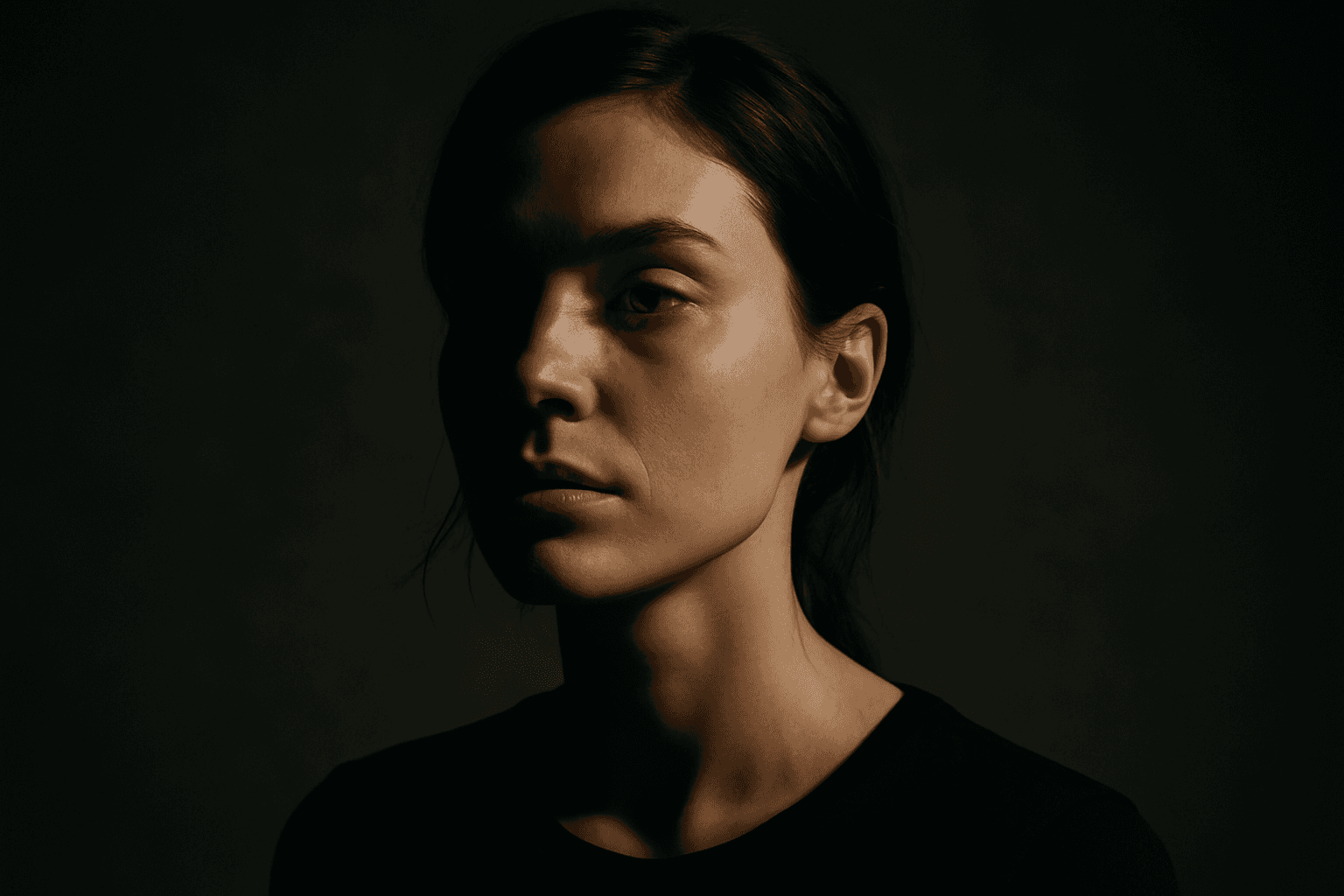
Side Lighting Drama is a powerful lighting technique widely used in photography and art to evoke intense atmosphere and visual depth. By casting light from one side, it sculpts shapes with stark shadows and highlights, adding drama and intrigue. In AI image generation, specifying Side Lighting Drama guides models to replicate this effect, producing images rich in texture details and emotional tone. It suits portraits that reveal character through shadows, architectural shots emphasizing structure, and still lifes with tactile surfaces. This deliberate use of lateral lighting amplifies visual storytelling by adding contrast and focus, lending images a cinematic and professional aesthetic.
Definition
Side Lighting Drama is a technique in AI image prompts that specifies lighting coming predominantly from one side of the subject. This causes sharp contrasts between bright highlights and deep shadows. It enriches the image with texture, volume, and emotional tension, making subjects appear more dimensional and dynamic. For beginners, adding "side lighting drama" or similar phrases cues the AI to generate such moody, directional light effects, enhancing realism and artistic impact.
Prompt Formula
Use these phrase patterns to incorporate Side Lighting Drama effectively: - "[subject], side lighting drama, strong directional light, deep shadows" - "Cinematic scene with side lighting drama, high contrast, textured surfaces" - "Portrait with side lighting drama, chiaroscuro effect, moody atmosphere" Variations can include adjectives describing mood, light color, or environment to customize the dramatic effect.
- [subject], side lighting drama, strong directional light, deep shadows
- Cinematic scene with side lighting drama, high contrast, textured surfaces
- Portrait with side lighting drama, chiaroscuro effect, moody atmosphere
Best Use Cases
- Portraits aiming to reveal character and mood
- Architectural renders emphasizing form and textures
- Still life compositions highlighting surface details
Advanced Techniques
Combine Side Lighting Drama with these refinements for enhanced results: - Add specific light qualities like "warm side lighting drama" or "cold blue side lighting" to influence mood. - Use "soft side lighting drama" for gentle shadows or "harsh side lighting drama" for stark contrast. - Pair with "film noir style" or "rembrandt lighting" prompts to evoke classical artistic effects. - Control shadow softness by adding "diffused shadows" or "sharp shadows" tags. - Specify reflection and texture details alongside lighting for realistic material rendering.
- Specify light color and temperature
- Vary shadow softness between soft and harsh
- Combine with artistic lighting styles like Rembrandt or film noir
- Include texture and reflection details
- Use modifiers to control intensity and diffusion
Professional Workflow
To leverage Side Lighting Drama in a professional setting: 1. Define the visual goal, deciding how drama affects mood and story. 2. Craft prompts starting with subject description, then add “side lighting drama” and modifiers. 3. Generate multiple variations to explore light intensity and shadow effects. 4. Review outputs, selecting images with balanced contrast and clear form definition. 5. Refine prompts to adjust lighting angle, softness, or color based on selected images. 6. Post-process as needed for exposure and color balance, preserving the dramatic lighting.
- Define visual goals and mood
- Write detailed prompts including lighting modifiers
- Generate and review multiple image versions
- Select best images based on contrast and form
- Refine prompts iteratively to perfect lighting
Related Styles
- Rim Lighting Glow
- Chiaroscuro Contrast
- Mood Lighting Cinematic
Model-Specific Tips
For best results across modern AI image models: - Use natural language descriptions emphasizing directionality and contrast, e.g., "dramatic side lighting casting strong shadows". - Avoid overly technical jargon; instead, guide models with mood or atmosphere words. - Combine side lighting with material-specific keywords (e.g., "textured skin," "rough stone") to enhance light interaction realism. - Test lighting phrases in short segments then build complexity for better control. - Keep lighting descriptors consistent across prompt variations to maintain style coherence.
- Use natural, descriptive language
- Combine lighting with material attributes
- Test and build prompts incrementally
- Avoid overly technical terms
- Maintain consistent lighting phrases
FAQ
What effect does Side Lighting Drama have on AI-generated portraits?
It creates strong contrasts and shadows on one side of the face, adding depth, mood, and emotional intensity to the portrait, making it appear more three-dimensional and expressive.
Can I combine Side Lighting Drama with other lighting styles?
Yes, combining it with styles like rim lighting or chiaroscuro can produce complex and artistically rich lighting effects in AI images.
Continue Exploring
Related Prompts
Directional Side Lighting
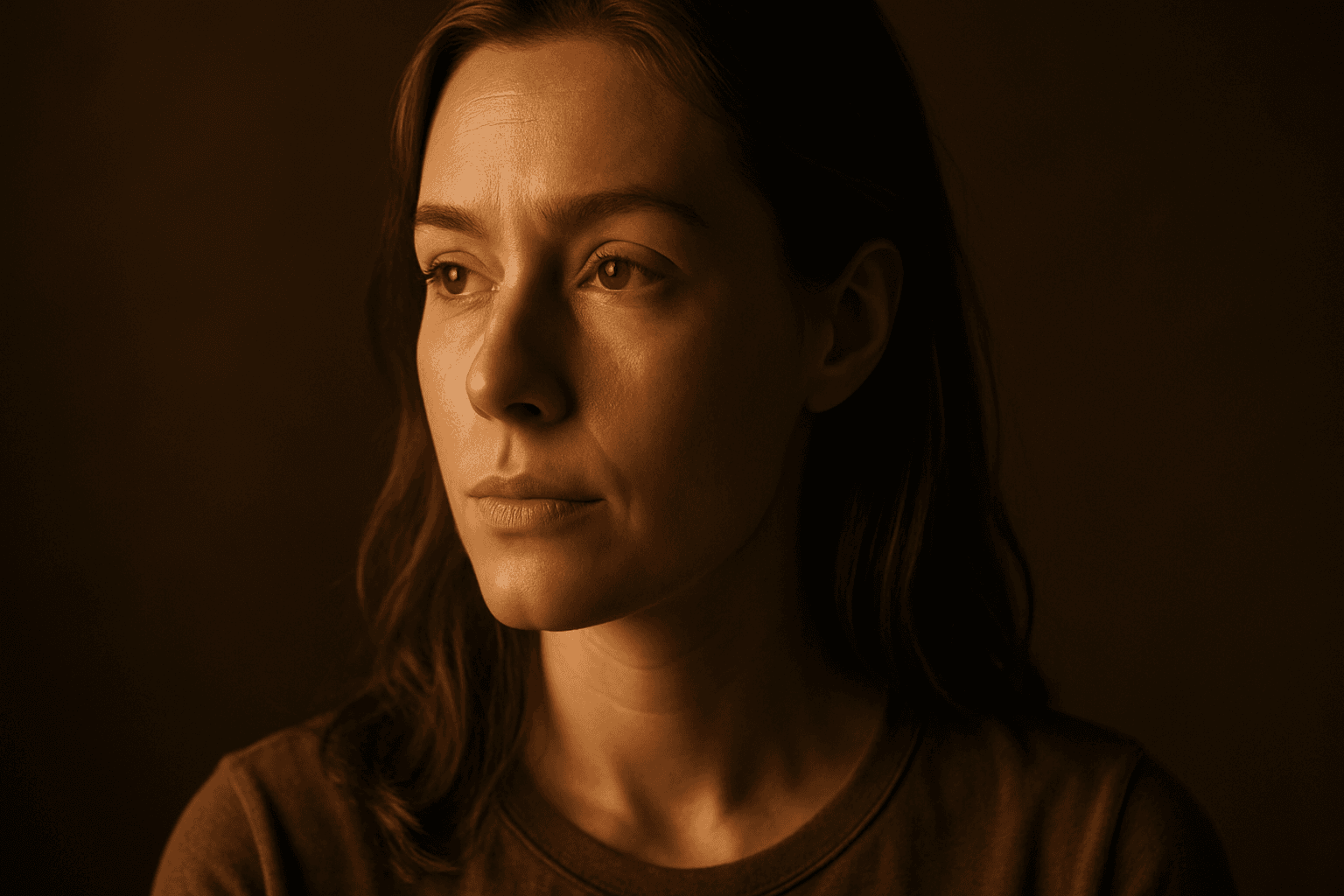
Directional side lighting is a powerful lighting technique widely used in photography and digital art to add dimensionality and mood. In the context of AI image generation, specifying directional side lighting shapes how the model simulates light interaction with subjects and environments. This lighting style creates pronounced contrasts between illuminated and shaded areas, resulting in images with realistic depth and enhanced visual interest. It is especially effective for emphasizing textures and defining shapes in portraits, still life, architectural renders, and product shots. Using this lighting approach in AI prompts helps generate more polished and professional visuals suitable for editorial and commercial use.
Side Lighting
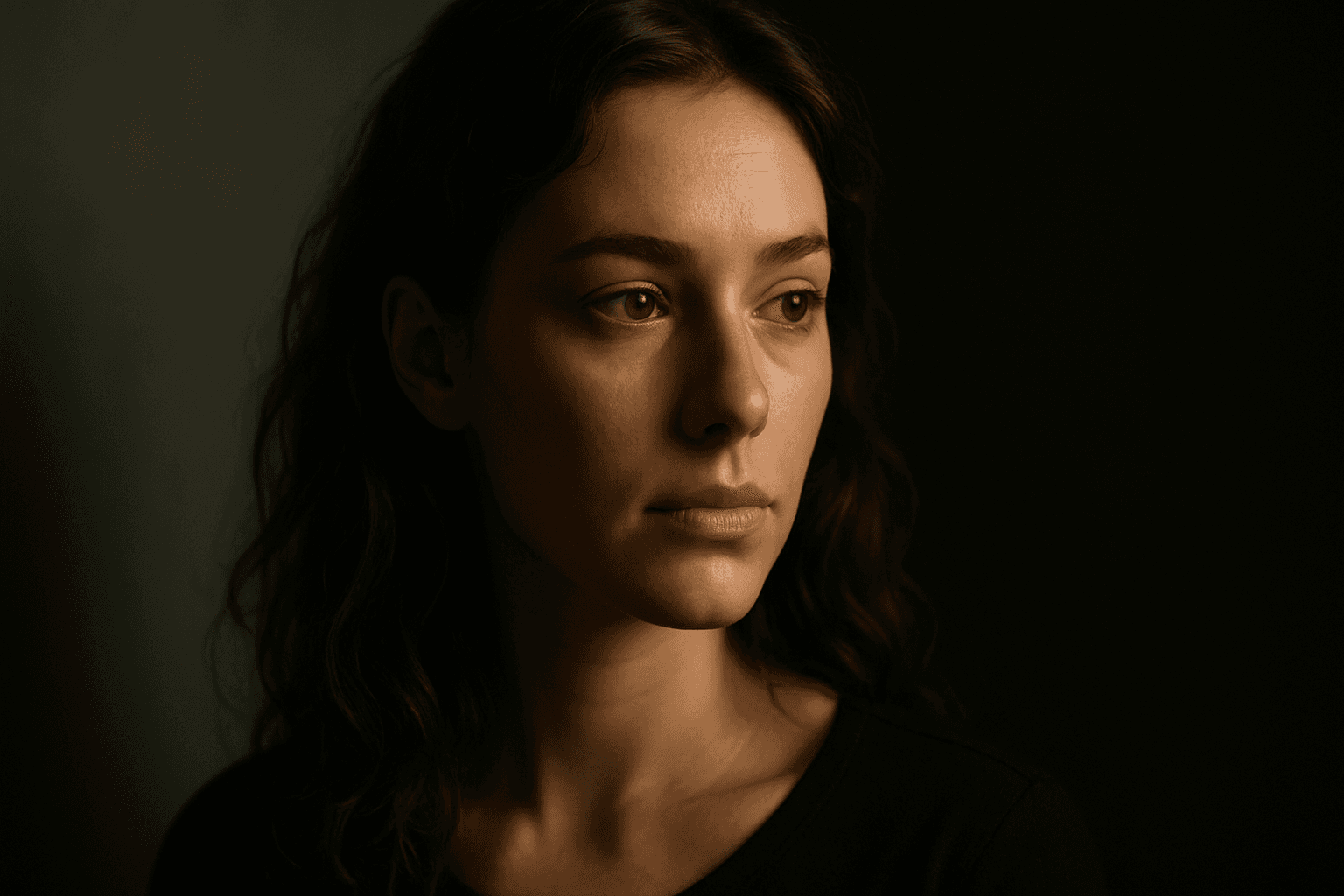
Side lighting is a powerful lighting technique used in photography and visual arts where light strikes the subject from one side. This approach emphasizes contours, textures, and shapes by casting shadows that add depth and drama. Unlike frontal lighting, which minimizes shadows, side lighting accentuates details and forms, making the subject appear more three-dimensional. It is widely used to evoke mood, reveal surface intricacies, and create dynamic compositions. Whether in portrait, still life, or product photography, side lighting allows artists to play with contrast and emphasize specific features while maintaining a naturalistic look.
Chiaroscuro Lighting
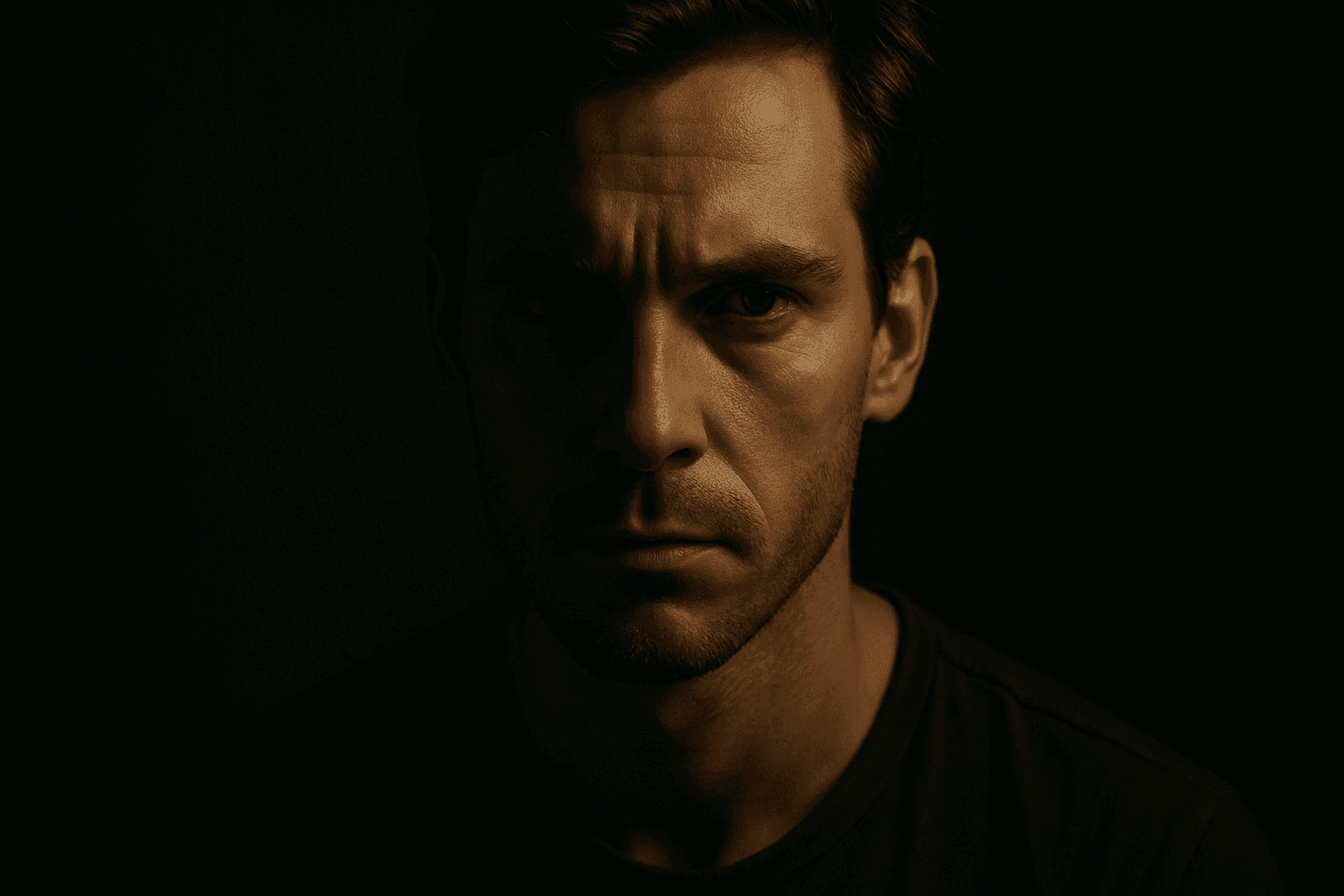
Chiaroscuro lighting is a powerful artistic method used to create striking contrasts between illuminated and shadowed regions within an image. This approach originated in 16th-century painting and remains popular in photography and digital art to evoke drama and emphasize form. In AI-generated imagery, the chiaroscuro effect guides models to produce compositions rich in depth and texture, often with a single directional light source casting pronounced shadows. This lighting style is ideal for portraits, still lifes, and narrative scenes where mood and visual impact are priorities. Understanding chiaroscuro expands an artist's toolkit, enabling controlled manipulation of light to transform flat images into compelling visual stories.
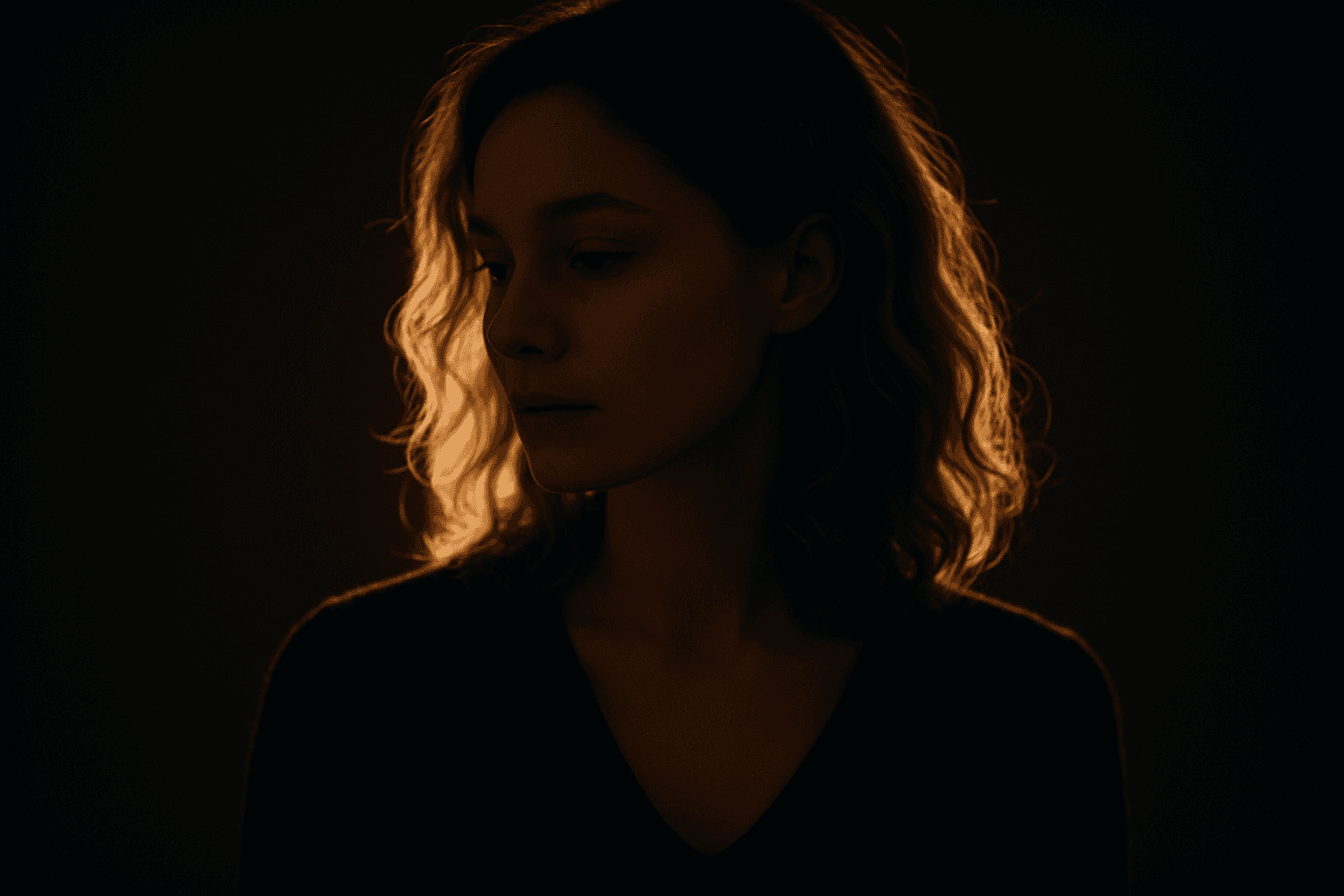
Backlit Rim Lighting
Backlit Rim Lighting offers a striking way to emphasize shapes and contours by placing light sources behind the subject. This technique casts a luminous halo or rim around the edges, enabling clear subject separation from backgrounds even if they are dimly lit. In AI-generated images, prompts including this term encourage models to simulate realistic lighting setups that heighten drama, depth, and visual interest. Artists and photographers often use this style to evoke mood or highlight subject textures through translucent or reflective surfaces. Incorporating Backlit Rim Lighting in image generation can instantly transform compositions, lending premium polish suitable for editorial, cinematic, and commercial visuals.
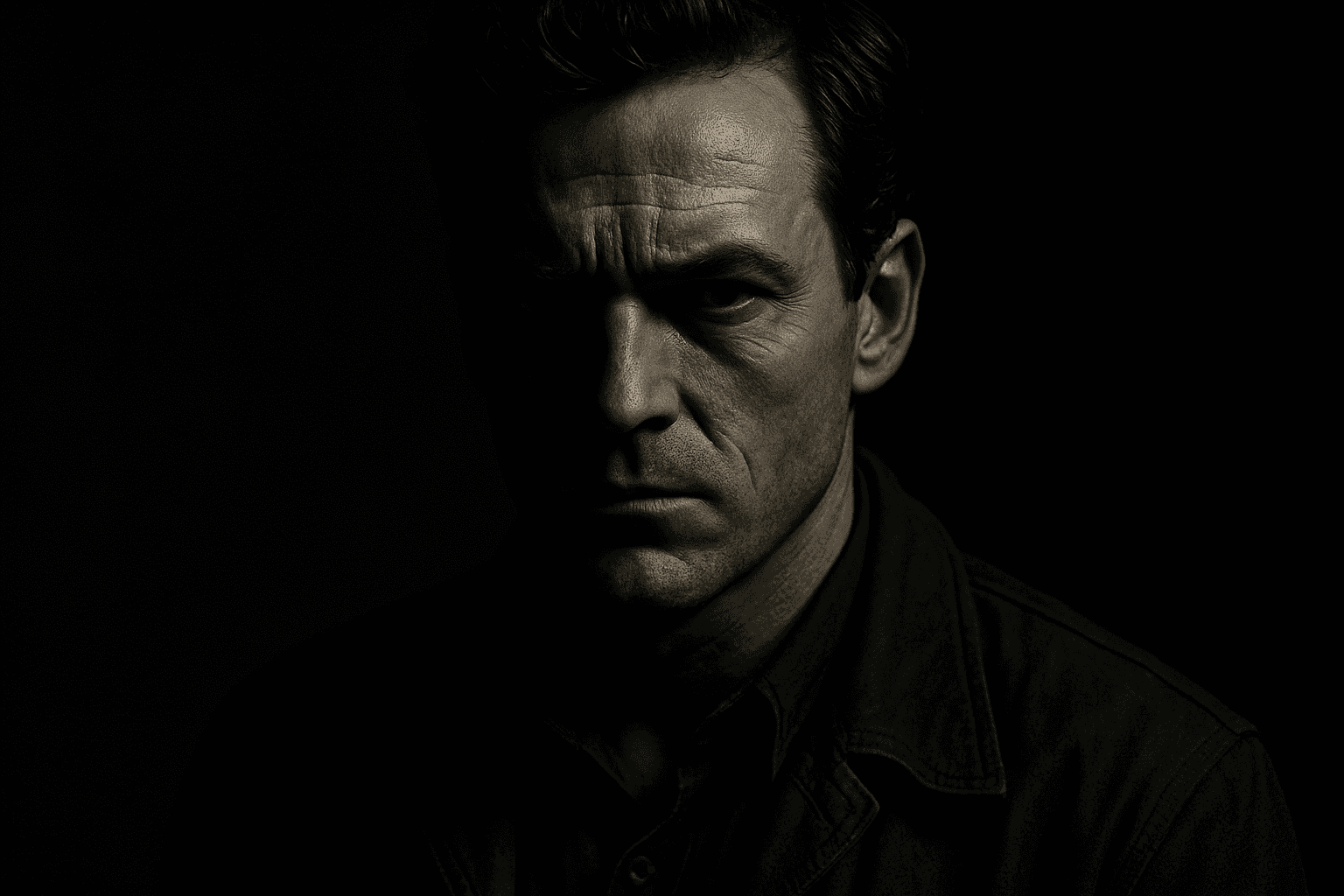
Noir Lighting
Noir Lighting is a powerful style used to convey mystery, suspense, or classic elegance by playing with deep shadows and stark light contrasts. Originating from the mid-20th century film noir genre, this lighting style uses minimal light sources to cast dramatic shadows, emphasizing shapes and contours. It evokes an intense mood while often simplifying the visual elements, focusing the viewer's attention on specific parts of the composition. Noir Lighting is versatile, used in photography, film, and digital art to add emotional depth and a cinematic feel. Artists and photographers employ it to create visually compelling images that engage the audience with their enigmatic atmosphere.
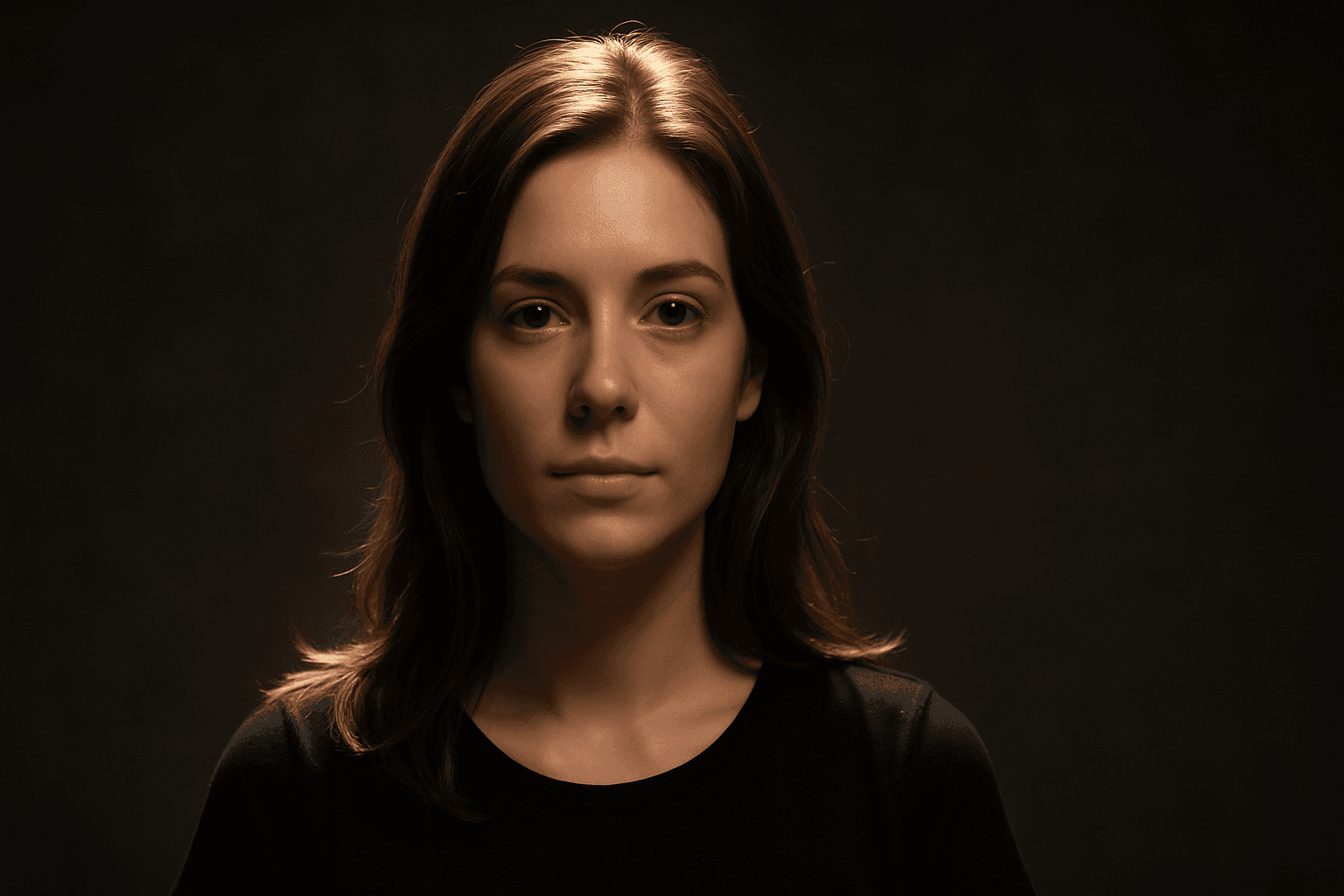
Directional Top Lighting
Directional Top Lighting is a technique widely used to simulate natural or artificial light coming directly from above a subject. In AI image generation, specifying this lighting style helps create images with realistic shading and depth, highlighting the textures and contours of objects or scenes from a top-down perspective. This lighting direction mimics sunlight at midday or overhead indoor fixtures, producing crisp shadows and well-defined highlights. It is especially effective for portraits, still life, architectural visuals, and product photography, enhancing the spatial perception and visual appeal of the subject within the composition.