Diffuse Lighting Effect
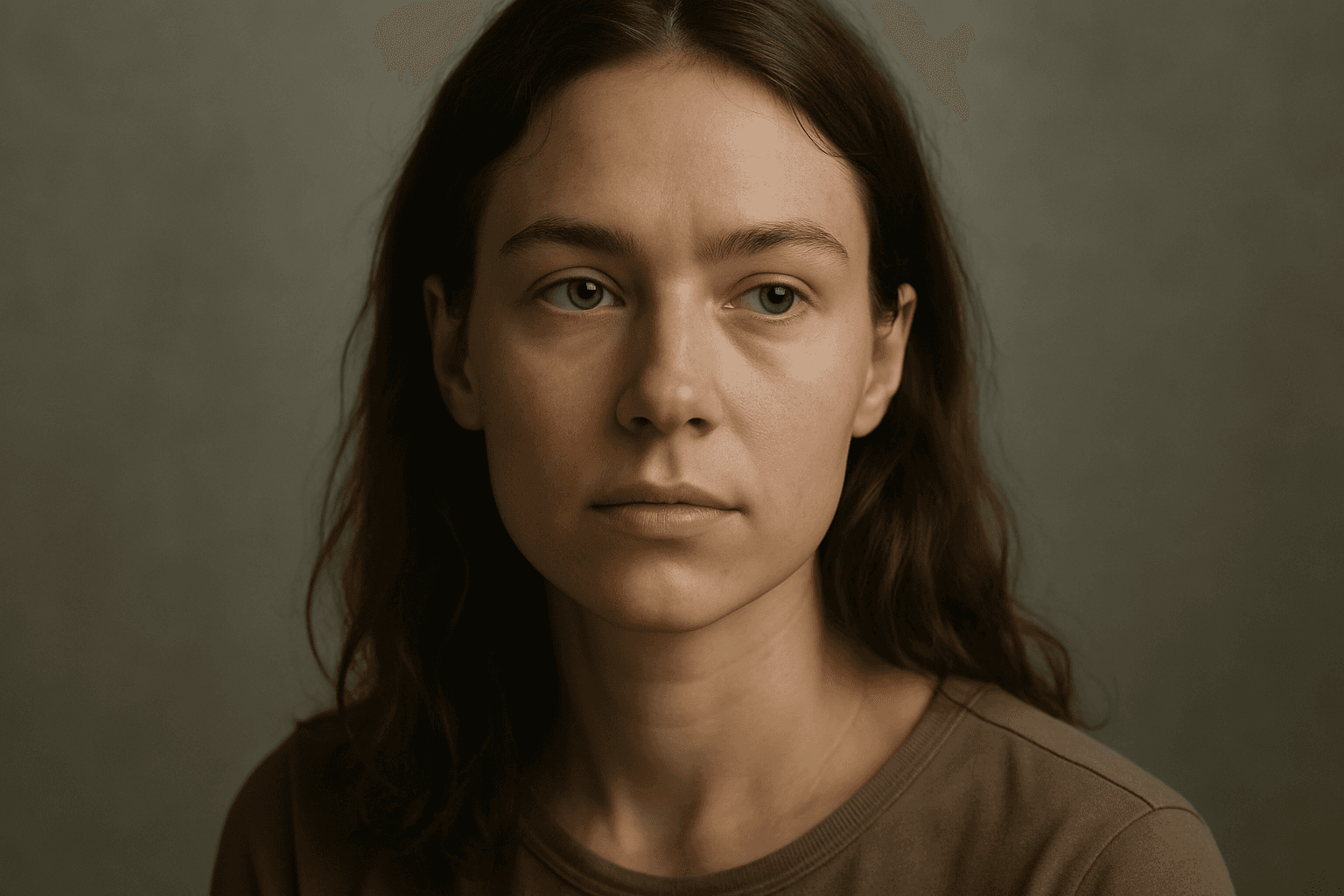
Diffuse lighting effect is a crucial concept in photography, art, and AI image generation that simulates soft, widespread light typically produced by overcast skies or light diffusion materials. This lighting style provides smooth gradations between light and shadow, avoiding harsh contrasts. When integrated into AI image prompts, it helps achieve images with a gentle, natural look that emphasizes subject details without dramatic shadows or glare. Diffuse lighting creates a mood of calm realism, ideal for portraits, product photography, and interior scenes. Understanding how to prompt for this effect enables creators to produce realistic and appealing visuals with enhanced depth and subtlety while maintaining a clean and harmonious composition.
Definition
Diffuse lighting is a lighting style characterized by soft, evenly spread light that minimizes harsh shadows and highlights. In the context of AI image prompt writing, adding 'diffuse lighting effect' instructs the model to simulate this gentle illumination, creating a natural and pleasing light distribution that enhances textures and colors subtly.
Visual Characteristics
- Soft, shadowless lighting with minimal contrast
- Even illumination across surfaces without bright hotspots
- Natural, flattering light that reveals textures subtly
Prompt Formula
To incorporate diffuse lighting in your prompts, use descriptive phrases that emphasize softness and evenness of light. Combine 'diffuse lighting effect' with attributes that specify shadow quality and light source type to guide the AI effectively.
- diffuse lighting effect, soft shadows, even illumination
- diffuse lighting effect, no harsh shadows, natural light
- diffuse lighting effect, soft ambient light, subtle highlights
Best Use Cases
- Portrait photography with natural, flattering skin tones
- Interior design visuals showcasing ambient indoor lighting
- Product images needing soft, even illumination without reflections
Creative Variations
Vary diffuse lighting applications by changing the color temperature from warm to cool tones, adjusting the time of day, or combining it with different styles such as minimalism or vintage aesthetics. Explore subject positioning to create subtle volumetric effects without harsh shadows.
- Warm diffuse lighting for cozy, inviting scenes
- Cool diffuse lighting to create calm, modern moods
- Diffuse lighting combined with natural elements like fog or soft reflections
- Portraits framed with diffuse light from window sources
- Minimalist compositions using diffuse lighting to enhance simplicity
Industry Applications
- Advertising photography to highlight products without distractions
- Editorial content requiring calm, visually balanced images
- Ecommerce platforms showcasing products under flattering light
Common Mistakes
A frequent error is overusing diffuse lighting leading to flat, lifeless images lacking depth and contrast. Underemphasizing textural details can make images appear blurry or dull. Avoid vague prompt wording that doesn't specify shadow quality, causing inconsistent lighting effects. Balance softness with enough contrast to retain dimensionality and realism.
- Over-softening resulting in flat composition
- Ignoring shadow direction and quality
- Using vague or generic lighting terms without specifics
Model-Specific Tips
Despite differences across AI image models, emphasize explicit lighting descriptors and modifiers like 'soft shadows' and 'even illumination' alongside 'diffuse lighting effect.' Avoid overly technical syntax; prefer natural language combining lighting with scene context. Test incremental prompt variations to see how lighting changes affect outputs and adapt accordingly.
- Use natural language with clear adjectives
- Combine diffuse lighting with shadow descriptors
- Test prompt tweaks incrementally for best results
FAQ
How does diffuse lighting differ from directional lighting in AI image prompts?
Diffuse lighting spreads light evenly with soft, minimal shadows, while directional lighting creates pronounced shadows and highlights from a specific source. Adding 'diffuse lighting effect' prompts softer illumination compared to 'directional lighting' which emphasizes contrast.
Can diffuse lighting effect help improve portrait realism in AI images?
Yes, diffuse lighting reduces harsh shadows and bright spots on faces, resulting in more natural skin tones and flattering appearances, enhancing realism in AI-generated portraits.
Continue Exploring
Related Prompts
Ambient Light Effects
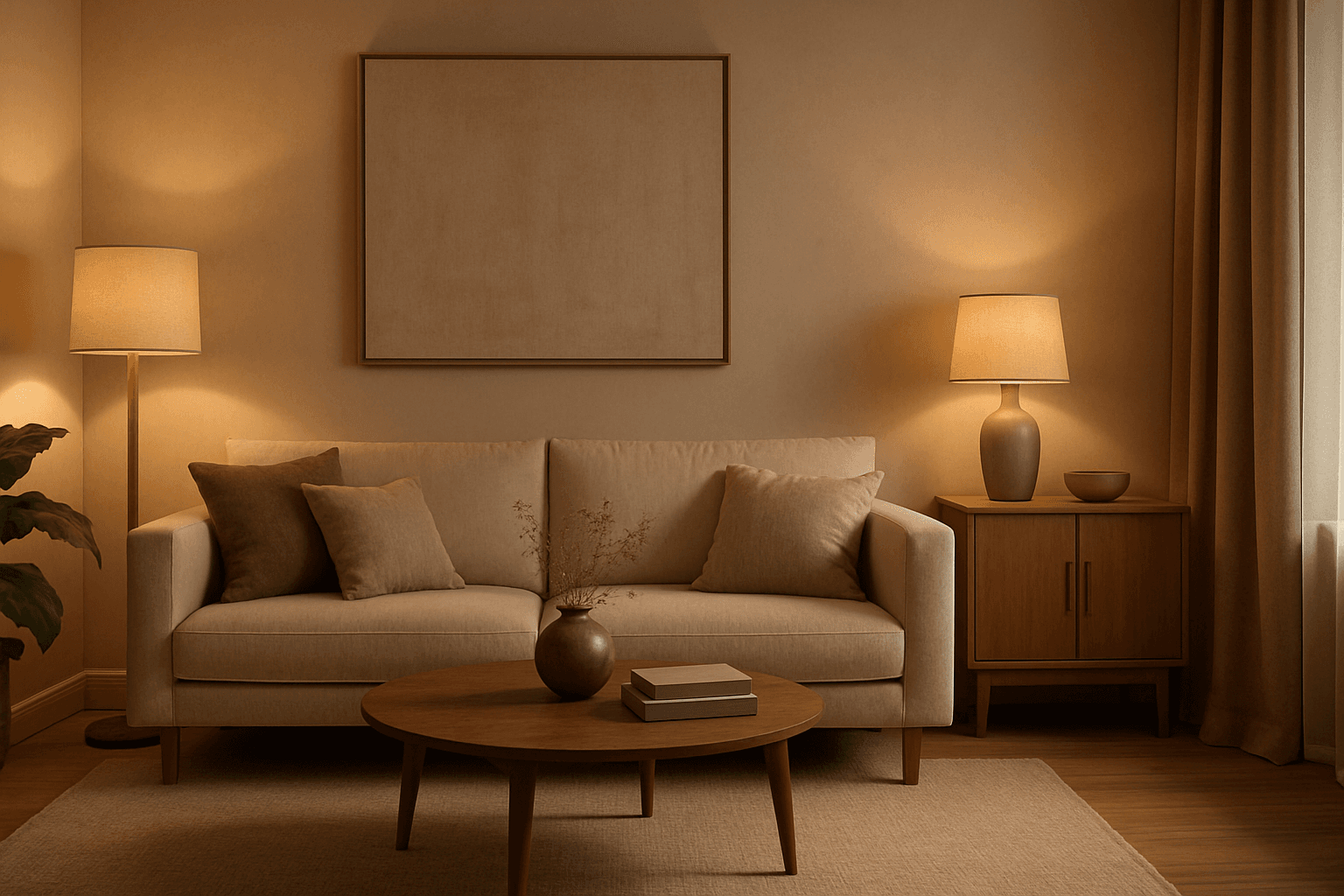
Ambient Light Effects in AI-generated images create a harmonious and natural lighting environment that enhances realism and mood without overpowering contrasts. This lighting type softly bathes scenes in diffuse light, mimicking the effect of indirect sunlight or overcast skies. By integrating ambient light into prompts, users can achieve visuals that feel authentic and immersive, ideal for scenes requiring subtle illumination or a calm atmosphere. This approach minimizes harsh shadows and bright spots, yielding images with smooth gradations and an understated elegance. The result is a balanced exposure that allows textures and colors to appear true to life, enhancing the viewer’s emotional connection.
Soft Diffused Lighting
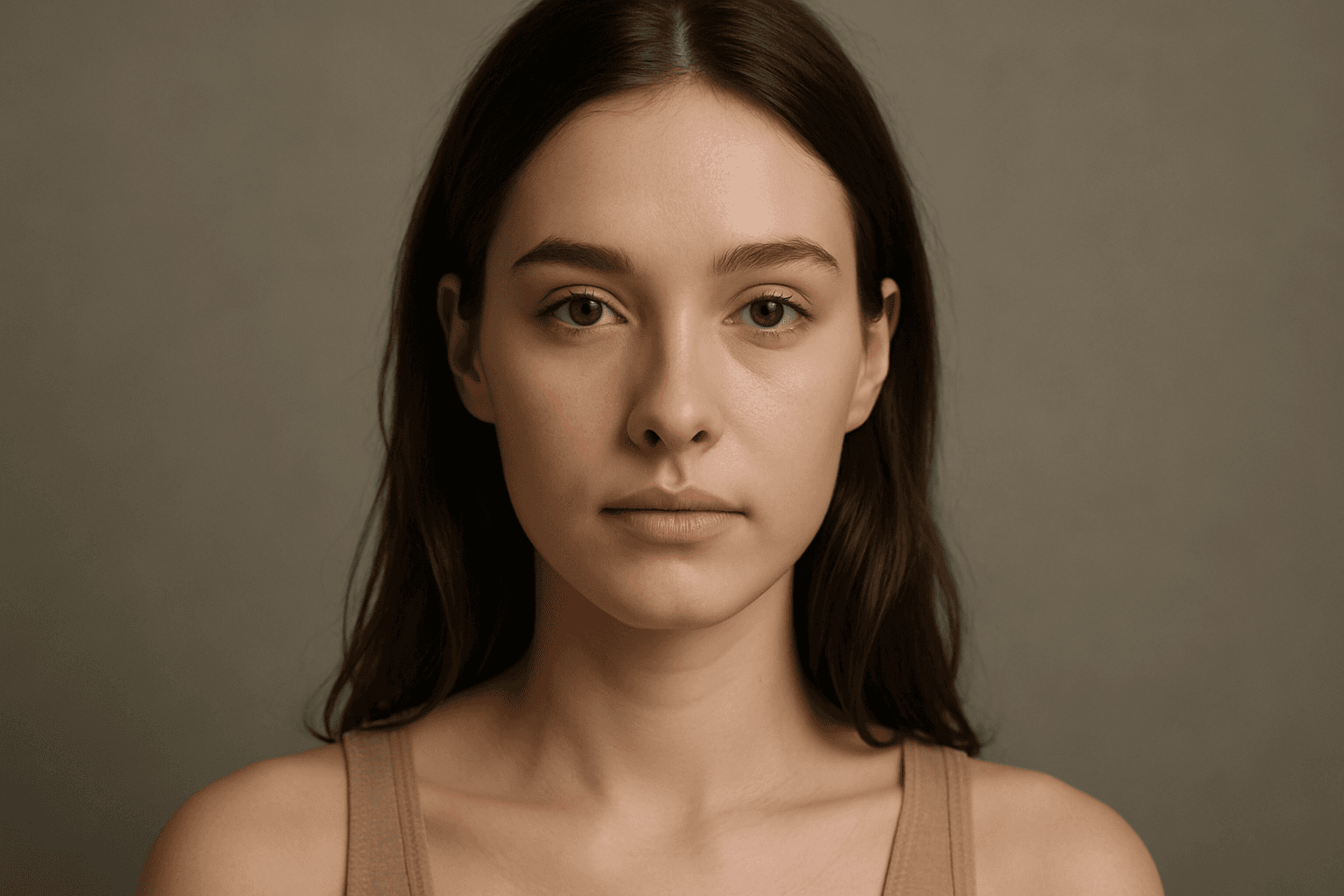
Soft diffused lighting is a popular lighting technique used to create visually appealing images with gentle, even illumination. This lighting style reduces harsh shadows and highlights, producing a smooth transition of light on subjects and backgrounds. In AI-generated imagery, specifying soft diffused lighting helps to evoke a natural, calming mood, making subjects appear more realistic and intricate details visible without stark contrast. It is commonly used in portraiture, product photography, and editorial imagery to deliver a polished, premium look. Leveraging soft diffused lighting enhances an image’s depth and material realism, ensuring a refined and aesthetically balanced output.
High Key Lighting Setup
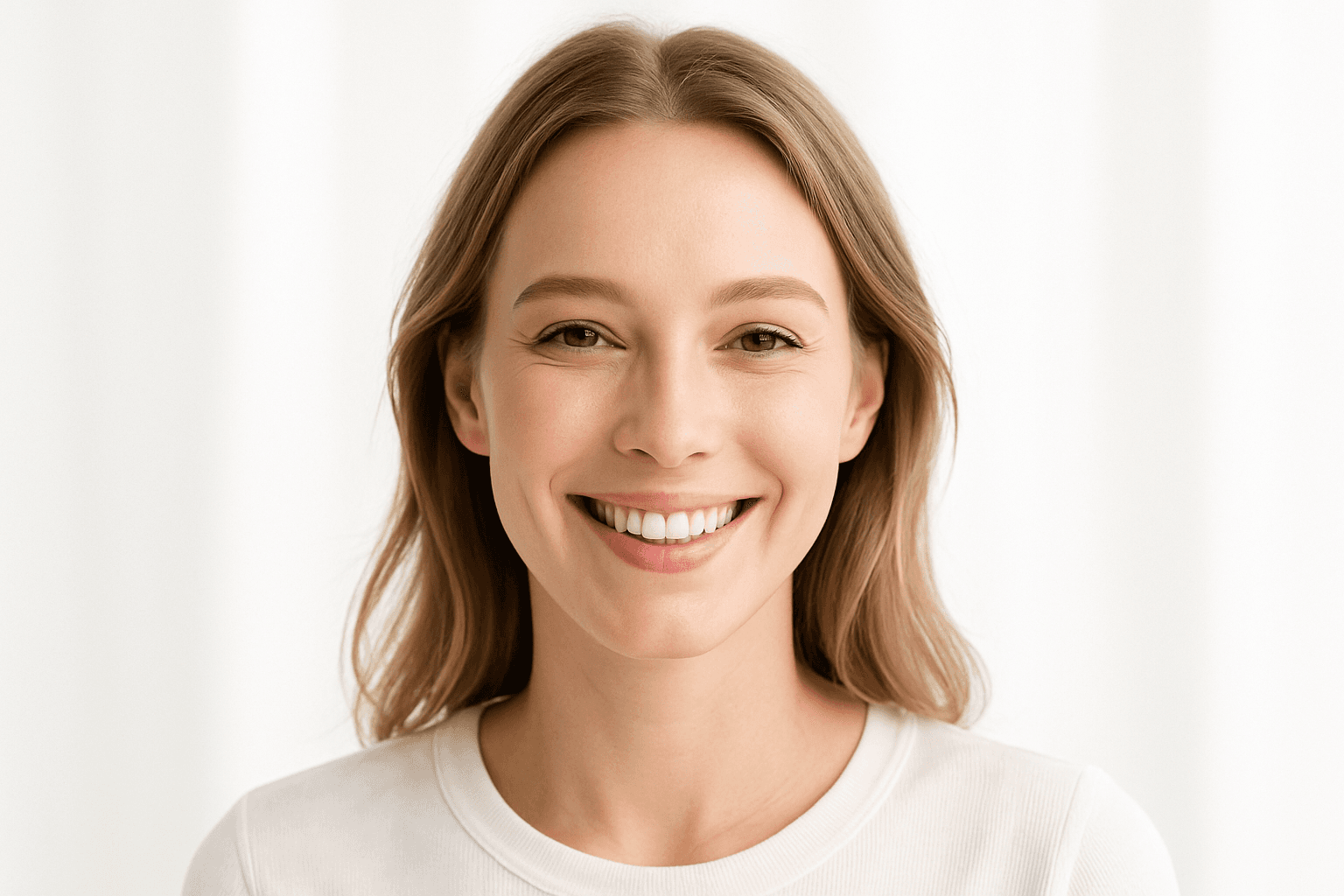
High Key Lighting Setup transforms the mood and clarity of an image by emphasizing brightness and reducing harsh shadows. This style is known for its airy, clean, and polished aesthetic that enhances softness and detail. In AI image generation, specifying a high key lighting setup helps evoke feelings of freshness, positivity, and elegance, making images appear bright and inviting. It effectively highlights textures and color purity without dramatic shadows, which suits product photography, portraits, and editorial uses where a crisp, premium look is desired. Understanding and applying high key lighting keywords in prompts ensure consistent outputs aligned with this visual ethos.

High Key Background Lighting
High key background lighting is a crucial concept in visual arts and photography that has been effectively incorporated into AI image generation. By emphasizing strong, uniform illumination, this lighting style reduces shadows and creates a minimal contrast environment that lends a clean, elegant aesthetic to images. When used in AI prompts, it signals the model to brighten the scene, focusing on light tones and softer shadows. This technique is widely appreciated for its ability to highlight subjects distinctly against an uncluttered, bright backdrop, making the image feel fresh and inviting. High key lighting is particularly popular in fashion, portrait, and product photography and translates well to digital art and design.
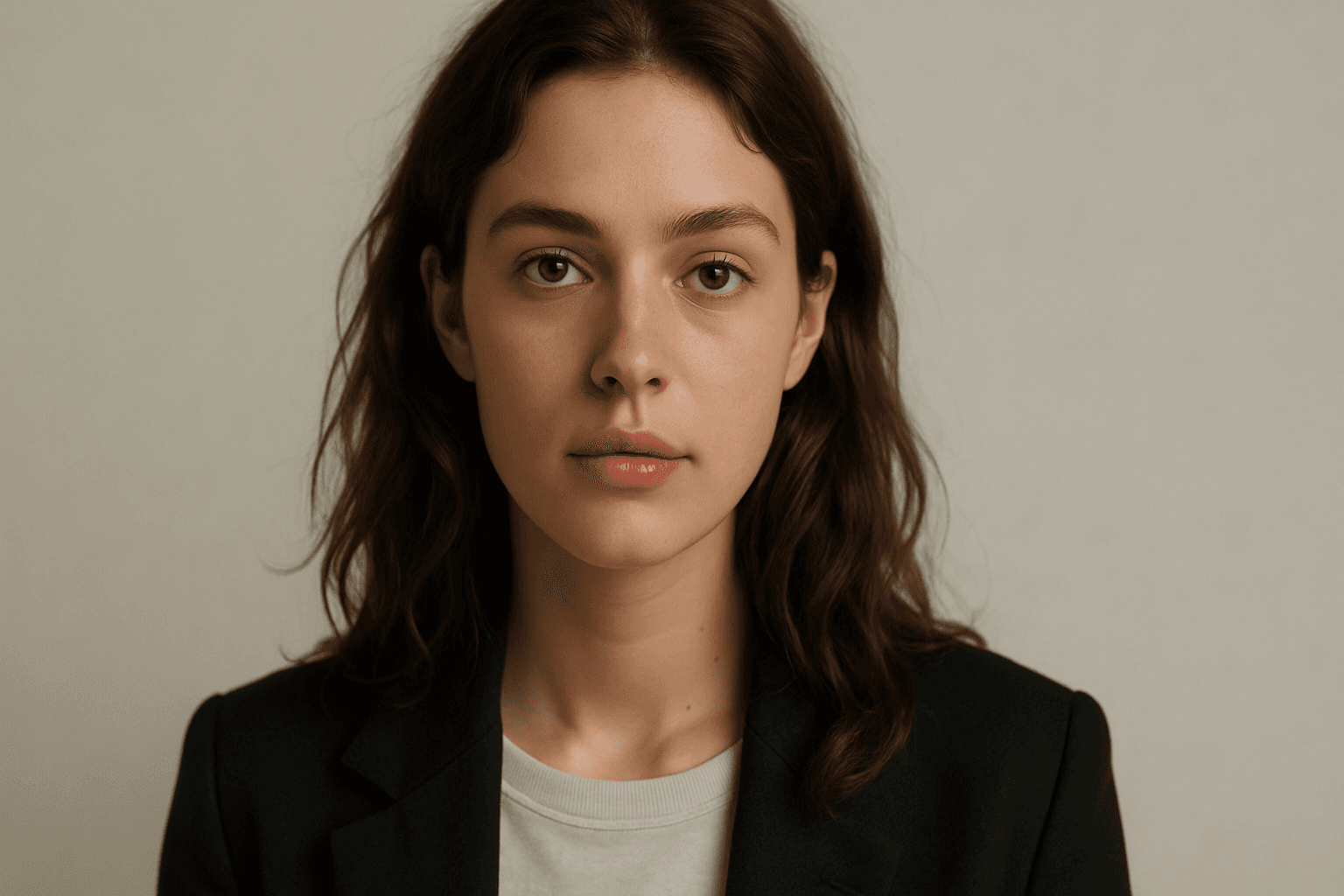
Overhead Diffused Lighting
Overhead Diffused Lighting is a fundamental technique in photography and digital imaging that involves placing a diffused light source directly above the subject. This method softens shadows and reduces contrast, creating an inviting and natural look. When applied in AI image generation, including this keyword in prompts helps achieve realistic skin tones, fabric textures, and surface details without harsh lighting artifacts. It is especially effective for portraits, still lifes, and product photography. The technique enhances depth subtly, maintaining a premium, clean aesthetic that suits modern editorial and commercial imagery.
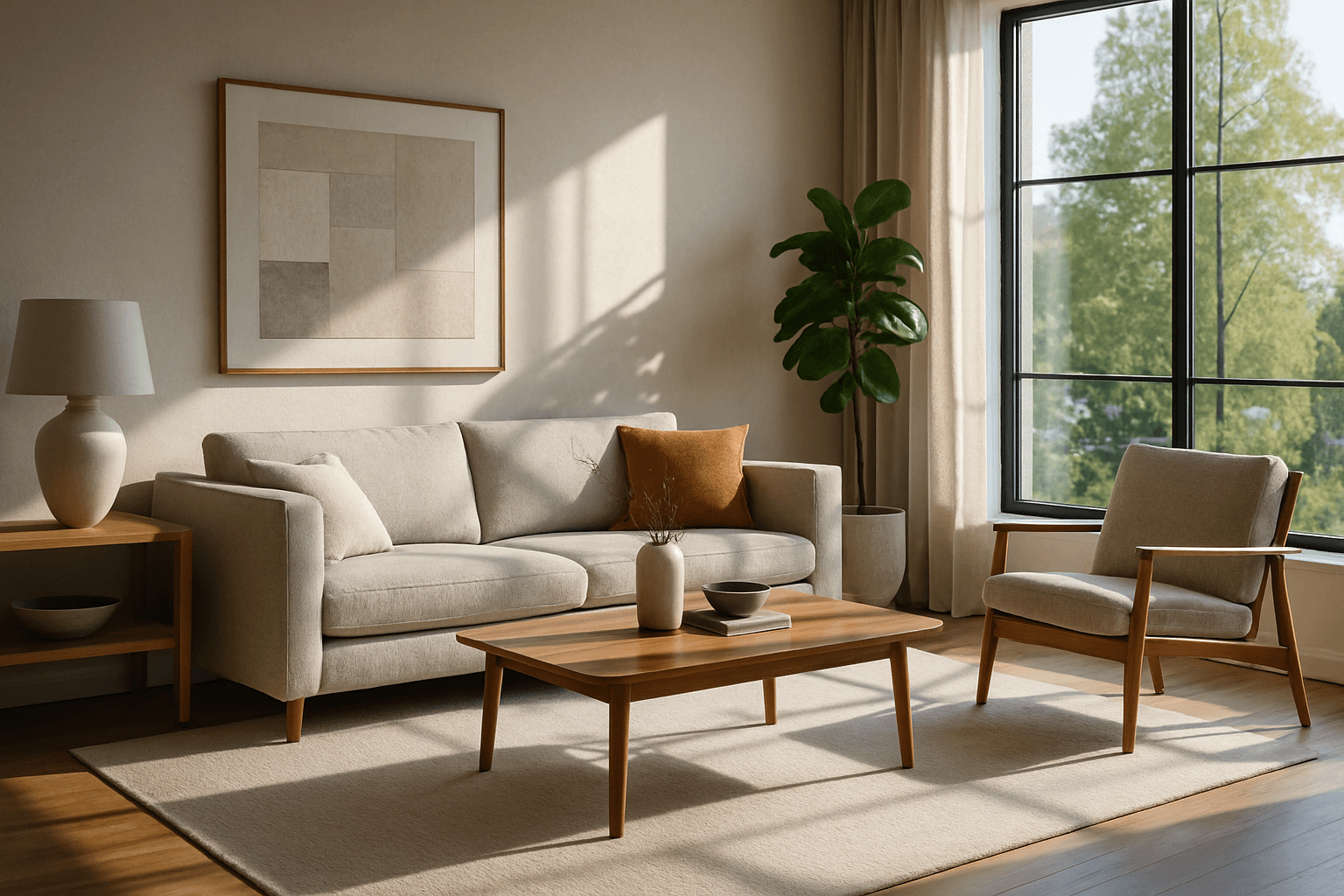
High Dynamic Range Lighting
High Dynamic Range Lighting (HDR Lighting) elevates AI-generated images by mimicking the natural spectrum of light intensity present in real-world environments. This lighting style captures a broad range of brightness, preserving details in both shadows and highlights that might otherwise be lost. When integrated into AI prompts, HDR Lighting contributes to images that feel more immersive, dramatic, and visually striking. It is especially beneficial for scenes involving complex lighting situations like sunsets, indoor interiors with windows, or reflective surfaces. Artists and creators looking to create premium-quality renderings with photorealistic depth often rely on HDR Lighting to add a compelling sense of realism and sophistication to their work.