Colored Shadow Lighting
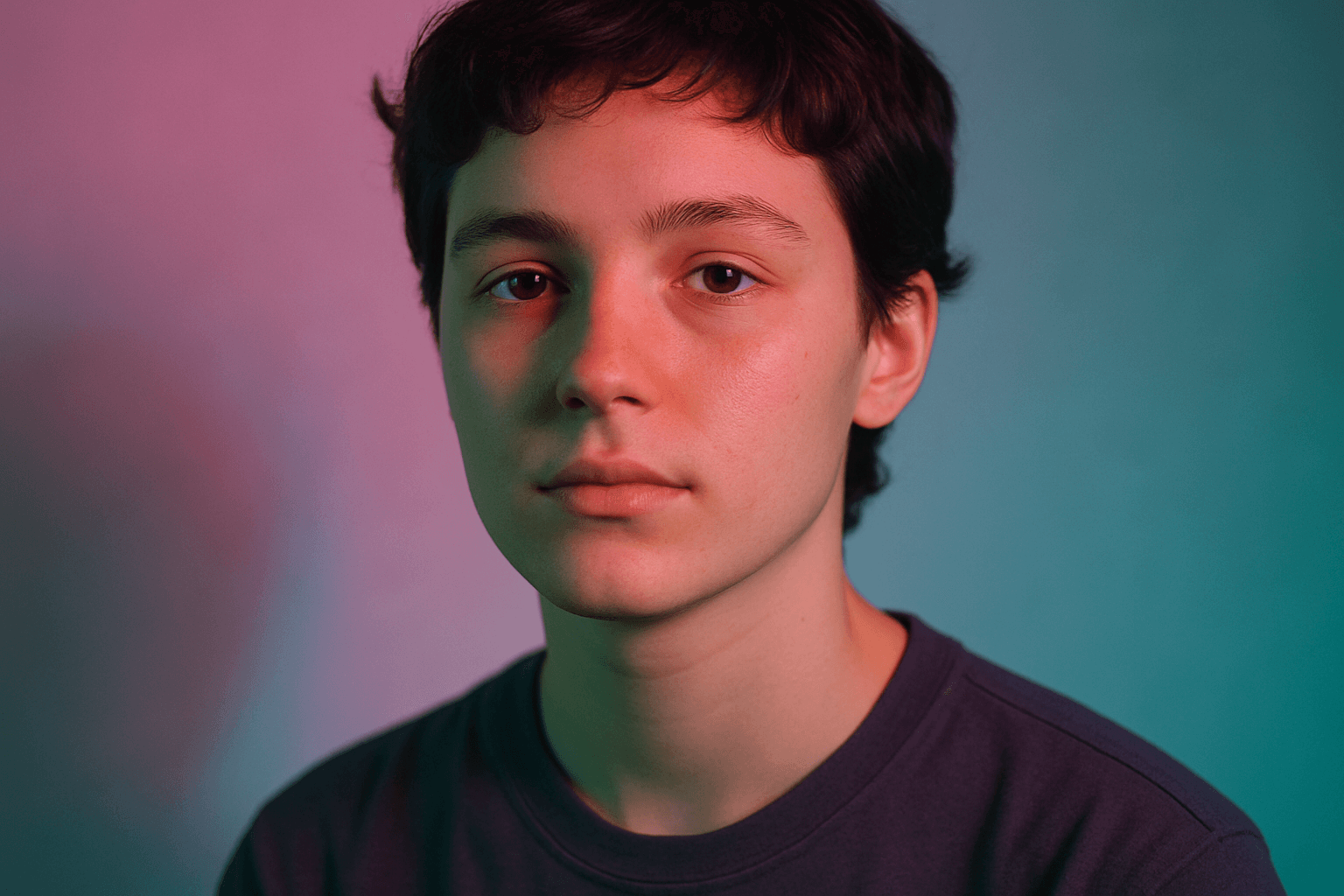
Colored Shadow Lighting is a lighting technique used in AI image generation to impart shadows with distinct, rich colors instead of traditional grayscale. This effect introduces an exciting visual dynamic, creating contrasts or harmonies with the subject and background lighting. It particularly elevates images by adding depth, dimensionality, and a premium editorial feel, often used in fashion photography, product shots, or artistic portraits. The presence of colored shadows can simulate complex lighting setups or surreal atmospheres, making prompts more expressive and engaging for both creative professionals and enthusiasts.
Definition
Colored Shadow Lighting enhances AI-generated images by assigning specific colors to shadows instead of default neutral tones. This technique modifies the way shadows interact with the subject and environment, adding artistic depth and mood variation to the composition. Using this approach in prompts encourages models to create more visually engaging and sophisticated lighting scenarios.
Prompt Formula
Utilize key phrases and structural patterns to incorporate Colored Shadow Lighting effectively into your prompts. Example formula: - Subject description + lighting color scheme + “colored shadow lighting” + environment details + style modifiers - Include specific color names or color combinations next to “colored shadow lighting” for precision. - Combine with adjectives such as “vibrant,” “dramatic,” or “soft” to tune the shadow effect.
- Subject + colored shadow lighting in [color1] and [color2]
- Add adjectives like vibrant/dynamic/soft before 'colored shadow lighting'
- Specify environment (studio/outdoor/night) for contextual lighting
- Include style descriptors (editorial, cinematic, surreal)
Best Use Cases
- High-fashion or beauty portrait photography emphasizing artistic effects
- E-commerce or product images requiring unique lighting to highlight form
- Conceptual or surreal artwork seeking dramatic color interplay and mood
Related Styles
Colored Shadow Lighting pairs well with vibrant and dramatic lighting styles. It complements effects such as neon glow, multi-colored reflections, and high-contrast illumination. Adjacent PromptAtlas keywords include "vibrant lighting" for saturated color ambiance, "multi-colored shadows" for more complex shadow layering, and "dramatic lighting" which emphasizes strong light-shadow contrasts but typically with neutral shadows.
- vibrant lighting
- multi-colored shadows
- dramatic lighting
Model-Specific Tips
For modern AI models, explicitly naming shadow colors and describing their interaction with the subject enhances Colored Shadow Lighting results. Avoid ambiguous terms and pair with style and environment details to reduce inconsistencies. Combining with lighting direction words (e.g., side-lit, backlit) may increase realism. When aiming for subtlety, use phrases like “soft colored shadow lighting.” Adjust color intensity modifiers such as “pastel” or “neon” based on desired vibrancy.
- Specify exact shadow colors (e.g., magenta, teal) for clarity
- Use modifiers like 'soft' or 'vibrant' to control shadow intensity
- Combine with lighting direction terms for realism
- Pair with environment and style descriptors for consistency
- Avoid vague terms like 'colorful shadow' without details
FAQ
What is the main benefit of using colored shadow lighting in AI image prompts?
The main benefit is to add depth, artistic mood, and visual interest by casting shadows in colors that enhance or contrast with primary lighting, thereby creating more dynamic and engaging images.
Can I specify multiple colors for shadows in a single prompt?
Yes, specifying multiple colors (e.g., magenta and cyan) can create complex lighting effects and richer visual depth when properly described in prompts.
Is Colored Shadow Lighting suitable for all types of images?
While versatile, it is best suited for artistic, editorial, or commercial photography styles rather than strictly realistic or documentary imagery.
Continue Exploring
Related Prompts

High Contrast Lighting Setup
High contrast lighting setups are widely used in photography and cinematic visuals to produce bold, dynamic images that captivate viewers. Incorporating 'high contrast lighting setup' in an AI image prompt instructs the AI to emphasize striking light sources and deep shadows, adding visual tension and clarity to the scene. This lighting approach reveals textures more vividly and helps create a mood that can range from mysterious to intense. For AI-generated images intended for editorial, commercial, or fine art applications, applying this keyword ensures that the resulting visuals have professional-quality lighting that enhances subject definition and atmosphere.

Low Angle Lighting
Low angle lighting is a powerful photographic and artistic technique that shifts the viewer's perspective by lighting subjects from below. When integrated into AI image prompts, it helps generate images with a distinct, often dramatic mood and added dimensionality. This lighting arrangement mimics natural scenarios like sunrise or artificial lighting such as street lamps from ground level. Due to its uncommon viewpoint, low angle lighting enhances textures and contours by reversing traditional shadow placement, producing striking images ideal for editorial portraits, architectural shots, and dynamic compositions. Leveraging this keyword allows creators to break away from standard lighting styles and evoke more intriguing atmospheres in synthetic visuals.
Split Lighting Technique
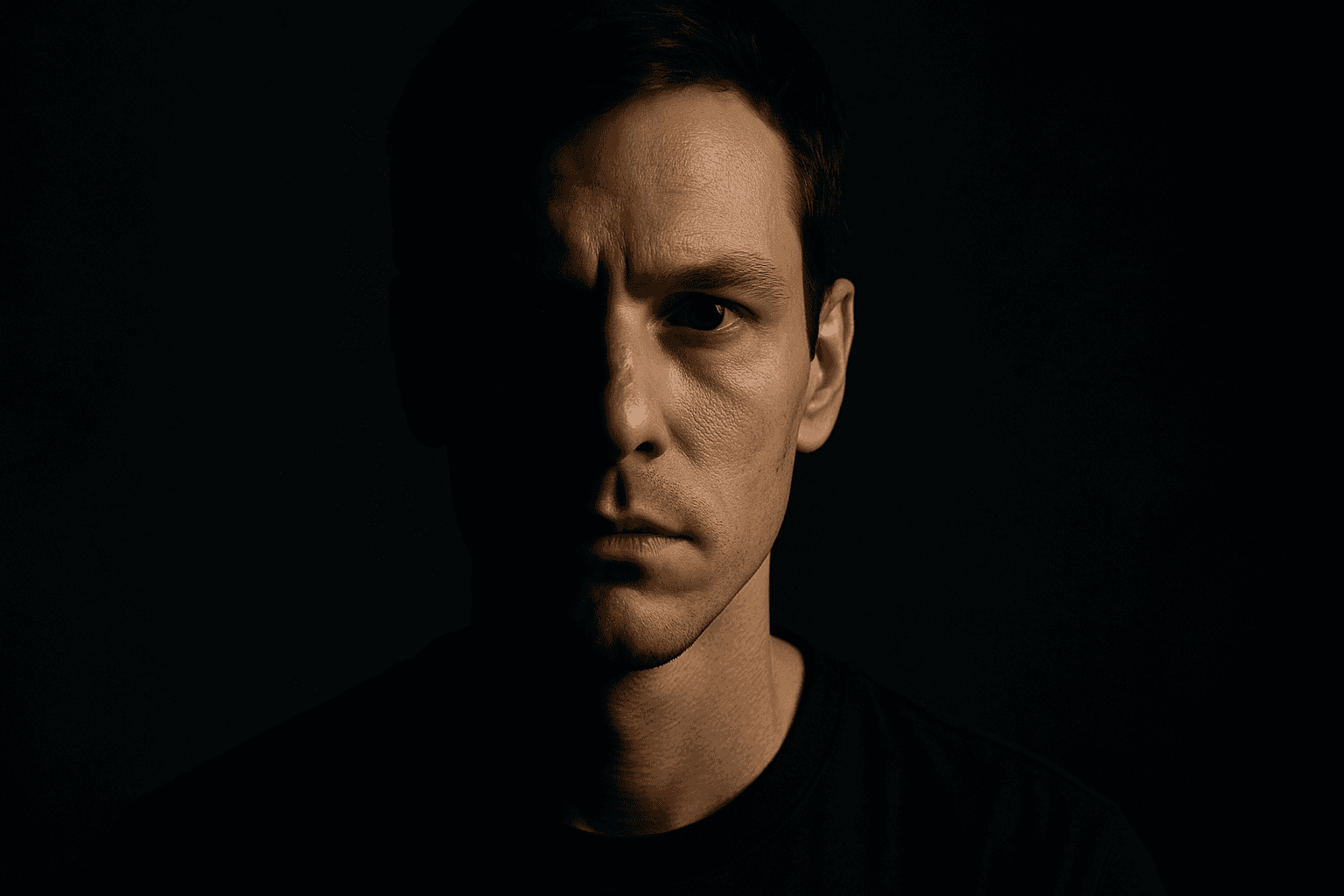
Split lighting is a classic photographic lighting technique widely used for portraits to craft dramatic and intense images. When applied in AI image prompts, it guides the generation to simulate this lighting style by illuminating one half of the subject brightly while casting the other half in shadow. This technique enhances depth and character, often lending a mysterious or serious tone to portraits. It is especially effective for emphasizing facial features, textures, and emotional expressions. Utilizing split lighting in AI art allows creators to generate compelling, high-contrast images that stand out in editorial, commercial, or artistic contexts.
Directional Side Lighting
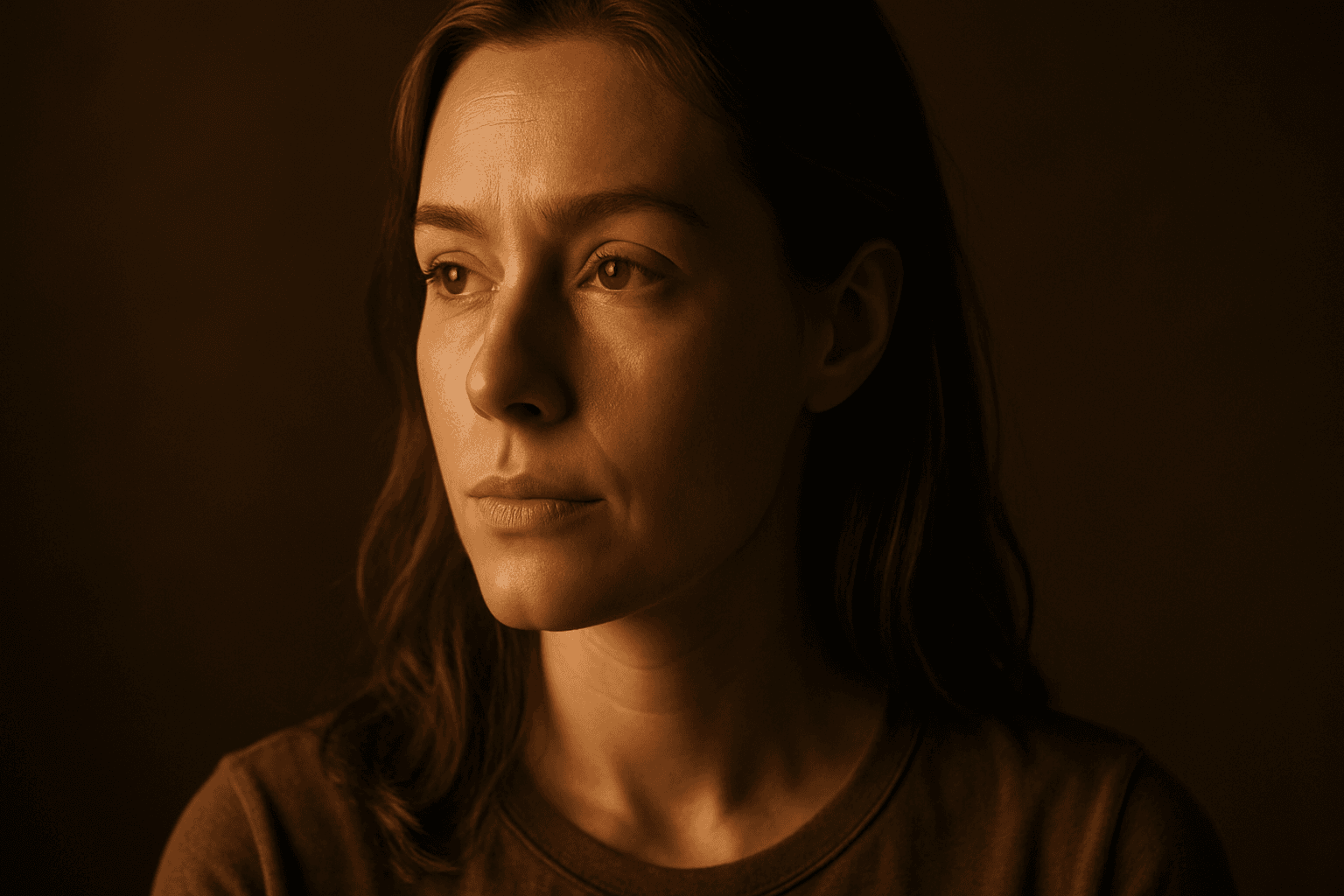
Directional side lighting is a powerful lighting technique widely used in photography and digital art to add dimensionality and mood. In the context of AI image generation, specifying directional side lighting shapes how the model simulates light interaction with subjects and environments. This lighting style creates pronounced contrasts between illuminated and shaded areas, resulting in images with realistic depth and enhanced visual interest. It is especially effective for emphasizing textures and defining shapes in portraits, still life, architectural renders, and product shots. Using this lighting approach in AI prompts helps generate more polished and professional visuals suitable for editorial and commercial use.
Silhouette Lighting
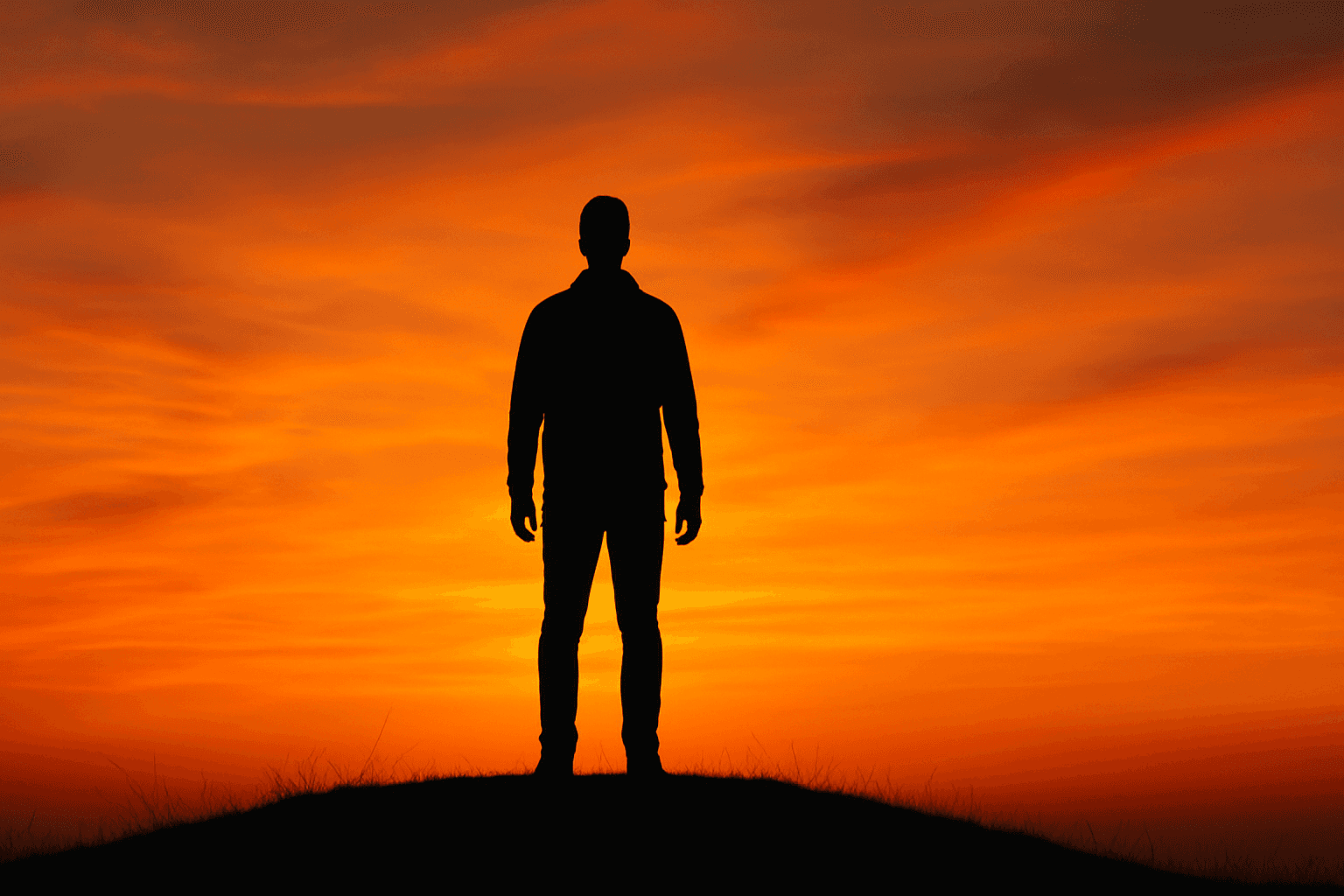
Silhouette Lighting is a powerful method used by photographers and visual artists to create images that emphasize shape, form, and mood. By positioning a strong light source behind the subject, the subject itself becomes a dark silhouette, stripped of detail but rich in expressive outlines. This technique can evoke mystery, drama, or elegance depending on the composition and context. It is widely applicable across genres, from portraits and nature photography to commercial and editorial imagery. The minimalist visual impact of silhouette lighting makes it a favorite for delivering compelling visuals that focus on contours and compositions rather than intricate details.
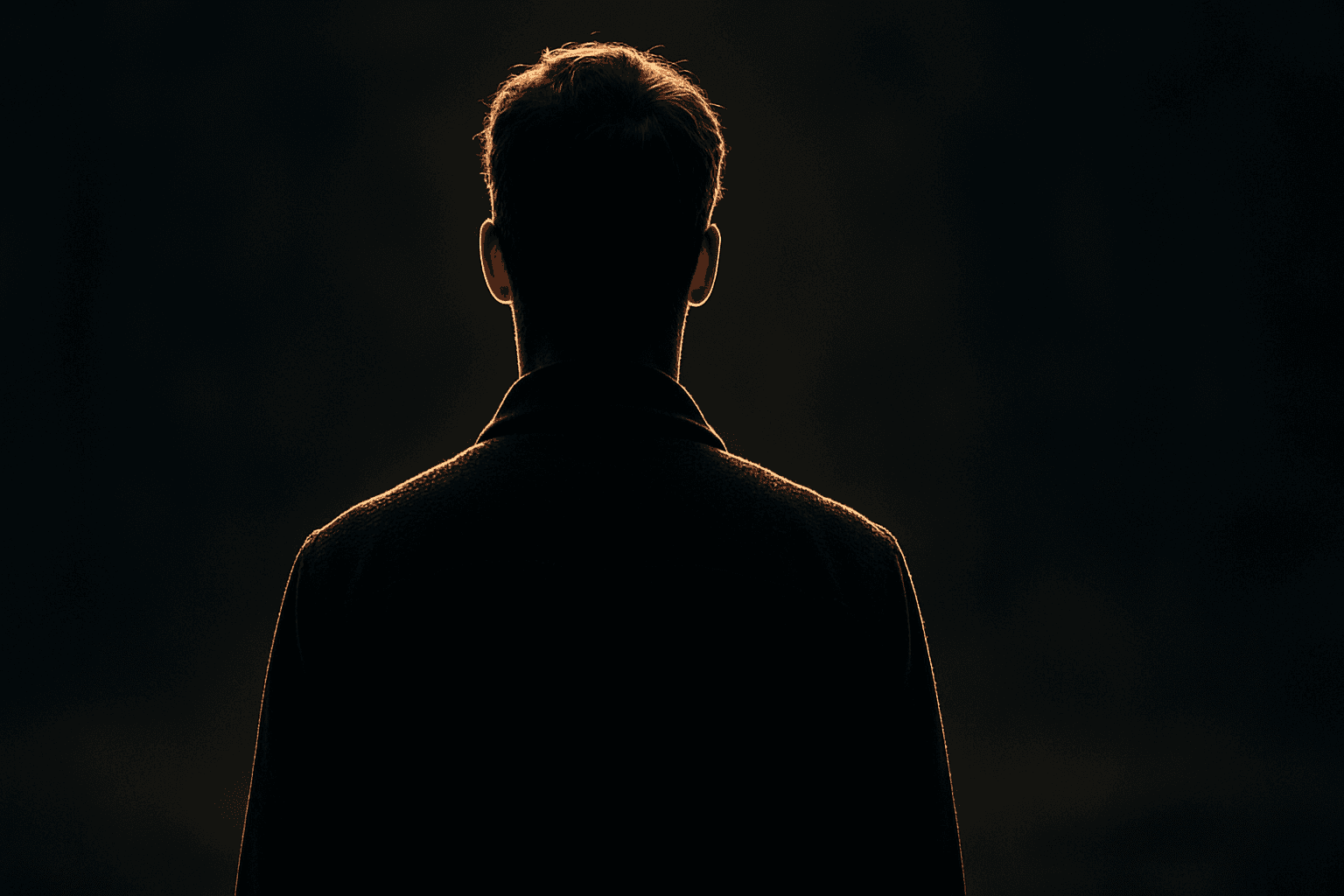
Silhouette Outline Lighting
Silhouette Outline Lighting is a specialized lighting effect that enhances AI-generated images by emphasizing the subject's edges with a glowing rim of light. Commonly used to create dramatic, visually appealing silhouettes, this lighting style accentuates contours and adds striking contrast by brightly outlining the subject against a darker background. In AI image generation, including this keyword can guide the model to apply backlighting or rim lighting techniques, which help separate the subject from the background and add an artistic flair. This approach is widely appreciated in portraiture, product photography, and conceptual art for its ability to convey emotion and focus attention on shape and form.