Silhouette Outline Lighting
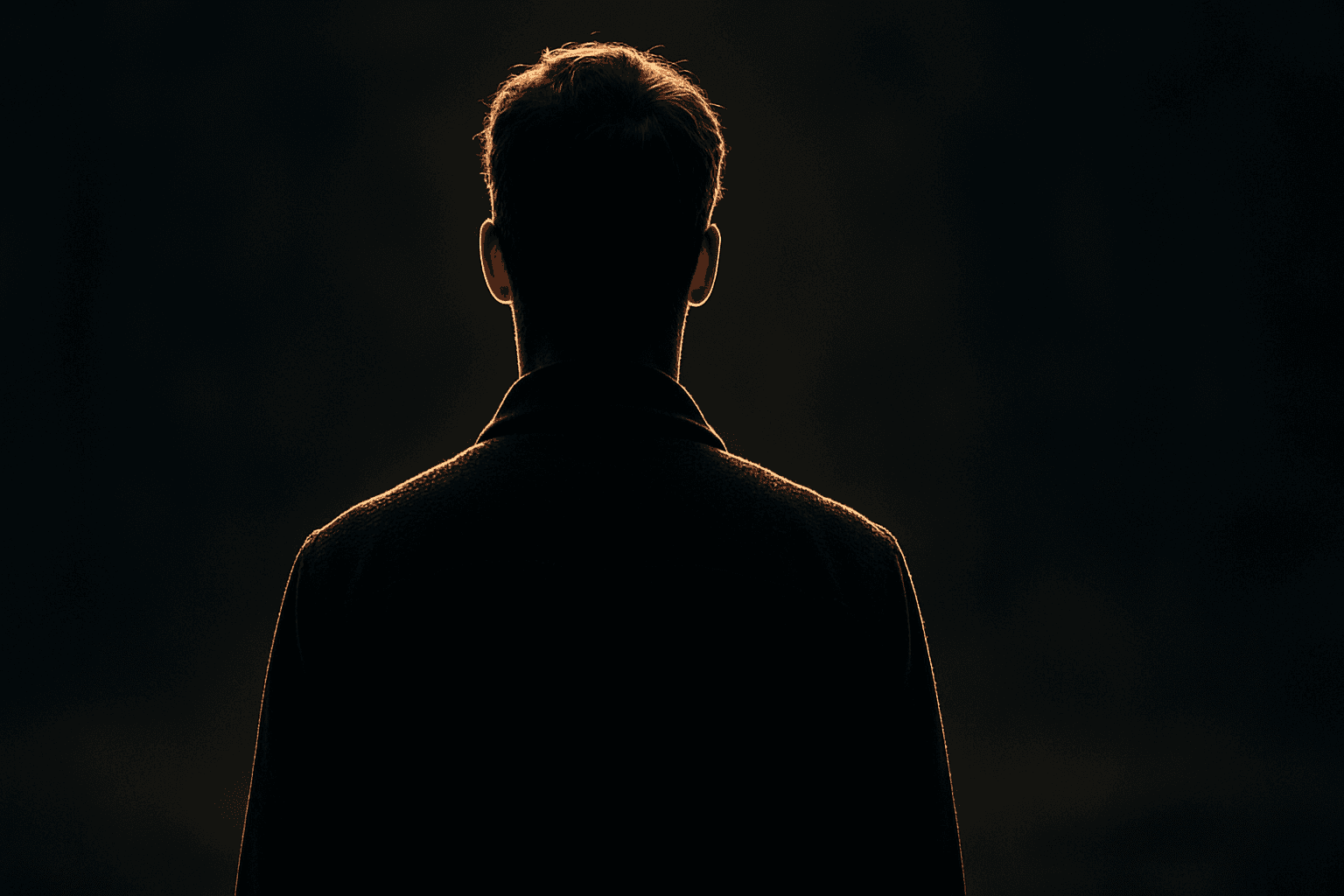
Silhouette Outline Lighting is a specialized lighting effect that enhances AI-generated images by emphasizing the subject's edges with a glowing rim of light. Commonly used to create dramatic, visually appealing silhouettes, this lighting style accentuates contours and adds striking contrast by brightly outlining the subject against a darker background. In AI image generation, including this keyword can guide the model to apply backlighting or rim lighting techniques, which help separate the subject from the background and add an artistic flair. This approach is widely appreciated in portraiture, product photography, and conceptual art for its ability to convey emotion and focus attention on shape and form.
Definition
Silhouette Outline Lighting refers to a technique that highlights the edges of a subject using back or rim lighting to create a bright outline against a dark background. In AI prompts, it directs the AI to focus on edge illumination, producing striking silhouettes that emphasize form over internal details. This visually isolates the subject by giving it a luminous contour, enhancing depth and dramatic appeal, especially effective in portraiture, product visualization, and artistic compositions.
Prompt Formula
To effectively use Silhouette Outline Lighting in an AI prompt, combine descriptive subject elements with lighting cues that emphasize rim or backlighting. Example formula: [Subject description], silhouette outline lighting, rim light highlighting edges, dark or minimal background, sharp contrast, subtle glow This structure guides the AI to render a focused outline effect with dramatic lighting conditions, ensuring the subject’s contour is clearly defined.
- [Subject description] with silhouette outline lighting
- rim or backlight accentuating edges
- dark contrasting background
- subtle glowing edges
- sharp, high-contrast lighting
Best Use Cases
- Creating dramatic portraits with emphasis on facial contours and posture
- Highlighting product shapes in ecommerce photography with distinct glowing outlines
- Generating conceptual and fantasy art scenes using moody, atmospheric silhouette effects
Industry Applications
Silhouette Outline Lighting is widely applied in commercial fields to create captivating visuals. In advertising, it enhances product appeal by focusing on shape and form without distractions. Editorial photography uses this lighting to impart an artistic, emotional tone to portraits and feature images. Social media content benefits from silhouette effects for eye-catching posts and stories that convey mood and style succinctly, making this technique a valuable asset for marketing and creative campaigns.
- Advertising product photography
- Editorial and magazine portraiture
- Social media visual content creation
Common Mistakes
Common pitfalls when using Silhouette Outline Lighting in AI prompts include overusing the effect which leads to loss of subject detail, producing overly dark or muddy interiors that confuse rather than clarify the image. Another mistake is insufficient contrast between the rim light and background, which diminishes the silhouette effect. To avoid these issues, balance lighting levels carefully, maintain a clear bright edge, and ensure the background is suitably darker to maximize outline visibility.
- Overly dark subject interiors losing important detail
- Low contrast between subject edges and background
- Excessive glow causing unnatural or blurry outlines
Advanced Techniques
Experienced prompt writers can enhance Silhouette Outline Lighting by combining it with controlled color grading or adding environmental elements like haze or smoke to amplify rim lighting effects. Using modifiers such as "soft edge glow" or "neon rim lighting" can add stylistic variety. Additionally, specifying light direction, intensity, and color temperature guides the AI to craft more nuanced, refined outlines that integrate seamlessly with overall composition and mood.
- Incorporate atmospheric elements like mist or smoke for enhanced rim glow
- Experiment with colored rim lighting (e.g., neon or warm hues)
- Specify light source angle and intensity for precision control
Professional Workflow
A streamlined workflow for Silhouette Outline Lighting involves first defining the visual concept and subject clearly, including desired lighting mood. Next, craft detailed prompts incorporating silhouette outline lighting keywords with modifiers for style and color nuance. Generate multiple AI variants, then review for sharp outlines, lighting balance, and composition. Select the best renders, apply post-processing for contrast and subtle glow refinement, and export images optimized for their intended use, ensuring consistently high-quality results.
- Conceptualize subject and lighting mood
- Compose prompts with silhouette lighting keywords and modifiers
- Generate multiple image variations and select best outputs
- Enhance final images with post-processing for contrast and edge glow
- Export optimized files for commercial or editorial use
FAQ
What does Silhouette Outline Lighting do in AI image generation?
It creates a bright rim or halo effect around a subject’s edges by simulating back or rim lighting, emphasizing the silhouette and separating the subject from the background with high contrast.
Can Silhouette Outline Lighting be combined with other lighting styles?
Yes, it can be combined with ambient or fill lighting to balance silhouette drama with visible internal detail, or enhanced with colored rim lighting for creative effects.
Continue Exploring
Related Prompts
Backlit Rim Lighting
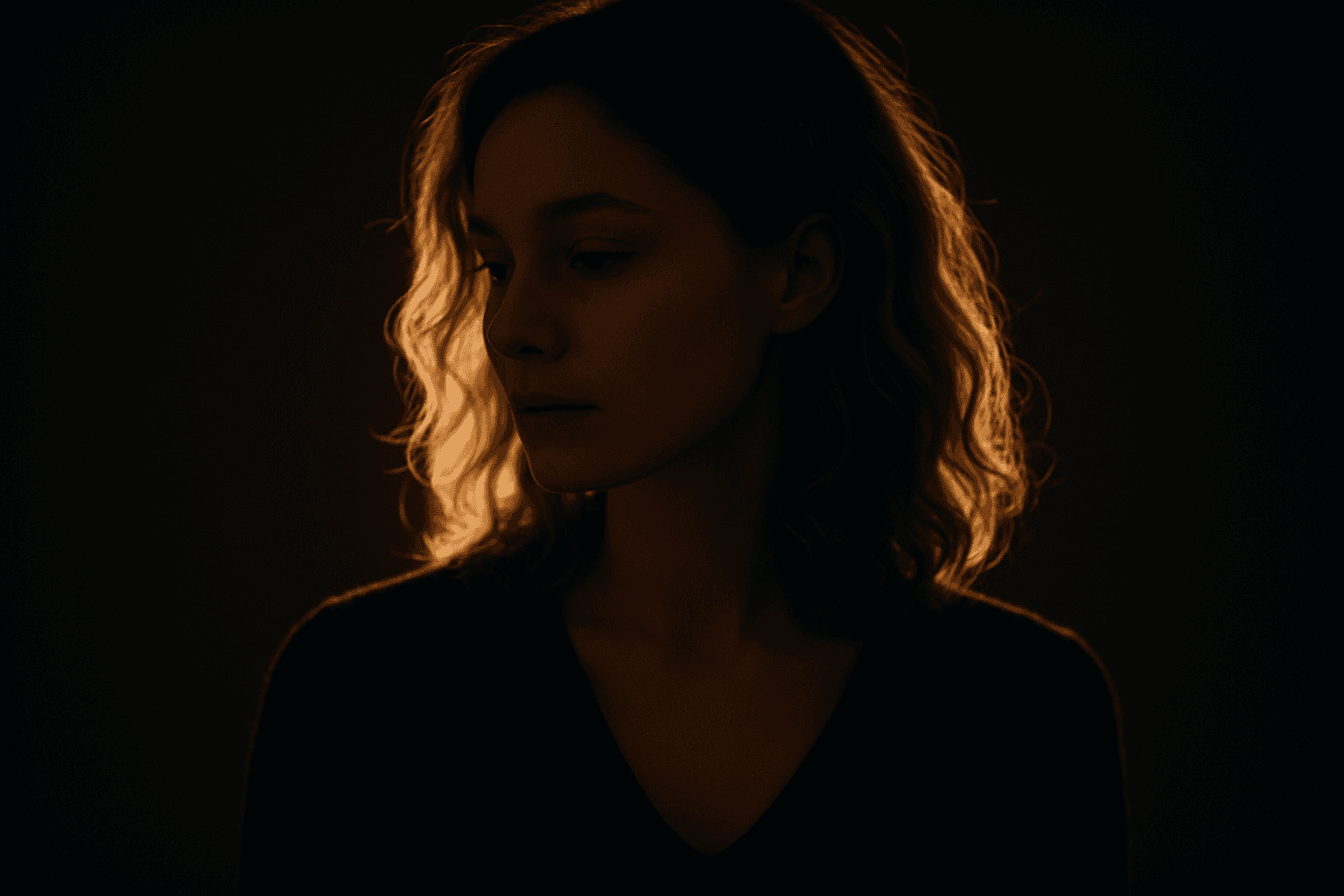
Backlit Rim Lighting offers a striking way to emphasize shapes and contours by placing light sources behind the subject. This technique casts a luminous halo or rim around the edges, enabling clear subject separation from backgrounds even if they are dimly lit. In AI-generated images, prompts including this term encourage models to simulate realistic lighting setups that heighten drama, depth, and visual interest. Artists and photographers often use this style to evoke mood or highlight subject textures through translucent or reflective surfaces. Incorporating Backlit Rim Lighting in image generation can instantly transform compositions, lending premium polish suitable for editorial, cinematic, and commercial visuals.
Backlit Silhouette Lighting
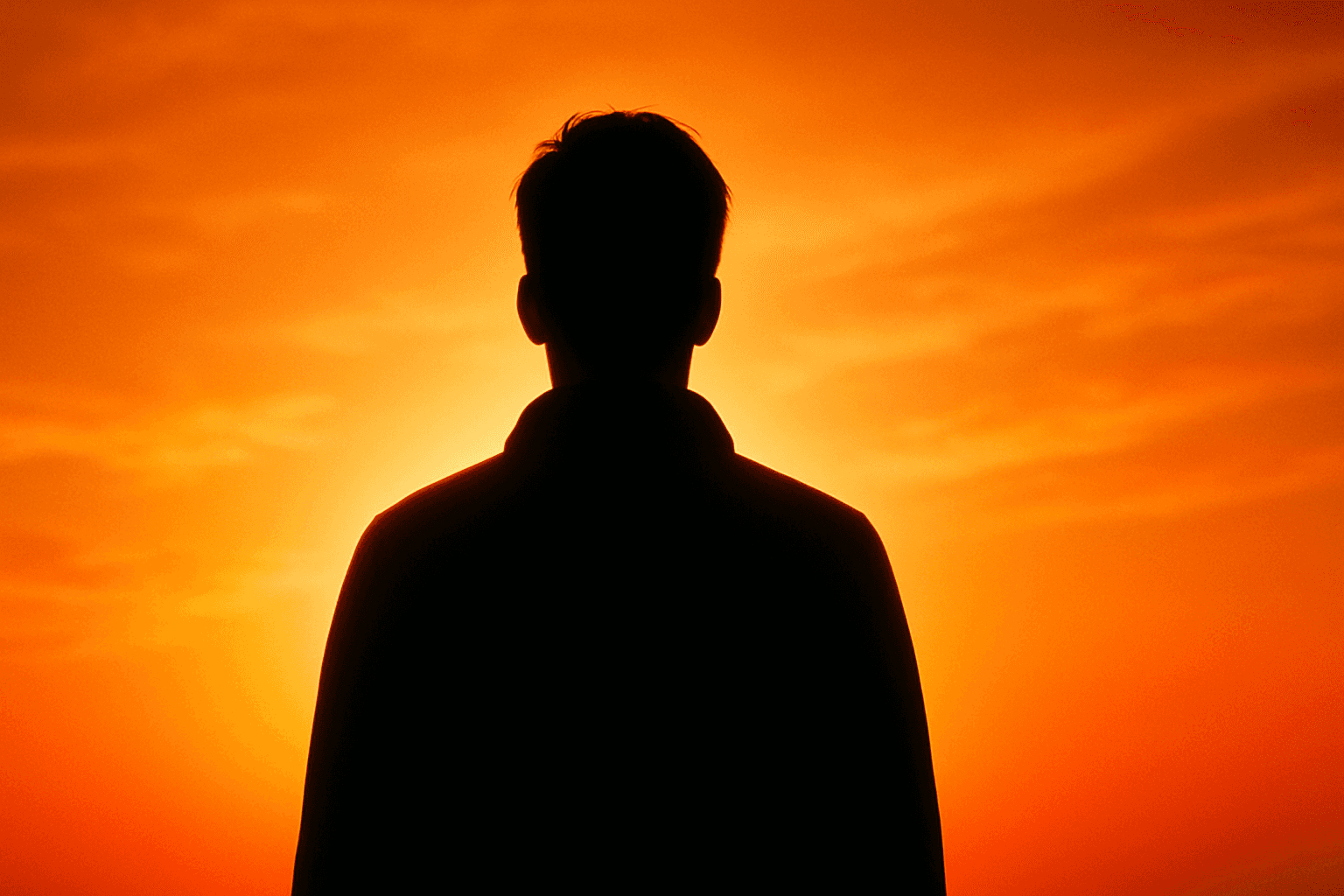
Backlit silhouette lighting creates dramatic imagery by placing the primary light source behind the subject, effectively hiding most or all of the subject's front details and emphasizing its outline. This technique adds mood and mystery to images, making objects or figures appear as bold, graphic shapes against luminous backgrounds. When incorporated into AI prompts, it guides the model toward producing compositions with strong contrast and minimal front-facing detail, perfect for evocative storytelling and artistic expression.
Silhouette Lighting
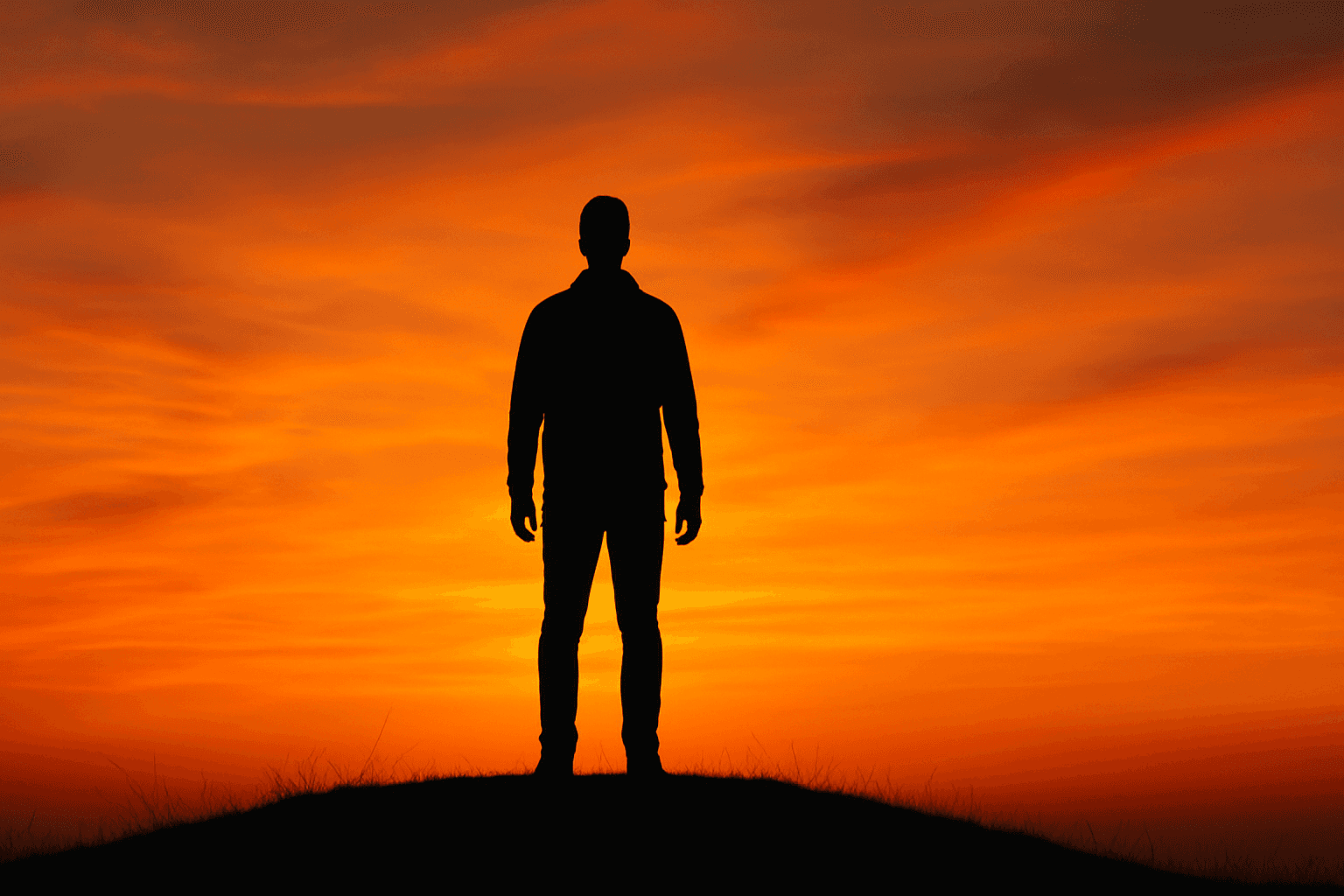
Silhouette Lighting is a powerful method used by photographers and visual artists to create images that emphasize shape, form, and mood. By positioning a strong light source behind the subject, the subject itself becomes a dark silhouette, stripped of detail but rich in expressive outlines. This technique can evoke mystery, drama, or elegance depending on the composition and context. It is widely applicable across genres, from portraits and nature photography to commercial and editorial imagery. The minimalist visual impact of silhouette lighting makes it a favorite for delivering compelling visuals that focus on contours and compositions rather than intricate details.

Low Angle Lighting
Low angle lighting is a powerful photographic and artistic technique that shifts the viewer's perspective by lighting subjects from below. When integrated into AI image prompts, it helps generate images with a distinct, often dramatic mood and added dimensionality. This lighting arrangement mimics natural scenarios like sunrise or artificial lighting such as street lamps from ground level. Due to its uncommon viewpoint, low angle lighting enhances textures and contours by reversing traditional shadow placement, producing striking images ideal for editorial portraits, architectural shots, and dynamic compositions. Leveraging this keyword allows creators to break away from standard lighting styles and evoke more intriguing atmospheres in synthetic visuals.
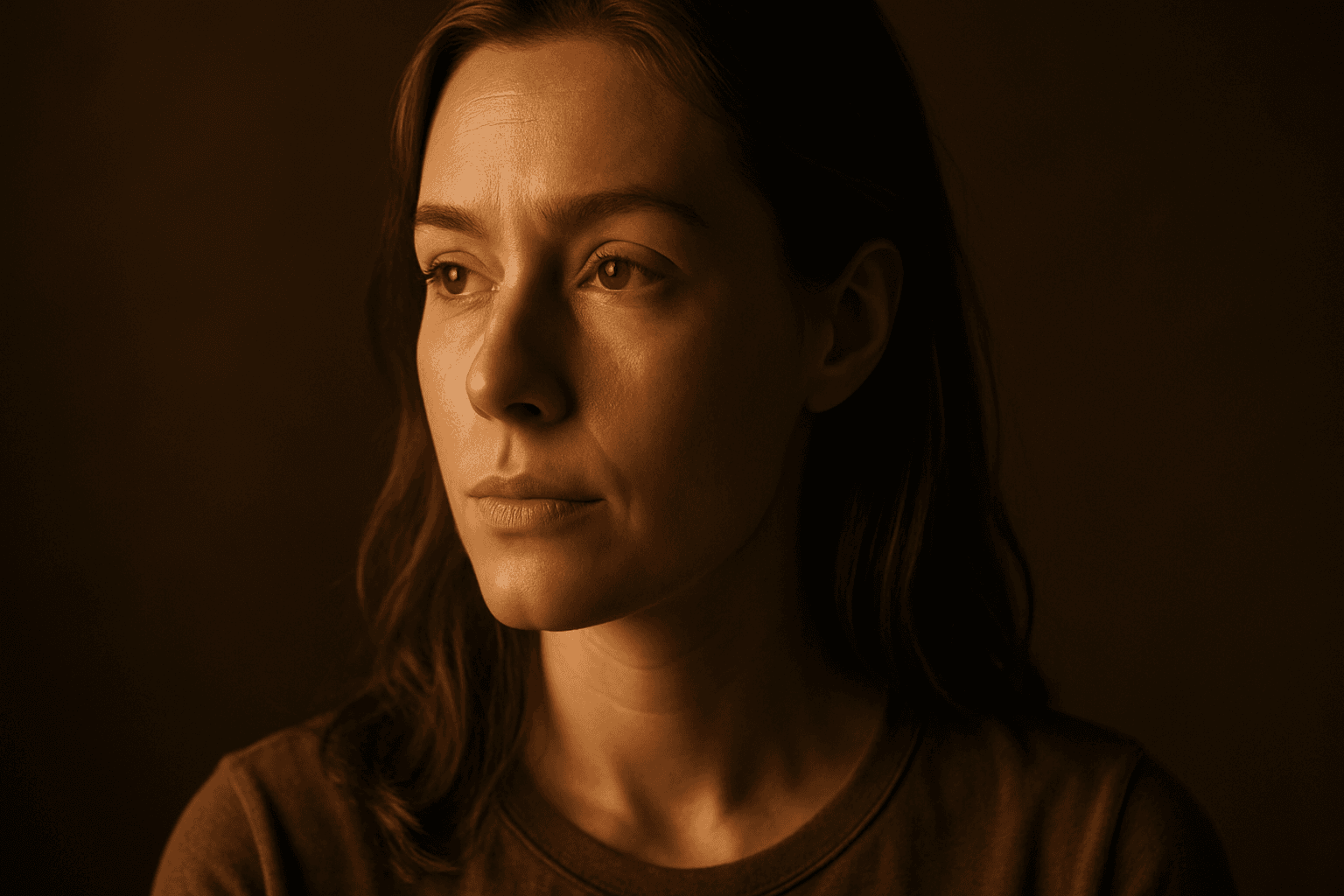
Directional Side Lighting
Directional side lighting is a powerful lighting technique widely used in photography and digital art to add dimensionality and mood. In the context of AI image generation, specifying directional side lighting shapes how the model simulates light interaction with subjects and environments. This lighting style creates pronounced contrasts between illuminated and shaded areas, resulting in images with realistic depth and enhanced visual interest. It is especially effective for emphasizing textures and defining shapes in portraits, still life, architectural renders, and product shots. Using this lighting approach in AI prompts helps generate more polished and professional visuals suitable for editorial and commercial use.

High Contrast Lighting Setup
High contrast lighting setups are widely used in photography and cinematic visuals to produce bold, dynamic images that captivate viewers. Incorporating 'high contrast lighting setup' in an AI image prompt instructs the AI to emphasize striking light sources and deep shadows, adding visual tension and clarity to the scene. This lighting approach reveals textures more vividly and helps create a mood that can range from mysterious to intense. For AI-generated images intended for editorial, commercial, or fine art applications, applying this keyword ensures that the resulting visuals have professional-quality lighting that enhances subject definition and atmosphere.