Butterfly Lighting
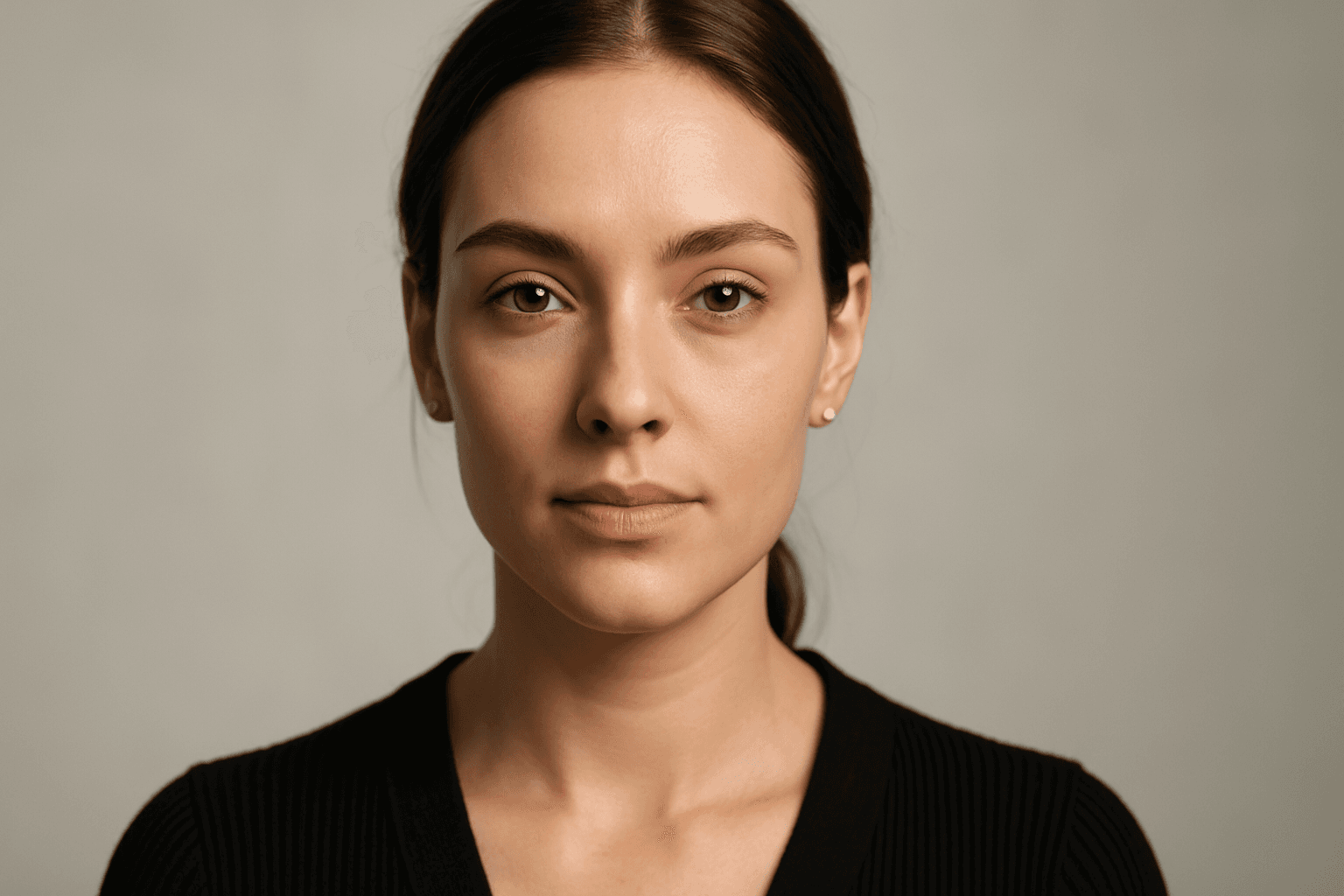
Butterfly Lighting, also known as Paramount Lighting, is a classic portrait lighting setup ideal for flattering facial features. By placing the main light source centered and elevated in front of the subject, it casts a subtle butterfly-shaped shadow beneath the nose, enhancing the cheekbones and jawline. This technique provides a glamorous and clean look, often seen in vintage Hollywood portraits and contemporary beauty photography. It works well with various light modifiers such as softboxes or beauty dishes, which help create smooth, even illumination across the face. While typically used in studio settings, Butterfly Lighting can also be adapted for outdoor shoots with reflectors or natural overhead sunlight.
Definition
Butterfly Lighting is a portrait lighting technique where the primary light source is positioned directly in front and above the subject's face, creating a distinct shadow under the nose that resembles a butterfly's wings. It emphasizes facial symmetry and highlights cheekbones, producing a glamorous and sculpted look often used in fashion and beauty photography.
Visual Characteristics
- Soft symmetrical shadow under the nose resembling butterfly wings
- Illuminated cheekbones and forehead with minimal shadows on the face
- Light source positioned slightly above and centered in front of the subject
Best Use Cases
- Beauty and fashion portrait photography emphasizing facial symmetry
- Studio headshots requiring flattering and even light
- Glamour photography aiming for vintage or classic Hollywood looks
Prompt Examples
- Portrait of a young woman using butterfly lighting, softbox above and centered, clean background, studio quality
- Studio portrait of a man with beauty dish creating butterfly shadow under nose, high resolution, realistic skin texture
- Close-up of a model with short hair lit by butterfly lighting, smooth even illumination, fashion editorial style
Adobe Stock Potential
Butterfly Lighting images have strong potential on Adobe Stock due to their striking and glamorous visual appeal. These images cater to beauty, fashion, and portrait photography markets, where buyers seek clean, well-lit, and professional photos showcasing human faces with high detail and flattering light. Contributors can provide variants with diverse models, expressions, and light modifiers to meet broad creative needs. Given its classic and timeless nature, Butterfly Lighting compositions remain in demand for editorial, commercial, and stock usage, making it a valuable niche for contributors focusing on portraiture and lighting technique stock imagery.
FAQ
What is butterfly lighting good for?
Butterfly lighting is particularly good for highlighting facial symmetry and cheekbones, creating flattering portraits often used in beauty, fashion, and glamour photography.
How do I set up butterfly lighting?
Place your main light source directly in front of the subject and slightly above their eye level, aiming downwards to cast a subtle butterfly-shaped shadow under the nose.
Can butterfly lighting be used outdoors?
Yes, with reflective surfaces or natural overhead sun positioned correctly, butterfly lighting can be adapted for outdoor portrait shoots.
Continue Exploring
Related Prompts
Rembrandt Lighting Technique
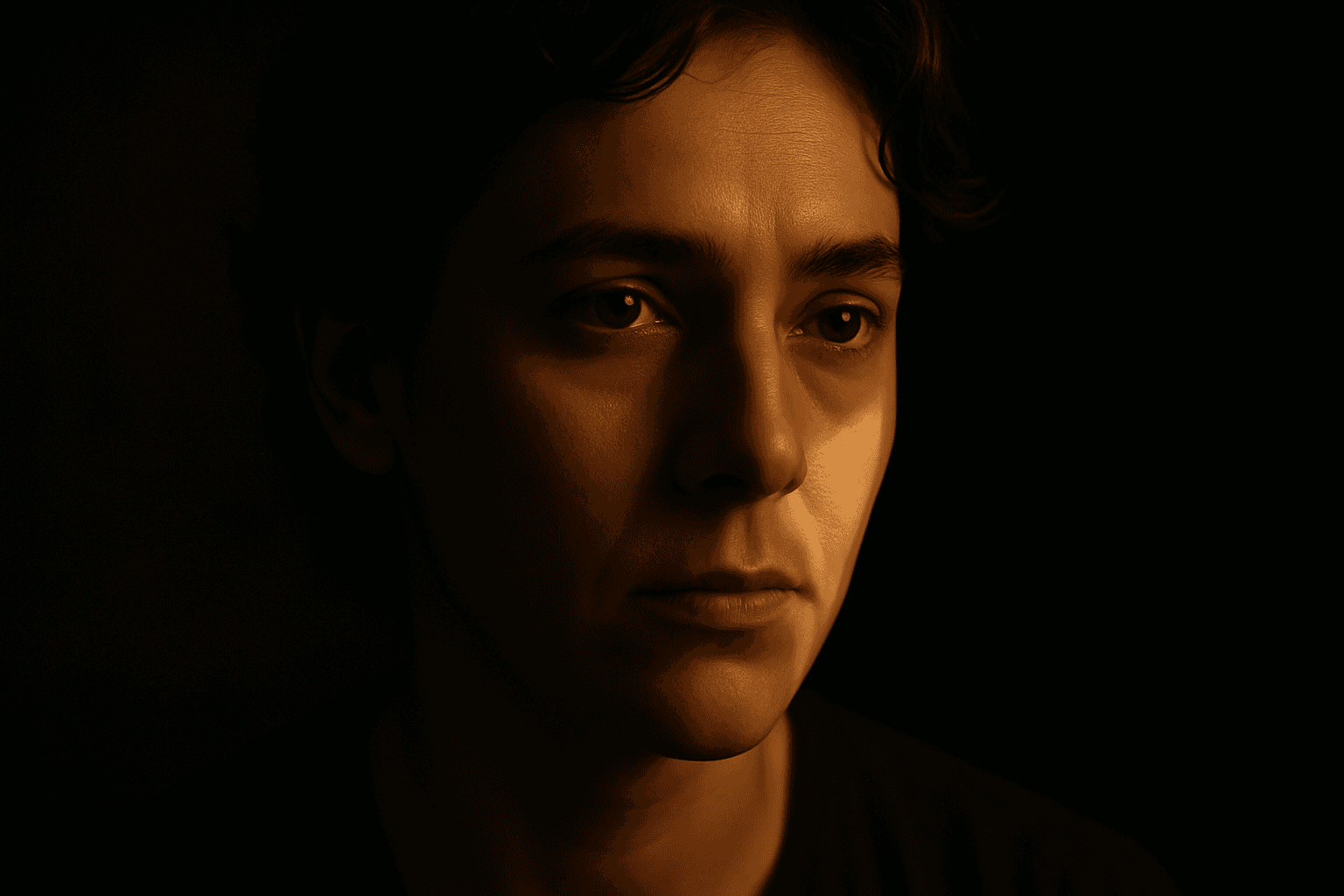
The Rembrandt lighting technique is a foundational portrait lighting method originating from the Old Master painter Rembrandt Harmenszoon van Rijn. In AI-generated images, this technique adds a cinematic and three-dimensional quality by highlighting a small illuminated triangle beneath the eye on the shadowed side of the face. Artists and photographers often use Rembrandt lighting to evoke drama, depth, and a classic aesthetic. Including this keyword in AI image prompts instructs models to replicate the lighting angle and shadow play, making portraits more visually compelling and lifelike. This effect enhances textures and contours, perfect for expressive character studies and refined editorial photography simulations.
Overhead Diffused Lighting
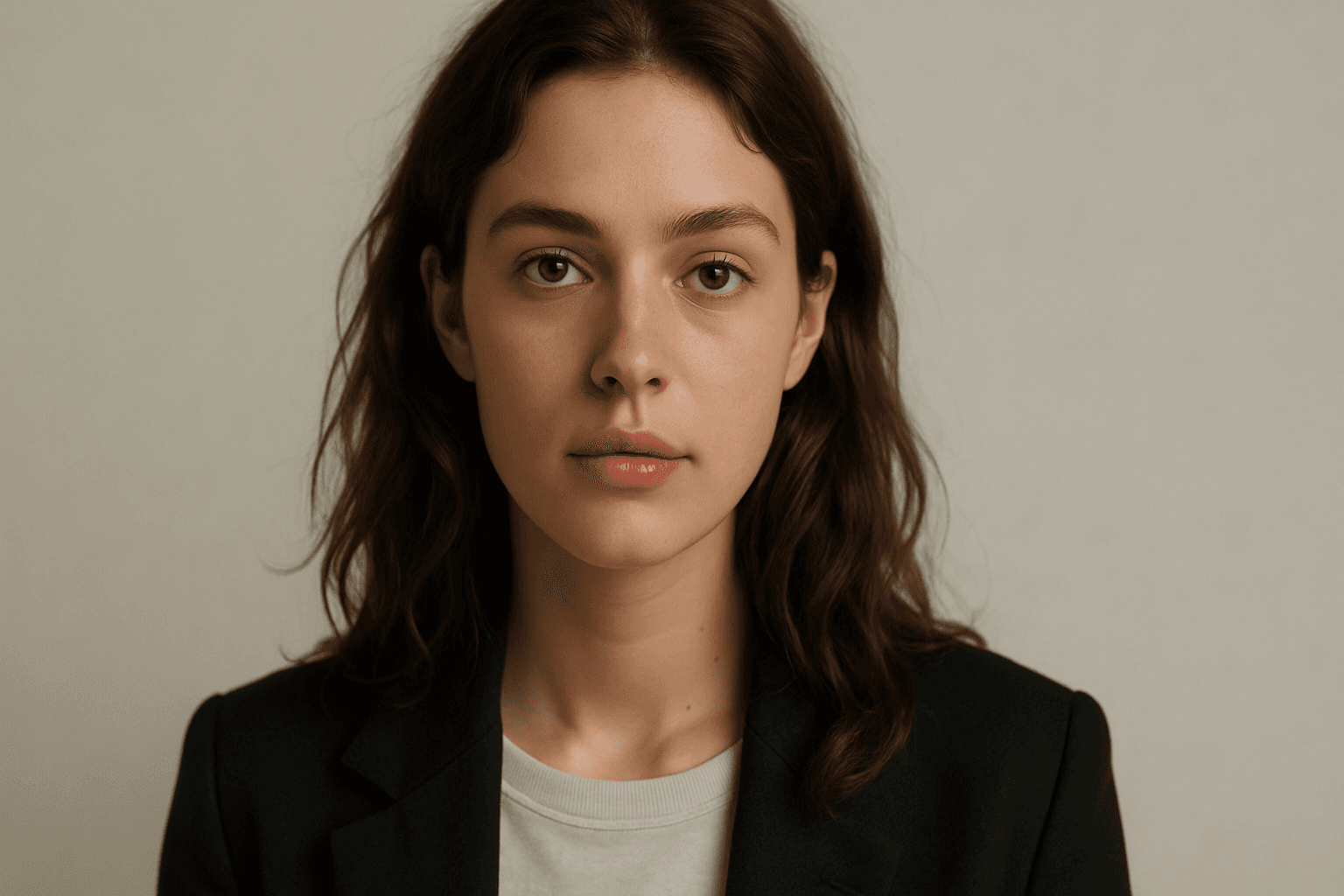
Overhead Diffused Lighting is a fundamental technique in photography and digital imaging that involves placing a diffused light source directly above the subject. This method softens shadows and reduces contrast, creating an inviting and natural look. When applied in AI image generation, including this keyword in prompts helps achieve realistic skin tones, fabric textures, and surface details without harsh lighting artifacts. It is especially effective for portraits, still lifes, and product photography. The technique enhances depth subtly, maintaining a premium, clean aesthetic that suits modern editorial and commercial imagery.
Diffuse Lighting Effect
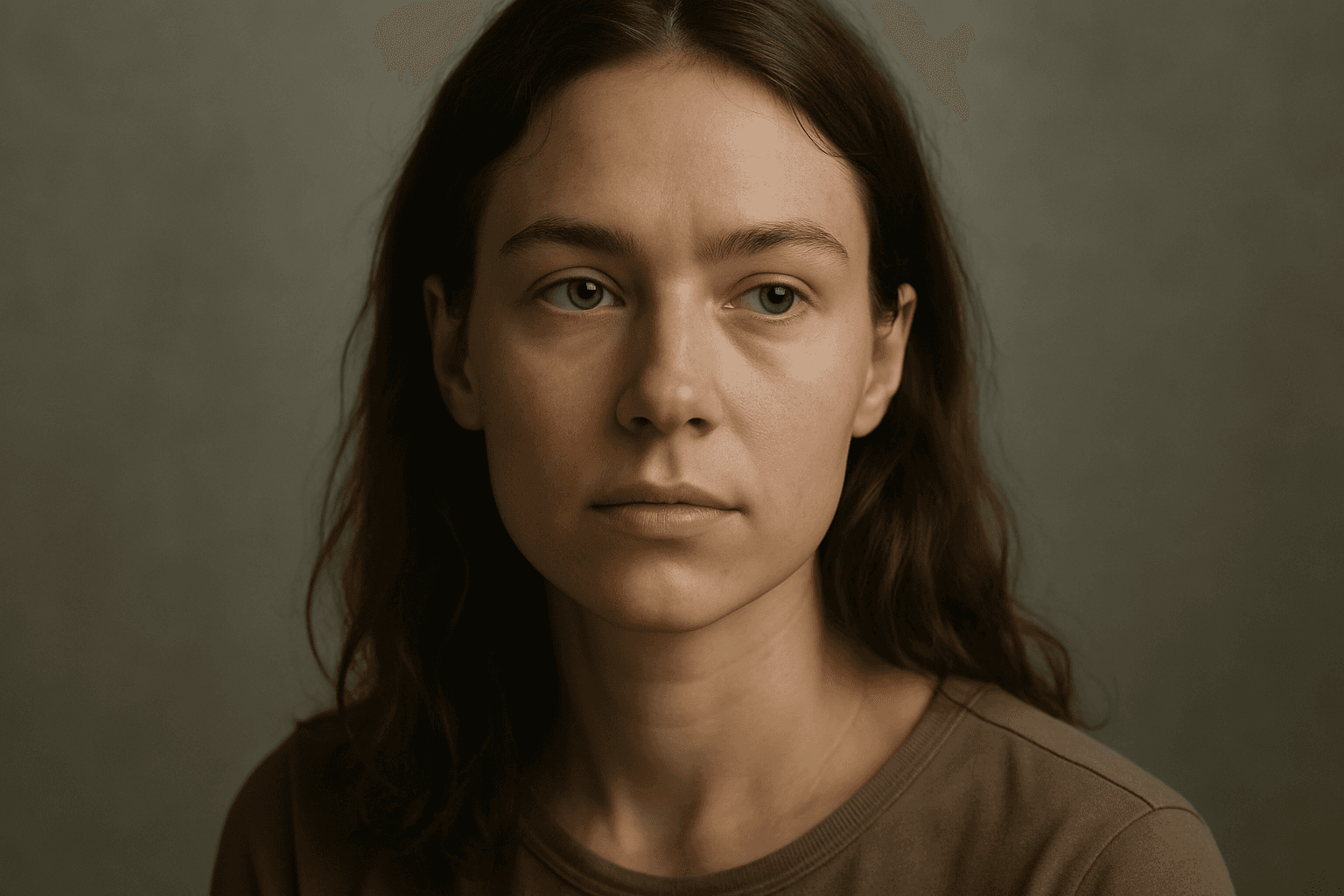
Diffuse lighting effect is a crucial concept in photography, art, and AI image generation that simulates soft, widespread light typically produced by overcast skies or light diffusion materials. This lighting style provides smooth gradations between light and shadow, avoiding harsh contrasts. When integrated into AI image prompts, it helps achieve images with a gentle, natural look that emphasizes subject details without dramatic shadows or glare. Diffuse lighting creates a mood of calm realism, ideal for portraits, product photography, and interior scenes. Understanding how to prompt for this effect enables creators to produce realistic and appealing visuals with enhanced depth and subtlety while maintaining a clean and harmonious composition.
Studio Lighting
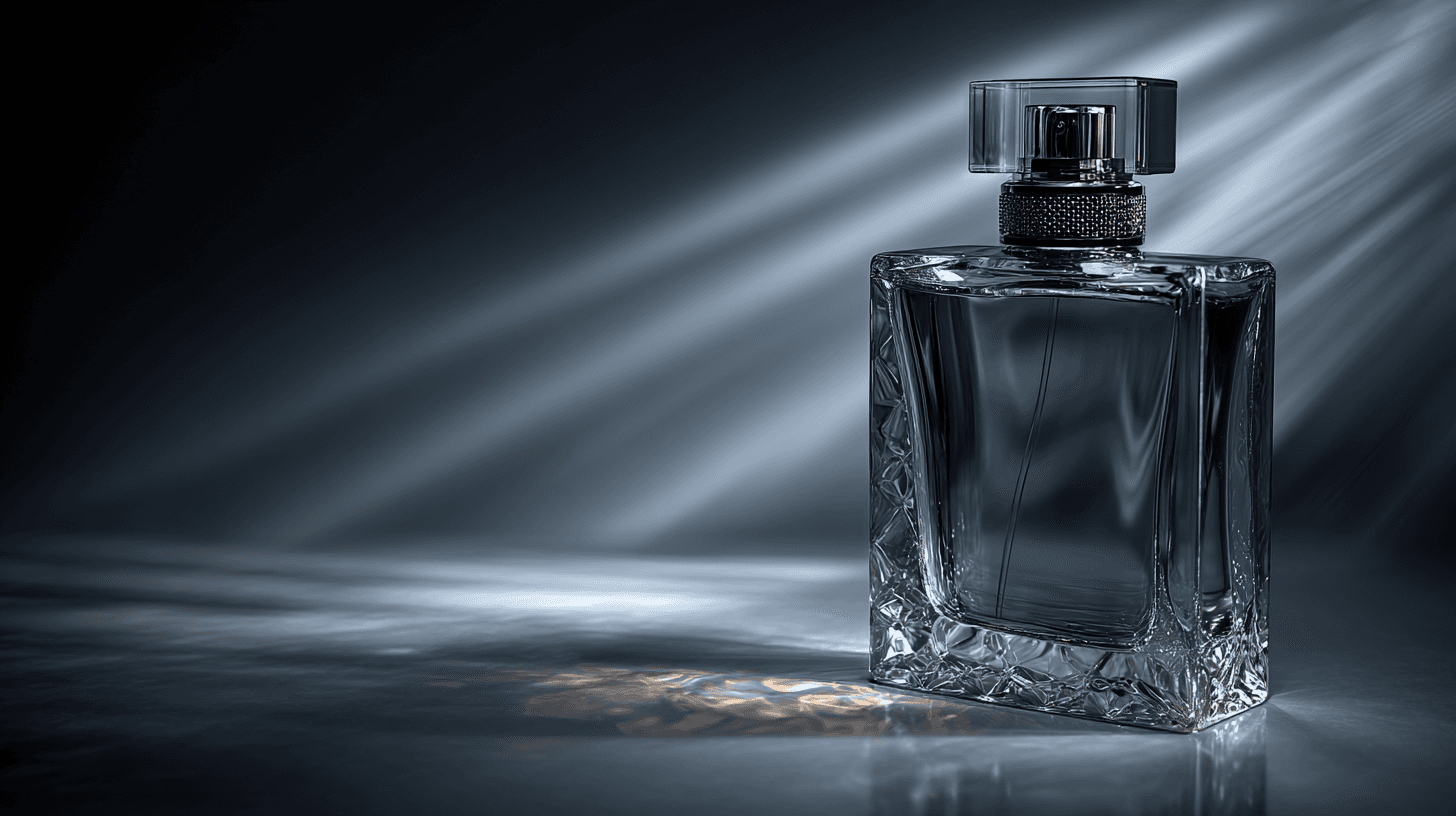
Studio Lighting is a prompt keyword that suggests a controlled, professional lighting setup. Instead of relying on natural sunlight or random environmental light, Studio Lighting points the model toward clean highlights, intentional shadows, balanced exposure, and a polished commercial finish. It is one of the most practical lighting keywords for AI image creators because it works across product photography, portraits, ecommerce, fashion, corporate visuals, and catalog-style imagery. For beginners, Studio Lighting is helpful when you want an image to look professional, reliable, and ready for business use.

Low Angle Lighting
Low angle lighting is a powerful photographic and artistic technique that shifts the viewer's perspective by lighting subjects from below. When integrated into AI image prompts, it helps generate images with a distinct, often dramatic mood and added dimensionality. This lighting arrangement mimics natural scenarios like sunrise or artificial lighting such as street lamps from ground level. Due to its uncommon viewpoint, low angle lighting enhances textures and contours by reversing traditional shadow placement, producing striking images ideal for editorial portraits, architectural shots, and dynamic compositions. Leveraging this keyword allows creators to break away from standard lighting styles and evoke more intriguing atmospheres in synthetic visuals.
Ring Light Illumination
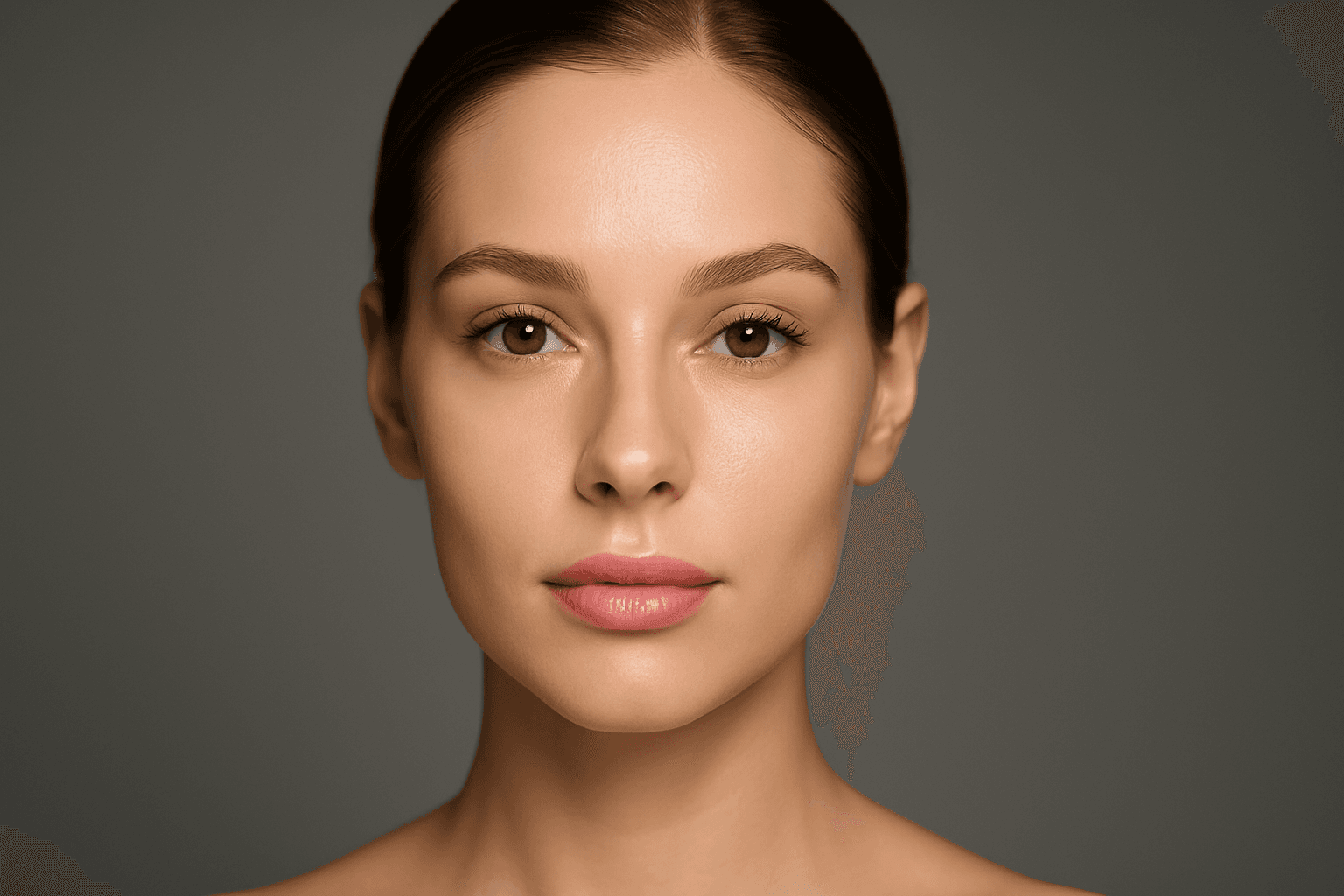
Ring Light Illumination is a popular lighting technique used in photography and videography to achieve a smooth, shadowless look by positioning a circular light around the lens. This setup creates a distinct ring-shaped catchlight that adds aesthetic appeal and highlights fine features with soft, diffused brightness. Incorporating this lighting style into AI image prompts helps generate images with professional, clean, and flattering illumination, ideal for portraits, product shots, and beauty imagery. It reduces harsh contrasts and highlights textures, offering a polished, premium visual effect that enhances subject clarity and attractiveness in various compositions.