Split Lighting Portrait
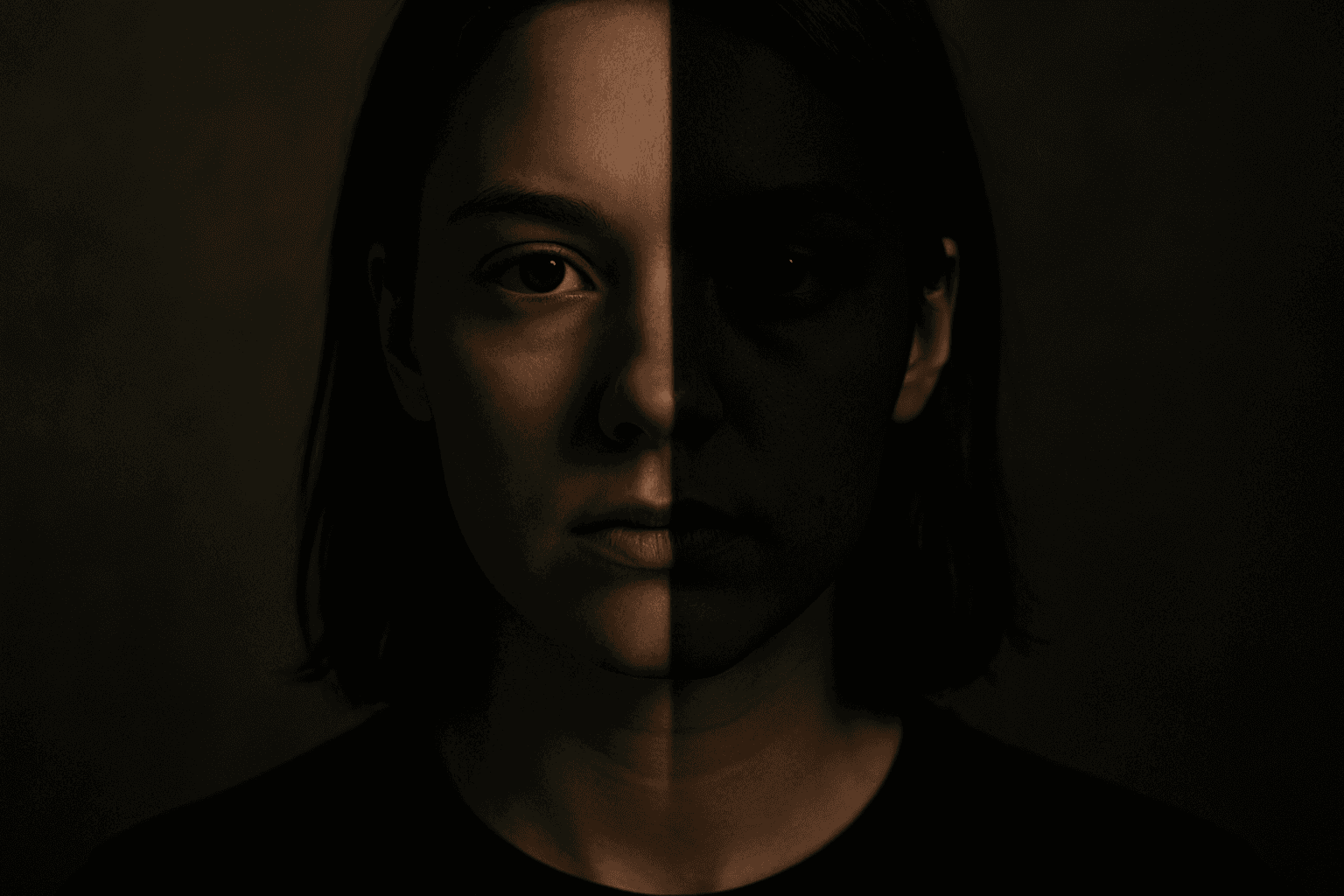
Split lighting portrait is a classic photographic and artistic technique used to create images with striking contrast and depth. By illuminating exactly one side of the face and leaving the other in shadow, it sculpts the subject's features in a bold and attention-grabbing way. This lighting style conveys intensity, mystery, or seriousness, making it a popular choice for dramatic portraiture. When used in AI image prompts, split lighting shifts the generated image's mood and composition to highlight this pronounced half-lit effect, producing portraits with enhanced dimensionality and emotional impact.
Definition
Split lighting portrait refers to a lighting setup where exactly one half of the subject's face receives light while the other half is in shadow. This creates a bold vertical contrast along the face. For AI image generation, including 'split lighting portrait' in prompts guides the model to render half-lit faces with strong, defined shadows, enhancing depth and drama.
Prompt Formula
Build prompts focusing on subject, lighting style, and mood using split lighting components. Combine descriptive terms for lighting quality, shadow sharpness, and environment to capture precise effects.
- <subject>, split lighting portrait, sharp shadow edge
- studio portrait, split lighting portrait, high contrast, moody atmosphere
- close-up, split lighting portrait, cinematic lighting, dramatic shadows
Best Use Cases
- Creating intense, cinematic portraits for editorial or artistic projects
- Character-focused artwork aiming to showcase emotion or mystery
- Marketing imagery where dramatic facial lighting attracts buyer attention
Creative Variations
To avoid repetitive output, vary color tones, lighting intensity, and composition direction. Using monochrome palettes or incorporating textured backdrops enhances visual interest. Also try different facial angles or partial profiles to shift focus within the split lighting style.
- Use warm or cool tones to shift emotional impact
- Apply monochrome or duotone for artistic effect
- Change lighting angle for softer or harsher shadow edges
- Incorporate textured or minimalistic backgrounds
- Experiment with facial pose—quarter, three-quarters, or profile
Industry Applications
Split lighting portraits are widely employed across fashion, advertising, and editorial sectors to convey strong moods and highlight facial features. Their dramatic effect helps marketers create memorable brand imagery and artists emphasize psychological depth in character visuals.
- Fashion editorials focusing on model expression
- Advertising campaigns needing strong emotional connection
- Ecommerce showcasing detailed facial cosmetics or accessories
Common Mistakes
A frequent mistake is specifying 'split lighting' without clarifying shadow sharpness or light source direction, resulting in softer, undefined shadow borders. Overuse without variation can produce monotonous images. Avoid overly dark shadows that obscure facial details or too uniform illumination which softens the intended contrast.
- Omitting shadow edge details leading to ambiguous lighting
- Using diffuse lighting terms counteracting split lighting effect
- Neglecting to specify light position causing uneven or incorrect shadows
- Overapplying split lighting causing repetitive visuals
- Allowing shadows to merge into blackness, losing facial detail
FAQ
What is split lighting in photography and AI art?
Split lighting is a technique where one half of the subject's face is lit while the other half is in shadow, creating strong contrast and drama. In AI art prompts, including this term instructs the model to simulate this lighting style for portraits.
How can I prevent the split lighting effect from looking too harsh in AI-generated portraits?
To soften harsh split lighting, specify softer light sources, add terms like 'soft shadow edge' or 'diffused light' in your AI prompt. Adjusting the light intensity and including modifiers like 'gentle transitions between light and shadow' can create a more balanced portrait while maintaining the split lighting style.
Continue Exploring
Related Prompts
Split Lighting Technique
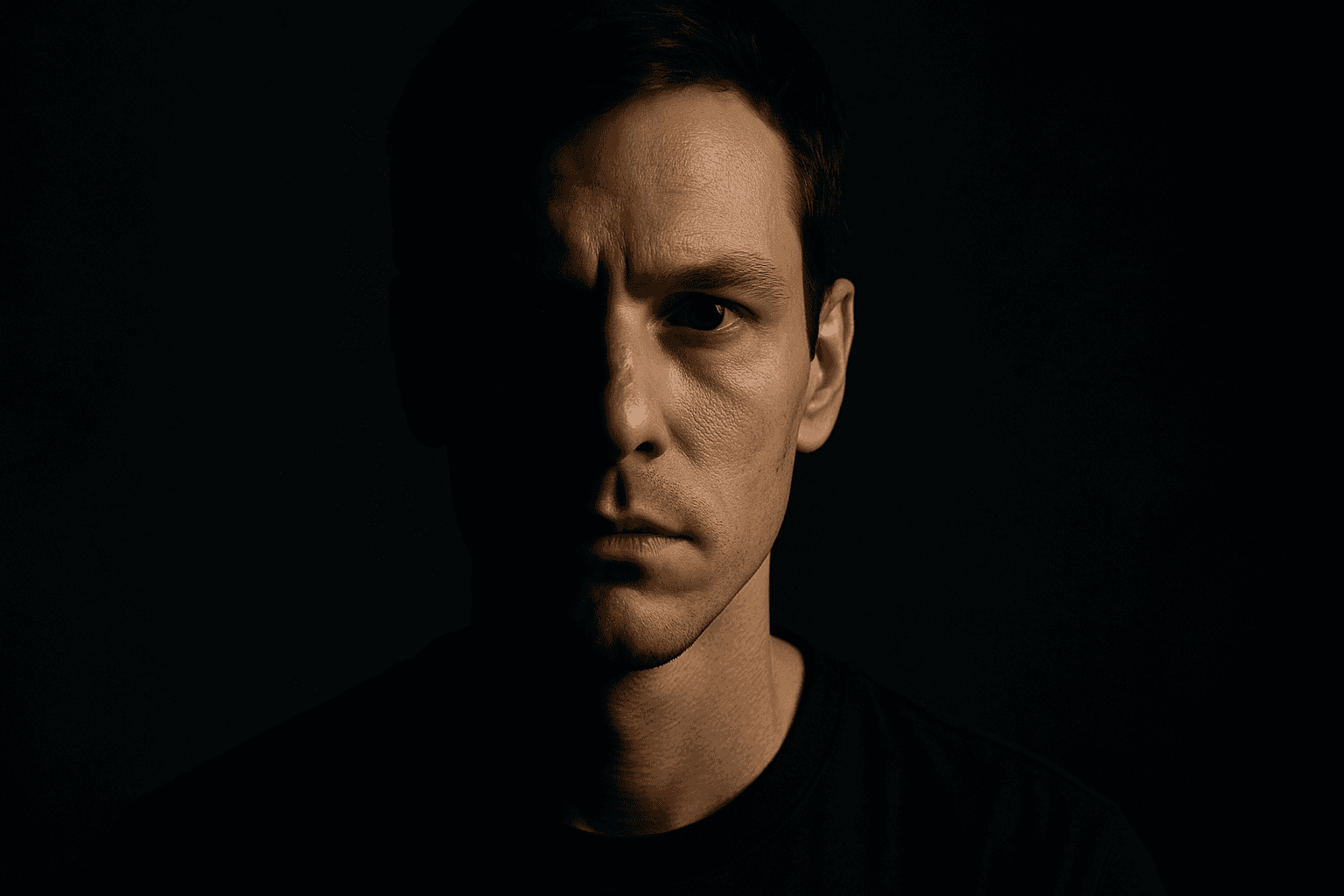
Split lighting is a classic photographic lighting technique widely used for portraits to craft dramatic and intense images. When applied in AI image prompts, it guides the generation to simulate this lighting style by illuminating one half of the subject brightly while casting the other half in shadow. This technique enhances depth and character, often lending a mysterious or serious tone to portraits. It is especially effective for emphasizing facial features, textures, and emotional expressions. Utilizing split lighting in AI art allows creators to generate compelling, high-contrast images that stand out in editorial, commercial, or artistic contexts.
Cinematic Lighting
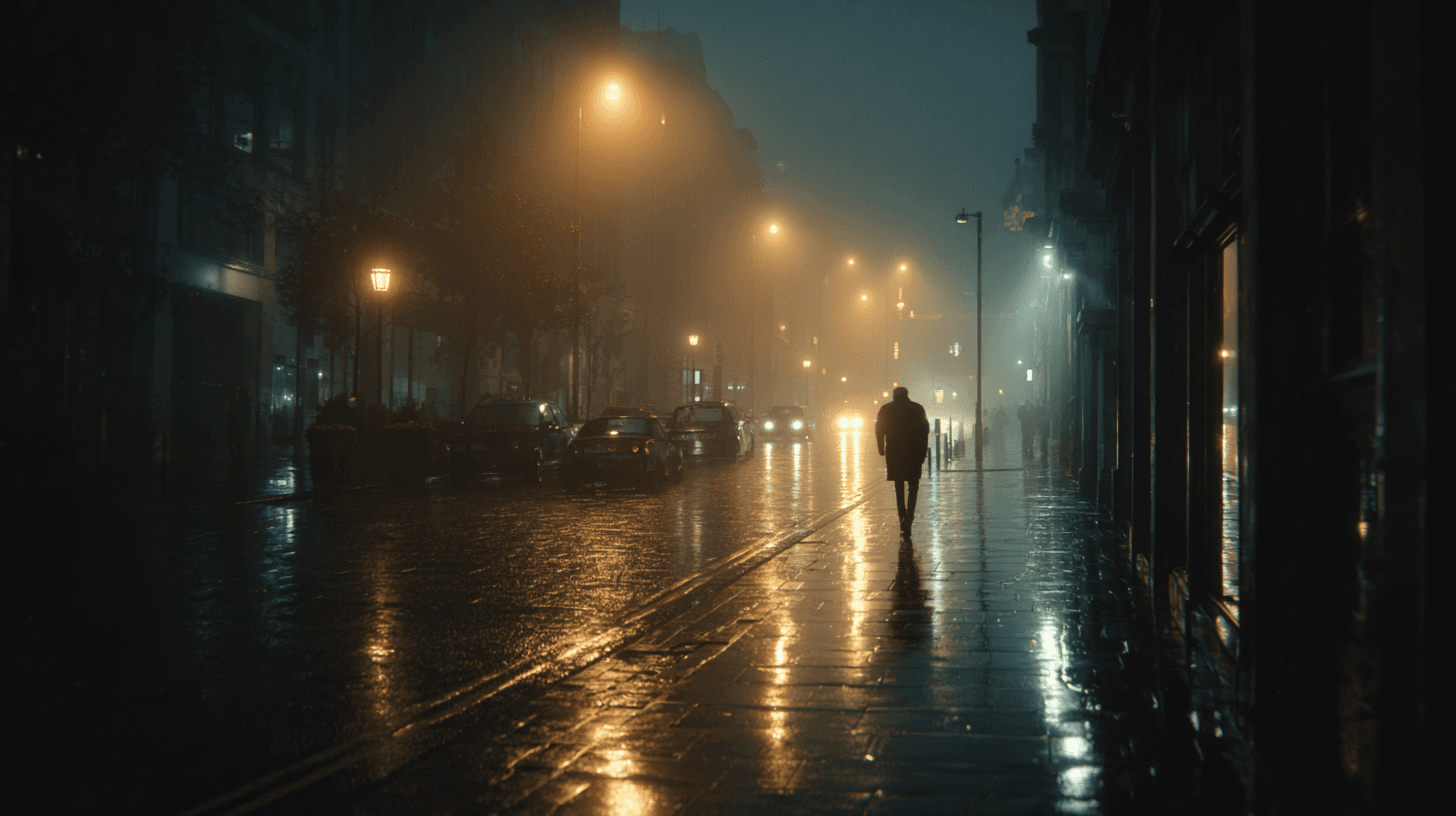
Cinematic Lighting is one of the most useful prompt keywords for making AI-generated images feel intentional, polished, and story-driven. Instead of asking for a flat, evenly lit image, this keyword signals that the scene should feel as if it was lit for a film, commercial, or high-end editorial shoot. The result often includes stronger direction in the light source, more purposeful shadows, richer contrast, and a clearer sense of atmosphere. For beginners, it is a reliable way to move an image away from a generic render and toward something that feels composed, dramatic, and visually memorable.
Rembrandt Lighting Technique
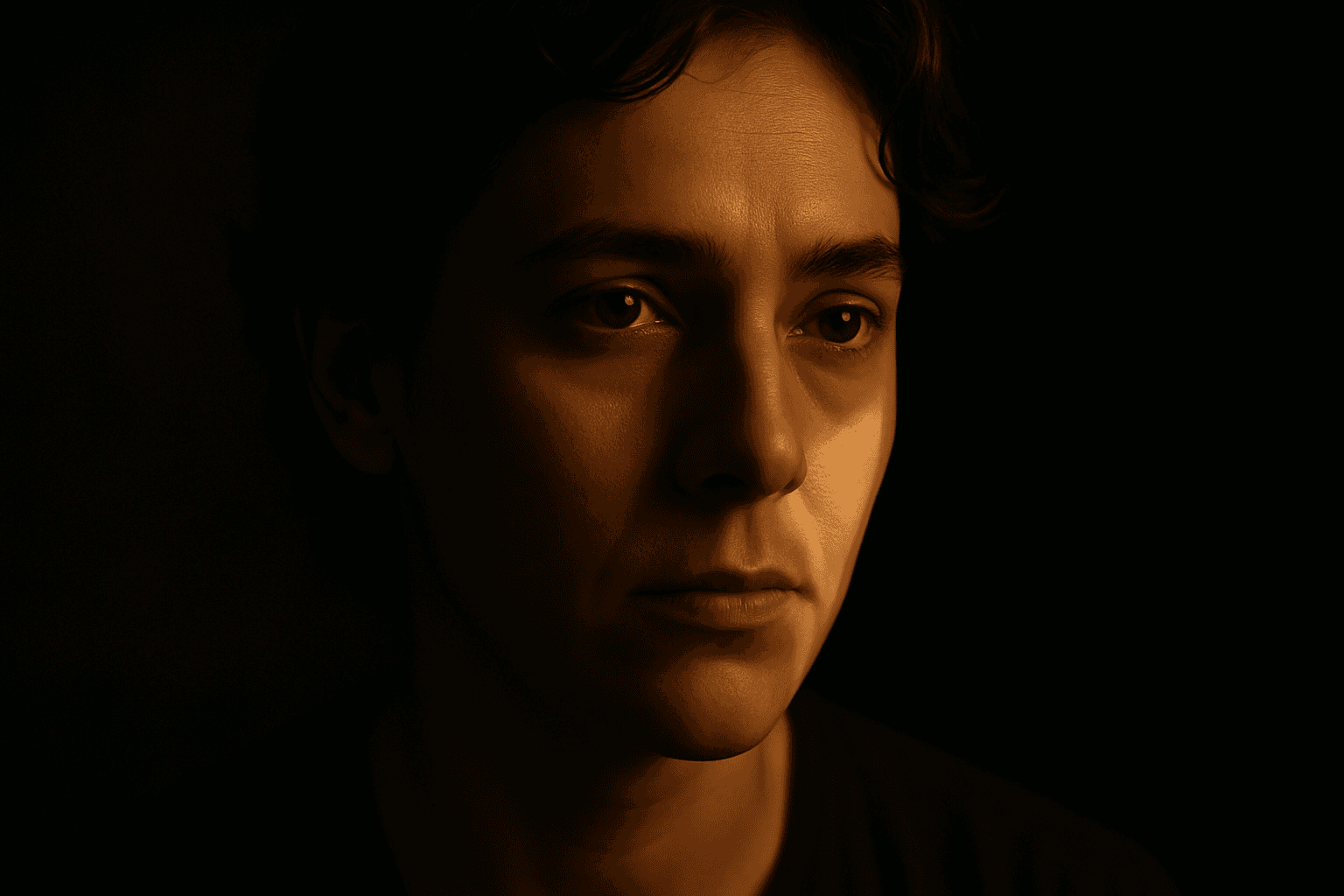
The Rembrandt lighting technique is a foundational portrait lighting method originating from the Old Master painter Rembrandt Harmenszoon van Rijn. In AI-generated images, this technique adds a cinematic and three-dimensional quality by highlighting a small illuminated triangle beneath the eye on the shadowed side of the face. Artists and photographers often use Rembrandt lighting to evoke drama, depth, and a classic aesthetic. Including this keyword in AI image prompts instructs models to replicate the lighting angle and shadow play, making portraits more visually compelling and lifelike. This effect enhances textures and contours, perfect for expressive character studies and refined editorial photography simulations.
Backlit Rim Lighting
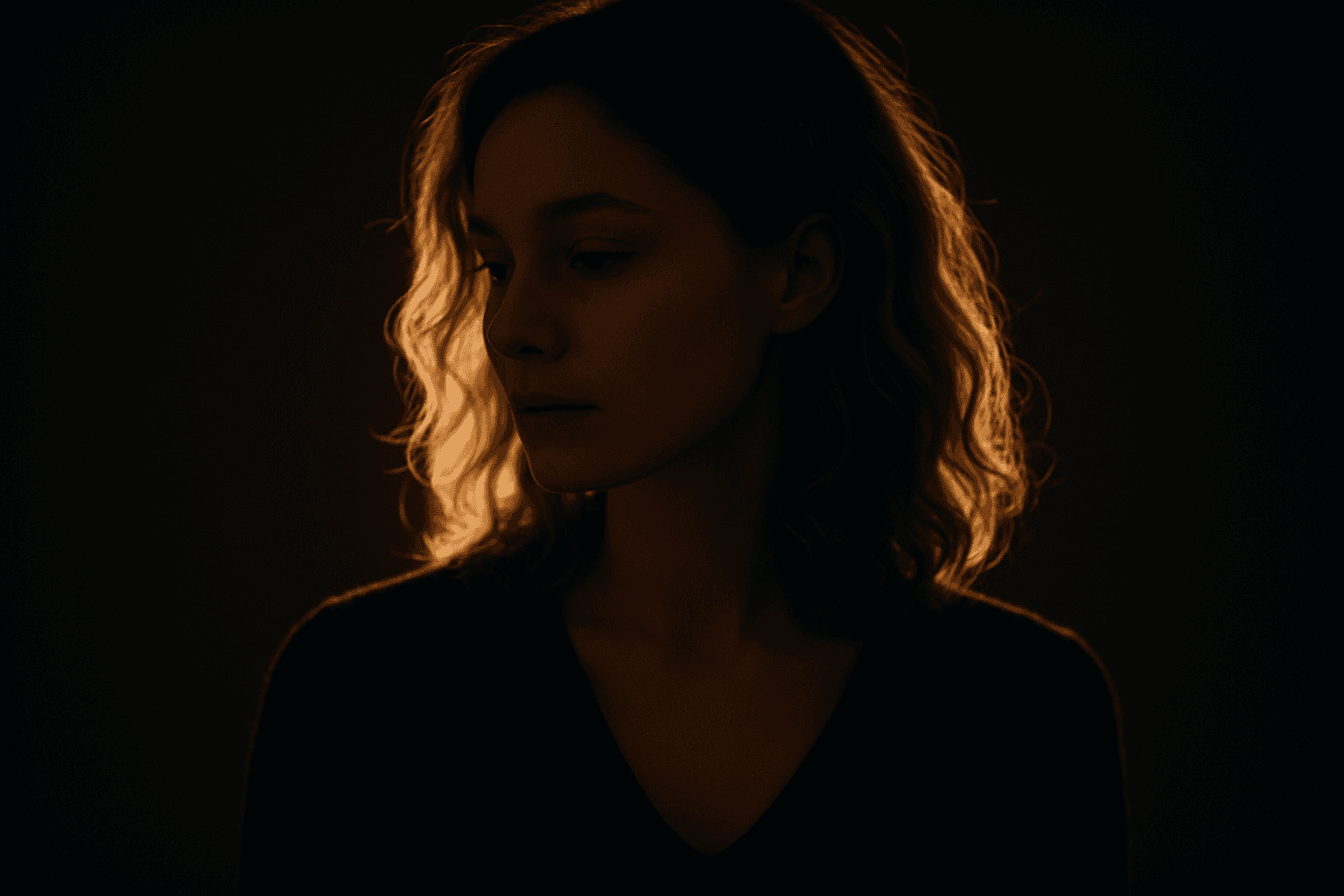
Backlit Rim Lighting offers a striking way to emphasize shapes and contours by placing light sources behind the subject. This technique casts a luminous halo or rim around the edges, enabling clear subject separation from backgrounds even if they are dimly lit. In AI-generated images, prompts including this term encourage models to simulate realistic lighting setups that heighten drama, depth, and visual interest. Artists and photographers often use this style to evoke mood or highlight subject textures through translucent or reflective surfaces. Incorporating Backlit Rim Lighting in image generation can instantly transform compositions, lending premium polish suitable for editorial, cinematic, and commercial visuals.

Low Angle Lighting
Low angle lighting is a powerful photographic and artistic technique that shifts the viewer's perspective by lighting subjects from below. When integrated into AI image prompts, it helps generate images with a distinct, often dramatic mood and added dimensionality. This lighting arrangement mimics natural scenarios like sunrise or artificial lighting such as street lamps from ground level. Due to its uncommon viewpoint, low angle lighting enhances textures and contours by reversing traditional shadow placement, producing striking images ideal for editorial portraits, architectural shots, and dynamic compositions. Leveraging this keyword allows creators to break away from standard lighting styles and evoke more intriguing atmospheres in synthetic visuals.
Chiaroscuro Lighting
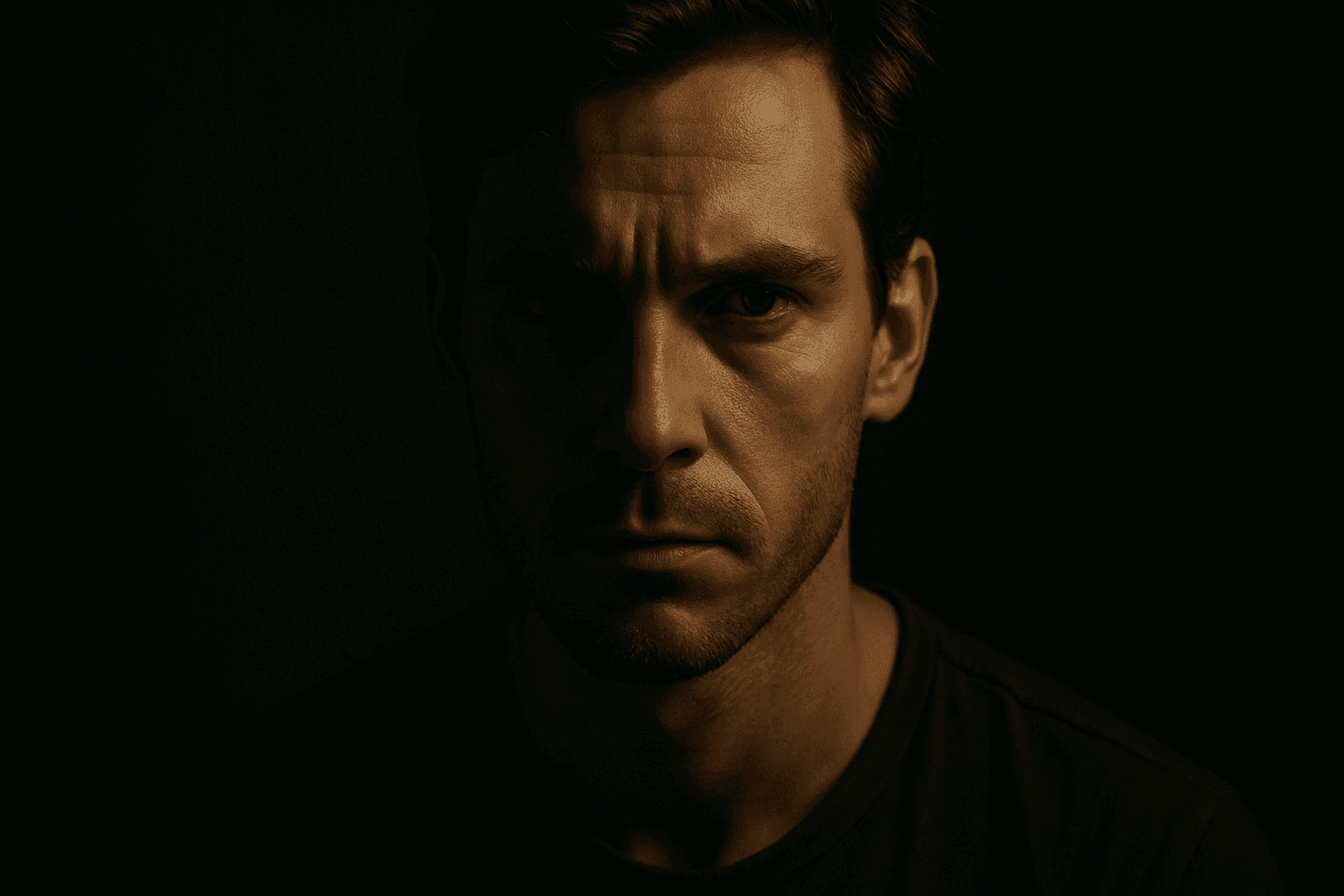
Chiaroscuro lighting is a powerful artistic method used to create striking contrasts between illuminated and shadowed regions within an image. This approach originated in 16th-century painting and remains popular in photography and digital art to evoke drama and emphasize form. In AI-generated imagery, the chiaroscuro effect guides models to produce compositions rich in depth and texture, often with a single directional light source casting pronounced shadows. This lighting style is ideal for portraits, still lifes, and narrative scenes where mood and visual impact are priorities. Understanding chiaroscuro expands an artist's toolkit, enabling controlled manipulation of light to transform flat images into compelling visual stories.