Subtle Rim Lighting
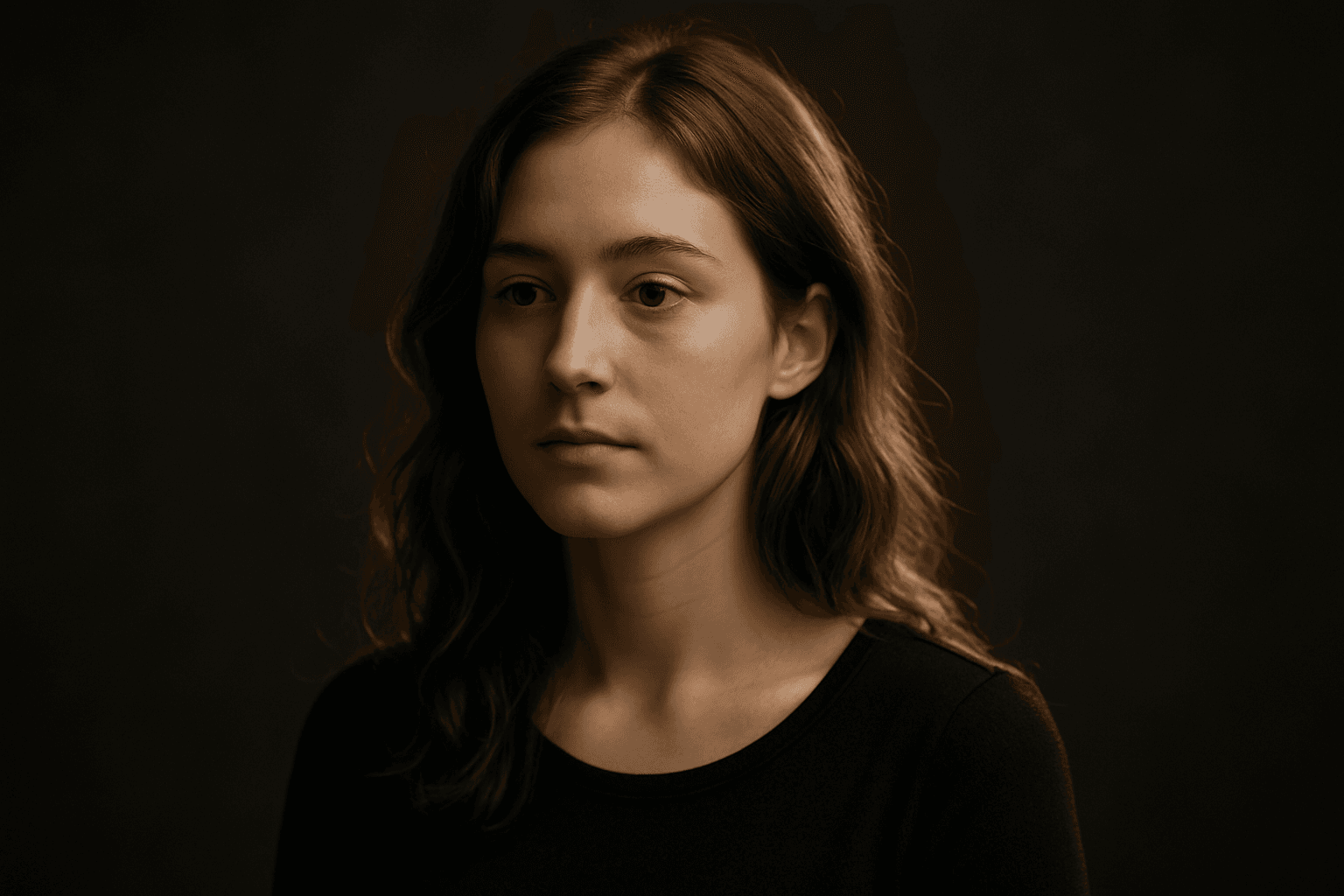
Subtle rim lighting is a refined lighting technique used in AI image generation to highlight the contours of subjects with gentle edge light. This approach adds dimension and a premium feel to images by emphasizing shape and form while maintaining a natural look. Unlike intense rim lighting that creates strong contrasts and sharp edges, subtle rim lighting is understated, providing an elegant halo that enhances realism. It is especially effective in editorial photography, portraiture, and product visuals where nuanced lighting conveys quality and sophistication. Incorporating subtle rim lighting in AI prompts instructs the model to balance illumination carefully, enhancing textures and materials without distracting from the primary composition.
Definition
Subtle rim lighting softly illuminates the edges of a subject, creating delicate highlights that enhance depth and separation in AI-generated images. It changes the prompt by encouraging the AI to add gentle edge illumination rather than harsh or dramatic rim lights, resulting in naturalistic and refined contours.
Prompt Formula
Use combinations like "subtle rim lighting," "soft edge highlights," and "delicate backlight around the subject" to guide the model. Pair with modifiers such as "natural light," "studio environment," or "gentle glow" for nuanced effects.
- Subject with subtle rim lighting
- Soft edge highlights around subject
- Delicate backlight enhancing contours
- Natural, gentle glow rim lighting
- Studio environment with soft rim light
Best Use Cases
- Editorial portraits where soft subject separation is essential
- Product photography emphasizing texture without harsh reflections
- Cinematic or dramatic scenes requiring gentle lighting accents
Creative Variations
To diversify outputs, vary rim lighting color temperature (warm, cool), angle (side, back, top), and intensity (very subtle to moderate). Combine with different materials (metallic, fabric, skin) or environments (indoor, outdoor dusk) to achieve distinct moods and depth.
- Warm vs. cool subtle rim lighting for mood shifts
- Side vs. back subtle rim lighting placement
- Mixing rim light with soft fill or ambient light
- Applying subtle rim lighting on varying textures
- Combining with natural environments like fog or dusk
Industry Applications
Subtle rim lighting is valuable in advertising to highlight product shapes without harsh shadows, in editorial photography for elegant portraits, and in ecommerce to showcase fine details and enhance product appeal. It also suits social content creators seeking premium, polished visuals with natural lighting charm.
- Advertising: high-end product and fashion shoots
- Editorial: sophisticated portrait and lifestyle imagery
- Ecommerce: clear product emphasis with realistic lighting
Common Mistakes
Avoid overusing rim lighting so it doesn’t look unnatural or overpower other lighting. Too intense or colorful rim light can clash with the scene. Don't omit environment context—rim lighting needs accompanying soft or ambient light to look realistic. Beware of flat or heavy rim lighting that obscures subject details instead of enhancing them.
- Excessive rim light intensity creating harsh edges
- Ignoring ambient and fill light balance
- Using rim light color that conflicts with scene tone
- Lack of context making rim lighting unrealistic
Advanced Techniques
Combine subtle rim lighting with negative prompts to prevent overexposure. Use layered prompt weights to balance rim lighting and ambient light. Experiment with angle-specific rim lighting to highlight nuanced textures, and integrate volumetric effects like light haze for ethereal results.
- Weighted prompts balancing rim light with fill light
- Negative prompt to reduce harsh edge highlights
- Angle-specific rim lighting to emphasize textures
- Incorporating volumetric haze around rim lighting
Professional Workflow
Begin by briefing image goals emphasizing subtle rim lighting effects. Generate multiple renders adjusting rim light intensity and angle. Select images that best convey refined edge illumination with subject clarity. Refine by tweaking prompt modifiers for natural light balance, then post-process for color consistency and highlight softness to achieve polished final visuals.
- Brief: specify subtle rim lighting style and mood
- Generate: create multiple prompt variants
- Select: choose images with balanced rim lighting
- Refine: adjust prompts for naturalistic light interplay
- Post-process: enhance softness and color harmony
FAQ
What is subtle rim lighting in AI image generation?
Subtle rim lighting softly highlights the edges of a subject in AI images to enhance depth and separation without harsh contrasts, creating a refined and natural look.
How do I prompt AI to create subtle rim lighting effects?
Include keywords like 'subtle rim lighting,' 'soft edge highlights,' and modifiers such as 'natural light' or 'gentle glow' in your prompt to guide the AI toward delicate edge illumination.
What are common mistakes when using rim lighting in prompts?
Common mistakes include over-intensity causing harsh edges, ignoring ambient light balance, and using rim light colors that clash with the scene’s tone, which reduce realism.
Continue Exploring
Related Prompts
Backlit Rim Lighting
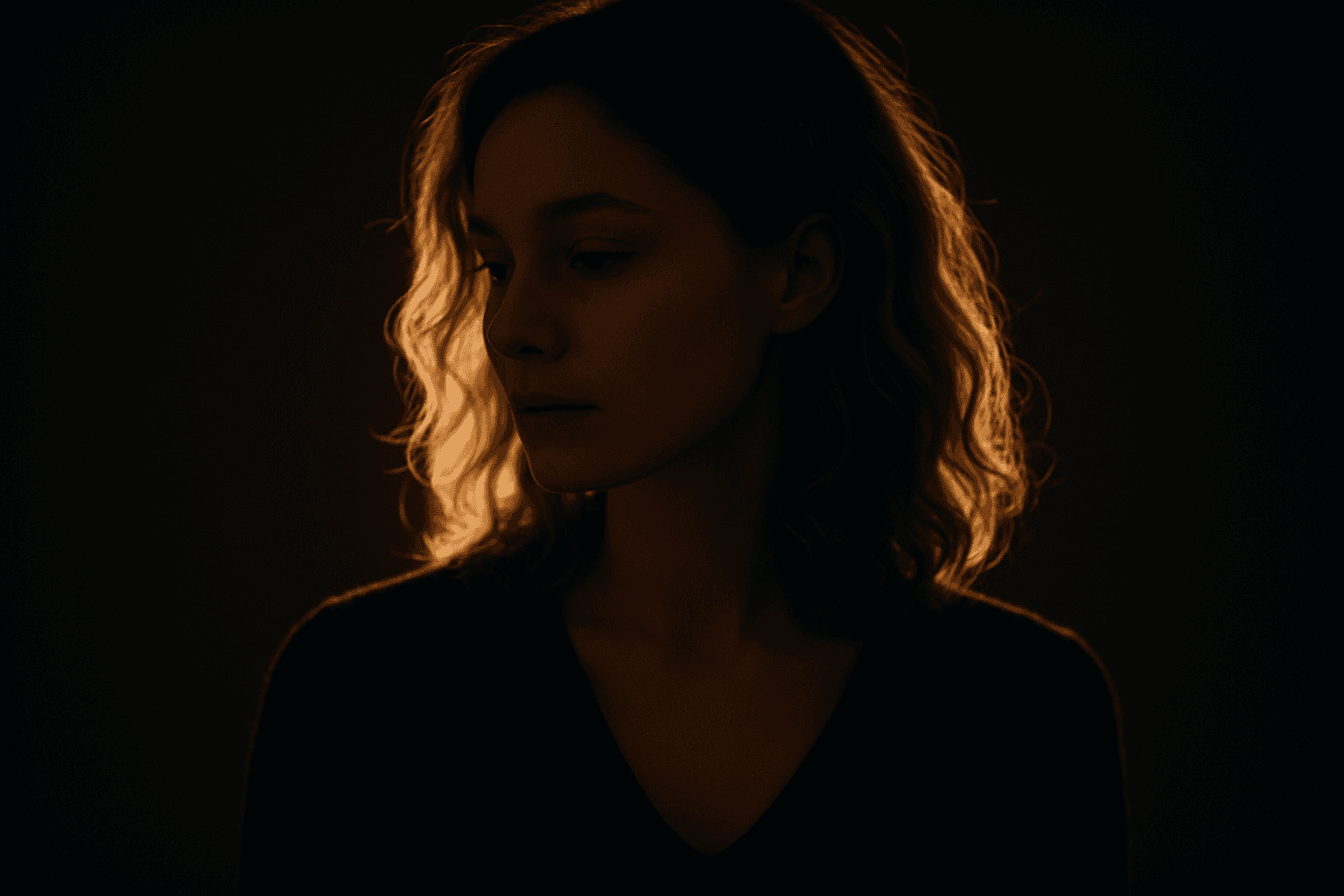
Backlit Rim Lighting offers a striking way to emphasize shapes and contours by placing light sources behind the subject. This technique casts a luminous halo or rim around the edges, enabling clear subject separation from backgrounds even if they are dimly lit. In AI-generated images, prompts including this term encourage models to simulate realistic lighting setups that heighten drama, depth, and visual interest. Artists and photographers often use this style to evoke mood or highlight subject textures through translucent or reflective surfaces. Incorporating Backlit Rim Lighting in image generation can instantly transform compositions, lending premium polish suitable for editorial, cinematic, and commercial visuals.

High Contrast Lighting Setup
High contrast lighting setups are widely used in photography and cinematic visuals to produce bold, dynamic images that captivate viewers. Incorporating 'high contrast lighting setup' in an AI image prompt instructs the AI to emphasize striking light sources and deep shadows, adding visual tension and clarity to the scene. This lighting approach reveals textures more vividly and helps create a mood that can range from mysterious to intense. For AI-generated images intended for editorial, commercial, or fine art applications, applying this keyword ensures that the resulting visuals have professional-quality lighting that enhances subject definition and atmosphere.
Directional Top Lighting
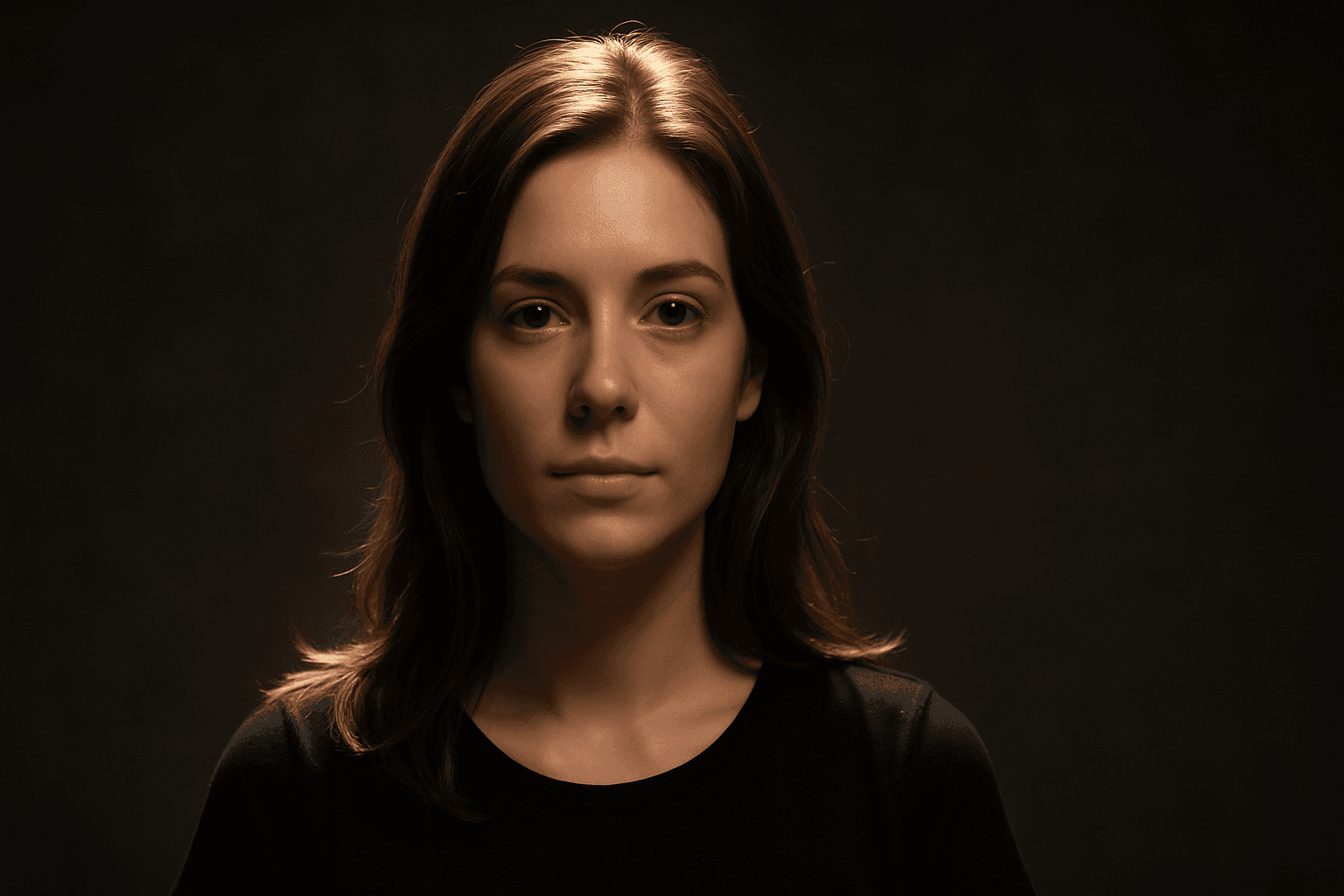
Directional Top Lighting is a technique widely used to simulate natural or artificial light coming directly from above a subject. In AI image generation, specifying this lighting style helps create images with realistic shading and depth, highlighting the textures and contours of objects or scenes from a top-down perspective. This lighting direction mimics sunlight at midday or overhead indoor fixtures, producing crisp shadows and well-defined highlights. It is especially effective for portraits, still life, architectural visuals, and product photography, enhancing the spatial perception and visual appeal of the subject within the composition.

Natural Reflector Lighting
Natural Reflector Lighting simulates the effect of ambient light reflecting naturally in a scene. Instead of relying solely on direct light sources, it adds softness and warmth by mimicking how light bounces off nearby surfaces like walls, ceilings, or even foliage. This results in images with increased depth, softer shadows, and a more three-dimensional feel, typically seen in premium photography and cinematic lighting setups. Using this term in AI prompts encourages the model to generate visuals that feel organically lit, avoiding flat or artificial illumination. This approach is popular in portraiture, product photography, and interior design renders where realistic light interaction is essential.
Studio Lighting Setup Guide
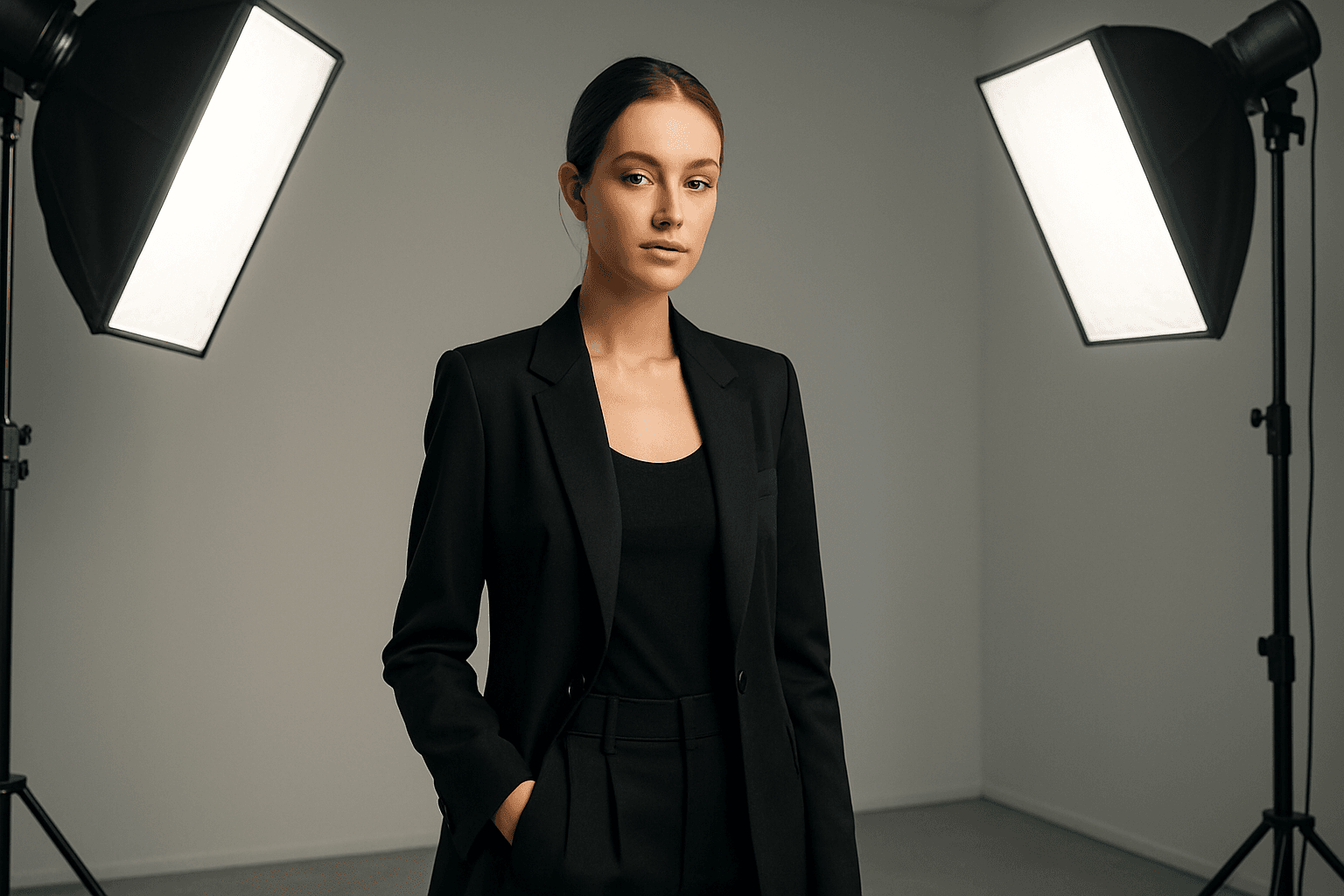
In AI image generation, incorporating 'Studio Lighting Setup Guide' helps emulate the controlled lighting environment typical of photography studios. This setup ensures subjects are well-defined with nuanced shadows and highlights, enhancing realism and artistic quality. Professional studio lighting involves key light, fill light, and backlight positioned strategically to model the subject beautifully. When used as a prompt keyword, it communicates to the AI how to place such lighting, resulting in images that appear polished and editorial-grade. This is essential for generating product shots, portraits, or commercial visuals that require a premium look.
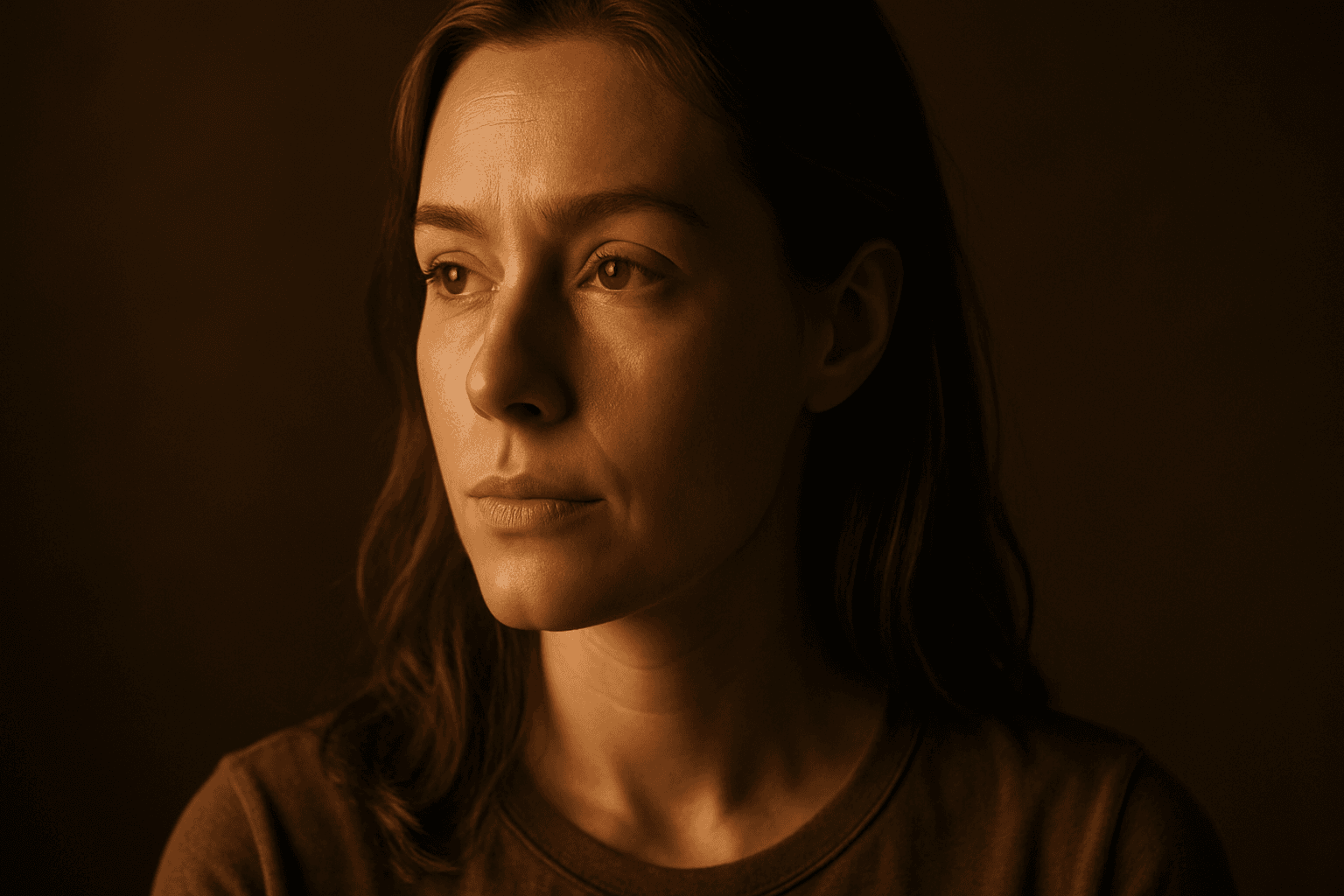
Directional Side Lighting
Directional side lighting is a powerful lighting technique widely used in photography and digital art to add dimensionality and mood. In the context of AI image generation, specifying directional side lighting shapes how the model simulates light interaction with subjects and environments. This lighting style creates pronounced contrasts between illuminated and shaded areas, resulting in images with realistic depth and enhanced visual interest. It is especially effective for emphasizing textures and defining shapes in portraits, still life, architectural renders, and product shots. Using this lighting approach in AI prompts helps generate more polished and professional visuals suitable for editorial and commercial use.