Natural Reflector Lighting
Natural Reflector Lighting simulates the effect of ambient light reflecting naturally in a scene. Instead of relying solely on direct light sources, it adds softness and warmth by mimicking how light bounces off nearby surfaces like walls, ceilings, or even foliage. This results in images with increased depth, softer shadows, and a more three-dimensional feel, typically seen in premium photography and cinematic lighting setups. Using this term in AI prompts encourages the model to generate visuals that feel organically lit, avoiding flat or artificial illumination. This approach is popular in portraiture, product photography, and interior design renders where realistic light interaction is essential.

Definition
Natural Reflector Lighting in AI image generation refers to the simulated effect of light bouncing off natural surfaces within a scene—such as walls, ceilings, or surroundings—to softly illuminate subjects. This creates gentle shadows, richer depth, and adds realism to the image by avoiding harsh, direct lighting. Including this keyword in your prompt informs the AI to portray more natural, diffused illumination, enhancing overall aesthetic quality and photorealism.
Prompt Formula
To construct prompts featuring Natural Reflector Lighting, combine descriptive lighting keywords with environment or subject details for best results. Use patterns like: "[subject] lit with natural reflector lighting, soft bounced light, warm tones, realistic shadows" or "interior scene with natural reflector lighting, gentle diffusion, subtle reflections on surfaces." Adjust modifiers for mood, color temperature, and material focus to tailor the lighting effect precisely.
- Subject + lit with natural reflector lighting
- Soft bounced light + warm tones + realistic shadows
- Interior/environment + gentle diffusion + subtle surface reflections
Best Use Cases
- Portrait photography focusing on soft, flattering light
- Interior design visuals showcasing natural room illumination
- Product shots needing realistic material highlights and shadows
Common Mistakes
A frequent error is overusing Natural Reflector Lighting without balancing other light sources, resulting in overly flat or washed-out images lacking contrast. Avoid vague descriptors like "soft light" without specifying bounce or reflection, which may yield generic or unrealistic lighting. Additionally, too strong or direct bounce light can cause unnatural highlights. To fix these, specify light direction, intensity, and warm color grading carefully in prompts.
Advanced Techniques
Combine Natural Reflector Lighting with focal lighting like spot or rim lights to emphasize subject contours while maintaining realism. Specify materials and surfaces involved in bouncing light (e.g., white plaster walls, wooden floors) to influence reflection color and intensity. Use modifiers to control light temperature for mood shifts—cool bounces for calm, warm for inviting scenes. Restrict shadow softness and angles for precise lighting control.
- Mix natural reflector lighting with rim or spot lights
- Define bounce surfaces to control reflection color
- Adjust light temperature for mood
- Constrain shadow softness and direction
Professional Workflow
Start by drafting a clear brief focusing on lighting quality and source reflections. Generate multiple images using prompts incorporating natural reflector lighting and varied intensity/modifiers. Select images with balanced illumination, pleasing shadows, and realistic bounce effects. Refine prompts iteratively, adjusting for warmth, contrast, and shadow detail. For final use, perform post-processing to enhance subtle reflections and ensure lighting harmonizes with the overall composition.
FAQ
How does natural reflector lighting differ from direct sunlight in AI prompts?
Natural reflector lighting simulates bounced or diffused light softly illuminating the subject, whereas direct sunlight creates harsh, strong directional light with pronounced shadows. This keyword encourages the AI to produce soft, realistic reflections rather than stark highlights.
Can natural reflector lighting be combined with artificial light sources in prompts?
Yes, combining natural reflector lighting with artificial light sources like lamps or spotlights can create dynamic and nuanced lighting effects, enhancing depth and realism when specified clearly in prompts.
Continue Exploring
Related Prompts

Diffuse Lighting Effect
Diffuse lighting effect is a crucial concept in photography, art, and AI image generation that simulates soft, widespread light typically produced by overcast skies or light diffusion materials. This lighting style provides smooth gradations between light and shadow, avoiding harsh contrasts. When integrated into AI image prompts, it helps achieve images with a gentle, natural look that emphasizes subject details without dramatic shadows or glare. Diffuse lighting creates a mood of calm realism, ideal for portraits, product photography, and interior scenes. Understanding how to prompt for this effect enables creators to produce realistic and appealing visuals with enhanced depth and subtlety while maintaining a clean and harmonious composition.
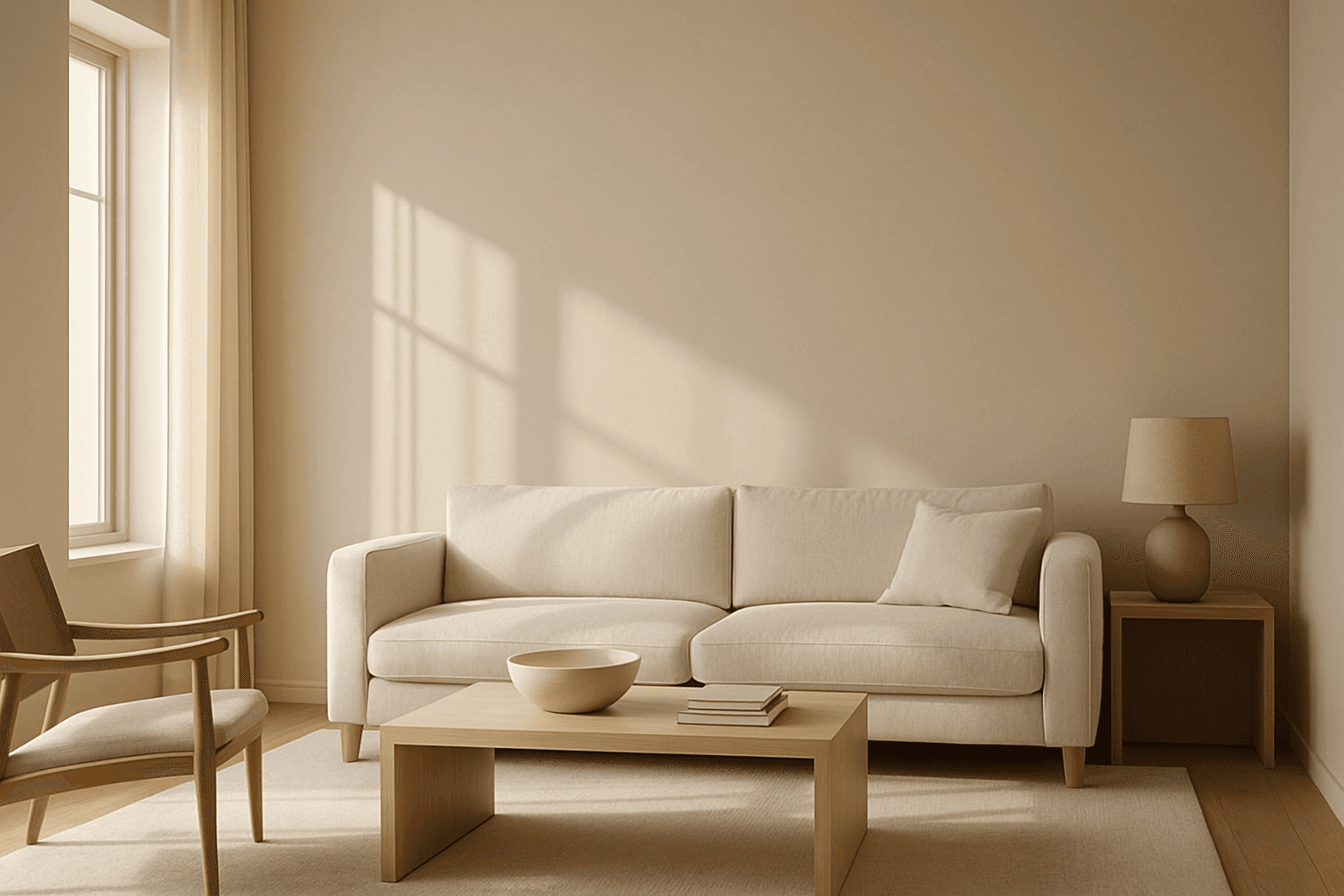
Natural Window Lighting
Natural Window Lighting is a popular lighting technique that mimics the ambient daylight streaming through windows, offering a natural and realistic illumination style in AI-generated images. It emphasizes soft shadows and highlights that define form and texture without harsh contrasts, making scenes appear inviting and warm. This lighting enhances photographic aesthetics, especially for indoor portraits, still lifes, and architectural visualizations, by adding depth and subtle color shifts. Using this keyword in AI prompts guides the image generation to prioritize delicate lighting effects and realistic shadow play reminiscent of early morning or late afternoon light filtering through windowpanes.
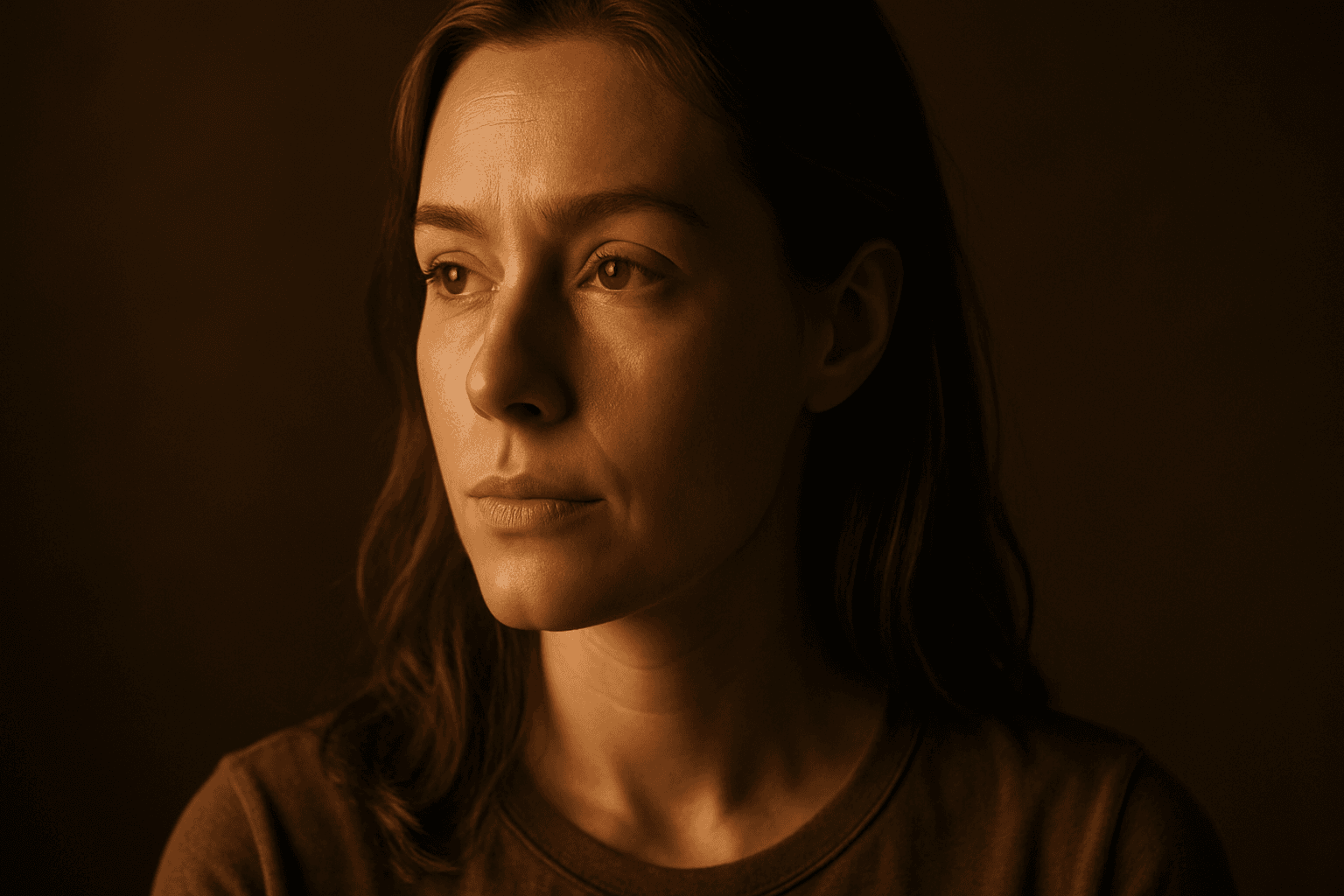
Directional Side Lighting
Directional side lighting is a powerful lighting technique widely used in photography and digital art to add dimensionality and mood. In the context of AI image generation, specifying directional side lighting shapes how the model simulates light interaction with subjects and environments. This lighting style creates pronounced contrasts between illuminated and shaded areas, resulting in images with realistic depth and enhanced visual interest. It is especially effective for emphasizing textures and defining shapes in portraits, still life, architectural renders, and product shots. Using this lighting approach in AI prompts helps generate more polished and professional visuals suitable for editorial and commercial use.
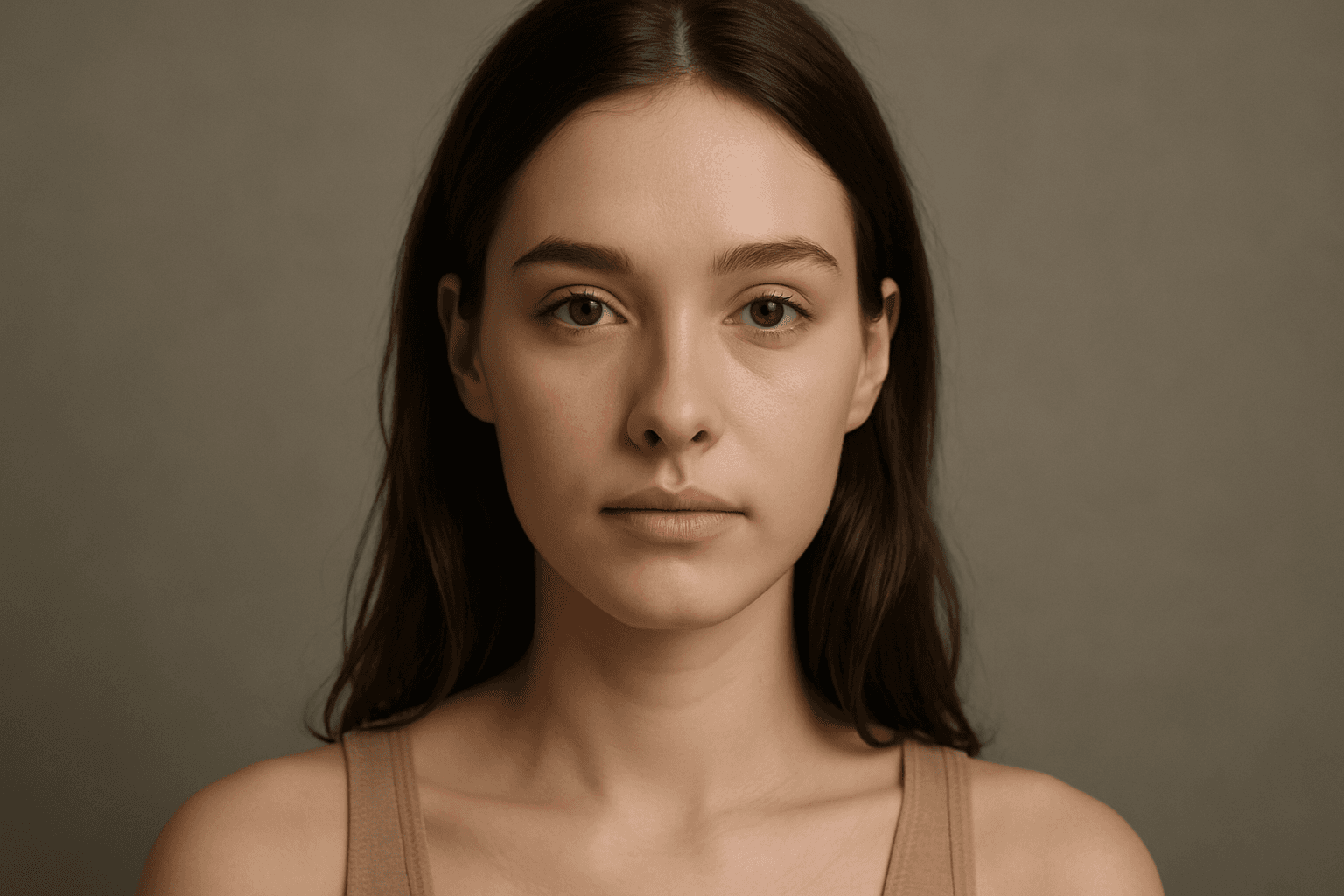
Soft Diffused Lighting
Soft diffused lighting is a popular lighting technique used to create visually appealing images with gentle, even illumination. This lighting style reduces harsh shadows and highlights, producing a smooth transition of light on subjects and backgrounds. In AI-generated imagery, specifying soft diffused lighting helps to evoke a natural, calming mood, making subjects appear more realistic and intricate details visible without stark contrast. It is commonly used in portraiture, product photography, and editorial imagery to deliver a polished, premium look. Leveraging soft diffused lighting enhances an image’s depth and material realism, ensuring a refined and aesthetically balanced output.
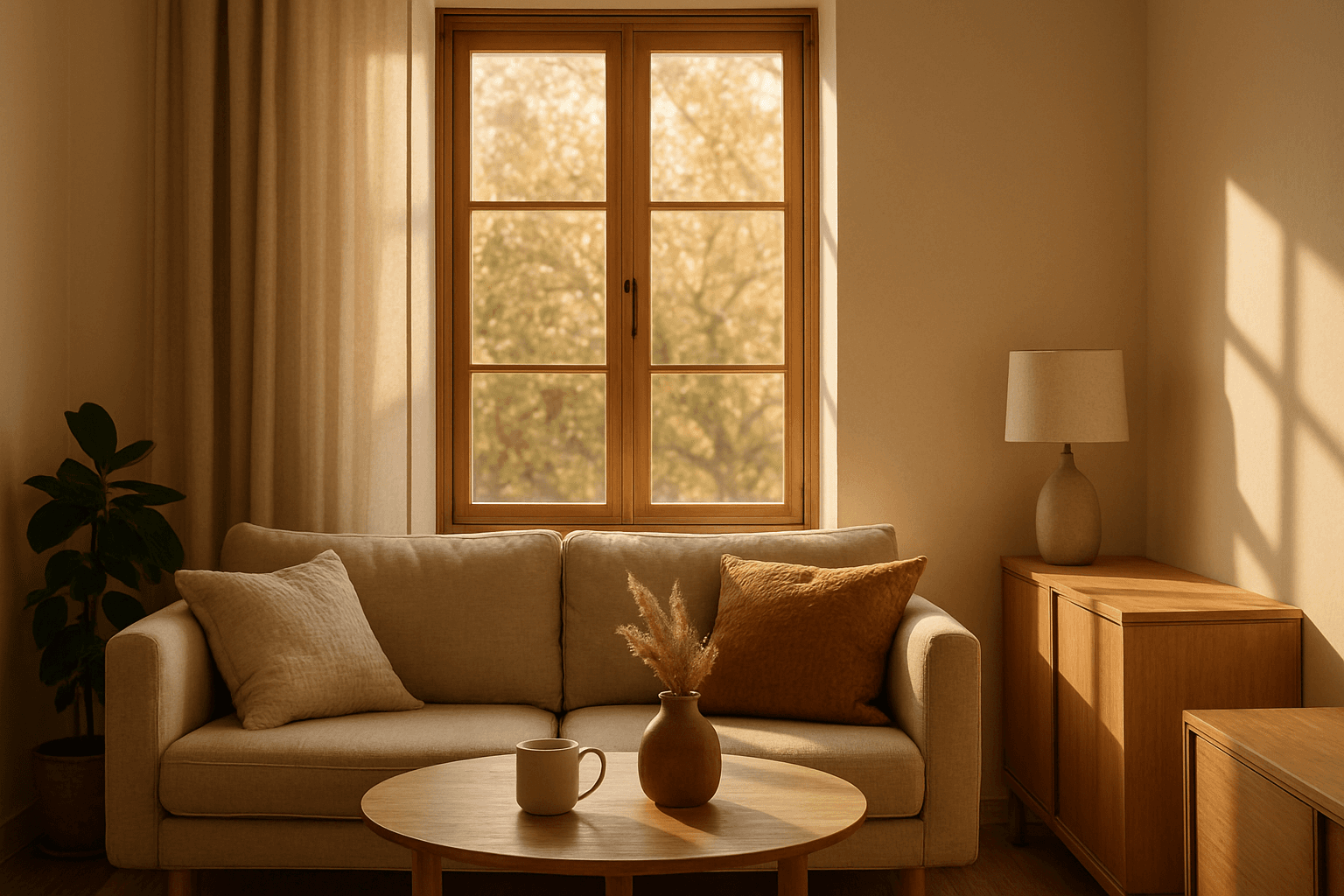
Natural Window Light Usage
Utilizing Natural Window Light in AI-generated images enhances realism by replicating the nuanced qualities of daylight entering an indoor space. This approach creates subtle contrasts between illuminated areas and shadows, adding dimensionality and mood. The lighting often produces warm tones and soft shadows that reveal textures and form delicately, making portraits, still lifes, and interiors appear inviting and authentic. Prompting with this keyword guides AI models to focus on lighting interplay shaped by window light, fostering images that feel naturally composed and comfortable.

Natural Window Light Quality
Natural window light quality is a sought-after lighting effect in photography and digital art, providing an authentic and warm ambiance to images. This type of lighting emulates sunlight entering through a window, often resulting in soft shadows and delicate contrast that highlight textures and materials naturally. In AI image generation, using this lighting quality can transform compositions to appear more lifelike and emotionally engaging, enhancing the mood without harsh artificial lighting. It's ideal for editorial, lifestyle, and interior imagery where realism and a comfortable atmosphere are essential.