Practical Lighting
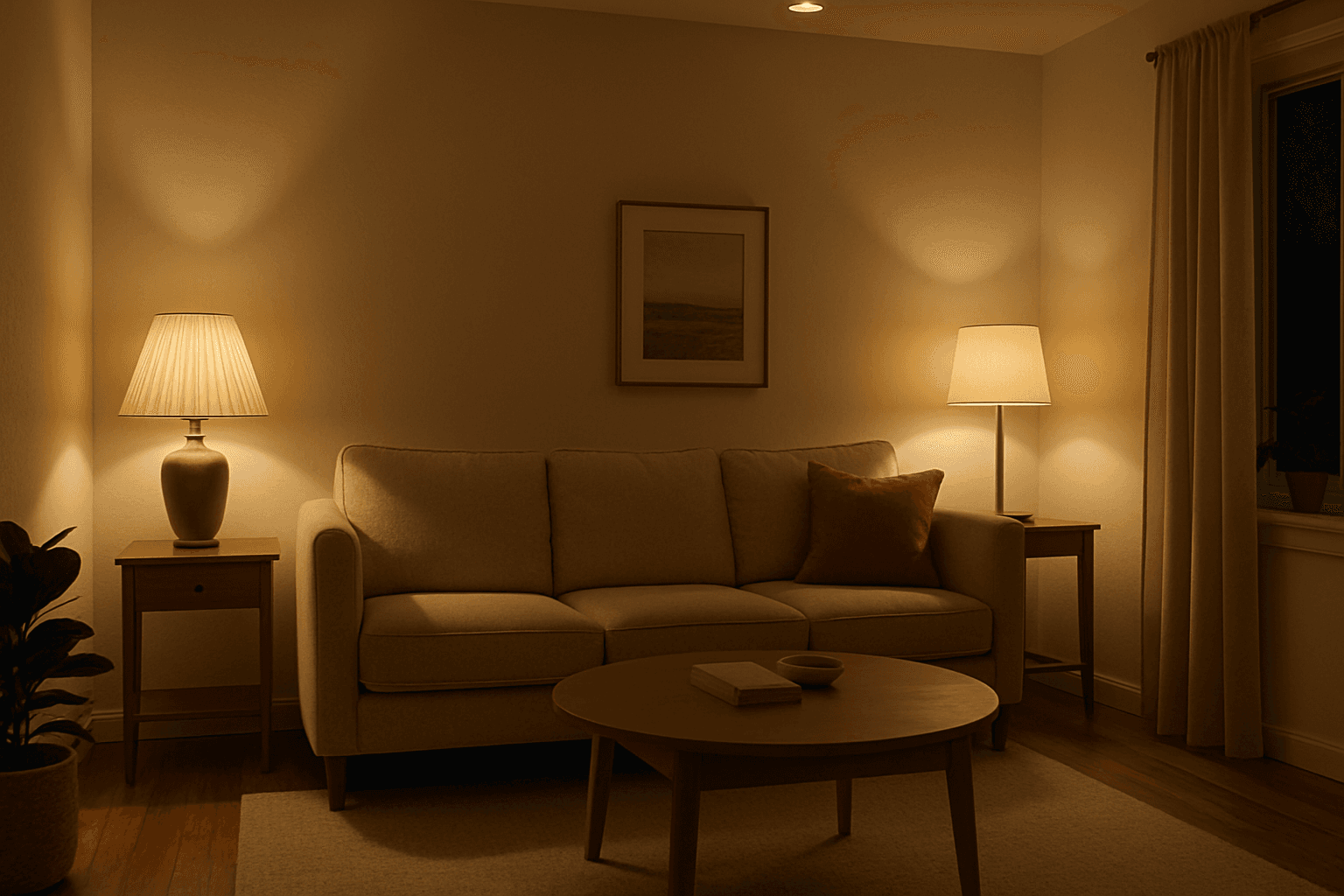
Practical lighting is a fundamental concept in photography, cinematography, and digital art where the light source is part of the scene itself. Unlike external or off-camera lighting, practical lights are tangible fixtures within the visual frame, such as table lamps, street lamps, or neon signs. These lights serve to naturally illuminate subjects and spaces, contributing to the ambiance and realism of the scene. In AI-generated imagery, utilizing practical lighting enhances authenticity and adds depth by mimicking natural illumination behaviors. This technique is essential for creating immersive environments with believable light and shadow interplay, making it a favorite among artists and visual storytellers.
Definition
Practical lighting refers to light sources that are visible within a scene and realistically illuminate the subjects or environment. These lights typically come from everyday fixtures like lamps, candles, or screens, integrating naturally into a composition to enhance depth and mood.
Visual Characteristics
- Visible light fixtures like lamps or bulbs
- Warm, natural light tones
- Shadows and highlights that follow light source direction
Best Use Cases
- Interior design visualizations showcasing ambient lighting
- Portrait photography emphasizing natural light sources like lamps
- Film and animation scenes requiring authentic mood lighting
Prompt Examples
- A cozy living room lit by warm practical table lamps casting soft shadows
- Modern office space with visible ceiling lights illuminating the workspace realistically
- Night street scene featuring neon signs and street lamps providing practical lighting
Adobe Stock Potential
Practical lighting images have strong commercial potential on platforms like Adobe Stock because they depict everyday lighting scenarios that are highly relatable and widely applicable. Such visuals can be licensed for use in advertising, editorial content, product mockups, and digital storytelling. The natural feel of practical lighting enhances the authenticity and emotional appeal of stock photos, making them attractive to interior designers, marketers, filmmakers, and content creators seeking versatile and realistic imagery. High-quality images showcasing practical lighting with clean composition and subtle depth stand out in premium stock libraries.
FAQ
What is the difference between practical lighting and ambient lighting?
Practical lighting refers to visible, physical light sources within a scene like lamps or candles, while ambient lighting is the overall light present, often diffused and not tied to a specific source.
How does practical lighting affect the mood of an image?
Practical lighting influences mood by controlling light intensity, warmth, and direction, creating atmospheres that can feel cozy, dramatic, intimate, or energetic depending on the source and placement.
Can practical lighting be used in outdoor scenes?
Yes, practical lighting can be used outdoors with visible light fixtures like street lamps, lanterns, or neon signs that realistically illuminate the environment.
Continue Exploring
Related Prompts
Cinematic Lighting
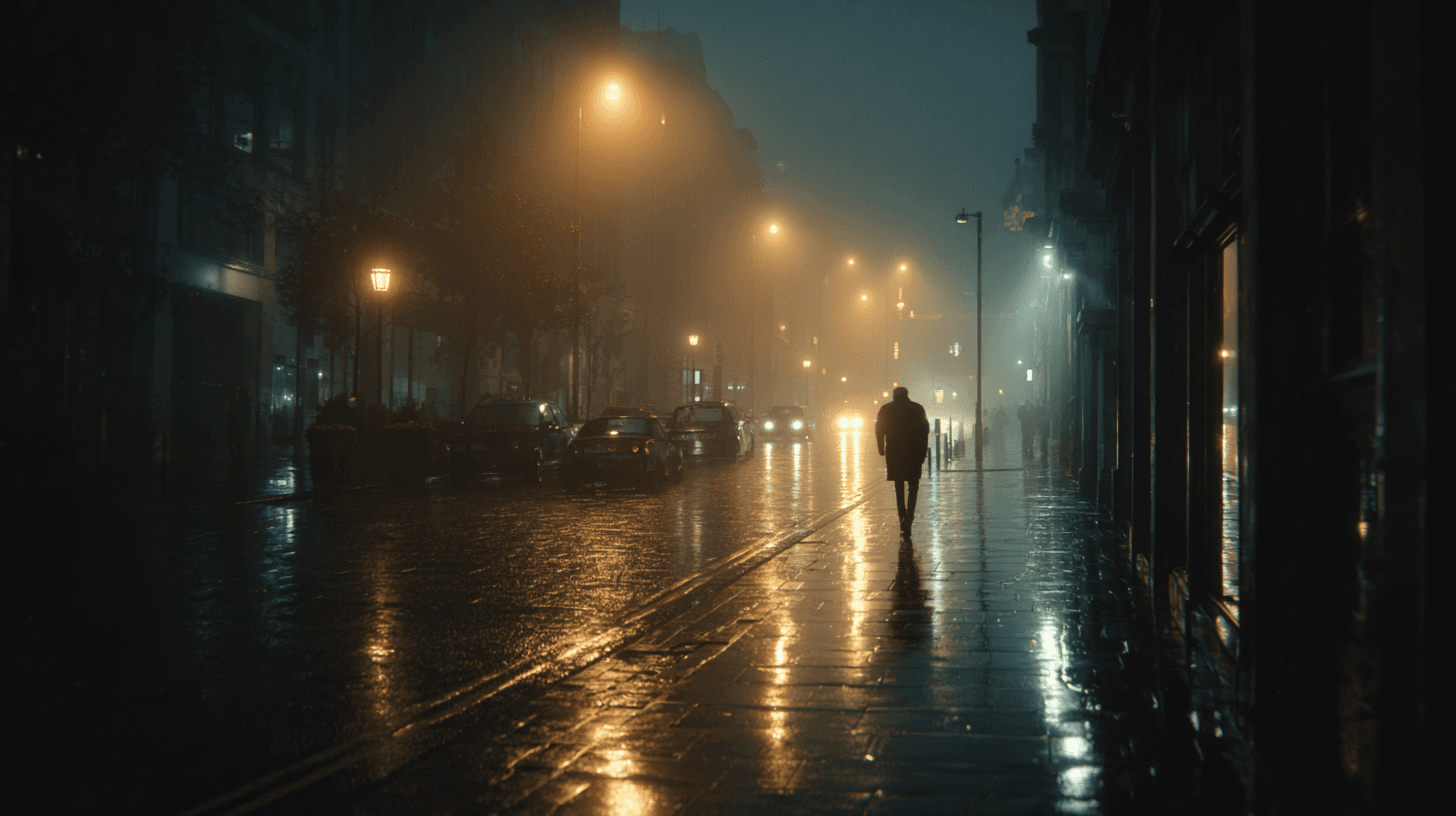
Cinematic Lighting is one of the most useful prompt keywords for making AI-generated images feel intentional, polished, and story-driven. Instead of asking for a flat, evenly lit image, this keyword signals that the scene should feel as if it was lit for a film, commercial, or high-end editorial shoot. The result often includes stronger direction in the light source, more purposeful shadows, richer contrast, and a clearer sense of atmosphere. For beginners, it is a reliable way to move an image away from a generic render and toward something that feels composed, dramatic, and visually memorable.
Mixed Lighting Techniques
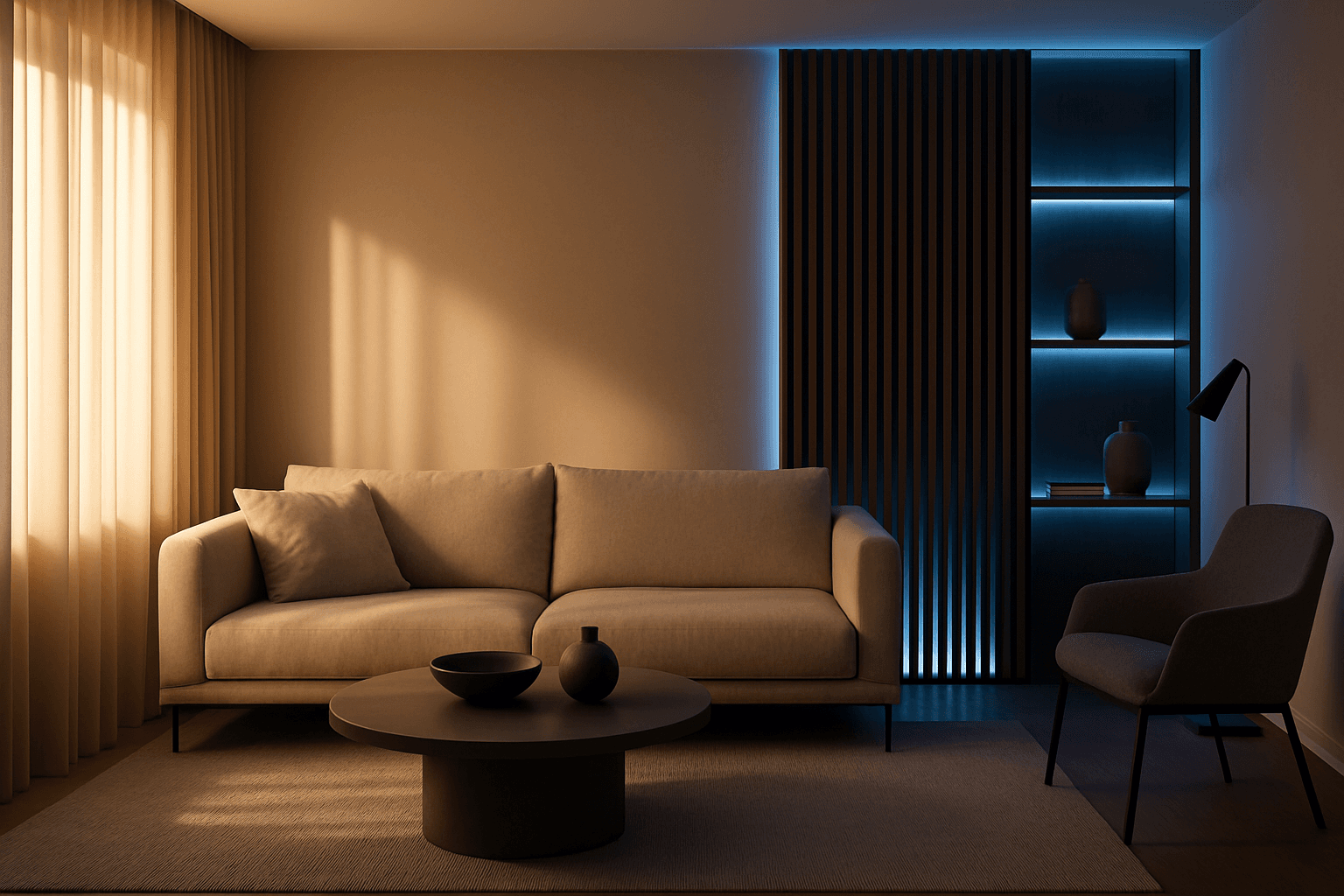
Mixed Lighting Techniques unlock the power to simulate complex lighting scenarios within AI-generated images. By combining different light sources such as natural daylight, artificial lamps, or neon colors, images gain realism and depth. This method helps depict scenes that feel more authentic and visually compelling, including indoor environments with sunlight filtering through windows alongside artificial lights or street scenes with ambient evening light and colored neon. Using mixed lighting effectively elevates the quality and storytelling potential of AI-generated visuals, making them suitable for high-end editorial work, advertising, and artistic compositions.
Noir Lighting
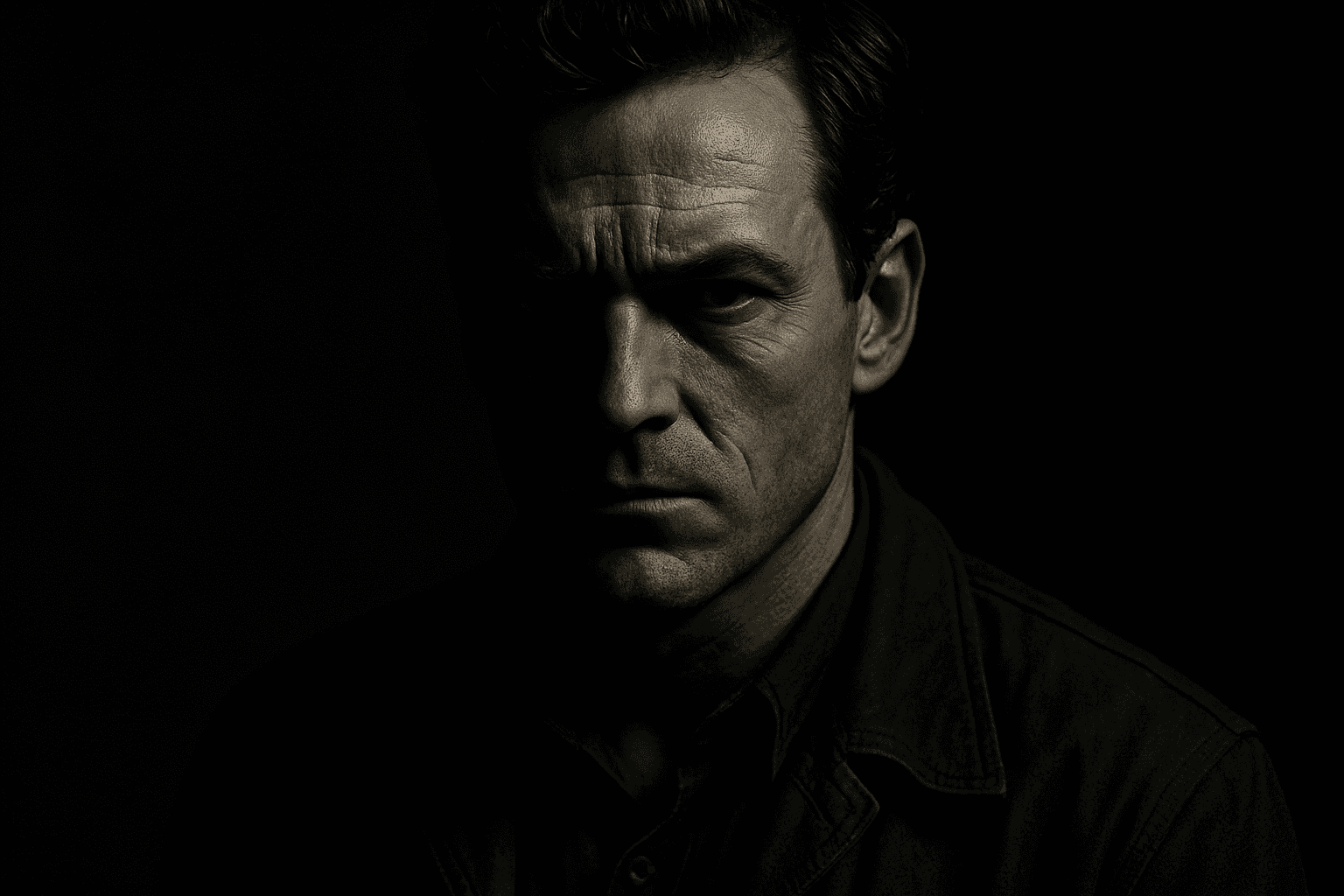
Noir Lighting is a powerful style used to convey mystery, suspense, or classic elegance by playing with deep shadows and stark light contrasts. Originating from the mid-20th century film noir genre, this lighting style uses minimal light sources to cast dramatic shadows, emphasizing shapes and contours. It evokes an intense mood while often simplifying the visual elements, focusing the viewer's attention on specific parts of the composition. Noir Lighting is versatile, used in photography, film, and digital art to add emotional depth and a cinematic feel. Artists and photographers employ it to create visually compelling images that engage the audience with their enigmatic atmosphere.
High Dynamic Range Lighting
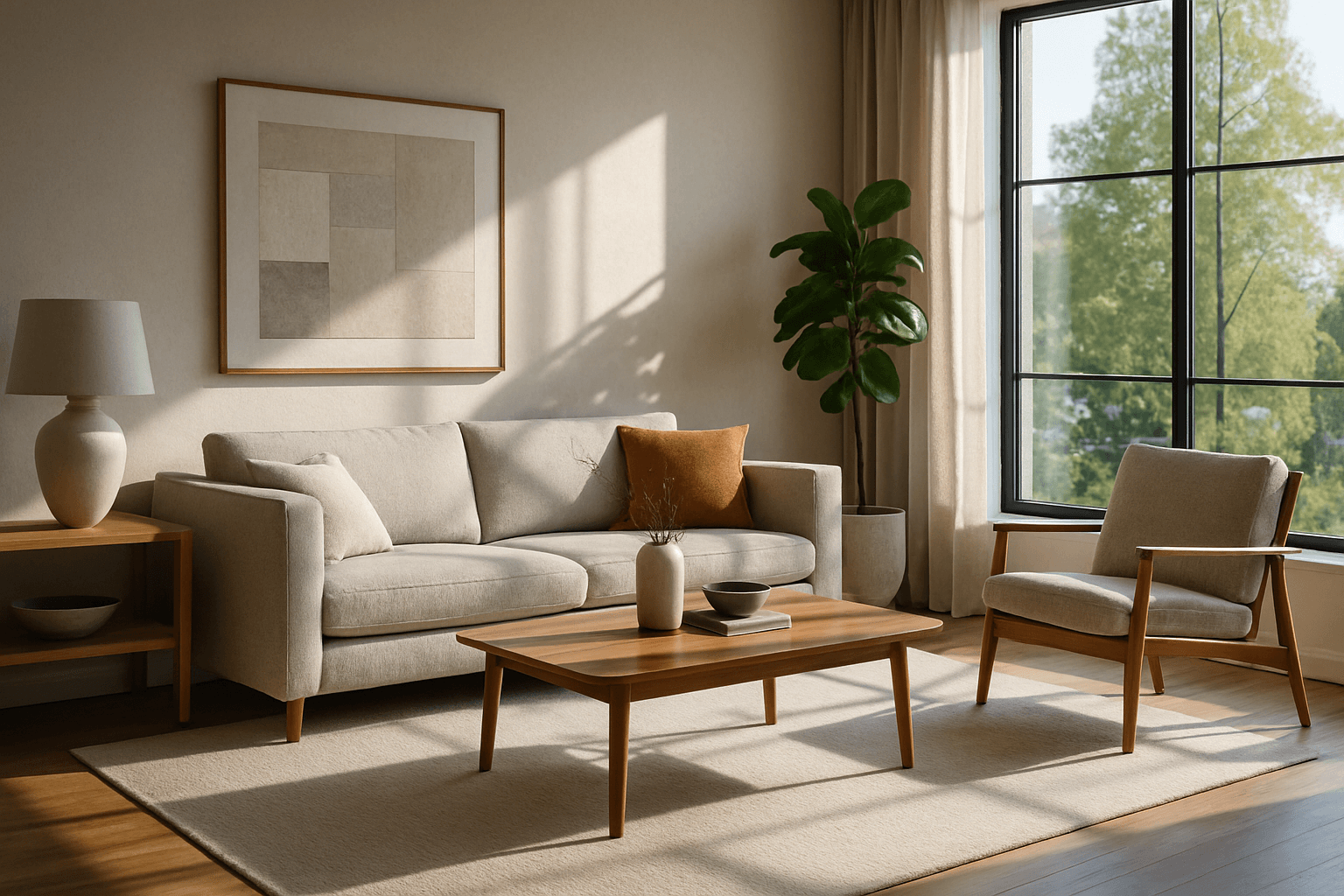
High Dynamic Range Lighting (HDR Lighting) elevates AI-generated images by mimicking the natural spectrum of light intensity present in real-world environments. This lighting style captures a broad range of brightness, preserving details in both shadows and highlights that might otherwise be lost. When integrated into AI prompts, HDR Lighting contributes to images that feel more immersive, dramatic, and visually striking. It is especially beneficial for scenes involving complex lighting situations like sunsets, indoor interiors with windows, or reflective surfaces. Artists and creators looking to create premium-quality renderings with photorealistic depth often rely on HDR Lighting to add a compelling sense of realism and sophistication to their work.
Directional Top Lighting
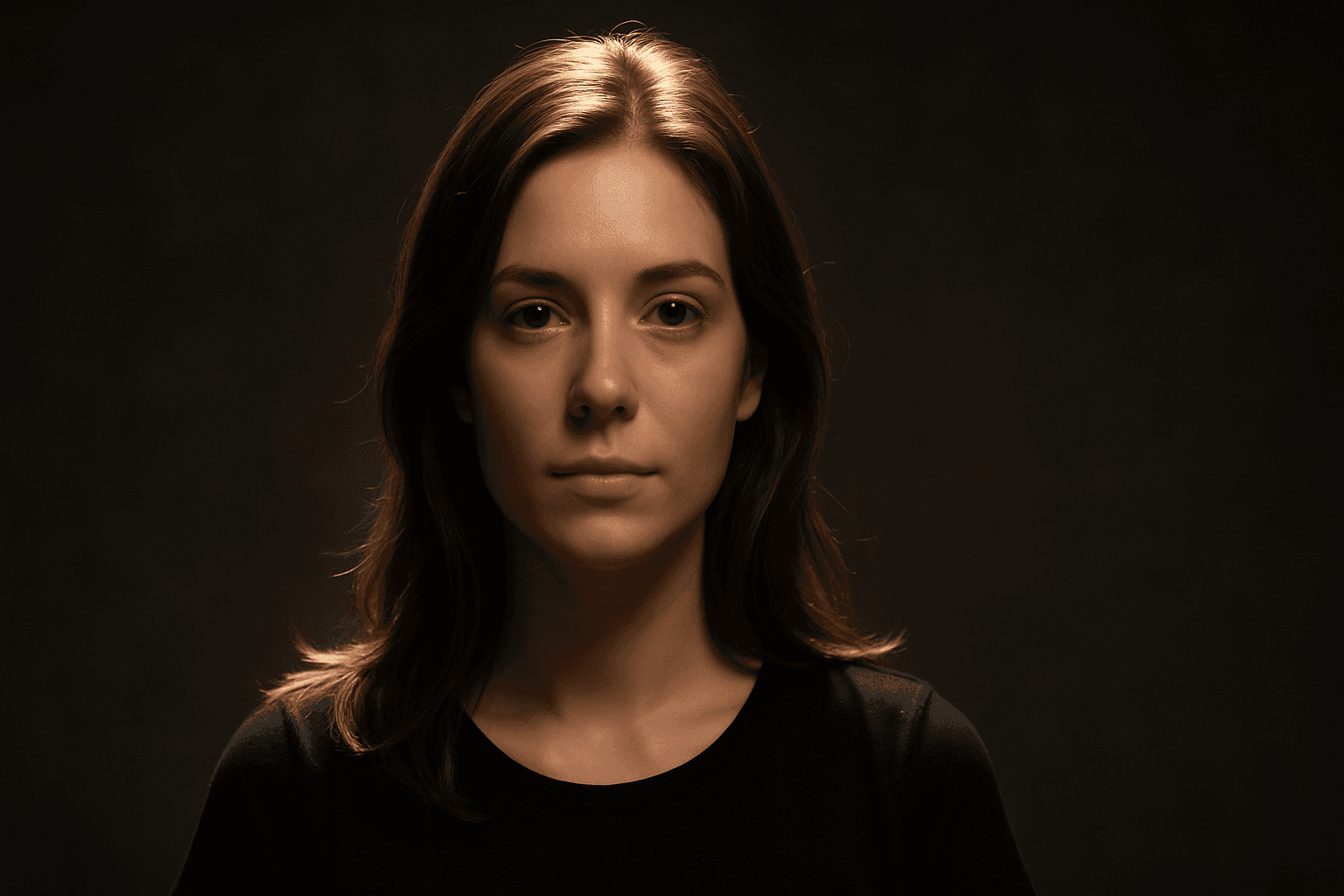
Directional Top Lighting is a technique widely used to simulate natural or artificial light coming directly from above a subject. In AI image generation, specifying this lighting style helps create images with realistic shading and depth, highlighting the textures and contours of objects or scenes from a top-down perspective. This lighting direction mimics sunlight at midday or overhead indoor fixtures, producing crisp shadows and well-defined highlights. It is especially effective for portraits, still life, architectural visuals, and product photography, enhancing the spatial perception and visual appeal of the subject within the composition.
Underexposed Mood Lighting
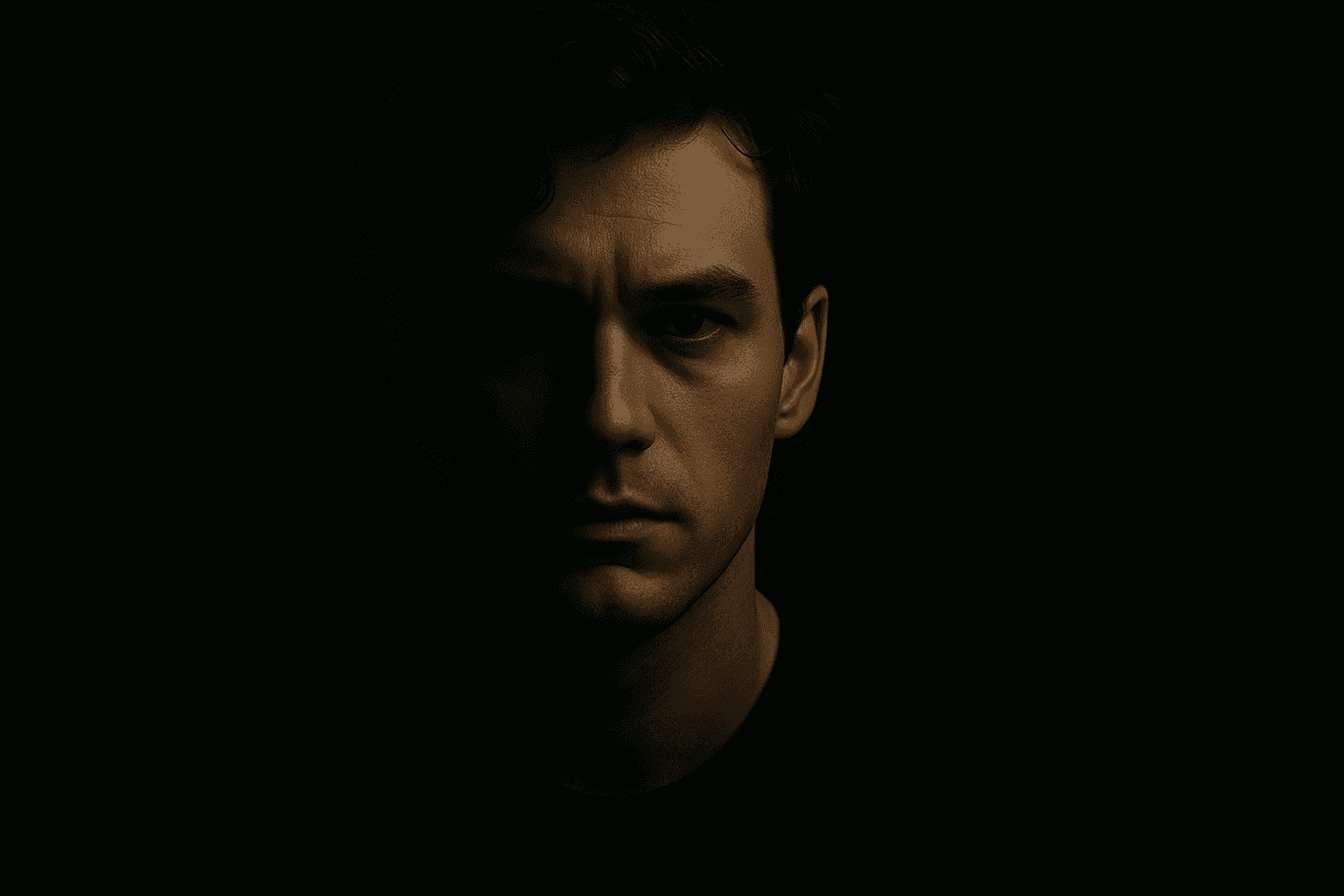
Underexposed mood lighting is a creative lighting technique used in AI-generated images to evoke atmosphere through reduced exposure and enhanced shadows. By controlling brightness and contrast, it crafts visually compelling scenes that feel intimate, mysterious, or cinematic. In AI prompts, this concept helps guide models toward dimmer settings where textures and shapes are subtly revealed without harsh lighting, often highlighting emotional depth or storytelling elements. Professionals leverage underexposed lighting to produce moody portraits, dramatic environments, or evocative still lifes, making it essential for users aiming to add artistic depth and ambience to their digital creations.