Underexposed Mood Lighting
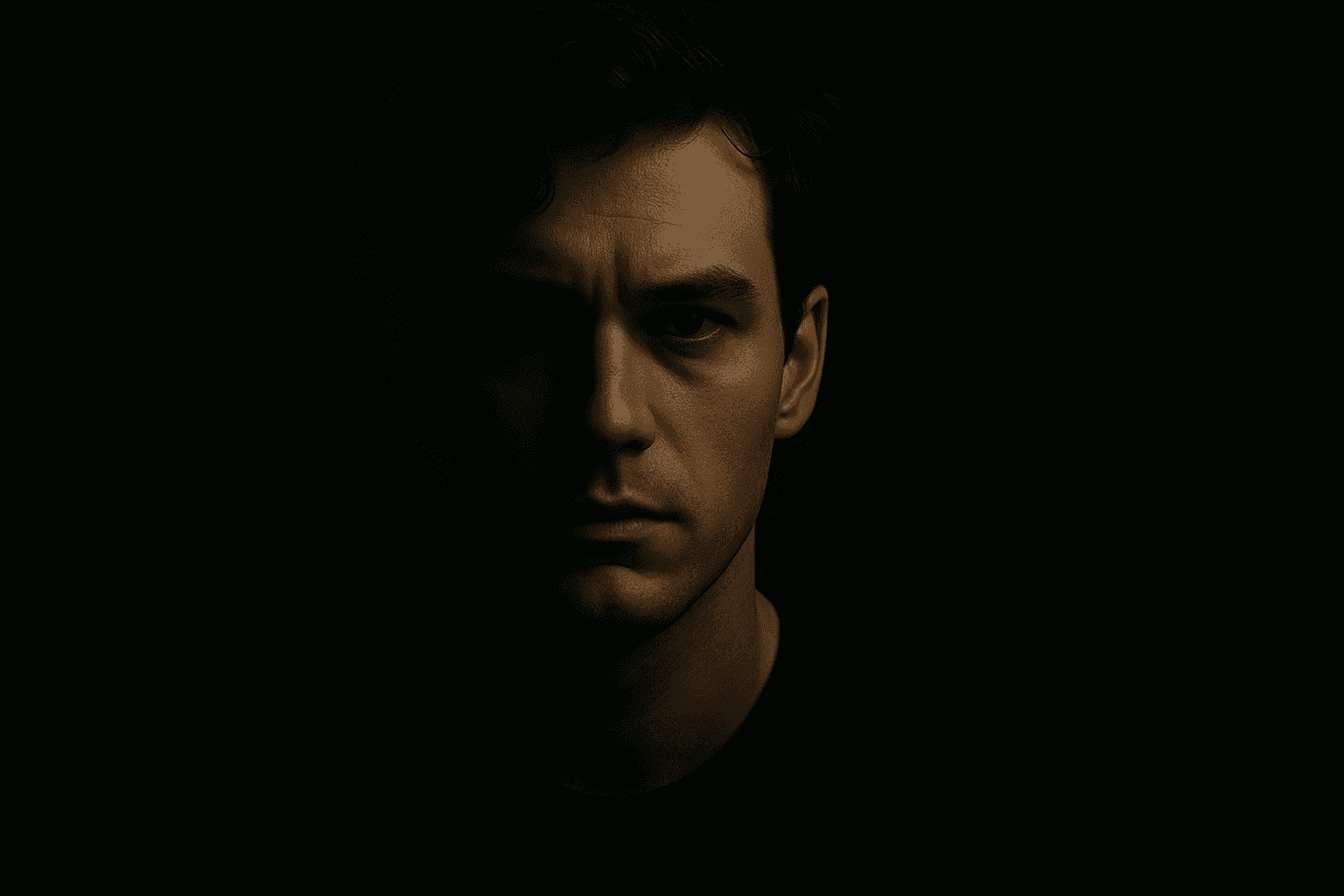
Underexposed mood lighting is a creative lighting technique used in AI-generated images to evoke atmosphere through reduced exposure and enhanced shadows. By controlling brightness and contrast, it crafts visually compelling scenes that feel intimate, mysterious, or cinematic. In AI prompts, this concept helps guide models toward dimmer settings where textures and shapes are subtly revealed without harsh lighting, often highlighting emotional depth or storytelling elements. Professionals leverage underexposed lighting to produce moody portraits, dramatic environments, or evocative still lifes, making it essential for users aiming to add artistic depth and ambience to their digital creations.
Definition
Underexposed mood lighting means purposefully lowering the exposure in AI image generation to create dark, shadow-rich scenes that feel atmospheric and cinematic. This keyword steers the AI to produce images with minimal lighting, deep shadows, and an intimate ambiance, perfect for evoking emotion over brightness.
Prompt Formula
Use these reusable patterns to craft prompts with underexposed mood lighting: - Subject + 'underexposed mood lighting' + desired ambiance (e.g., 'moody', 'cinematic') - Scene description + 'low exposure' + 'deep shadows' + 'soft highlights' - Lighting focus + 'underexposed' + style or era (e.g., 'noir', 'vintage')
- [Subject] with underexposed mood lighting, cinematic atmosphere
- [Scene] in low exposure, deep shadows, soft highlights
- [Subject] illuminated by underexposed lighting, vintage noir style
Best Use Cases
- Emotive portraits emphasizing facial shadows and expression
- Dark interior scenes with subtle, atmospheric lighting
- Nighttime or twilight landscapes with deep contrast and texture
Professional Workflow
A concise workflow for using underexposed mood lighting in AI images includes: 1. Brief: Define the mood and lighting style using precise descriptors including the keyword. 2. Generate: Run multiple prompt variations combining subject and lighting cues. 3. Select: Choose images highlighting balanced shadow depth without losing detail. 4. Refine: Adjust exposure, contrast or add subtle color grading post-generation to enhance mood.
Related Styles
- Low key lighting
- Cinematic lighting
- Dramatic shadow play
Model-Specific Tips
To effectively incorporate underexposed mood lighting across various AI engines: - Emphasize lighting conditions rather than numeric exposure values. - Combine with mood-related adjectives (e.g., "moody", "cinematic") to guide atmosphere. - Avoid conflicting bright-light descriptors to maintain intended darkness. - Use consistent phraseology to ensure reliable output across models.
FAQ
How does underexposed mood lighting affect image details?
It enhances shadows and reduces overall brightness, which can obscure some details but emphasizes mood and depth. Balancing contrast carefully ensures important elements remain visible while maintaining atmosphere.
Can underexposed mood lighting be combined with color grading?
Yes, pairing underexposed lighting with subtle color grading can enrich mood, adding warmth, coolness, or cinematic tinting to further evoke specific emotions.
Continue Exploring
Related Prompts
Low Key Lighting
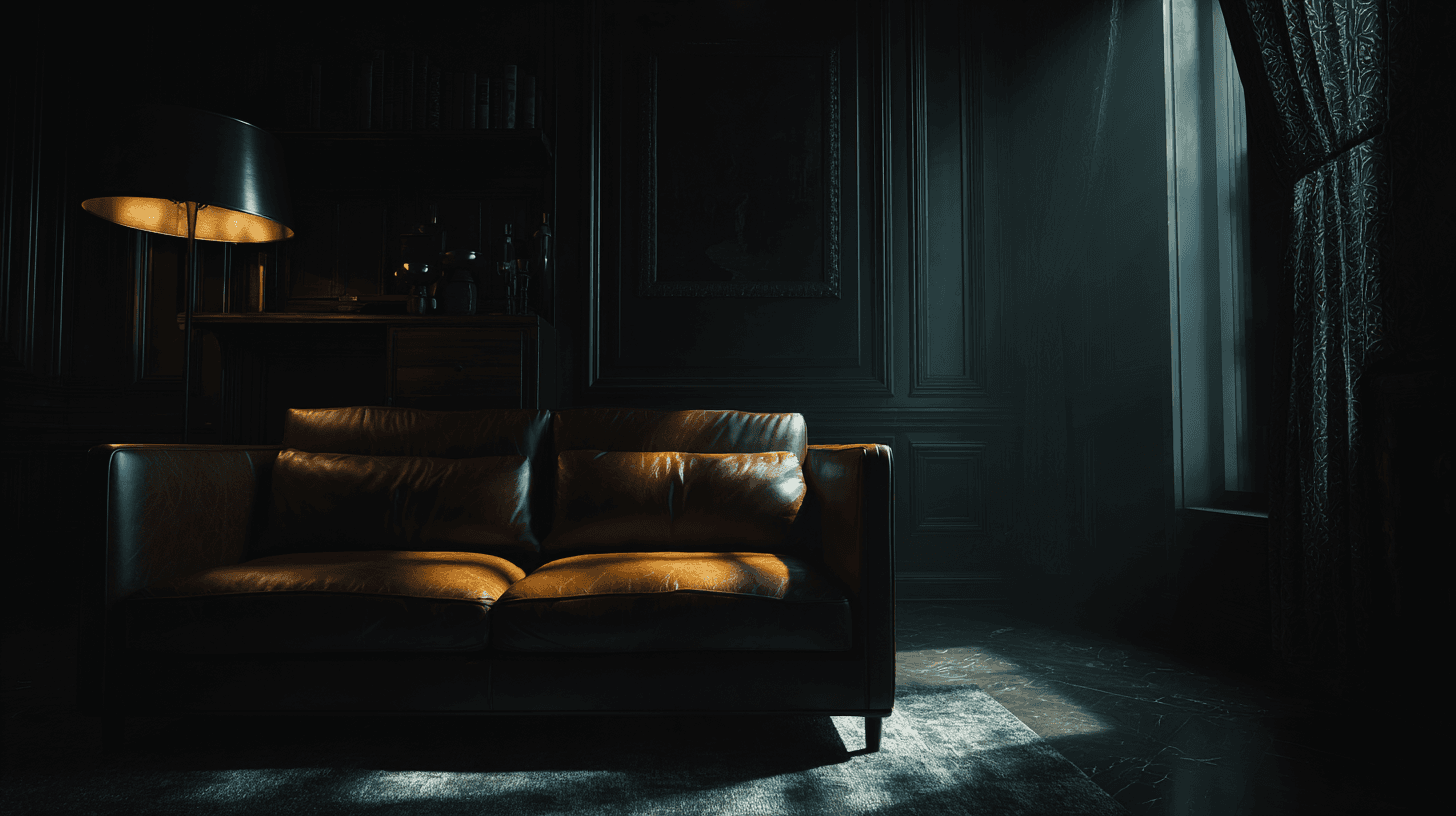
Low Key Lighting is a lighting style built around darkness, contrast, and selective illumination. In AI image prompts, it usually creates images with deep shadows, darker backgrounds, and a small amount of focused light on the subject. The result can feel dramatic, mysterious, premium, serious, or cinematic. Low Key Lighting is often used in luxury product photography, film posters, athletic portraits, music visuals, and editorial images. For beginners, it is a useful keyword when you want more mood and depth, but it needs a clear subject so the image does not become too dark to read.
Cinematic Lighting
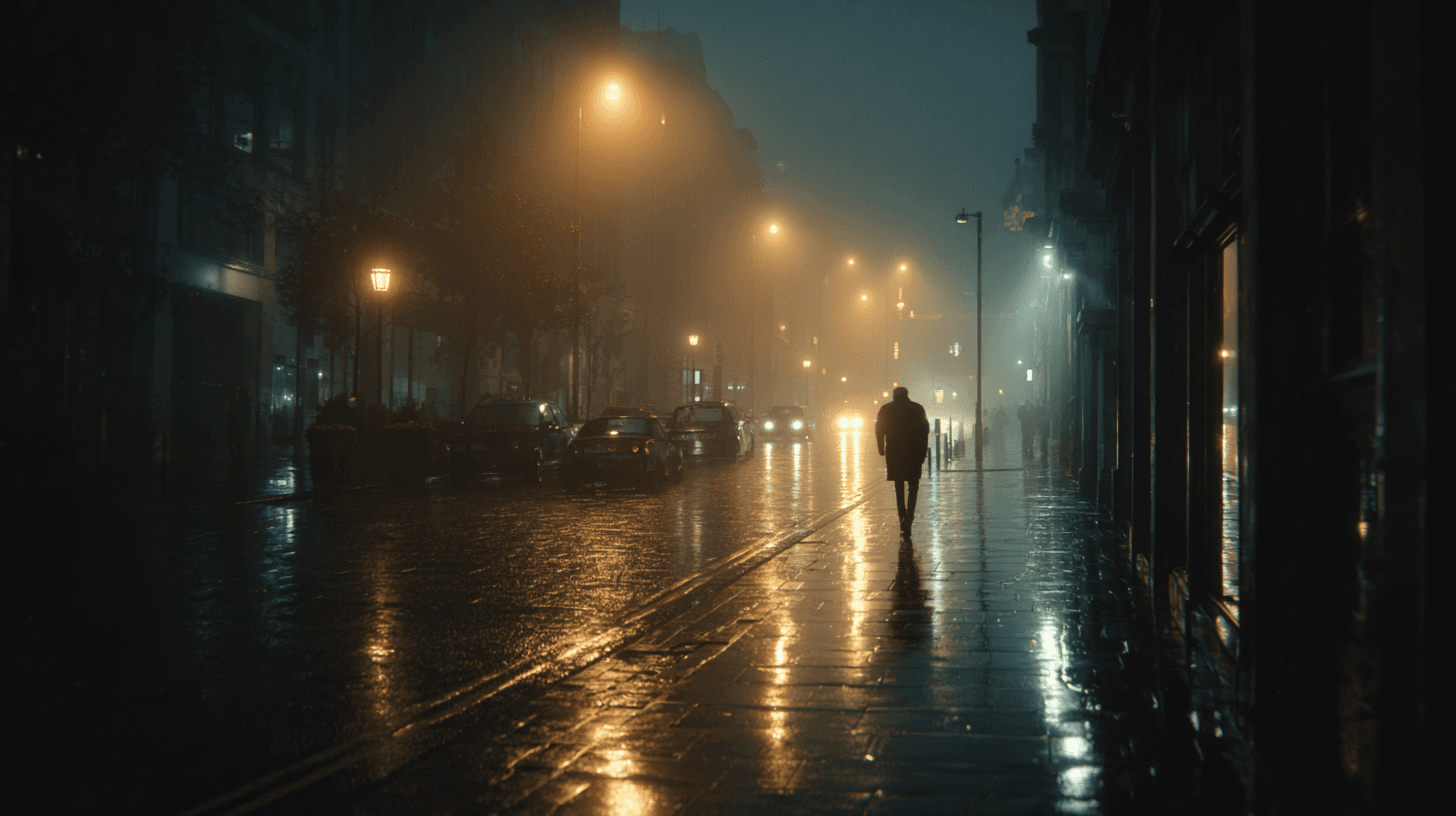
Cinematic Lighting is one of the most useful prompt keywords for making AI-generated images feel intentional, polished, and story-driven. Instead of asking for a flat, evenly lit image, this keyword signals that the scene should feel as if it was lit for a film, commercial, or high-end editorial shoot. The result often includes stronger direction in the light source, more purposeful shadows, richer contrast, and a clearer sense of atmosphere. For beginners, it is a reliable way to move an image away from a generic render and toward something that feels composed, dramatic, and visually memorable.
Moody Lighting
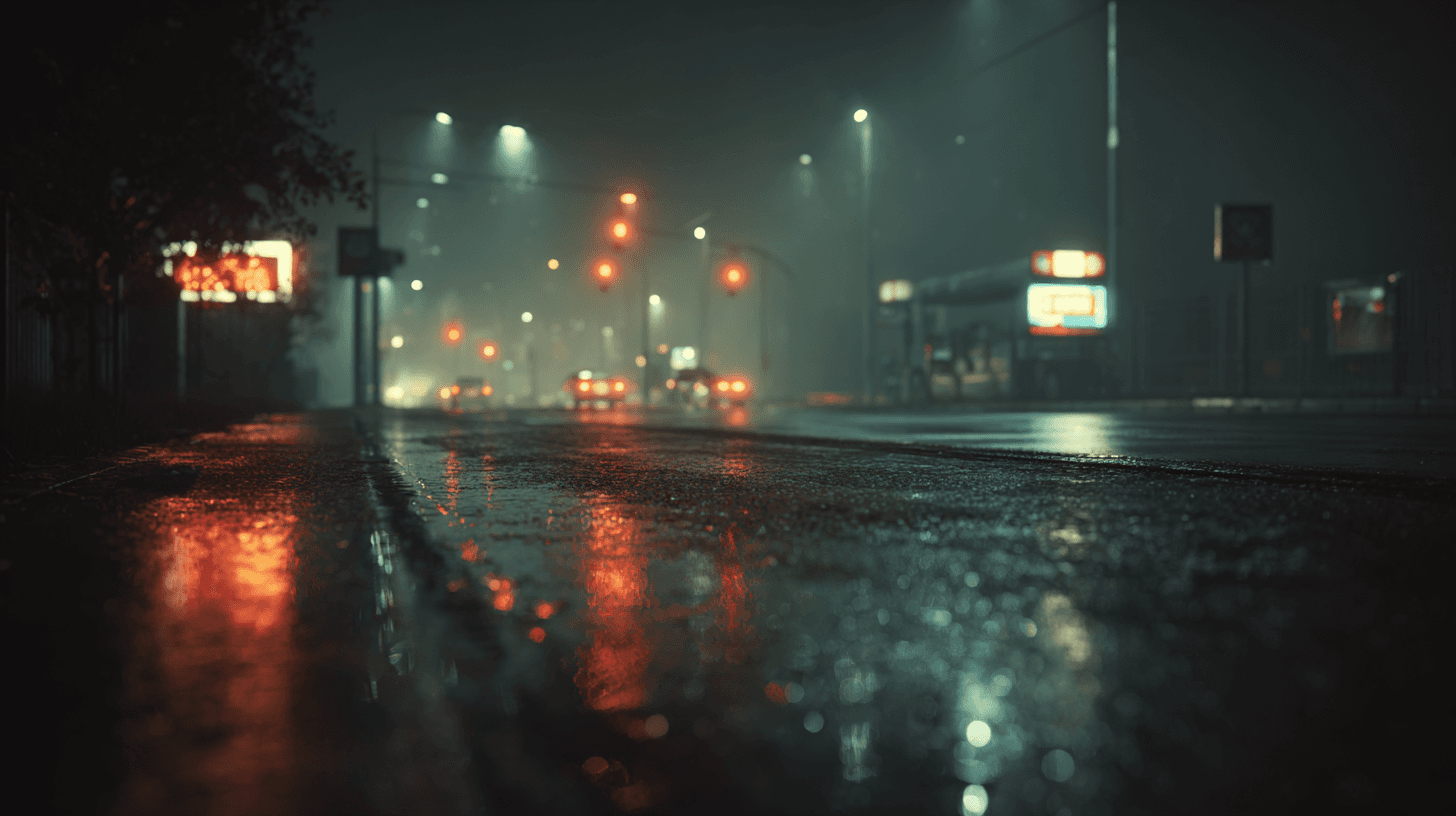
Moody Lighting is a prompt keyword for images with atmosphere, emotional depth, and a more restrained lighting style. It often includes darker tones, directional light, muted colors, and visible shadow areas, but it does not have to be as dark as Low Key Lighting. In AI image generation, Moody Lighting is useful when you want a scene to feel thoughtful, cinematic, intimate, elegant, or mysterious. It is common in editorial portraits, luxury interiors, coffee shop scenes, rainy windows, fashion campaigns, and premium product photography. Beginners can use it to add feeling and story to otherwise plain images.
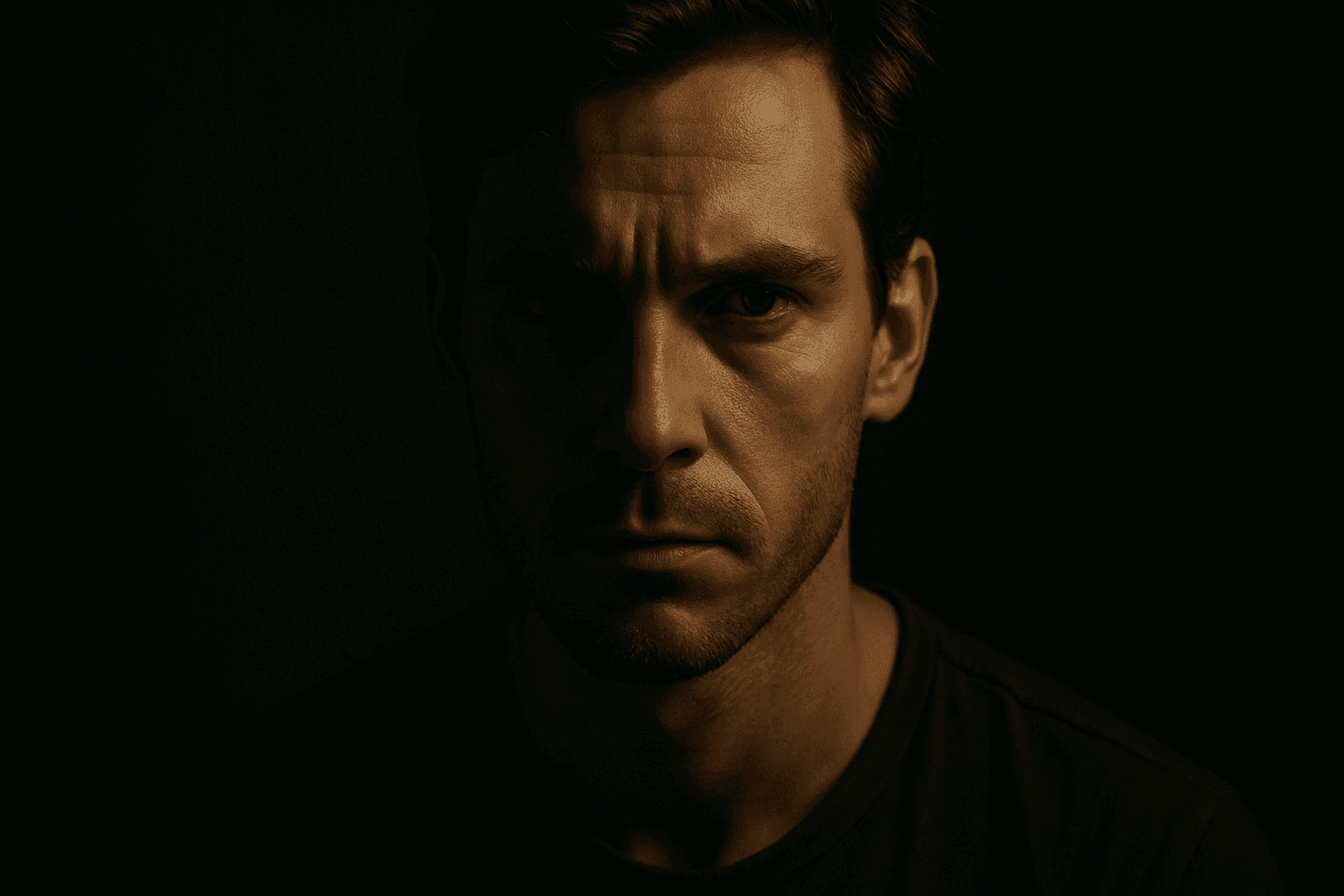
Chiaroscuro Lighting
Chiaroscuro lighting is a powerful artistic method used to create striking contrasts between illuminated and shadowed regions within an image. This approach originated in 16th-century painting and remains popular in photography and digital art to evoke drama and emphasize form. In AI-generated imagery, the chiaroscuro effect guides models to produce compositions rich in depth and texture, often with a single directional light source casting pronounced shadows. This lighting style is ideal for portraits, still lifes, and narrative scenes where mood and visual impact are priorities. Understanding chiaroscuro expands an artist's toolkit, enabling controlled manipulation of light to transform flat images into compelling visual stories.
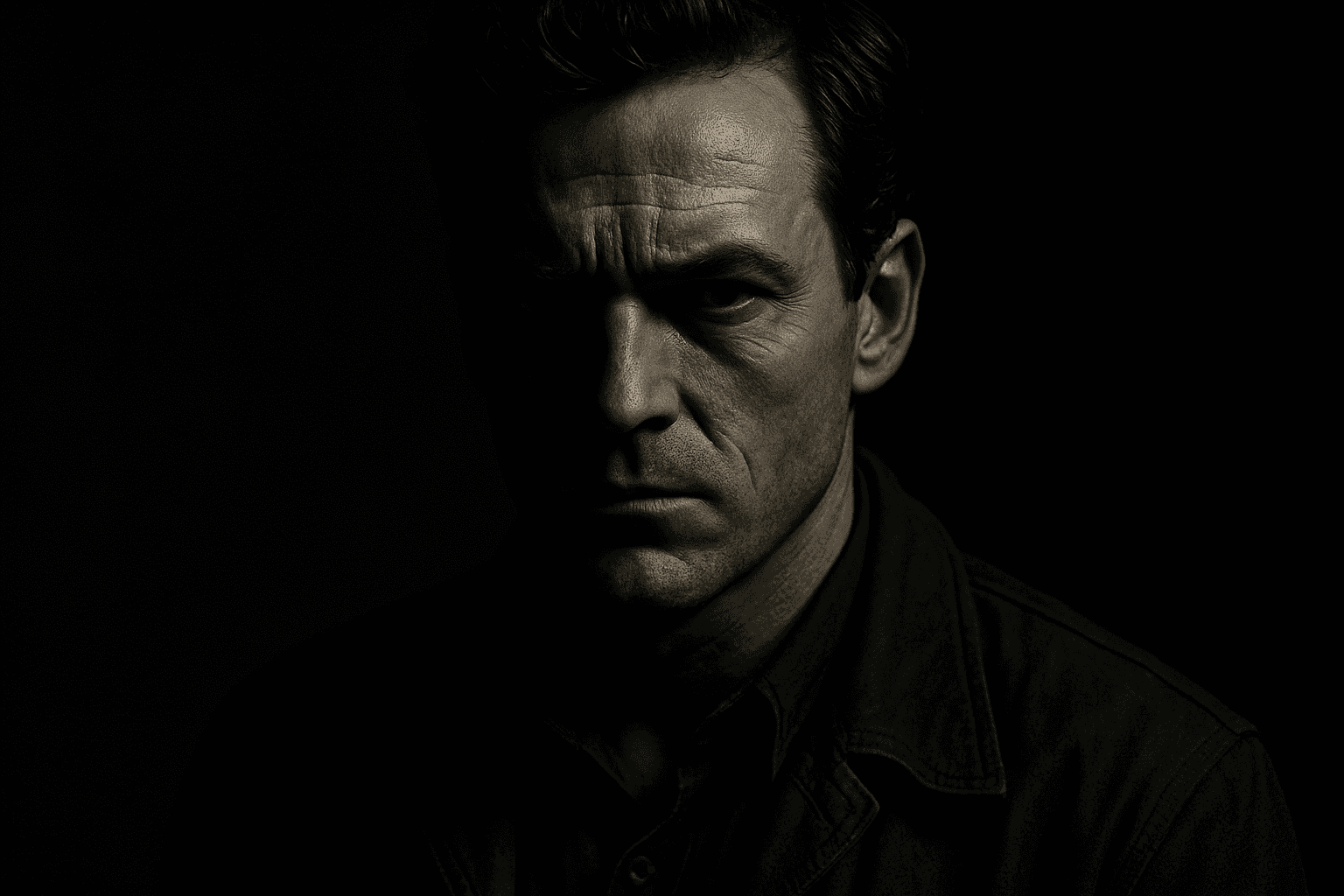
Noir Lighting
Noir Lighting is a powerful style used to convey mystery, suspense, or classic elegance by playing with deep shadows and stark light contrasts. Originating from the mid-20th century film noir genre, this lighting style uses minimal light sources to cast dramatic shadows, emphasizing shapes and contours. It evokes an intense mood while often simplifying the visual elements, focusing the viewer's attention on specific parts of the composition. Noir Lighting is versatile, used in photography, film, and digital art to add emotional depth and a cinematic feel. Artists and photographers employ it to create visually compelling images that engage the audience with their enigmatic atmosphere.
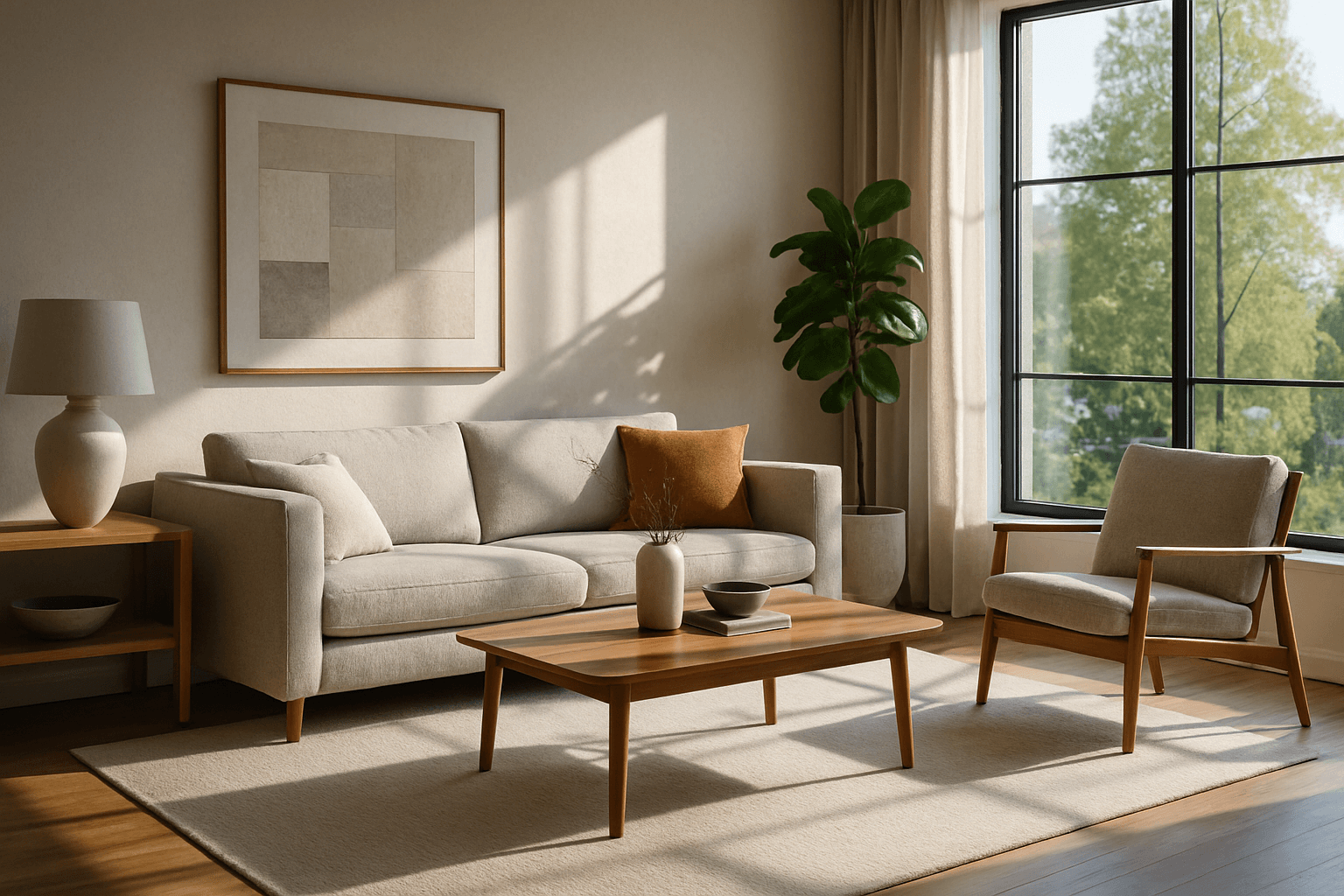
High Dynamic Range Lighting
High Dynamic Range Lighting (HDR Lighting) elevates AI-generated images by mimicking the natural spectrum of light intensity present in real-world environments. This lighting style captures a broad range of brightness, preserving details in both shadows and highlights that might otherwise be lost. When integrated into AI prompts, HDR Lighting contributes to images that feel more immersive, dramatic, and visually striking. It is especially beneficial for scenes involving complex lighting situations like sunsets, indoor interiors with windows, or reflective surfaces. Artists and creators looking to create premium-quality renderings with photorealistic depth often rely on HDR Lighting to add a compelling sense of realism and sophistication to their work.