Mixed Lighting Techniques
Mixed Lighting Techniques unlock the power to simulate complex lighting scenarios within AI-generated images. By combining different light sources such as natural daylight, artificial lamps, or neon colors, images gain realism and depth. This method helps depict scenes that feel more authentic and visually compelling, including indoor environments with sunlight filtering through windows alongside artificial lights or street scenes with ambient evening light and colored neon. Using mixed lighting effectively elevates the quality and storytelling potential of AI-generated visuals, making them suitable for high-end editorial work, advertising, and artistic compositions.
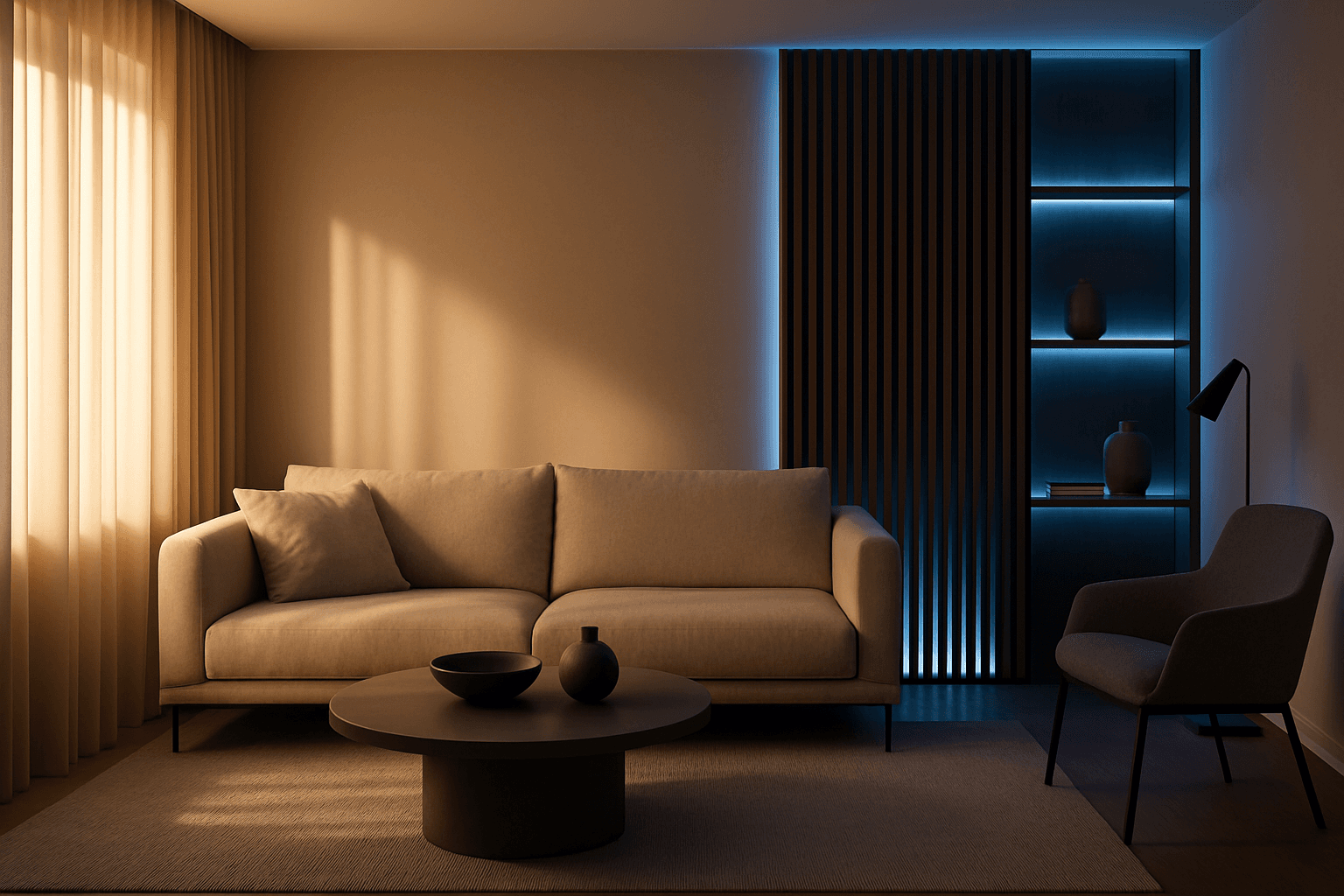
Definition
Mixed Lighting Techniques involve using multiple lighting setups or sources in one image prompt to create natural and varied illumination. This approach guides AI to render scenes with a complex blend of lights, such as daylight mixed with artificial lamps or warm and cool tones, boosting realism and atmosphere.
Prompt Formula
Use clear phrases that specify multiple light sources, their color temperatures, and directions to instruct mixed lighting. Combine keywords describing the types and qualities of each light to produce balanced effects.
- "mixed lighting techniques"
- "warm sunlight with cool LED lights"
- "ambient daylight combined with artificial indoor lamps"
- "soft shadows and dynamic highlights"
- "contrast between warm and cool tones"
Best Use Cases
- Interior scenes capturing natural and artificial light blending for cozy and inviting atmosphere
- Portrait photography with directional warm key light plus cool fill lighting for depth and mood
- Night urban environments illuminated by mixed neon, ambient street lamps, and reflected lighting for vibrancy
Industry Applications
- Advertising photography to craft visually engaging product and lifestyle shots
- Editorial content requiring realistic and dynamic lighting for storytelling
- Ecommerce imagery showcasing fine material textures and product details under varied lighting
Common Mistakes
A common pitfall in prompts using mixed lighting is the vague description of light sources which leads to muddy or unrealistic visuals. Overusing multiple conflicting light directions or failing to specify their attributes often causes flat or unnatural compositions. To avoid this, clearly define the types, colors, intensities, and angles of each light source. Balancing warm and cool tones thoughtfully prevents color clashes and maintains coherence in the image.
- Being vague about the number and types of light sources
- Using conflicting or poorly balanced color temperatures
- Neglecting to specify light direction and intensity, causing flat lighting
- Overcomplicating prompts with too many lights leading to clutter
- Ignoring shadow behavior that supports the mixed lighting setup
FAQ
How do I describe mixed lighting effectively in AI prompts?
Specify the types of lights, their color temperatures (e.g., warm sunlight, cool LED), intensity, and direction in your prompt. Use terms like 'mixed lighting techniques' along with detailed descriptions to guide the AI.
Can mixed lighting create unrealistic effects?
Yes, if not balanced well, mixed lighting can result in unnatural color casts or confusing shadows. Clear prompt details help maintain realism and harmony between light sources.
Continue Exploring
Related Prompts
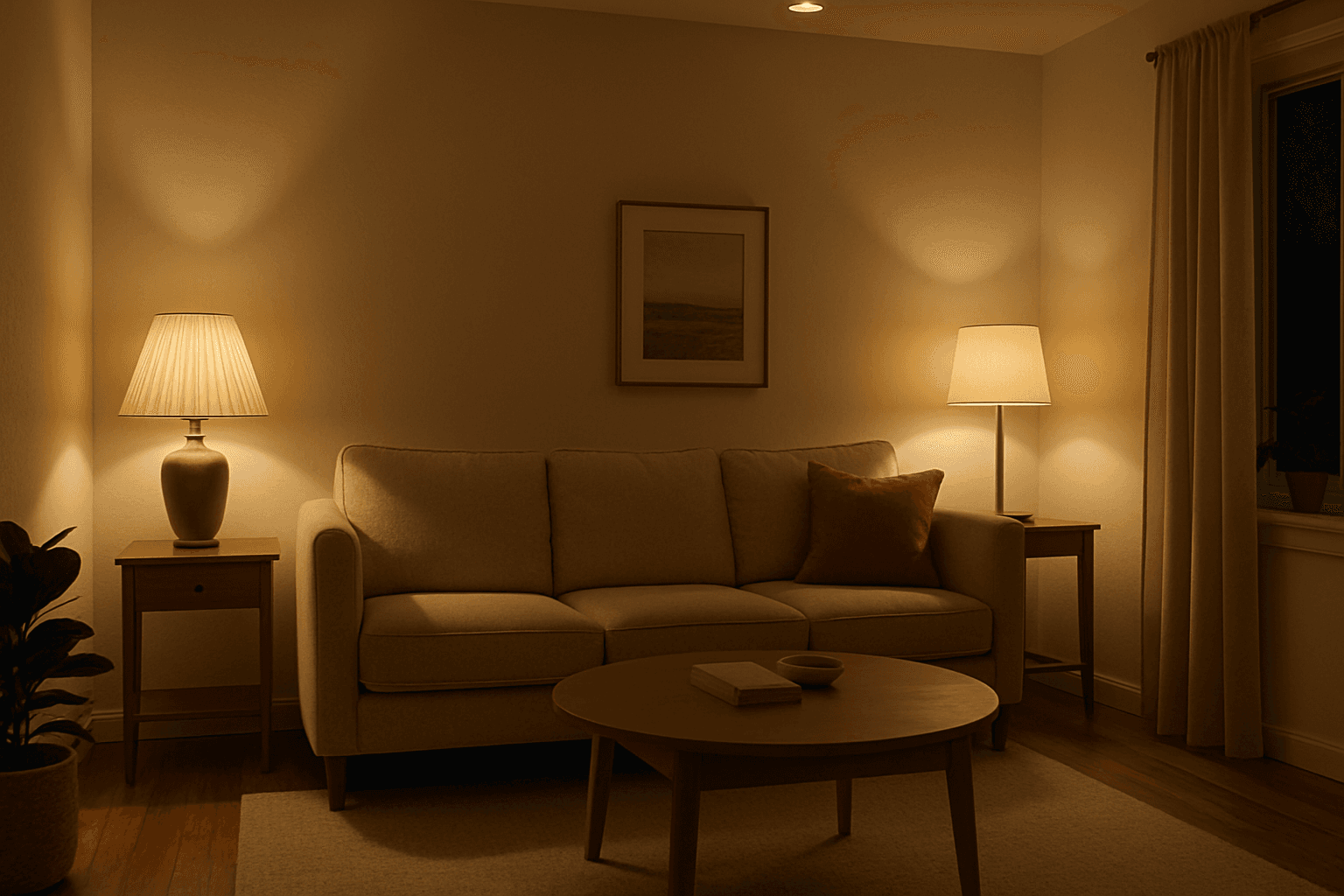
Practical Lighting
Practical lighting is a fundamental concept in photography, cinematography, and digital art where the light source is part of the scene itself. Unlike external or off-camera lighting, practical lights are tangible fixtures within the visual frame, such as table lamps, street lamps, or neon signs. These lights serve to naturally illuminate subjects and spaces, contributing to the ambiance and realism of the scene. In AI-generated imagery, utilizing practical lighting enhances authenticity and adds depth by mimicking natural illumination behaviors. This technique is essential for creating immersive environments with believable light and shadow interplay, making it a favorite among artists and visual storytellers.
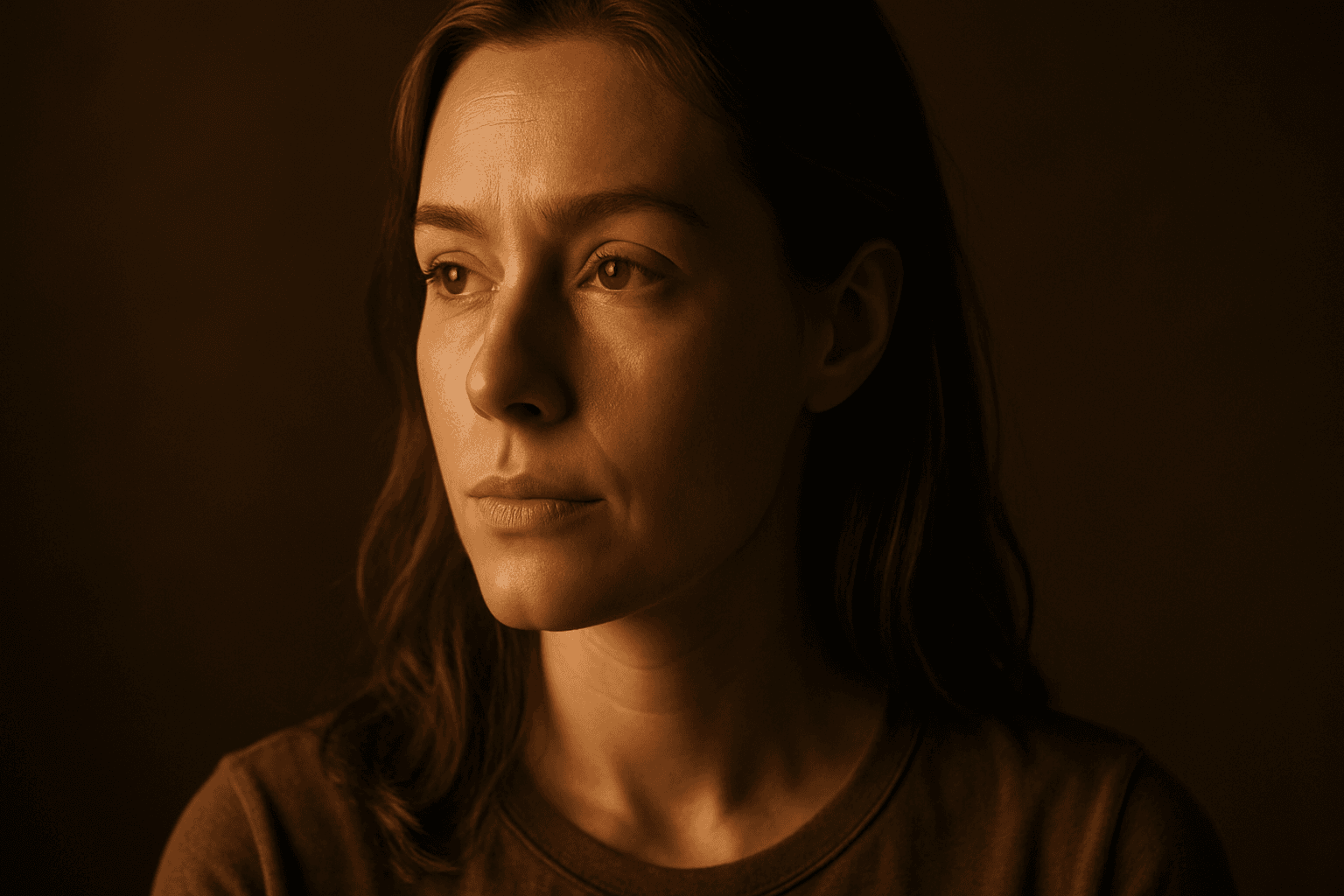
Directional Side Lighting
Directional side lighting is a powerful lighting technique widely used in photography and digital art to add dimensionality and mood. In the context of AI image generation, specifying directional side lighting shapes how the model simulates light interaction with subjects and environments. This lighting style creates pronounced contrasts between illuminated and shaded areas, resulting in images with realistic depth and enhanced visual interest. It is especially effective for emphasizing textures and defining shapes in portraits, still life, architectural renders, and product shots. Using this lighting approach in AI prompts helps generate more polished and professional visuals suitable for editorial and commercial use.

Low Angle Lighting
Low angle lighting is a powerful photographic and artistic technique that shifts the viewer's perspective by lighting subjects from below. When integrated into AI image prompts, it helps generate images with a distinct, often dramatic mood and added dimensionality. This lighting arrangement mimics natural scenarios like sunrise or artificial lighting such as street lamps from ground level. Due to its uncommon viewpoint, low angle lighting enhances textures and contours by reversing traditional shadow placement, producing striking images ideal for editorial portraits, architectural shots, and dynamic compositions. Leveraging this keyword allows creators to break away from standard lighting styles and evoke more intriguing atmospheres in synthetic visuals.

High Contrast Lighting Setup
High contrast lighting setups are widely used in photography and cinematic visuals to produce bold, dynamic images that captivate viewers. Incorporating 'high contrast lighting setup' in an AI image prompt instructs the AI to emphasize striking light sources and deep shadows, adding visual tension and clarity to the scene. This lighting approach reveals textures more vividly and helps create a mood that can range from mysterious to intense. For AI-generated images intended for editorial, commercial, or fine art applications, applying this keyword ensures that the resulting visuals have professional-quality lighting that enhances subject definition and atmosphere.
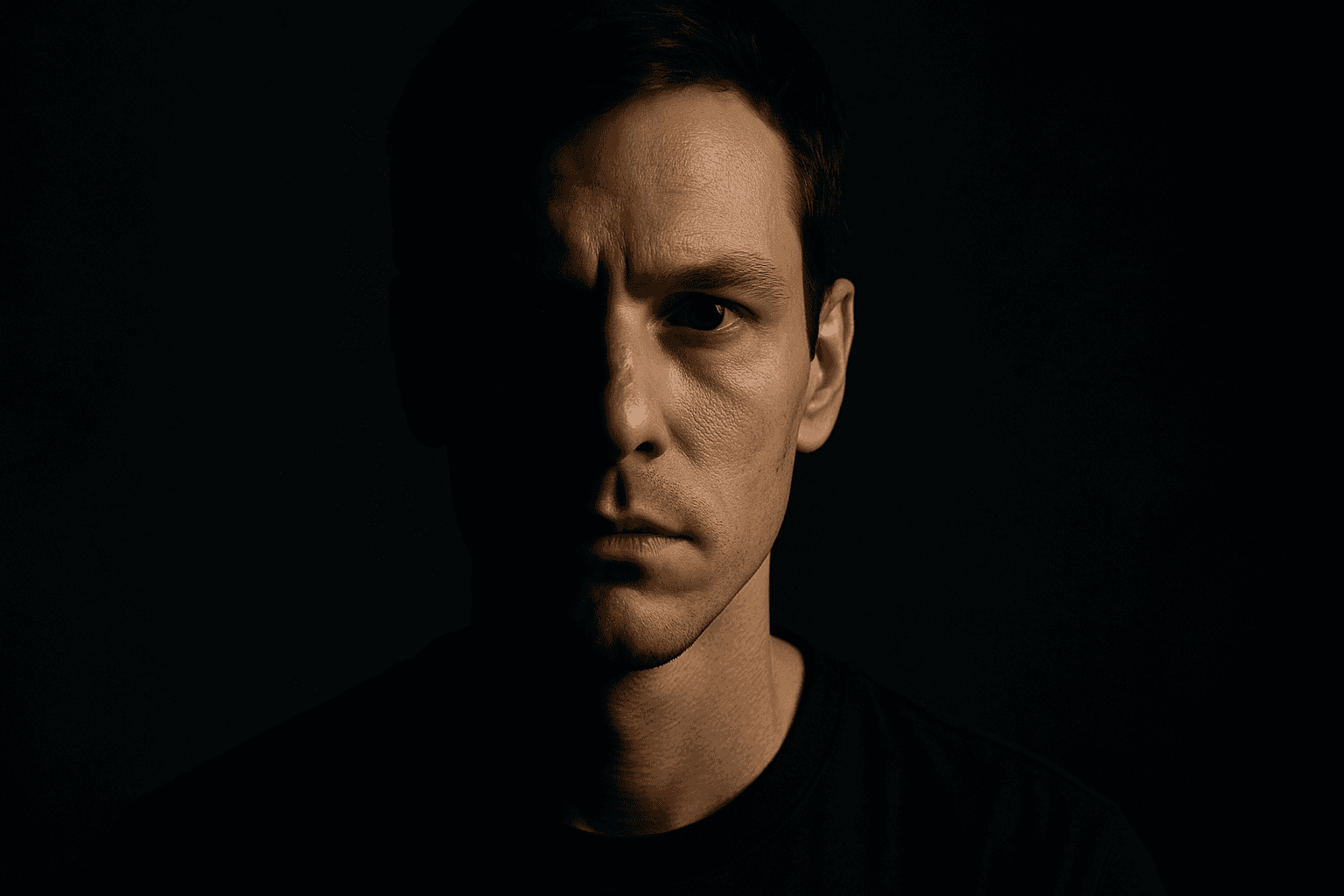
Split Lighting Technique
Split lighting is a classic photographic lighting technique widely used for portraits to craft dramatic and intense images. When applied in AI image prompts, it guides the generation to simulate this lighting style by illuminating one half of the subject brightly while casting the other half in shadow. This technique enhances depth and character, often lending a mysterious or serious tone to portraits. It is especially effective for emphasizing facial features, textures, and emotional expressions. Utilizing split lighting in AI art allows creators to generate compelling, high-contrast images that stand out in editorial, commercial, or artistic contexts.
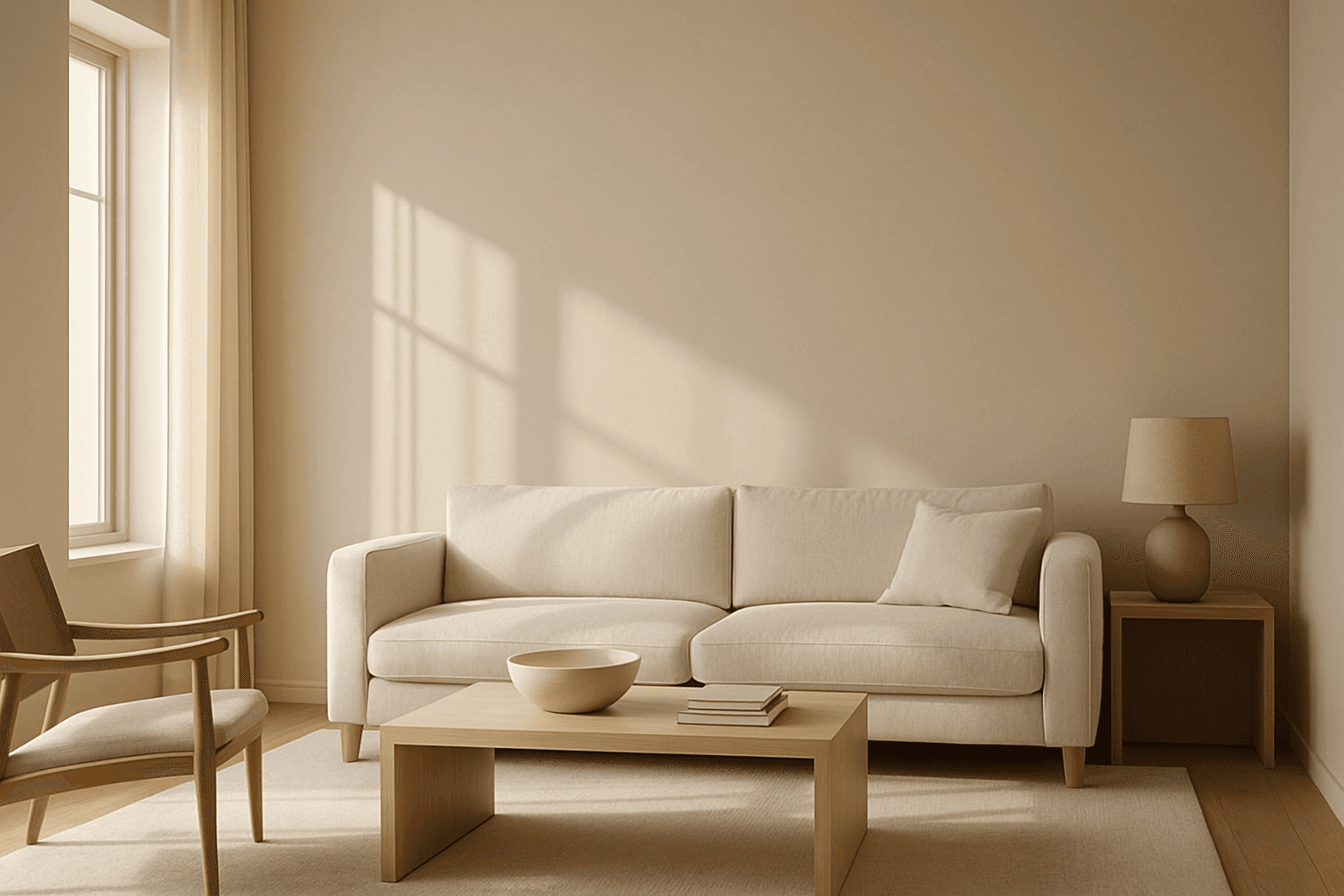
Natural Window Lighting
Natural Window Lighting is a popular lighting technique that mimics the ambient daylight streaming through windows, offering a natural and realistic illumination style in AI-generated images. It emphasizes soft shadows and highlights that define form and texture without harsh contrasts, making scenes appear inviting and warm. This lighting enhances photographic aesthetics, especially for indoor portraits, still lifes, and architectural visualizations, by adding depth and subtle color shifts. Using this keyword in AI prompts guides the image generation to prioritize delicate lighting effects and realistic shadow play reminiscent of early morning or late afternoon light filtering through windowpanes.