Category
Texture & Material
Surface and material cues for tactile realism, reflection, luxury, and craft.
What Texture & Material Prompt Keywords Mean
What this category means
Texture and material keywords describe how surfaces look and feel, including paper, glass, metal, marble, fabric, grain, reflection, polish, and tactile detail.
Why it matters for AI image prompting
Material language improves realism and perceived value. It can make product scenes, interiors, packaging, and backgrounds feel more physical, premium, or handcrafted.
When to use this category
Use texture and material keywords when surfaces matter, when a product needs stronger sensory appeal, or when a background should feel tactile instead of plain.
Prompt Pattern
Use this as a starting structure, then swap in specific keywords from the category below.
Start Here
Popular Keywords in this Category
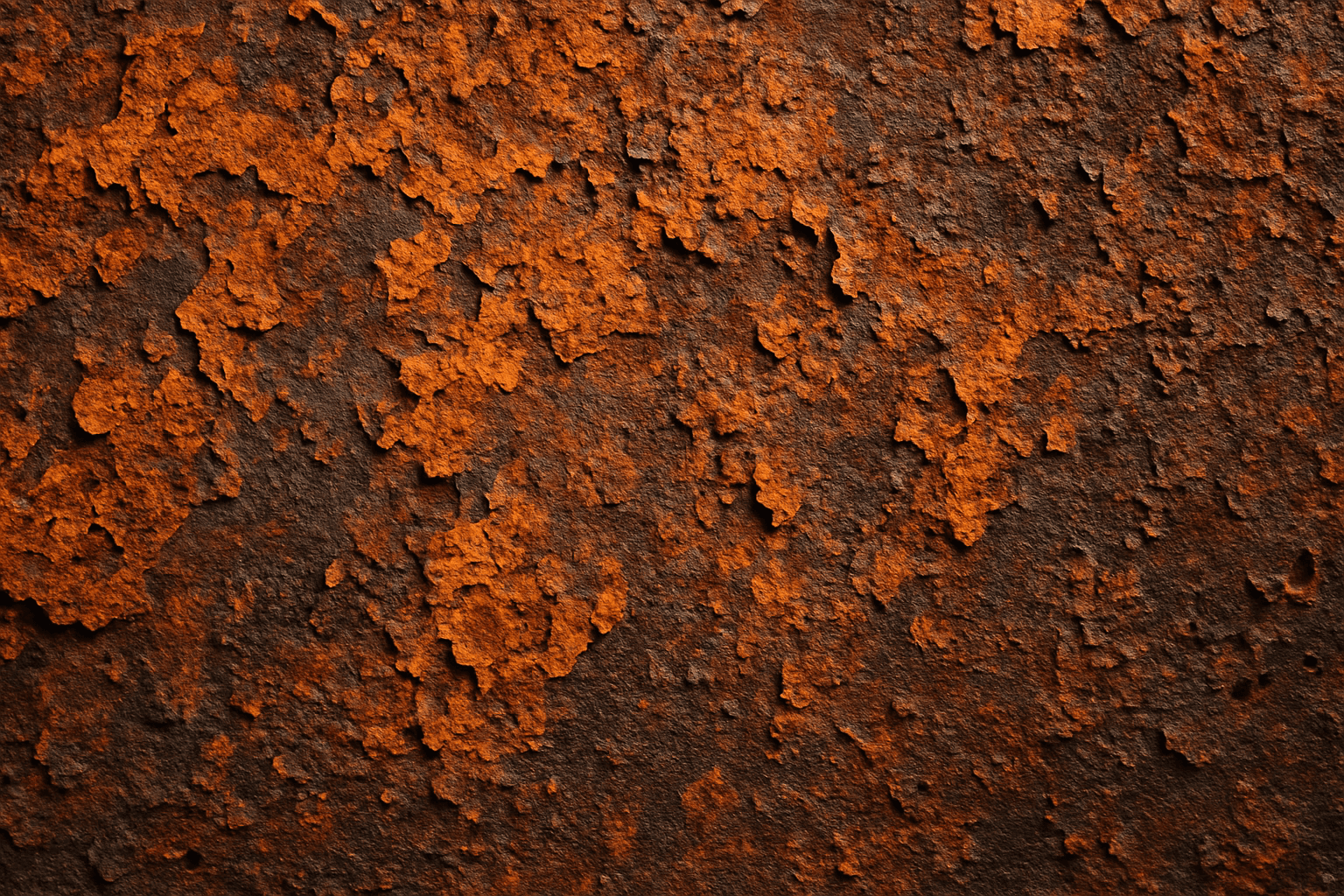
Aged Rusted Metal Texture
The keyword "Aged Rusted Metal Texture" evokes imagery of metal that has undergone natural corrosion over time, resulting in unique and complex surface patterns. In AI-generated visuals, this texture adds authenticity and vintage character, often featuring combinations of flaky rust, oxidized patches, and distressed metal surfaces. It enhances the tactile quality of materials and conveys a sense of history or neglect. Such textures are essential in design, art, and modeling when a raw, industrial, or antique aesthetic is desired. By manipulating this keyword in prompts, creators can produce diverse and compelling interpretations of rusted metal suitable for backgrounds, product renders, and artistic compositions.
View keyword
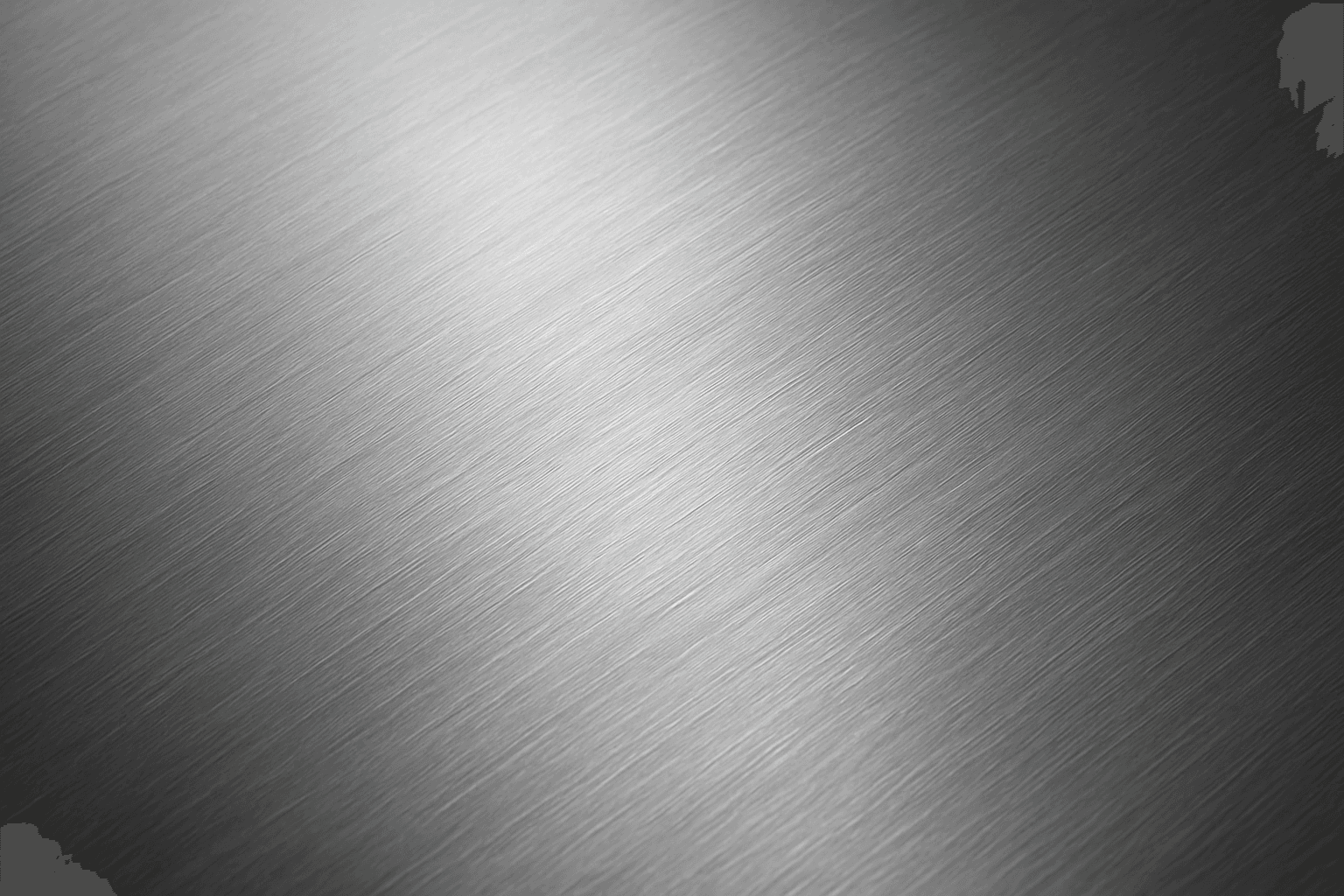
Brushed Metal Texture
Brushed Metal Texture in AI art generation captures the distinctive look of metal surfaces treated by abrasive brushing, which creates smooth, parallel lines affecting how light reflects. It's a popular material finish in industrial design, consumer electronics, and architectural elements, lending a premium, tactile quality to images. Using this texture in AI prompts ensures realistic rendering of metal objects with nuanced light interplay and surface depth. This texture enhances visual interest while maintaining subtlety, making it ideal for product visualizations, backgrounds, and stylized concept art. By controlling this parameter, creators can elevate the authenticity and sophistication of metallic materials within their compositions.
View keyword
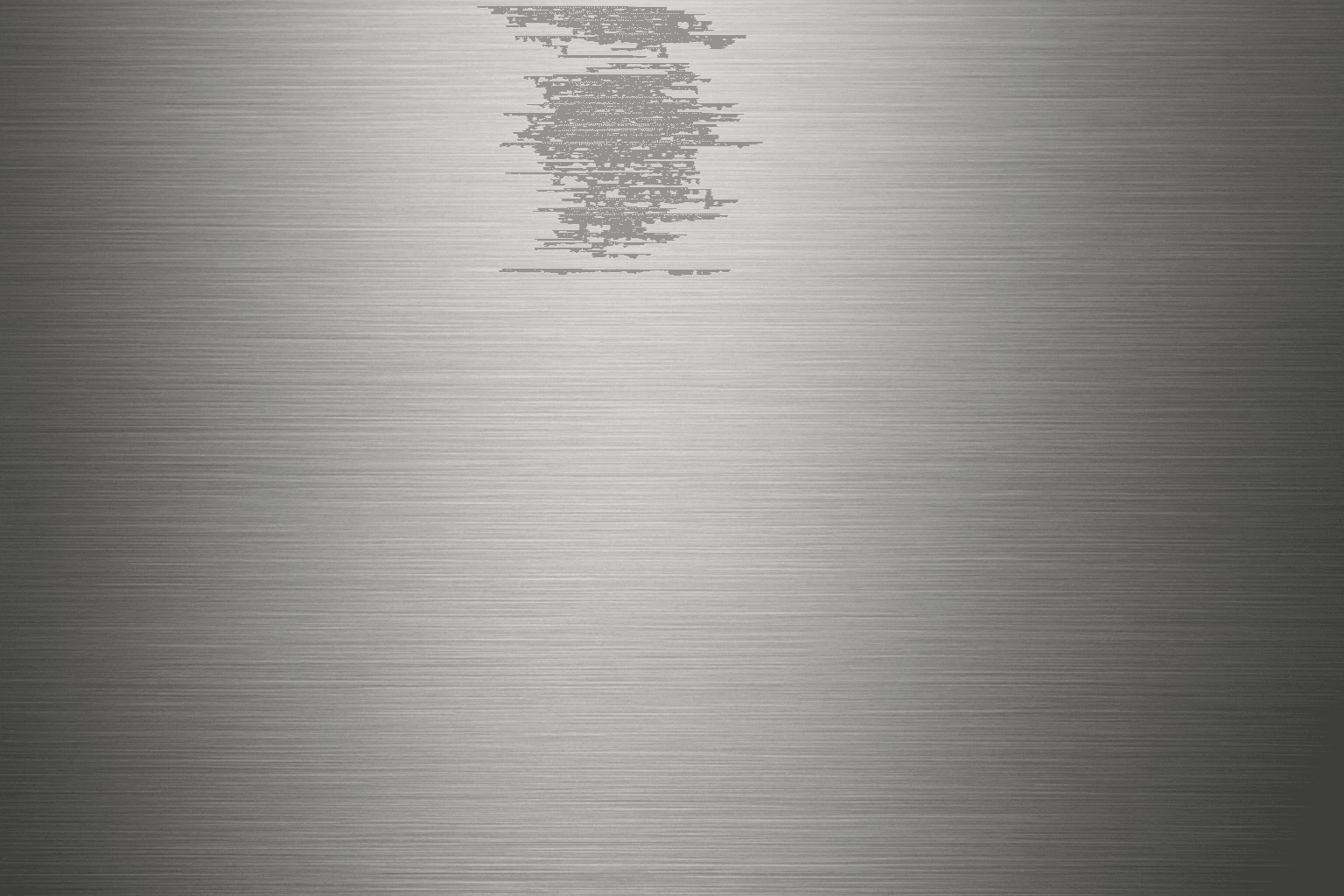
Brushed Steel Texture
Brushed steel texture is widely used in design and industrial contexts for its sleek, modern metallic look with a distinctive matte finish and faint linear grain. When used in AI image prompts, it guides the model to render surfaces that mimic steel polished in one direction, producing subtle reflections and texture that add realism and sophistication to metallic objects. This texture balances between shiny and dull, making it ideal for product visualizations, architectural details, and industrial design. Mastering brushed steel textures in AI imagery enhances the credibility and appeal of metallic representations across visuals.
View keyword
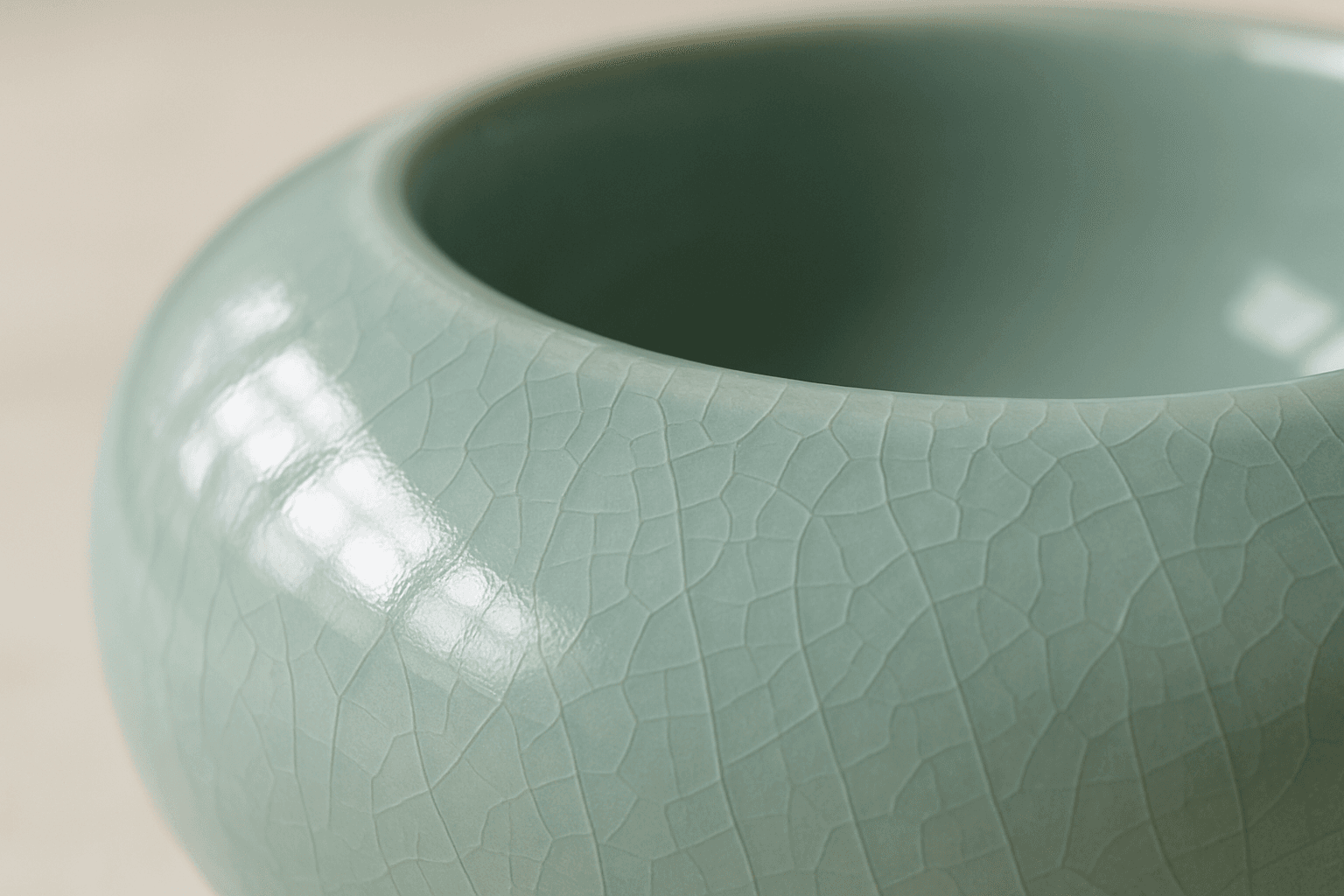
Ceramic Surface
The keyword 'Ceramic Surface' in AI image generation targets a distinct material aesthetic recognizable by its smooth, often glossy finish and subtle textural nuances like glaze or crackle effects. Using this keyword refines renders to showcase the refined, tactile qualities of ceramics. It is essential for creating realistic representations of items like pottery, ceramic tiles, or porcelain wares, especially under nuanced lighting that enhances surface reflections and textures. The effect adds depth and realism, making objects appear tangible and convincing within various artistic or commercial compositions.
View keyword
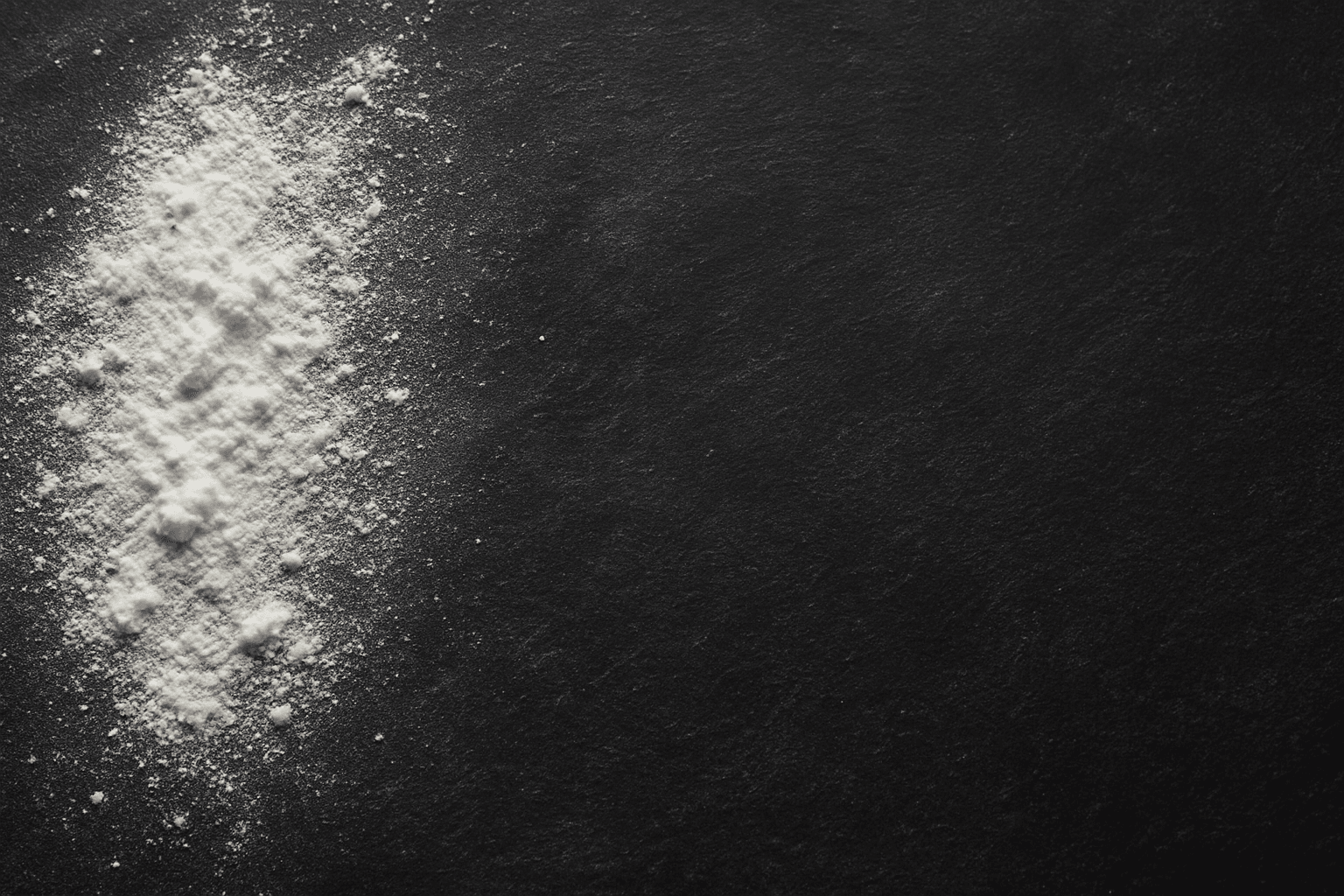
Chalk Texture Background
The 'Chalk Texture Background' keyword is a valuable addition to AI image prompting that instructs the model to render backgrounds mimicking chalk surfaces. This texture evokes an organic, handcrafted aesthetic characterized by grainy, dusty finishes with subtle imperfections. Ideal for mimicking blackboards, chalk art, or educational themed visuals, it adds a tactile quality rarely captured in digital images. When included, it helps deepen visual narratives by infusing backgrounds with textural nuance, useful across creative and commercial projects aiming for authenticity or artistic flair.
View keyword
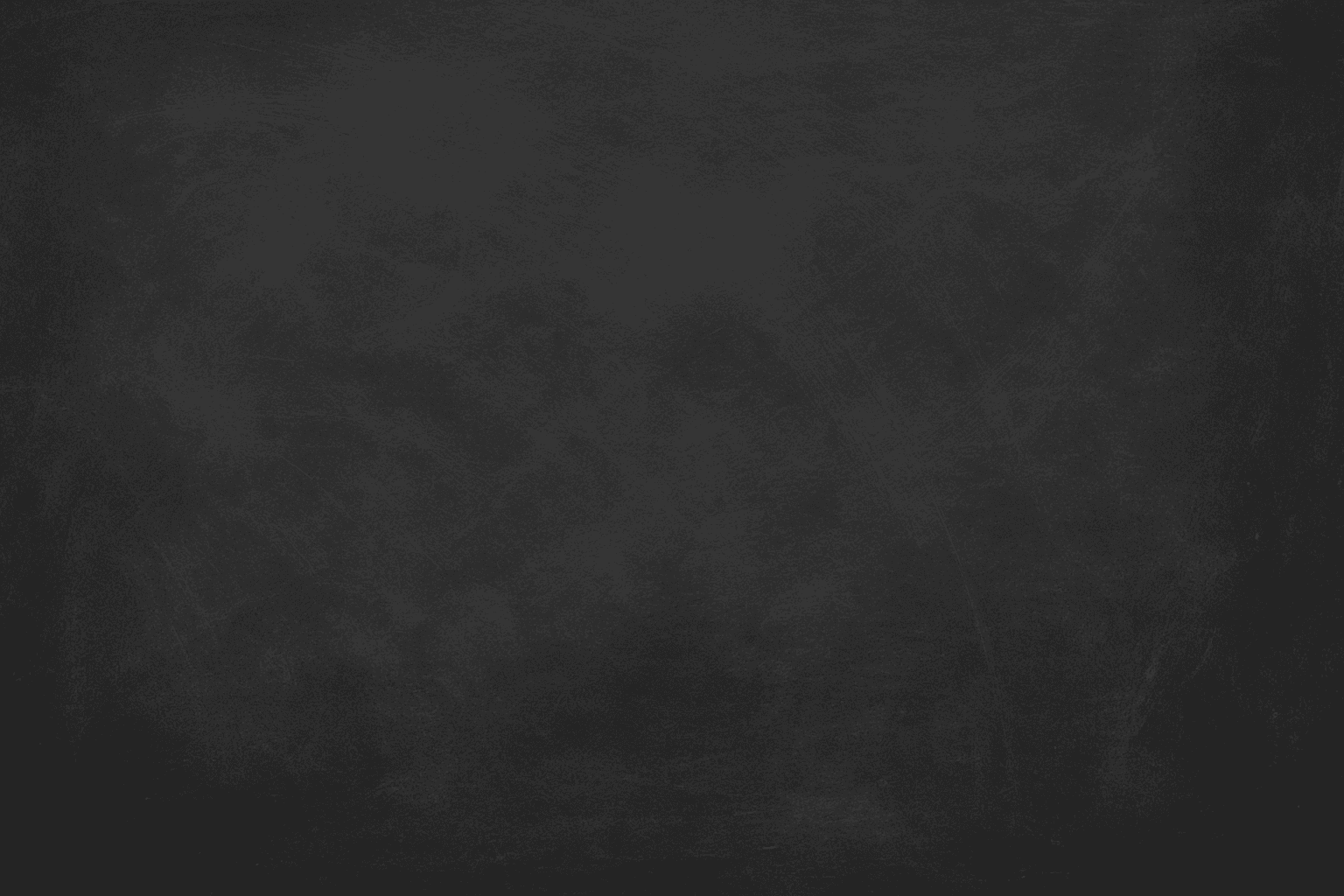
Chalkboard Surface Texture
Chalkboard Surface Texture captures the unique look and feel of traditional blackboards commonly used in classrooms. It combines dark, matte backgrounds with subtle surface grains and visible chalk-related markings like smudges and partial rubbings. This texture adds tactility and context to illustrations, educational materials, design projects, or product simulations involving chalkboards. When integrated into AI image prompts, it guides the AI to emphasize realistic surface details and material qualities, avoiding overly smooth or flat rendering. This results in images that evoke familiarity and authenticity, making them ideal for conveying variety in textural compositions or thematic classroom scenarios.
View keyword
How to Use This Category
- Pair materials with lighting that reveals surface detail, such as side light, soft studio light, or controlled reflections.
- Use close-up or depth-of-field composition cues for tactile product and packaging images.
- Avoid overloading the scene with too many luxury materials at once.
- Name the finish when useful: matte, polished, brushed, translucent, rough, smooth, or handmade.
All Texture & Material Keywords
Browse the full set of published PromptAtlas keywords in this topic area.
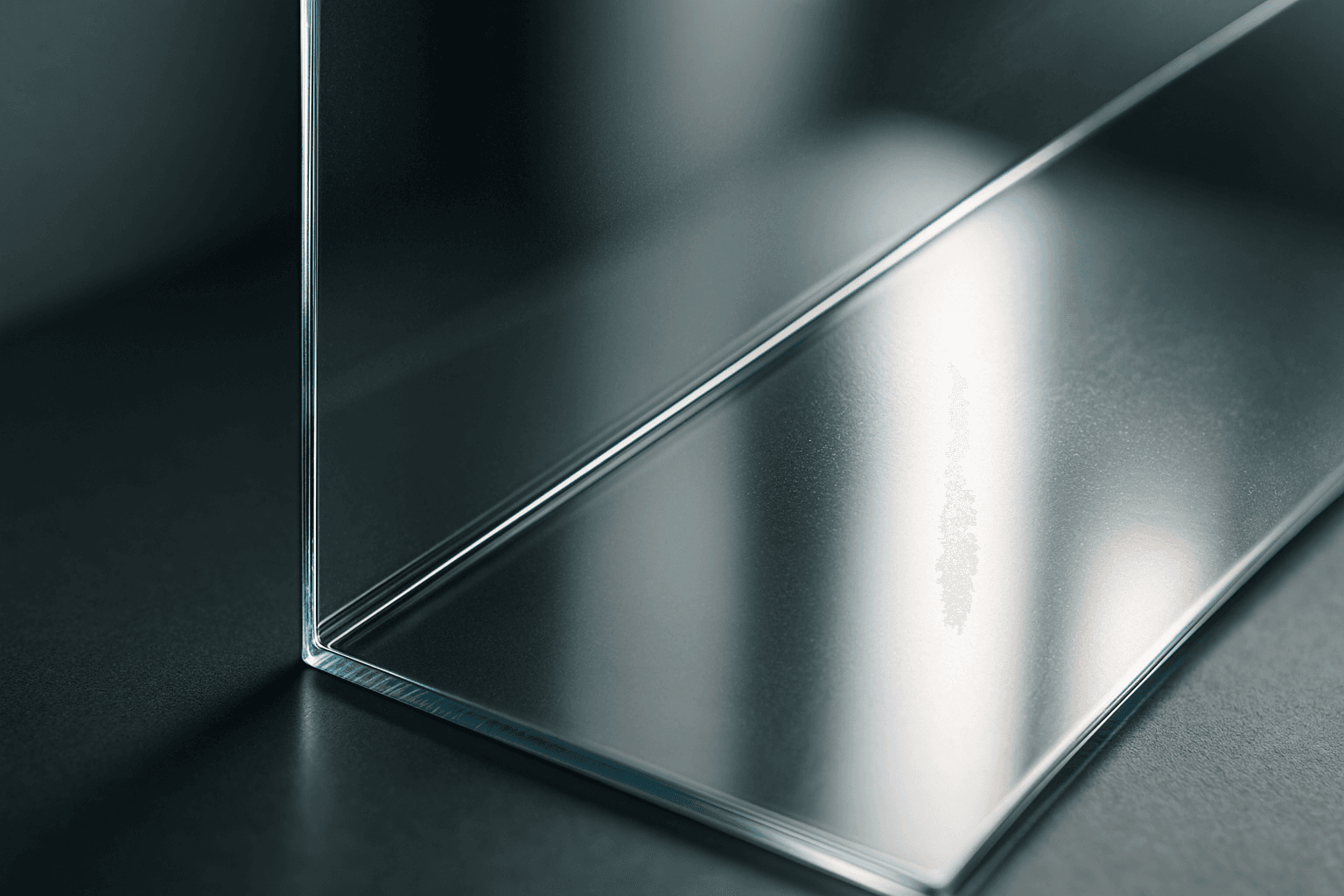
Glass Reflection
Glass Reflection is a material keyword that emphasizes transparent, glossy, reflective, or refractive surfaces. It adds polish and depth to product and design images.
View keyword
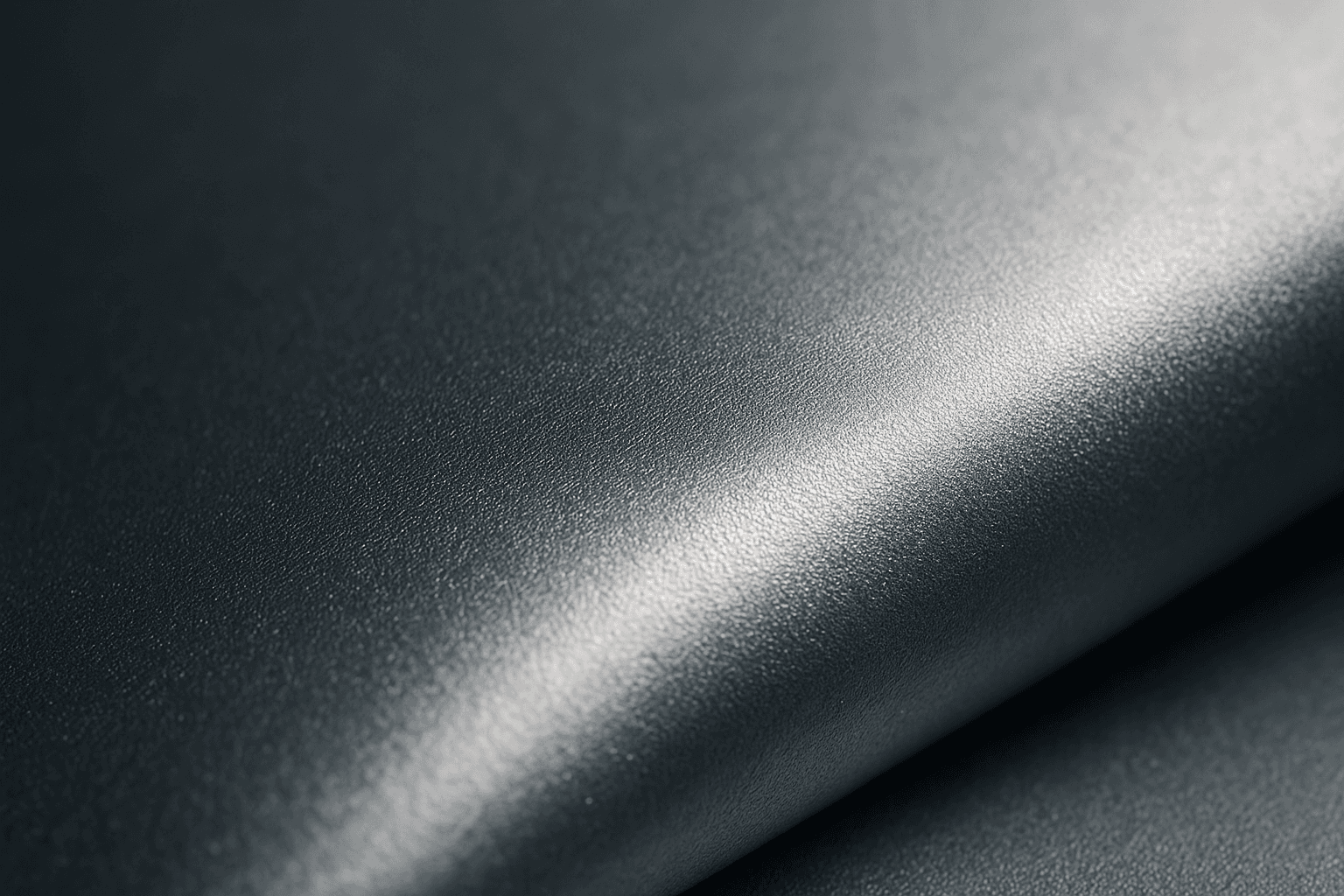
Metallic Surface
Metallic Surface is a material keyword for reflective metal finishes such as chrome, steel, aluminum, brass, gold, silver, or brushed metal.
View keyword
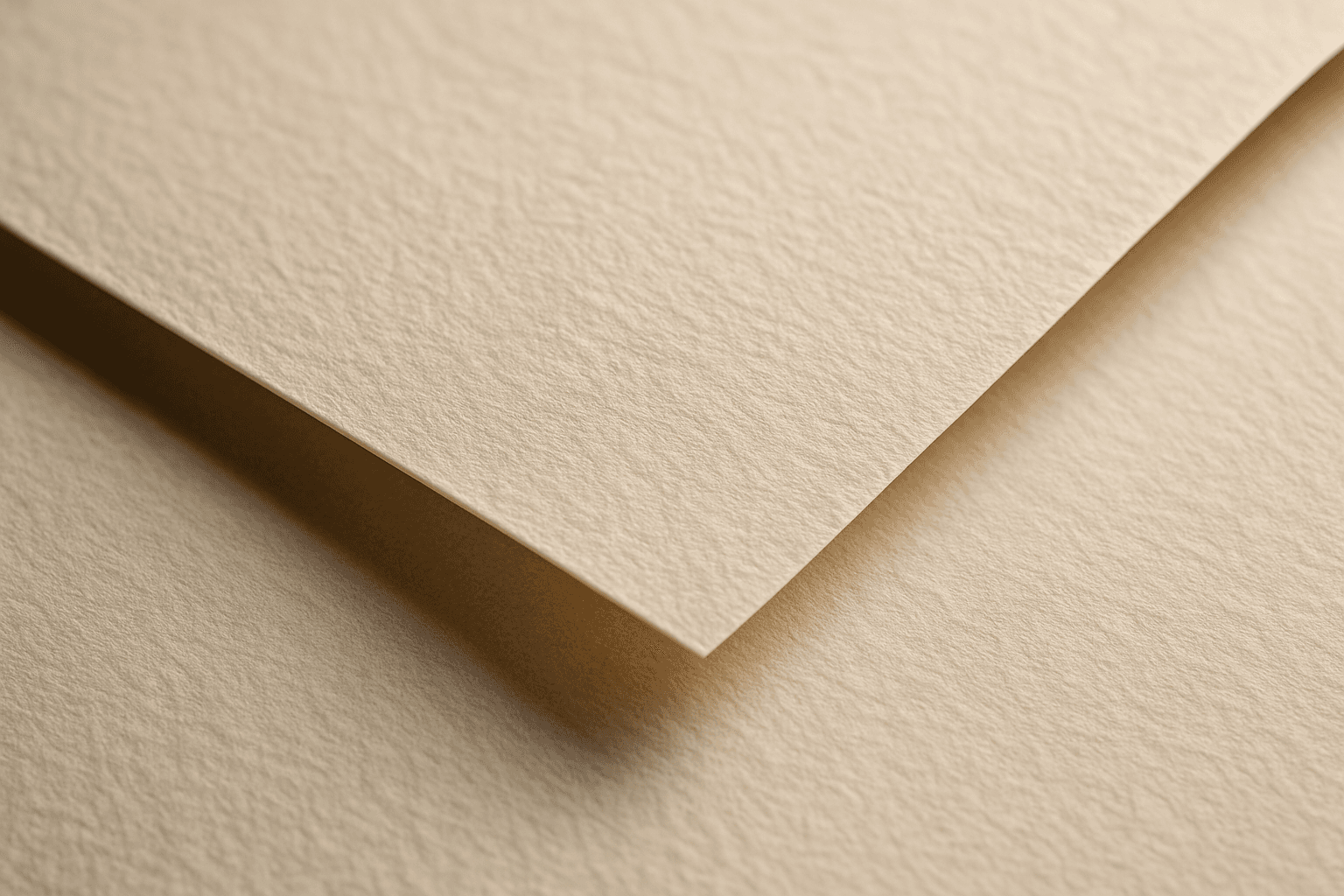
Paper Texture
Paper Texture is a material keyword that adds visible fibers, grain, folds, recycled surfaces, handmade edges, or printed paper detail.
View keyword
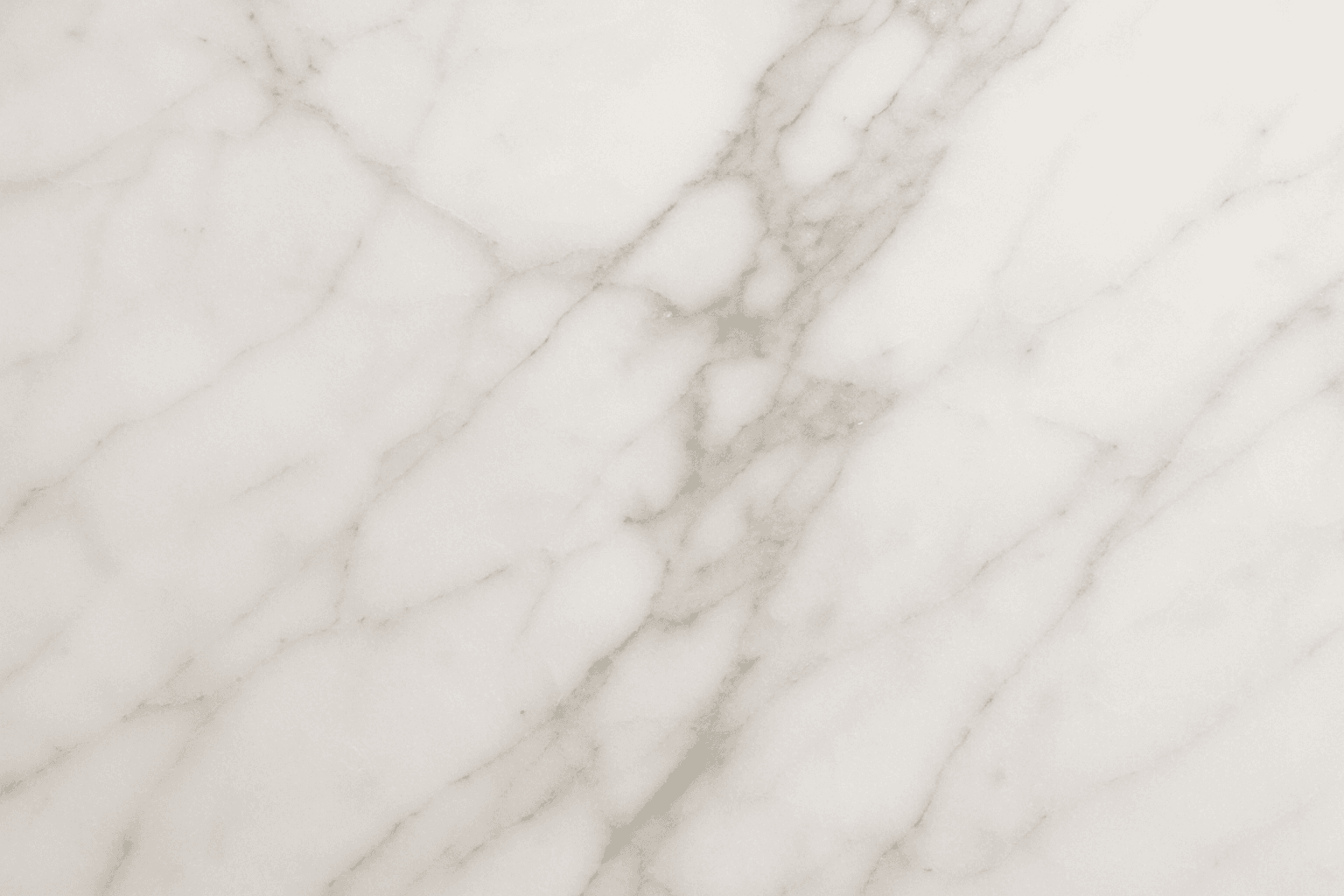
Marble Texture
Marble Texture is a material keyword for polished stone surfaces with natural veining. It suggests luxury, elegance, interiors, beauty, and premium product styling.
View keyword
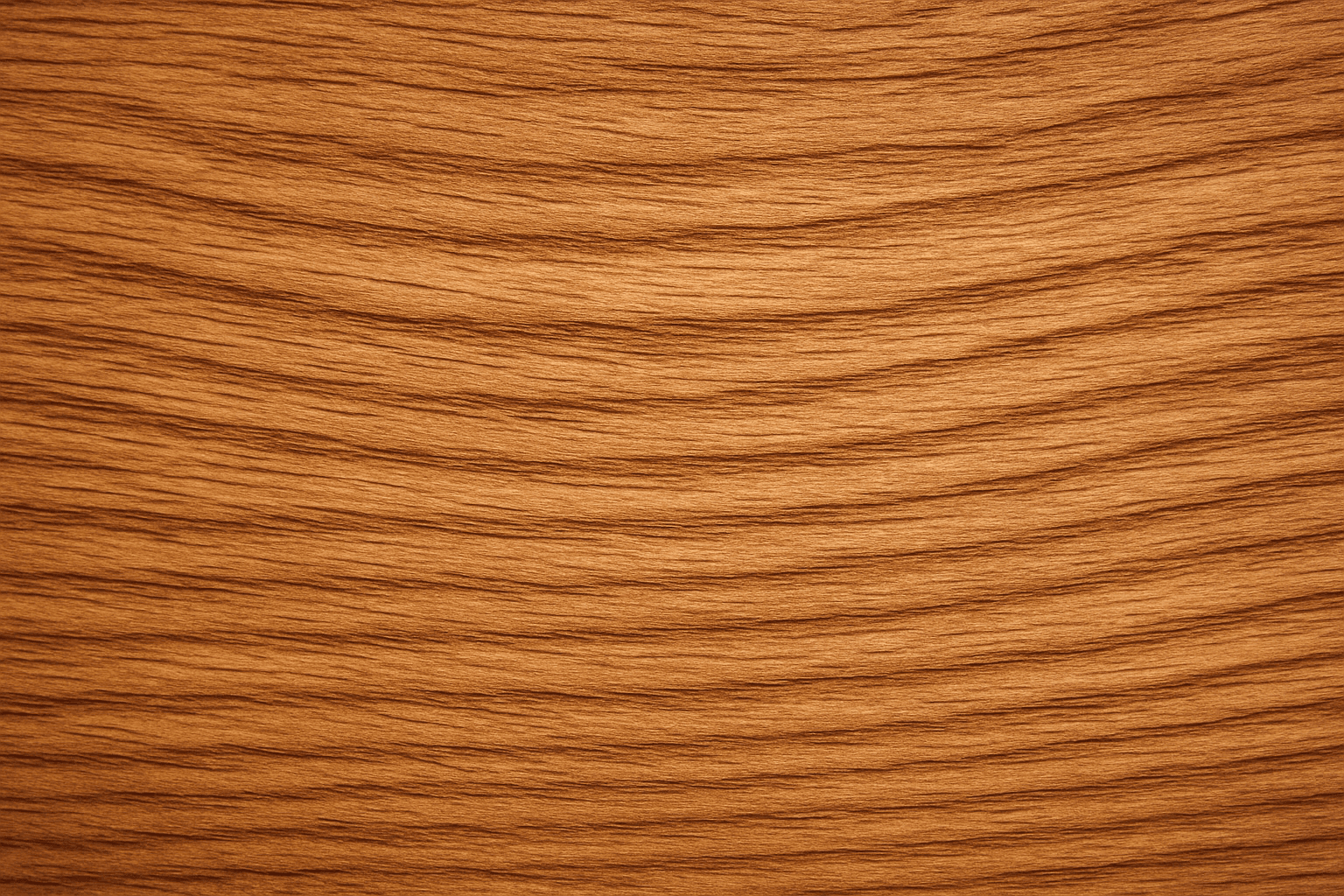
Wood Grain
Incorporating 'wood grain' into AI image prompts enriches visuals with authentic wooden textures that convey warmth and natural beauty. This keyword directs AI to replicate the complex, organic patterns seen in wood, including growth rings and surface details. It is ideal for creating backgrounds, materials, or objects that visually suggest wood, lending depth and tactile quality to images. When employed thoughtfully, it helps artists, designers, and content creators generate engaging visuals for furniture design, nature themes, or rustic aesthetics with subtle lighting and realistic material simulation.
View keyword
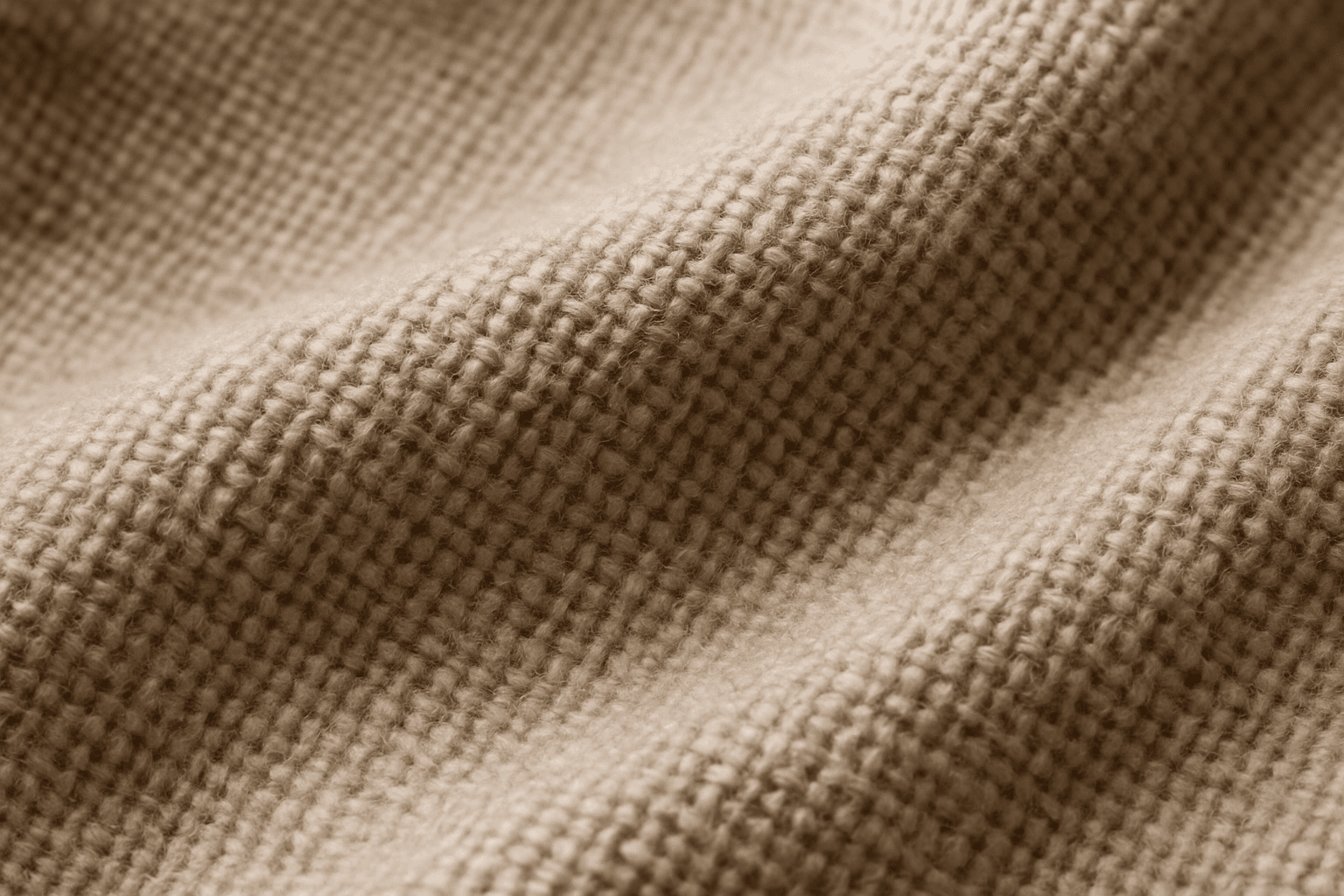
Fabric Texture
Fabric Texture is a vital keyword for AI image generation when you want to depict textiles realistically. It guides the AI to focus on nuances such as fiber weave, surface irregularities, and light reflection that define materials like cotton, silk, denim, or wool. This keyword enriches visuals in fashion photography, interior design details, and product shots by ensuring cloth surfaces look tangible and authentic. Proper use leads to images that convey texture depth, fiber quality, and material type, crucial for commercial appeal and viewer engagement.
View keyword
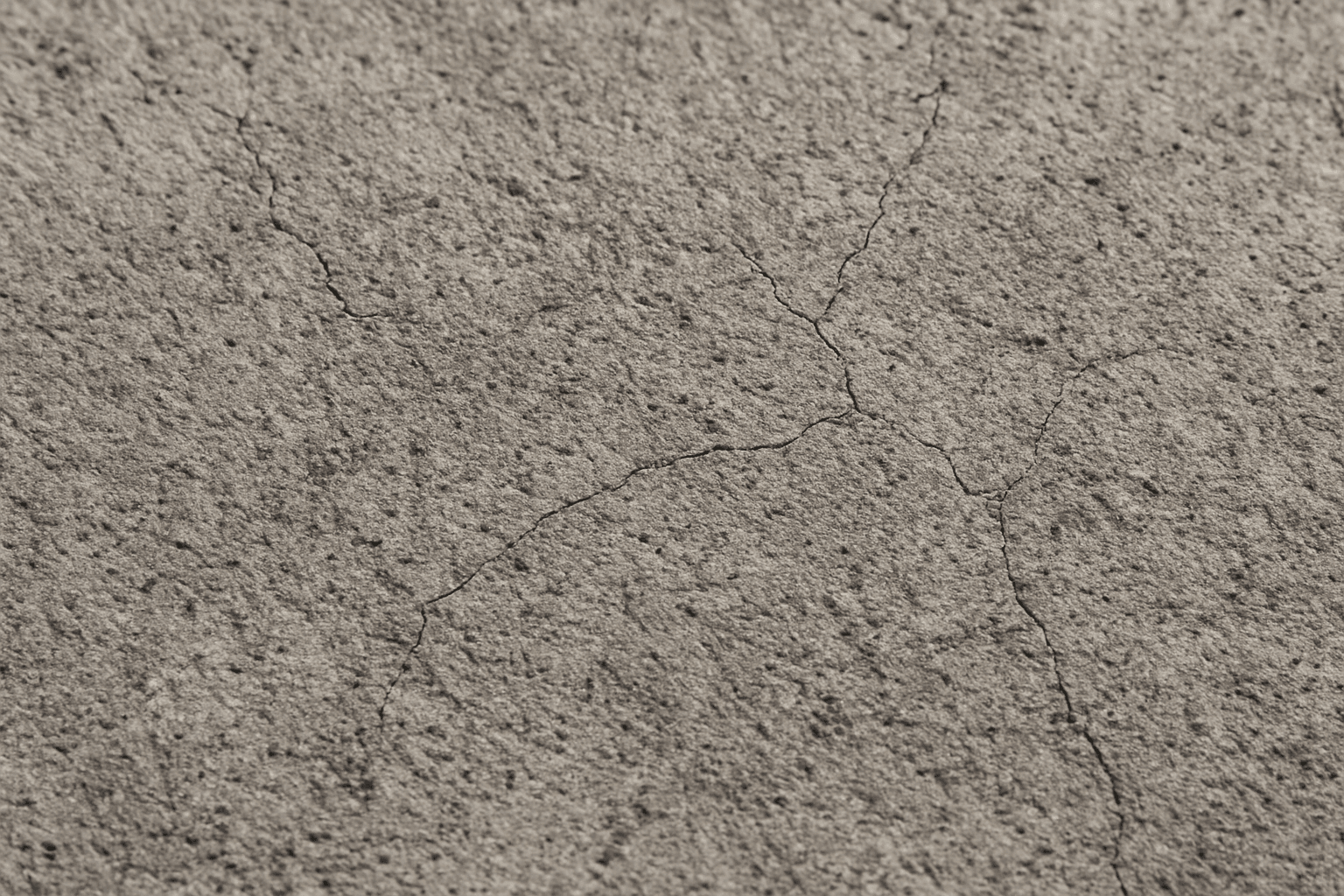
Concrete Texture
Using 'Concrete Texture' as a keyword in AI image generation is essential when aiming to simulate authentic concrete surfaces. This texture is characterized by its rough, grainy appearance with fine cracks and natural variations in tone, which contribute to a realistic material effect. Incorporating 'Concrete Texture' enriches scenes by adding depth and tactility, suitable for architectural renders, product backgrounds, or abstract compositions. It helps avoid flat or artificial appearances of concrete elements by instructing the AI to focus on the physical traits of concrete surfaces. This keyword is especially useful when high-fidelity material depiction is required for design presentations or digital art.
View keyword
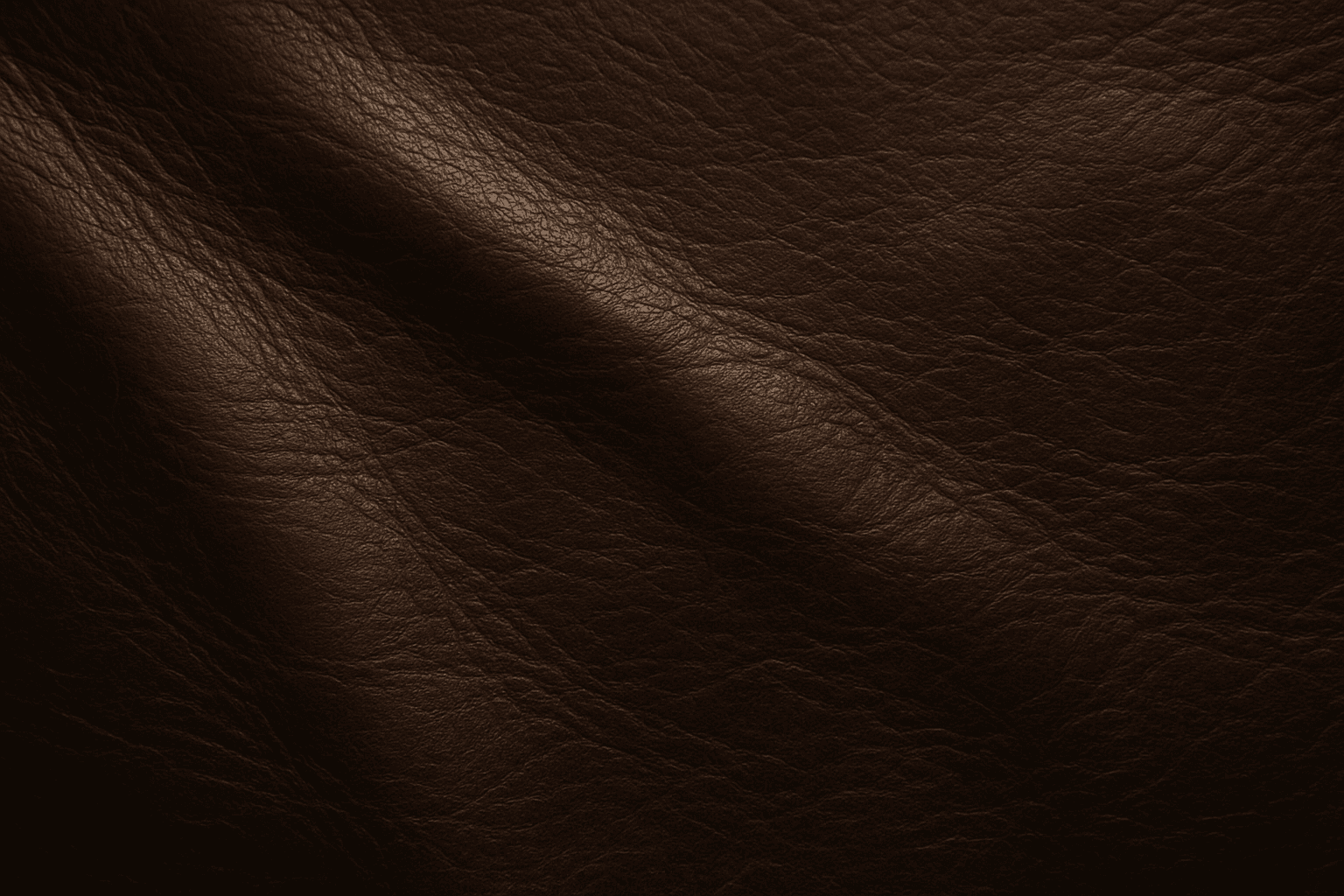
Leather Texture
Leather Texture evokes the visual and tactile qualities of genuine leather surfaces in AI-generated art. It introduces nuanced details like grain, pores, creases, and color variations that make materials appear authentic and luxurious. This texture is widely employed in fashion illustration, interior design renderings, product visualization, and materials studies. By using the leather texture keyword, AI models simulate the complex interplay of light, shadow, and surface imperfections typical in high-quality leather. This enriches compositions with warmth and premium appeal. Its adaptable nature supports everything from rough, distressed hides to smooth, polished finishes, providing versatility across genres and styles.
View keyword
Ceramic Surface
The keyword 'Ceramic Surface' in AI image generation targets a distinct material aesthetic recognizable by its smooth, often glossy finish and subtle textural nuances like glaze or crackle effects. Using this keyword refines renders to showcase the refined, tactile qualities of ceramics. It is essential for creating realistic representations of items like pottery, ceramic tiles, or porcelain wares, especially under nuanced lighting that enhances surface reflections and textures. The effect adds depth and realism, making objects appear tangible and convincing within various artistic or commercial compositions.
View keyword
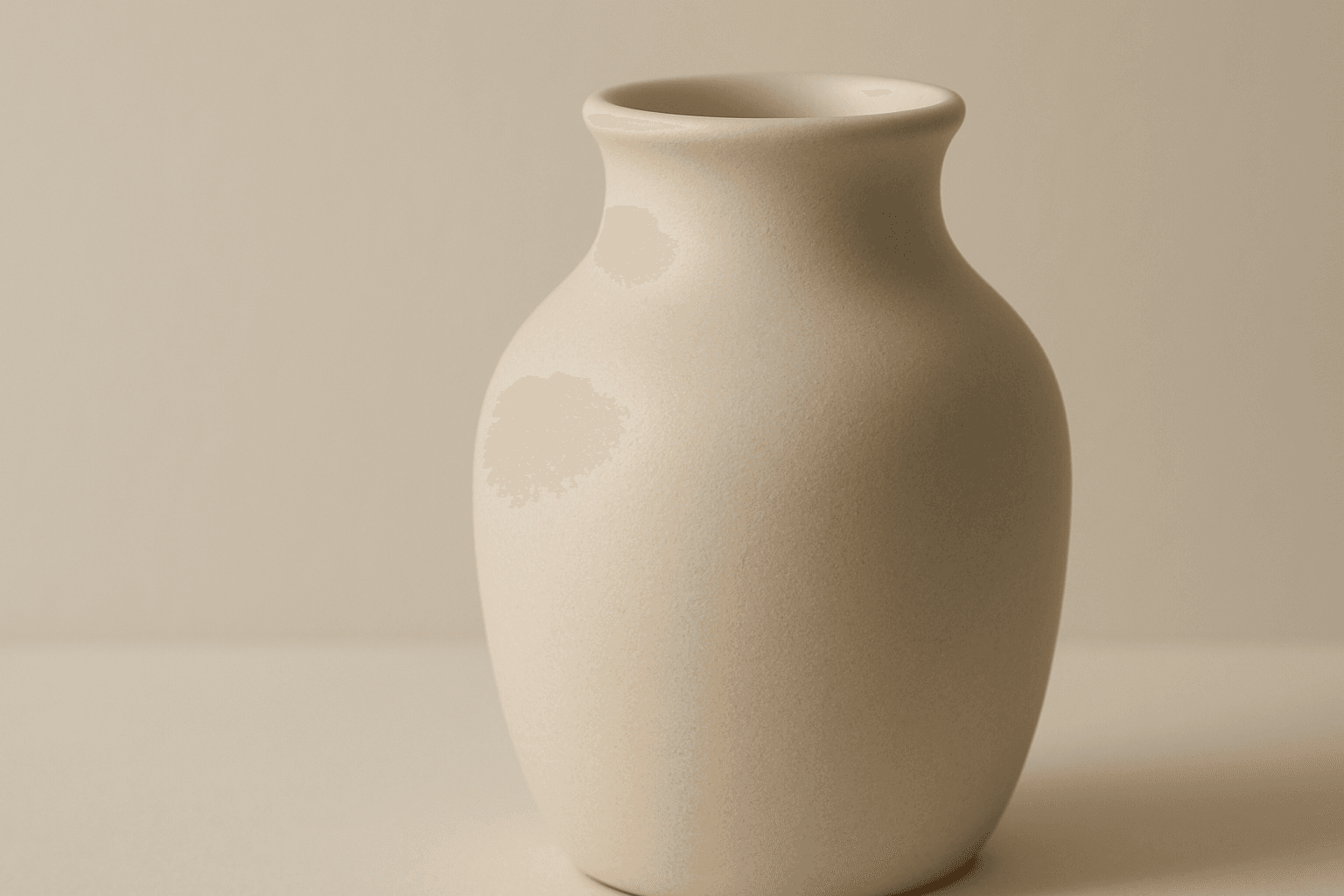
Matte Surface Texture
The 'Matte Surface Texture' keyword in AI image generation is fundamental when aiming for realism and subtlety in material appearance. Unlike glossy or reflective surfaces, matte textures offer a restrained light interaction, producing soft shadows and even visual tones. This texture is valued for its fine grain, softness, and understated elegance, making images appear modern and refined. Including this keyword enhances the material rendition of subjects like ceramics, paper, cloth, or painted surfaces, enabling photorealistic or stylized outputs that emphasize tactile qualities without distracting reflections. It's especially effective for editorial visuals, product mockups, and interior materials where controlling reflection is crucial.
View keyword
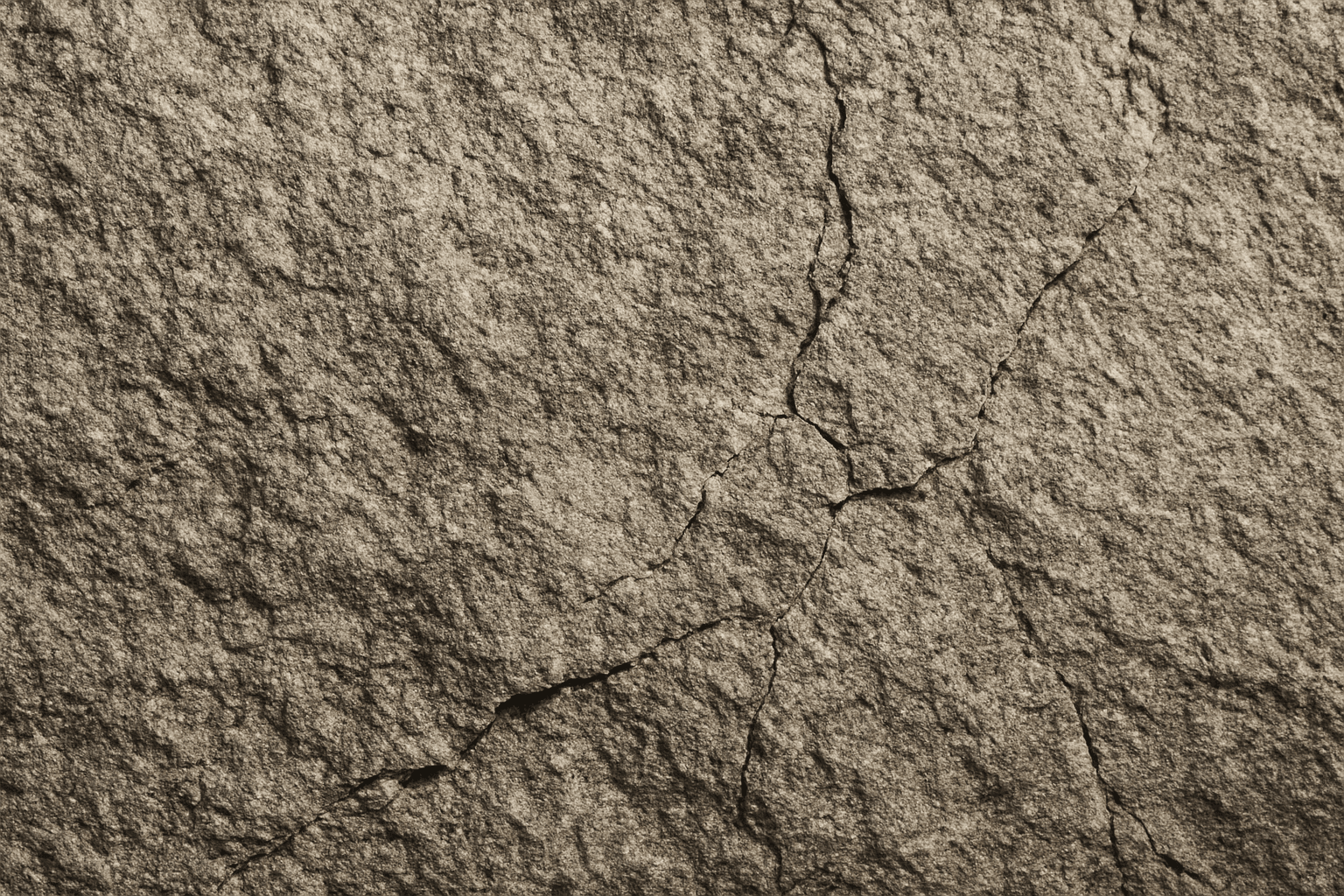
Rough Stone Texture
The 'Rough Stone Texture' keyword enhances AI-generated images by simulating the complex irregularities found in natural stone surfaces. This texture adds depth and authenticity to visuals, making materials appear tactile and rugged rather than smooth or artificial. It is especially valuable in rendering natural elements, architectural details, or backgrounds requiring realistic stone appearance. Using precise prompts with this keyword guides AI models toward creating images with detailed stone grains, cracks, and surface imperfections, aligning with authentic rough stone features found in nature or construction materials.
View keyword
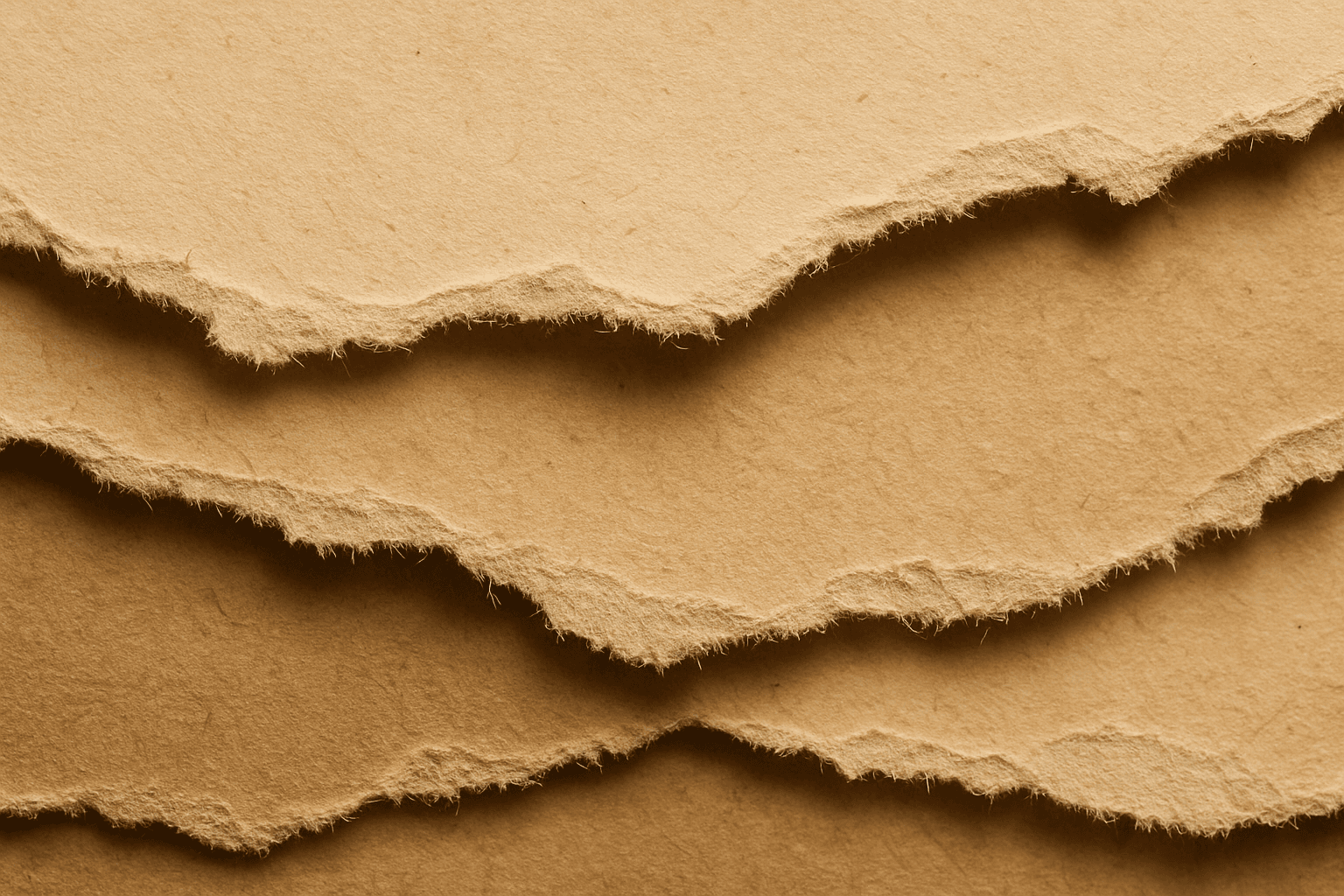
Torn Paper Texture
Using the Torn Paper Texture keyword in AI image prompts helps generate visuals that mimic torn paper edges and surfaces. This texture adds depth and realism by introducing naturally imperfect boundaries, often with visible fibers and roughness. It's ideal for creating collage effects, vintage posters, scrapbook aesthetics, or rustic backgrounds. Incorporating torn paper details can lend a tactile and handcrafted feel to digital images, making them stand out with organic imperfection rather than smooth, flat edges.
View keyword
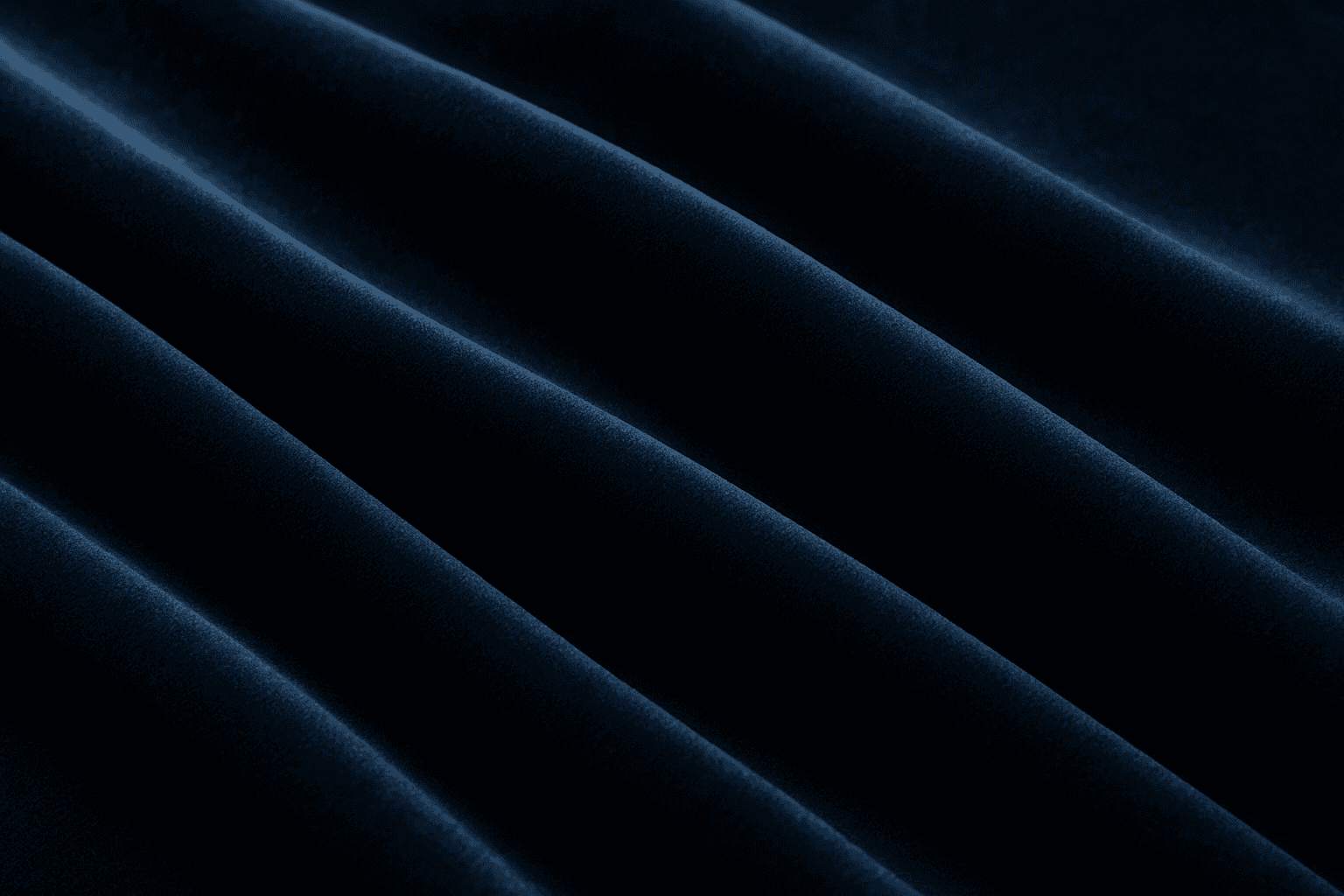
Soft Velvet Texture
Soft velvet texture adds a luxurious and tactile feel to AI-generated images by simulating the fine, dense pile typical of velvet fabric. When included in prompts, it directs AI models to replicate the characteristic softness, subtle sheen, and depth of this material, making visuals appear rich and inviting. This texture is ideal for creating realistic textiles, fashion elements, interior details, and cozy ambiance, infusing images with a quality of warmth and sophistication. The keyword helps achieve nuanced light interactions and surface definition, crucial for premium stock imagery and editorial designs requiring refined material depiction.
View keyword
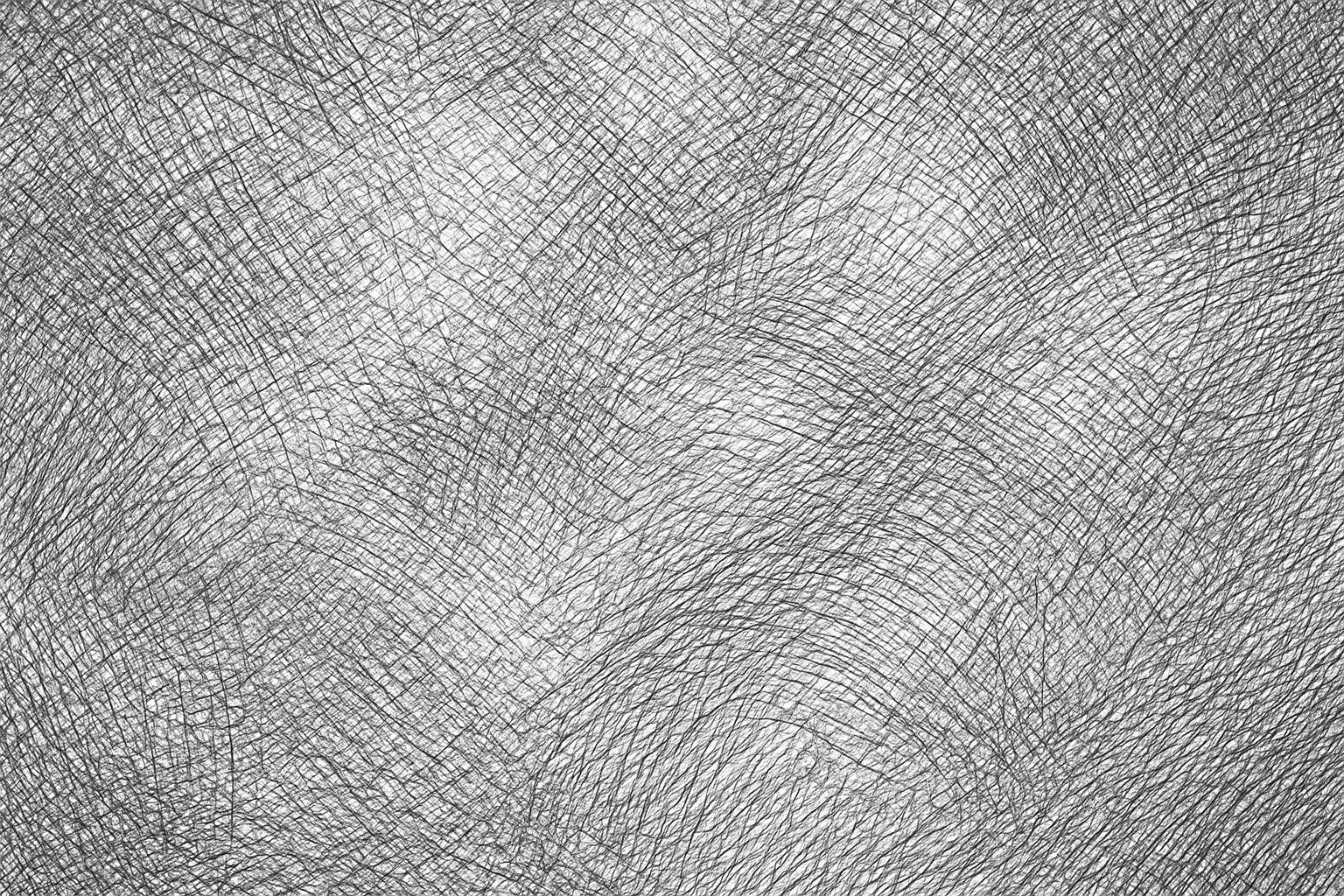
Crosshatching Texture
Crosshatching texture is a visual style that emulates hand-drawn shading through intersecting lines, widely used in pen and ink illustrations. When incorporated in AI art prompts, it enhances images with refined shading effects and a tactile quality reminiscent of classical sketching. This texture adds depth by simulating shadows and volume without solid fills, making visuals appear more organic and crafted. Artists and designers leverage crosshatching to achieve nuanced contrast and artistic expressiveness, especially in black-and-white or monochrome compositions. Using this keyword effectively guides AI models to produce images rich in detailed linework and traditional illustrative charm, suitable for creative projects seeking an analog texture feel within digital artworks.
View keyword
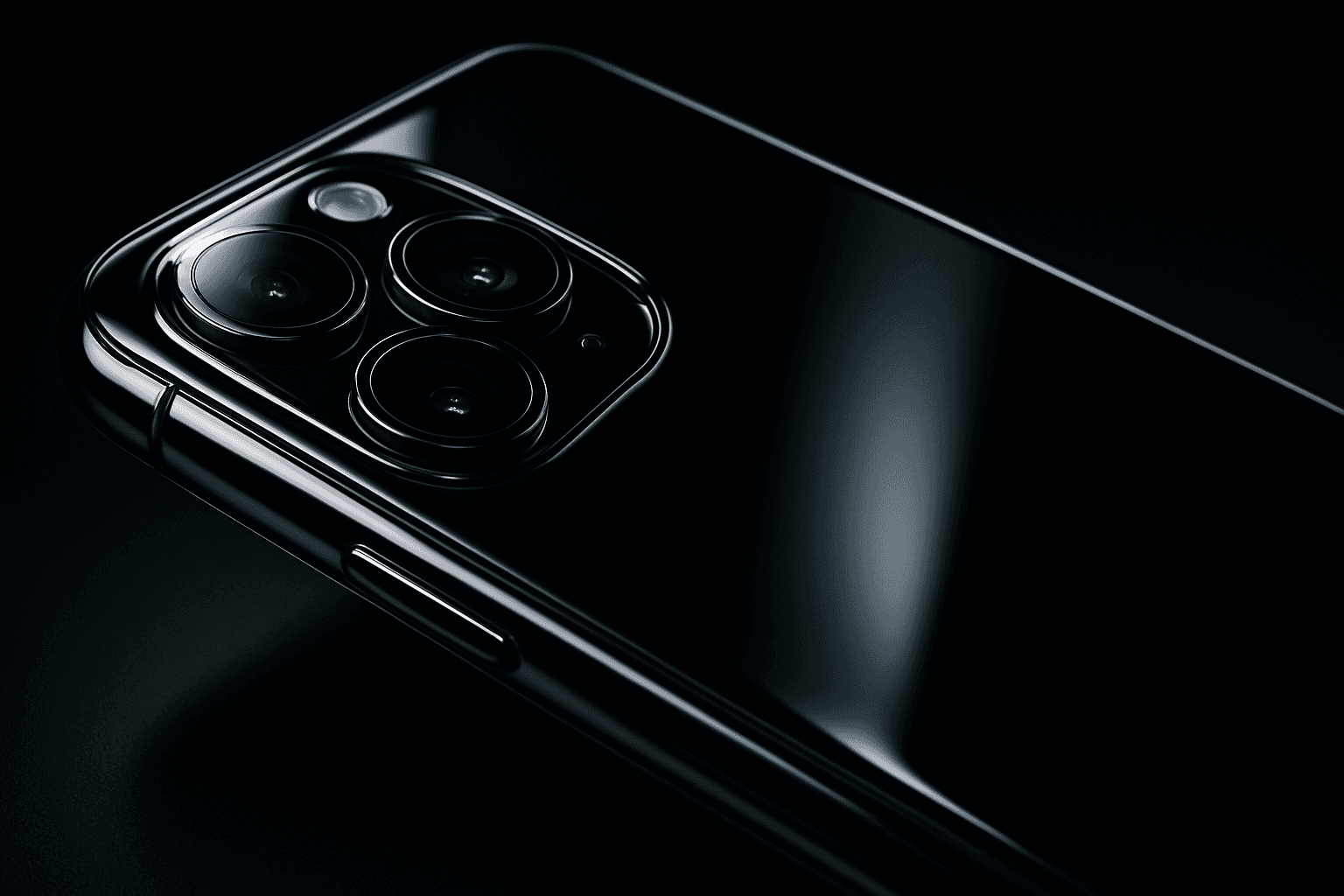
Glossy Surface Finish
Adding a glossy surface finish to your AI image prompts transforms objects or materials by emphasizing their shiny, smooth qualities. It simulates surfaces like glass, polished metal, lacquered wood, or wet textures. This finish enhances realism by reflecting environmental light and adding depth, often making images appear more vibrant and tactile. Use it to create premium, high-end product renders, detailed textures, or eye-catching editorial visuals where surface quality matters. Glossy finishes can be combined with various materials and lighting setups, giving artists and designers flexibility to achieve the desired mood and style.
View keyword
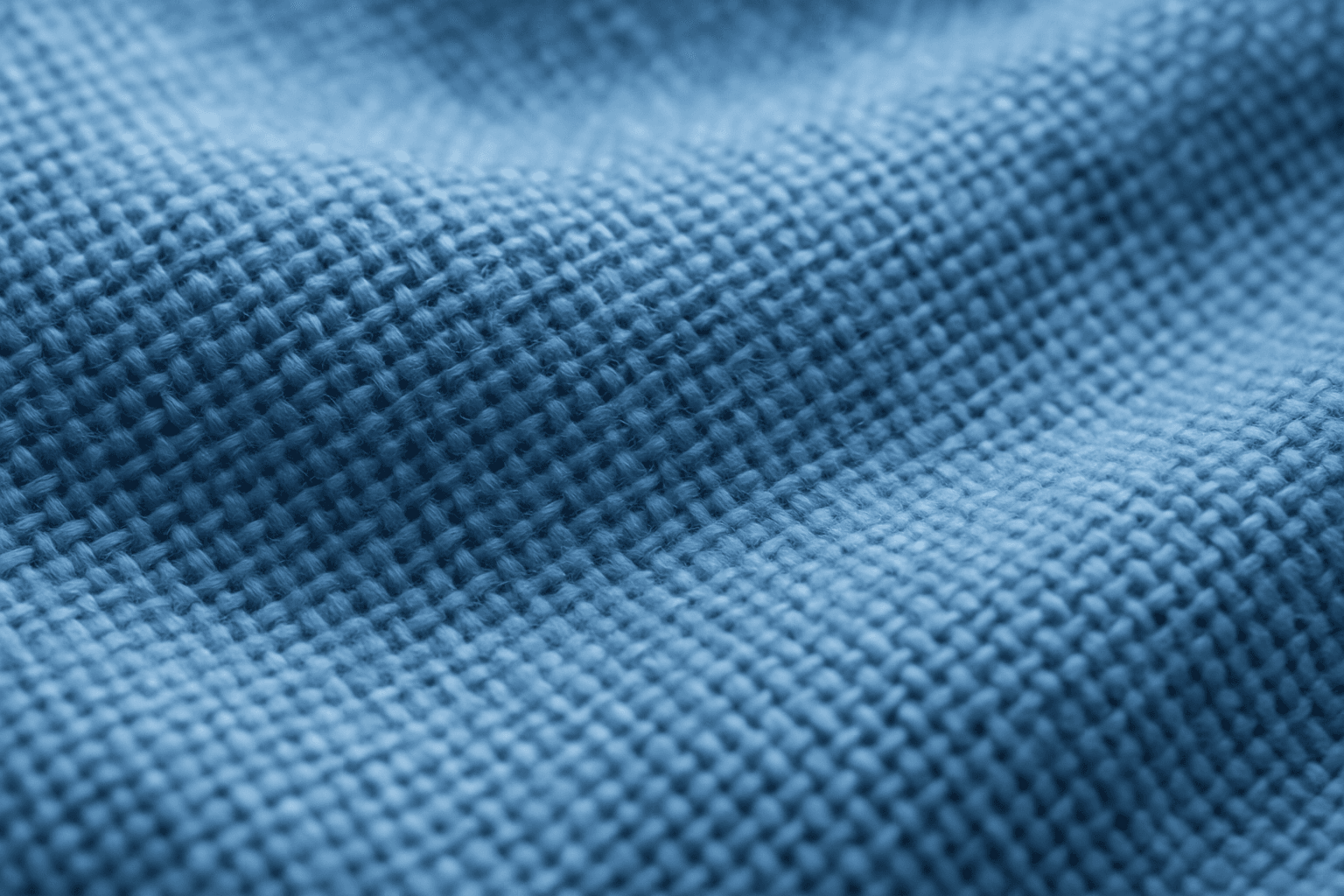
Fabric Weave Pattern
Fabric weave patterns provide rich, tactile details in AI-generated images, essential for portraying realistic textiles. Including this keyword enhances the depiction of material texture, surface intricacies, and thread arrangements, which elevate the authenticity of digital fabrics. This texture detail aids artists and designers in producing premium-quality visuals useful for fashion, interiors, and product mockups. Understanding how to prompt these patterns allows for versatility across luxury silks, rugged denims, or cozy woolens in digital art creation.
View keyword
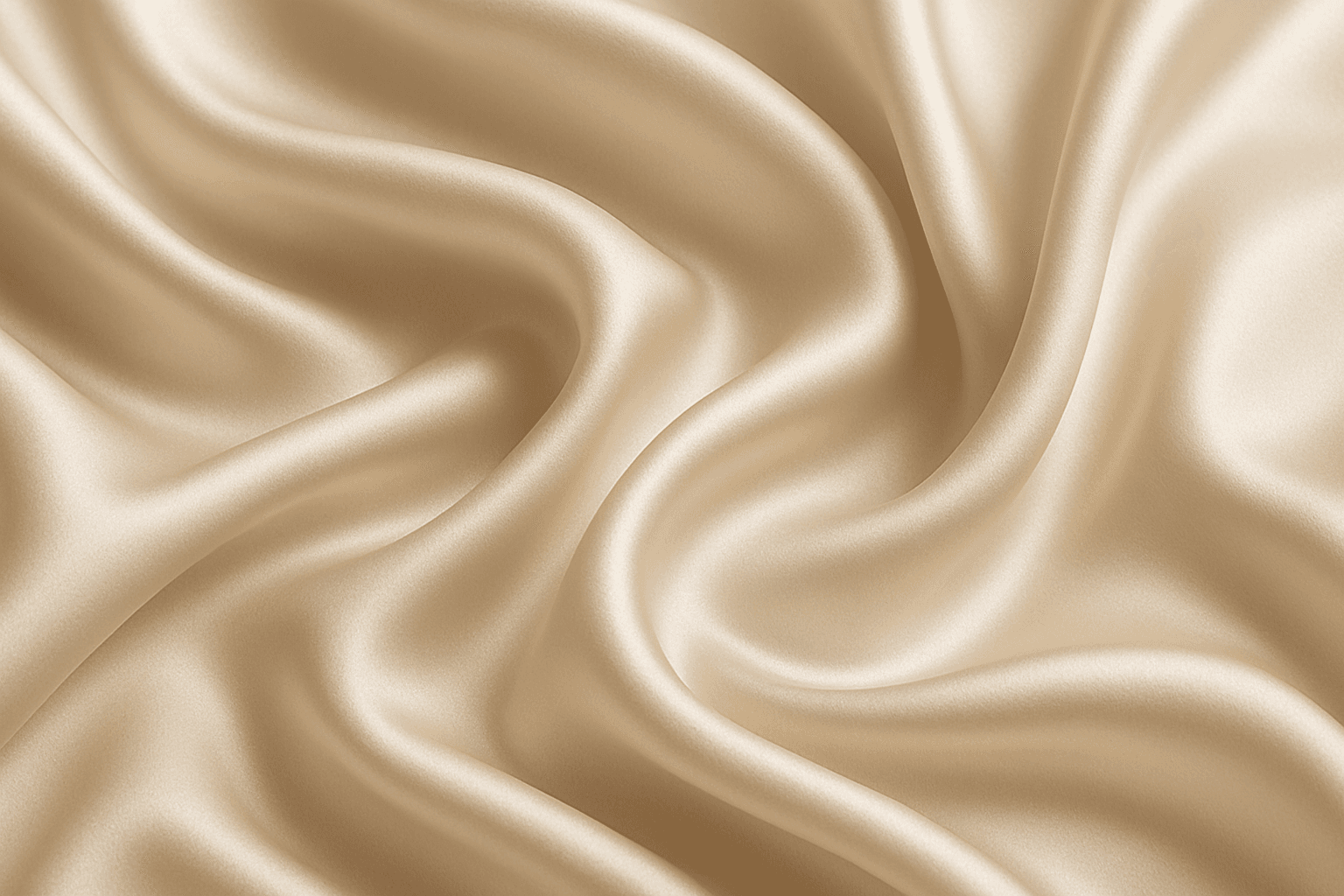
Smooth Silk Texture
Using 'Smooth Silk Texture' as a keyword in AI prompts enhances image realism by replicating the distinct tactile and visual properties of silk fabric. This effect includes gentle light reflections, fine surface softness, and natural fold dynamics that emphasize quality and luxury. Including this keyword guides models to generate images with refined lighting and smooth gradients, often used in fashion, interiors, or product visuals where sophisticated fabric appearance is needed. It also adds subtle depth without harsh texture or noise, ensuring elegant and premium aesthetics suitable for editorial and commercial projects.
View keyword
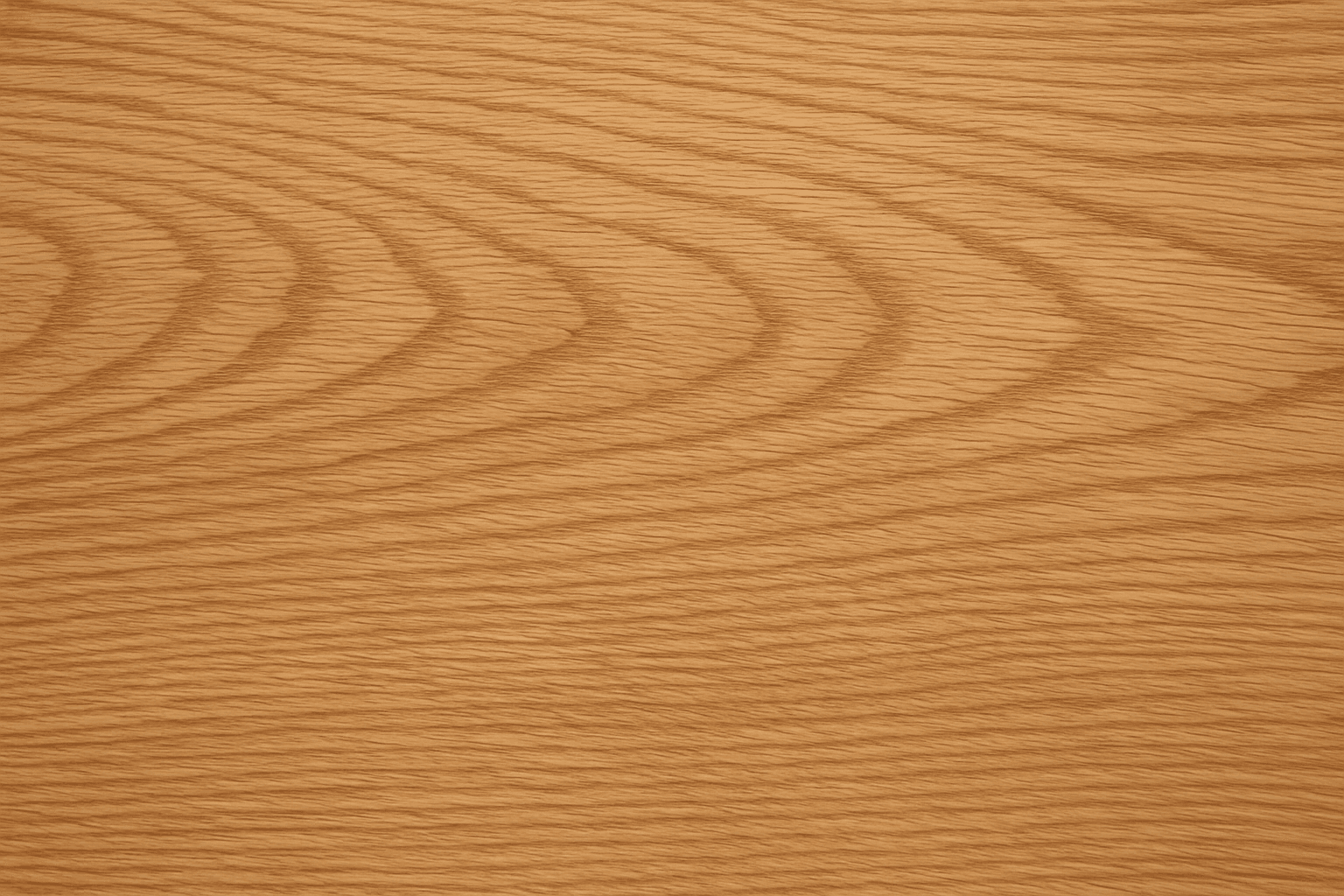
Natural Wood Grain
Using the 'natural wood grain' keyword in AI prompts enables creators to generate images that showcase the authentic texture and appearance of wood surfaces. This keyword helps emphasize the organic features of wood, including its characteristic rings, knots, and fiber patterns. The result is a realistic depiction often required in product mockups, interior design visualizations, or nature-inspired artworks. Accurately rendering wood grain adds depth and authenticity to images, making them more visually appealing and true to life, which benefits designers and marketers who focus on natural or crafted wooden elements.
View keyword
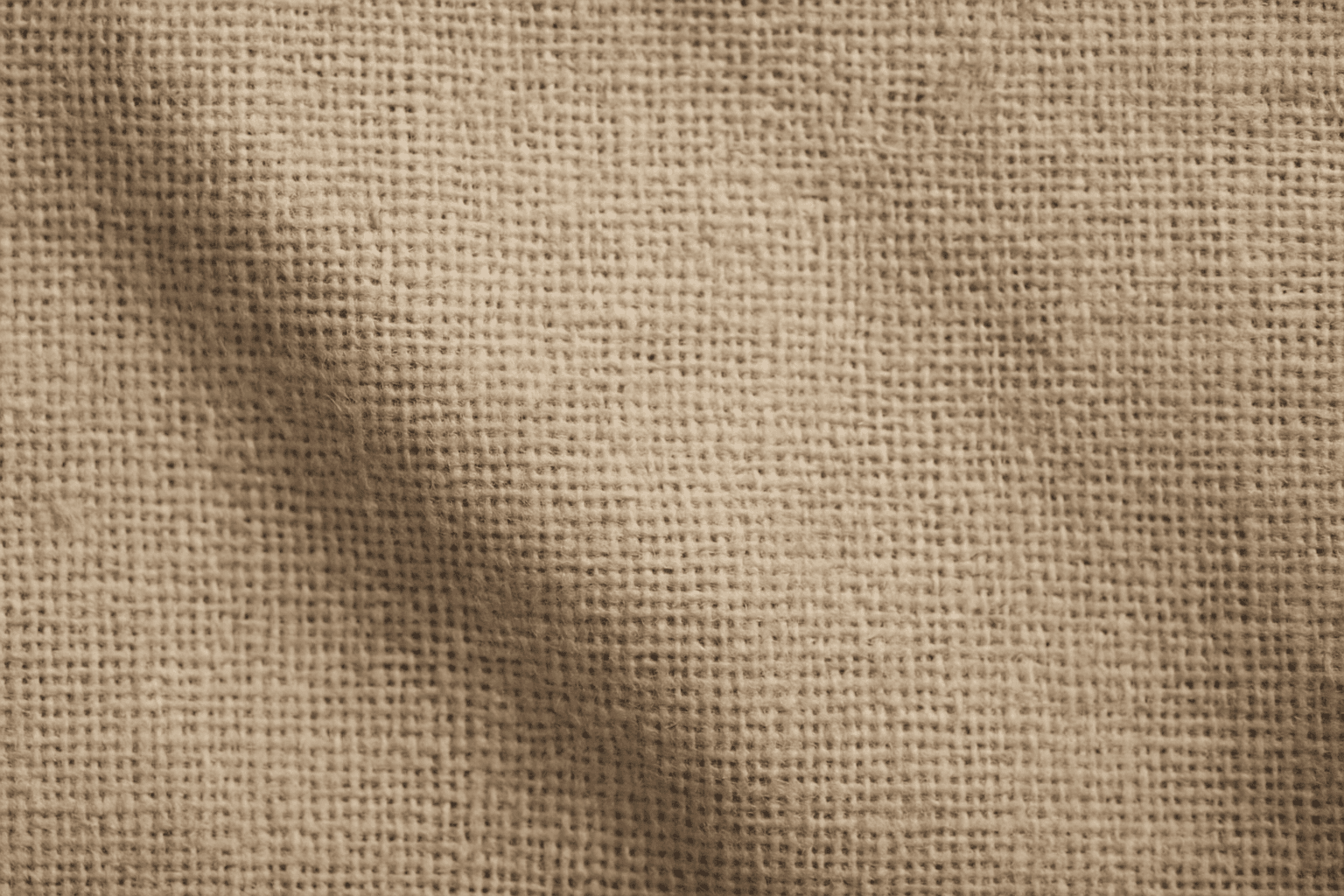
Rough Canvas Texture
Rough Canvas Texture describes the distinct appearance of coarse woven fabric, typically made from natural fibers like cotton or linen. This texture is characterized by a pronounced weave pattern and a tactile, uneven surface. When used in AI image prompts, it enhances realism by simulating the physical characteristics of canvas materials often seen in paintings, upholstery, or artistic backgrounds. It helps bring a natural, handcrafted feel to digital images, enriching their visual depth and authenticity. This texture suits creative projects aiming to blend digital art with organic elements, serving as a compelling backdrop or detail layer.
View keyword
Chalkboard Surface Texture
Chalkboard Surface Texture captures the unique look and feel of traditional blackboards commonly used in classrooms. It combines dark, matte backgrounds with subtle surface grains and visible chalk-related markings like smudges and partial rubbings. This texture adds tactility and context to illustrations, educational materials, design projects, or product simulations involving chalkboards. When integrated into AI image prompts, it guides the AI to emphasize realistic surface details and material qualities, avoiding overly smooth or flat rendering. This results in images that evoke familiarity and authenticity, making them ideal for conveying variety in textural compositions or thematic classroom scenarios.
View keyword
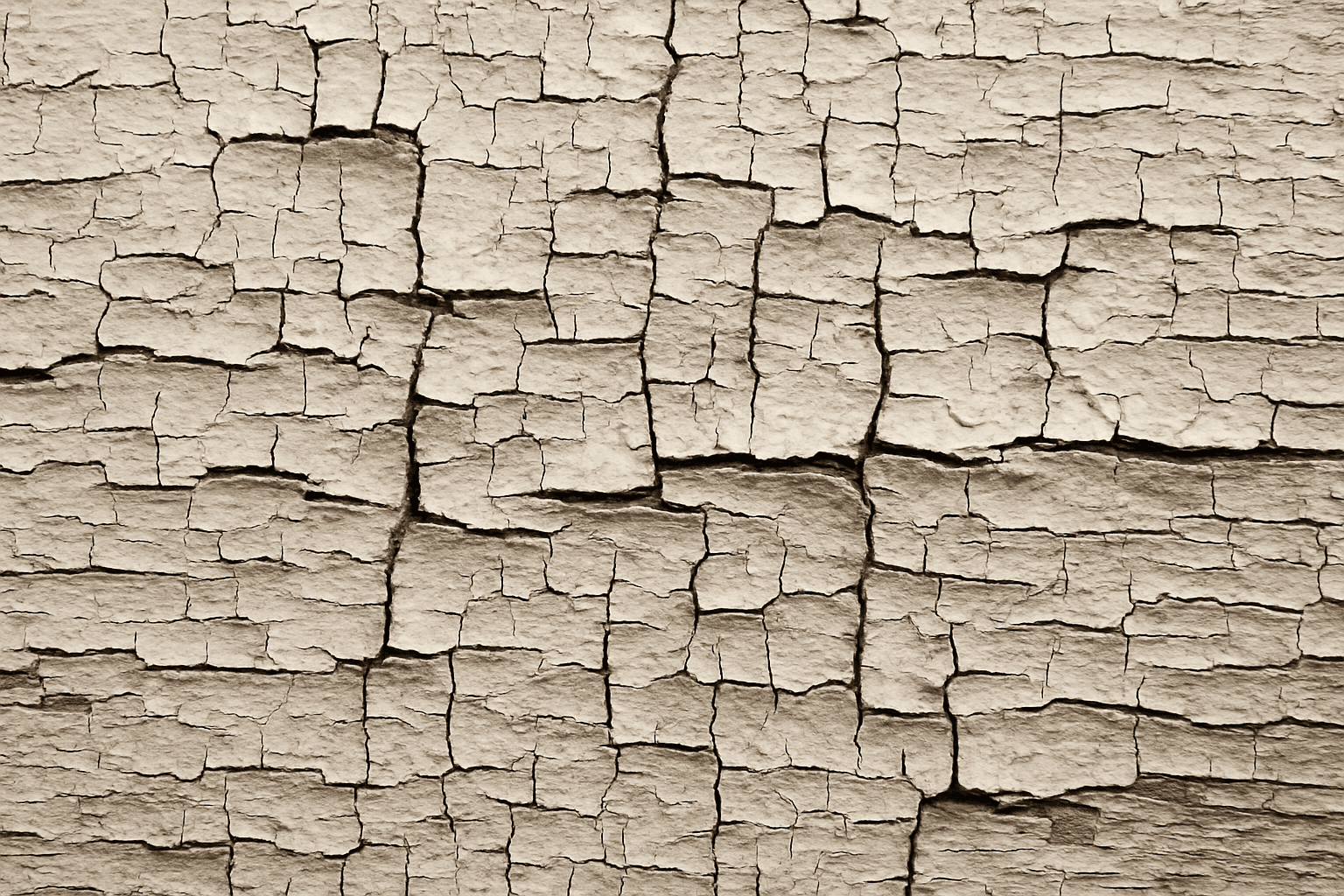
Cracked Paint Texture
The cracked paint texture keyword enhances AI-generated images by adding a distinctive aged or weathered surface effect commonly seen on old walls, furniture, or vehicles. This texture introduces visual complexity and an organic feel, making scenes appear more realistic or artistically rich. By emphasizing imperfections, it invokes a tactile dimension that conveys history, decay, or rustic charm. Using this keyword allows creators to explore themes of time passage or urban aesthetics in digital art, photography-inspired visuals, or realistic product renders.
View keyword
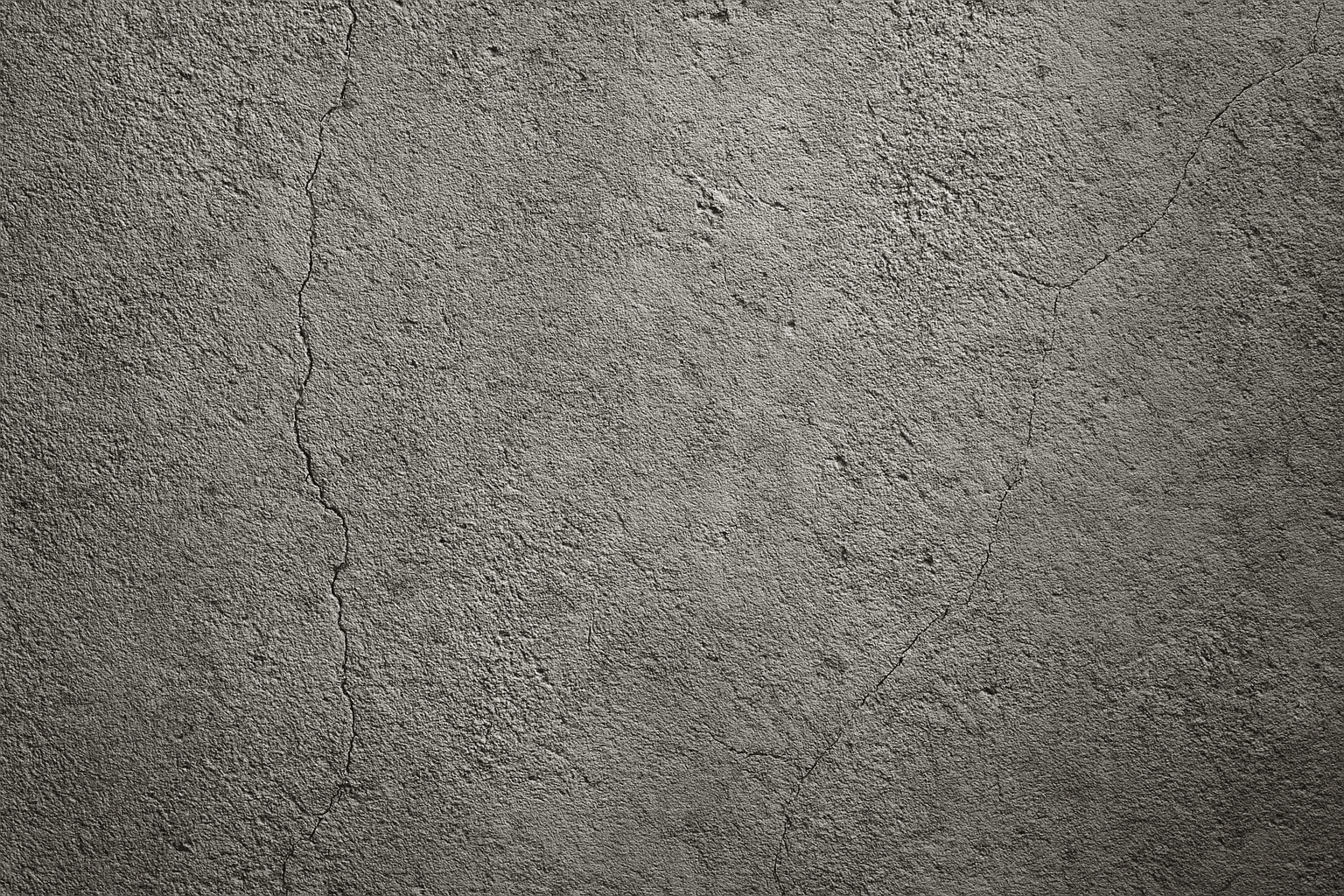
Concrete Wall Texture
Concrete wall textures are a popular element in AI-generated imagery, valued for their ability to add a rugged, industrial feel to backgrounds and surfaces. This texture closely mimics the real-world appearance of concrete, featuring a mix of gray hues, roughness, and often subtle imperfections like streaks or cracks. When used in AI prompts, it directs image generators to emphasize materiality and structural realism, making it indispensable for architectural visualizations, graphic designs, and product backgrounds that require a tactile, authentic look. This keyword enhances the visual depth and lends an understated rawness to compositions, without drawing focus away from the main subject.
View keyword
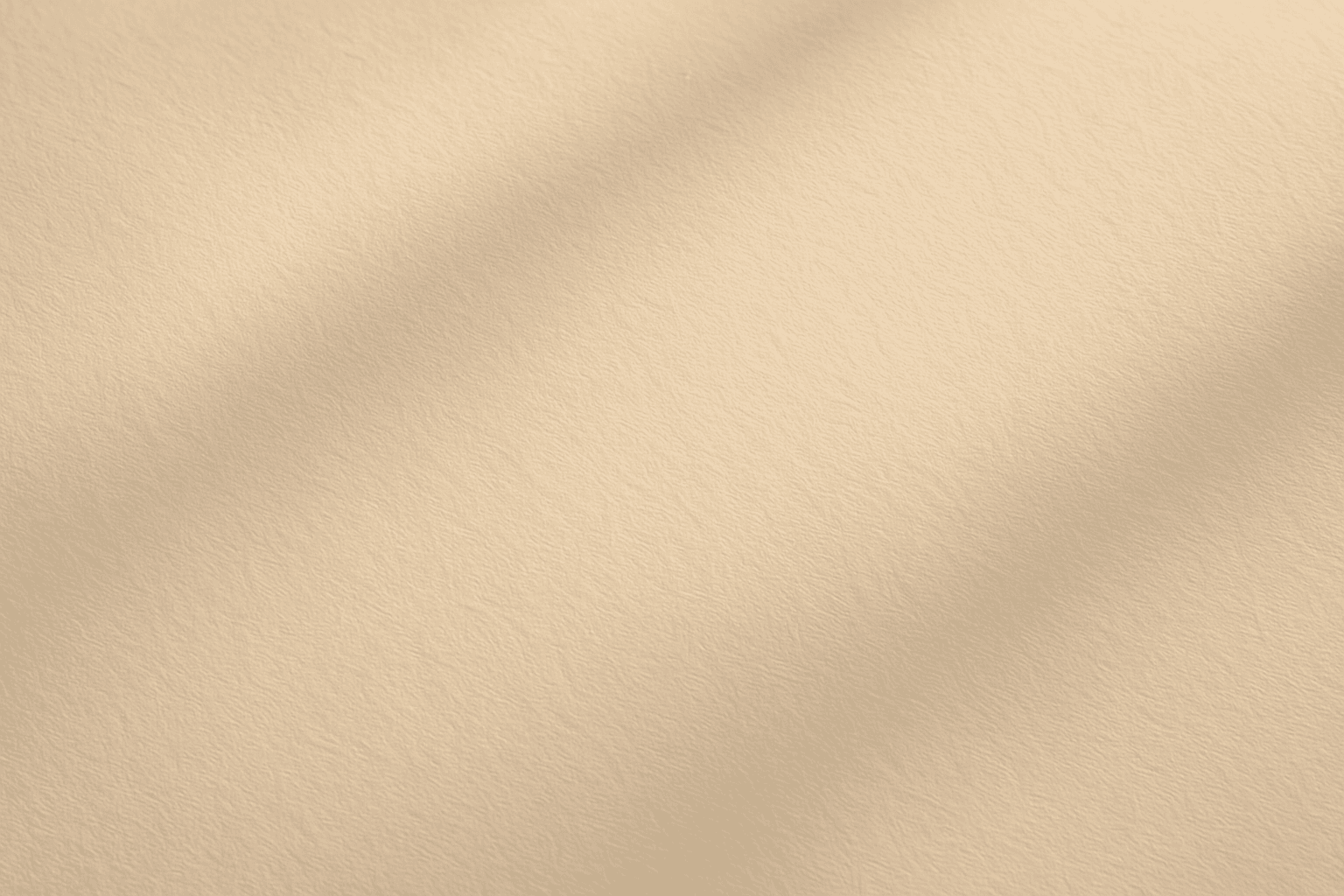
Soft Matte Paper Texture
Soft Matte Paper Texture is a specialized prompt keyword that helps artists and designers generate images featuring realistic, tactile paper surfaces with a matte finish. This texture is characterized by subdued reflections and a soft, natural look that avoids glare or shine. Using this keyword in AI prompts supports creations such as book covers, packaging mockups, stationery backgrounds, and fine art prints where the paper quality matters. The resulting images carry a premium aesthetic, imitating high-quality paper stock that is often sought after in print-design visualizations and marketing materials. Overall, employing Soft Matte Paper Texture enriches an AI image with subtle tactile cues contributing to a refined, understated finish.
View keyword
Brushed Metal Texture
Brushed Metal Texture in AI art generation captures the distinctive look of metal surfaces treated by abrasive brushing, which creates smooth, parallel lines affecting how light reflects. It's a popular material finish in industrial design, consumer electronics, and architectural elements, lending a premium, tactile quality to images. Using this texture in AI prompts ensures realistic rendering of metal objects with nuanced light interplay and surface depth. This texture enhances visual interest while maintaining subtlety, making it ideal for product visualizations, backgrounds, and stylized concept art. By controlling this parameter, creators can elevate the authenticity and sophistication of metallic materials within their compositions.
View keyword
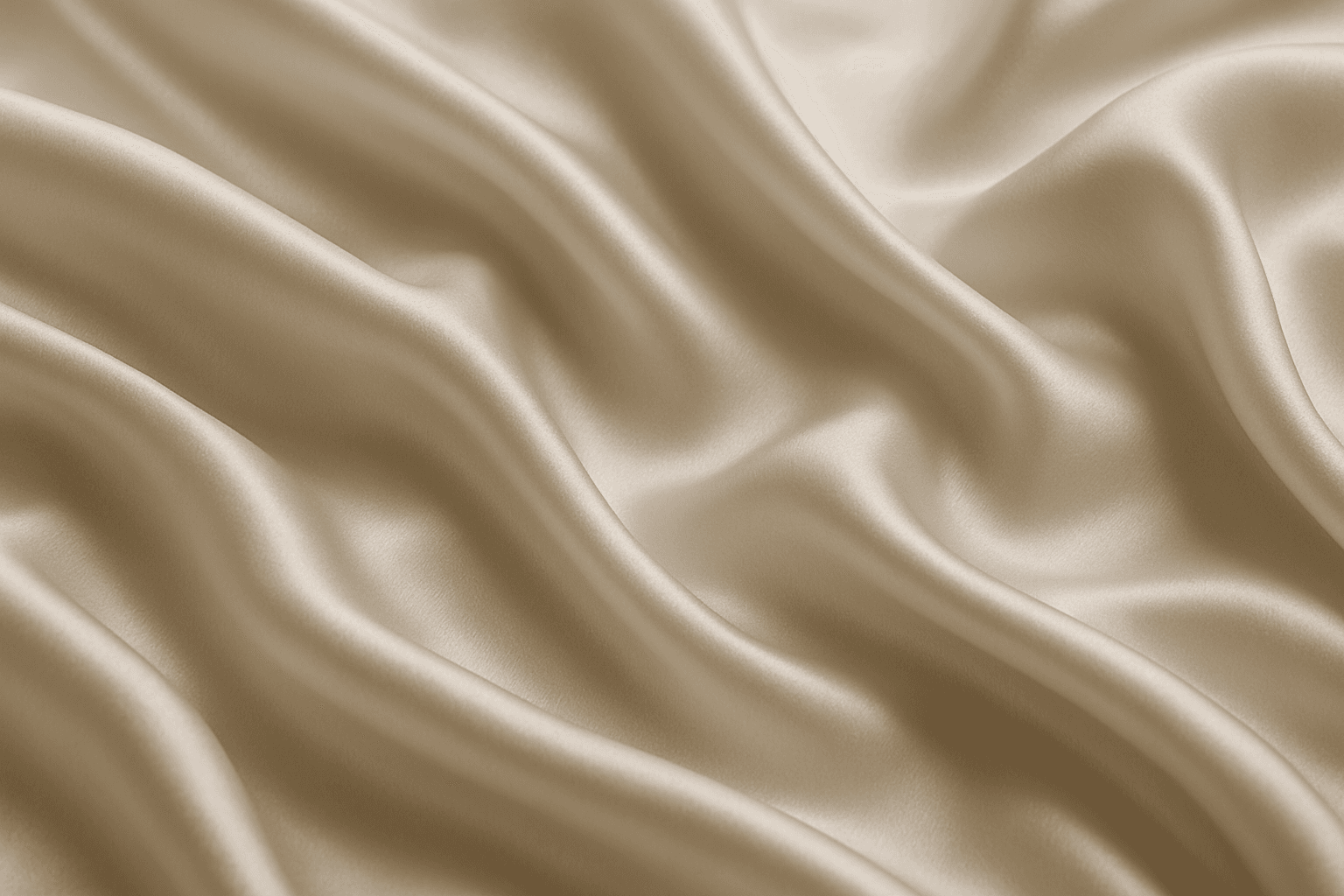
Smooth Silk Fabric Texture
Smooth silk fabric texture is prized for its elegant appearance and soft touch, making it a favored material in fashion, interiors, and luxury goods. In AI image generation, this keyword triggers the creation of images showcasing silk's signature sheen, fluid motion, and delicate surface details. When used in prompts, it helps produce visuals with refined lighting that emphasize silk’s smoothness and reflective quality. This texture enhances images requiring a premium, sophisticated look by mimicking silk’s characteristic glow and tactile softness, suitable for editorial hero shots, product photography simulations, and stylized compositions.
View keyword
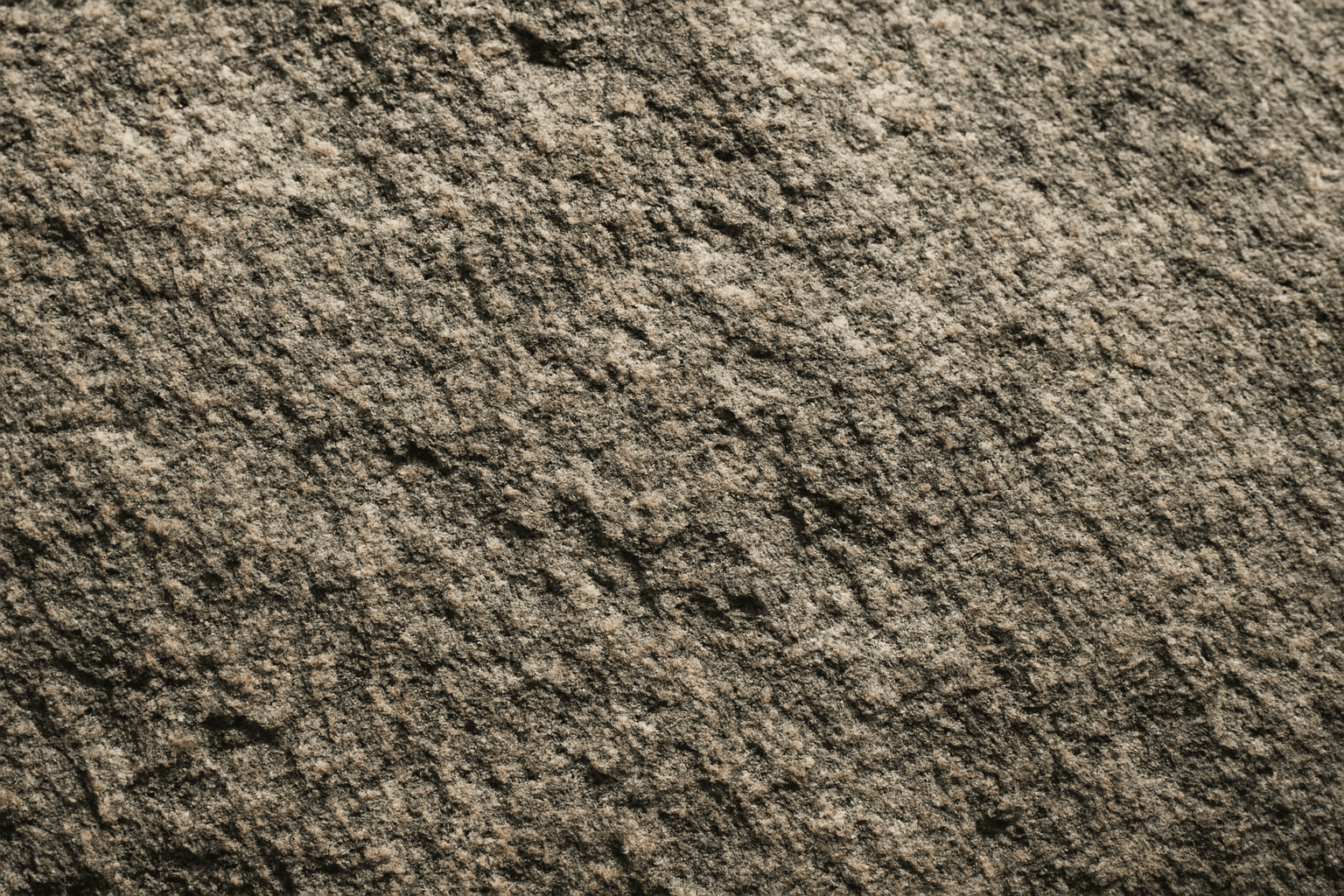
Rough Stone Surface Texture
The 'rough stone surface texture' keyword enriches AI-generated images by emphasizing the coarse and uneven qualities of stone materials. Incorporating this into prompts directs the AI to produce surfaces with natural irregularities, such as grains, cracks, and rugged edges, which simulate real-world rough stone. This texture adds depth and realism, making visuals suitable for architectural renders, backgrounds, or tactile material studies. By mastering this keyword, creators can enhance visual storytelling where material authenticity plays a key role in immersion or aesthetic appeal.
View keyword
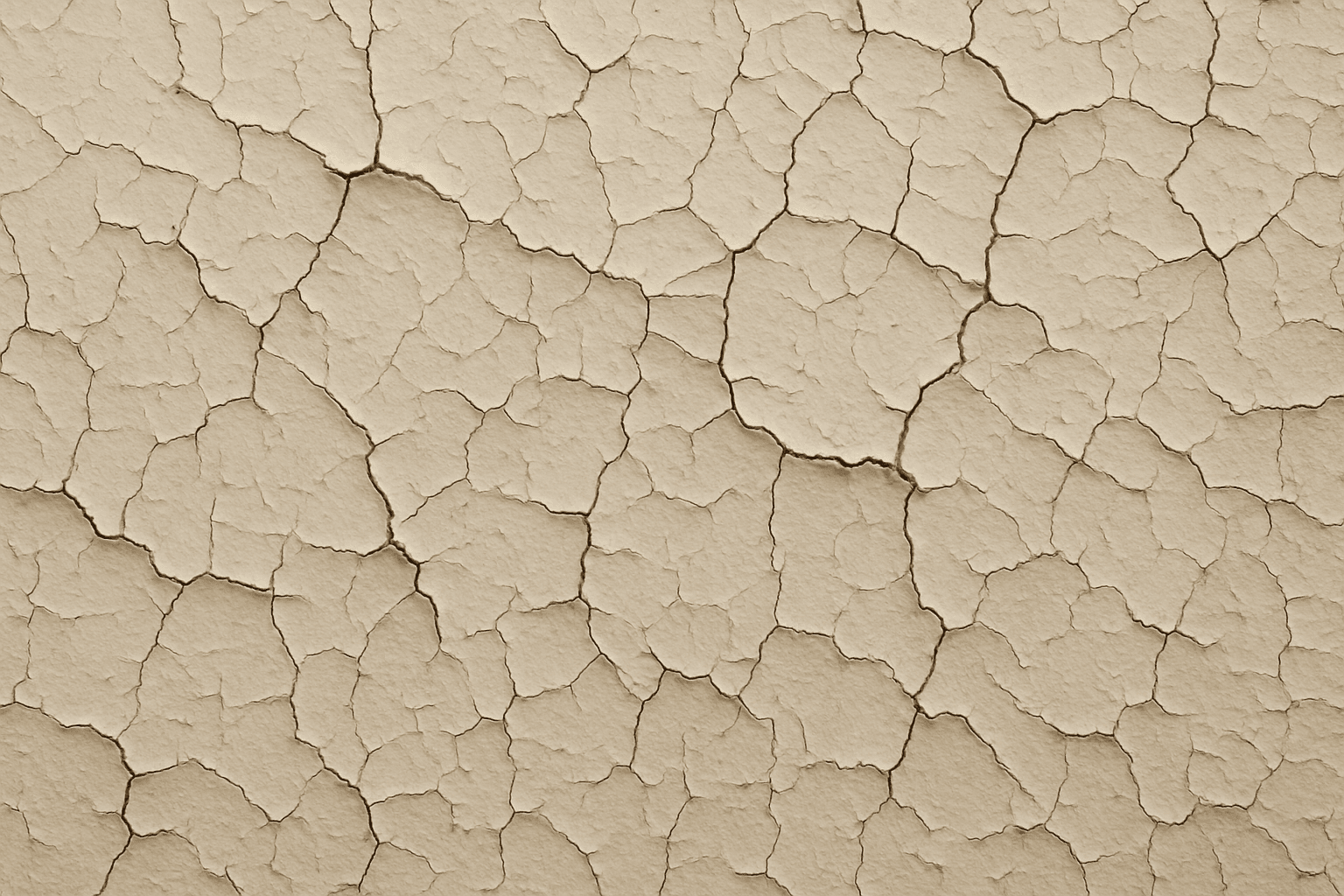
Cracked Paint Wall Texture
Cracked paint wall texture is a highly sought-after element in digital art and design for its ability to convey urban decay, vintage charm, or neglected environments. When applied to AI image generation, this keyword guides models to create detailed and photorealistic renderings of distressed wall surfaces marked by peeling, cracking, and flaking paint. These textures can evoke strong visual interest and tactile realism, ideal for use in backgrounds, material references, or concept art. Incorporating cracked paint enhances an image’s authenticity by simulating natural deterioration effects often seen in outdoor or abandoned settings, influencing the mood with aged aesthetics and weathered charm.
View keyword
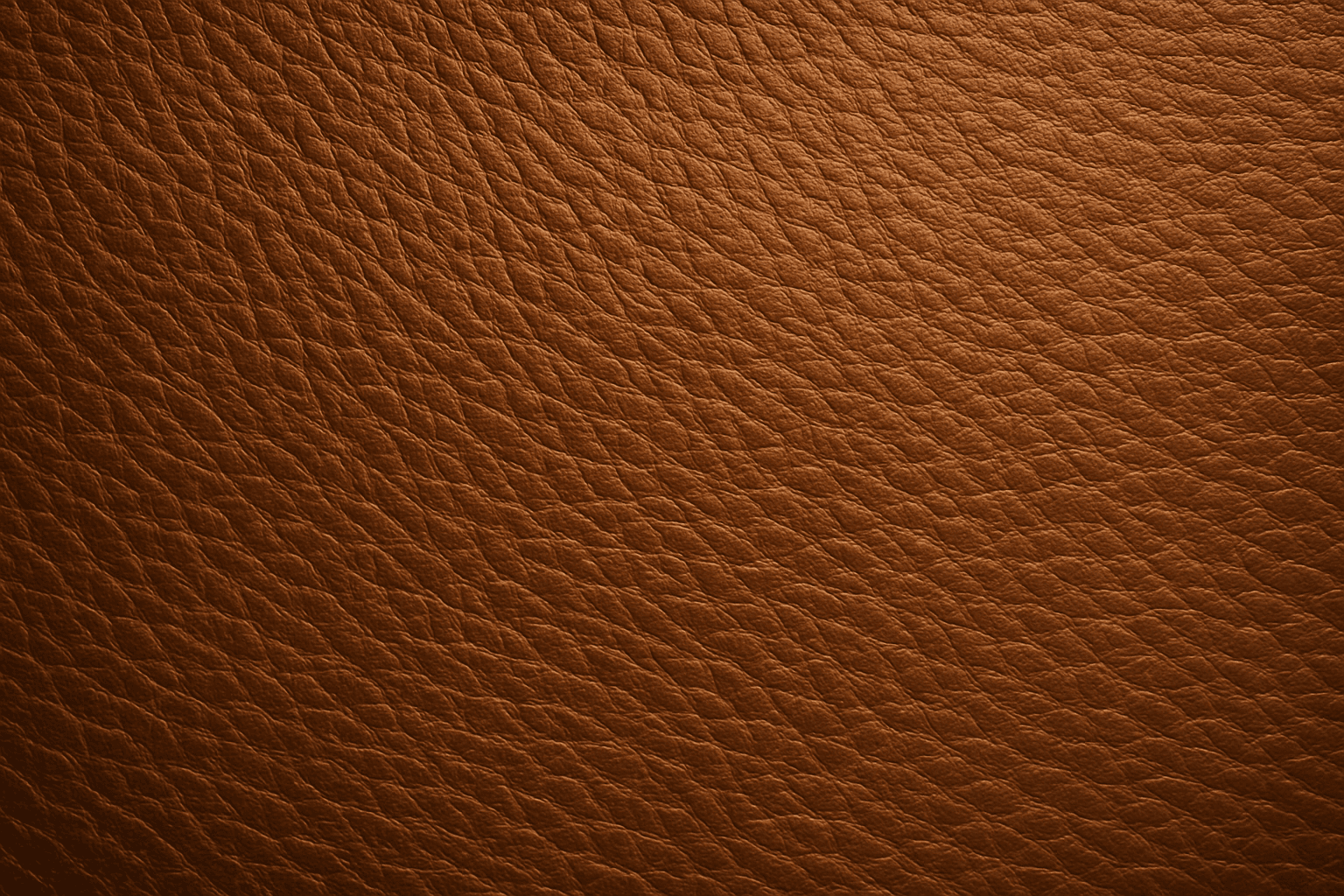
Leather Grain Texture
Using 'Leather Grain Texture' in AI image prompts allows creators to generate images with highly detailed and realistic leather surfaces. This keyword enhances the tactile quality of materials depicted, making them appear more authentic and premium. The characteristic grain patterns convey luxury and craftsmanship, useful for designs needing sophisticated material representation. When combined with appropriate lighting and composition, this texture can create visually rich images suitable for product visualization, fashion editorials, or interior design concepts. Mastery of this keyword helps artists achieve depth and realism in their material renderings, appealing to audiences seeking visually convincing visuals.
View keyword
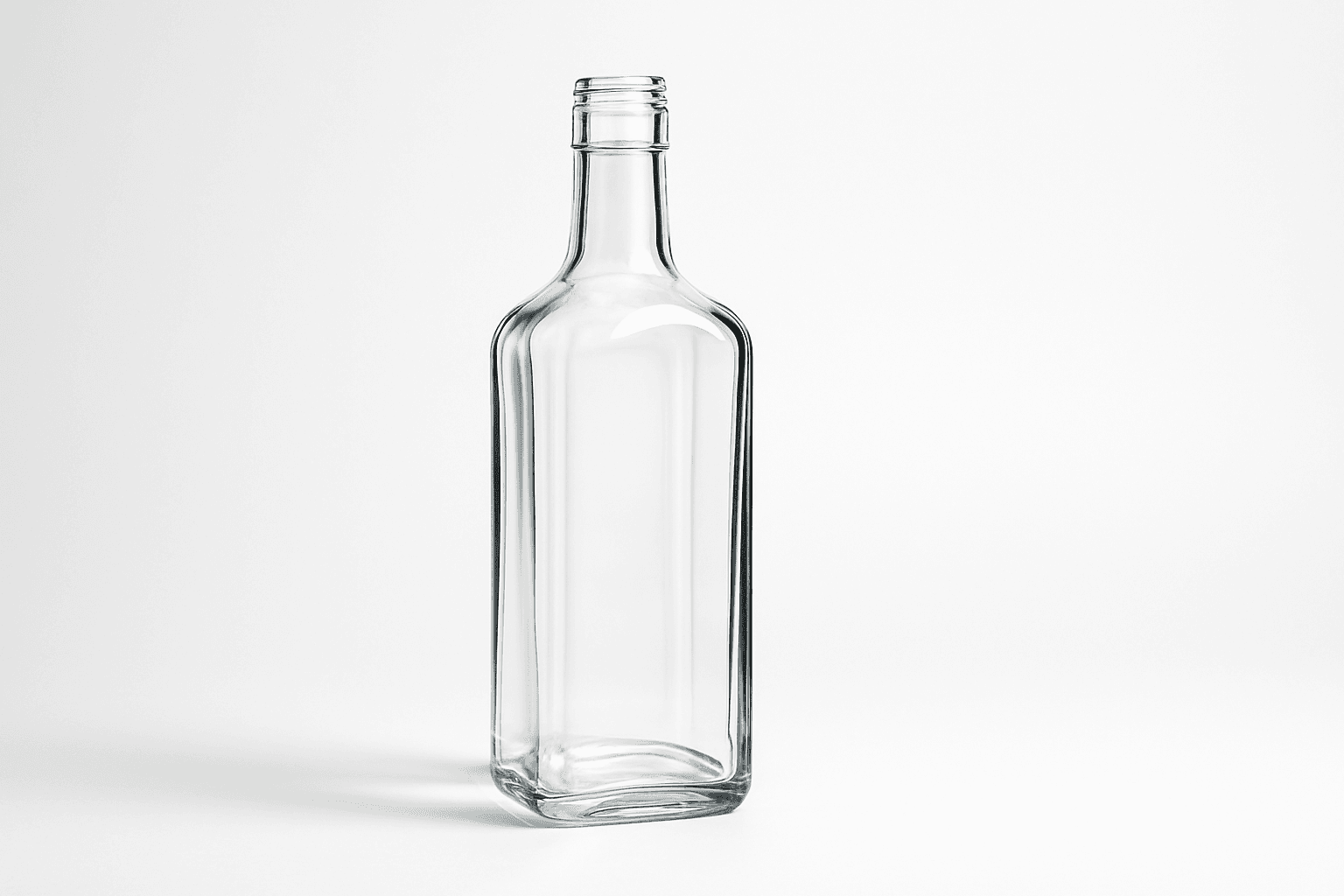
Glass Reflection Effects
Glass Reflection Effects bring a premium realism to AI-generated images by simulating the natural behavior of light on glass materials. This keyword enhances textures and surfaces, making objects appear polished and three-dimensional with believable reflections and refractions that respond to environmental lighting. Using these effects can elevate images from flat or artificial to lifelike visuals suitable for professional design, marketing, and artistic projects. By incorporating Glass Reflection Effects in prompts, creators can achieve sophisticated renderings of windows, glassware, bottles, and architectural elements with convincing material qualities.
View keyword
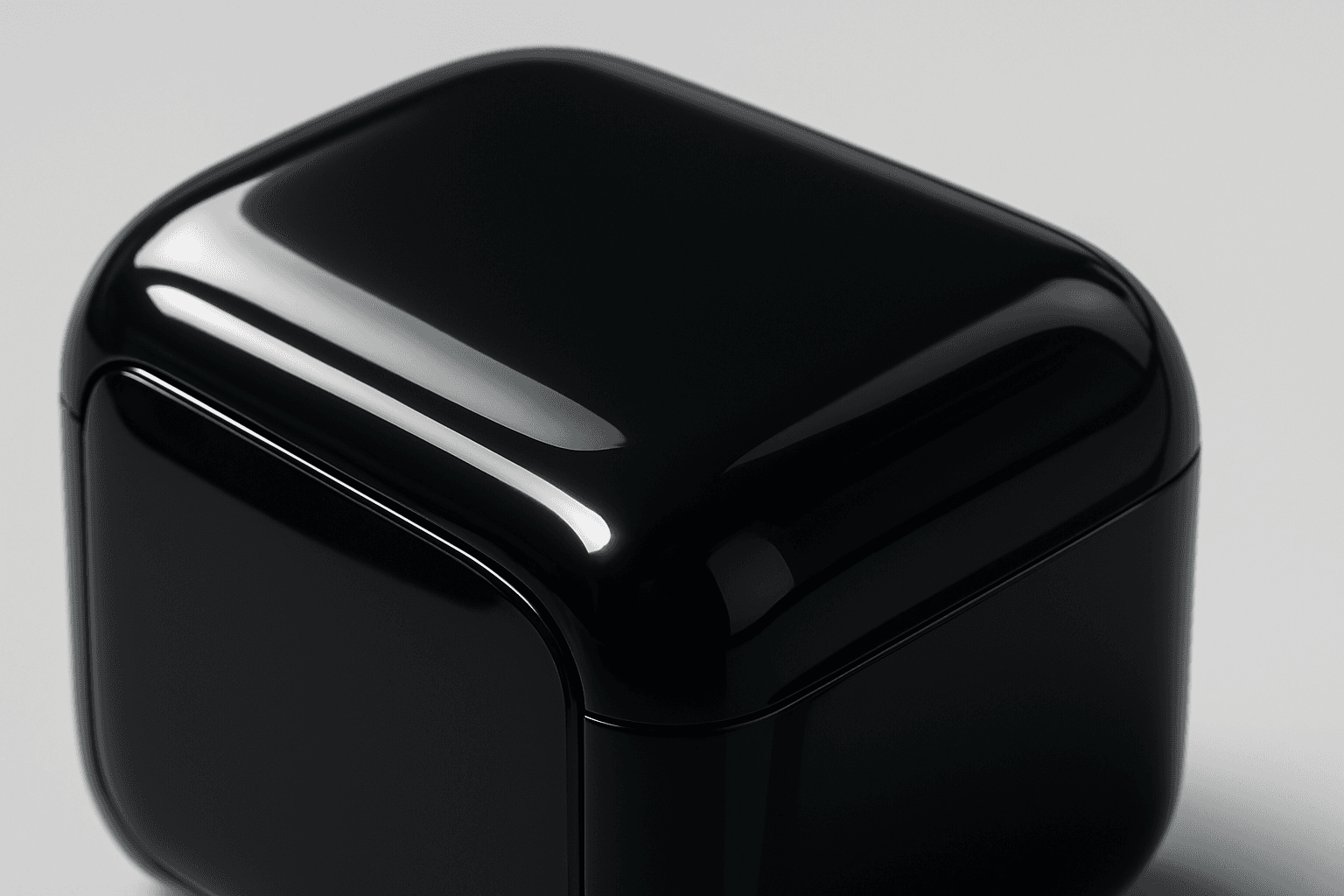
Glossy Plastic Surface
Adding 'Glossy Plastic Surface' in AI prompts introduces a sleek, shiny material effect that mimics polished plastic. This texture conveys a modern, manufactured feel, often used to depict objects with synthetic coatings or stylish packaging. The characteristic shine results from simulated light reflections, creating distinct highlight spots and smooth gradients that emphasize surface smoothness. This keyword helps differentiate images by adding an artificial luster, elevating the material realism in digital renders and creative compositions.
View keyword
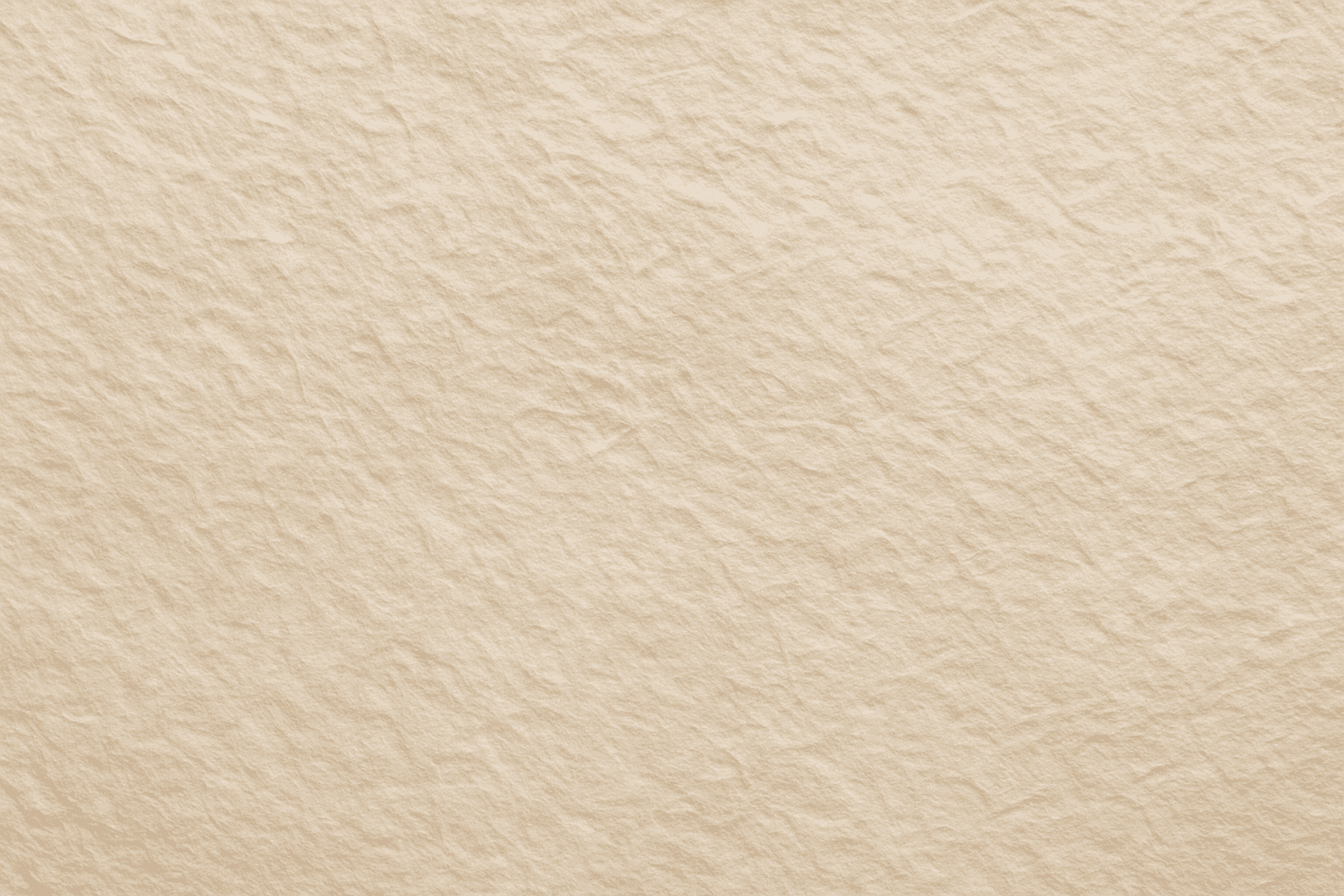
Paper Fiber Texture
Paper Fiber Texture in AI-generated images enhances realism by simulating the microscopic fibers found in physical paper. This texture adds subtle detail and tactile qualities to artwork, making backgrounds or materials appear organic and handcrafted. When included in prompts, it helps models focus on delicate and uneven surfaces rather than flat or overly smooth ones. This keyword is especially useful in designs needing authenticity or vintage aesthetics, offering an alternative to digital or synthetic textures. It works well combined with lighting descriptions to highlight the tactile aspects of the fibers and create refined editorial visuals.
View keyword
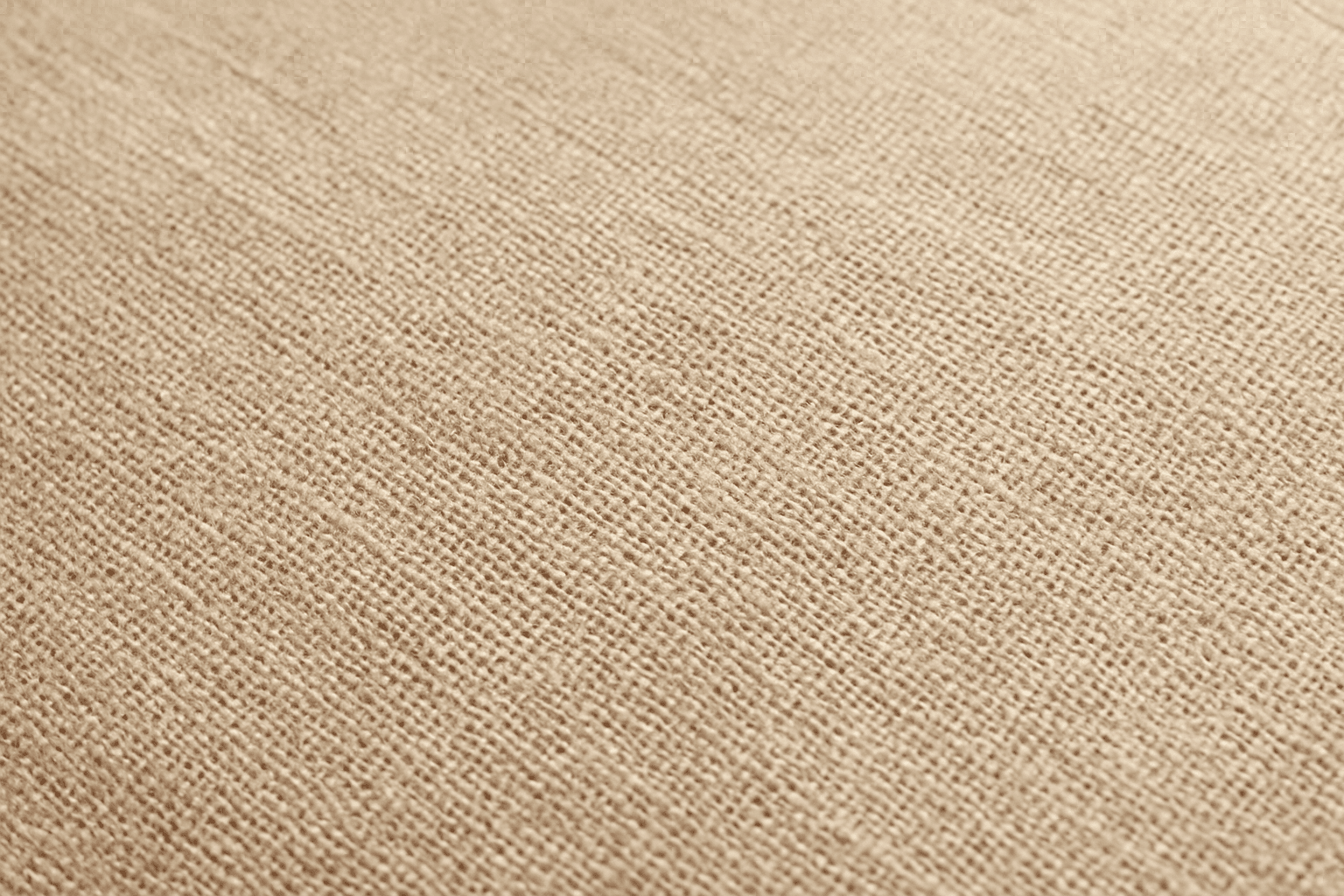
Textured Canvas Material
Using the textured canvas material keyword in AI image generation simulates the look and feel of real canvas fabric, widely appreciated in art and design fields. It brings a traditional, handcrafted quality to digital images, making them appear as if printed or painted on a physical canvas. This effect improves the sensory richness and realism of images, especially paintings, portraits, or background textures. Digital artists and content creators can use this keyword to add authentic fabric texture without manually editing textures, saving time while enhancing visual appeal.
View keyword
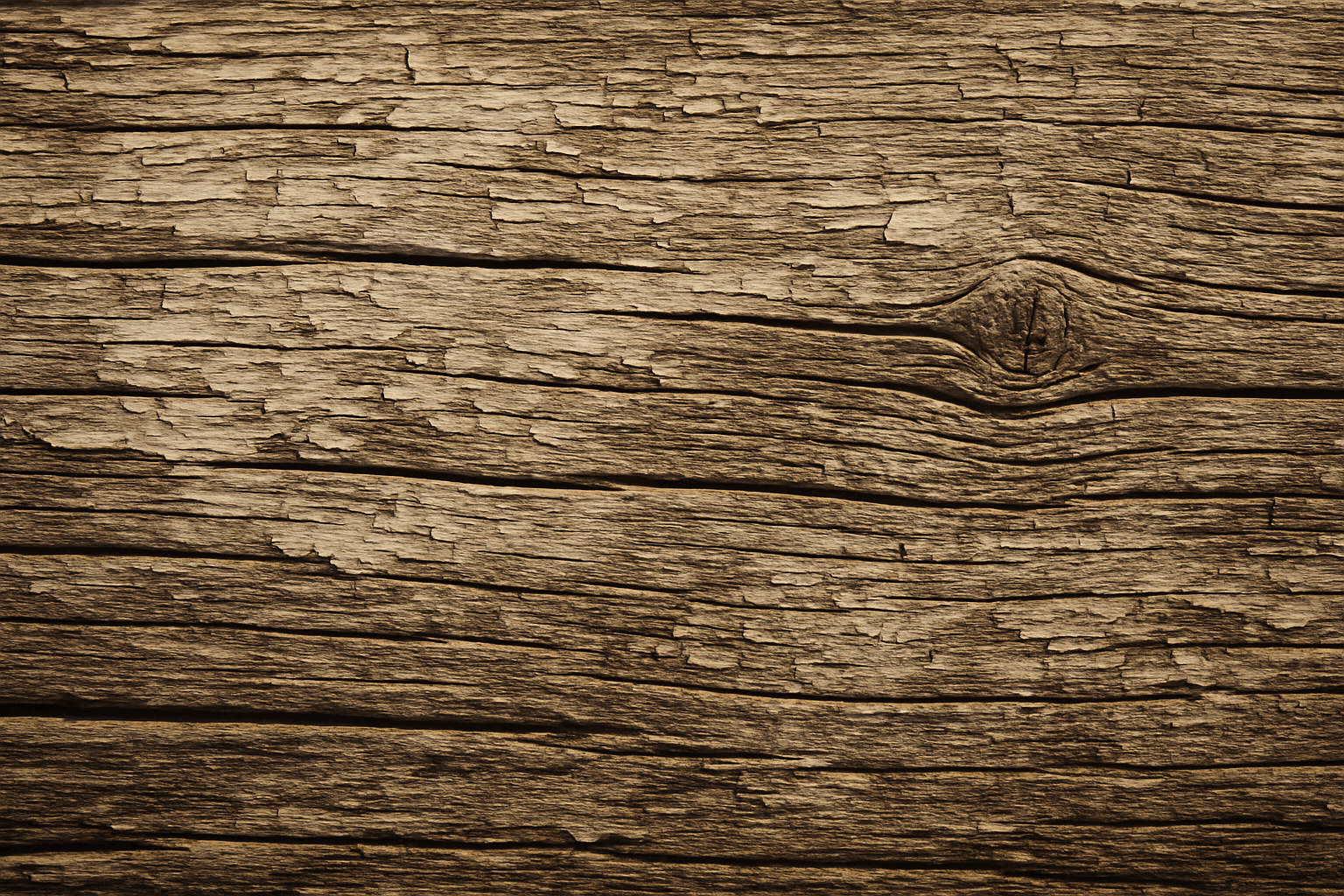
Weathered Wood Texture
Weathered wood texture is prized in design and digital art for conveying authenticity and natural aging. It evokes warmth and rustic charm by representing wood that has been exposed to sun, rain, and wind over time. When used in AI prompt engineering, incorporating 'weathered wood texture' guides image generation models to produce materials that look tactile and imperfect, often featuring grain irregularities, color variations, and surface damage. This texture works well for backgrounds, architectural visualization, product packaging, and artistic projects where natural, worn aesthetics are desired, adding depth and storytelling potential to digital imagery.
View keyword
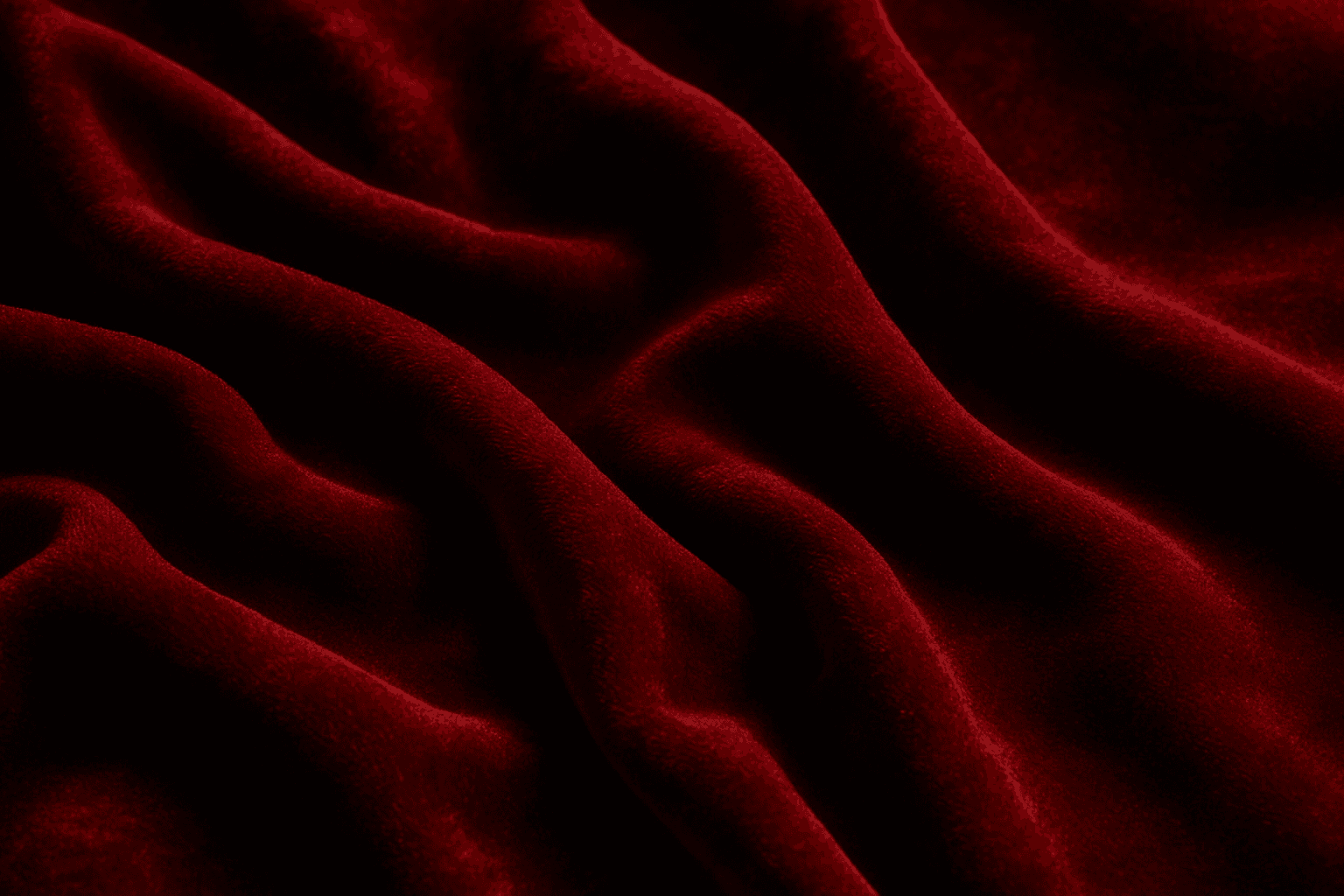
Velvet Fabric Texture
Velvet Fabric Texture is a highly valued keyword in AI image creation, known for adding a touch of luxury and tactile richness. Its unique surface combines densely packed fibers that catch light gently, creating a depth that transforms flat colors into dynamic, sumptuous visuals. When AI models recognize the velvet texture prompt, they generate images showcasing soft highlights and shadows along with a fabric's signature pile, making it ideal for realistic fashion designs, interior decor visuals, and product textures. This keyword elevates images by introducing delicate, realistic fabric details that convey comfort and elegance, apt for editorial and commercial uses.
View keyword
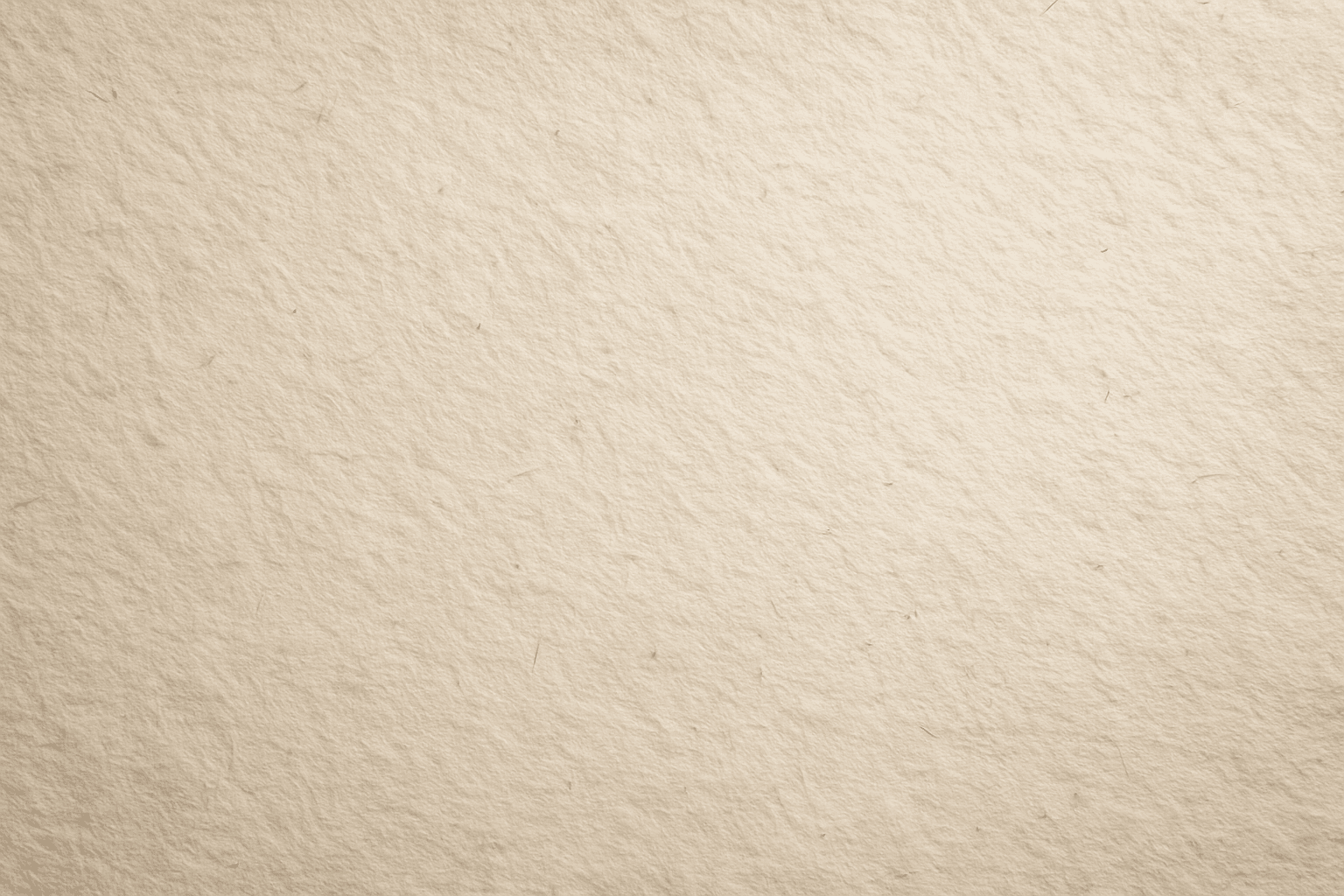
Textured Paper Background
Adding the 'Textured Paper Background' keyword to an AI-generated image prompt introduces a tactile and organic feel, mimicking the subtle fibers and natural imperfections of real paper. It optimizes visual depth and material realism, making backgrounds appear authentic and refined. This effect is particularly useful in artistic, editorial, or product-related images where a clean yet textural backdrop is desired. By specifying this texture, users can elevate the image's material presentation, avoiding flat or digital-only appearances. The result is a premium stock-image-quality background with sophisticated lighting and nuanced detail that enhances focus on the main subject without distraction.
View keyword
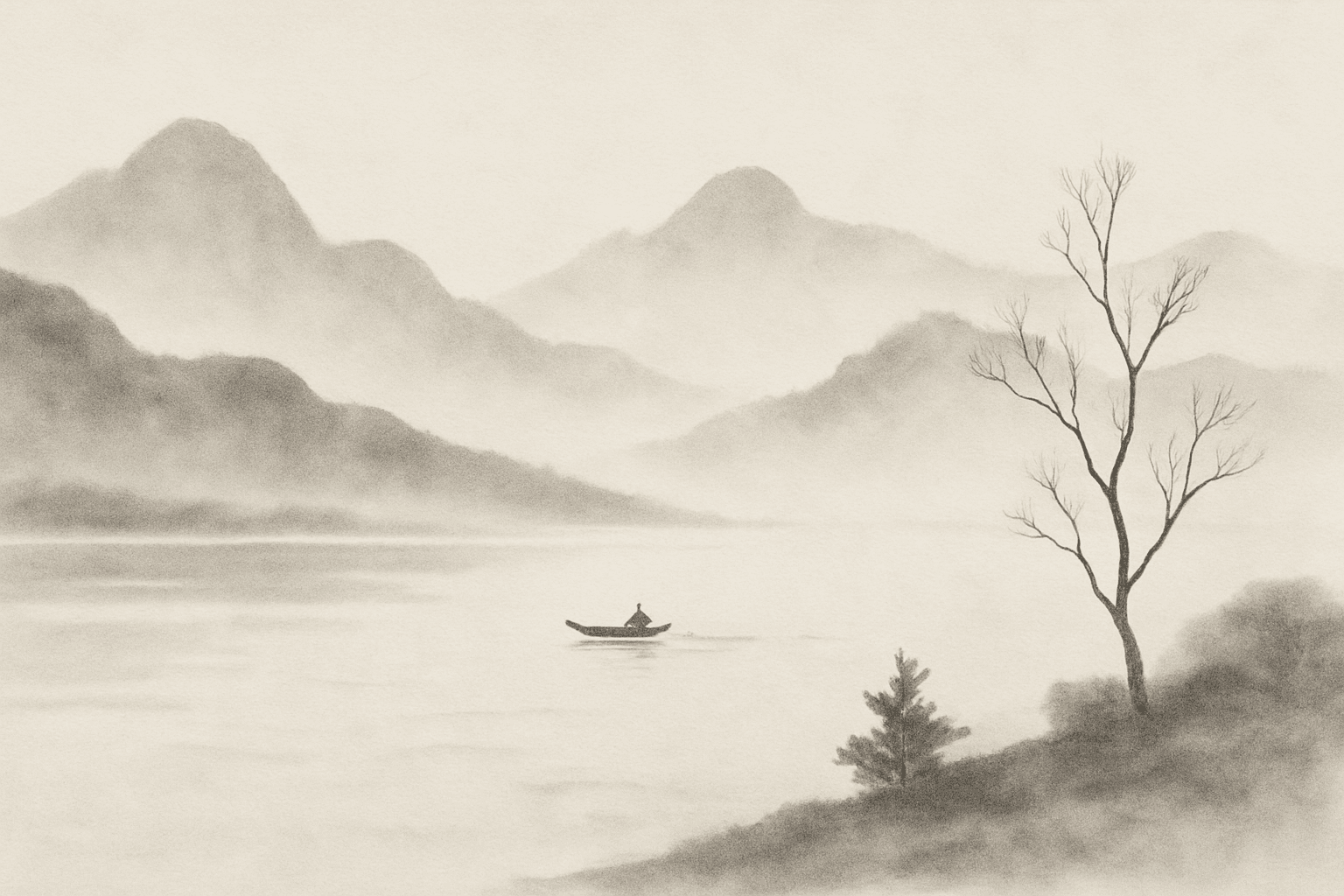
Ink Wash Texture
Ink Wash Texture is a powerful prompt keyword that infuses AI-generated images with the aesthetic qualities of traditional ink wash paintings. This technique draws from historic East Asian art, emphasizing natural brush strokes, tonal gradations, and subtle texture, lending images an artistic and sophisticated feel. When applied in AI prompts, it helps digital creations transcend flatness by simulating the irregularity and beauty of hand-applied ink. This makes it ideal for artists, designers, and illustrators seeking to combine digital precision with the poetry of classic brushwork in their projects.
View keyword
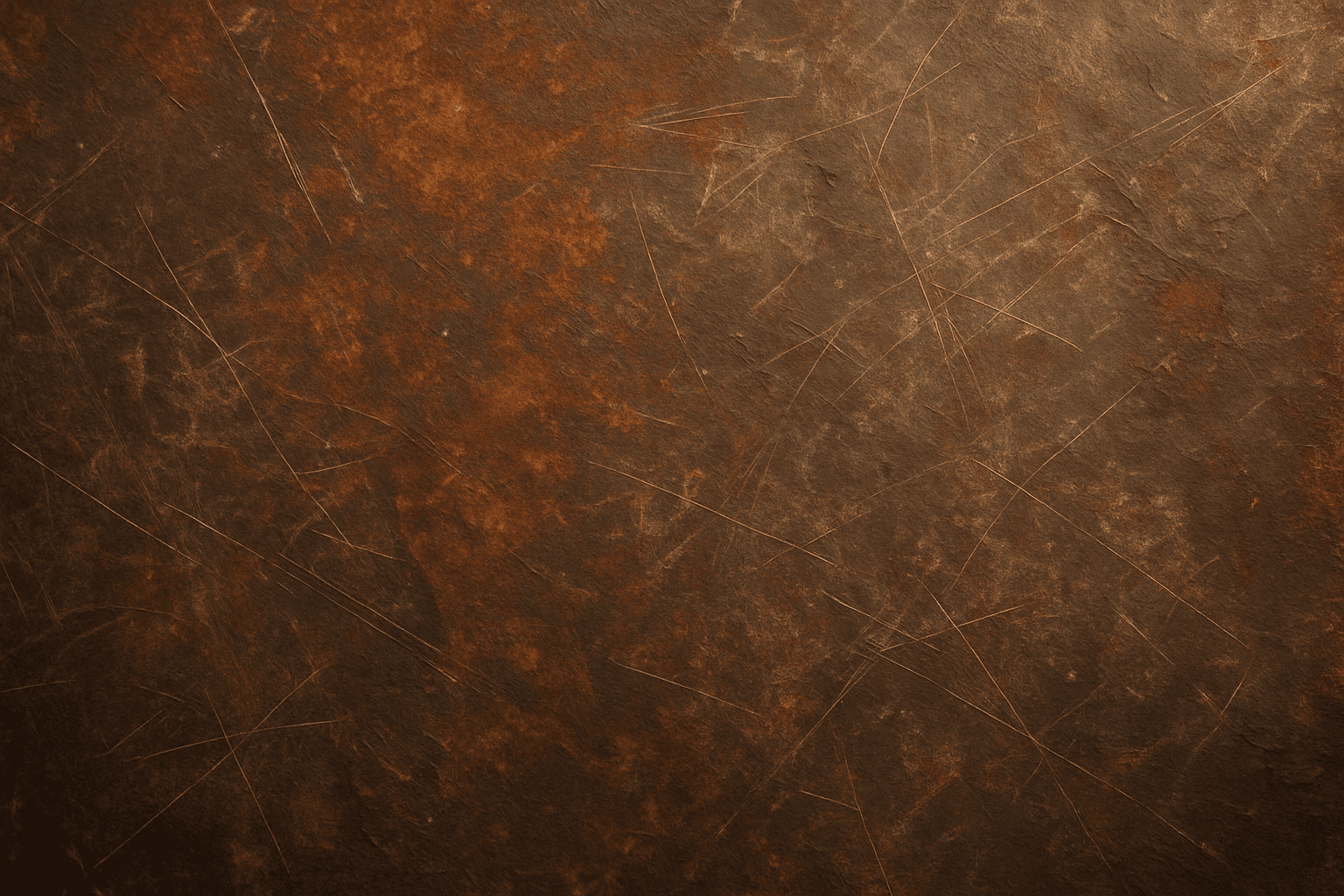
Rustic Metal Texture
Using the Rustic Metal Texture keyword in AI image generation prompts enables artists and designers to depict materials that evoke a tactile sense of history and industrial age charm. The effect mimics the natural aging process on metals, featuring oxidation, pitting, and surface irregularities, which deliver a realistic and visually compelling finish. This texture works well in designs requiring an authentic vintage or handcrafted aesthetic, often used to contrast smoother, newer materials or to emphasize material quality and environment. Incorporating this keyword enhances the feel of depth and realism, making digital renders more tangible and atmospheric for editorial, product visualization, and concept art contexts.
View keyword
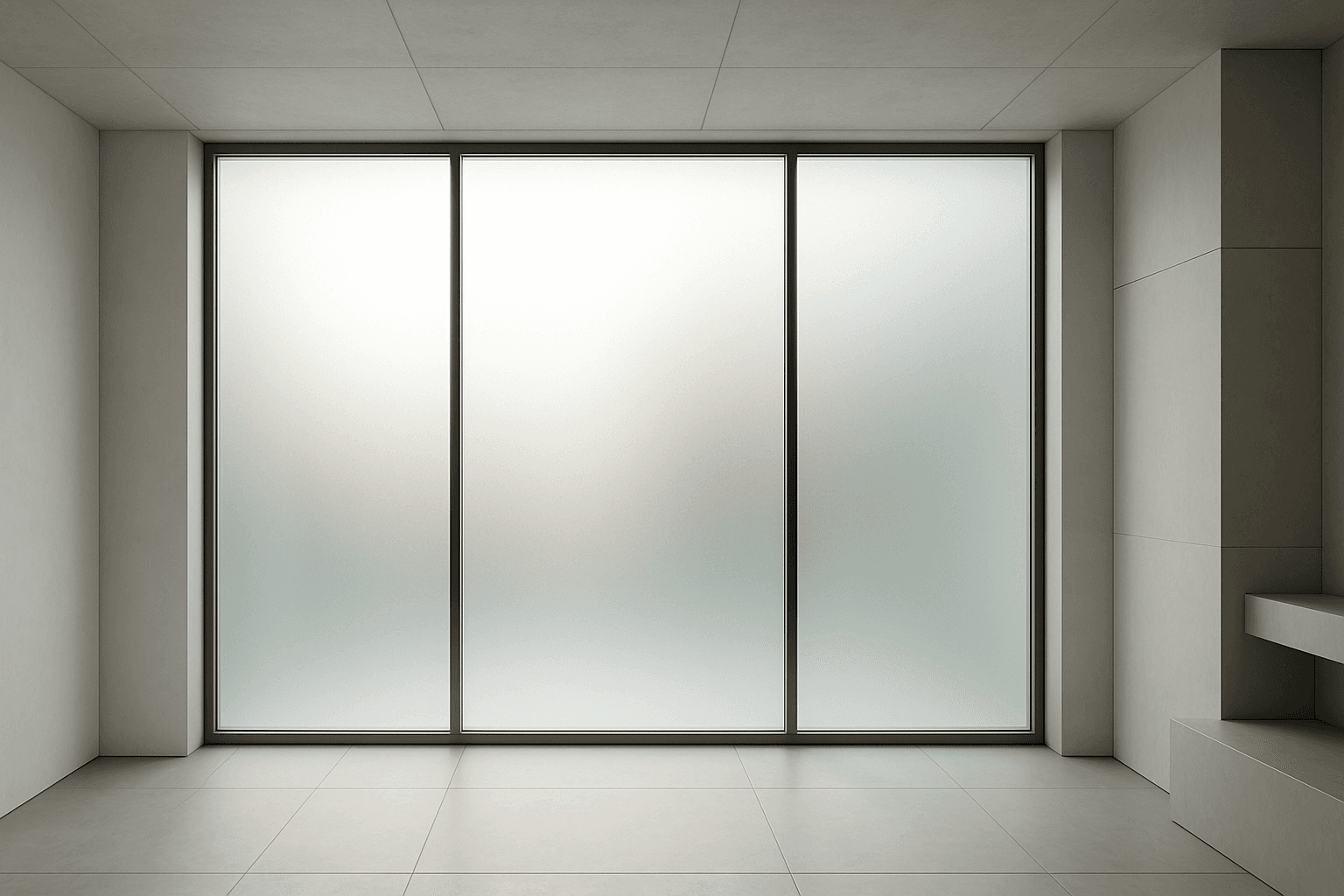
Frosted Glass Surface
Frosted glass surfaces are widely used in modern design to provide privacy without sacrificing natural light. When incorporated into AI image prompts, this texture lends a subtle, elegant diffusion effect that replicates real-world glass treatments. It enhances scenes requiring sophisticated material realism and refined lighting. The frosted finish creates soft visual layers, allowing light to scatter gently and producing an inviting atmosphere. This texture works well in architecture, product design, and abstract compositions, adding depth while maintaining clarity of shape and color. Using this keyword correctly guides AI models to render nuanced glass surfaces with premium polish and tactile authenticity.
View keyword
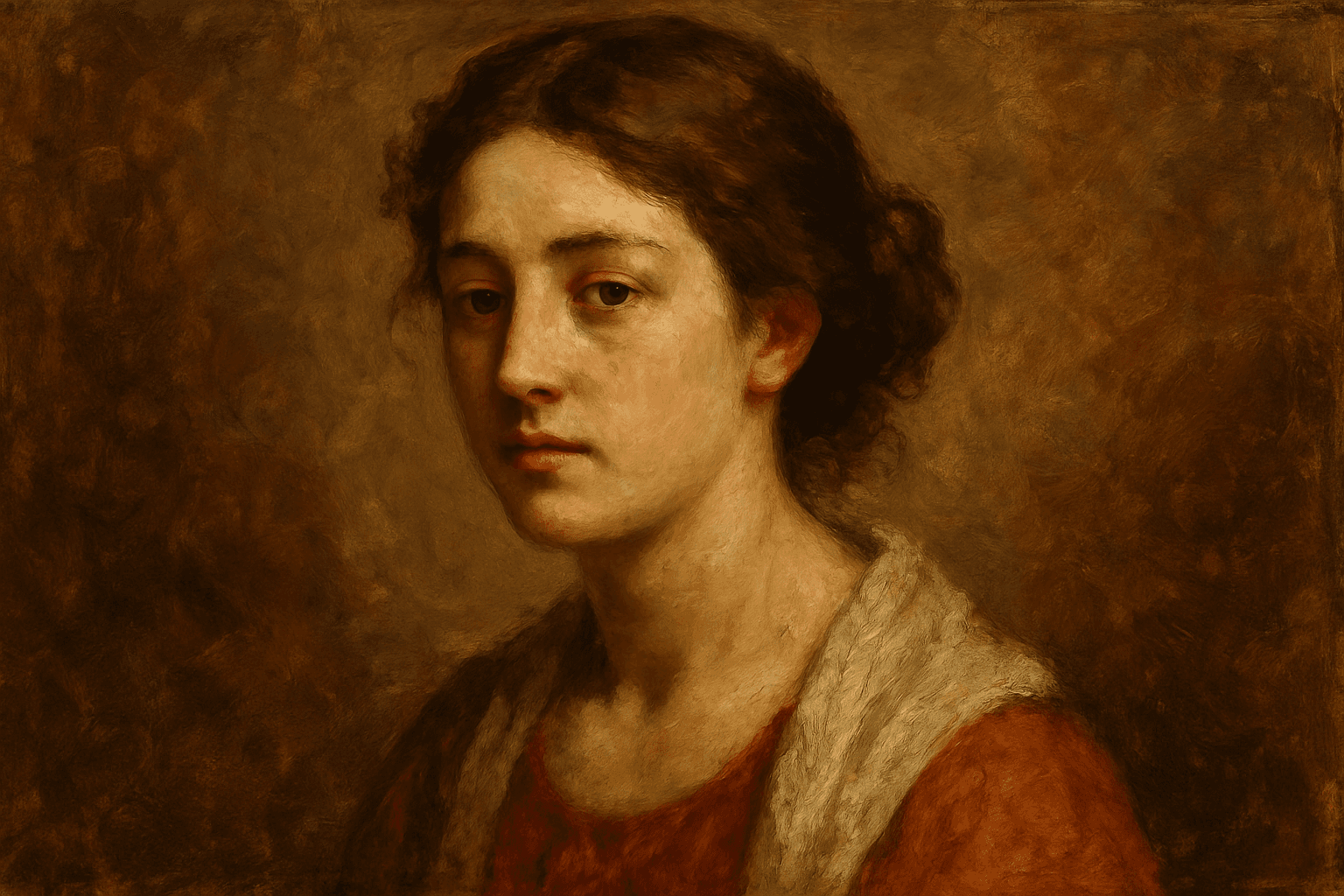
Oil Paint Texture
In AI image generation, incorporating the 'Oil Paint Texture' keyword transforms the visual output by imparting a handcrafted artistic quality typical of oil paintings. This texture evokes the physicality of layered paint and distinct brushwork, providing images that appear rich, deep, and textured rather than flat or overly polished. Its use is valuable for artists, designers, and content creators seeking to add classic fine art aesthetics or realistic painterly effects to portraits, landscapes, still lifes, and abstract artworks. By emphasizing brushstroke dynamics and color depth, the oil paint texture enhances visual storytelling and emotional resonance.
View keyword
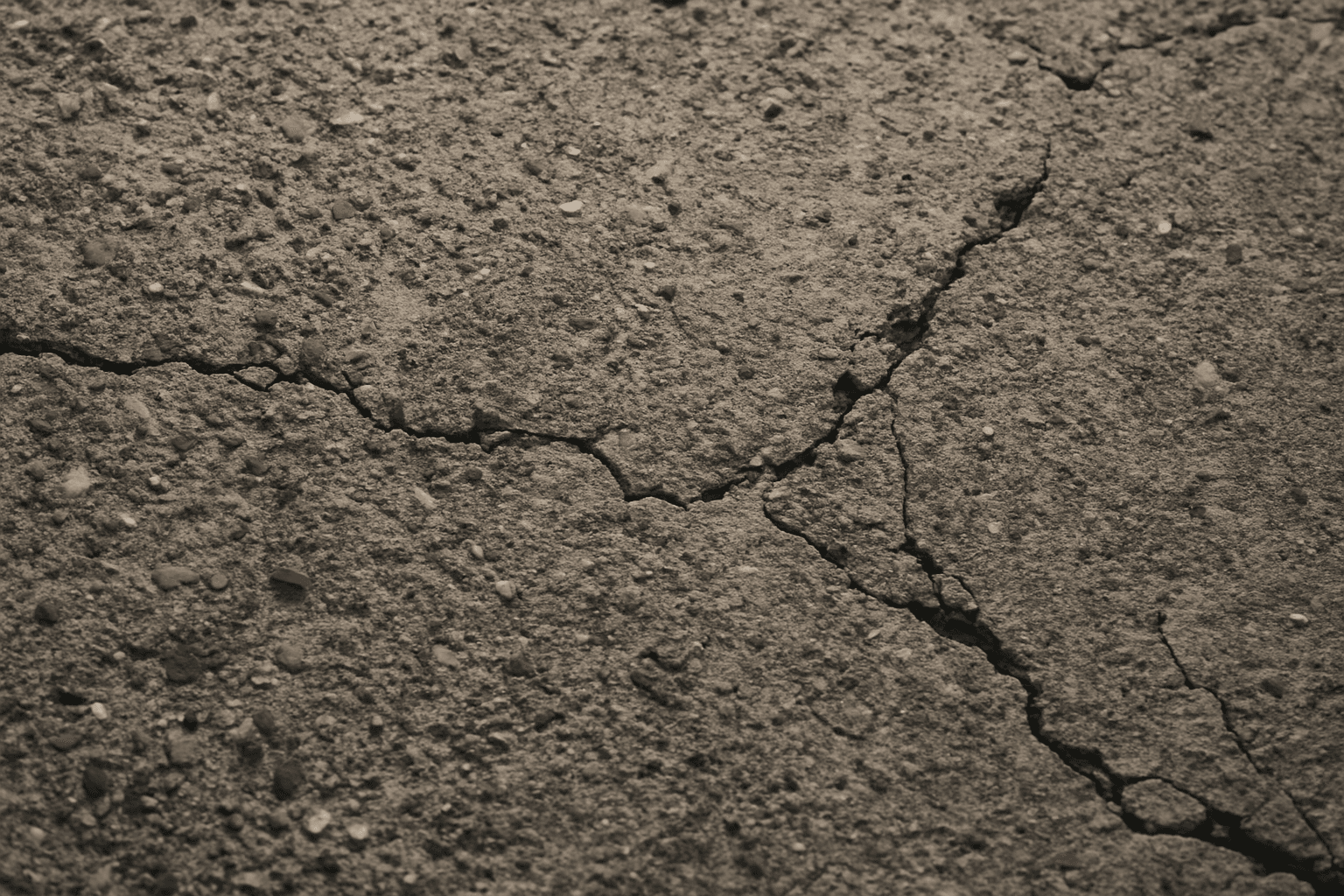
Industrial Concrete Surface
Industrial Concrete Surface textures bring an authentic, utilitarian feel to AI-generated images by emphasizing robust materials commonly found in factories, warehouses, urban outdoors, and architectural structures. Using this keyword results in imagery that features realistic, textured gray concrete surfaces showcasing toughness and industrial character. This texture serves well for backgrounds, flooring, walls, or construction elements, providing visual depth and a strong material presence distinct from smooth or polished surfaces. It suits modern and minimalistic design themes that highlight raw materiality and functional aesthetics.
View keyword
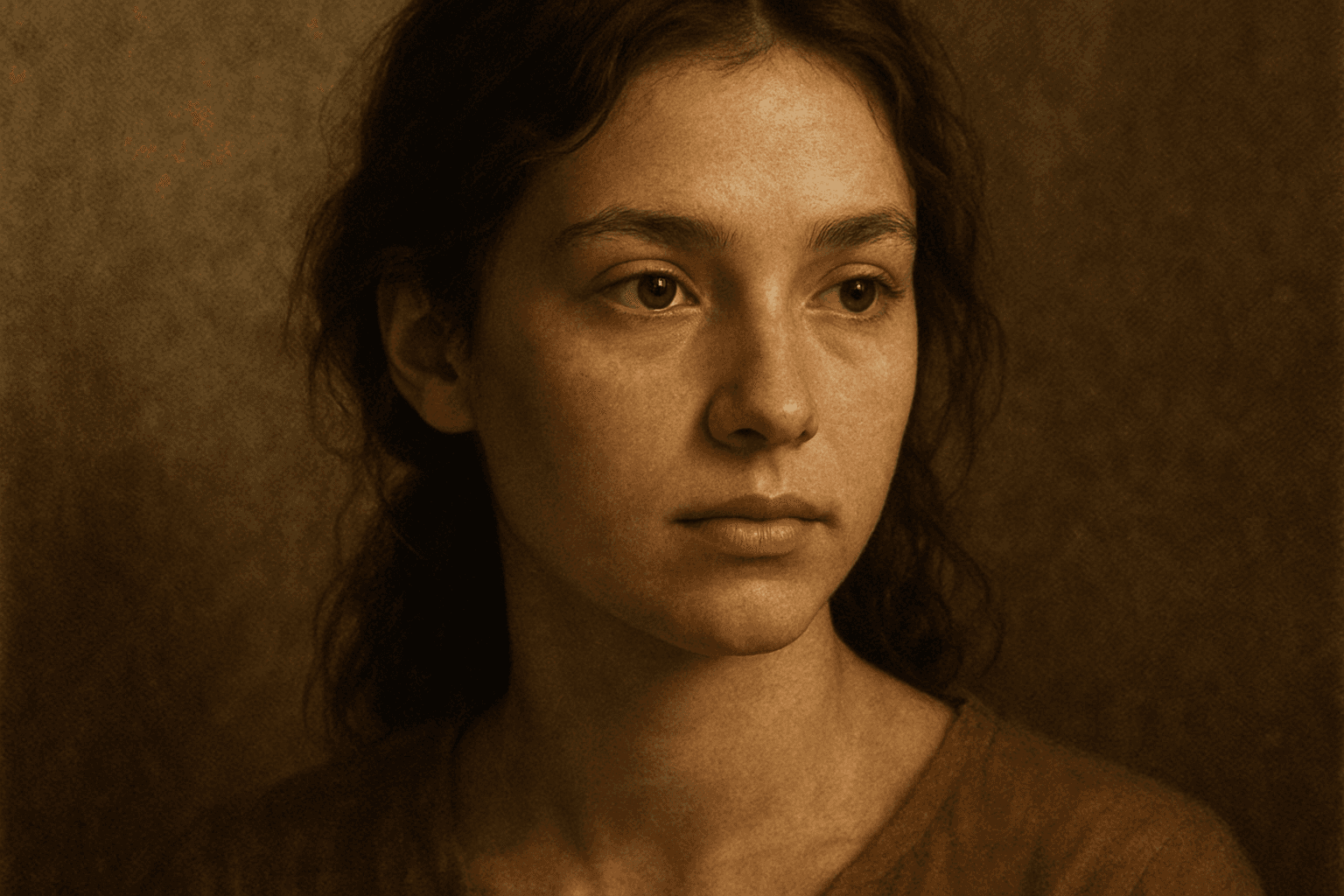
Texture Overlay Techniques
Texture Overlay Techniques are essential for artists and designers using AI image generation to add realistic or stylized surface qualities to their visuals. By specifying textures in a prompt, you can transform flat or generic images into rich, detailed creations that mimic physical materials or artistic effects. These overlays help in achieving mood, authenticity, or unique artistry by adding layers of complexity without altering the core composition. Whether you want a weathered wall effect or a glossy metallic finish, texture overlays deepen the narrative and visual appeal. Understanding how to incorporate texture keywords and their combinations allows for controlled refinement and diverse outputs, making images stand out in editorial, commercial, or creative projects.
View keyword
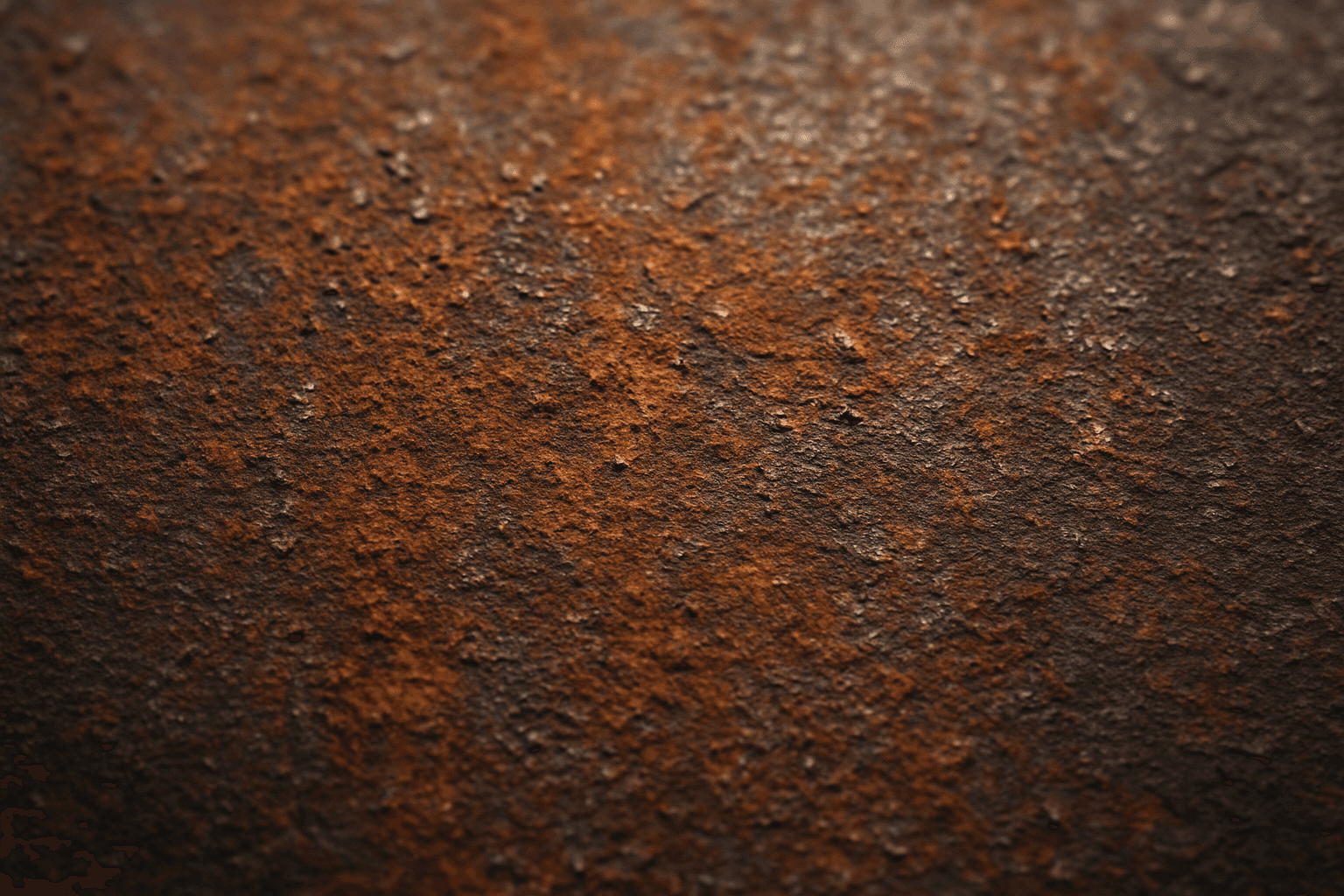
Rust Texture Effects
Rust Texture Effects in AI image generation add a convincing layer of corroded metal appearance. By integrating these effects, creators simulate the natural oxidation process visually, bringing out the aged, worn, and tactile quality of metallic surfaces. This keyword is especially valuable for industrial, steampunk, or vintage designs where authentic material wear enriches realism. The subtle depth and nuanced lighting in rust effects help enhance story elements, making objects appear time-worn or neglected. Ultimately, rust texture prompts empower users to produce compelling, textured imagery that feels grounded in real-world material physics.
View keyword
Chalk Texture Background
The 'Chalk Texture Background' keyword is a valuable addition to AI image prompting that instructs the model to render backgrounds mimicking chalk surfaces. This texture evokes an organic, handcrafted aesthetic characterized by grainy, dusty finishes with subtle imperfections. Ideal for mimicking blackboards, chalk art, or educational themed visuals, it adds a tactile quality rarely captured in digital images. When included, it helps deepen visual narratives by infusing backgrounds with textural nuance, useful across creative and commercial projects aiming for authenticity or artistic flair.
View keyword
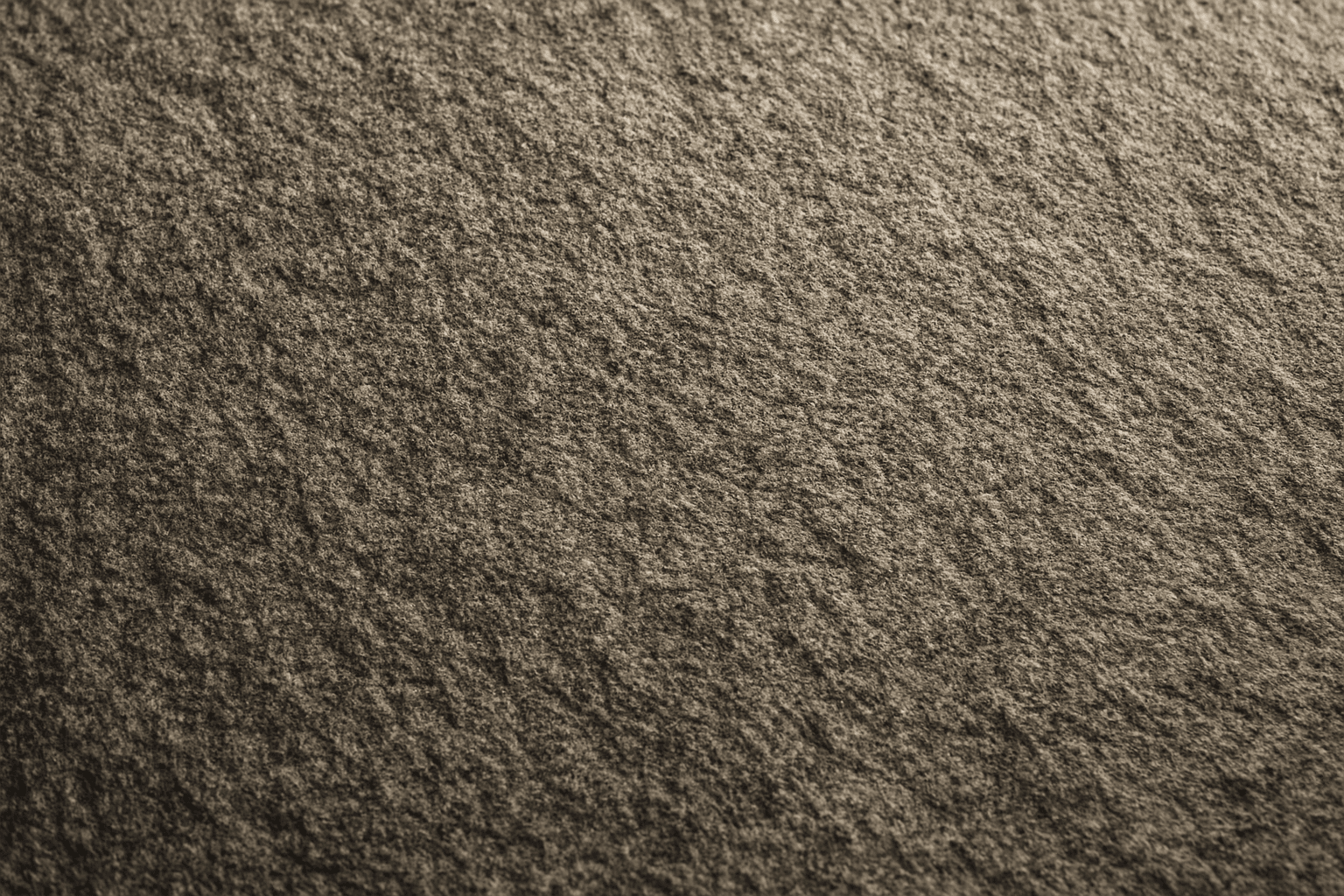
Granular Surface Texture
Granular Surface Texture is a key descriptive keyword used in AI image prompting to achieve photorealistic and tactile surfaces characterized by finely distributed grains or tiny particles. This texture offers an intricate level of detail that enriches the material quality of objects, making them appear more natural and tangible. When included in prompts, it encourages the generation of surfaces akin to sandpaper, concrete, rough fabric, or unpolished stone, providing visual complexity that appeals to designers and artists alike. Its use can transform otherwise flat or generic surfaces into engaging, dynamic visuals with depth and interest. This makes it valuable across many creative projects, from product visualization to environmental design.
View keyword
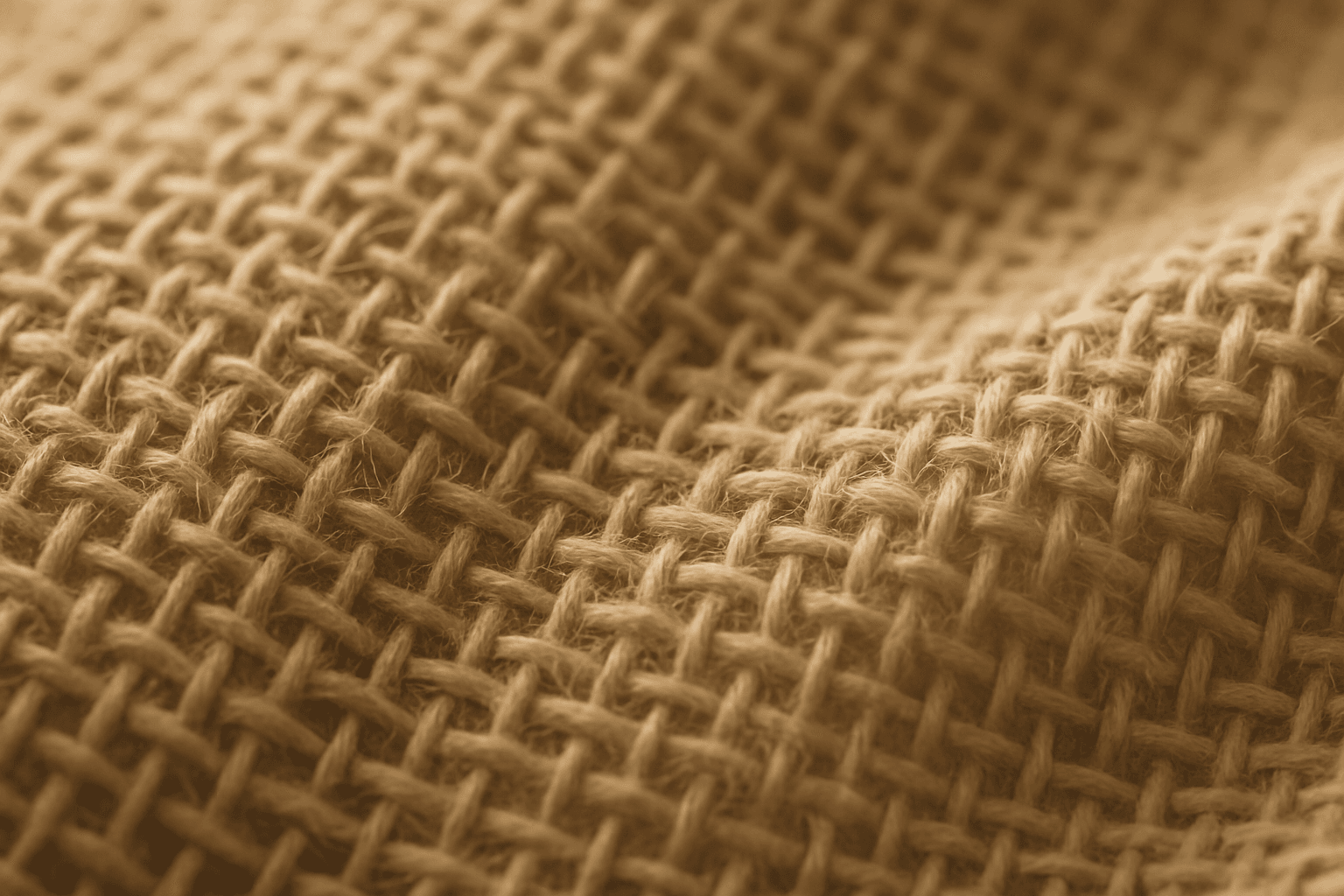
Woven Fabric Detail
Woven fabric details bring life and realism to textile visuals by showcasing the intricate thread structure, including the warp and weft intersection that characterizes woven materials. In AI-generated images, adding 'woven fabric detail' ensures the depiction highlights the tactile nature of fabrics such as cotton, linen, or wool. This specificity helps designers, artists, and marketers produce authentic and premium presentations where texture fidelity is crucial, from fashion shots to interior fabrics.
View keyword
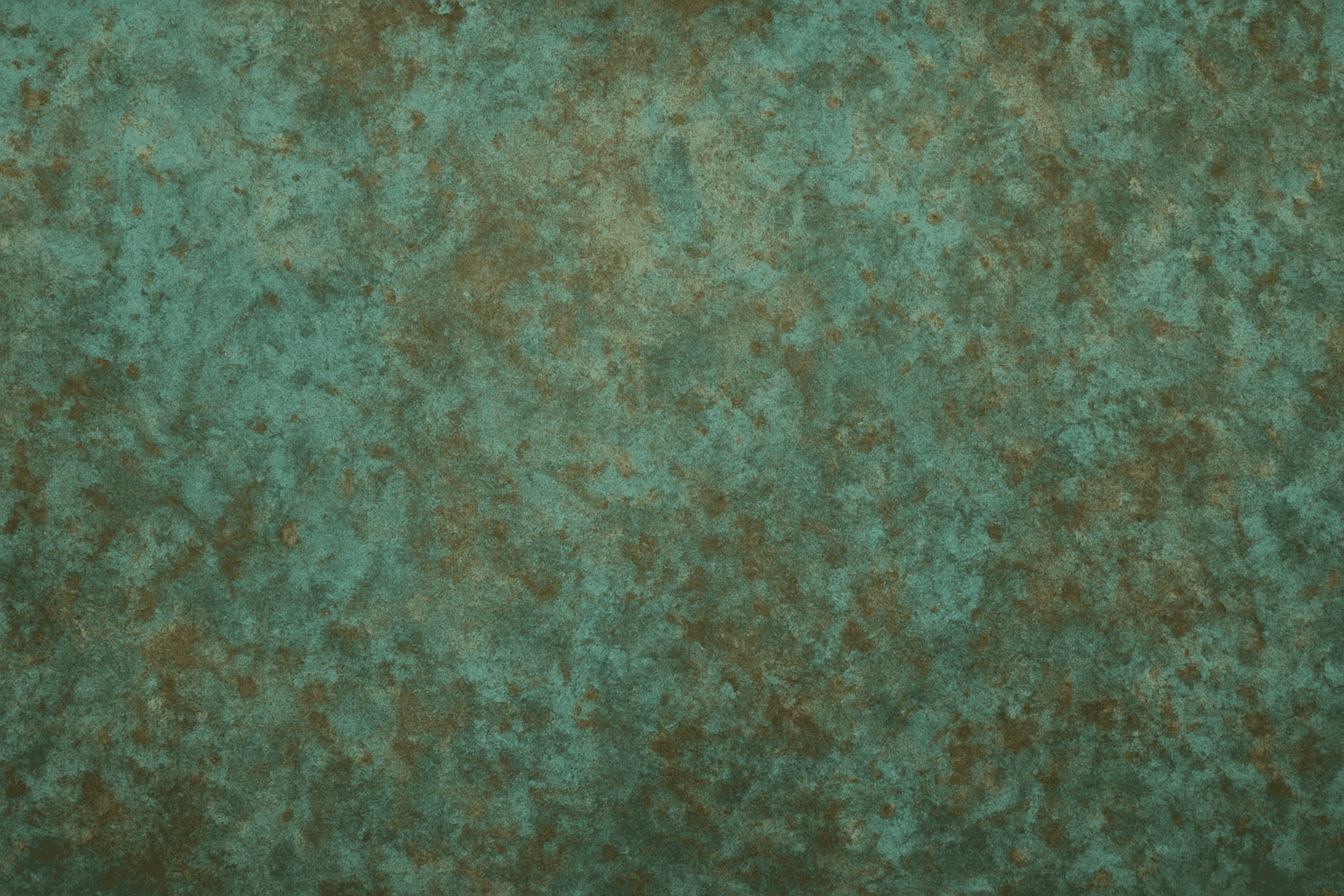
Patina Metal Finish
The 'Patina Metal Finish' keyword enriches AI-generated images with the unique appearance of aged metal surfaces. Unlike polished metal that looks shiny and new, a patina finish evokes a sense of history, weathering, and natural chemical transformation over time. Including this keyword in your AI prompts helps produce visuals where metal objects have color variations such as verdigris or rust-like textures with realistic surface imperfections. This effect is prized in product design renders, architectural visualizations, and artistic scenes to impart authenticity and tactile appeal. It bridges the gap between pristine metal surfaces and natural aging processes, adding storytelling depth via materials.
View keyword
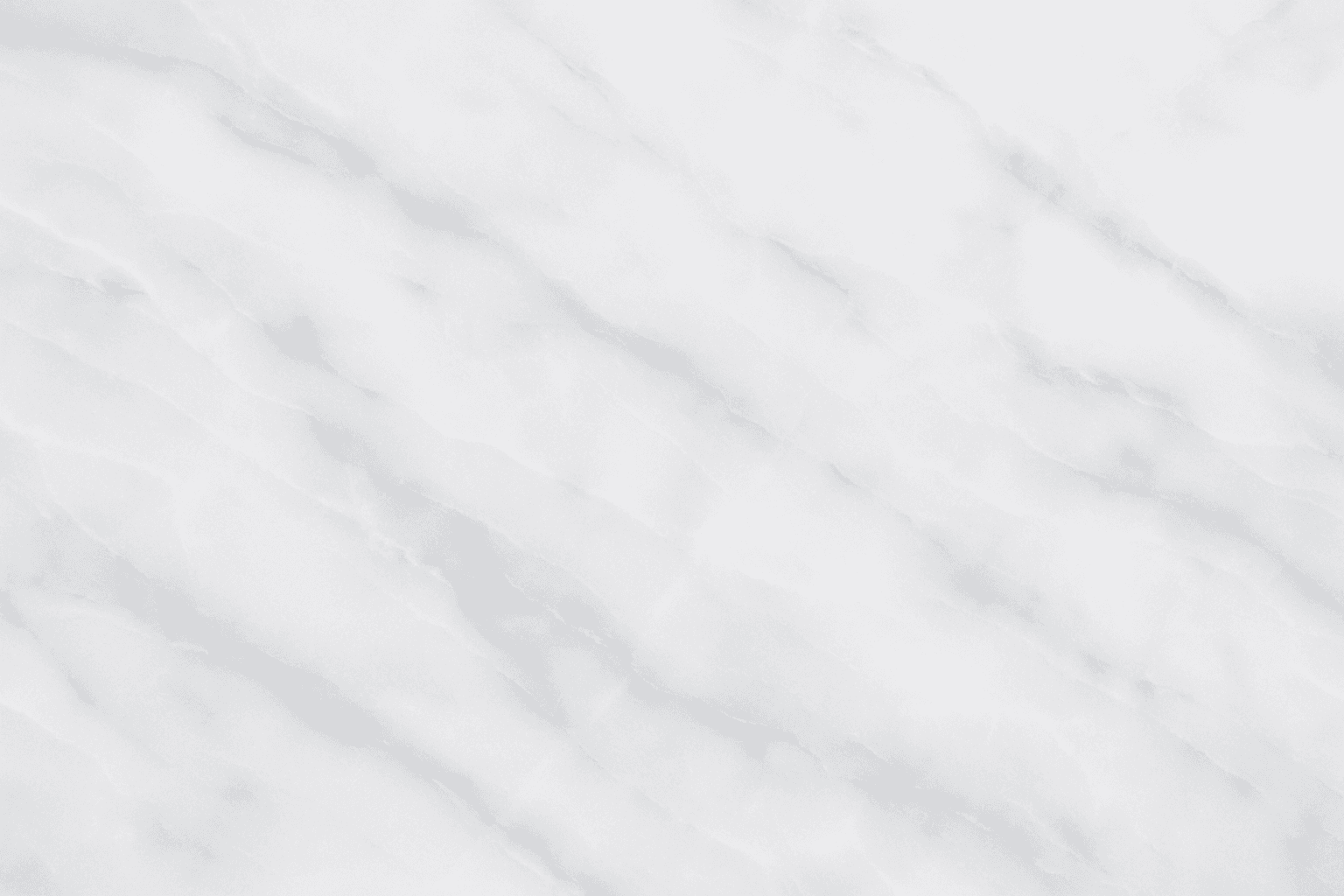
Smooth Marble Texture
The 'Smooth Marble Texture' keyword is invaluable for users seeking to create images featuring high-quality polished marble surfaces. By incorporating this keyword, AI image generators focus on capturing the luxurious smoothness and subtle veining inherent to natural marble. This texture is often used in modern and classic designs to convey elegance and durability. Professionals in interior design, advertising, and visual content creation rely on realistic marble textures for backgrounds, product displays, and architectural visualizations. Proper prompt usage elevates image realism and enhances the material aesthetic, lending premium appeal and refined detail to digital compositions.
View keyword
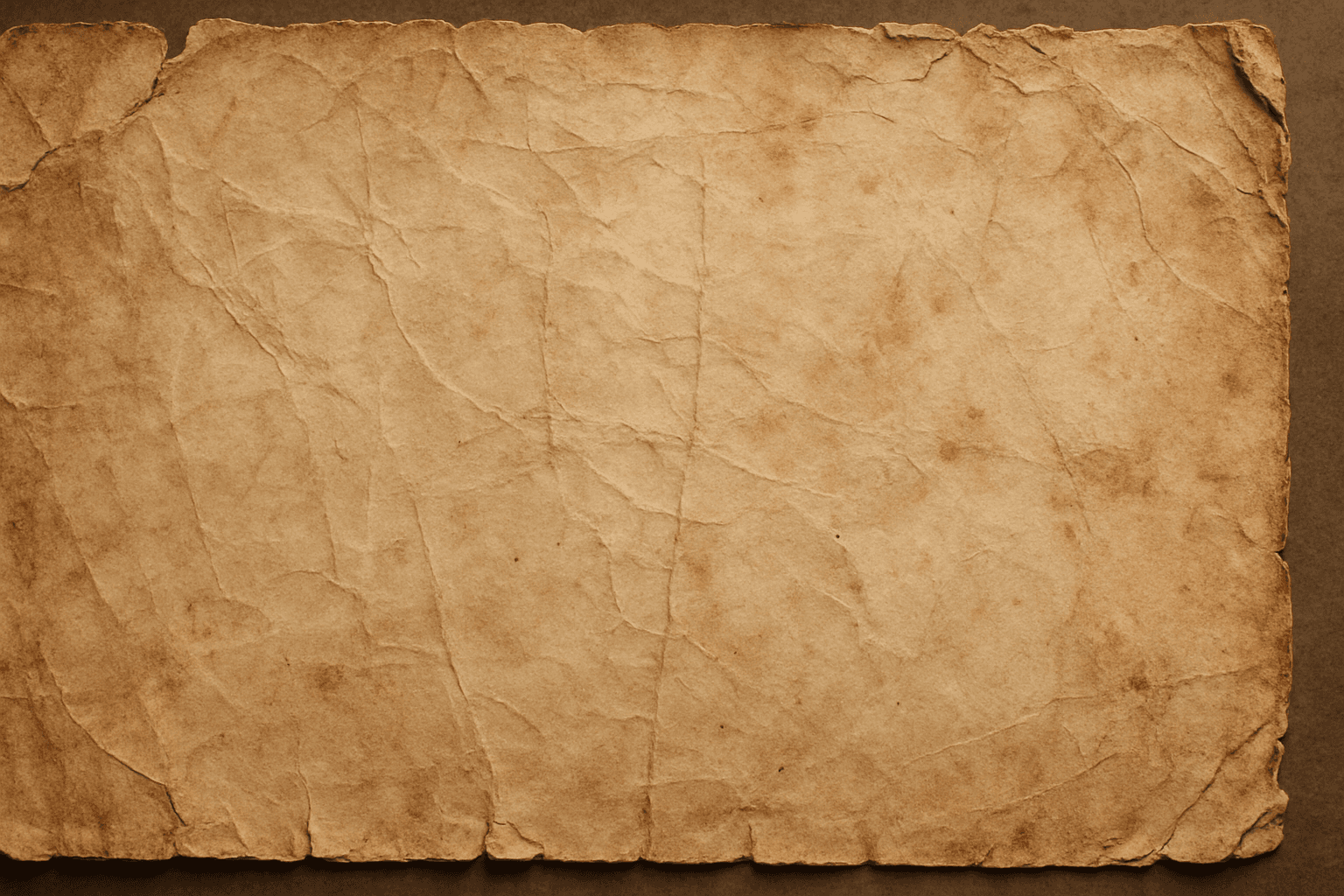
Distressed Paper Texture
The distressed paper texture keyword is a valuable tool in AI image generation that adds authenticity and historical ambiance to digital artworks by simulating the look of aged or damaged paper. This effect is popular for creating backgrounds, overlays, or standalone textures in graphic design, photography adjustments, and illustrative projects. Incorporating distressed paper elements enriches visual storytelling, evokes nostalgia, and can enhance the mood of vintage or handmade aesthetics. Controlled application within prompts ensures that the wear appears natural without overpowering the primary subject.
View keyword

Plasticized Surface Texture
Plasticized Surface Texture emphasizes a sleek, shiny appearance with a polished, flexible quality resembling plastic materials. When used in AI image generation, it transforms surfaces into smooth, glossy finishes characterized by bright highlights and subtle reflections. This texture does not show roughness or matte properties but instead creates a distinctive synthetic look often associated with consumer products, packaging, or modern design elements. It helps convey contemporary, clean aesthetics and can enhance visual emphasis on material quality in digital rendering or conceptual imagery.
View keyword

Reflective Surface Texture
Reflective surface texture is a crucial attribute in AI image generation for achieving realism and material accuracy. When prompts specify reflective qualities, AI models simulate how light interacts with surfaces, producing highlights, gleams, and subtle mirror-like effects. This texture can depict materials such as chrome, glass, water, or polished ceramics, each bringing unique reflective nuances. Using reflective surface texture enhances visual appeal by adding depth and sophistication to compositions, making objects stand out with premium polish. It suits a variety of styles from photorealistic renders to creative abstractions, bridging artistic and commercial needs for lifelike imagery.
View keyword

Grainy Film Overlay Texture
Grainy Film Overlay Texture brings the authentic look of analog photography to AI-generated images. This texture injects tiny speckles and visual noise that replicate the characteristics of traditional film, offering a tactile and imperfect surface effect. It works by layering a grain pattern over the image, enhancing texture without overpowering details. The result is an artistic and cinematic atmosphere that evokes nostalgia and moodiness. This effect is widely appreciated in creative fields where polished digital clarity is deliberately softened to create ambiance and emotional depth. Using this texture helps bridge the gap between digital art and classic photography aesthetics.
View keyword

Wood Grain Surface Texture
Wood grain surface texture captures the intricate patterns and natural beauty found in wooden materials. This texture is characterized by flowing lines, knots, and a warm color palette that conjures the organic essence of wood. When incorporated in AI image generation prompts, it helps models produce authentic wooden surfaces, from smooth polished floors to rustic furniture with visible fibers. Wood grain lends tactile depth and aesthetic appeal, making images more immersive and rich in detail. Its versatility allows for use across design, interior visualization, product mockups, and artistic compositions, enhancing the material realism dramatically.
View keyword

Woven Fabric Material Texture
Woven fabric material texture is a fundamental element in textile visualization, representing the intricate crossing and interlocking of yarns to form cloth. In AI-generated imagery, emphasizing woven fabric textures helps bring life to digital fabrics by simulating thread thickness, weave patterns, and fabric density. This texture varies from coarse burlap to fine silk weaves, each bringing distinct visual and tactile impressions. Using this keyword focuses AI's attention on fabric realism, making it ideal for fashion renders, interior design mockups, and product visualization where fabric detail enhances perceived quality.
View keyword

Metallic Foil Texture
Metallic Foil Texture is a specialized descriptor used in AI image generation to simulate the appearance of thin metallic sheets that reflect light with a distinctive shine and texture. When integrated into prompts, it produces images with a sophisticated, realistic metallic finish characterized by gleaming highlights, soft wrinkles, and a polished look. This keyword is valuable in design, branding, and digital art contexts where a premium metallic aesthetic is desired. It enhances visual depth by capturing the interplay of light and surface irregularities typical of foil materials. Artists and designers leverage this texture to create backgrounds, patterns, and objects that stand out with elegant metallic allure.
View keyword

Rough Concrete Surface Texture
The 'Rough Concrete Surface Texture' keyword is essential for generating realistic architectural and artistic images where material authenticity is key. This texture conveys the tactile sensation of coarse, unfinished concrete, distinguished by its irregular surface, visible small stones, and imperfections like cracks and pores. Including this keyword in AI prompts enhances image realism by focusing on material detail. It is especially valuable in designs requiring gritty, industrial, or urban aesthetics, contributing to a sense of depth and authenticity in both digital and print projects. Mastery of rendering this texture helps designers and artists produce compelling visuals that resonate with users seeking raw and tangible surfaces.
View keyword

Organic Fabric Texture
Organic fabric textures evoke the raw, natural qualities of textiles derived from plants and animals, such as cotton, linen, or wool. AI-generated images tagged with this keyword focus on capturing the tactile, authentic look of these fabrics. This includes detailed weaves, slight irregularities in fiber distribution, and earthy tones that convey warmth and eco-friendliness. Using organic fabric textures enhances visual storytelling when the goal is to emphasize sustainability, artisanal craftsmanship, or comfort in product visuals and editorial design. This keyword is suitable for creating nuanced backgrounds, material samples, and realistic textile representations in digital art and commercial imagery.
View keyword

Rough Canvas Surface
Using 'Rough Canvas Surface' in AI image prompts introduces a rich textural layer that replicates the tactile qualities of genuine coarse canvas fabric. This texture lends authenticity and tactile depth by showcasing natural weave patterns and surface irregularities that scatter light softly. Ideal for artworks, product mockups, or backgrounds, this texture elevates imagery to feel handcrafted and organic. Its detailed grain adds subtle complexity without overpowering the composition, making it perfect for refined, premium visuals.
View keyword

Polished Stone Material
The 'Polished Stone Material' keyword enriches AI-generated imagery by adding the refined look of shiny, smooth stone surfaces such as marble or granite. When included in prompts, it guides the AI to depict realistic textures featuring lustrous reflections and intricate mineral patterns. This material is essential for creating premium visuals used in architecture, interior design, product renders, and luxury branding. The polished finish adds elegance and tactile appeal, elevating the perceived quality of the object or environment. Using this keyword correctly results in images that convey sophistication and material authenticity, critical for editorial and commercial use.
View keyword

Translucent Plastic Texture
Translucent plastic texture is prized in visual design for its ability to impart depth and realism to digital materials. It simulates surfaces like frosted glass or thin plastic sheets that diffuse light while retaining some visibility of objects behind them. In AI image generation, specifying 'translucent plastic texture' guides models to produce nuanced light interplay, soft shadows, and partial transparency that enrich material realism without full opacity. This texture is widely used in product visualization, packaging design, and creative artwork to evoke a clean, modern aesthetic with tactile appeal. Incorporating this descriptor refines prompt outcomes, enabling artists and designers to achieve premium, photorealistic surfaces efficiently.
View keyword

Embossed Leather Texture
Embossed leather texture is a specialized material representation used in AI-generated images to simulate luxurious and tactile surfaces often found in fashion, upholstery, and accessories. By integrating 'embossed leather texture' in prompts, artists can achieve highly detailed visuals characterized by the interplay of raised patterns and natural leather grain, rendered with refined lighting and subtle depth. This texture lends a premium and sophisticated feel, suitable for editorial product shots, background elements, or design mockups. Employing embossed leather enhances images by conveying material realism and surface complexity, enriching the sensory experience for viewers and buyers alike.
View keyword
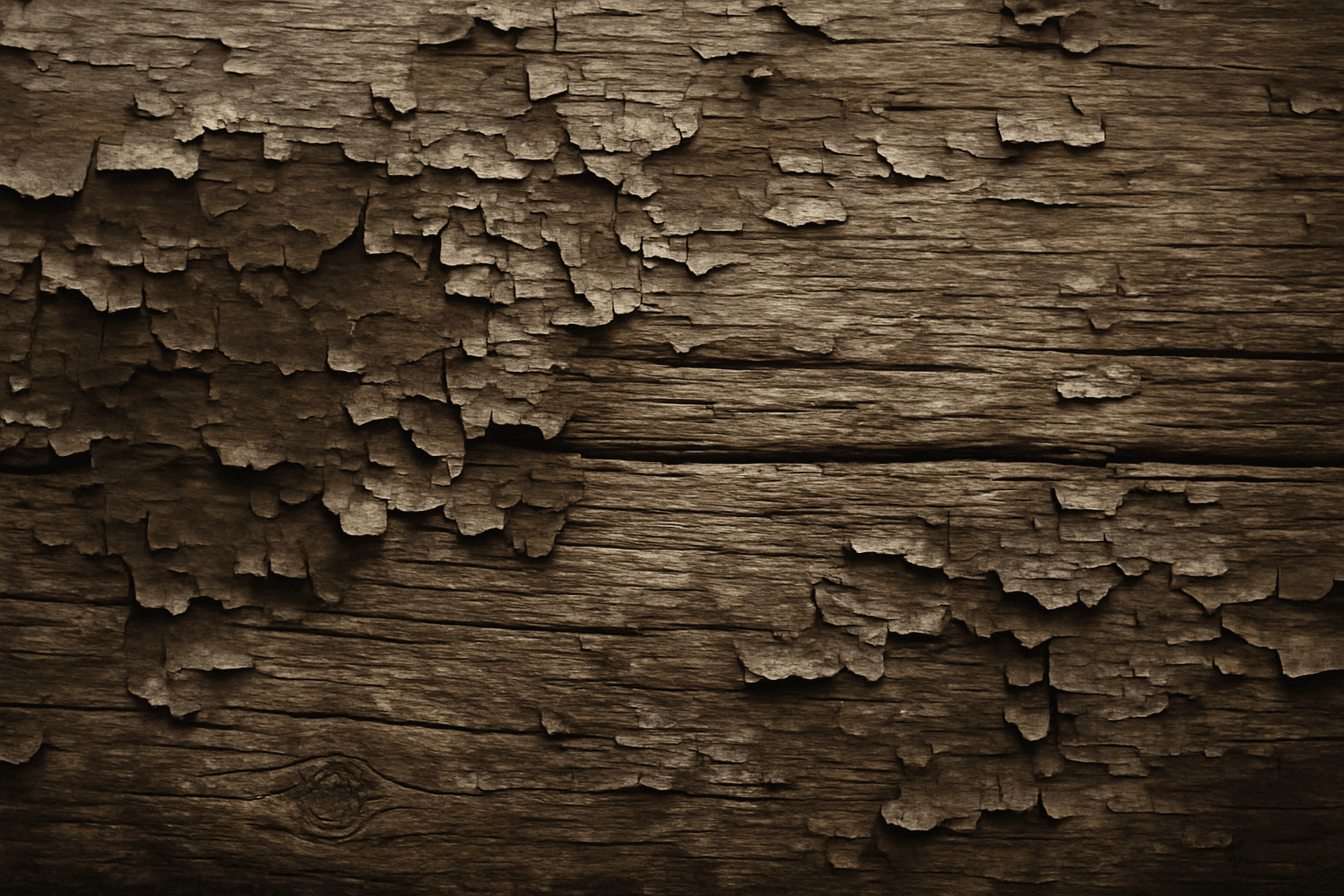
Texture Overlay Technique
Texture Overlay Technique is a powerful method in AI image generation that improves the visual quality of outputs by simulating the appearance of varied material surfaces. By incorporating texture descriptors directly into prompts, users influence the model to apply intricate overlays such as cracks, fabric weaves, wood grains, or metallic finishes. This enriches images with a tactile sense, making them more engaging and lifelike. This technique is especially useful in design, art, and advertising where material authenticity impacts viewer perception. Mastering texture overlays helps prompt creators elevate simple base images into sophisticated visuals with nuanced surface dynamics.
View keyword
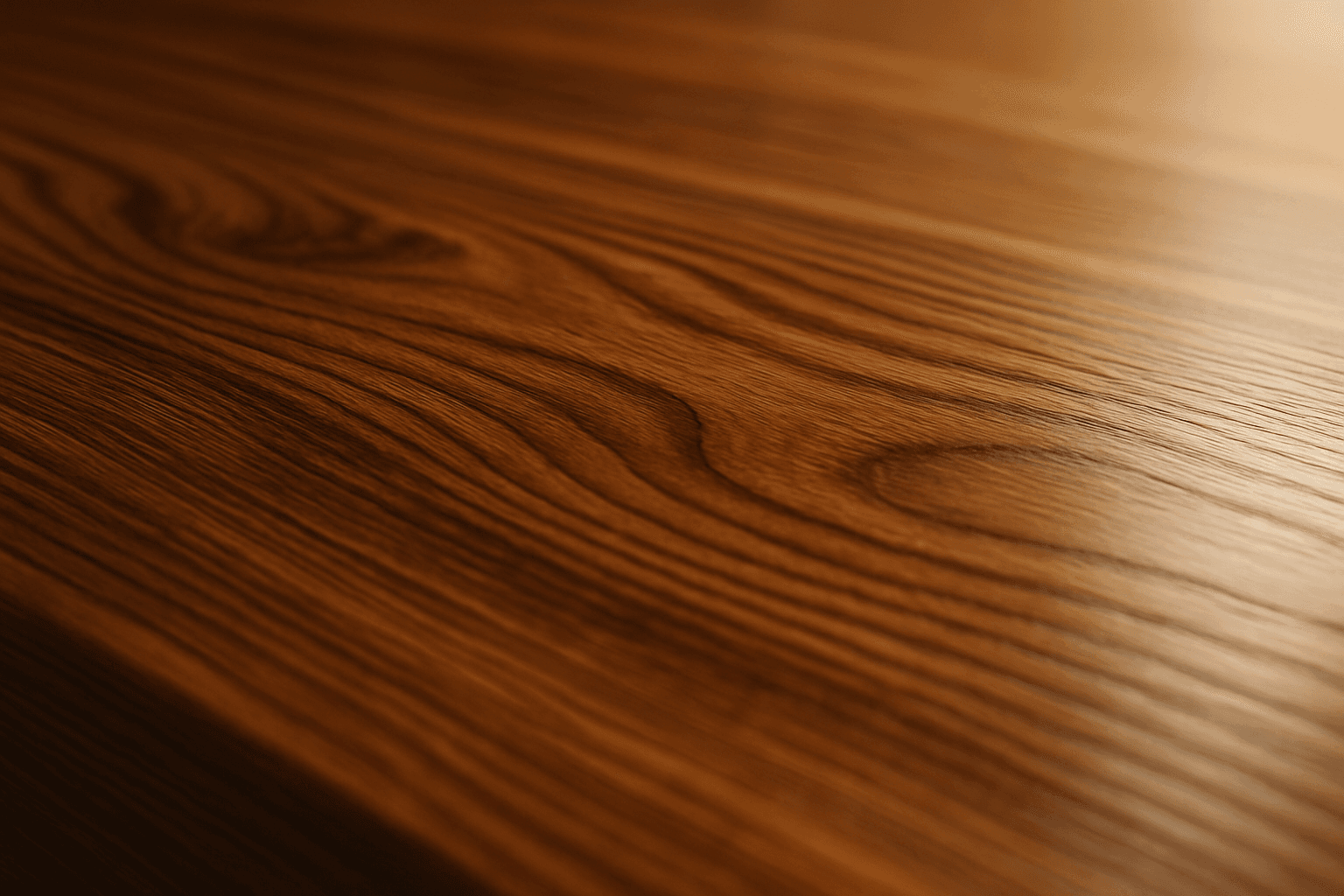
Polished Wood Texture
The 'Polished Wood Texture' keyword is essential for creating highly realistic and visually appealing wood surfaces in AI-generated imagery, especially in product design, interior visualization, and material studies. This texture emphasizes the fine finish and reflective qualities of wood that has been carefully sanded and treated with a glossy coating, producing subtle light reflections and depth. Using this keyword, artists and designers can quickly convey a sense of luxury, craftsmanship, and natural warmth in their images. It works effectively with various wood types and complements modern editorial aesthetics that value clean, premium material representations. Leveraging this texture in AI-generated images helps achieve a refined realism suitable for high-end design presentations or stock imagery.
View keyword
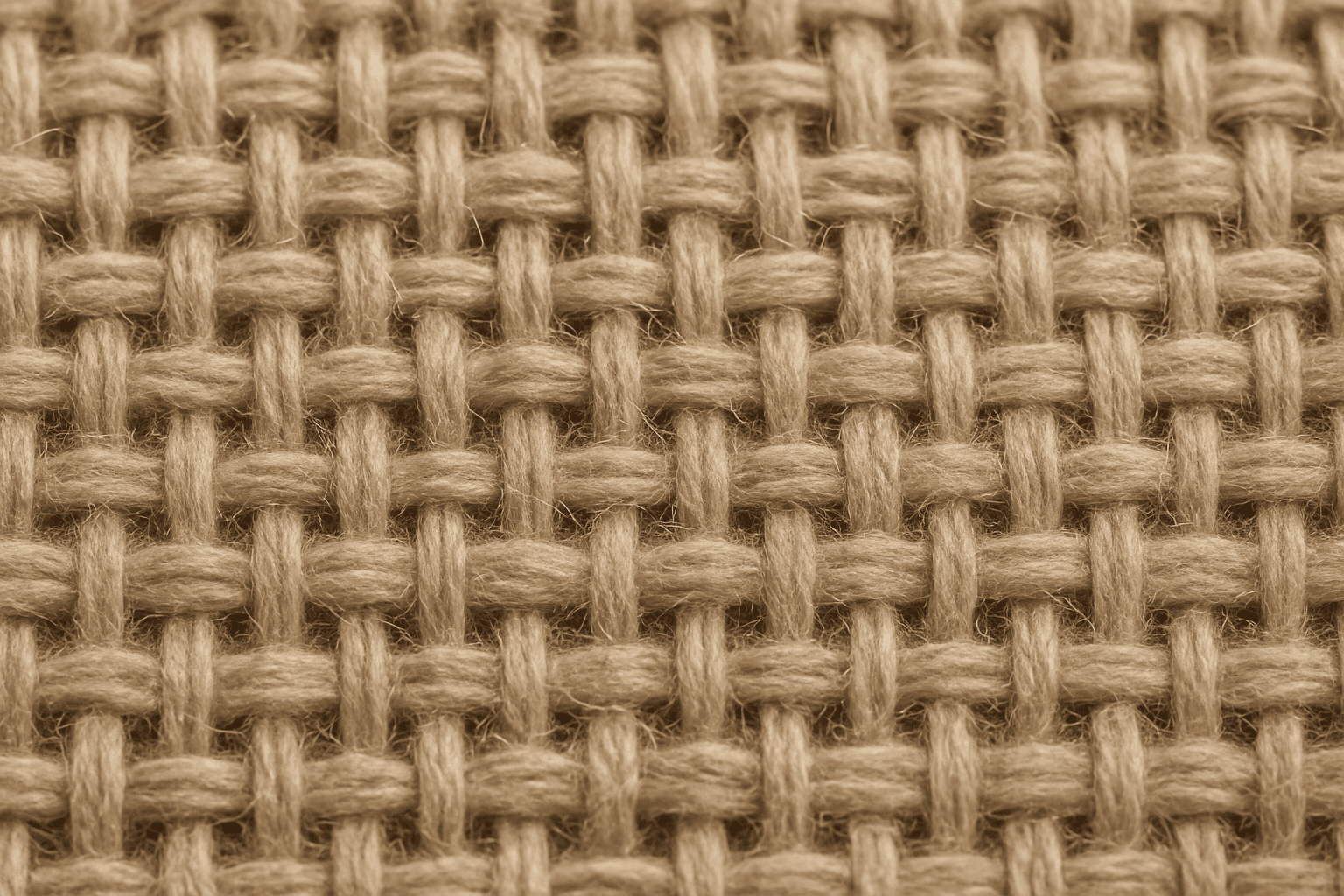
Woven Textile Texture
In the realm of AI image generation, 'woven textile texture' is a valuable keyword for artists and designers seeking photorealistic fabric appearances in their creations. This texture replicates the intricate intertwining of warp and weft threads seen in real textiles, providing a rich surface detail that enhances the tactile feel of digital images. Including this keyword helps render lifelike cloth materials with convincing thread patterns and subtle lighting interactions that highlight the depth and weave complexity. Such imagery benefits industries ranging from fashion design to interior visualization by adding authentic fabric elements that elevate overall realism.
View keyword
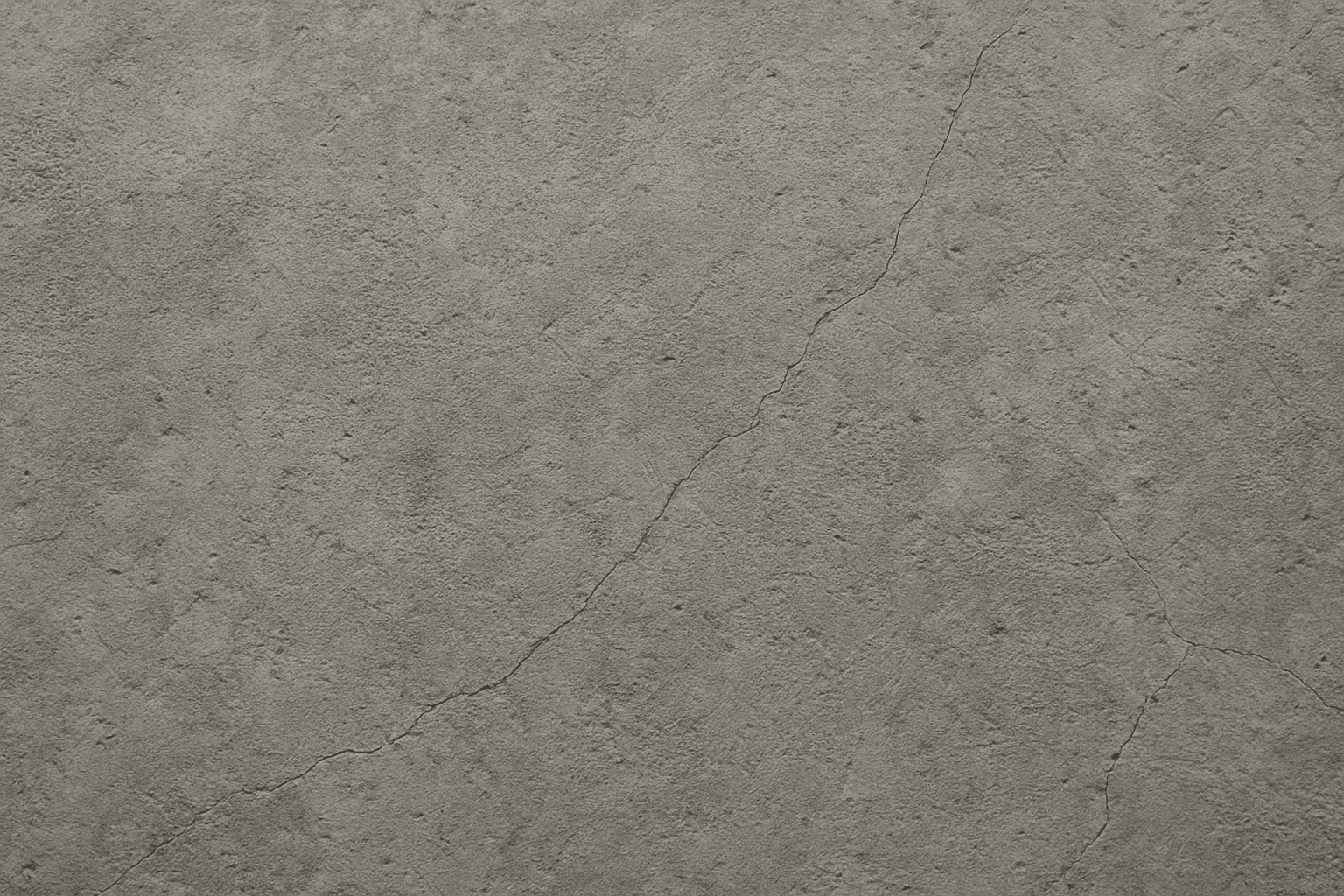
Concrete Floor Texture
In AI image generation, 'Concrete Floor Texture' is a valuable keyword for producing surfaces that convincingly imitate real concrete. The texture embodies a mix of roughness, mild imperfections, and muted gray shades that convey an industrial or urban environment. Including this keyword enriches image realism, contributing tactile authenticity to floors, walls, or backgrounds. Designers, architects, and visual artists often use concrete textures to enhance the depth and grounded feel of their work, as it anchors objects in believable settings. Whether used in minimalist interiors or rugged outdoor spaces, this texture elevates a scene's atmosphere by introducing a tangible element that's both practical and visually compelling.
View keyword
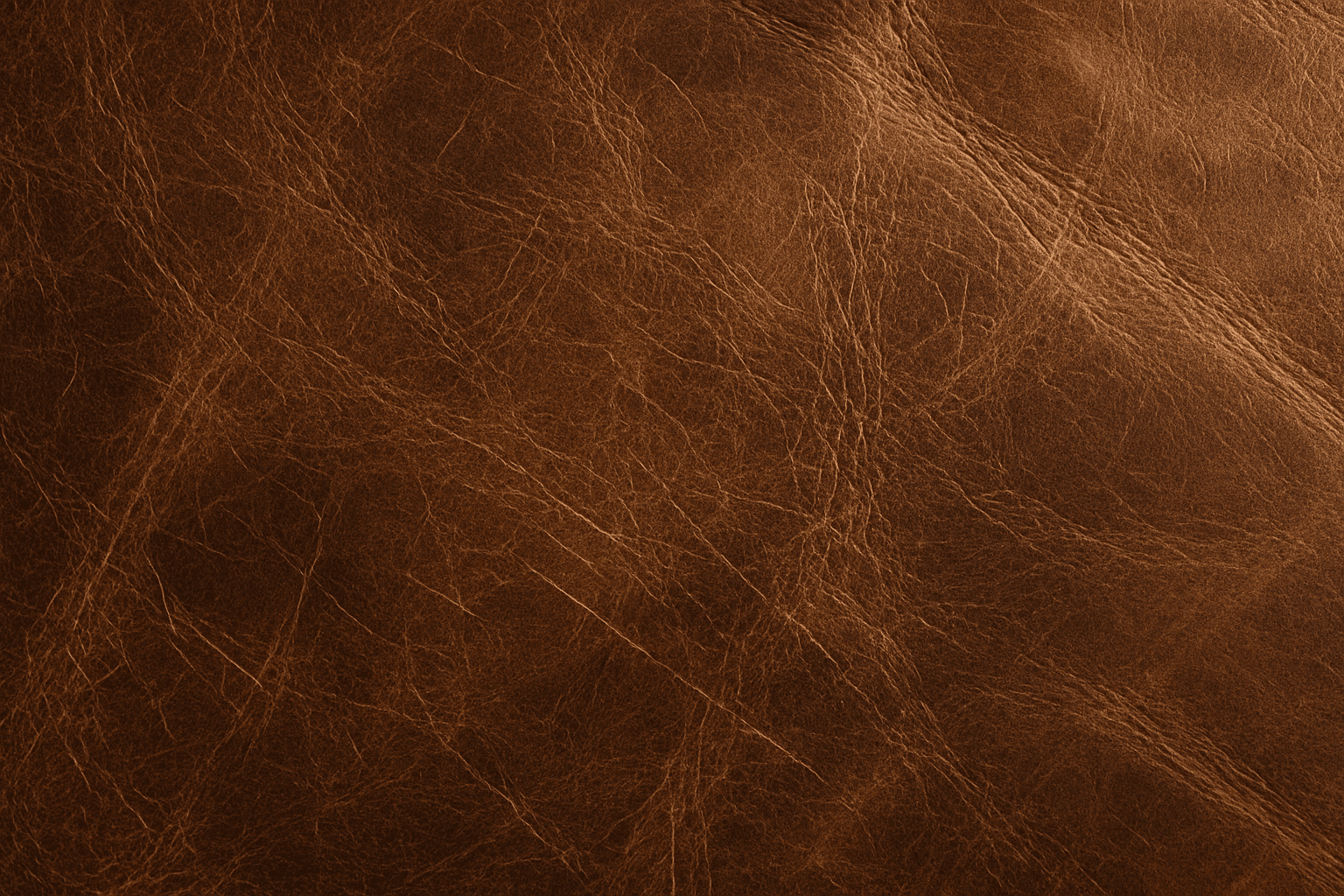
Distressed Leather Material
Distressed leather material is a popular texture choice in digital art and design, known for its vintage and rugged aesthetic. When integrated into AI image prompts, it imparts a tactile, realistic feel characterized by natural wear, color fading, and textural depth. This material is typically used to evoke a sense of history or durability in objects like furniture, accessories, and fashion items. Including this keyword in AI prompts enhances the visual complexity and authenticity of leather surfaces, making rendered images more appealing and believable in contexts ranging from product visualization to conceptual art.
View keyword
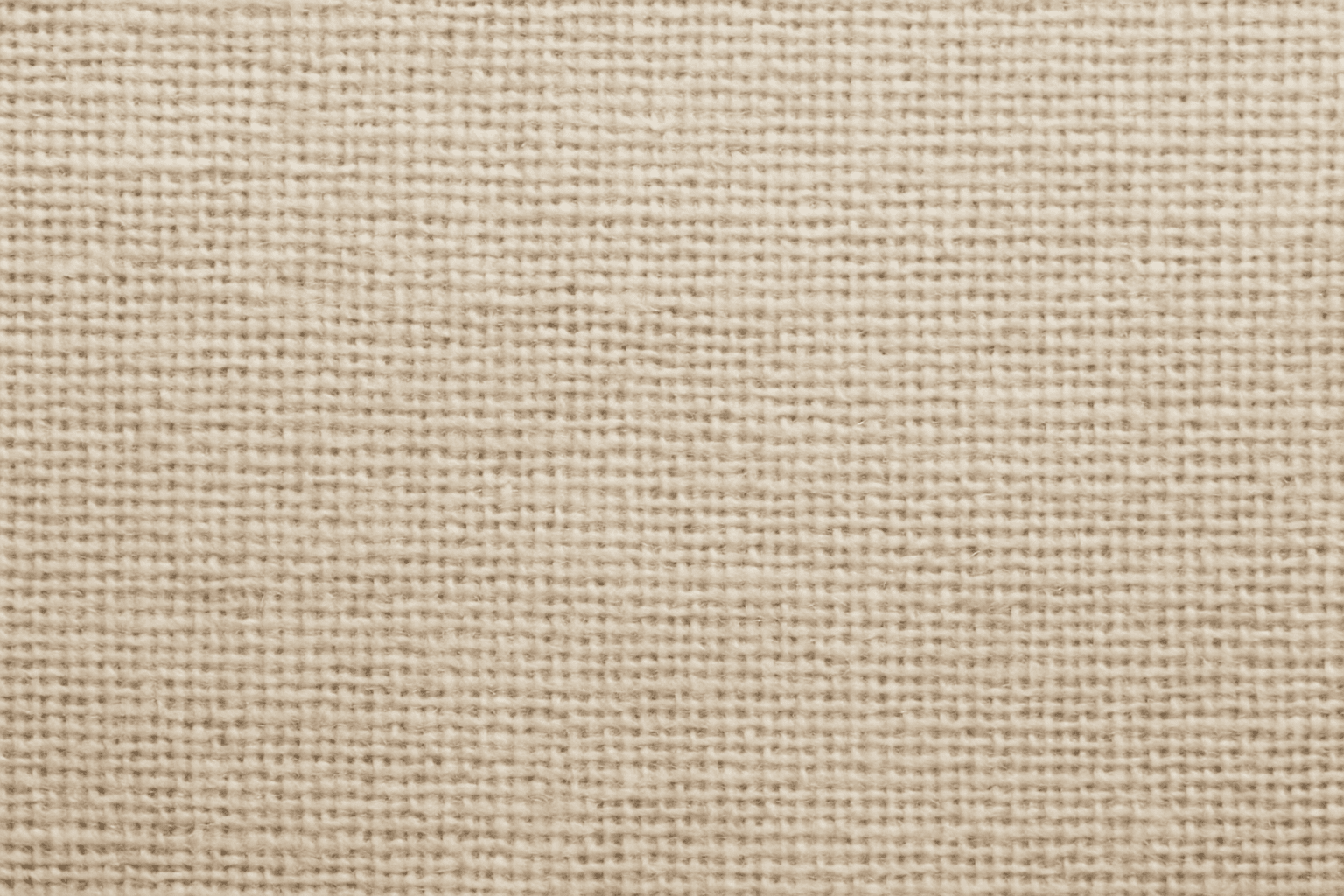
Textured Canvas Surface
In AI image generation, adding a 'Textured Canvas Surface' imparts the look and feel of traditional canvas materials, enriching digital images with a tactile, handcrafted aesthetic. This feature is vital when aiming for realism in artworks simulating paintings or prints, as it introduces subtle texture variations and surface depth that digital renders often lack. This keyword helps bridge the gap between digital creation and physical artistry by mimicking the fibrous structure and matte finish of real canvas, offering a premium and authentic appearance. Used carefully, it can elevate stock images, fine art reproductions, and editorial visuals that benefit from material authenticity.
View keyword
Brushed Steel Texture
Brushed steel texture is widely used in design and industrial contexts for its sleek, modern metallic look with a distinctive matte finish and faint linear grain. When used in AI image prompts, it guides the model to render surfaces that mimic steel polished in one direction, producing subtle reflections and texture that add realism and sophistication to metallic objects. This texture balances between shiny and dull, making it ideal for product visualizations, architectural details, and industrial design. Mastering brushed steel textures in AI imagery enhances the credibility and appeal of metallic representations across visuals.
View keyword

Matte Paper Texture
Incorporating matte paper texture into AI-generated images creates a refined, tactile feel that mimics real matte paper. This texture is prized for its understated elegance because it reduces unwanted reflections and highlights, allowing for crisp and clear details. Matte finishes carry a sophisticated, professional look often used in print design, fine art, and editorial projects to convey quality and subtlety. Using this keyword enhances realism especially when simulating printed materials, photography backdrops, or artistic media. Understanding and leveraging matte paper texture enables creators to craft visuals with depth and softness that stand apart from glossy or metallic textures.
View keyword
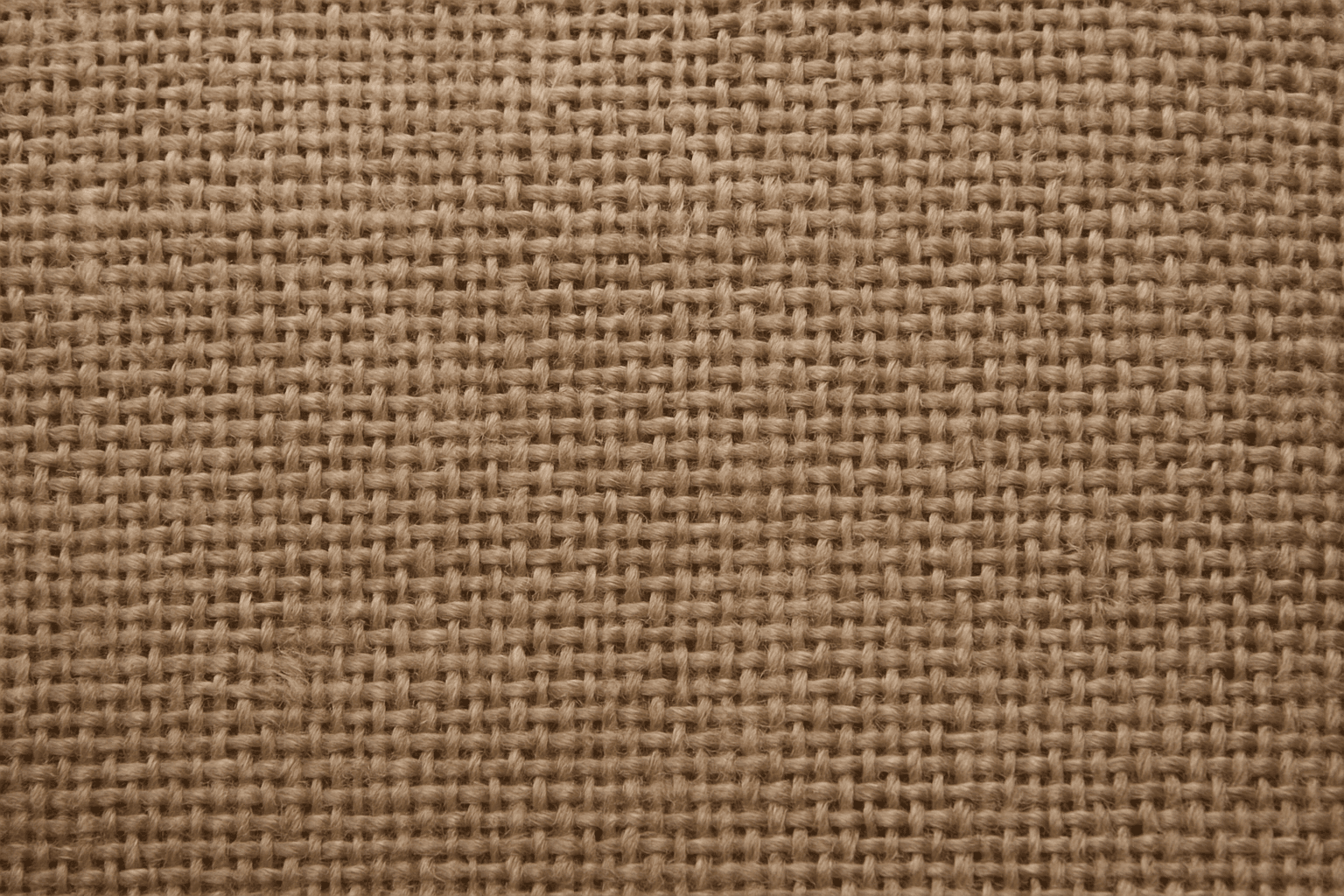
Rough Canvas Surface Texture
Rough Canvas Surface Texture is a popular keyword in the AI art community used to replicate the physical characteristics of a traditional painter's canvas within digital images. By incorporating this texture, artists and designers can introduce a natural, tactile element that enriches visual storytelling with the impression of real-world materials. This adds both photorealistic and artistic qualities, making AI-generated images evocative, detailed, and perfect for various creative projects that require a handcrafted feel. Whether aiming for a classic painting effect or textured backgrounds, this keyword guides AI models to recreate complex fiber surfaces realistically.
View keyword
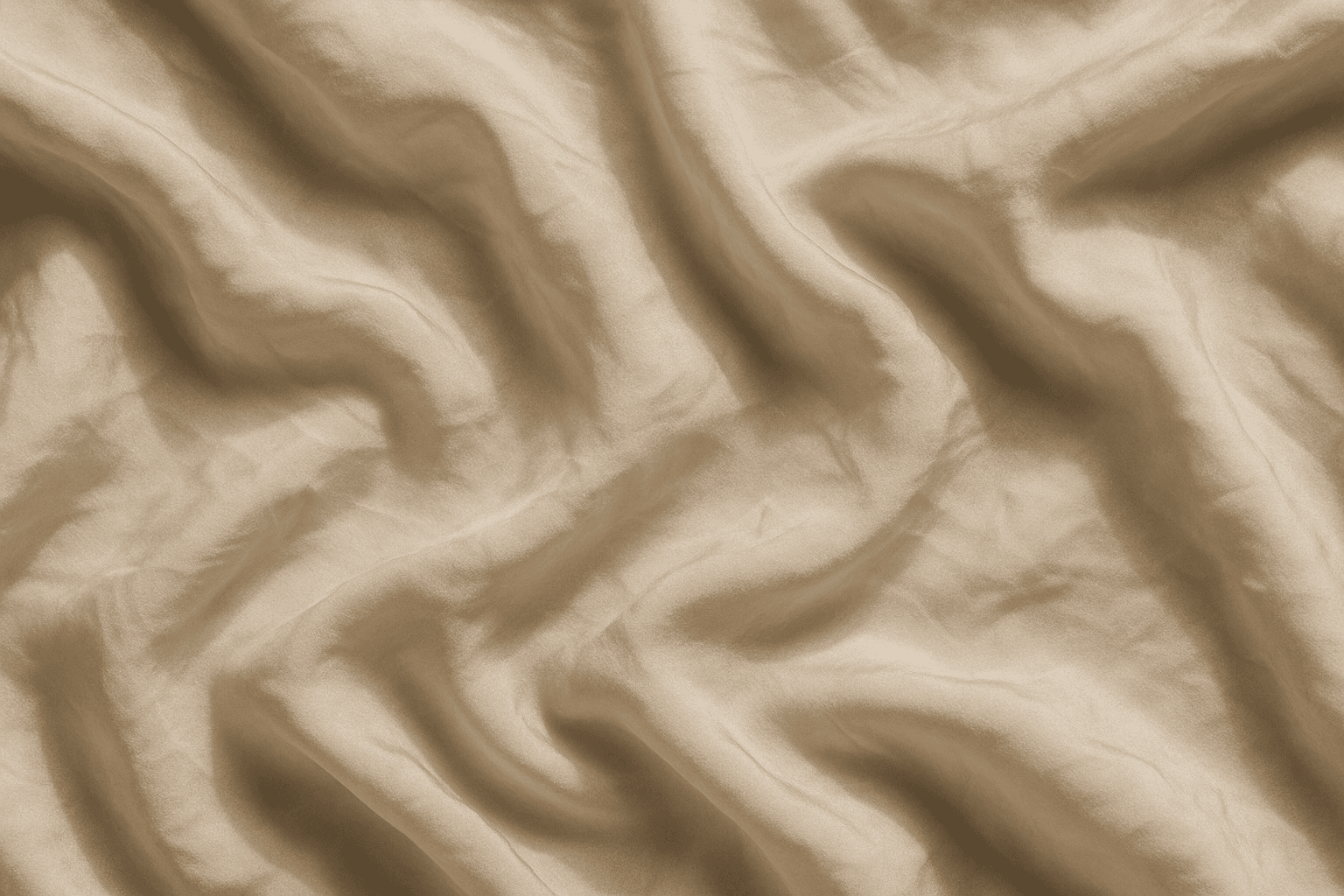
Crinkled Fabric Texture
The 'Crinkled Fabric Texture' keyword enriches AI-generated imagery by focusing on the realistic depiction of fabric surfaces showing natural wrinkles and folds. This texture adds an organic, lived-in feel to fabric, distinguishing it from smooth or perfectly flat materials. By simulating light interaction with creased fabric, it highlights depth and softness, enhancing visual interest. Incorporating this keyword benefits creators who want to portray everyday materials like linens, silk, or cotton with authentic imperfections, making scenes feel more tangible and immersive. It is especially valuable when combined with diverse lighting setups and close-up perspectives to emphasize fabric detail.
View keyword
Aged Rusted Metal Texture
The keyword "Aged Rusted Metal Texture" evokes imagery of metal that has undergone natural corrosion over time, resulting in unique and complex surface patterns. In AI-generated visuals, this texture adds authenticity and vintage character, often featuring combinations of flaky rust, oxidized patches, and distressed metal surfaces. It enhances the tactile quality of materials and conveys a sense of history or neglect. Such textures are essential in design, art, and modeling when a raw, industrial, or antique aesthetic is desired. By manipulating this keyword in prompts, creators can produce diverse and compelling interpretations of rusted metal suitable for backgrounds, product renders, and artistic compositions.
View keyword
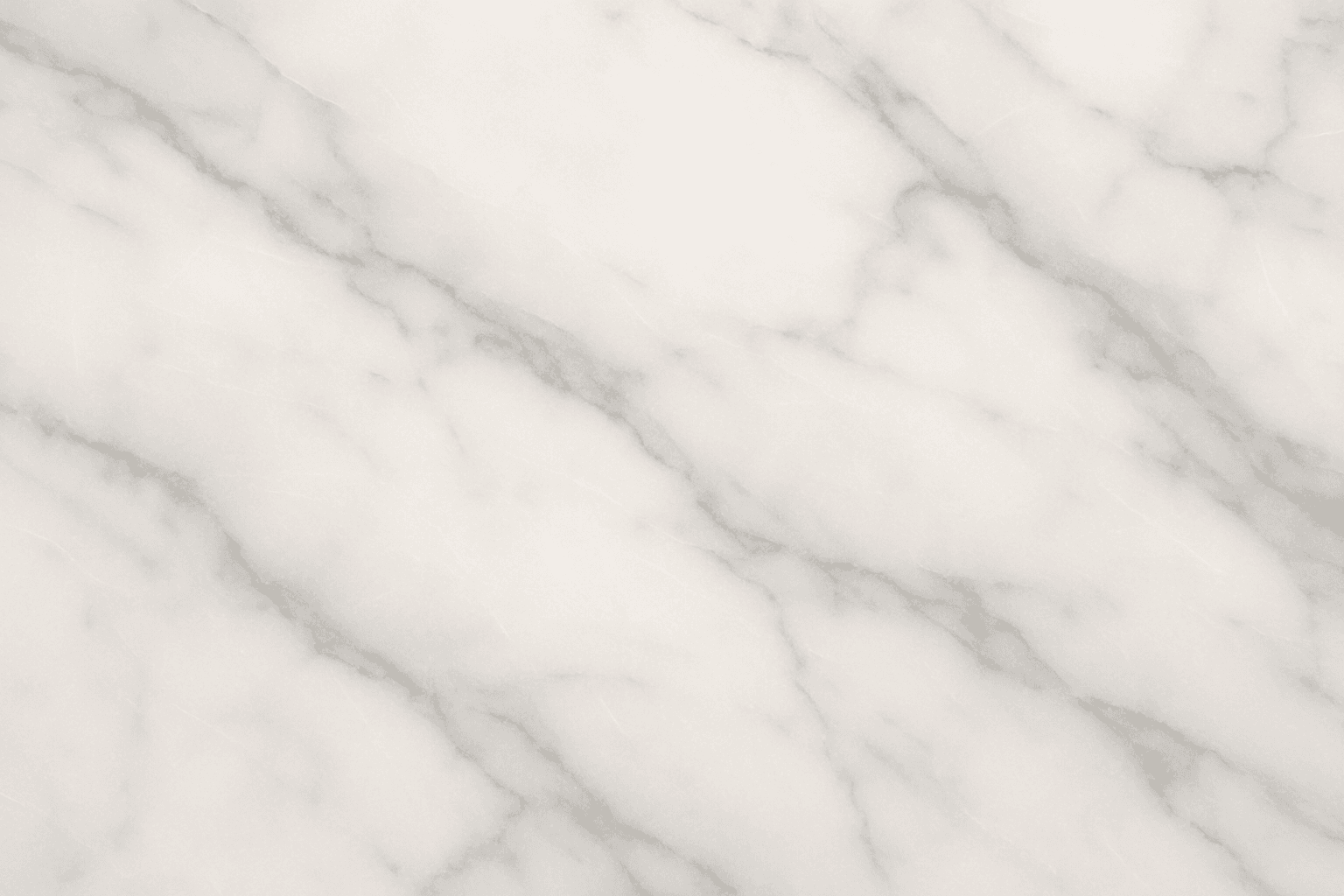
Smooth Marble Surface Texture
The smooth marble surface texture keyword is valuable for artists and designers aiming to replicate the luxurious and timeless appeal of marble in AI-generated images. It ensures the depiction of natural stone with polished, shiny surfaces, gentle veining, and realistic material depth. By incorporating this texture in prompts, creators can generate images suitable for high-end interiors, product mockups, or branding visuals that call for sophisticated marble backgrounds. The smoothness and fine detailing elevate the perceived quality and visual interest of the images.
View keyword
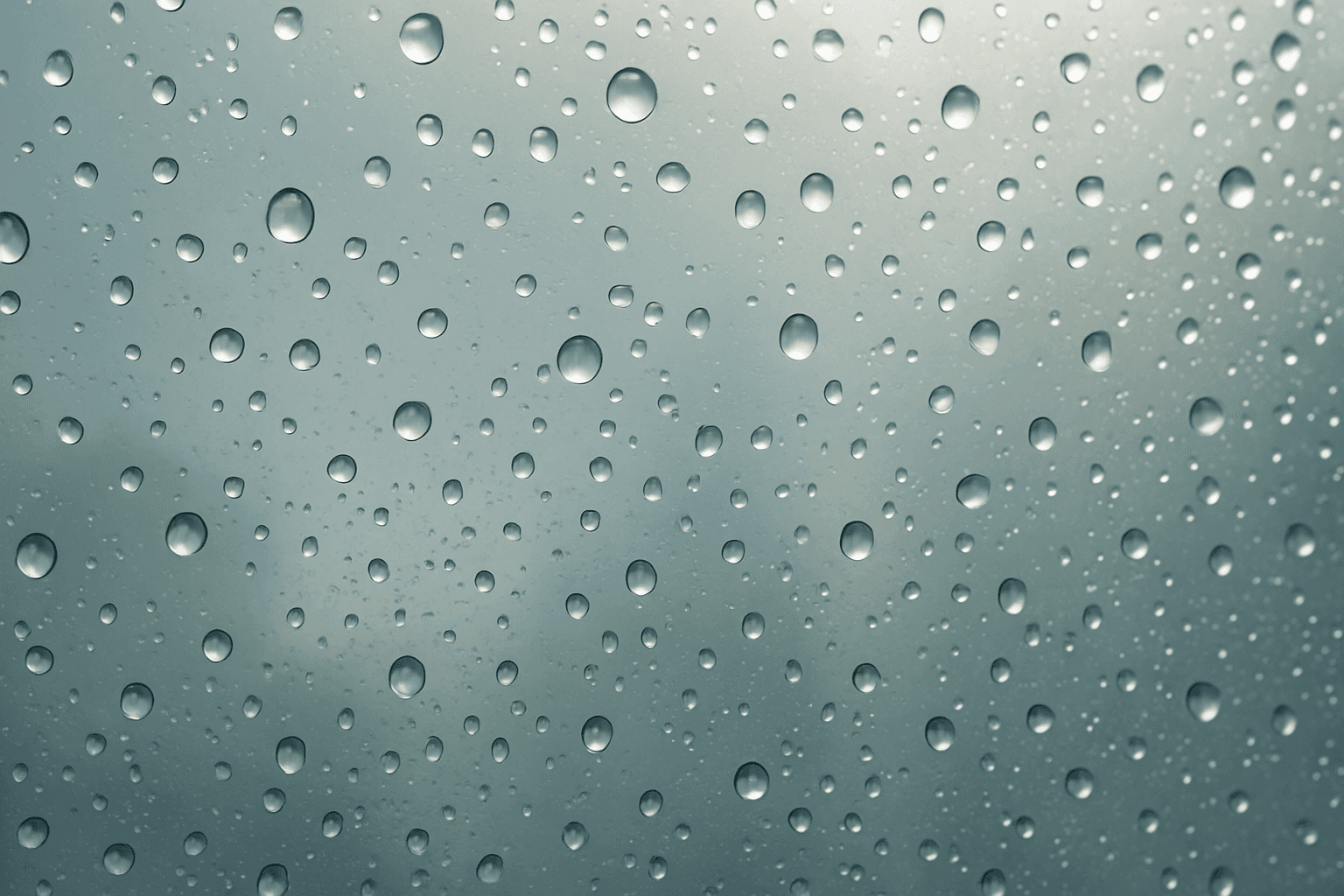
Wet Glass Surface Effect
The Wet Glass Surface Effect creates compelling visual interest by simulating glass surfaces covered with moisture. This effect captures the fine details of water droplets and the way they alter light transmission and reflection, producing a glossy, tactile appearance. It's favored in modern editorial photography and advertising to evoke freshness, moisture, or a rainy ambiance. By incorporating this effect, AI-generated images gain added realism and textural complexity, making them ideal for product shots, interior scenes, and artistic photography with atmospheric mood.
View keyword
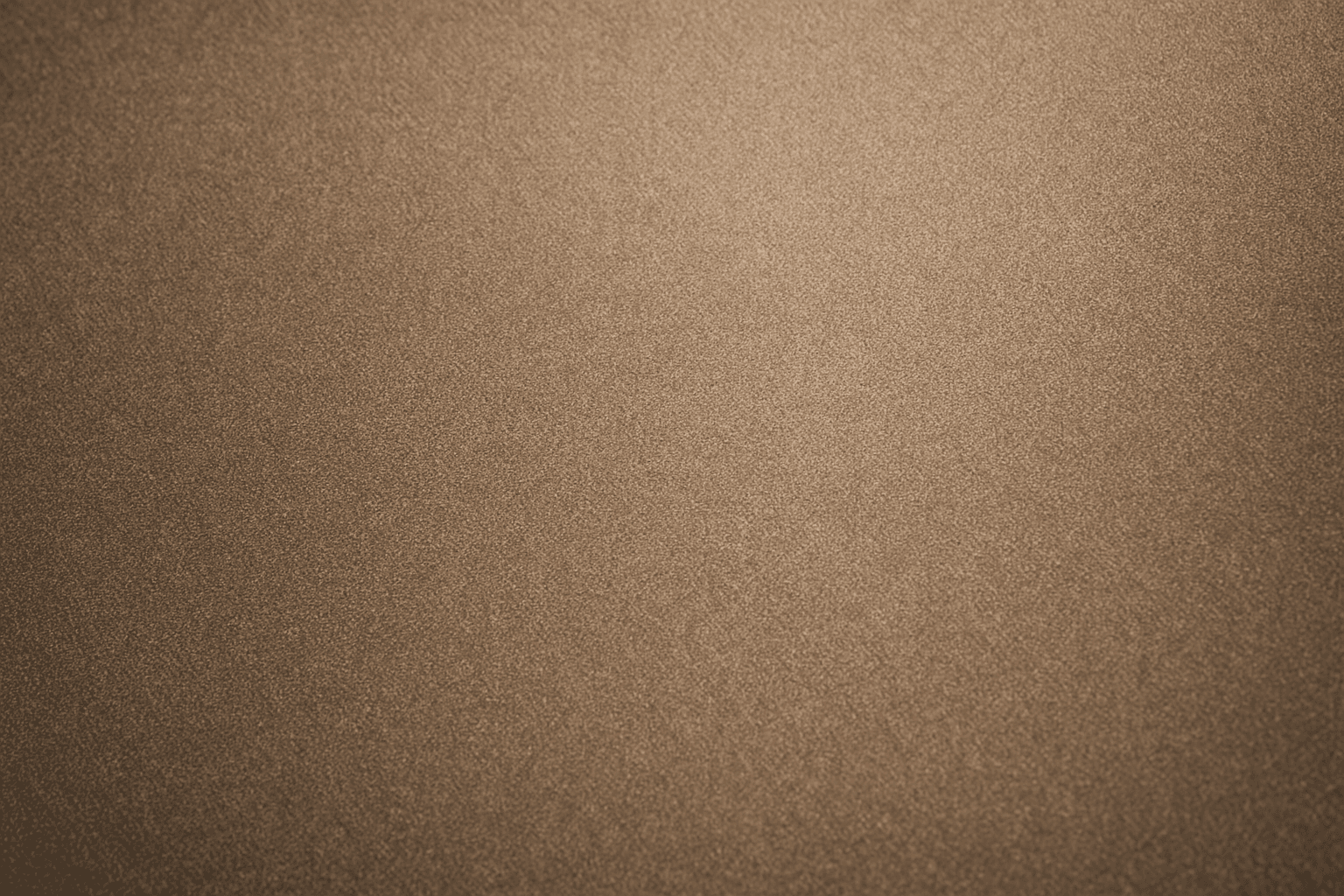
Fine Grain Film Texture
Fine Grain Film Texture is a popular keyword used in AI image generation to replicate the nuanced and refined grain found in analog photographic film with higher emulsions or professional stocks. Unlike coarse grain, fine grain offers a gentle texture that adds organic qualities and depth to digital images, lending them a nostalgic, vintage charm while maintaining clarity and detail. This texture is especially valued in photography-inspired digital art and retro-themed visual designs. Applying this texture can bring a tactile, handcrafted feel to otherwise smooth and digitally perfect images, enhancing mood and artistic expression.
View keyword
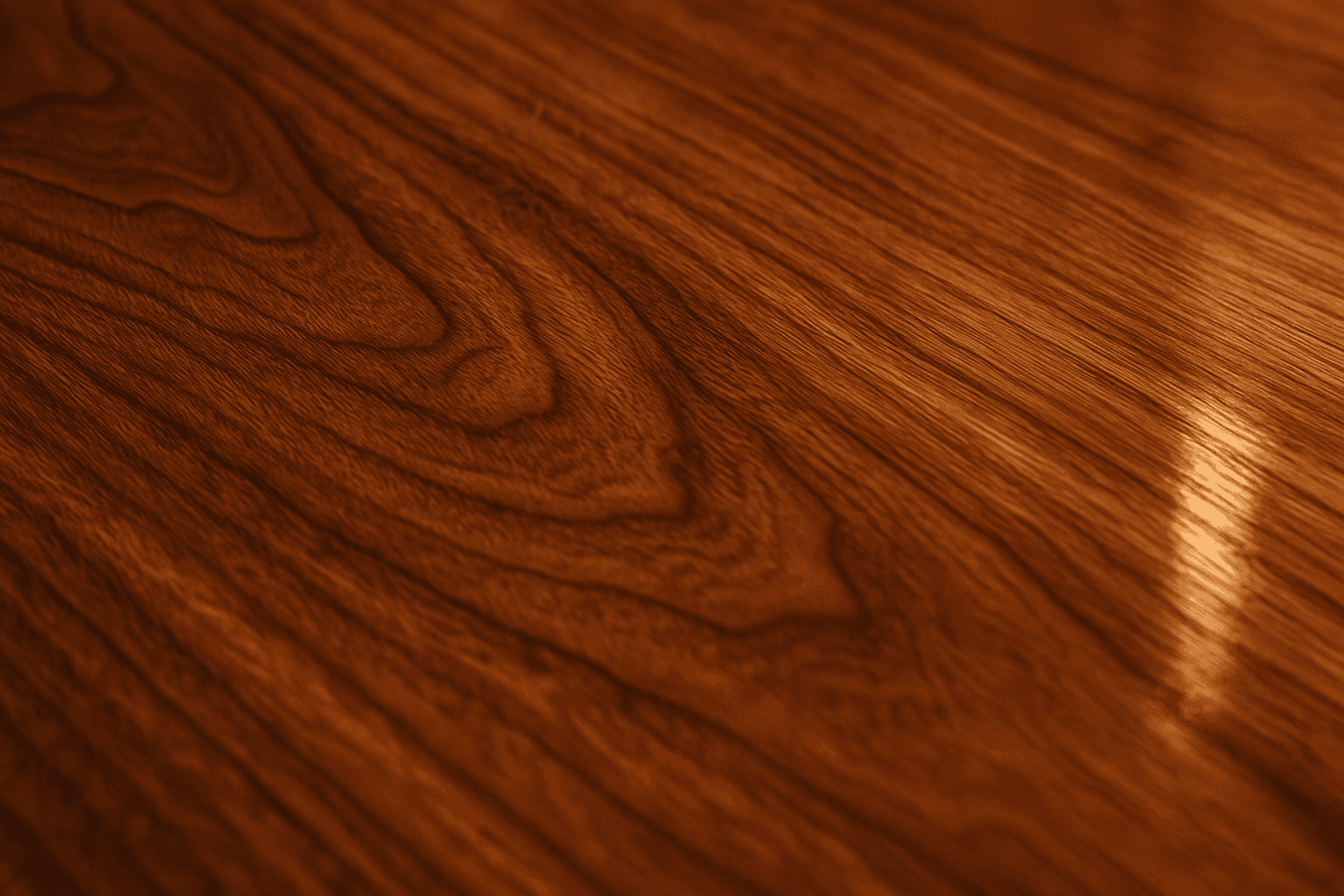
Polished Wood Grain Texture
Polished wood grain texture is essential for creating images that emphasize realistic and luxurious wood surfaces. This texture highlights the intricate wood lines and rings, enhanced by a polished, glossy finish that reflects light subtly, adding depth and richness. When used in AI art prompts, it generates images of wood that look refined and tactile, suitable for premium product backgrounds, interior design visuals, furniture presentations, and editorial photography. It conveys warmth and natural elegance while maintaining a modern, clean aesthetic.
View keyword
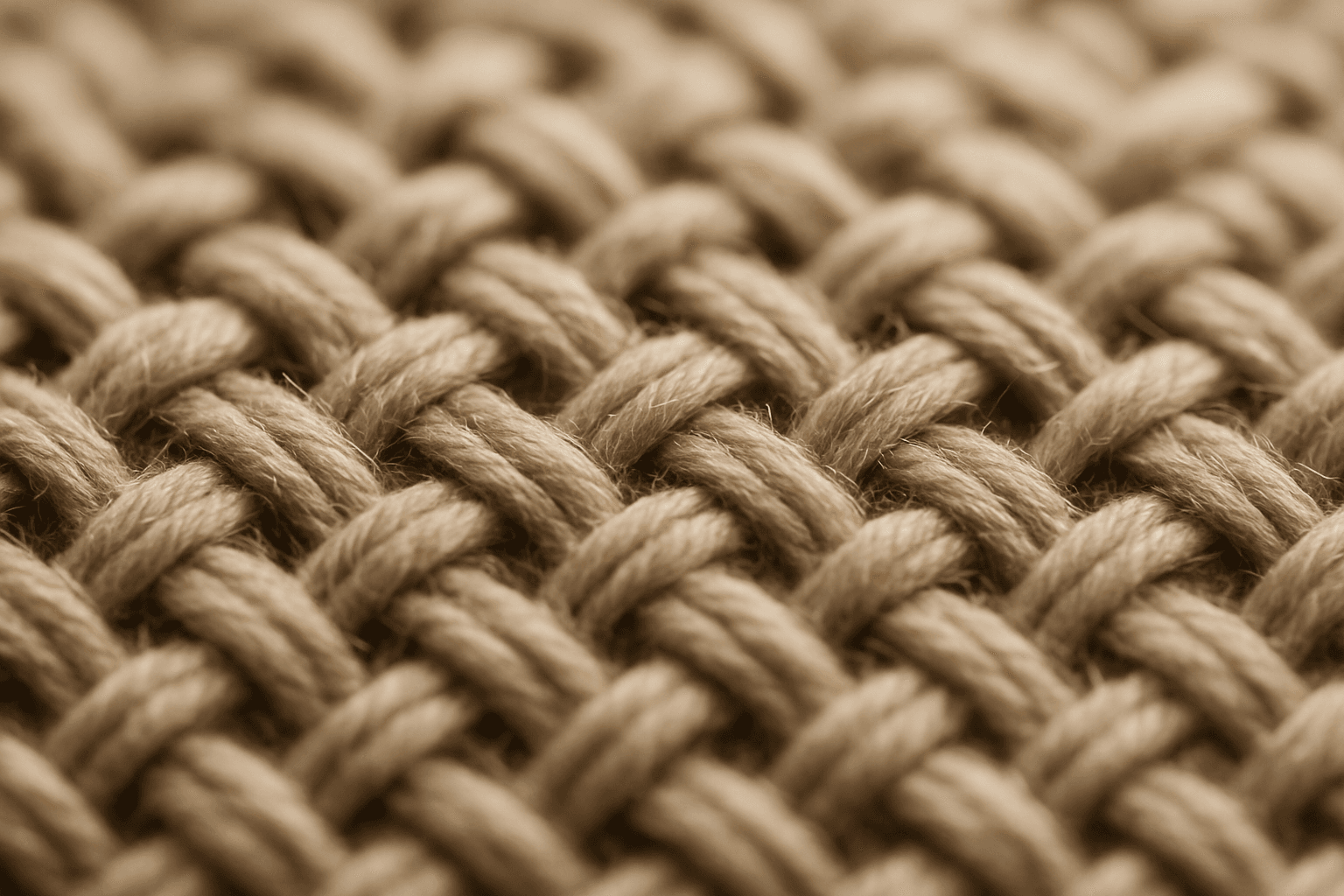
Woven Fabric Texture
Woven fabric textures add tangible realism to AI-generated images, simulating the intricate patterns formed by threads crossing perpendicularly. This keyword enriches visuals by conveying materiality and tactile depth, essential for authentic textile representation in fashion, interiors, or product visuals. When used effectively, it elevates simple textile renderings into nuanced depictions that showcase thread details, surface shadows, and natural irregularities inherent in real fabrics, making generated images more convincing and premium-looking.
View keyword
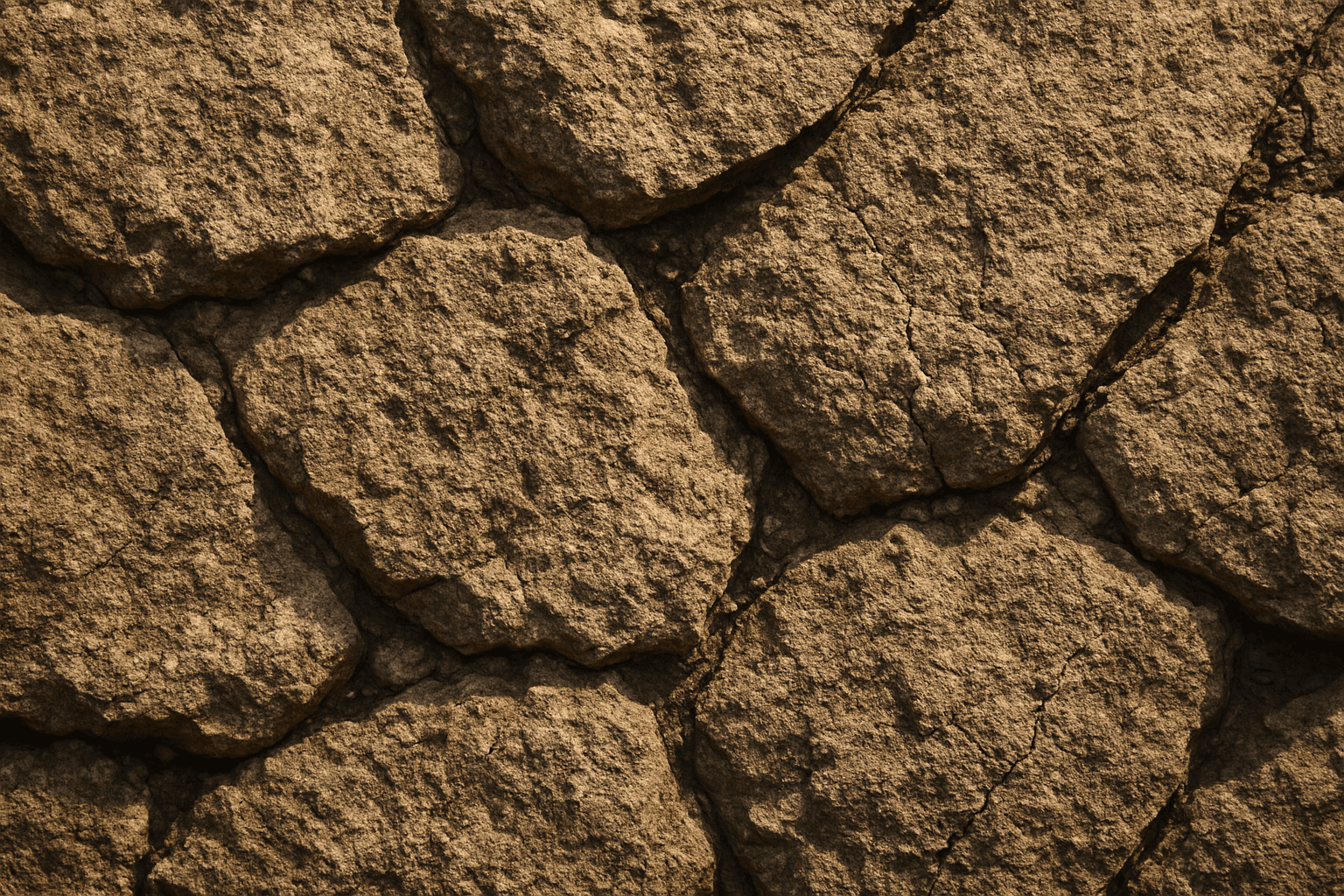
Rustic Stone Texture
Rustic Stone Texture captures the charm of natural, unpolished stone surfaces, commonly found in outdoor walls, patios, and countryside architecture. When used as an AI prompt keyword, it guides image generation toward materials that have a raw, tactile quality with an irregular and aged look. This texture is highly valuable for artists and designers aiming to depict authentic stonework or vintage construction details. The keyword enhances image realism by emphasizing stone’s natural imperfections such as cracks, chips, and coarse grains. This makes it an excellent choice for backgrounds, architectural visualizations, and product mockups needing an organic, weathered material feel.
View keyword
All Categories
Lighting
81Prompt keywords for shaping light direction, quality, glow, and photographic drama.
Browse keywords
Atmosphere
55Mood-setting language for emotion, haze, weather, ambience, and cinematic tone.
Browse keywords
Composition
67Framing and visual structure keywords that guide layout, focus, and balance.
Browse keywords
Style
43Aesthetic directions for design languages, eras, interiors, and visual identity.
Browse keywords
Color
76Palette keywords for controlling temperature, contrast, softness, and brand feeling.
Browse keywords
Texture & Material
77Surface and material cues for tactile realism, reflection, luxury, and craft.
Browse keywords
Commercial Use
46Keywords tuned for stock imagery, ads, branding, product visuals, and business assets.
Browse keywords