Woven Fabric Material Texture
Woven fabric material texture is a fundamental element in textile visualization, representing the intricate crossing and interlocking of yarns to form cloth. In AI-generated imagery, emphasizing woven fabric textures helps bring life to digital fabrics by simulating thread thickness, weave patterns, and fabric density. This texture varies from coarse burlap to fine silk weaves, each bringing distinct visual and tactile impressions. Using this keyword focuses AI's attention on fabric realism, making it ideal for fashion renders, interior design mockups, and product visualization where fabric detail enhances perceived quality.

Definition
Woven fabric material texture in AI image generation refers to the representation of textile surfaces created through the detailed interlacing of threads. When included in prompts, it compels the AI to focus on producing realistic fabric surfaces with visible weaving patterns, thread thickness variations, and subtle fiber details. Beginners should understand that this keyword changes the visual output by adding complexity and authenticity to fabric-related imagery.
Prompt Formula
Use this repeatable pattern to incorporate woven fabric texture effectively: - Base subject description + woven fabric material texture + lighting details + color palette + detailed close-up or distance context Examples: - "Elegant dress with woven fabric material texture, natural daylight, soft beige tones, close-up" - "Modern sofa featuring woven fabric material texture, studio lighting, deep blue hues, interior scene" - "Macro shot of woven fabric material texture, warm sunlight, multicolor threads, shallow depth of field"
Best Use Cases
- Visualizing fabric details in fashion design concepts
- Enhancing realism in interior upholstery and furniture renders
- Highlighting texture quality in product photography and advertising
Advanced Techniques
To refine woven fabric textures in AI prompts, combine the keyword with material-specific qualities such as thread type (e.g., cotton, silk, wool), weave patterns (e.g., twill, herringbone), and surface effects like wrinkles or fraying. Apply lighting constraints such as soft diffused light or sharp studio lighting to reveal thread structure. Additionally, use modifiers like 'high resolution' or 'macro focus' to capture fine fiber details and depth. Experiment with color temperature and shadow quality to simulate realistic fabric sheen and tactile sensation.
Professional Workflow
Begin by clearly defining the fabric type and scale when drafting prompts—specify fabric composition and weave style for best results. Generate multiple variations with adjusted light settings and focus levels to capture optimal texture detail. Review outputs for thread visibility, color accuracy, and natural fabric behavior like folds or light diffusion. Refine prompts iteratively by incorporating successful descriptive adjectives and removing ambiguities. Export the best images for client preview or direct usage in design projects.
Related Styles
- Textile Weave Pattern
- Fabric Thread Detail
- Cloth Material Texture
FAQ
How does adding 'woven fabric material texture' affect AI image outputs?
Including this phrase guides the AI to prioritize fabric weave details, resulting in images with visible interlaced threads, fiber nuances, and realistic textile appearances, enhancing material authenticity.
Can this texture keyword be combined with specific fabric types?
Yes, combining 'woven fabric material texture' with fabric types like cotton, silk, or wool further refines AI results to generate textures unique to those materials, improving realism and specificity.
Continue Exploring
Related Prompts
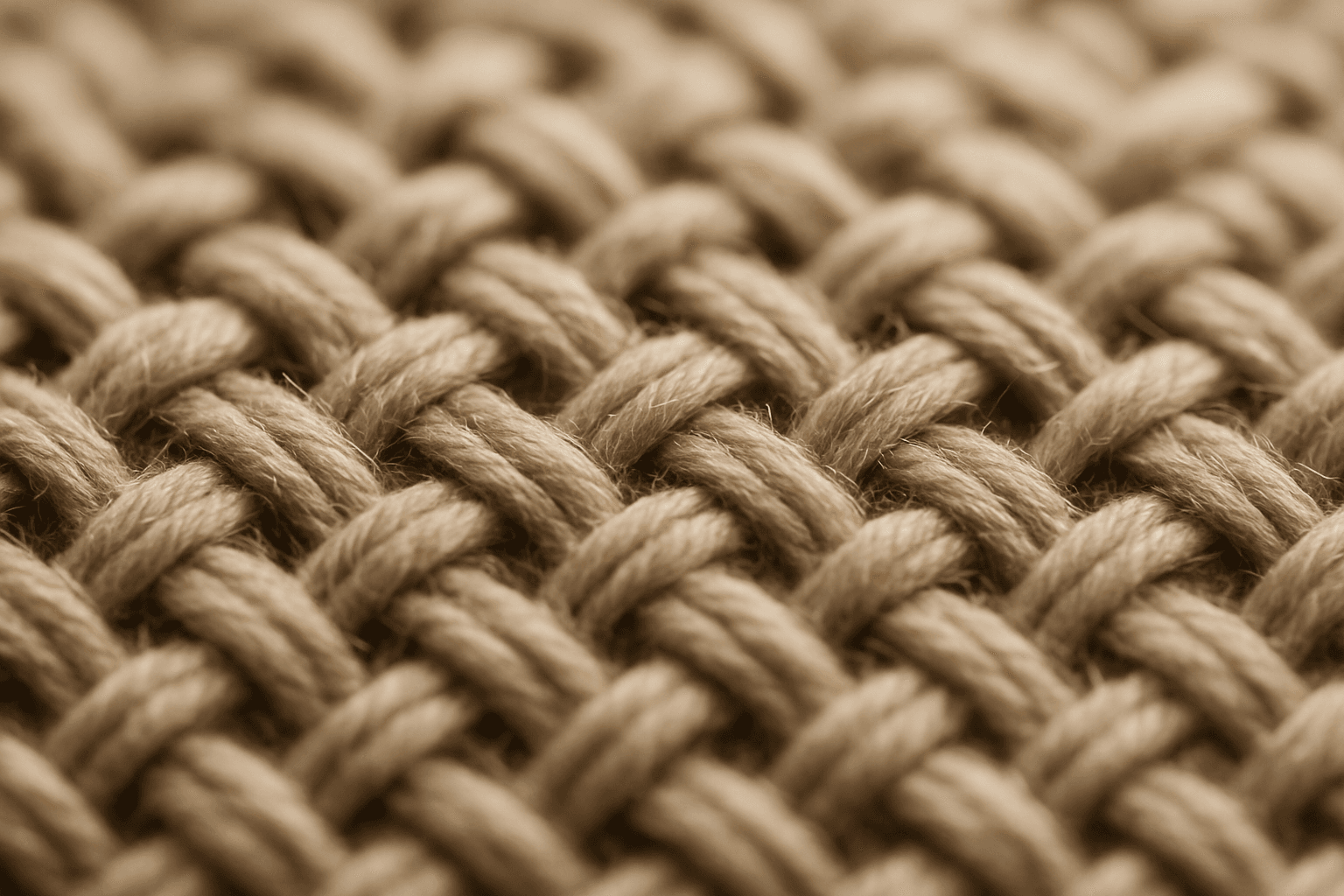
Woven Fabric Texture
Woven fabric textures add tangible realism to AI-generated images, simulating the intricate patterns formed by threads crossing perpendicularly. This keyword enriches visuals by conveying materiality and tactile depth, essential for authentic textile representation in fashion, interiors, or product visuals. When used effectively, it elevates simple textile renderings into nuanced depictions that showcase thread details, surface shadows, and natural irregularities inherent in real fabrics, making generated images more convincing and premium-looking.
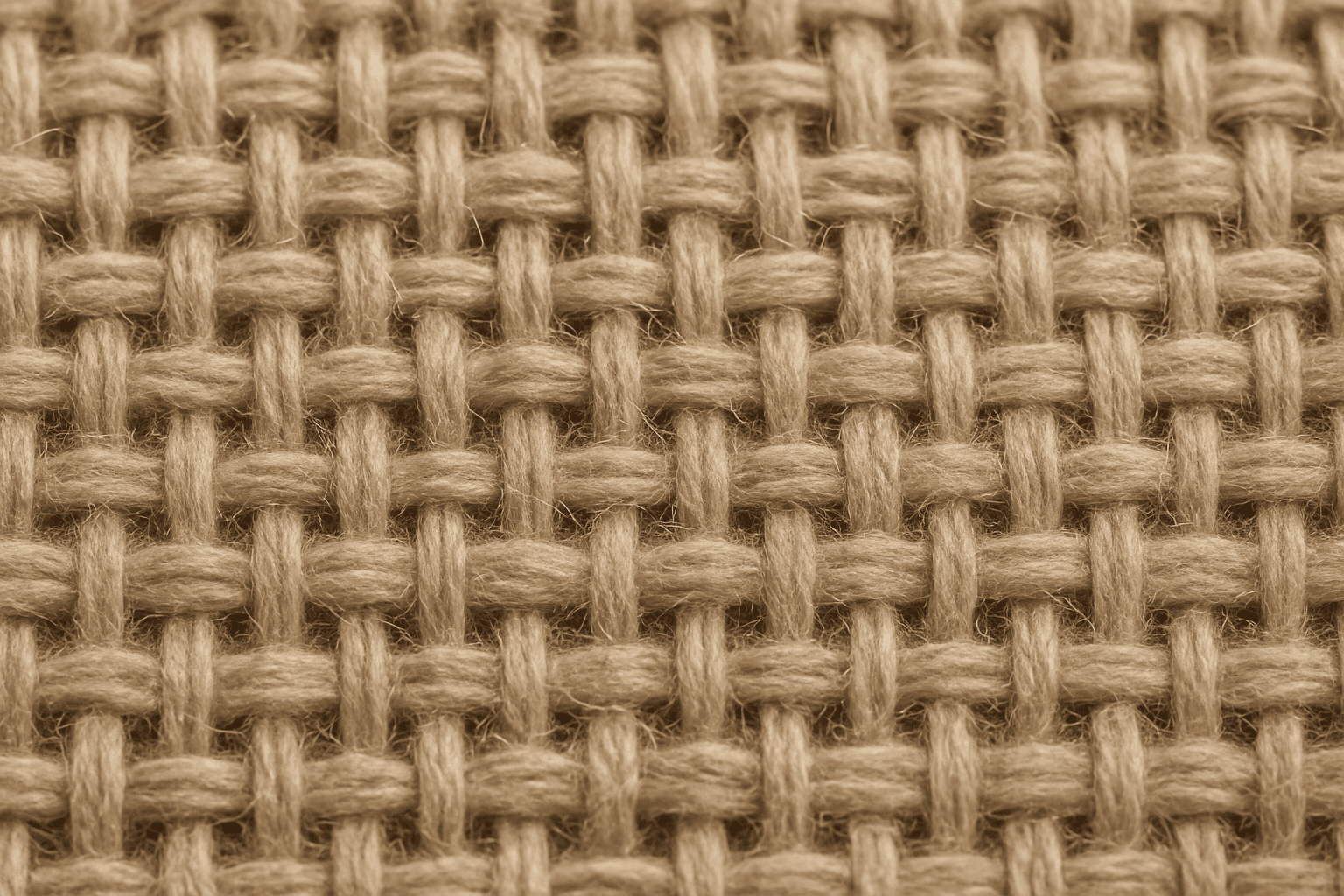
Woven Textile Texture
In the realm of AI image generation, 'woven textile texture' is a valuable keyword for artists and designers seeking photorealistic fabric appearances in their creations. This texture replicates the intricate intertwining of warp and weft threads seen in real textiles, providing a rich surface detail that enhances the tactile feel of digital images. Including this keyword helps render lifelike cloth materials with convincing thread patterns and subtle lighting interactions that highlight the depth and weave complexity. Such imagery benefits industries ranging from fashion design to interior visualization by adding authentic fabric elements that elevate overall realism.
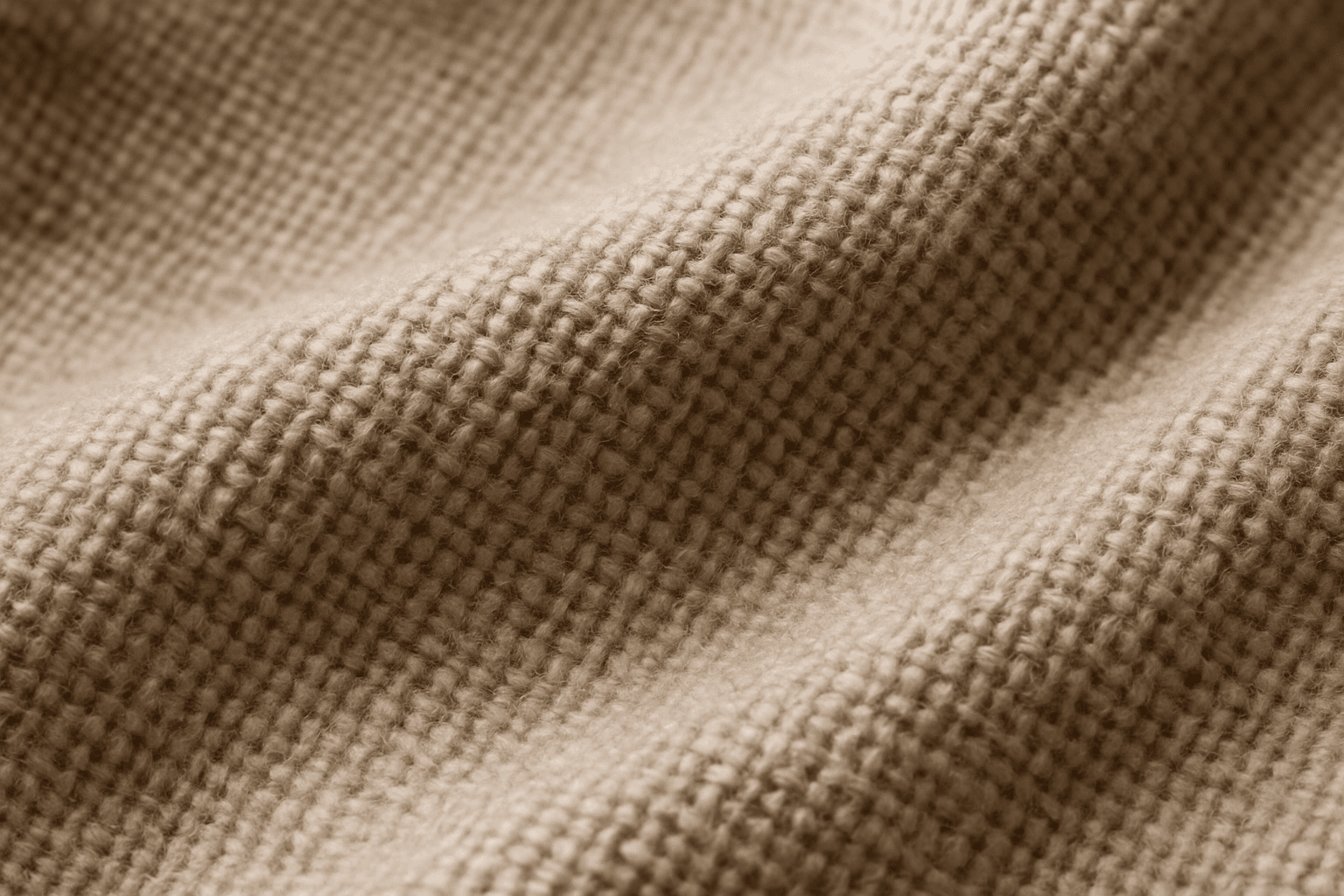
Fabric Texture
Fabric Texture is a vital keyword for AI image generation when you want to depict textiles realistically. It guides the AI to focus on nuances such as fiber weave, surface irregularities, and light reflection that define materials like cotton, silk, denim, or wool. This keyword enriches visuals in fashion photography, interior design details, and product shots by ensuring cloth surfaces look tangible and authentic. Proper use leads to images that convey texture depth, fiber quality, and material type, crucial for commercial appeal and viewer engagement.

Organic Fabric Texture
Organic fabric textures evoke the raw, natural qualities of textiles derived from plants and animals, such as cotton, linen, or wool. AI-generated images tagged with this keyword focus on capturing the tactile, authentic look of these fabrics. This includes detailed weaves, slight irregularities in fiber distribution, and earthy tones that convey warmth and eco-friendliness. Using organic fabric textures enhances visual storytelling when the goal is to emphasize sustainability, artisanal craftsmanship, or comfort in product visuals and editorial design. This keyword is suitable for creating nuanced backgrounds, material samples, and realistic textile representations in digital art and commercial imagery.
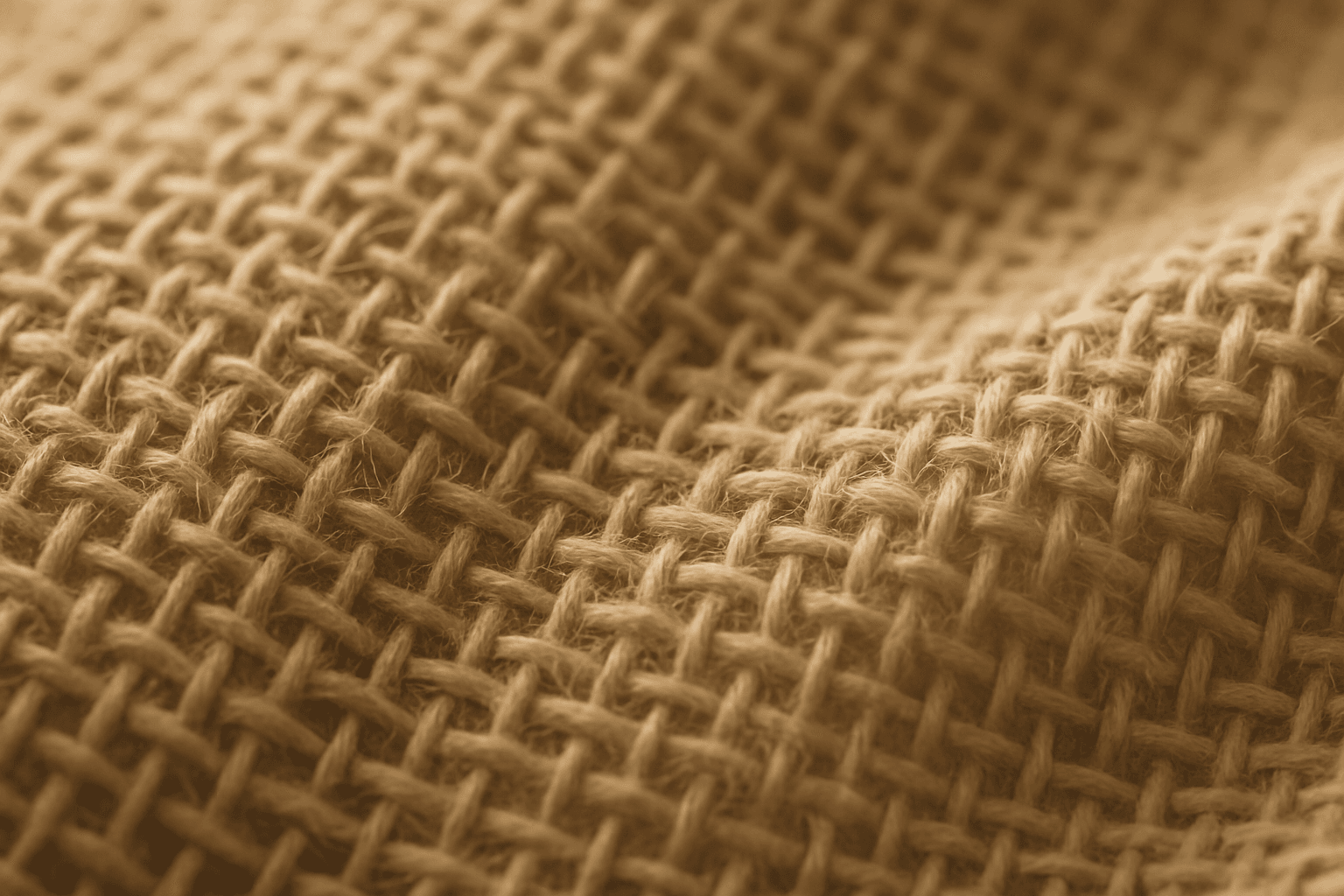
Woven Fabric Detail
Woven fabric details bring life and realism to textile visuals by showcasing the intricate thread structure, including the warp and weft intersection that characterizes woven materials. In AI-generated images, adding 'woven fabric detail' ensures the depiction highlights the tactile nature of fabrics such as cotton, linen, or wool. This specificity helps designers, artists, and marketers produce authentic and premium presentations where texture fidelity is crucial, from fashion shots to interior fabrics.
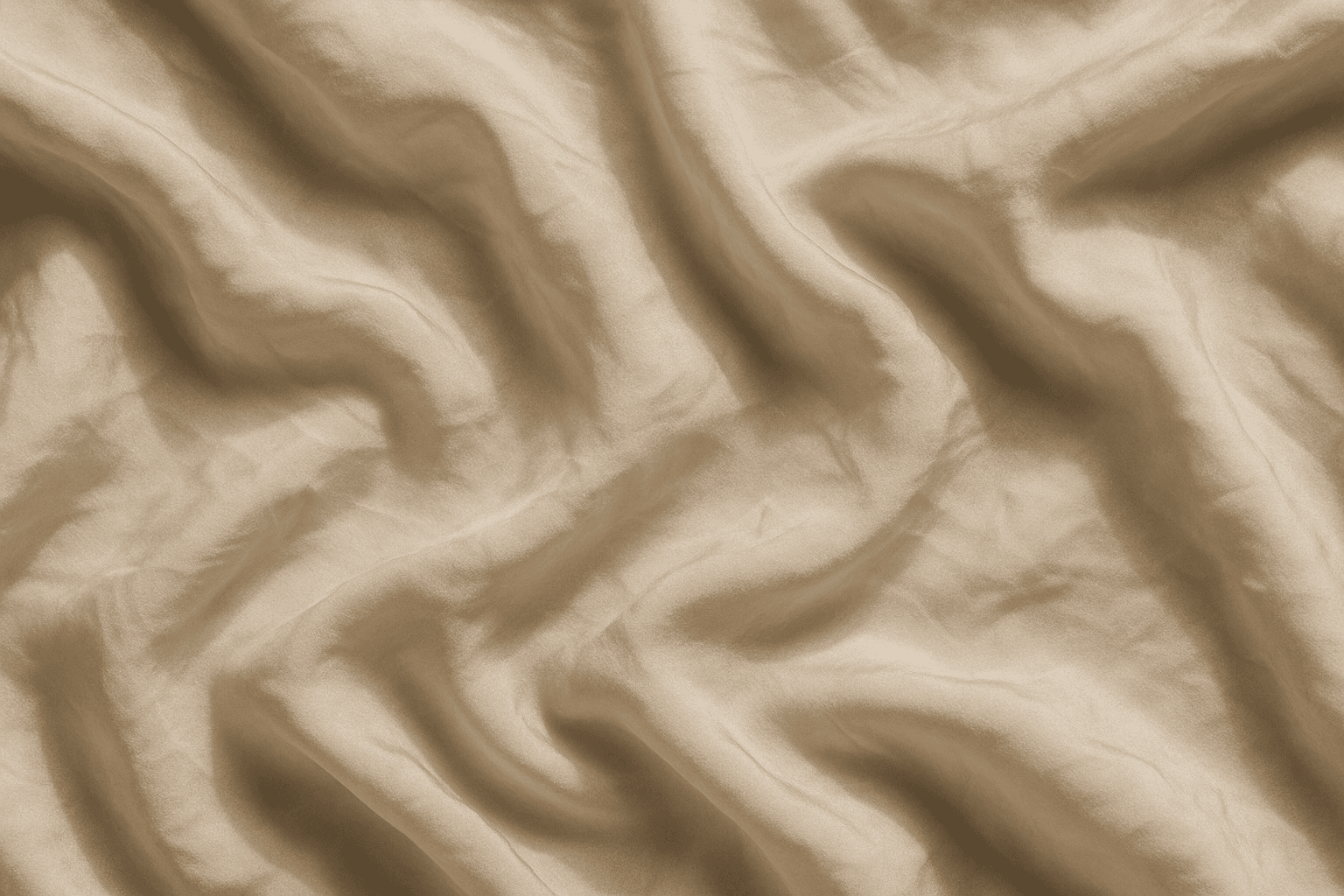
Crinkled Fabric Texture
The 'Crinkled Fabric Texture' keyword enriches AI-generated imagery by focusing on the realistic depiction of fabric surfaces showing natural wrinkles and folds. This texture adds an organic, lived-in feel to fabric, distinguishing it from smooth or perfectly flat materials. By simulating light interaction with creased fabric, it highlights depth and softness, enhancing visual interest. Incorporating this keyword benefits creators who want to portray everyday materials like linens, silk, or cotton with authentic imperfections, making scenes feel more tangible and immersive. It is especially valuable when combined with diverse lighting setups and close-up perspectives to emphasize fabric detail.