Organic Fabric Texture
Organic fabric textures evoke the raw, natural qualities of textiles derived from plants and animals, such as cotton, linen, or wool. AI-generated images tagged with this keyword focus on capturing the tactile, authentic look of these fabrics. This includes detailed weaves, slight irregularities in fiber distribution, and earthy tones that convey warmth and eco-friendliness. Using organic fabric textures enhances visual storytelling when the goal is to emphasize sustainability, artisanal craftsmanship, or comfort in product visuals and editorial design. This keyword is suitable for creating nuanced backgrounds, material samples, and realistic textile representations in digital art and commercial imagery.

Definition
Organic fabric texture describes the tactile and visual surface qualities of natural textiles like cotton, linen, or hemp. It captures the appearance of fibers, weave patterns, and natural color variations commonly found in eco-friendly and artisanal fabric materials. Adding this keyword in AI prompts trains models to simulate realistic fabric surfaces with visible irregularities and softness that evoke a sense of authenticity, ideal for producing natural-looking textile imagery.
Visual Characteristics
- Detailed weave patterns with visible intertwined fibers
- Soft matte finishes with gentle surface irregularities
- Natural, earthy color tones ranging from off-white to beige and light browns
Prompt Formula
Use these formulaic phrases to build prompts for organic fabric textures: - "Close-up of [organic fabric] texture with detailed weave and natural fibers" - "High-resolution [fabric type] surface showing tactile softness and subtle imperfections" - "Eco-friendly textile background featuring [fabric type] texture in muted earthy colors" Combine fabric type (e.g., cotton, linen, hemp) with descriptors like "organic," "natural," and "textured" along with lighting adjectives for varied outputs.
Best Use Cases
- Product visuals for sustainable fashion lines showing fabric close-ups
- Background textures for eco-conscious branding and digital design
- Interior design concepts highlighting natural upholstery fabrics
Creative Variations
To diversify generated images using the organic fabric texture keyword, experiment with these creative shifts: - Vary fabric types: cotton, linen, hemp, wool to showcase different textures - Adjust lighting: soft diffused daylight vs. warm directional lighting to highlight fibers - Play with colors: natural undyed tones versus subtle dyed pastel hues - Change perspectives: macro close-ups, folded fabric arrangements, or draped compositions - Incorporate environmental elements: natural settings, wooden surfaces to complement the fabric's organic feel.
Professional Workflow
1. Define project goals specifying the need for authentic organic fabric textures. 2. Construct AI prompts combining fabric types with texture and lighting keywords. 3. Generate multiple image variants to capture a range of textures and colors. 4. Review outputs for realism, fiber detail, and appropriate tonality. 5. Select images matching brand style and refine with post-processing if needed, enhancing texture sharpness or color balance. 6. Implement images in design workflows ensuring consistent natural fabric aesthetic across deliverables.
Related Styles
- Natural Fabric Texture
- Cotton Textile Surface
- Linen Material Detail
Model-Specific Tips
To optimize results across modern AI image models when using the organic fabric texture keyword: - Use clear, descriptive terms specifying fabric type and surface qualities. - Pair with lighting descriptors like "soft natural light" or "diffuse daylight" to enhance fiber visibility. - Include color notes such as "natural off-white" or "beige hues" for authentic tones. - Avoid ambiguous words that may lead to synthetic or glossy fabric appearances. - Run multiple prompt iterations varying modifiers to identify the model's optimal rendering style for organic textiles.
FAQ
How can I make AI generate more realistic organic fabric textures?
Use specific fabric names (e.g., cotton, linen) combined with adjectives like "organic," "natural," and include lighting details such as "soft natural light." Including texture-specific words like "visible fibers," "weave patterns," and "subtle imperfections" helps the AI produce more authentic results.
What colors are typical for organic fabric textures in AI images?
Organic fabric textures often feature earthy, muted tones such as off-white, beige, light browns, and soft greys, reflecting undyed or naturally dyed materials that convey an eco-friendly aesthetic.
Continue Exploring
Related Prompts
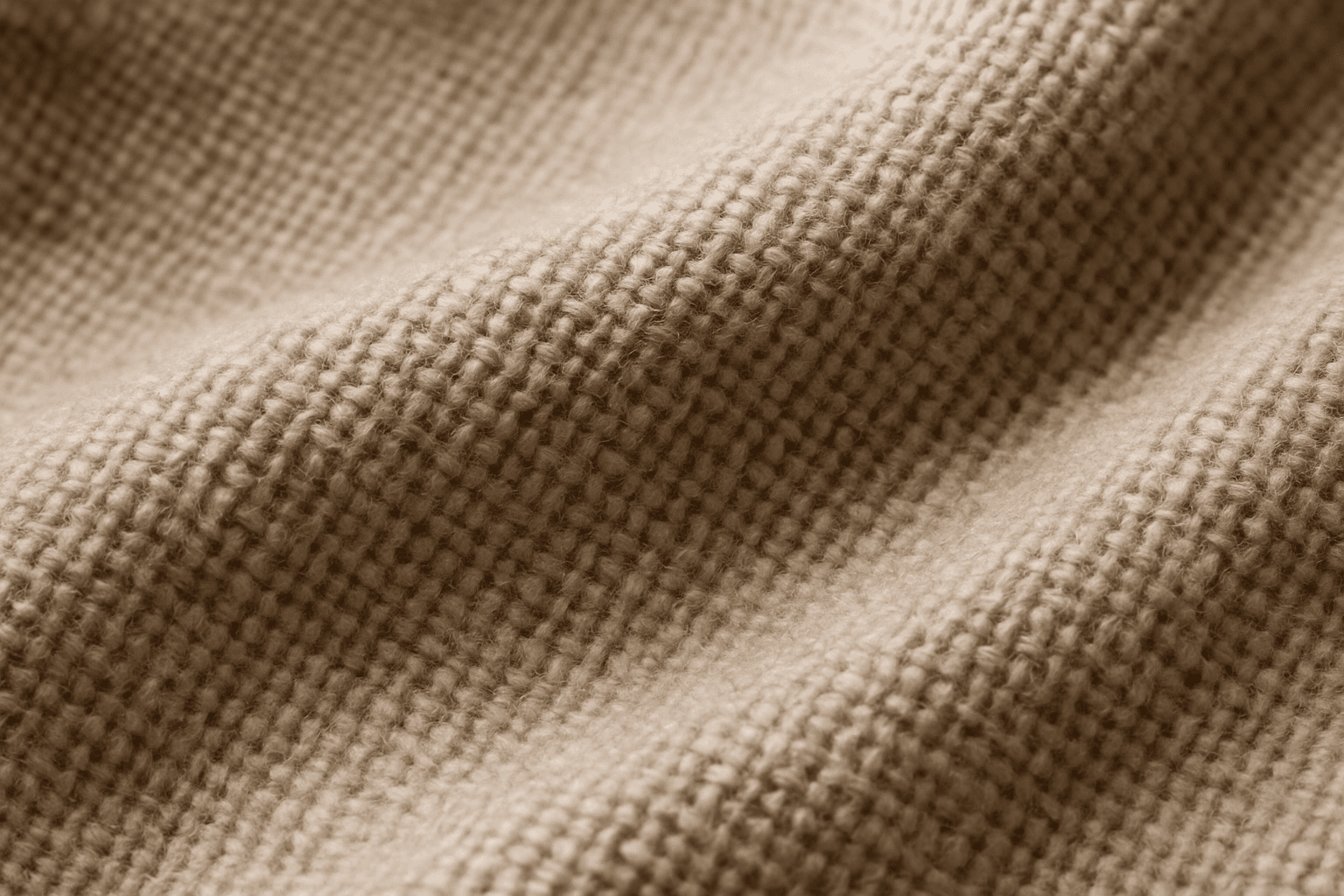
Fabric Texture
Fabric Texture is a vital keyword for AI image generation when you want to depict textiles realistically. It guides the AI to focus on nuances such as fiber weave, surface irregularities, and light reflection that define materials like cotton, silk, denim, or wool. This keyword enriches visuals in fashion photography, interior design details, and product shots by ensuring cloth surfaces look tangible and authentic. Proper use leads to images that convey texture depth, fiber quality, and material type, crucial for commercial appeal and viewer engagement.
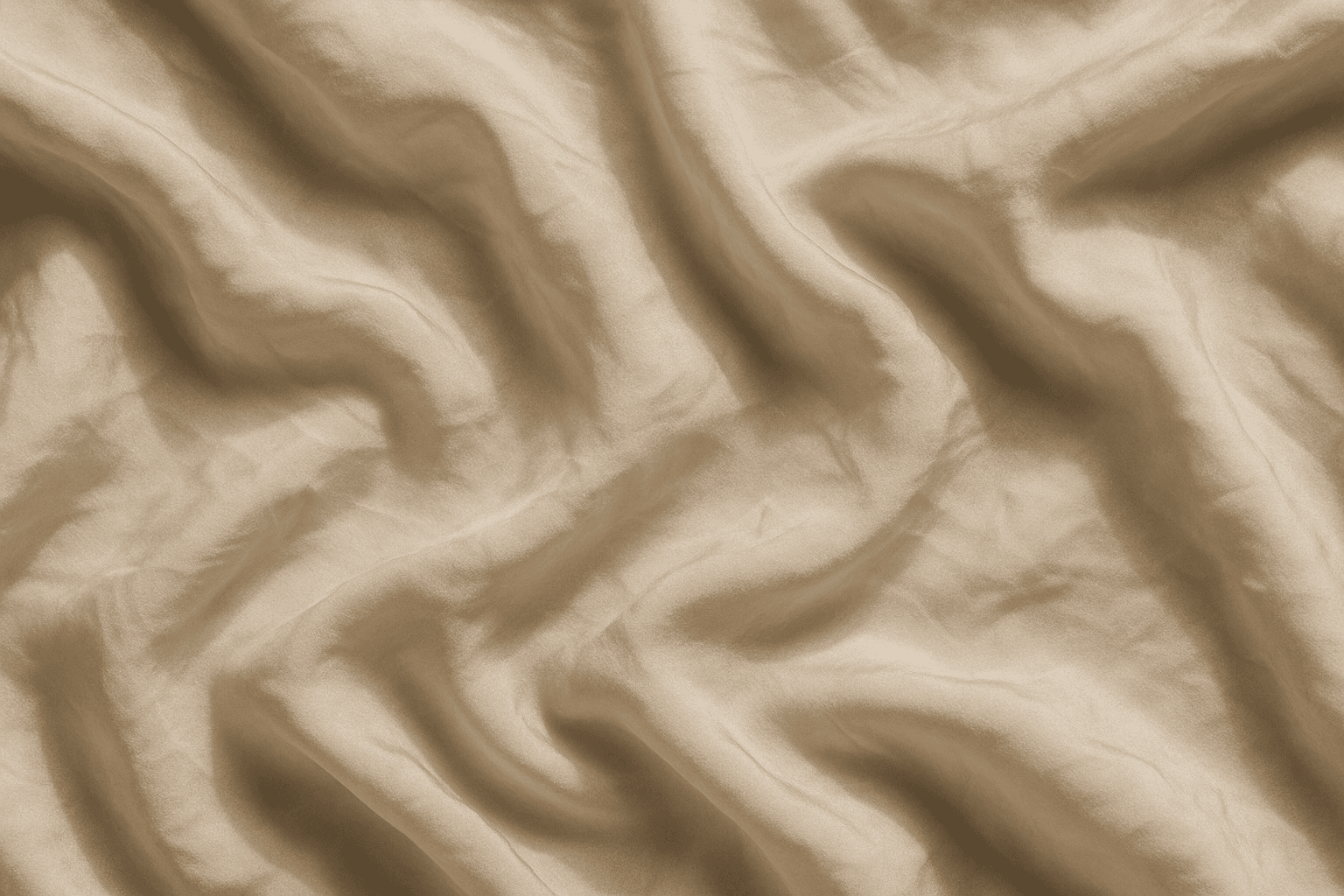
Crinkled Fabric Texture
The 'Crinkled Fabric Texture' keyword enriches AI-generated imagery by focusing on the realistic depiction of fabric surfaces showing natural wrinkles and folds. This texture adds an organic, lived-in feel to fabric, distinguishing it from smooth or perfectly flat materials. By simulating light interaction with creased fabric, it highlights depth and softness, enhancing visual interest. Incorporating this keyword benefits creators who want to portray everyday materials like linens, silk, or cotton with authentic imperfections, making scenes feel more tangible and immersive. It is especially valuable when combined with diverse lighting setups and close-up perspectives to emphasize fabric detail.
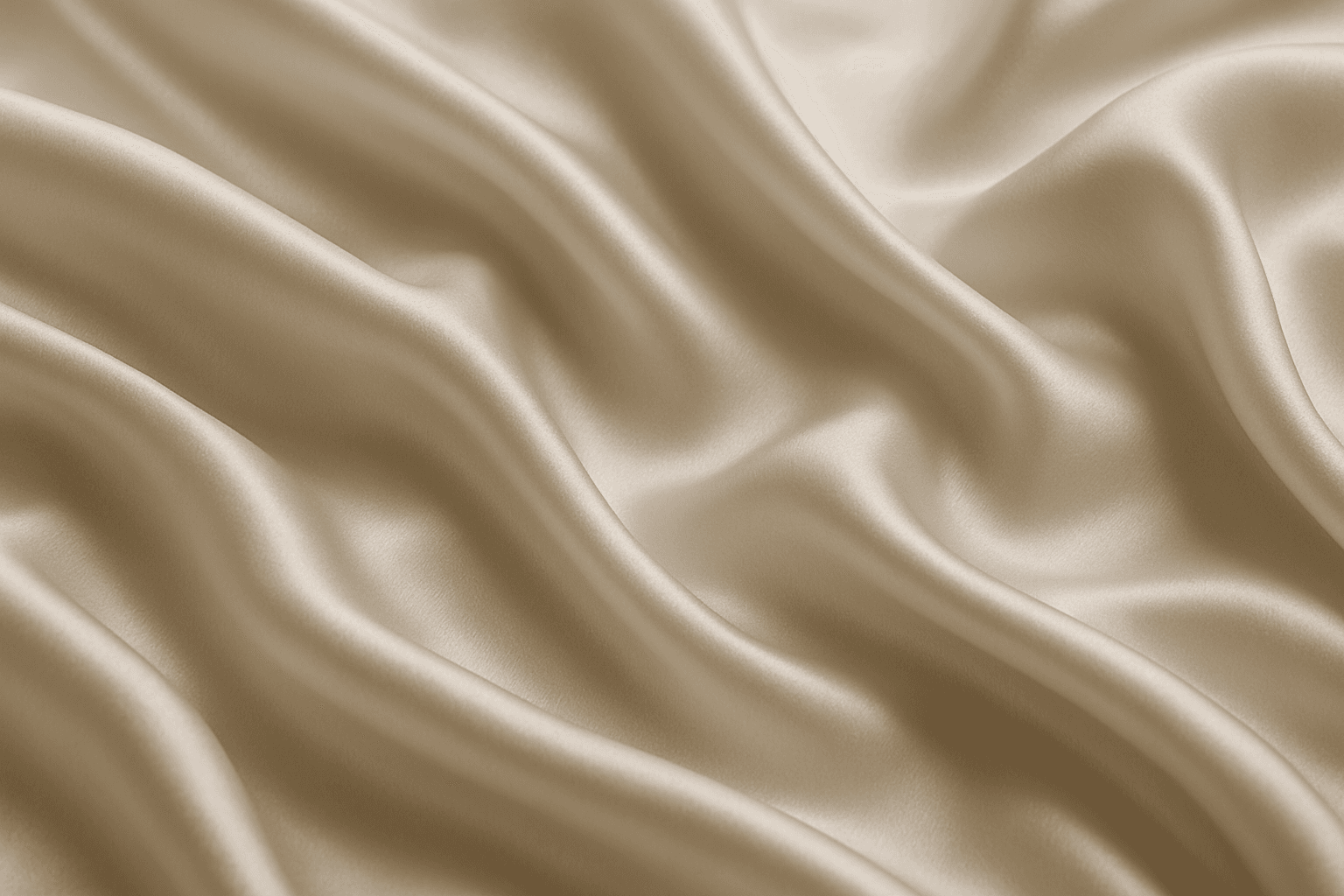
Smooth Silk Fabric Texture
Smooth silk fabric texture is prized for its elegant appearance and soft touch, making it a favored material in fashion, interiors, and luxury goods. In AI image generation, this keyword triggers the creation of images showcasing silk's signature sheen, fluid motion, and delicate surface details. When used in prompts, it helps produce visuals with refined lighting that emphasize silk’s smoothness and reflective quality. This texture enhances images requiring a premium, sophisticated look by mimicking silk’s characteristic glow and tactile softness, suitable for editorial hero shots, product photography simulations, and stylized compositions.

Woven Fabric Material Texture
Woven fabric material texture is a fundamental element in textile visualization, representing the intricate crossing and interlocking of yarns to form cloth. In AI-generated imagery, emphasizing woven fabric textures helps bring life to digital fabrics by simulating thread thickness, weave patterns, and fabric density. This texture varies from coarse burlap to fine silk weaves, each bringing distinct visual and tactile impressions. Using this keyword focuses AI's attention on fabric realism, making it ideal for fashion renders, interior design mockups, and product visualization where fabric detail enhances perceived quality.
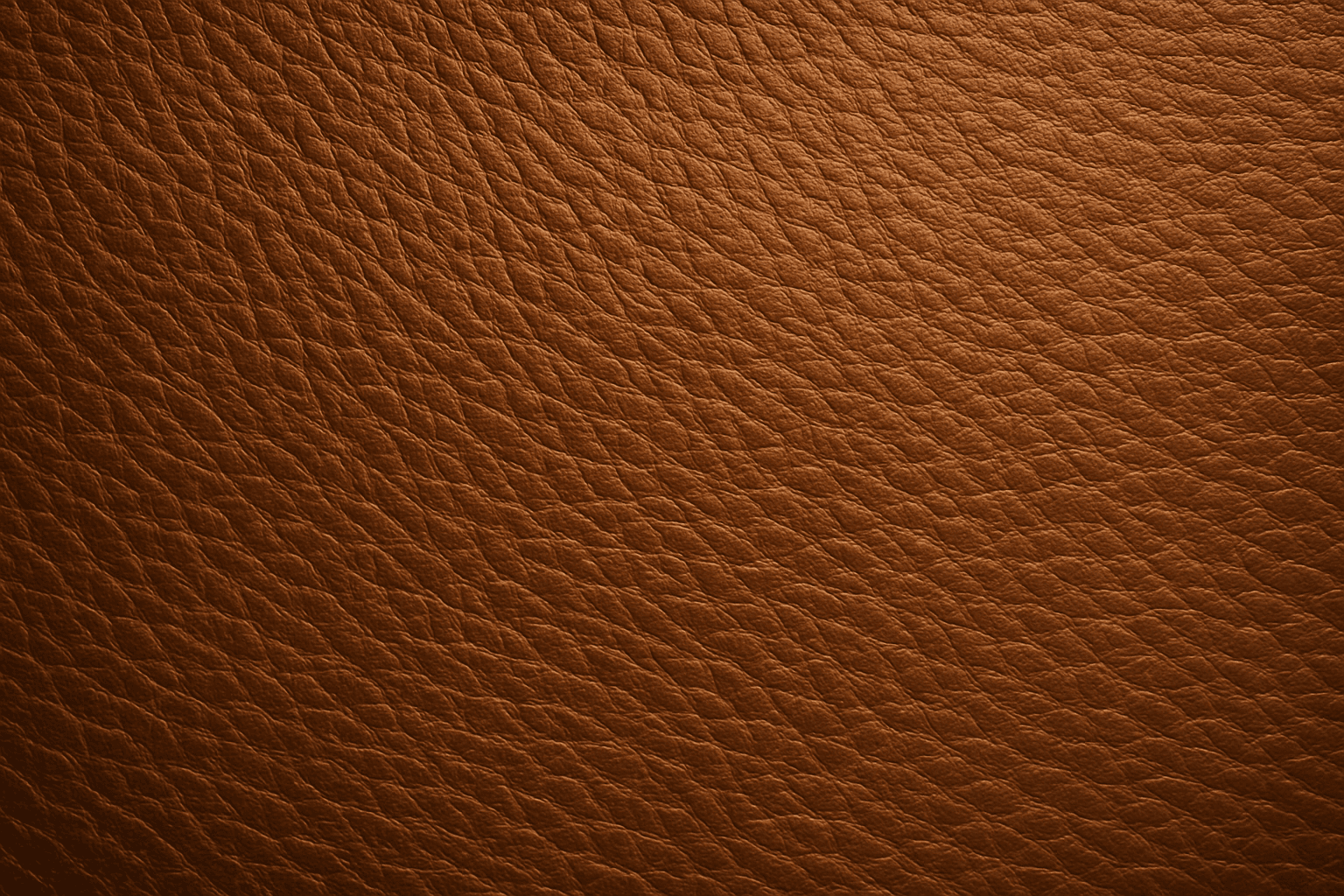
Leather Grain Texture
Using 'Leather Grain Texture' in AI image prompts allows creators to generate images with highly detailed and realistic leather surfaces. This keyword enhances the tactile quality of materials depicted, making them appear more authentic and premium. The characteristic grain patterns convey luxury and craftsmanship, useful for designs needing sophisticated material representation. When combined with appropriate lighting and composition, this texture can create visually rich images suitable for product visualization, fashion editorials, or interior design concepts. Mastery of this keyword helps artists achieve depth and realism in their material renderings, appealing to audiences seeking visually convincing visuals.
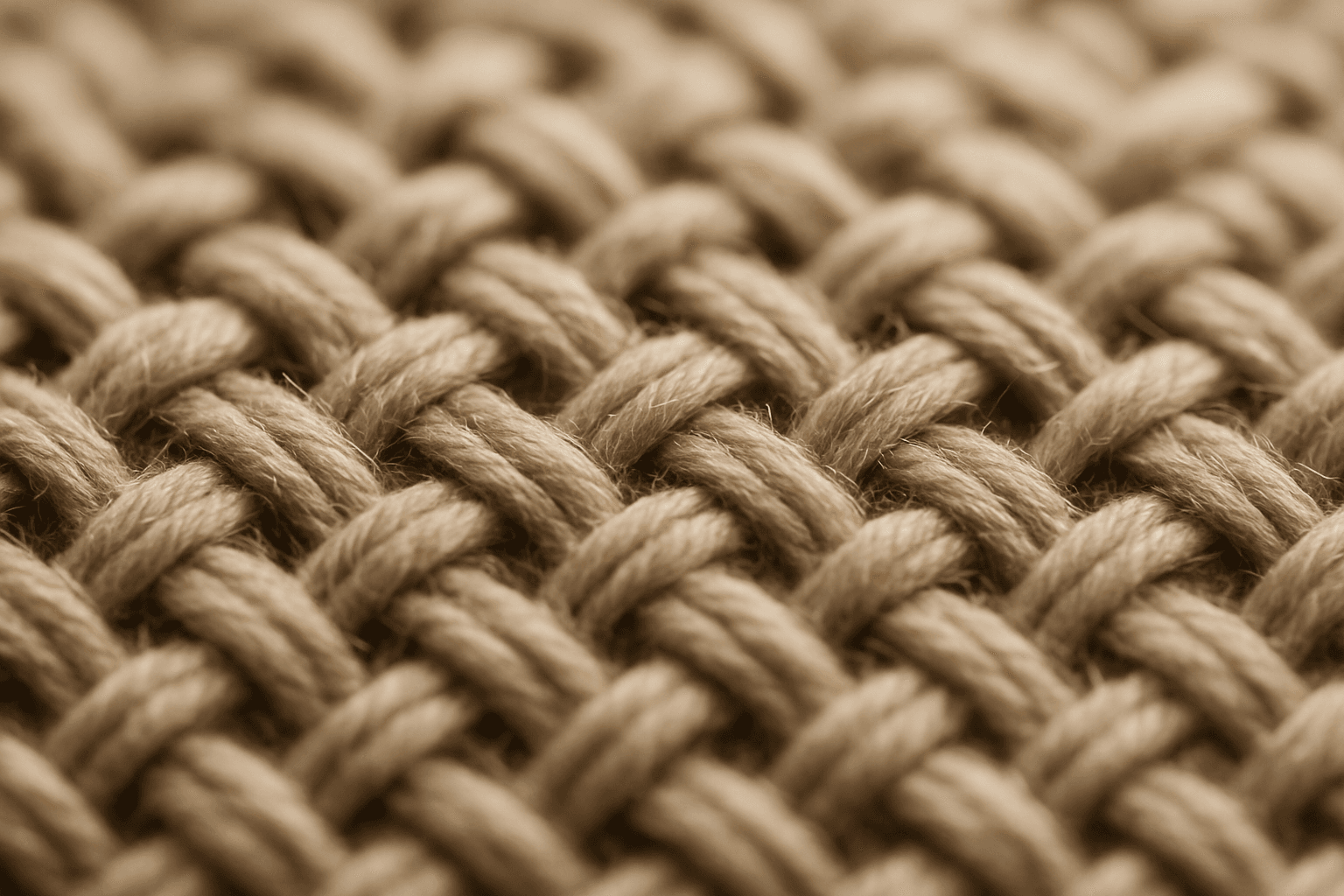
Woven Fabric Texture
Woven fabric textures add tangible realism to AI-generated images, simulating the intricate patterns formed by threads crossing perpendicularly. This keyword enriches visuals by conveying materiality and tactile depth, essential for authentic textile representation in fashion, interiors, or product visuals. When used effectively, it elevates simple textile renderings into nuanced depictions that showcase thread details, surface shadows, and natural irregularities inherent in real fabrics, making generated images more convincing and premium-looking.