Woven Fabric Texture
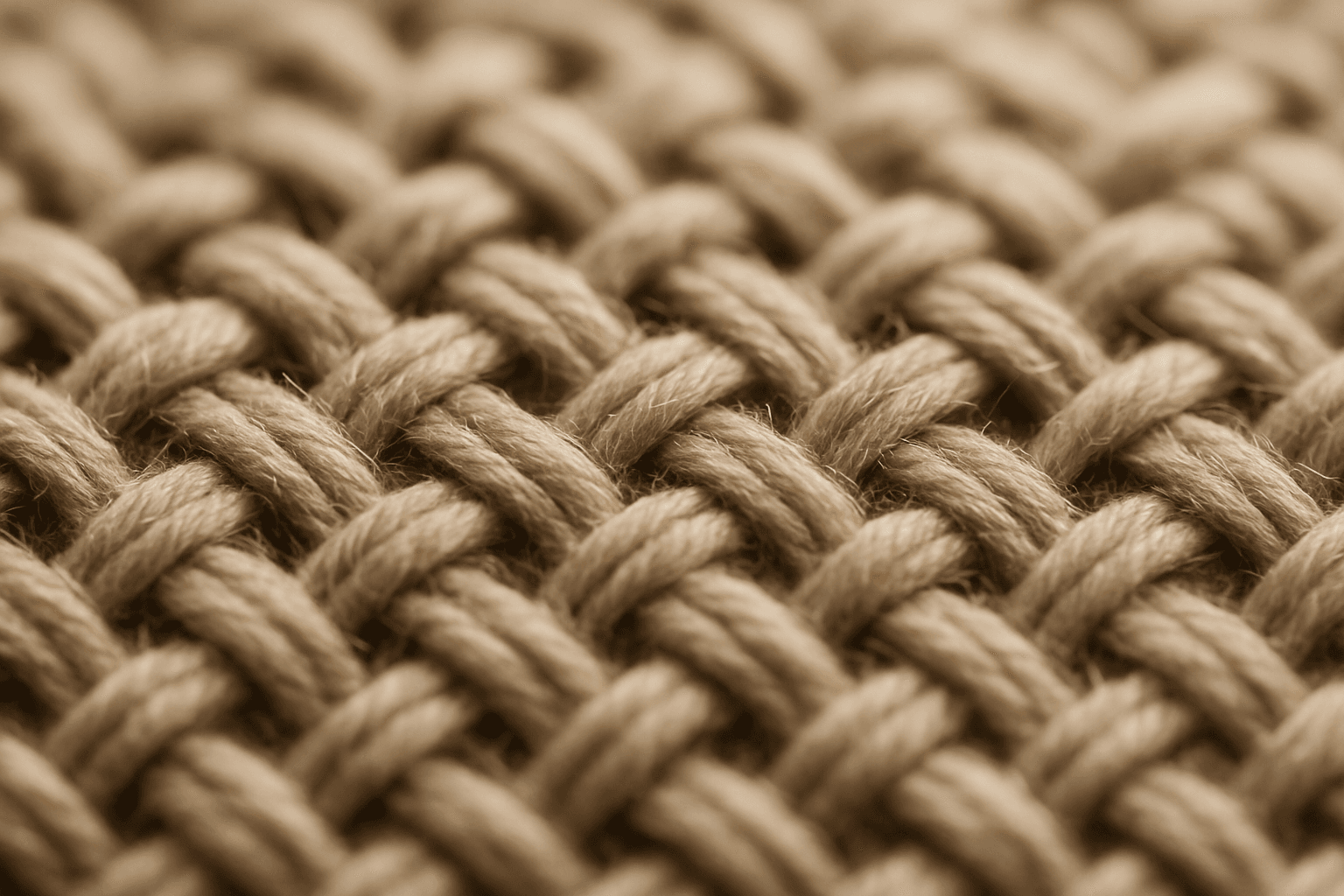
Woven fabric textures add tangible realism to AI-generated images, simulating the intricate patterns formed by threads crossing perpendicularly. This keyword enriches visuals by conveying materiality and tactile depth, essential for authentic textile representation in fashion, interiors, or product visuals. When used effectively, it elevates simple textile renderings into nuanced depictions that showcase thread details, surface shadows, and natural irregularities inherent in real fabrics, making generated images more convincing and premium-looking.
Definition
The 'Woven Fabric Texture' keyword directs AI models to generate images that emphasize the intertwined thread structure characteristic of woven textiles. It alters the image by adding visible crossing fibers, surface depth, and thread irregularities that suggest materials like cotton, linen, or wool. Beginners should understand this keyword helps depict fabric surfaces realistically rather than flat or smooth textile impressions.
Prompt Formula
Use combinations that describe the fabric type, weaving style, lighting, and level of detail to build effective prompts. Example formulas: - "[close-up/macro] woven fabric texture of [material], [lighting condition], [level of detail]" - "[adjective] woven fabric texture showing [pattern], illuminated by [light type], high-resolution" - "seamless [color] woven fabric texture with visible thread interlace, natural shadows"
- [Close-up/Macro] woven fabric texture of [Material], [Lighting Condition], [Level of Detail]
- [Adjective] woven fabric texture showing [Pattern], illuminated by [Light Type], high-resolution
- Seamless [Color] woven fabric texture with visible thread interlace, natural shadows
Best Use Cases
- Fashion product close-ups showcasing fabric weave detail
- Interior textiles like curtains, upholstery, and cushions
- Ecommerce images emphasizing clothing material authenticity
Creative Variations
To avoid repetitive outputs, vary the style and lighting conditions. Experiment with different materials like silk, wool, or burlap to diversify texture. Use composition tweaks such as angled close-ups, draped fabric folds, or partial views to add interest. Change color schemes or incorporate thread patterns like herringbone or basket weave for distinct looks.
- Use varied fabric materials: silk, wool, burlap
- Change lighting: soft natural light, dramatic spotlight, ambient studio light
- Adjust composition: angled close-ups, draped folds, partial frame views
- Explore color palettes: monochrome, earthy tones, vibrant colors
- Incorporate weave patterns: herringbone, basket weave, twill
Industry Applications
Woven fabric textures are widely used commercially to enhance product realism and visual appeal. In fashion, they highlight fabric craftsmanship in marketing imagery. Interior design uses them to showcase textile quality in room settings and catalogs. E-commerce benefits from detailed fabric textures to inform buyer decisions regarding material appearance and quality, directly impacting sales.
- Fashion and apparel marketing
- Interior design catalogs and visuals
- Ecommerce product imagery
Common Mistakes
Common errors include using vague terms like 'fabric texture' without specifying 'woven,' resulting in generic surfaces. Overly busy patterns can distract or confuse the weave detail, while under-specifying lighting leads to flat, unrealistic textures. Avoid ignoring thread irregularities to keep outputs natural; perfect uniformity can look artificial. Balance detail and clarity for authentic results.
- Omitting 'woven' specifics causing generic textures
- Excessive pattern complexity obscuring weave
- Neglecting lighting leading to flat appearance
- Uniform thread thickness causing artificial look
Advanced Techniques
Combine 'Woven Fabric Texture' with fabric-specific attributes such as fiber type, thread count, and weave pattern for nuanced control. Use constraints like 'realistic fiber fraying' or 'natural light diffused softly' to enhance material fidelity. Introduce environmental context like moisture or wear to simulate used textiles. Layer textures and incorporate depth-of-field effects for photographic realism.
- Specify fiber type and thread count: 'fine linen weave'
- Add weave patterns: 'herringbone', 'twill'
- Apply natural imperfections: 'frayed edges', 'uneven threads'
- Use lighting constraints: 'soft diffused natural light'
- Incorporate environmental factors: 'slight wear and wrinkle']},{
Professional Workflow
Begin by defining the fabric type and textile property requirements in the brief. Craft detailed prompts using the prompt formula, layering material specifics and lighting nuances. Generate multiple iterations, then curate images emphasizing thread visibility and realistic lighting. Use feedback loops to refine prompt specifics, adjusting composition and weave style to achieve final high-quality texture suitable for commercial use.
- Define fabric type and use case
- Create detailed prompt including texture and lighting
- Generate multiple image variants
- Select images with clear thread detail and natural lighting
- Iterate prompt refinement based on feedback
FAQ
How does specifying 'woven fabric texture' improve AI-generated images?
It instructs the AI to focus on thread interlacing details, enhancing realism by simulating the physical weave patterns and surface depth typical of woven textiles.
Can I combine 'woven fabric texture' with other texture keywords?
Yes, combining it with fiber-specific or pattern keywords, like 'cotton weave' or 'herringbone pattern,' can create more precise and varied textile textures.
Continue Exploring
Related Prompts

Woven Fabric Material Texture
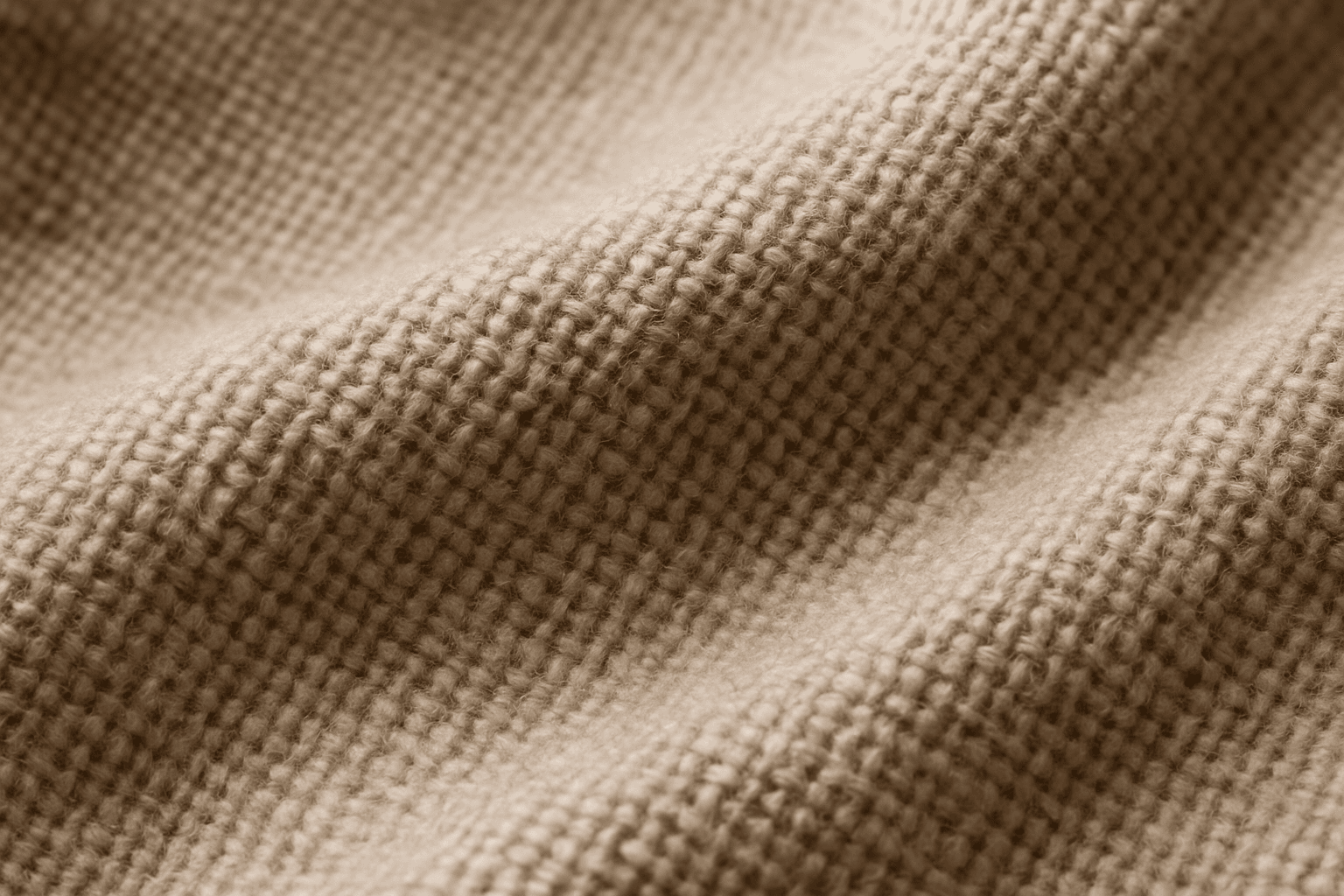
Woven fabric material texture is a fundamental element in textile visualization, representing the intricate crossing and interlocking of yarns to form cloth. In AI-generated imagery, emphasizing woven fabric textures helps bring life to digital fabrics by simulating thread thickness, weave patterns, and fabric density. This texture varies from coarse burlap to fine silk weaves, each bringing distinct visual and tactile impressions. Using this keyword focuses AI's attention on fabric realism, making it ideal for fashion renders, interior design mockups, and product visualization where fabric detail enhances perceived quality.
Fabric Texture
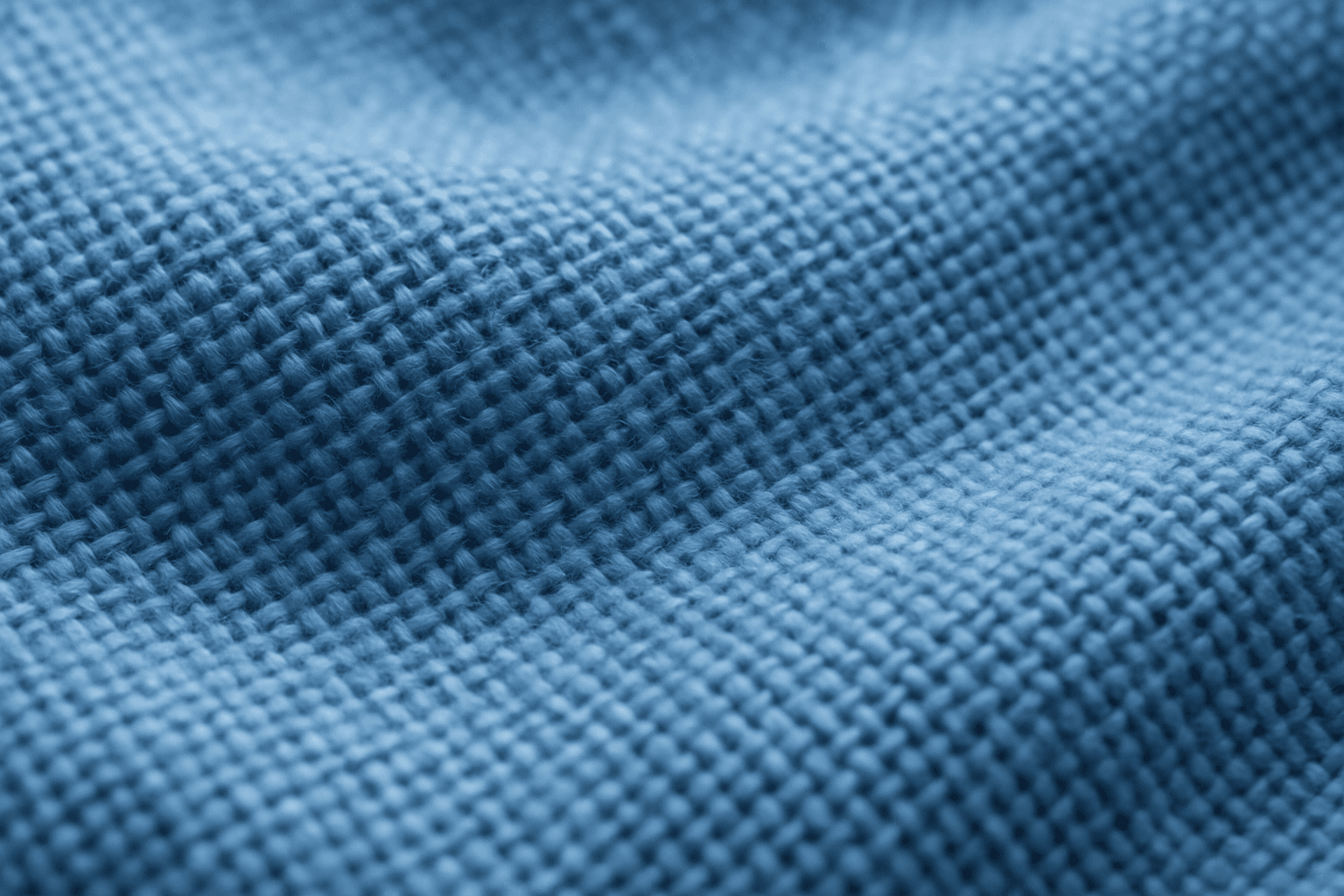
Fabric Texture is a vital keyword for AI image generation when you want to depict textiles realistically. It guides the AI to focus on nuances such as fiber weave, surface irregularities, and light reflection that define materials like cotton, silk, denim, or wool. This keyword enriches visuals in fashion photography, interior design details, and product shots by ensuring cloth surfaces look tangible and authentic. Proper use leads to images that convey texture depth, fiber quality, and material type, crucial for commercial appeal and viewer engagement.
Fabric Weave Pattern
Fabric weave patterns provide rich, tactile details in AI-generated images, essential for portraying realistic textiles. Including this keyword enhances the depiction of material texture, surface intricacies, and thread arrangements, which elevate the authenticity of digital fabrics. This texture detail aids artists and designers in producing premium-quality visuals useful for fashion, interiors, and product mockups. Understanding how to prompt these patterns allows for versatility across luxury silks, rugged denims, or cozy woolens in digital art creation.
Woven Fabric Detail
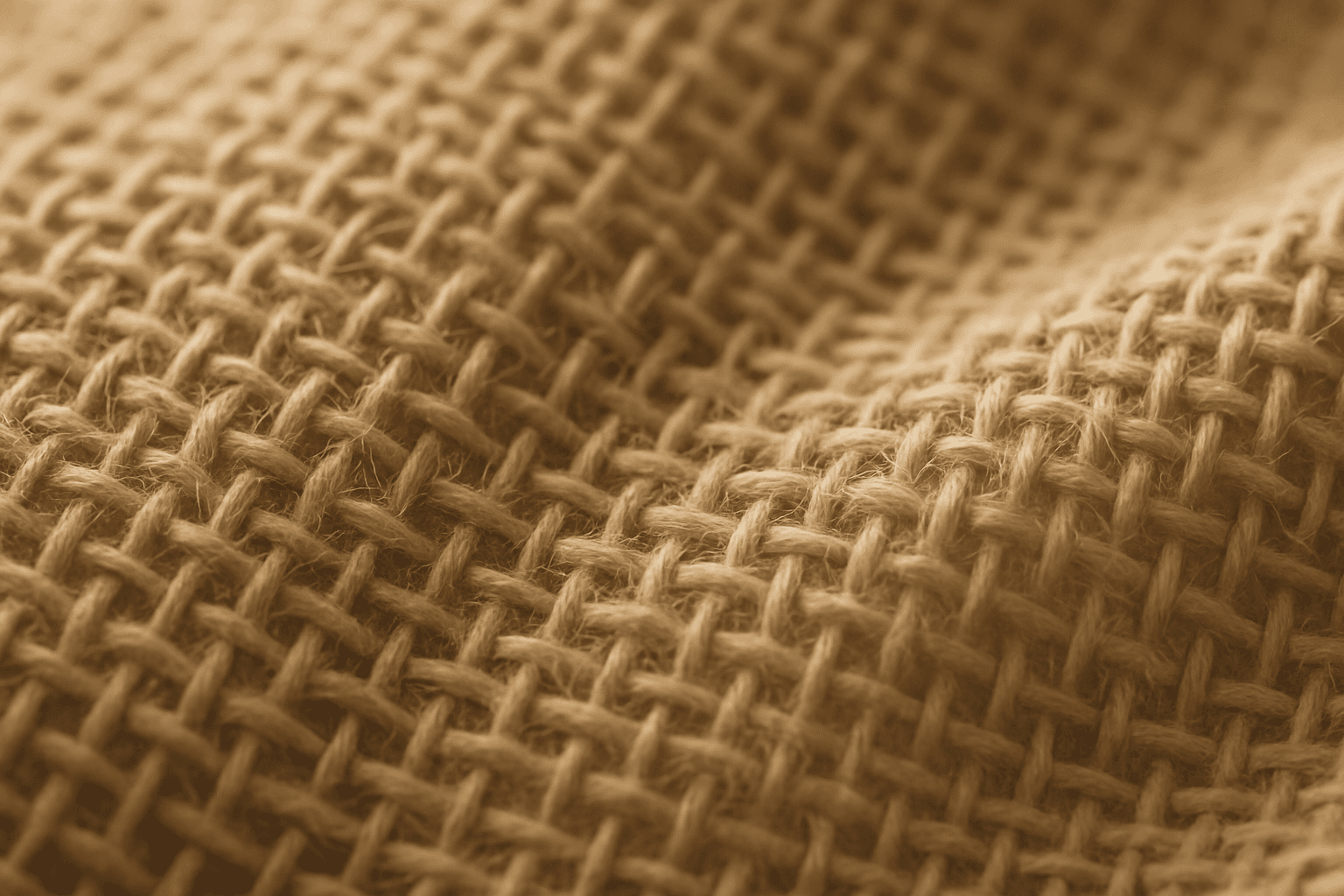
Woven fabric details bring life and realism to textile visuals by showcasing the intricate thread structure, including the warp and weft intersection that characterizes woven materials. In AI-generated images, adding 'woven fabric detail' ensures the depiction highlights the tactile nature of fabrics such as cotton, linen, or wool. This specificity helps designers, artists, and marketers produce authentic and premium presentations where texture fidelity is crucial, from fashion shots to interior fabrics.
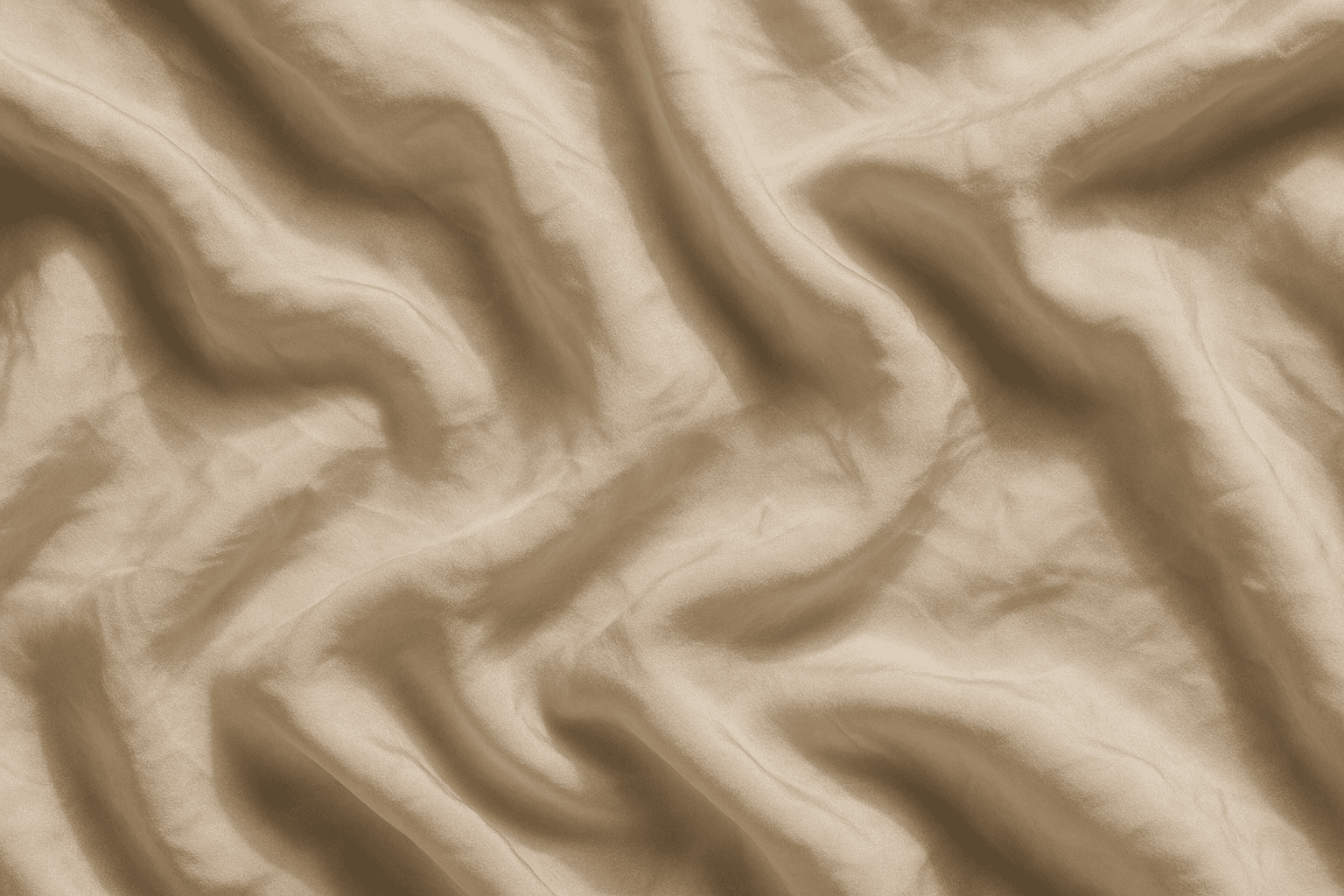
Crinkled Fabric Texture
The 'Crinkled Fabric Texture' keyword enriches AI-generated imagery by focusing on the realistic depiction of fabric surfaces showing natural wrinkles and folds. This texture adds an organic, lived-in feel to fabric, distinguishing it from smooth or perfectly flat materials. By simulating light interaction with creased fabric, it highlights depth and softness, enhancing visual interest. Incorporating this keyword benefits creators who want to portray everyday materials like linens, silk, or cotton with authentic imperfections, making scenes feel more tangible and immersive. It is especially valuable when combined with diverse lighting setups and close-up perspectives to emphasize fabric detail.
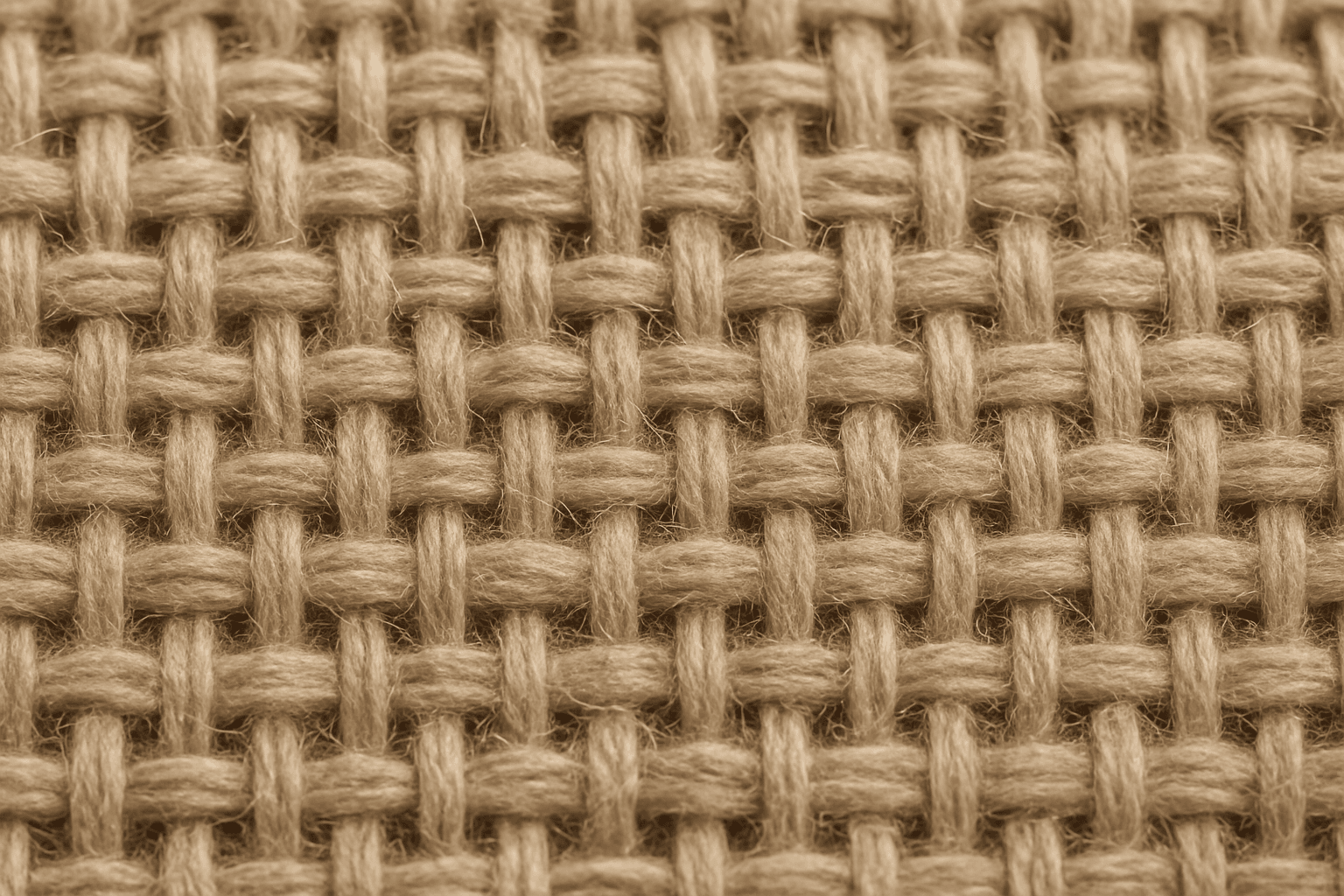
Woven Textile Texture
In the realm of AI image generation, 'woven textile texture' is a valuable keyword for artists and designers seeking photorealistic fabric appearances in their creations. This texture replicates the intricate intertwining of warp and weft threads seen in real textiles, providing a rich surface detail that enhances the tactile feel of digital images. Including this keyword helps render lifelike cloth materials with convincing thread patterns and subtle lighting interactions that highlight the depth and weave complexity. Such imagery benefits industries ranging from fashion design to interior visualization by adding authentic fabric elements that elevate overall realism.