Smooth Marble Texture
The 'Smooth Marble Texture' keyword is invaluable for users seeking to create images featuring high-quality polished marble surfaces. By incorporating this keyword, AI image generators focus on capturing the luxurious smoothness and subtle veining inherent to natural marble. This texture is often used in modern and classic designs to convey elegance and durability. Professionals in interior design, advertising, and visual content creation rely on realistic marble textures for backgrounds, product displays, and architectural visualizations. Proper prompt usage elevates image realism and enhances the material aesthetic, lending premium appeal and refined detail to digital compositions.

Definition
'Smooth Marble Texture' in AI image prompting refers to specifying a material surface that exhibits the natural veining and polished finish characteristic of marble. This keyword alters the AI model's focus by emphasizing smoothness, glossy highlights, and subtle stone patterns, resulting in images that replicate high-end marble surfaces with realistic depth and texture.
Prompt Formula
To effectively incorporate 'Smooth Marble Texture' in an AI prompt, combine material descriptors with lighting and environment cues to enhance realism. For example: "[object or surface] with smooth marble texture, polished finish, subtle natural veining, soft studio lighting, realistic reflections." Such formulaic phrasing guides the AI towards producing detailed and authentic marble surfaces.
- [Subject] with smooth marble texture
- Polished surface with subtle natural veining
- Soft lighting to emphasize reflections
- Realistic material rendering
- Minimal visual noise for clarity
Best Use Cases
'Smooth Marble Texture' excels in creating visuals where refined stone surfaces elevate design quality and luxury ambience. It works best for:
- Interior design concepts showcasing marble countertops or floors
- Product presentations requiring sophisticated background materials
- Advertising visuals focusing on premium, elegant textures
Industry Applications
This keyword bridges multiple commercial fields where marble's visual appeal is crucial. Industries benefiting from it include:
- Interior design and architecture for realistic material mockups
- E-commerce imagery especially for luxury home goods
- Advertising and editorial content requiring elegant, polished backdrops
Common Mistakes
Typical pitfalls when using 'Smooth Marble Texture' include:
- Overloading prompts with conflicting textures causing muddled results
- Using generic terms like 'stone' without specifying smoothness or polish
- Neglecting lighting descriptions which diminish marble's realism
- Adding excessive pattern details that disrupt natural veining balance
Advanced Techniques
Experienced users can refine results by integrating nuanced constraints:
- Pairing with specific lighting styles (e.g., 'soft diffused light') to control reflections
- Adding color modifiers like 'creamy white' or 'grey veins' for accurate marble types
- Using negative prompts to exclude roughness or cracks
- Combining with architectural elements to contextualize material placement
Professional Workflow
A streamlined workflow for smooth marble texture images includes:
- Draft clear briefs specifying desired marble finish and context
- Construct layered prompts merging texture, lighting, and environment
- Generate multiple variants for selection
- Post-select images based on realism and composition
- Apply minor touch-ups in editing software as needed
FAQ
How does 'Smooth Marble Texture' improve AI-generated images?
It directs the AI to focus on the polished, reflective, and veined qualities of marble, resulting in more realistic and elegant material surfaces.
Can I use 'Smooth Marble Texture' for non-stone surfaces?
While primarily for marble-like visuals, it can be creatively applied to any surface needing a refined, glossy stone appearance.
Continue Exploring
Related Prompts
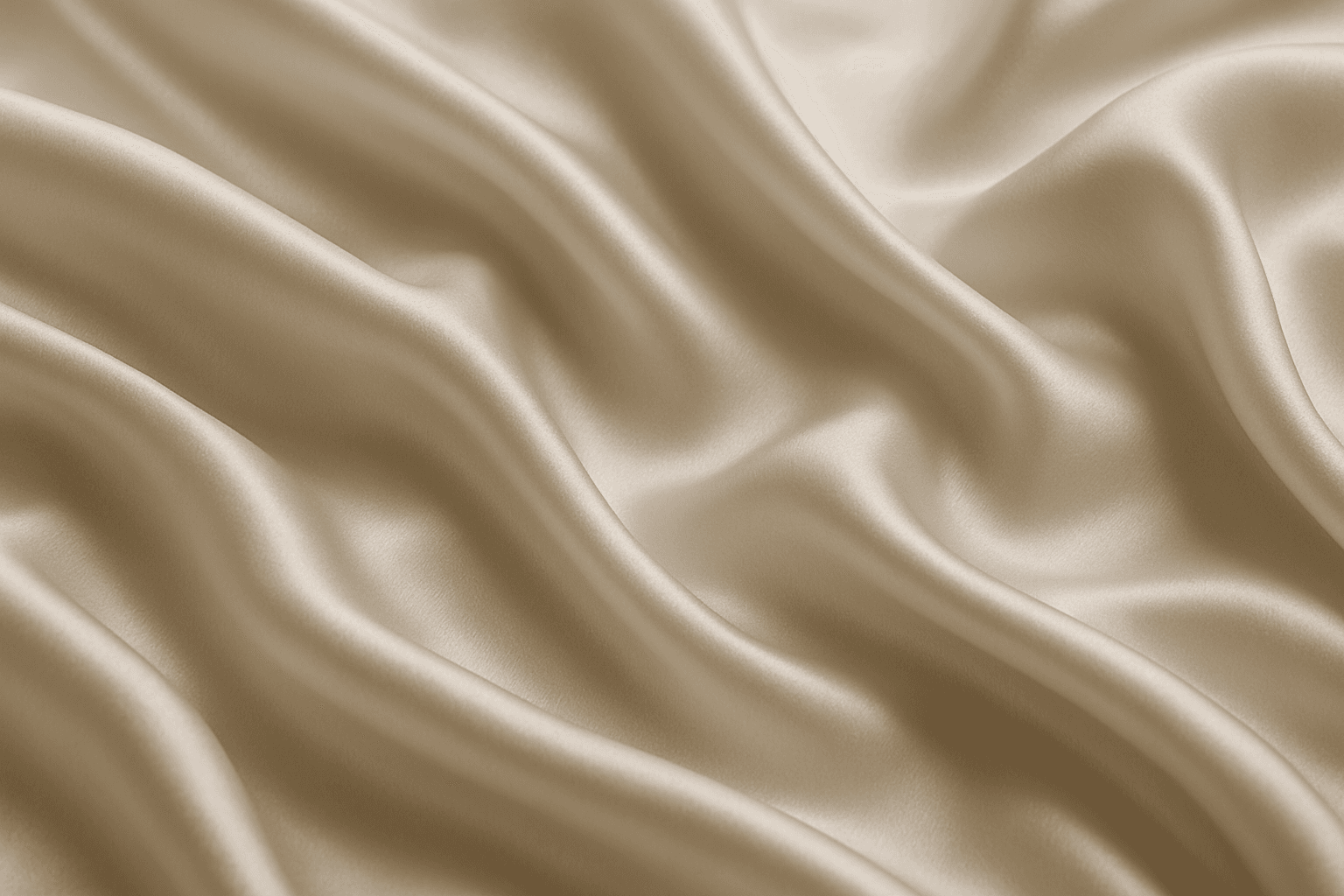
Smooth Silk Fabric Texture
Smooth silk fabric texture is prized for its elegant appearance and soft touch, making it a favored material in fashion, interiors, and luxury goods. In AI image generation, this keyword triggers the creation of images showcasing silk's signature sheen, fluid motion, and delicate surface details. When used in prompts, it helps produce visuals with refined lighting that emphasize silk’s smoothness and reflective quality. This texture enhances images requiring a premium, sophisticated look by mimicking silk’s characteristic glow and tactile softness, suitable for editorial hero shots, product photography simulations, and stylized compositions.

Smooth Silk Texture
Using 'Smooth Silk Texture' as a keyword in AI prompts enhances image realism by replicating the distinct tactile and visual properties of silk fabric. This effect includes gentle light reflections, fine surface softness, and natural fold dynamics that emphasize quality and luxury. Including this keyword guides models to generate images with refined lighting and smooth gradients, often used in fashion, interiors, or product visuals where sophisticated fabric appearance is needed. It also adds subtle depth without harsh texture or noise, ensuring elegant and premium aesthetics suitable for editorial and commercial projects.
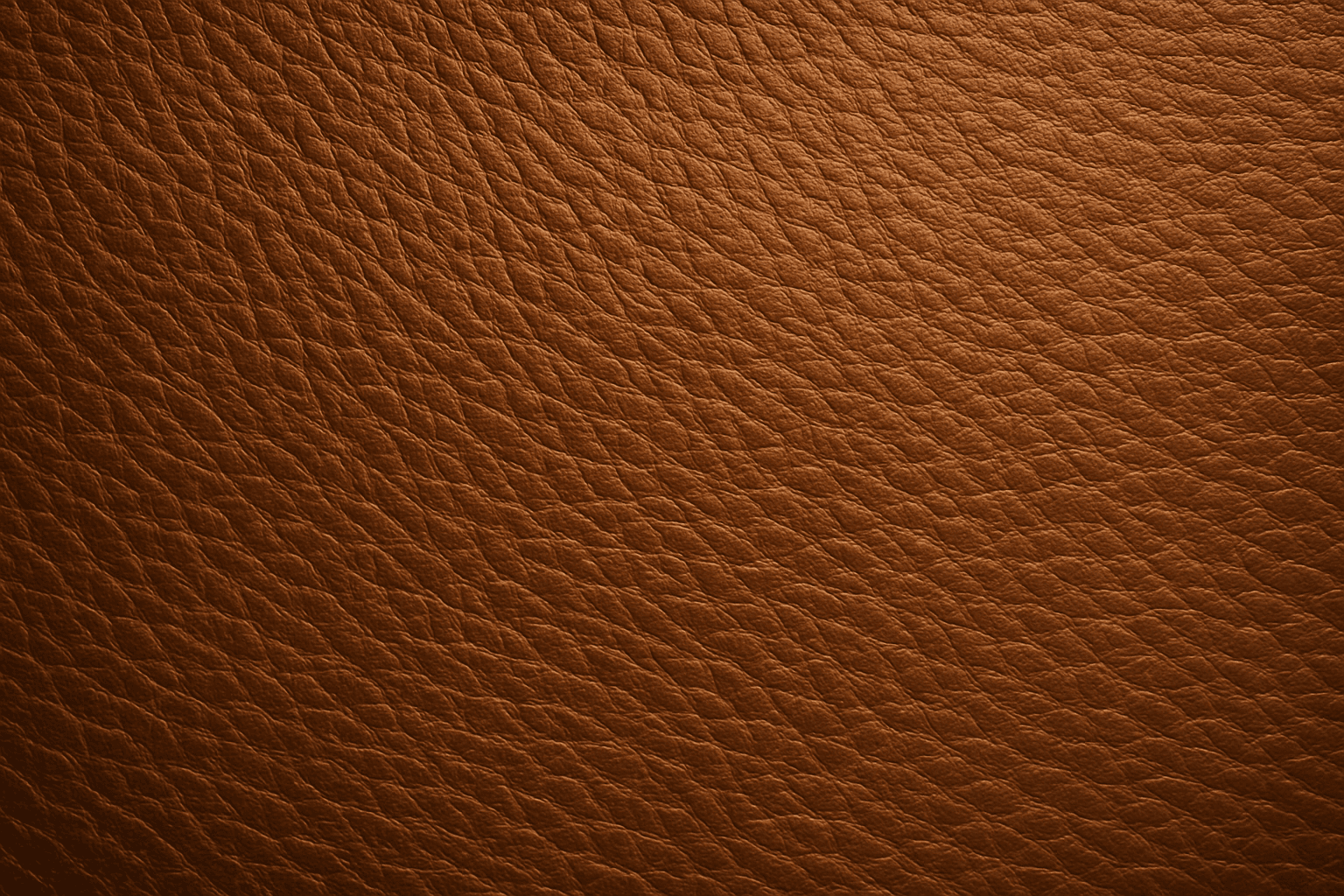
Leather Grain Texture
Using 'Leather Grain Texture' in AI image prompts allows creators to generate images with highly detailed and realistic leather surfaces. This keyword enhances the tactile quality of materials depicted, making them appear more authentic and premium. The characteristic grain patterns convey luxury and craftsmanship, useful for designs needing sophisticated material representation. When combined with appropriate lighting and composition, this texture can create visually rich images suitable for product visualization, fashion editorials, or interior design concepts. Mastery of this keyword helps artists achieve depth and realism in their material renderings, appealing to audiences seeking visually convincing visuals.
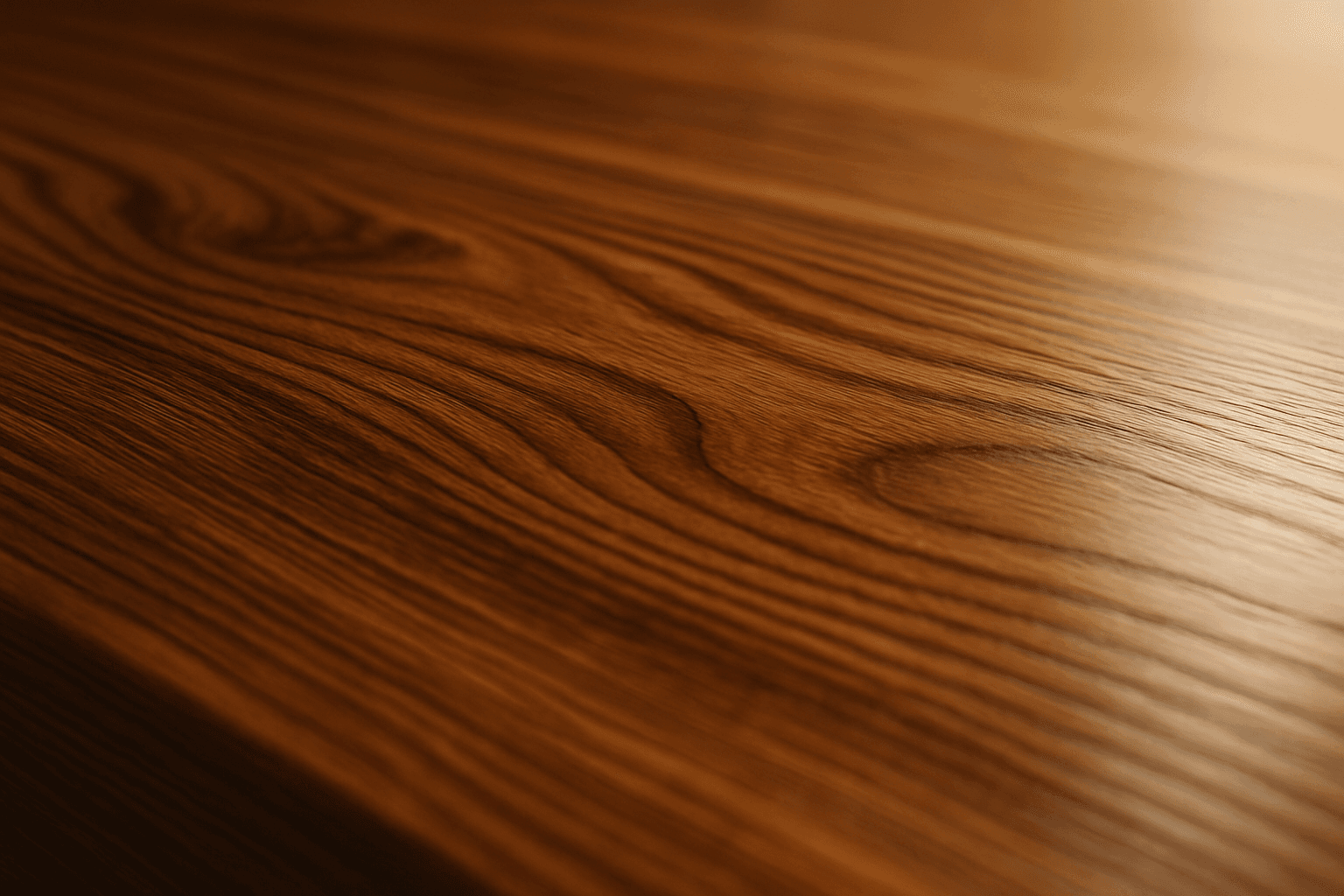
Polished Wood Texture
The 'Polished Wood Texture' keyword is essential for creating highly realistic and visually appealing wood surfaces in AI-generated imagery, especially in product design, interior visualization, and material studies. This texture emphasizes the fine finish and reflective qualities of wood that has been carefully sanded and treated with a glossy coating, producing subtle light reflections and depth. Using this keyword, artists and designers can quickly convey a sense of luxury, craftsmanship, and natural warmth in their images. It works effectively with various wood types and complements modern editorial aesthetics that value clean, premium material representations. Leveraging this texture in AI-generated images helps achieve a refined realism suitable for high-end design presentations or stock imagery.

Metallic Foil Texture
Metallic Foil Texture is a specialized descriptor used in AI image generation to simulate the appearance of thin metallic sheets that reflect light with a distinctive shine and texture. When integrated into prompts, it produces images with a sophisticated, realistic metallic finish characterized by gleaming highlights, soft wrinkles, and a polished look. This keyword is valuable in design, branding, and digital art contexts where a premium metallic aesthetic is desired. It enhances visual depth by capturing the interplay of light and surface irregularities typical of foil materials. Artists and designers leverage this texture to create backgrounds, patterns, and objects that stand out with elegant metallic allure.

Plasticized Surface Texture
Plasticized Surface Texture emphasizes a sleek, shiny appearance with a polished, flexible quality resembling plastic materials. When used in AI image generation, it transforms surfaces into smooth, glossy finishes characterized by bright highlights and subtle reflections. This texture does not show roughness or matte properties but instead creates a distinctive synthetic look often associated with consumer products, packaging, or modern design elements. It helps convey contemporary, clean aesthetics and can enhance visual emphasis on material quality in digital rendering or conceptual imagery.