Polished Wood Texture
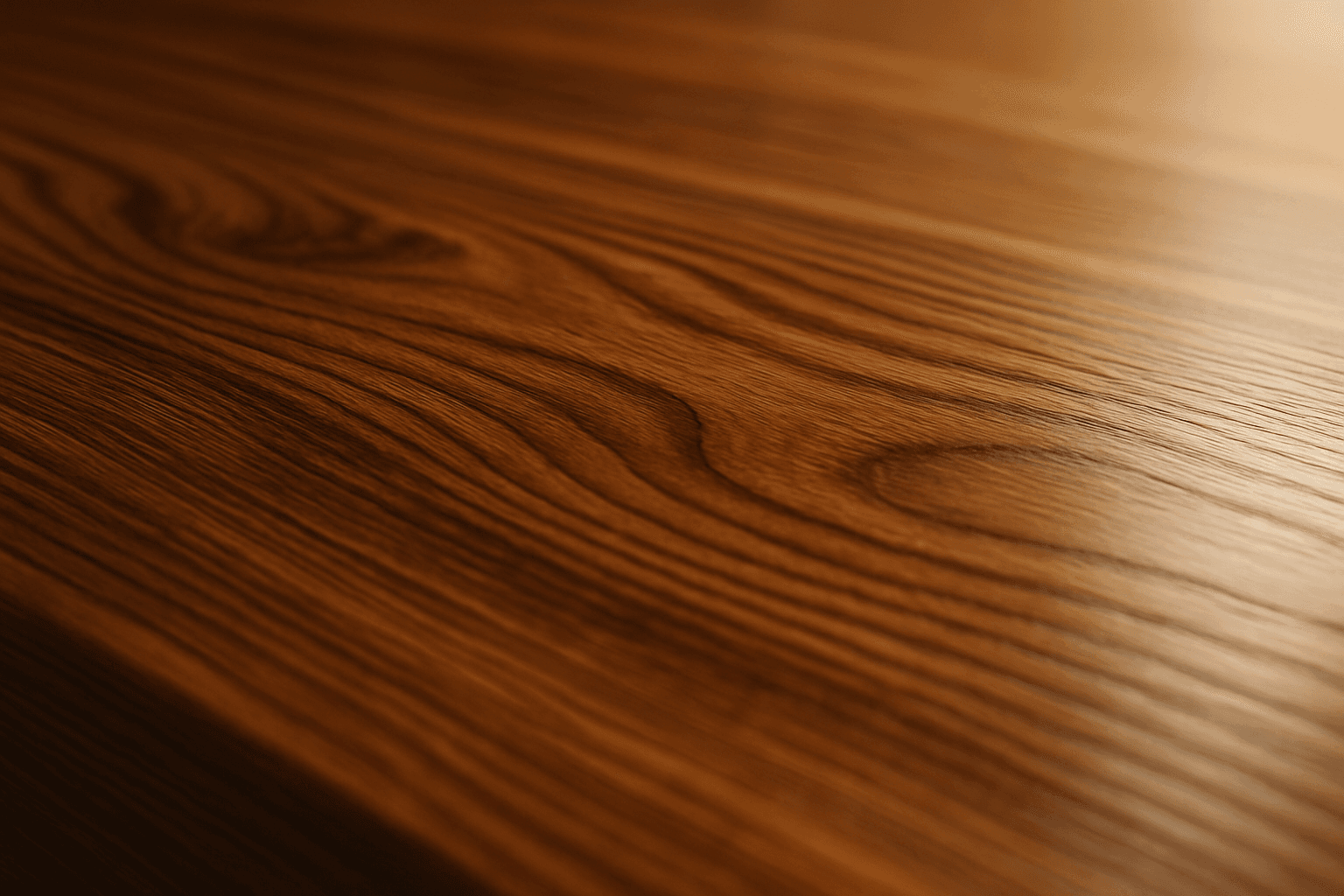
The 'Polished Wood Texture' keyword is essential for creating highly realistic and visually appealing wood surfaces in AI-generated imagery, especially in product design, interior visualization, and material studies. This texture emphasizes the fine finish and reflective qualities of wood that has been carefully sanded and treated with a glossy coating, producing subtle light reflections and depth. Using this keyword, artists and designers can quickly convey a sense of luxury, craftsmanship, and natural warmth in their images. It works effectively with various wood types and complements modern editorial aesthetics that value clean, premium material representations. Leveraging this texture in AI-generated images helps achieve a refined realism suitable for high-end design presentations or stock imagery.
Definition
Polished wood texture describes a wood surface treated to be smooth and glossy, enhancing natural grain visibility with shiny reflections. When you add this keyword to an AI image prompt, it instructs the model to emphasize both the fine details of the wood grains and the high-luster finish typical of a professionally treated wood surface. This directs the generated images towards a sophisticated, photo-realistic look that mimics real polished wood materials.
Visual Characteristics
- Smooth and reflective finish with subtle highlights
- Enhanced visibility of natural wood grains beneath gloss
- Warm wood hues with realistic lighting depth and shadow
Prompt Formula
Use descriptive phrases combined with 'polished wood texture' to craft detailed prompts. Incorporate wood species, lighting style, and context for best results. Example formula: "Close-up of [wood type] polished wood texture, [lighting condition], highly detailed grain, reflective surface, ultra-realistic finish." This helps consistently generate images with targeted material qualities and mood.
Best Use Cases
- Luxury furniture product photography and marketing
- Interior visualization with emphasis on wooden flooring
- Detailed texture studies for high-end product mockups
Creative Variations
To avoid repetitive outputs incorporating polished wood texture, experiment with varied wood species like walnut, cherry, or oak, each with unique grain patterns and tones. Adjust lighting to softer ambient setups or dramatic directional light to emphasize reflections differently. Change composition by including wood surfaces as backgrounds, table tops, or architectural details. Try monochromatic color schemes for modern minimalism or rich warm palettes for cozy atmospheres.
FAQ
How does specifying 'polished wood texture' change AI-generated images?
It prompts the AI to render wood surfaces with a smooth, reflective finish that highlights natural grain patterns and creates a glossy, premium look rather than a matte or rough wood appearance.
Can 'polished wood texture' work with different types of wood in prompts?
Yes, combining this keyword with specific wood species like oak, walnut, or cherry results in diverse textures and colors while maintaining the polished, reflective qualities of the surface.
Continue Exploring
Related Prompts
Leather Grain Texture
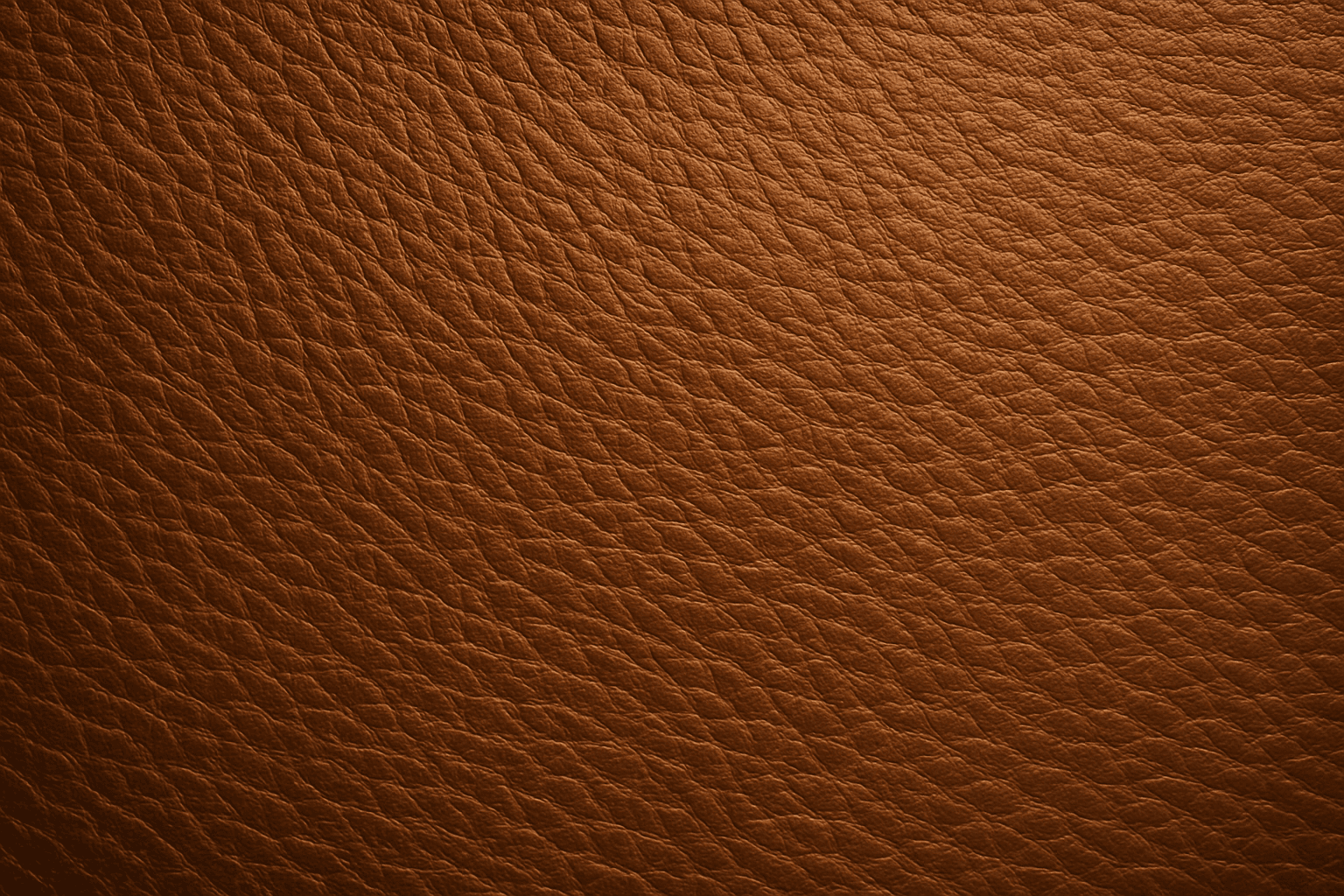
Using 'Leather Grain Texture' in AI image prompts allows creators to generate images with highly detailed and realistic leather surfaces. This keyword enhances the tactile quality of materials depicted, making them appear more authentic and premium. The characteristic grain patterns convey luxury and craftsmanship, useful for designs needing sophisticated material representation. When combined with appropriate lighting and composition, this texture can create visually rich images suitable for product visualization, fashion editorials, or interior design concepts. Mastery of this keyword helps artists achieve depth and realism in their material renderings, appealing to audiences seeking visually convincing visuals.
Soft Matte Paper Texture
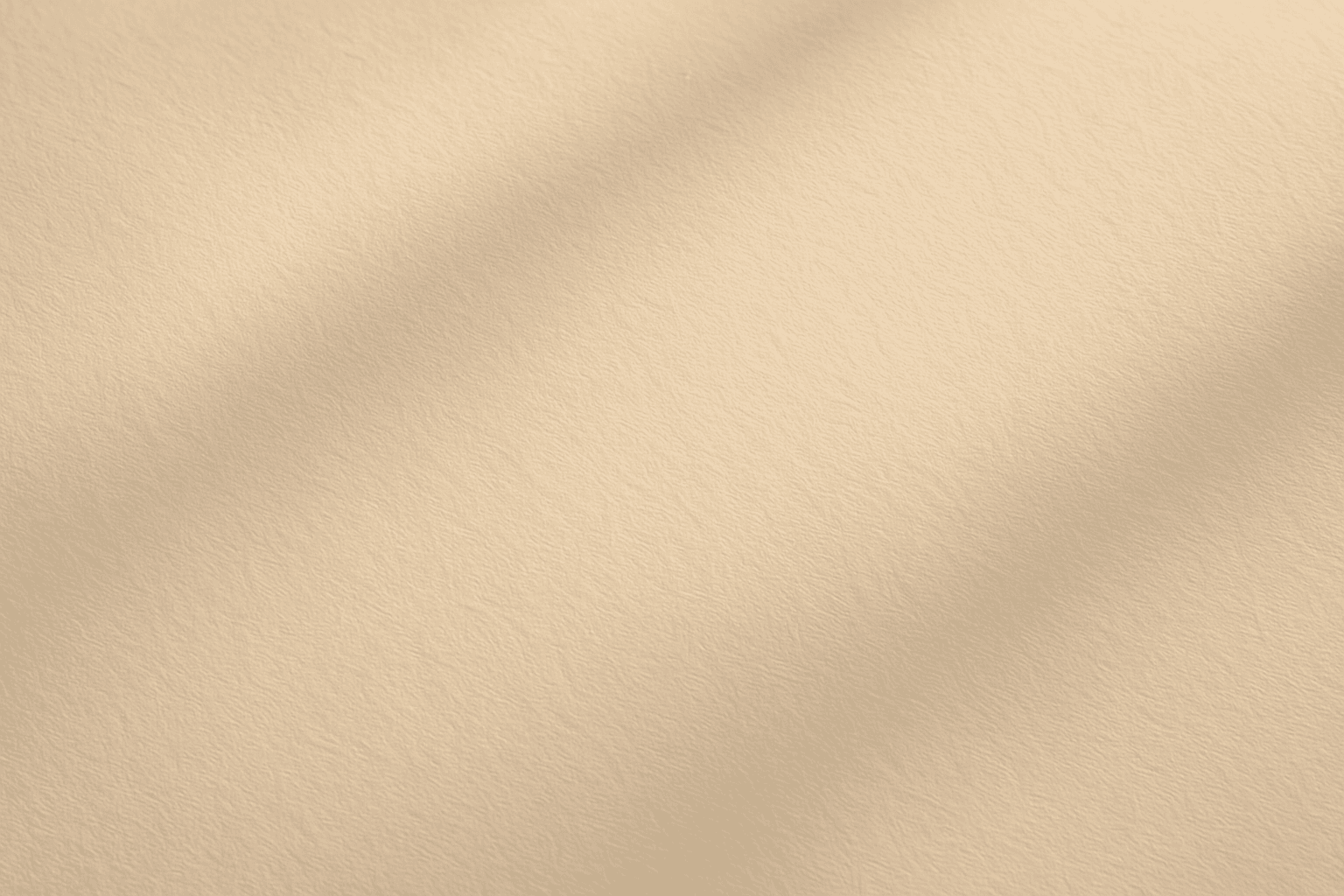
Soft Matte Paper Texture is a specialized prompt keyword that helps artists and designers generate images featuring realistic, tactile paper surfaces with a matte finish. This texture is characterized by subdued reflections and a soft, natural look that avoids glare or shine. Using this keyword in AI prompts supports creations such as book covers, packaging mockups, stationery backgrounds, and fine art prints where the paper quality matters. The resulting images carry a premium aesthetic, imitating high-quality paper stock that is often sought after in print-design visualizations and marketing materials. Overall, employing Soft Matte Paper Texture enriches an AI image with subtle tactile cues contributing to a refined, understated finish.

Wood Grain Surface Texture
Wood grain surface texture captures the intricate patterns and natural beauty found in wooden materials. This texture is characterized by flowing lines, knots, and a warm color palette that conjures the organic essence of wood. When incorporated in AI image generation prompts, it helps models produce authentic wooden surfaces, from smooth polished floors to rustic furniture with visible fibers. Wood grain lends tactile depth and aesthetic appeal, making images more immersive and rich in detail. Its versatility allows for use across design, interior visualization, product mockups, and artistic compositions, enhancing the material realism dramatically.
Wood Grain
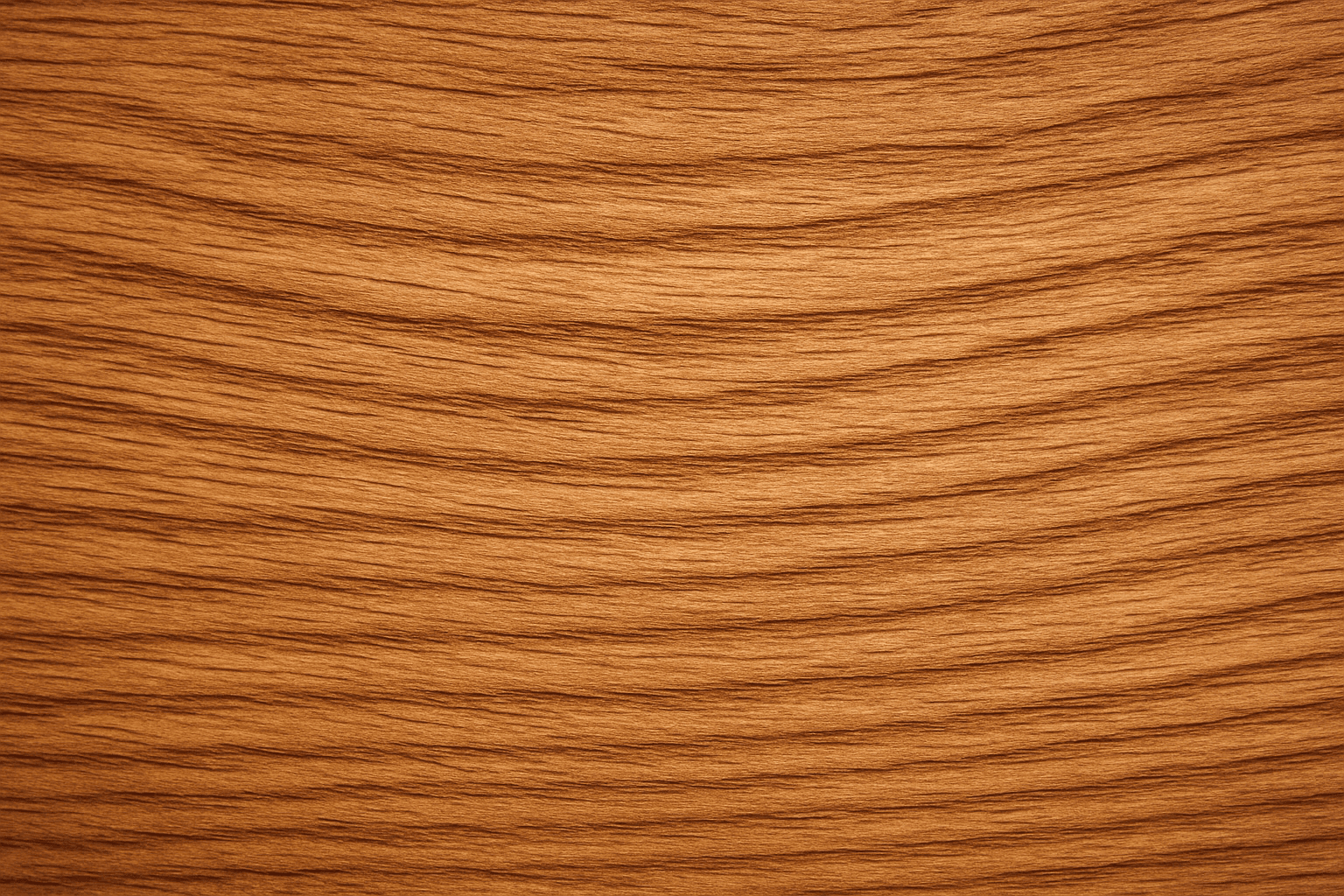
Incorporating 'wood grain' into AI image prompts enriches visuals with authentic wooden textures that convey warmth and natural beauty. This keyword directs AI to replicate the complex, organic patterns seen in wood, including growth rings and surface details. It is ideal for creating backgrounds, materials, or objects that visually suggest wood, lending depth and tactile quality to images. When employed thoughtfully, it helps artists, designers, and content creators generate engaging visuals for furniture design, nature themes, or rustic aesthetics with subtle lighting and realistic material simulation.

Plasticized Surface Texture
Plasticized Surface Texture emphasizes a sleek, shiny appearance with a polished, flexible quality resembling plastic materials. When used in AI image generation, it transforms surfaces into smooth, glossy finishes characterized by bright highlights and subtle reflections. This texture does not show roughness or matte properties but instead creates a distinctive synthetic look often associated with consumer products, packaging, or modern design elements. It helps convey contemporary, clean aesthetics and can enhance visual emphasis on material quality in digital rendering or conceptual imagery.

Embossed Leather Texture
Embossed leather texture is a specialized material representation used in AI-generated images to simulate luxurious and tactile surfaces often found in fashion, upholstery, and accessories. By integrating 'embossed leather texture' in prompts, artists can achieve highly detailed visuals characterized by the interplay of raised patterns and natural leather grain, rendered with refined lighting and subtle depth. This texture lends a premium and sophisticated feel, suitable for editorial product shots, background elements, or design mockups. Employing embossed leather enhances images by conveying material realism and surface complexity, enriching the sensory experience for viewers and buyers alike.