Wood Grain
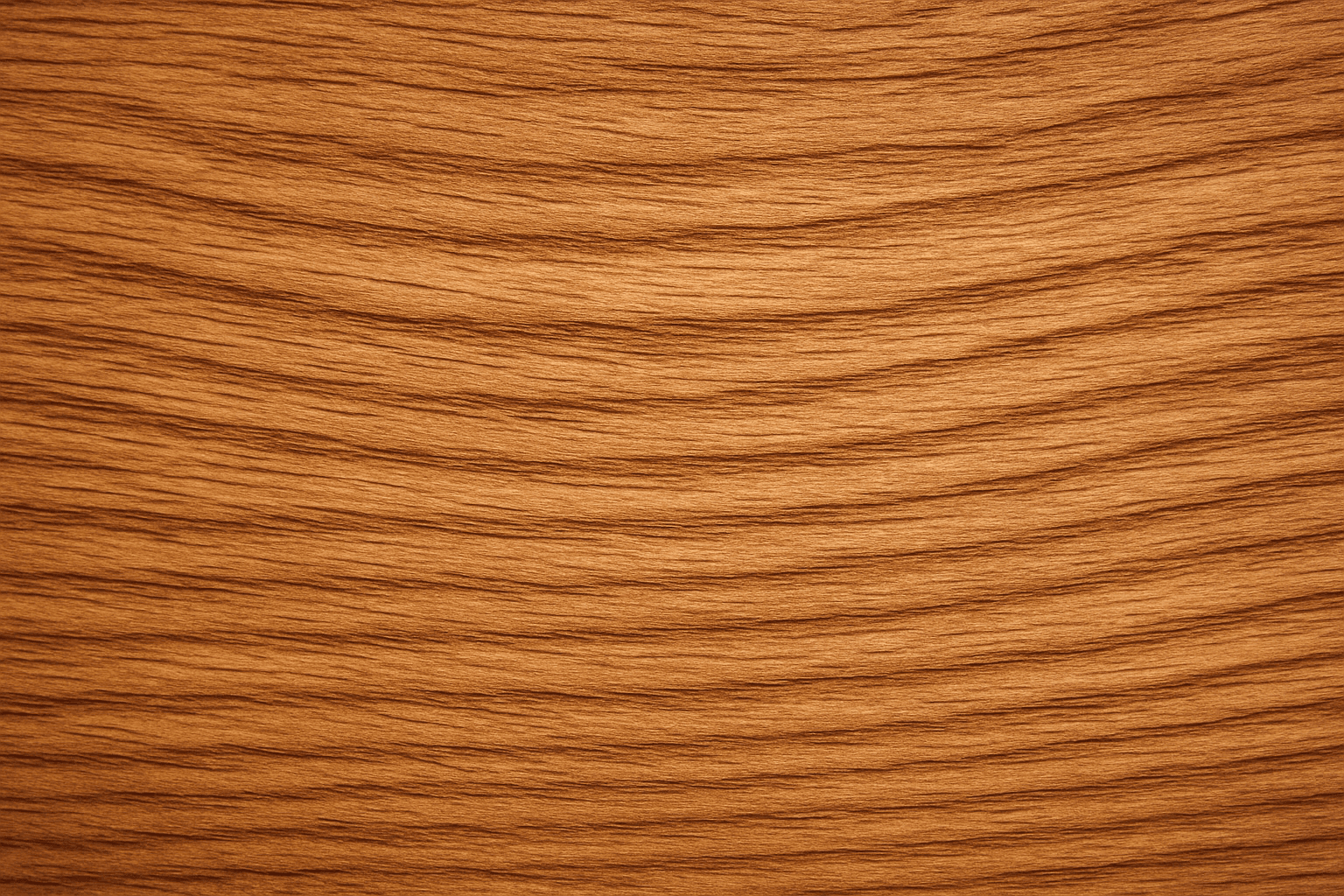
Incorporating 'wood grain' into AI image prompts enriches visuals with authentic wooden textures that convey warmth and natural beauty. This keyword directs AI to replicate the complex, organic patterns seen in wood, including growth rings and surface details. It is ideal for creating backgrounds, materials, or objects that visually suggest wood, lending depth and tactile quality to images. When employed thoughtfully, it helps artists, designers, and content creators generate engaging visuals for furniture design, nature themes, or rustic aesthetics with subtle lighting and realistic material simulation.
Definition
The term 'Wood Grain' in AI image generation refers to the distinct patterns and textures observed on wooden surfaces. When added to an AI prompt, it guides the model to produce visuals showcasing the natural lines, swirls, and color variations typical of wood material, enhancing realism and tactile appearance. This keyword helps beginners specify material qualities for wooden objects or backgrounds in their images.
Visual Characteristics
- Linear or swirling organic patterns reflecting tree growth rings
- Color tones ranging from light tan to deep brown or reddish hues
- Natural surface details such as knots, cracks, and texture depth
Prompt Formula
To create effective AI prompts featuring wood grain, combine descriptive terms about type, lighting, and detail level with 'wood grain' to direct texture realism. Example formula: [subject or object] + [wood type or color] + wood grain + [lighting condition] + [detail adjectives] This pattern ensures clarity and richness in the output.
- Wood grain texture on polished walnut table with soft natural light
- Close-up view of aged pine wood grain with visible knots and cracks
- Smooth cherry wood grain surface under warm, directional lighting
Best Use Cases
- Interior design mockups requiring realistic wooden surfaces
- Product images featuring wooden materials like furniture or utensils
- Rustic or natural-themed editorial backgrounds and textures
Creative Variations
To diversify wood grain textures in AI-generated images, users can vary wood species, lighting angles, and color grading. Introducing seasonal or weathering effects also stimulates distinctive outputs. Experiment with composition by combining wood grain with other materials or abstract overlays to add unique artistic flair.
- Different wood types: oak, mahogany, pine, cherry
- Lighting: soft natural, directional, moody shadows
- Color: warm hues, sepia tones, desaturated earth colors
- Composition: macro close-ups, tiled patterns, layered textures
Industry Applications
Wood grain visuals serve numerous industries by providing authentic material representation. In furniture and interior design, they help clients visualize wood finishes. Advertising leverages these textures to evoke warmth or natural quality in product presentation. E-commerce platforms use wood grain for lifestyle imagery highlighting natural, eco-friendly products.
- Furniture and interior design marketing imagery
- Advertising campaigns with natural or rustic themes
- E-commerce product visualization for wooden goods
FAQ
How does including 'wood grain' in a prompt affect AI image generation?
Adding 'wood grain' instructs the AI to emphasize the natural textures and patterns found on wood surfaces, producing images with authentic and detailed wooden textures.
Can I specify different types of wood grain in prompts?
Yes, specifying wood types like oak, pine, mahogany, or cherry can guide the AI to generate distinct grain patterns and colors associated with those woods.
Continue Exploring
Related Prompts
Natural Wood Grain
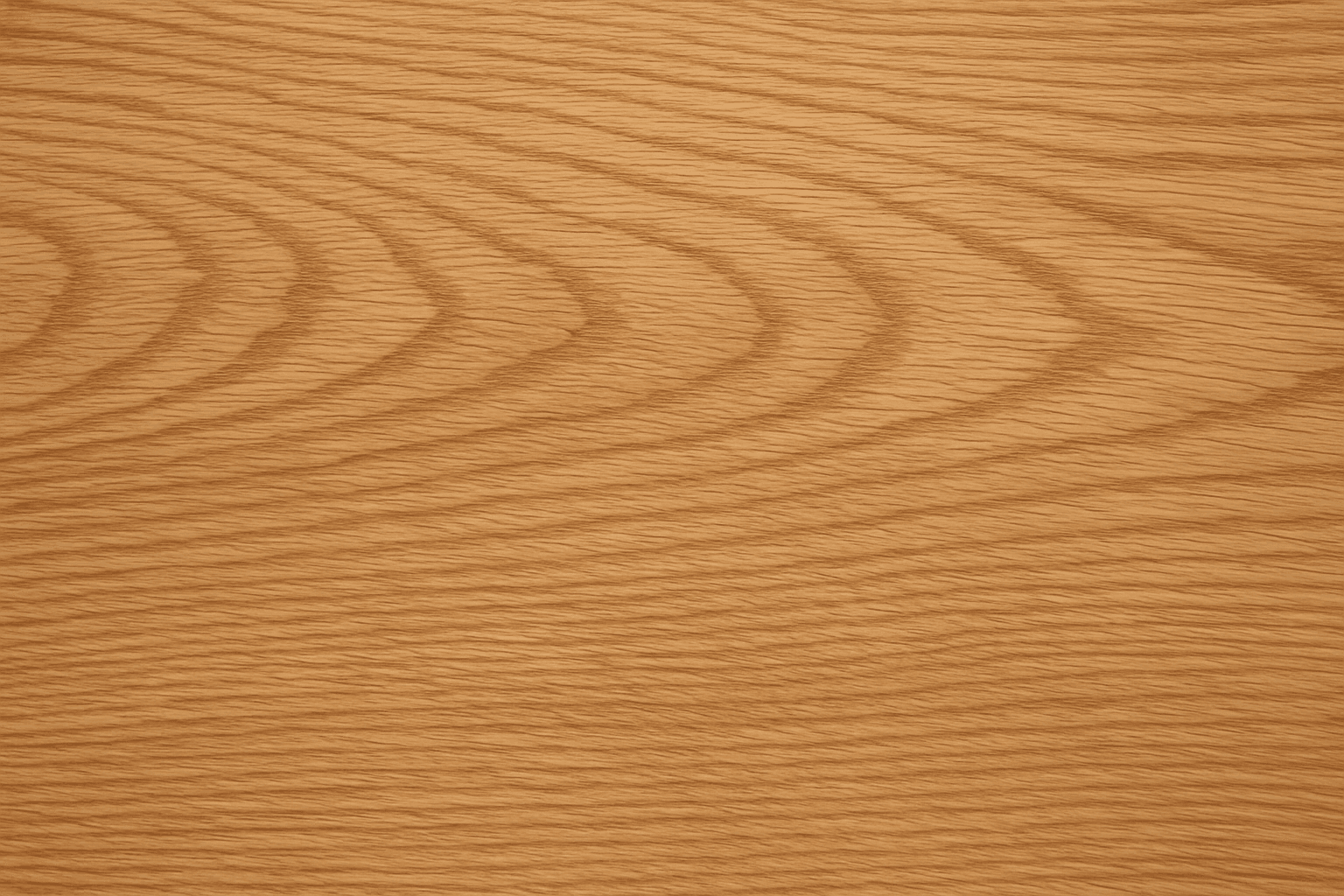
Using the 'natural wood grain' keyword in AI prompts enables creators to generate images that showcase the authentic texture and appearance of wood surfaces. This keyword helps emphasize the organic features of wood, including its characteristic rings, knots, and fiber patterns. The result is a realistic depiction often required in product mockups, interior design visualizations, or nature-inspired artworks. Accurately rendering wood grain adds depth and authenticity to images, making them more visually appealing and true to life, which benefits designers and marketers who focus on natural or crafted wooden elements.

Wood Grain Surface Texture
Wood grain surface texture captures the intricate patterns and natural beauty found in wooden materials. This texture is characterized by flowing lines, knots, and a warm color palette that conjures the organic essence of wood. When incorporated in AI image generation prompts, it helps models produce authentic wooden surfaces, from smooth polished floors to rustic furniture with visible fibers. Wood grain lends tactile depth and aesthetic appeal, making images more immersive and rich in detail. Its versatility allows for use across design, interior visualization, product mockups, and artistic compositions, enhancing the material realism dramatically.
Leather Grain Texture
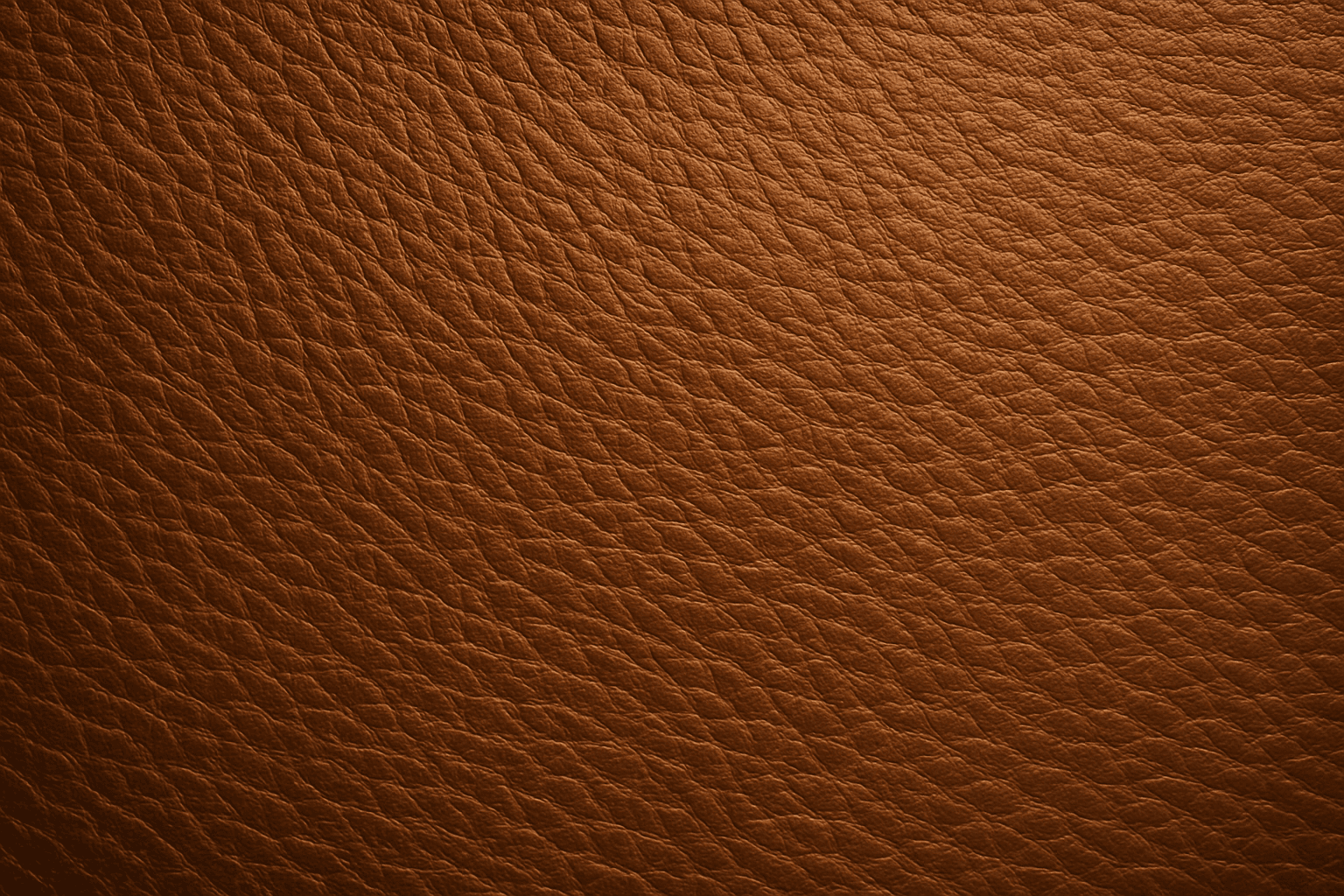
Using 'Leather Grain Texture' in AI image prompts allows creators to generate images with highly detailed and realistic leather surfaces. This keyword enhances the tactile quality of materials depicted, making them appear more authentic and premium. The characteristic grain patterns convey luxury and craftsmanship, useful for designs needing sophisticated material representation. When combined with appropriate lighting and composition, this texture can create visually rich images suitable for product visualization, fashion editorials, or interior design concepts. Mastery of this keyword helps artists achieve depth and realism in their material renderings, appealing to audiences seeking visually convincing visuals.
Weathered Wood Texture
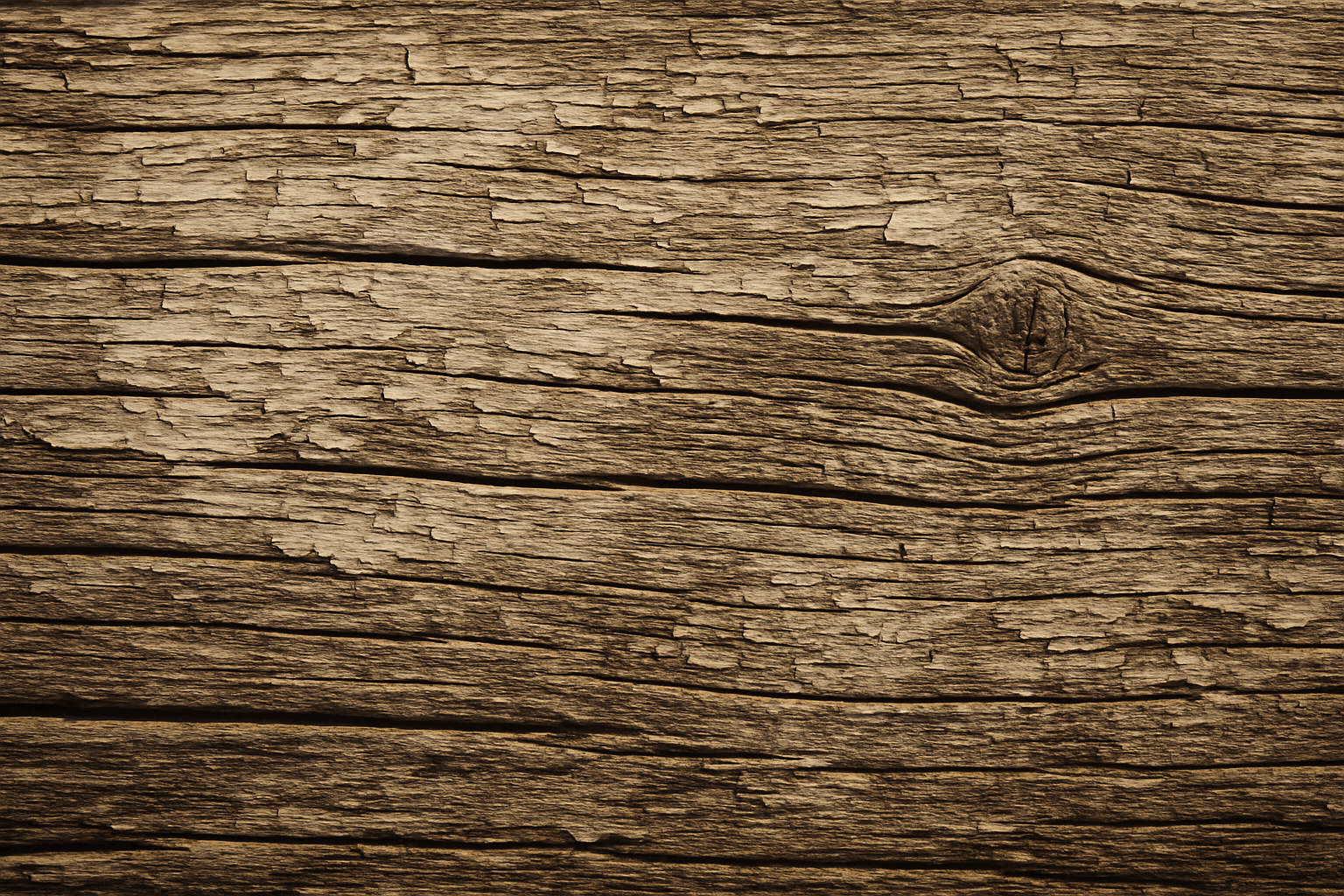
Weathered wood texture is prized in design and digital art for conveying authenticity and natural aging. It evokes warmth and rustic charm by representing wood that has been exposed to sun, rain, and wind over time. When used in AI prompt engineering, incorporating 'weathered wood texture' guides image generation models to produce materials that look tactile and imperfect, often featuring grain irregularities, color variations, and surface damage. This texture works well for backgrounds, architectural visualization, product packaging, and artistic projects where natural, worn aesthetics are desired, adding depth and storytelling potential to digital imagery.
Granular Surface Texture
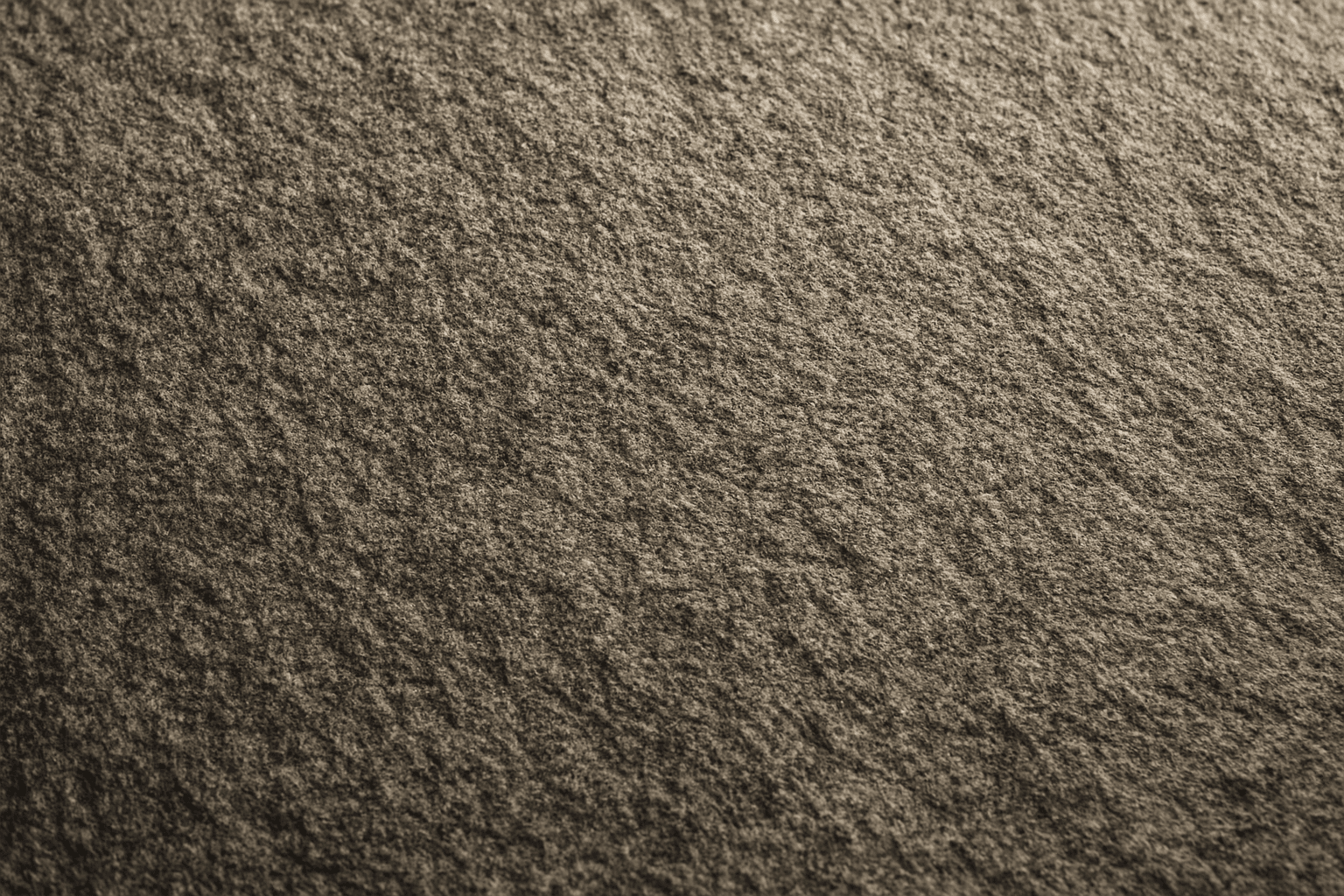
Granular Surface Texture is a key descriptive keyword used in AI image prompting to achieve photorealistic and tactile surfaces characterized by finely distributed grains or tiny particles. This texture offers an intricate level of detail that enriches the material quality of objects, making them appear more natural and tangible. When included in prompts, it encourages the generation of surfaces akin to sandpaper, concrete, rough fabric, or unpolished stone, providing visual complexity that appeals to designers and artists alike. Its use can transform otherwise flat or generic surfaces into engaging, dynamic visuals with depth and interest. This makes it valuable across many creative projects, from product visualization to environmental design.
Textured Paper Background
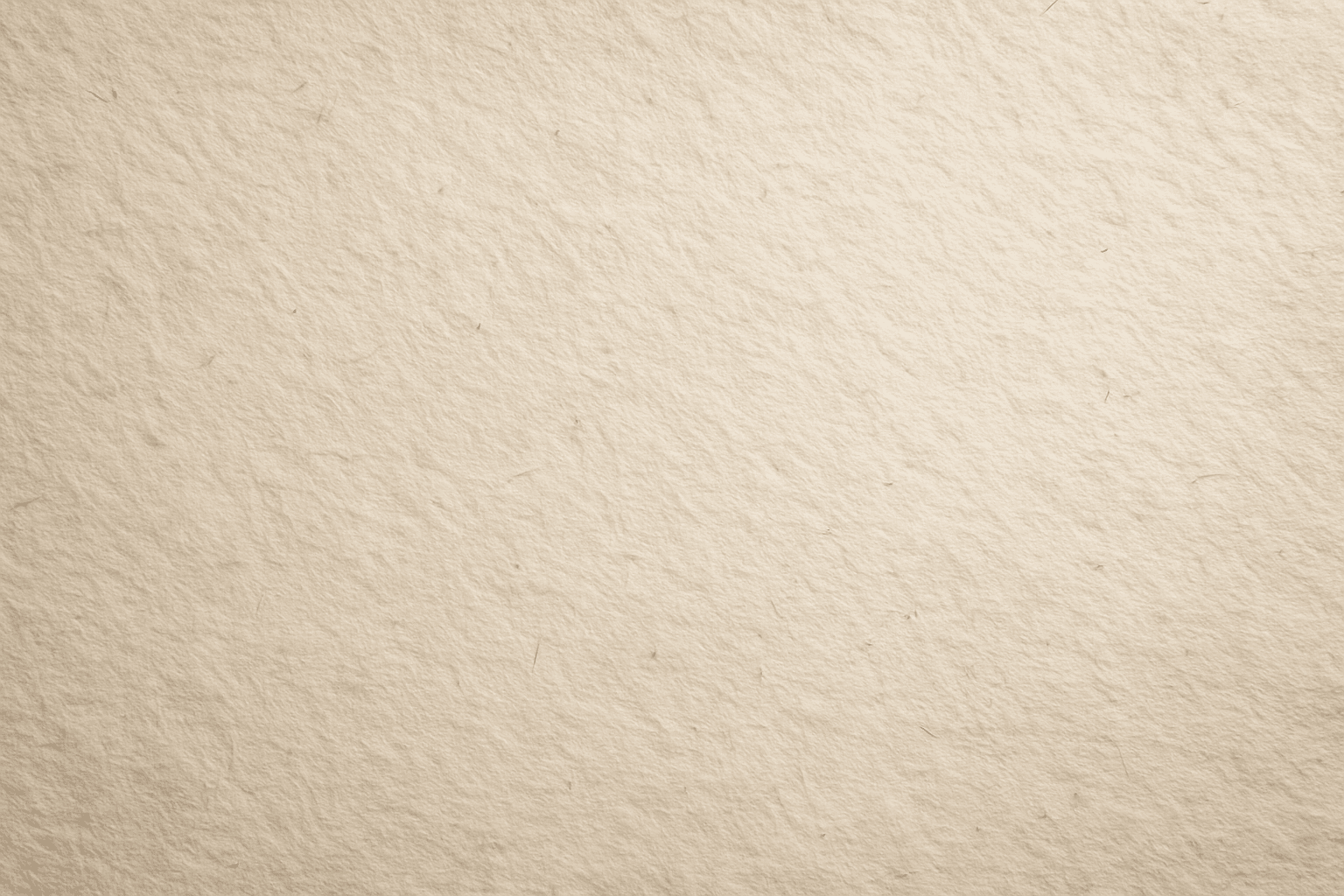
Adding the 'Textured Paper Background' keyword to an AI-generated image prompt introduces a tactile and organic feel, mimicking the subtle fibers and natural imperfections of real paper. It optimizes visual depth and material realism, making backgrounds appear authentic and refined. This effect is particularly useful in artistic, editorial, or product-related images where a clean yet textural backdrop is desired. By specifying this texture, users can elevate the image's material presentation, avoiding flat or digital-only appearances. The result is a premium stock-image-quality background with sophisticated lighting and nuanced detail that enhances focus on the main subject without distraction.