Weathered Wood Texture
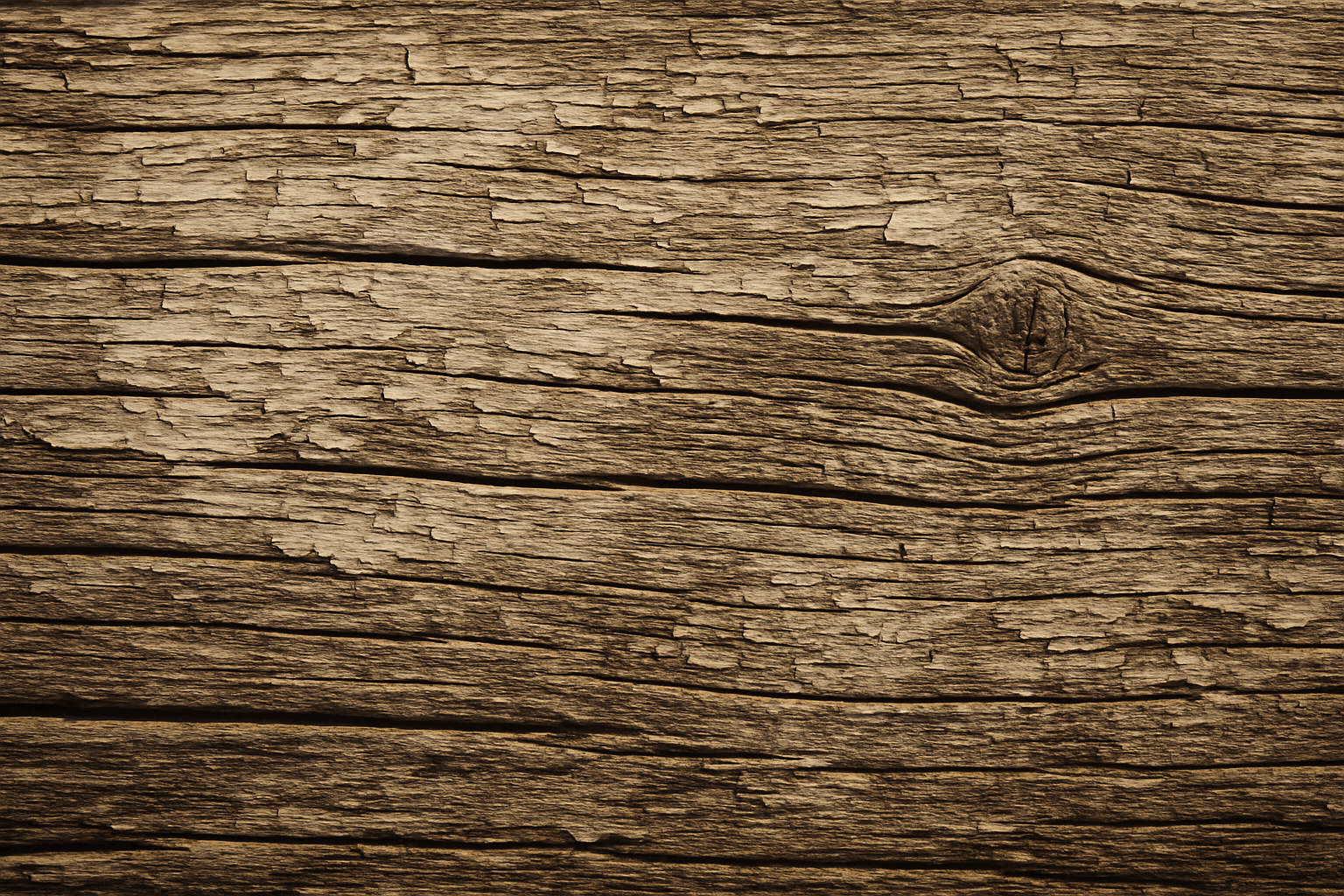
Weathered wood texture is prized in design and digital art for conveying authenticity and natural aging. It evokes warmth and rustic charm by representing wood that has been exposed to sun, rain, and wind over time. When used in AI prompt engineering, incorporating 'weathered wood texture' guides image generation models to produce materials that look tactile and imperfect, often featuring grain irregularities, color variations, and surface damage. This texture works well for backgrounds, architectural visualization, product packaging, and artistic projects where natural, worn aesthetics are desired, adding depth and storytelling potential to digital imagery.
Definition
"Weathered Wood Texture" describes the appearance of wood surfaces that have naturally aged or been deliberately distressed to showcase characteristics like cracks, faded paint, grain irregularities, and color shifts. In AI image generation, adding this keyword signals the model to emphasize rustic and worn wooden material qualities rather than smooth or new surfaces, enhancing realism by simulating natural degradation.
Visual Characteristics
- Prominent grain patterns with visible cracks, splits, and small chips
- Muted color palette featuring grays, browns, and faded tones
- Surface details like peeling paint, moss, roughness, or slight discoloration
Prompt Formula
Use prompt formulas that position 'weathered wood texture' alongside descriptive lighting and detail cues to ensure realism and depth. For example, combine with adjectives and conditions like 'close-up', 'natural sunlight', 'detailed grain', 'faded paint', or 'rustic ambiance' to guide the AI effectively.
- Close-up of weathered wood texture with cracked grain and soft natural light
- Rustic wood surface featuring weathered texture, peeling paint, and subtle moss
- Detailed weathered wood texture on aged plank, muted colors, sunlit
Best Use Cases
- Creating backgrounds and surfaces in rustic or vintage interior designs
- Forming authentic packaging or branding materials with natural wood aesthetics
- Enhancing artistic projects needing tactile, aged material visuals
Creative Variations
To avoid repetitive outputs, vary your prompts by experimenting with different lighting conditions such as golden hour versus overcast, adding elements like moss or peeling paint, and adjusting composition from macro close-ups to wider contextual shots. Play with color shifts toward warmer or cooler tones and integrate seasonal cues like autumn leaves or rain effects for added narrative.
- Golden hour lighting casting warm tones on weathered wood
- Macro shot focusing on wood grain cracks with morning dew
- Cold, desaturated weathered wood with subtle frost and muted background
Professional Workflow
First, define the desired aesthetic and function for your weathered wood texture images. Use precise prompts combining 'weathered wood texture' with lighting and detail specifications to generate candidates. Review outputs for realistic texture and color fidelity, selecting images with authentic imperfections. Refine through iterative prompting or post-processing for color balance and enhanced contrast to meet project needs efficiently.
Related Styles
- Rustic Wood Texture
- Distressed Wood
- Aged Wood Surface
Model-Specific Tips
When prompting across different AI image models, be explicit in describing texture qualities such as "cracked grain," "faded paint," or "surface roughness." Avoid overly technical jargon; instead, use clear, sensory descriptors. Incorporate environmental context to anchor the texture naturally. Test prompt variations and adjust adjectives to match how each model interprets texture detail levels, ensuring consistent results without relying on model-specific tokens.
FAQ
How can I make AI-generated weathered wood textures look more realistic?
Include detailed descriptors of cracks, color fading, and surface wear in your prompt. Adding lighting conditions and close-up views helps emphasize texture. Also, iterating prompts with synonyms and environmental details like moss or peeling paint increases realism.
Can I use weathered wood texture prompts for 3D modeling?
Yes, AI-generated images with realistic weathered wood textures can be used as references or texture maps in 3D modeling and rendering workflows, enhancing the natural appearance of wood surfaces.
Continue Exploring
Related Prompts
Rustic Metal Texture
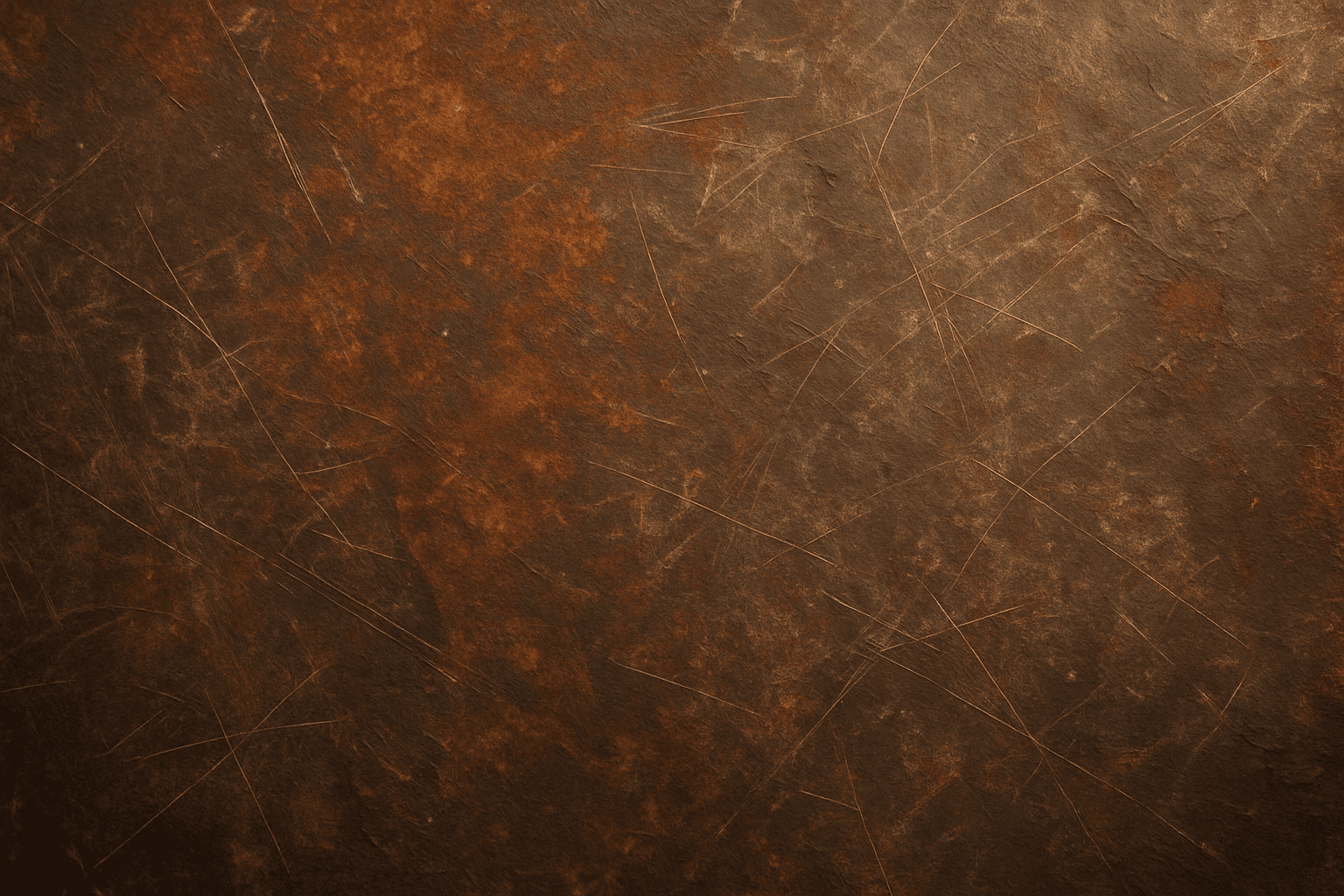
Using the Rustic Metal Texture keyword in AI image generation prompts enables artists and designers to depict materials that evoke a tactile sense of history and industrial age charm. The effect mimics the natural aging process on metals, featuring oxidation, pitting, and surface irregularities, which deliver a realistic and visually compelling finish. This texture works well in designs requiring an authentic vintage or handcrafted aesthetic, often used to contrast smoother, newer materials or to emphasize material quality and environment. Incorporating this keyword enhances the feel of depth and realism, making digital renders more tangible and atmospheric for editorial, product visualization, and concept art contexts.
Aged Rusted Metal Texture
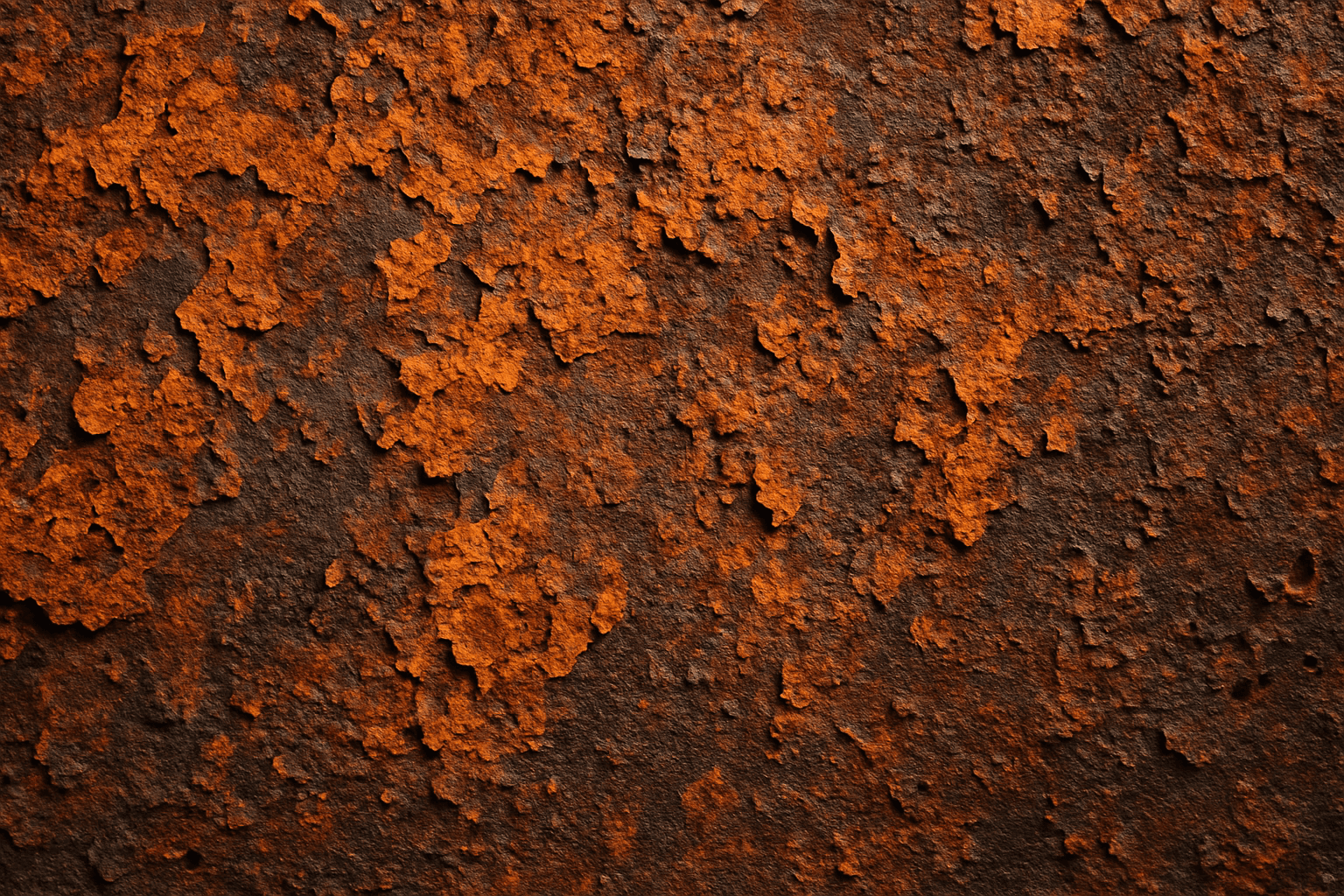
The keyword "Aged Rusted Metal Texture" evokes imagery of metal that has undergone natural corrosion over time, resulting in unique and complex surface patterns. In AI-generated visuals, this texture adds authenticity and vintage character, often featuring combinations of flaky rust, oxidized patches, and distressed metal surfaces. It enhances the tactile quality of materials and conveys a sense of history or neglect. Such textures are essential in design, art, and modeling when a raw, industrial, or antique aesthetic is desired. By manipulating this keyword in prompts, creators can produce diverse and compelling interpretations of rusted metal suitable for backgrounds, product renders, and artistic compositions.

Wood Grain Surface Texture
Wood grain surface texture captures the intricate patterns and natural beauty found in wooden materials. This texture is characterized by flowing lines, knots, and a warm color palette that conjures the organic essence of wood. When incorporated in AI image generation prompts, it helps models produce authentic wooden surfaces, from smooth polished floors to rustic furniture with visible fibers. Wood grain lends tactile depth and aesthetic appeal, making images more immersive and rich in detail. Its versatility allows for use across design, interior visualization, product mockups, and artistic compositions, enhancing the material realism dramatically.
Cracked Paint Wall Texture
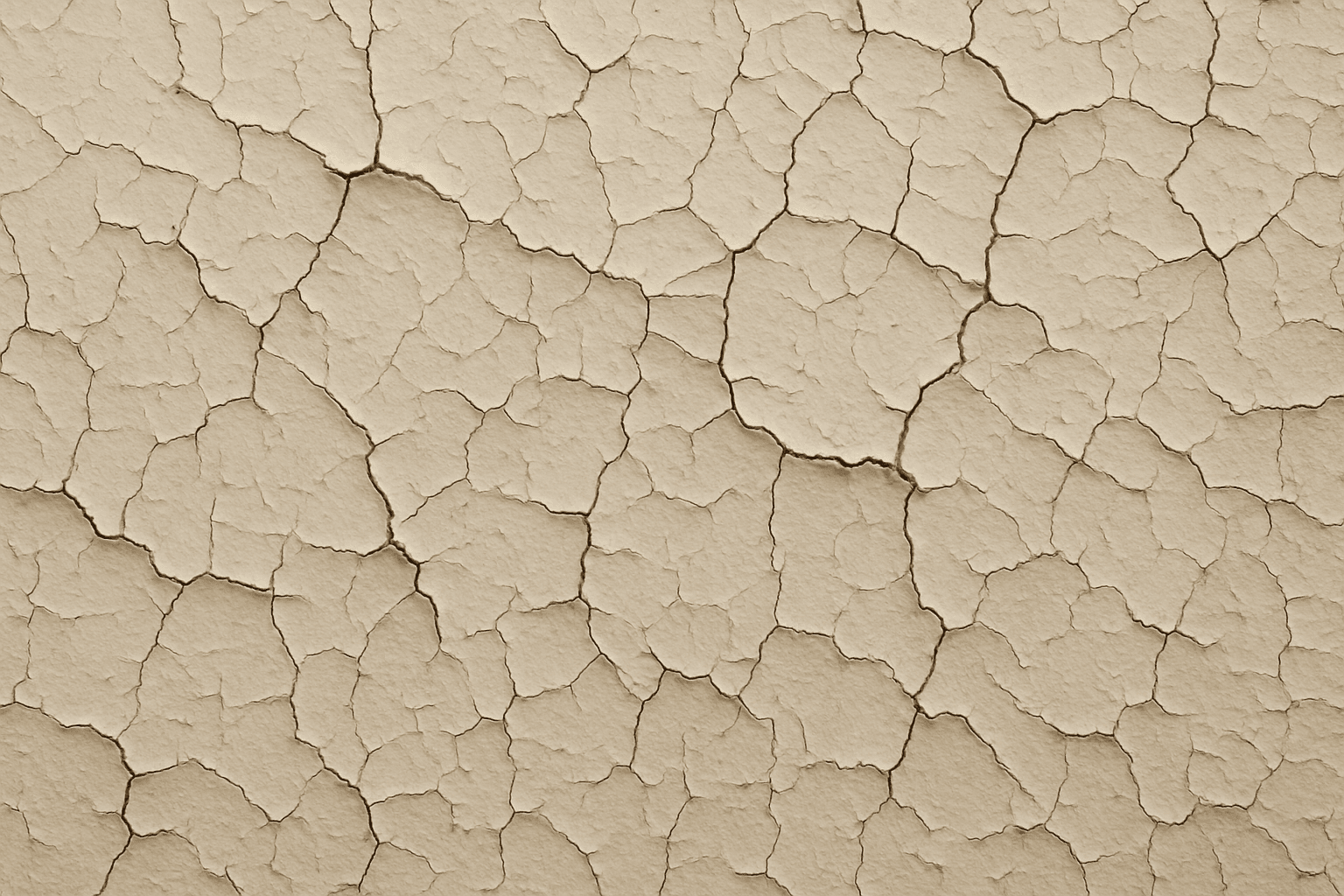
Cracked paint wall texture is a highly sought-after element in digital art and design for its ability to convey urban decay, vintage charm, or neglected environments. When applied to AI image generation, this keyword guides models to create detailed and photorealistic renderings of distressed wall surfaces marked by peeling, cracking, and flaking paint. These textures can evoke strong visual interest and tactile realism, ideal for use in backgrounds, material references, or concept art. Incorporating cracked paint enhances an image’s authenticity by simulating natural deterioration effects often seen in outdoor or abandoned settings, influencing the mood with aged aesthetics and weathered charm.
Rustic Stone Texture
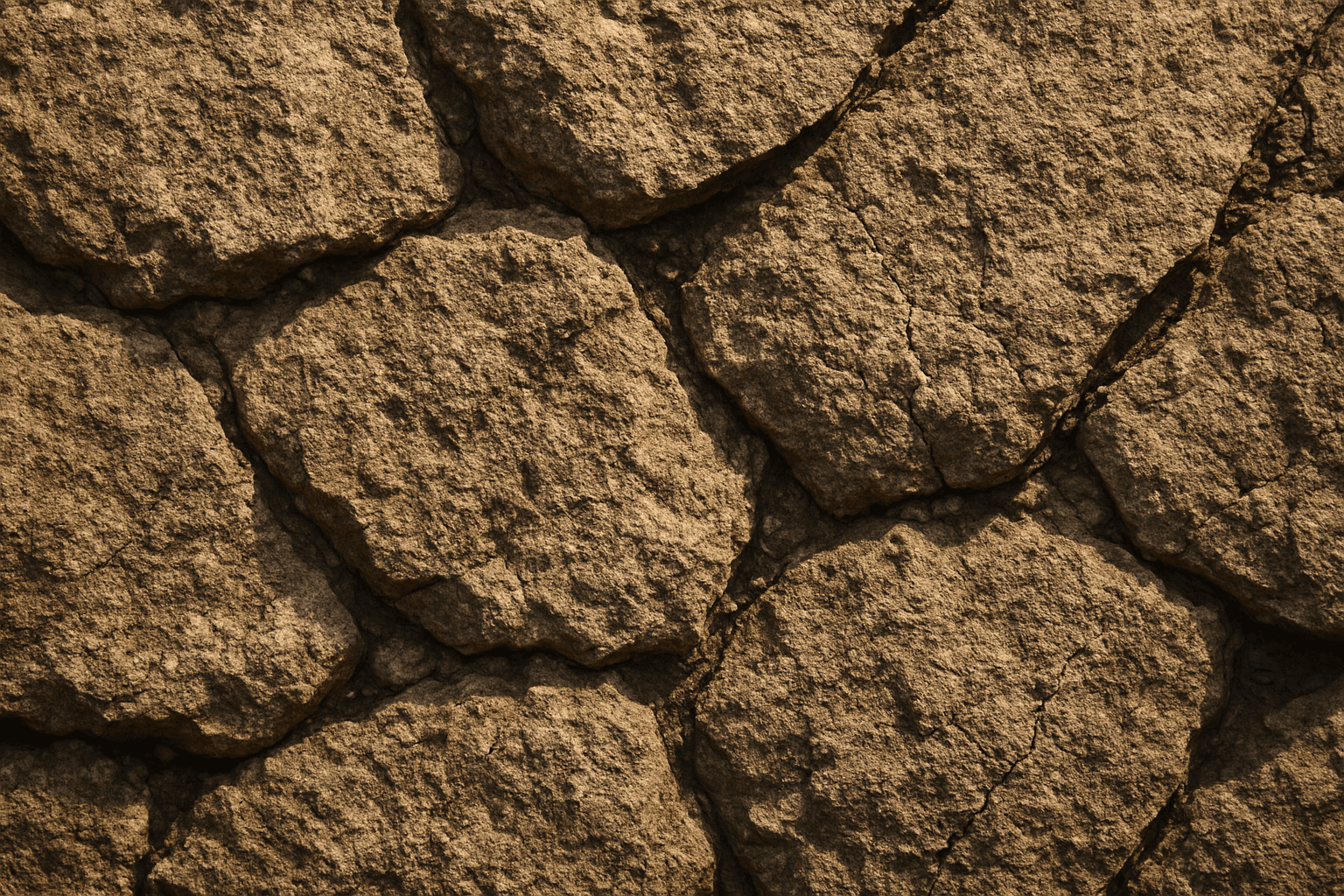
Rustic Stone Texture captures the charm of natural, unpolished stone surfaces, commonly found in outdoor walls, patios, and countryside architecture. When used as an AI prompt keyword, it guides image generation toward materials that have a raw, tactile quality with an irregular and aged look. This texture is highly valuable for artists and designers aiming to depict authentic stonework or vintage construction details. The keyword enhances image realism by emphasizing stone’s natural imperfections such as cracks, chips, and coarse grains. This makes it an excellent choice for backgrounds, architectural visualizations, and product mockups needing an organic, weathered material feel.
Polished Wood Texture
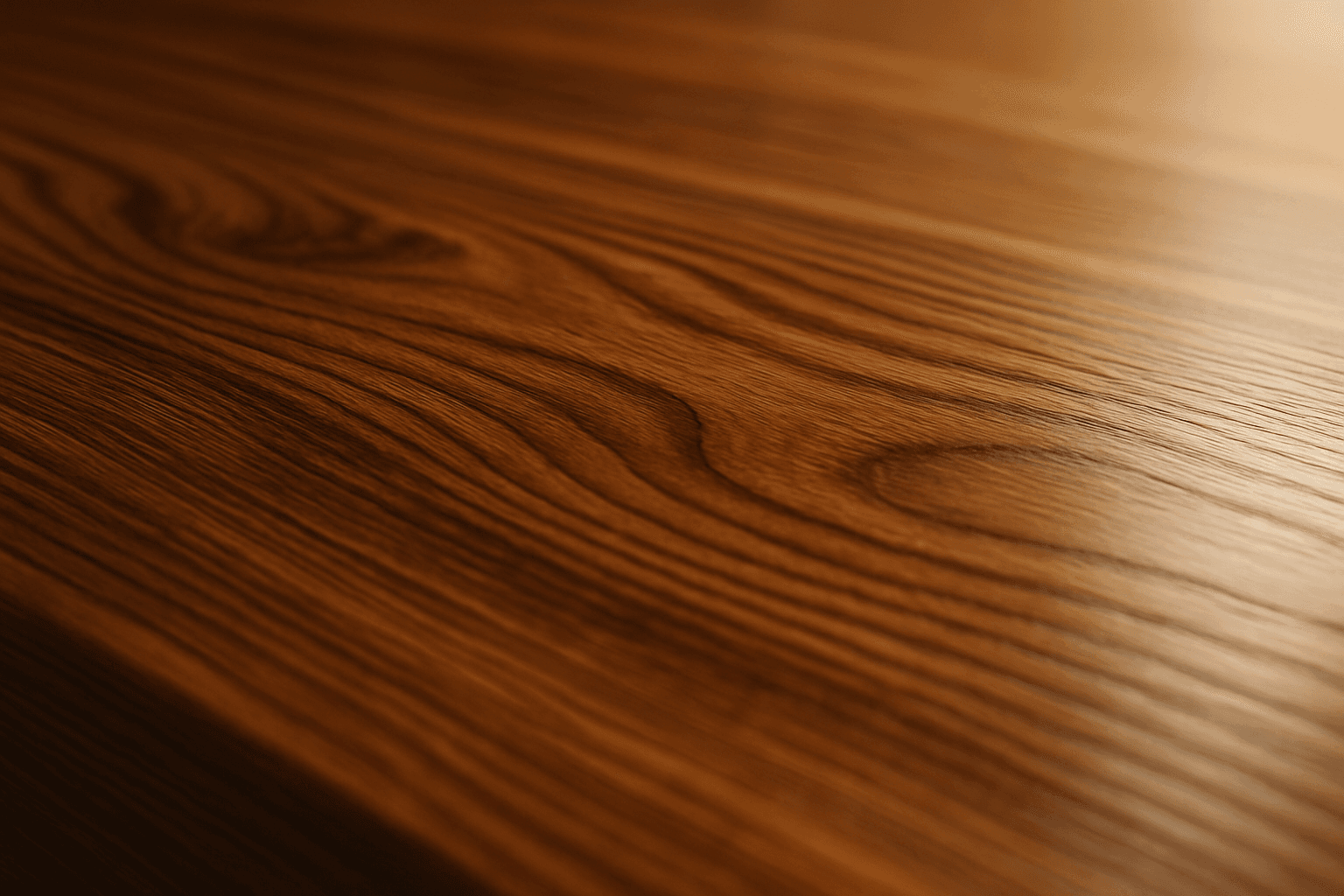
The 'Polished Wood Texture' keyword is essential for creating highly realistic and visually appealing wood surfaces in AI-generated imagery, especially in product design, interior visualization, and material studies. This texture emphasizes the fine finish and reflective qualities of wood that has been carefully sanded and treated with a glossy coating, producing subtle light reflections and depth. Using this keyword, artists and designers can quickly convey a sense of luxury, craftsmanship, and natural warmth in their images. It works effectively with various wood types and complements modern editorial aesthetics that value clean, premium material representations. Leveraging this texture in AI-generated images helps achieve a refined realism suitable for high-end design presentations or stock imagery.