Rustic Stone Texture
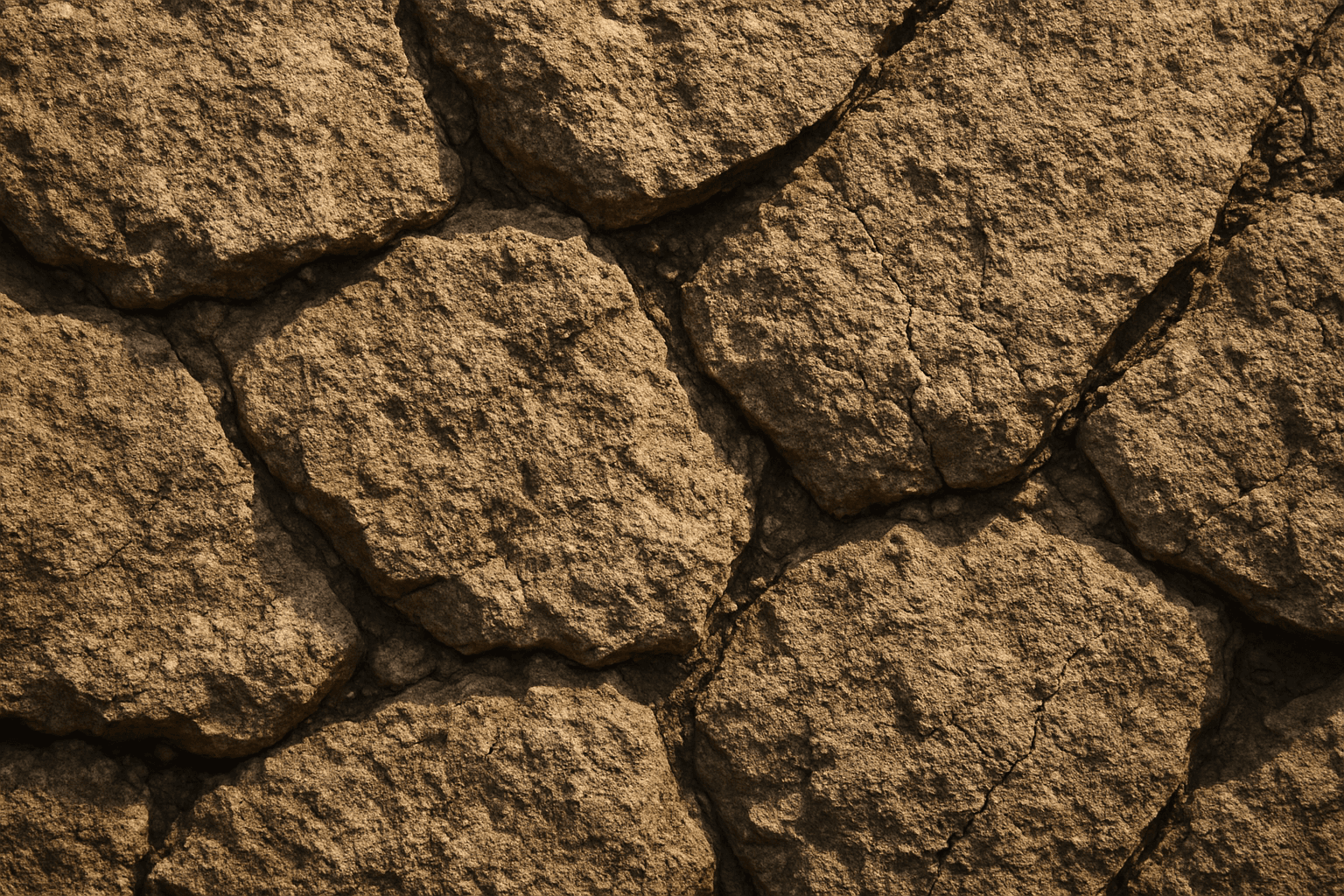
Rustic Stone Texture captures the charm of natural, unpolished stone surfaces, commonly found in outdoor walls, patios, and countryside architecture. When used as an AI prompt keyword, it guides image generation toward materials that have a raw, tactile quality with an irregular and aged look. This texture is highly valuable for artists and designers aiming to depict authentic stonework or vintage construction details. The keyword enhances image realism by emphasizing stone’s natural imperfections such as cracks, chips, and coarse grains. This makes it an excellent choice for backgrounds, architectural visualizations, and product mockups needing an organic, weathered material feel.
Definition
Rustic Stone Texture describes a visual pattern in AI-generated images that mimics the imperfect, rough surface of natural stone, often used to create authentic, aged material effects. Including this keyword in a prompt guides the AI to render stones with coarse grains, cracks, and uneven forms, contributing to a tactile and realistic stone appearance in the image.
Prompt Formula
- rustic stone texture, rough surface, natural irregular stones
- weathered rustic stone texture with visible cracks and moss
- close-up of rustic stone texture, coarse grains, earthy tones
Best Use Cases
- Designing backgrounds for rustic architecture or garden imagery
- Creating realistic materials for video game environment assets
- Crafting product designs and branding with a natural, handcrafted feel
Related Styles
- Weathered Brick Texture for aged urban surfaces
- Natural Rock Surface focusing more on larger rock formations
- Coarse Granite Texture emphasizing crystalline stone patterns
Model-Specific Tips
For optimal results with Rustic Stone Texture, use descriptive terms emphasizing natural imperfections such as 'weathered', 'coarse grains', and 'irregular shapes'. Combine this keyword with lighting descriptors like 'soft natural light' or 'diffused sunlight' to enhance stone surface details. Avoid overly stylized terms to maintain realism. Testing combinations with modifiers such as 'moss-covered' or 'rough-hewn' can add variation suited for different scene narratives. Using the keyword towards the start of the prompt often weights material quality effectively without overwhelming overall composition.
FAQ
How can I make the rustic stone texture look more realistic in AI images?
Include descriptive modifiers such as 'weathered', 'natural imperfections', and specify lighting like 'soft natural light' to enhance texture details. Combining Rustic Stone Texture with environmental elements, such as moss or dirt, also adds realism.
Can Rustic Stone Texture be used for modern architectural renders?
Yes, especially when aiming to blend contemporary design with natural or vintage elements, Rustic Stone Texture adds organic character and tactile detail that contrasts modern materials.
Is Rustic Stone Texture suitable for close-up shots?
Absolutely. Close-up prompts focusing on Rustic Stone Texture highlight its fine grains, cracks, and roughness, making for compelling detailed material studies.
Continue Exploring
Related Prompts
Rustic Metal Texture
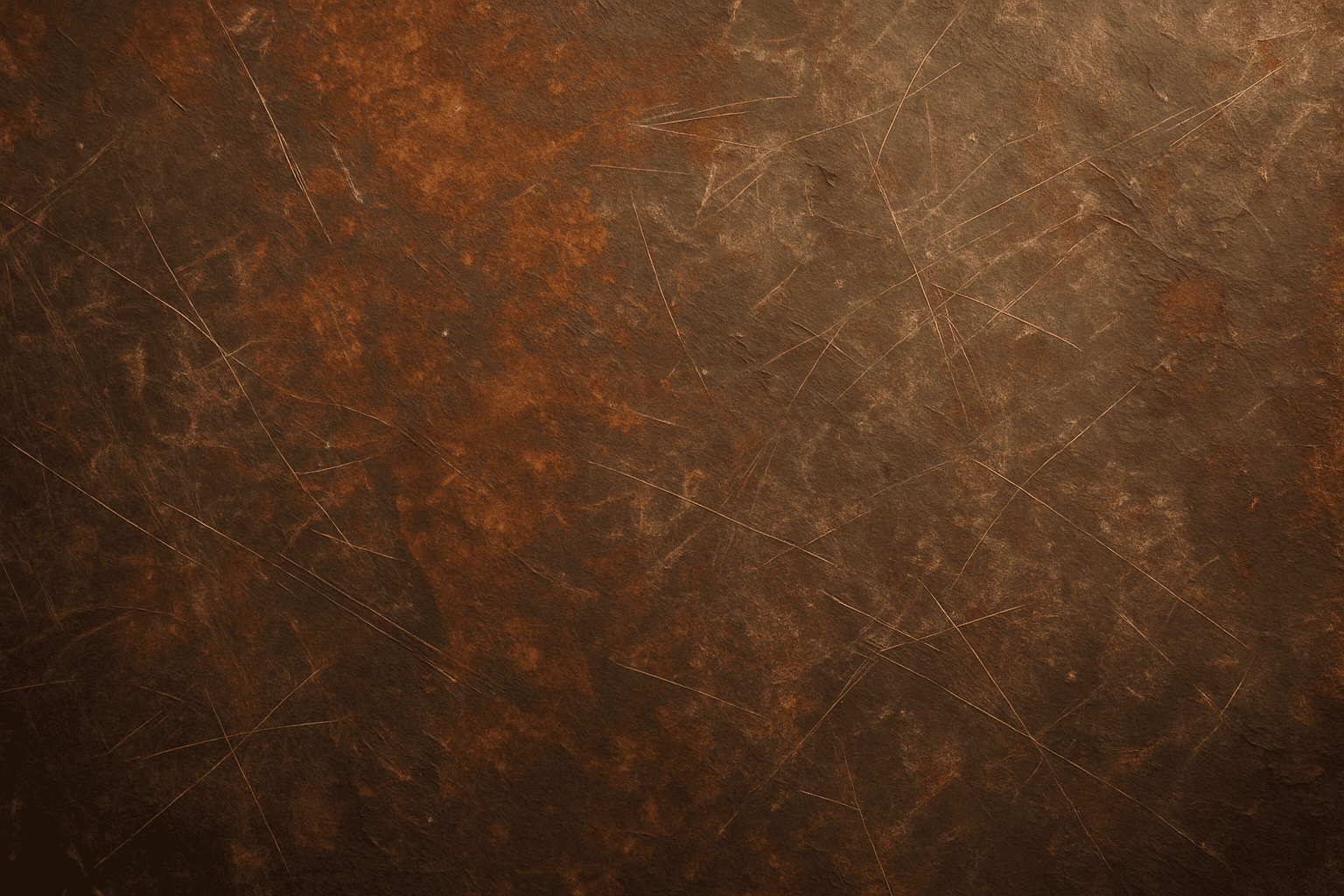
Using the Rustic Metal Texture keyword in AI image generation prompts enables artists and designers to depict materials that evoke a tactile sense of history and industrial age charm. The effect mimics the natural aging process on metals, featuring oxidation, pitting, and surface irregularities, which deliver a realistic and visually compelling finish. This texture works well in designs requiring an authentic vintage or handcrafted aesthetic, often used to contrast smoother, newer materials or to emphasize material quality and environment. Incorporating this keyword enhances the feel of depth and realism, making digital renders more tangible and atmospheric for editorial, product visualization, and concept art contexts.
Rough Stone Surface Texture
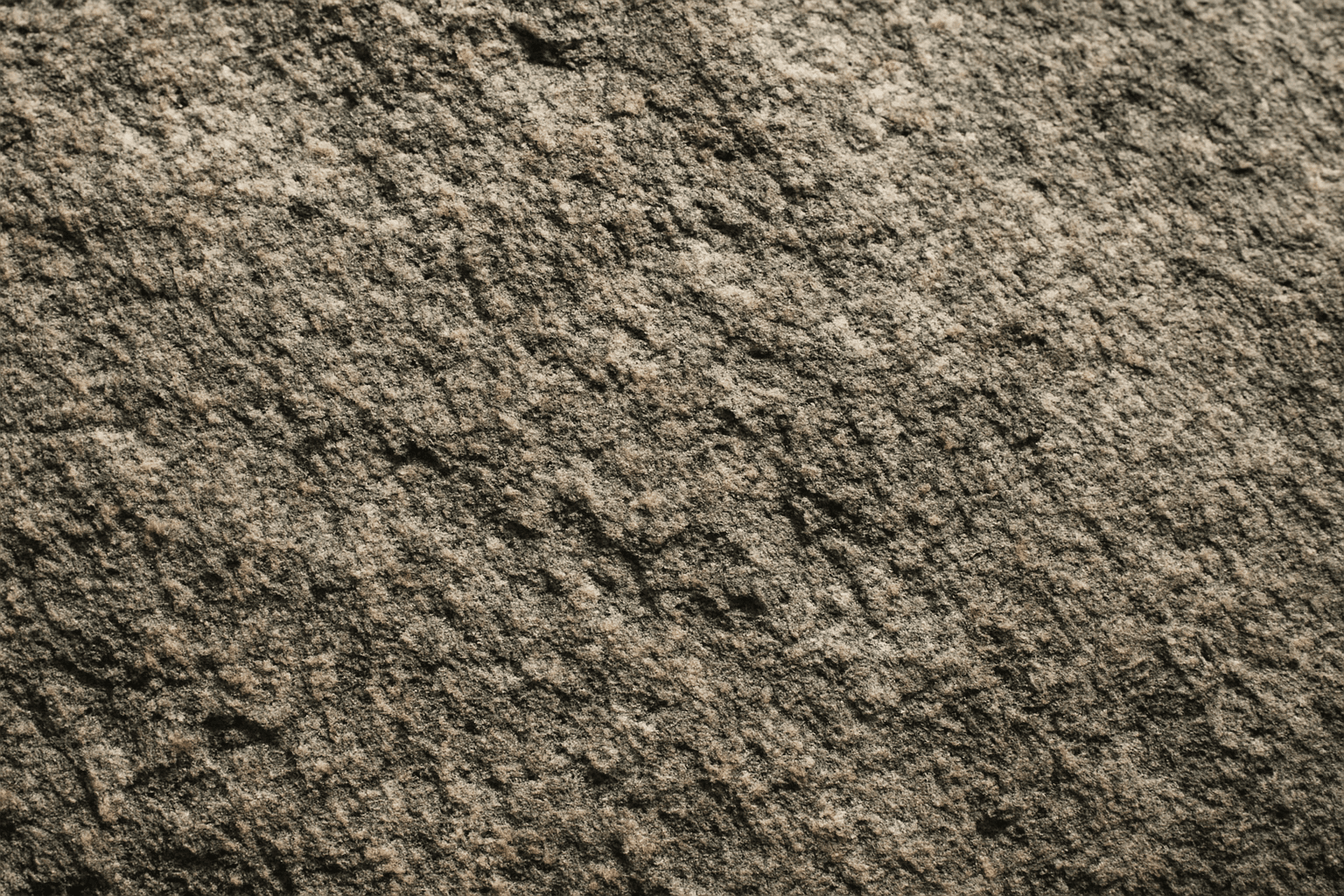
The 'rough stone surface texture' keyword enriches AI-generated images by emphasizing the coarse and uneven qualities of stone materials. Incorporating this into prompts directs the AI to produce surfaces with natural irregularities, such as grains, cracks, and rugged edges, which simulate real-world rough stone. This texture adds depth and realism, making visuals suitable for architectural renders, backgrounds, or tactile material studies. By mastering this keyword, creators can enhance visual storytelling where material authenticity plays a key role in immersion or aesthetic appeal.
Rough Stone Texture
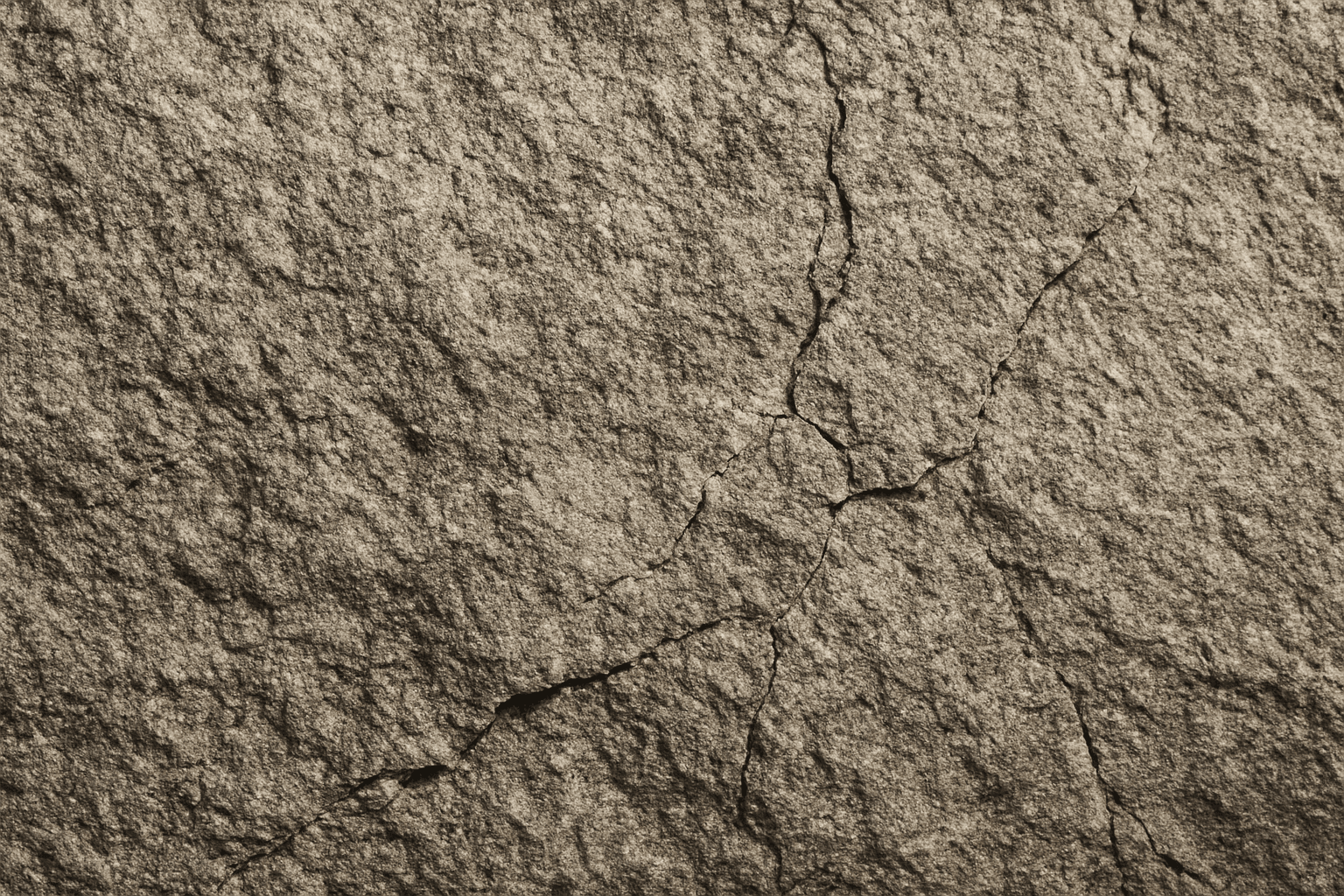
The 'Rough Stone Texture' keyword enhances AI-generated images by simulating the complex irregularities found in natural stone surfaces. This texture adds depth and authenticity to visuals, making materials appear tactile and rugged rather than smooth or artificial. It is especially valuable in rendering natural elements, architectural details, or backgrounds requiring realistic stone appearance. Using precise prompts with this keyword guides AI models toward creating images with detailed stone grains, cracks, and surface imperfections, aligning with authentic rough stone features found in nature or construction materials.
Granular Surface Texture
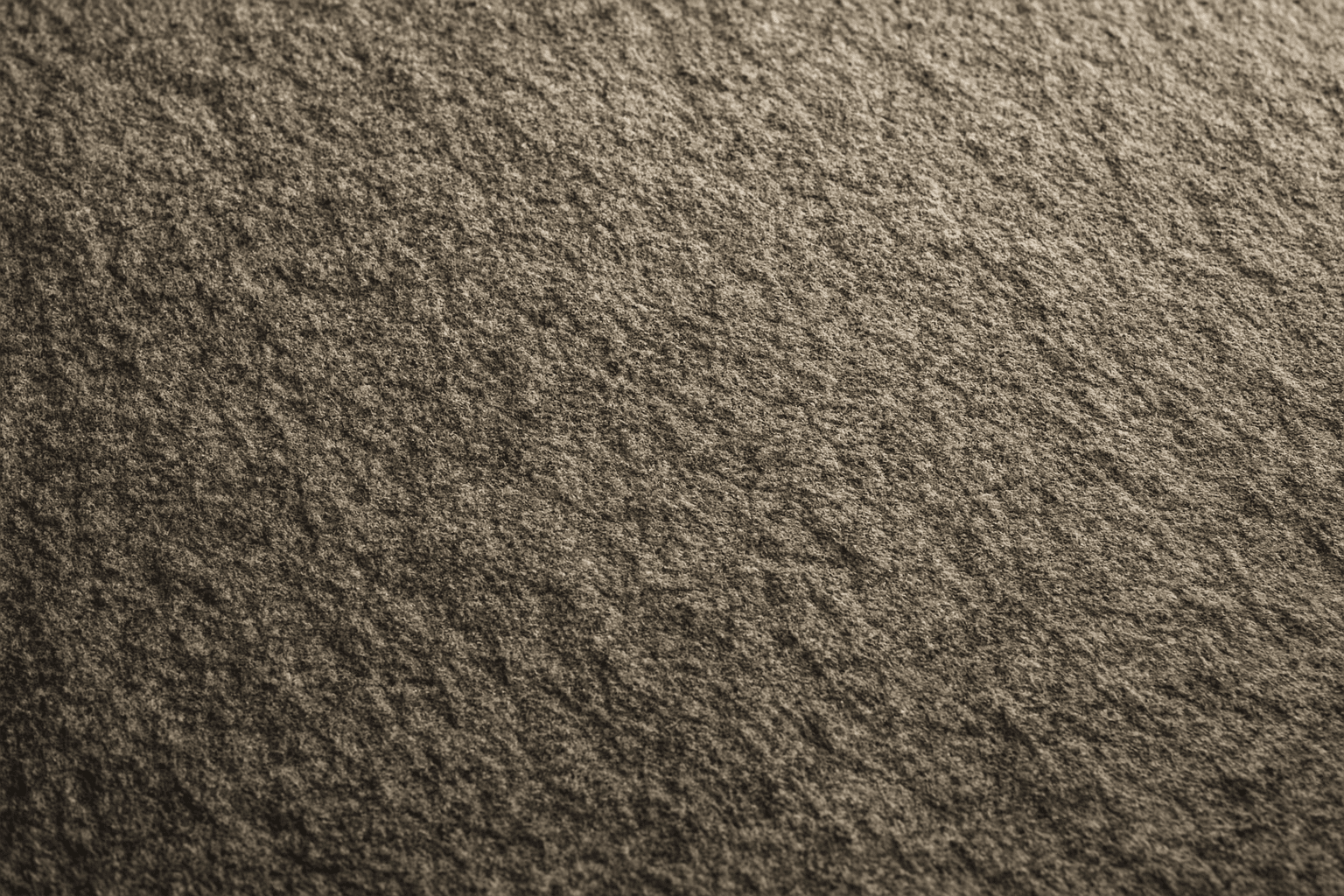
Granular Surface Texture is a key descriptive keyword used in AI image prompting to achieve photorealistic and tactile surfaces characterized by finely distributed grains or tiny particles. This texture offers an intricate level of detail that enriches the material quality of objects, making them appear more natural and tangible. When included in prompts, it encourages the generation of surfaces akin to sandpaper, concrete, rough fabric, or unpolished stone, providing visual complexity that appeals to designers and artists alike. Its use can transform otherwise flat or generic surfaces into engaging, dynamic visuals with depth and interest. This makes it valuable across many creative projects, from product visualization to environmental design.
Weathered Wood Texture
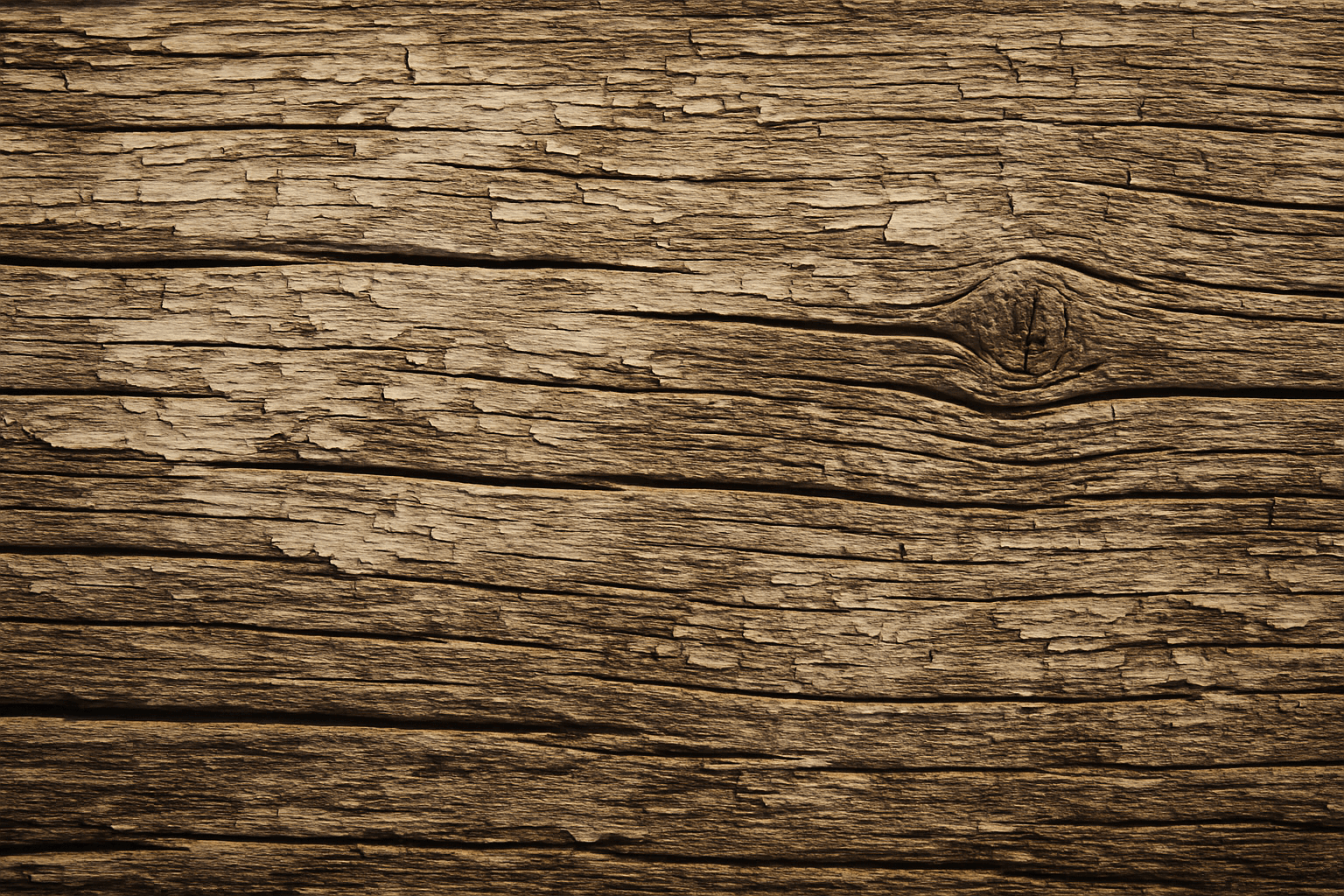
Weathered wood texture is prized in design and digital art for conveying authenticity and natural aging. It evokes warmth and rustic charm by representing wood that has been exposed to sun, rain, and wind over time. When used in AI prompt engineering, incorporating 'weathered wood texture' guides image generation models to produce materials that look tactile and imperfect, often featuring grain irregularities, color variations, and surface damage. This texture works well for backgrounds, architectural visualization, product packaging, and artistic projects where natural, worn aesthetics are desired, adding depth and storytelling potential to digital imagery.
Concrete Floor Texture
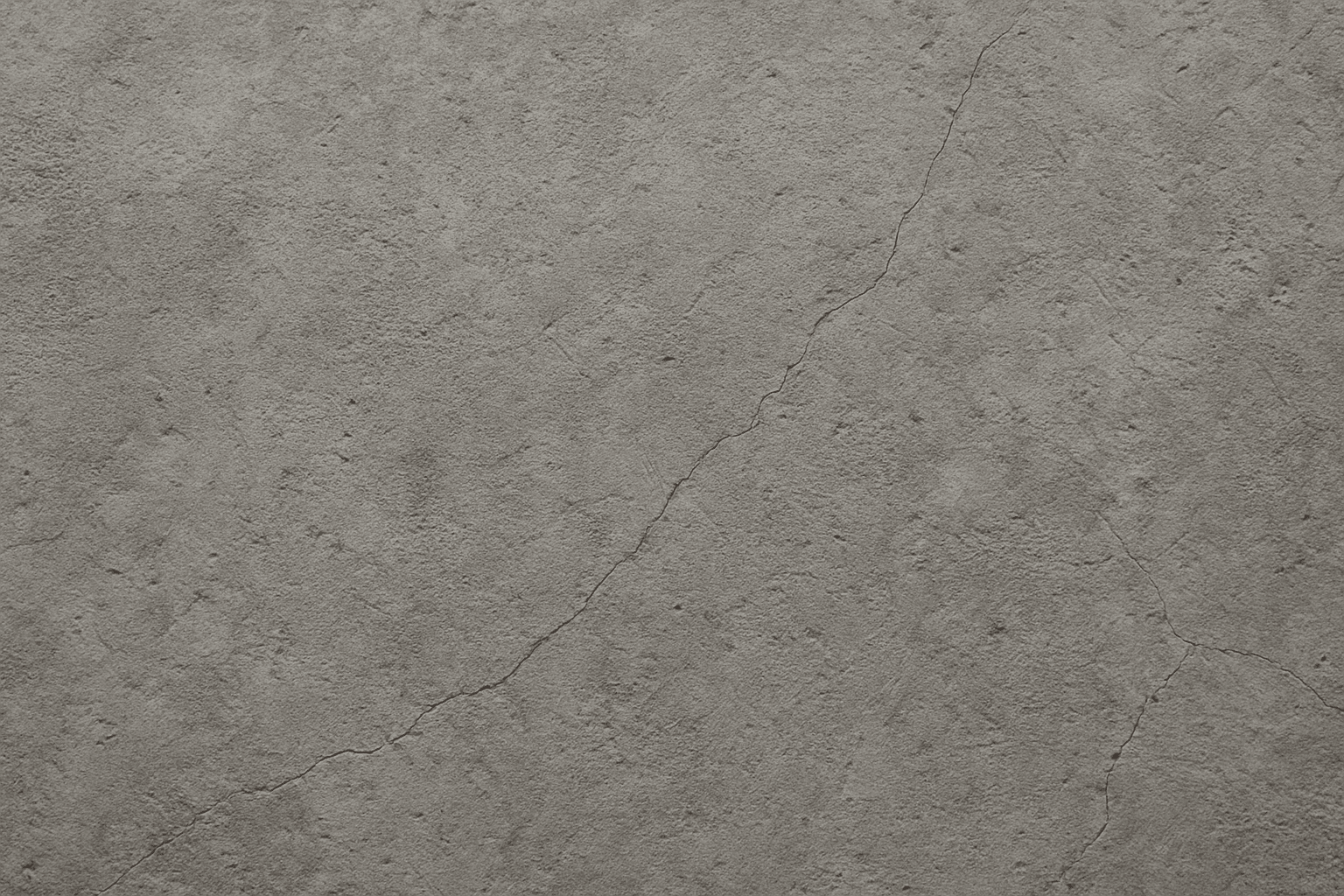
In AI image generation, 'Concrete Floor Texture' is a valuable keyword for producing surfaces that convincingly imitate real concrete. The texture embodies a mix of roughness, mild imperfections, and muted gray shades that convey an industrial or urban environment. Including this keyword enriches image realism, contributing tactile authenticity to floors, walls, or backgrounds. Designers, architects, and visual artists often use concrete textures to enhance the depth and grounded feel of their work, as it anchors objects in believable settings. Whether used in minimalist interiors or rugged outdoor spaces, this texture elevates a scene's atmosphere by introducing a tangible element that's both practical and visually compelling.