Granular Surface Texture
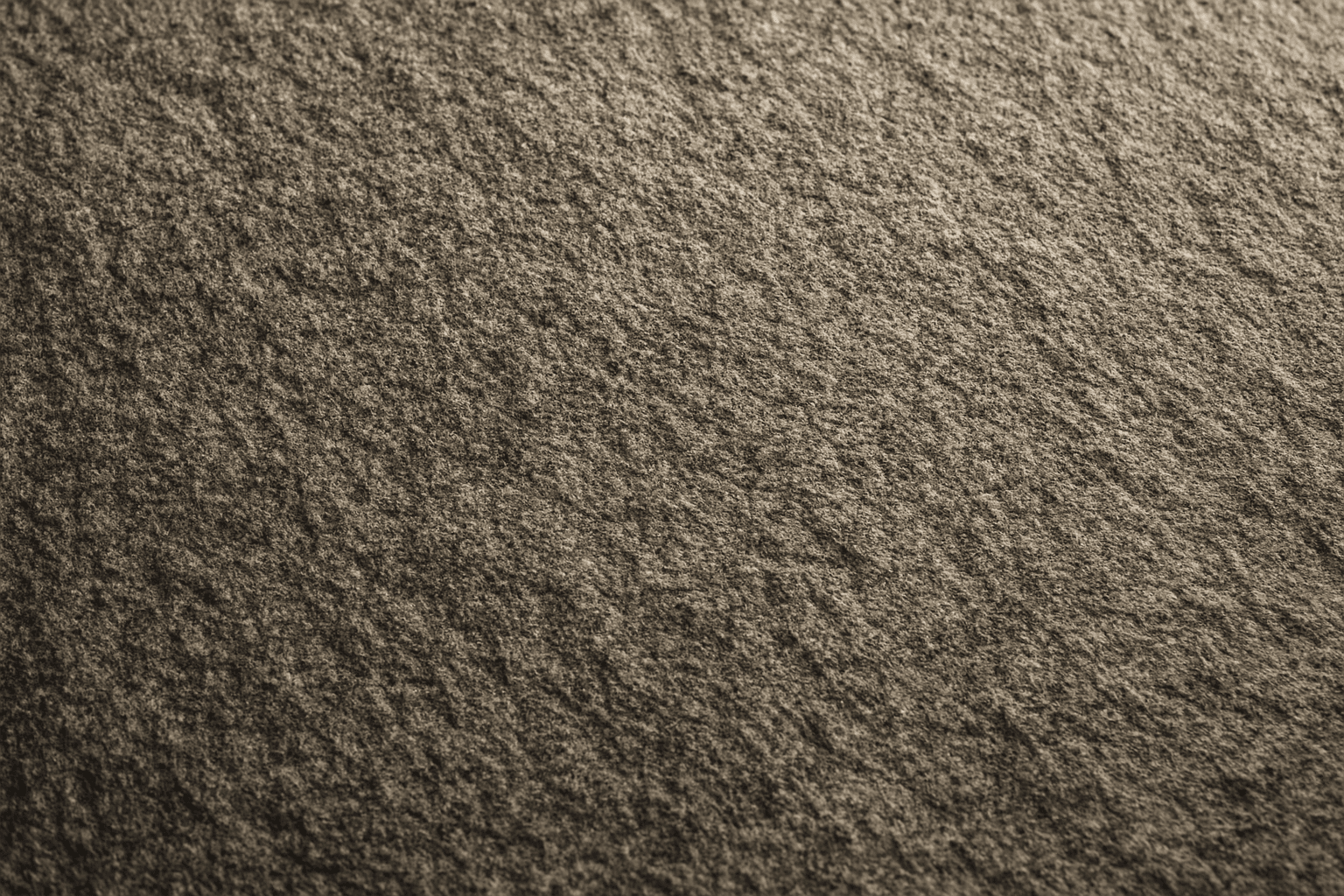
Granular Surface Texture is a key descriptive keyword used in AI image prompting to achieve photorealistic and tactile surfaces characterized by finely distributed grains or tiny particles. This texture offers an intricate level of detail that enriches the material quality of objects, making them appear more natural and tangible. When included in prompts, it encourages the generation of surfaces akin to sandpaper, concrete, rough fabric, or unpolished stone, providing visual complexity that appeals to designers and artists alike. Its use can transform otherwise flat or generic surfaces into engaging, dynamic visuals with depth and interest. This makes it valuable across many creative projects, from product visualization to environmental design.
Definition
Granular Surface Texture describes a surface appearance defined by numerous tiny, grain-like particles that form a rough, tactile pattern. In AI image prompting, using this keyword encourages the model to render materials with this fine, distinct graininess, imparting both visual interest and a sense of touch. It alters the image outcome by adding micro-detail, helping surfaces avoid looking overly smooth or artificial.
Visual Characteristics
- Fine, densely packed grainy patterns without smooth uniformity
- Soft shadows and highlights that reveal subtle surface dimension
- An organic irregularity that suggests natural materials over synthetic gloss
Prompt Formula
To effectively incorporate granular surface texture in AI prompts, use combinations emphasizing material type and lighting that accentuates texture. For example, phrase structures like "[material] with granular surface texture, pronounced micro-detail, side lighting," or "close-up of [object] showcasing granular texture under diffused natural light" provide clear guidance for realistic results.
- [Material] with granular surface texture, natural side light
- Macro shot of [object] showing granular texture in soft light
- Detailed close-up of [material] exhibiting fine granular surface pattern
Best Use Cases
- Realistic product shots needing natural tactile detail
- Architectural renders displaying materials like stone or concrete
- Natural scenes focusing on elements such as sand or bark surfaces
Creative Variations
To diversify the appearance of granular surface textures, consider applying different lighting settings such as dramatic side light or soft ambient light to enhance shadows and highlights. Experiment with color tones, from warm earthy hues to cold grays, to shift emotional impact. Vary composition by focusing on macro close-ups or broader surfaces, and integrate stylistic elements like minimalism or high contrast to avoid repetitive imagery.
- Vary lighting: soft diffuse vs. dramatic side light
- Change color palette: warm earth tones or cool neutrals
- Adjust composition: macro close-up or textured background
Industry Applications
- Ecommerce product photography to highlight material authenticity
- Advertising visuals requiring tactile realism for premium branding
- Editorial illustrations in lifestyle or nature publications
Common Mistakes
A frequent error when using granular surface texture in prompts is over-specifying or stacking conflicting texture keywords, which can produce muddled or unnatural results. Avoid using overly generic terms like 'rough' without granular specificity, as this leads to less detailed outputs. Also, insufficient lighting description may cause flat textures lacking dimension. To prevent this, pair granular texture with clear lighting and material context.
- Overloading prompts with multiple texture descriptors causing clutter
- Using vague terms like 'rough' without granular detail
- Neglecting lighting cues that reveal texture depth
FAQ
How does adding granular surface texture impact AI image realism?
It introduces micro-details and tactile roughness that make surfaces appear more natural and less artificially smooth, enhancing overall realism.
Can granular surface texture be combined with other texture types?
Yes, but it should be done carefully to avoid conflicting or overly busy textures that reduce clarity and realism in the image.
Continue Exploring
Related Prompts

Rough Concrete Surface Texture
The 'Rough Concrete Surface Texture' keyword is essential for generating realistic architectural and artistic images where material authenticity is key. This texture conveys the tactile sensation of coarse, unfinished concrete, distinguished by its irregular surface, visible small stones, and imperfections like cracks and pores. Including this keyword in AI prompts enhances image realism by focusing on material detail. It is especially valuable in designs requiring gritty, industrial, or urban aesthetics, contributing to a sense of depth and authenticity in both digital and print projects. Mastery of rendering this texture helps designers and artists produce compelling visuals that resonate with users seeking raw and tangible surfaces.
Chalkboard Surface Texture
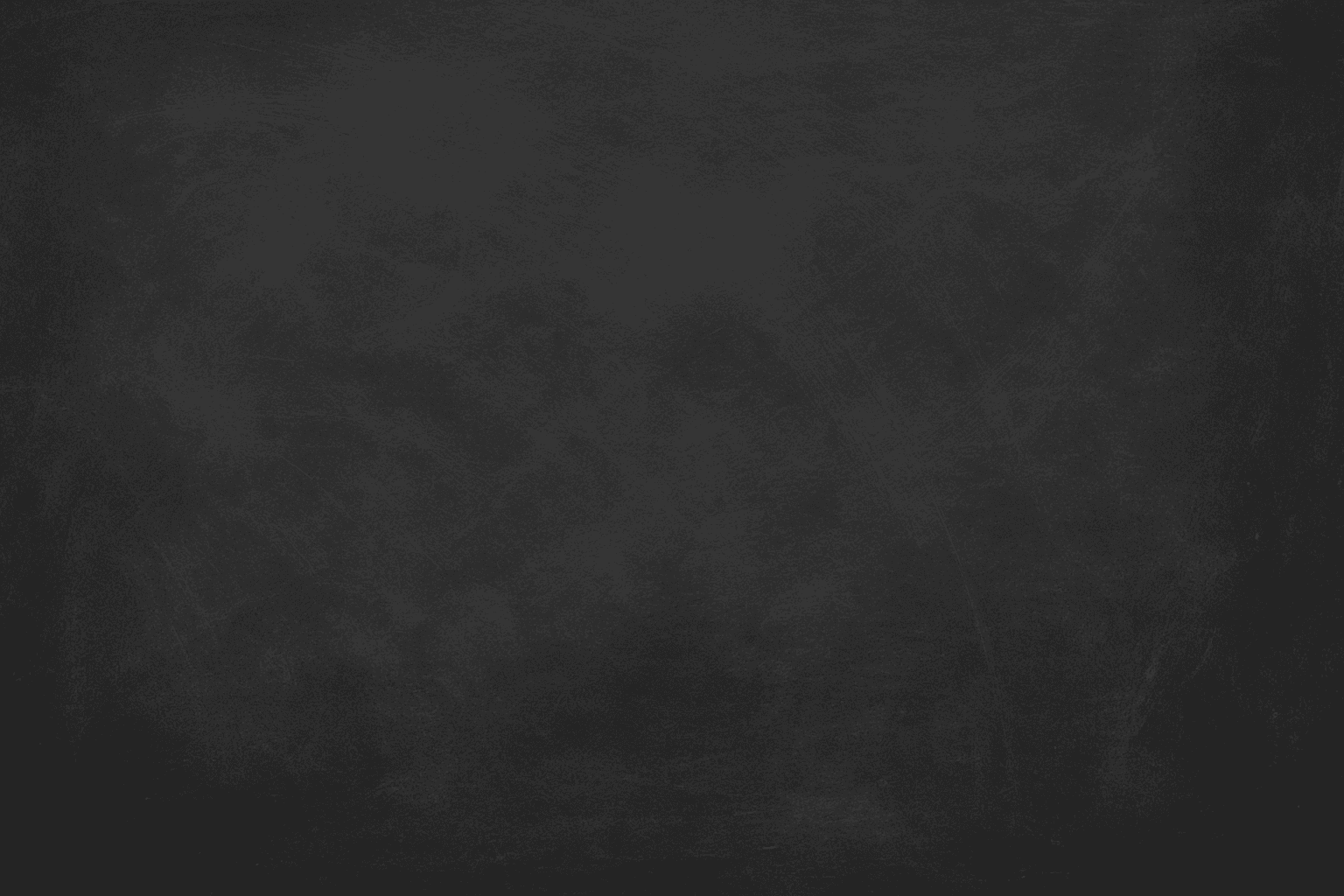
Chalkboard Surface Texture captures the unique look and feel of traditional blackboards commonly used in classrooms. It combines dark, matte backgrounds with subtle surface grains and visible chalk-related markings like smudges and partial rubbings. This texture adds tactility and context to illustrations, educational materials, design projects, or product simulations involving chalkboards. When integrated into AI image prompts, it guides the AI to emphasize realistic surface details and material qualities, avoiding overly smooth or flat rendering. This results in images that evoke familiarity and authenticity, making them ideal for conveying variety in textural compositions or thematic classroom scenarios.
Rough Stone Surface Texture
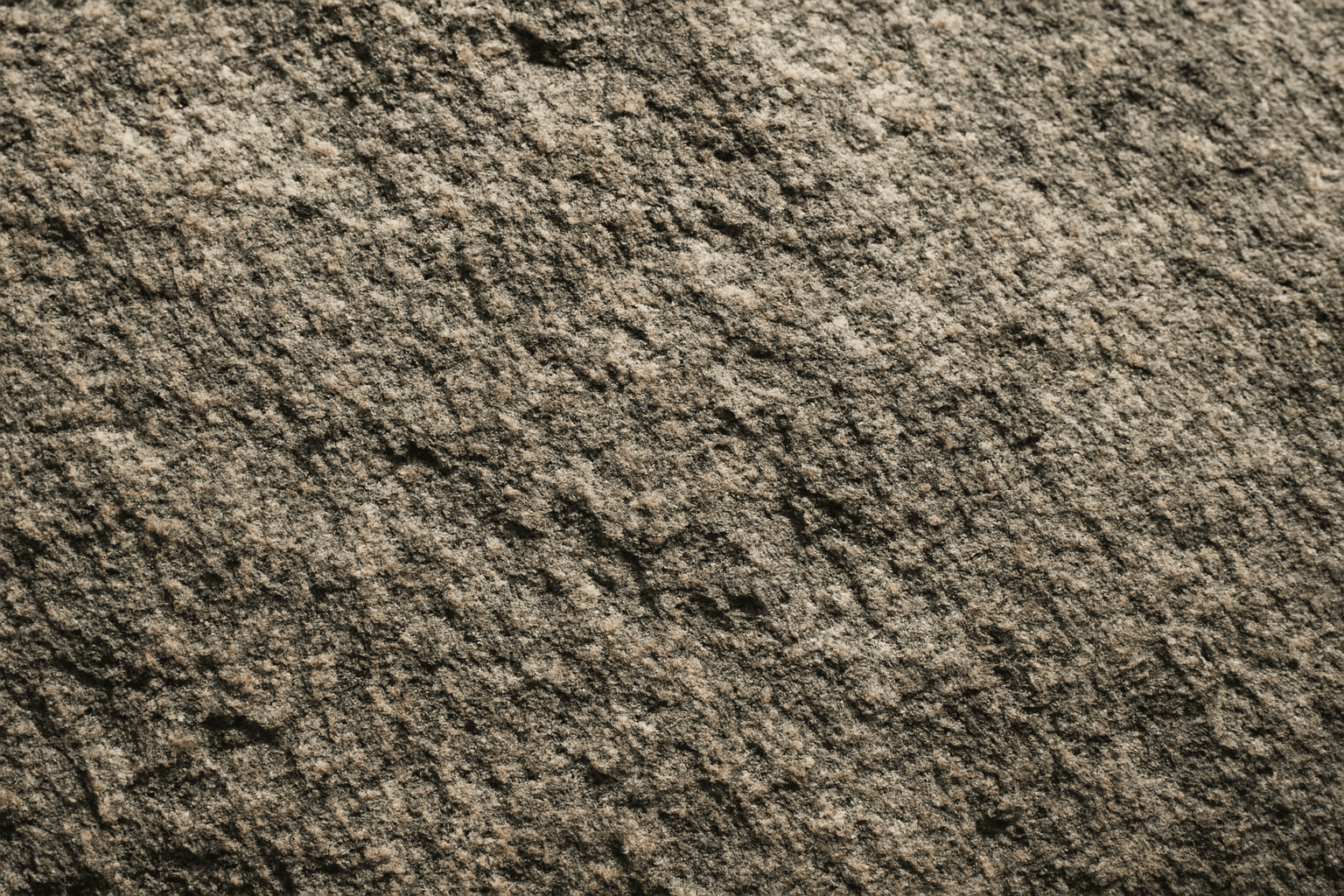
The 'rough stone surface texture' keyword enriches AI-generated images by emphasizing the coarse and uneven qualities of stone materials. Incorporating this into prompts directs the AI to produce surfaces with natural irregularities, such as grains, cracks, and rugged edges, which simulate real-world rough stone. This texture adds depth and realism, making visuals suitable for architectural renders, backgrounds, or tactile material studies. By mastering this keyword, creators can enhance visual storytelling where material authenticity plays a key role in immersion or aesthetic appeal.
Texture Overlay Technique
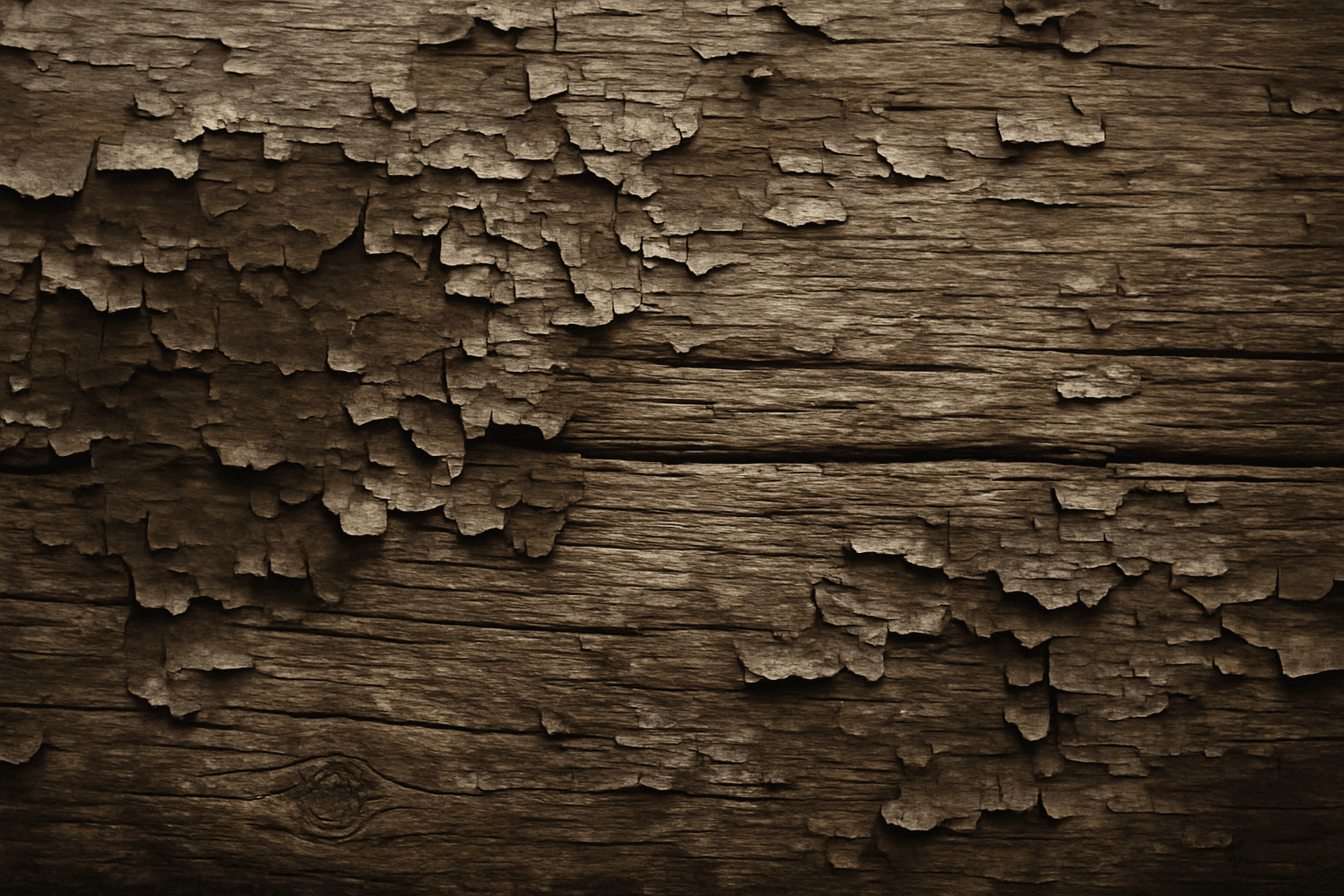
Texture Overlay Technique is a powerful method in AI image generation that improves the visual quality of outputs by simulating the appearance of varied material surfaces. By incorporating texture descriptors directly into prompts, users influence the model to apply intricate overlays such as cracks, fabric weaves, wood grains, or metallic finishes. This enriches images with a tactile sense, making them more engaging and lifelike. This technique is especially useful in design, art, and advertising where material authenticity impacts viewer perception. Mastering texture overlays helps prompt creators elevate simple base images into sophisticated visuals with nuanced surface dynamics.

Wood Grain Surface Texture
Wood grain surface texture captures the intricate patterns and natural beauty found in wooden materials. This texture is characterized by flowing lines, knots, and a warm color palette that conjures the organic essence of wood. When incorporated in AI image generation prompts, it helps models produce authentic wooden surfaces, from smooth polished floors to rustic furniture with visible fibers. Wood grain lends tactile depth and aesthetic appeal, making images more immersive and rich in detail. Its versatility allows for use across design, interior visualization, product mockups, and artistic compositions, enhancing the material realism dramatically.
Matte Surface Texture
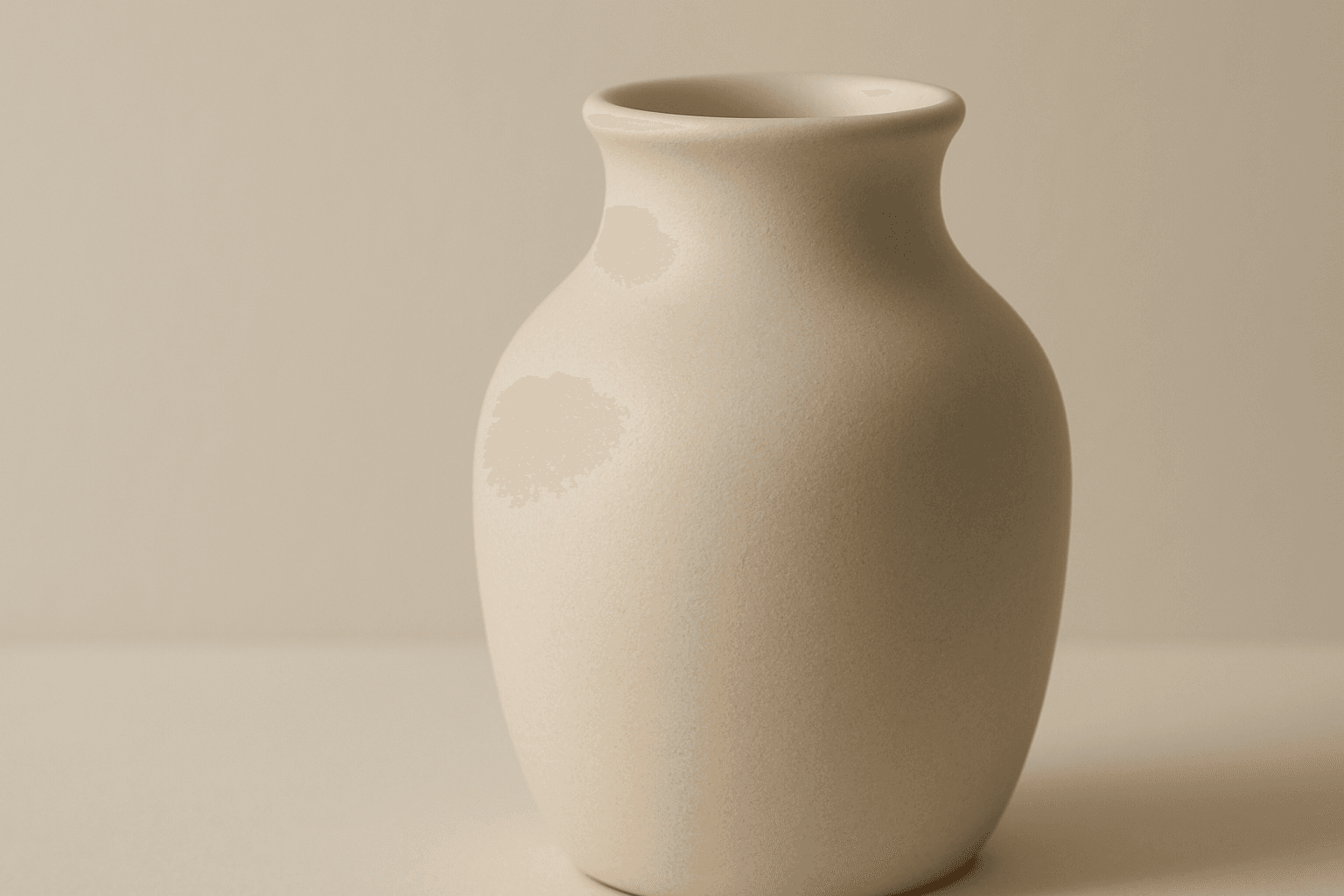
The 'Matte Surface Texture' keyword in AI image generation is fundamental when aiming for realism and subtlety in material appearance. Unlike glossy or reflective surfaces, matte textures offer a restrained light interaction, producing soft shadows and even visual tones. This texture is valued for its fine grain, softness, and understated elegance, making images appear modern and refined. Including this keyword enhances the material rendition of subjects like ceramics, paper, cloth, or painted surfaces, enabling photorealistic or stylized outputs that emphasize tactile qualities without distracting reflections. It's especially effective for editorial visuals, product mockups, and interior materials where controlling reflection is crucial.