Rough Concrete Surface Texture
The 'Rough Concrete Surface Texture' keyword is essential for generating realistic architectural and artistic images where material authenticity is key. This texture conveys the tactile sensation of coarse, unfinished concrete, distinguished by its irregular surface, visible small stones, and imperfections like cracks and pores. Including this keyword in AI prompts enhances image realism by focusing on material detail. It is especially valuable in designs requiring gritty, industrial, or urban aesthetics, contributing to a sense of depth and authenticity in both digital and print projects. Mastery of rendering this texture helps designers and artists produce compelling visuals that resonate with users seeking raw and tangible surfaces.

Definition
The term 'Rough Concrete Surface Texture' refers to the detailed visual appearance of concrete that is coarse and uneven, characterized by visible aggregate, pores, and surface imperfections. For beginners using AI image generation, including this keyword in a prompt helps model algorithms produce realistic images of concrete with tactile, imperfect surfaces rather than smooth or polished ones. It emphasizes the material's rugged feel and granular details, vital for authenticity in visual work involving raw construction materials or urban environments.
- Specifies a coarse, uneven concrete surface
- Emphasizes texture irregularities and natural pores
- Enhances material realism in AI-generated images
Prompt Formula
Create versatile prompt structures to consistently capture the essence of rough concrete textures. Combine material descriptors with lighting and context cues to guide AI models effectively.
- "[Subject] with rough concrete surface texture, [lighting style], [camera angle]"
- "Close-up on rough concrete, showing pores and aggregate, in [environment]"
- "Texture detail: rough concrete surface, natural cracks, uneven finish, [mood]"
Best Use Cases
- Architectural exteriors highlighting raw concrete facades
- Urban backgrounds featuring sidewalks or walls with weathered concrete
- Industrial design concepts emphasizing rugged, durable materials
Advanced Techniques
To elevate realism, combine 'rough concrete surface texture' with nuanced constraints: specify lighting that accentuates shadows within pores and cracks; include environmental context like moisture effects or weather exposure. Use modifiers like "hyper-detailed" or "macro close-up" to sharpen micro-texture details. Additionally, layering with related textures like moss, dust, or chipped paint can produce complex, authentic surfaces.
- Use macro perspectives to highlight surface granularity
- Incorporate weathering terms like "faded" or "eroded" for aged effects
- Apply lighting descriptors: "diffuse sunlight" or "harsh shadows" to emphasize texture depth
- Mix related materials such as moss or rust overlays for realism
- Specify photorealistic rendering styles for enhanced detail
Professional Workflow
Start by defining the visual purpose—architectural, artistic, or commercial—to tailor the rough concrete texture detail accordingly. Draft prompts using the formula sections, iterating phrasing to balance detail with style. Generate initial images and select the best candidates focusing on surface clarity and realism. Refine chosen outputs via upscaling or inpainting to improve texture consistency. Finally, test images in intended contexts (e.g., backgrounds or product renders) to ensure compatibility.
- Clarify use case and required visual style
- Build prompts combining texture and environment descriptors
- Generate multiple samples and assess texture fidelity
- Refine via iterative prompt tuning or editing
- Validate final image usability within design projects
Related Styles
- Polished Concrete Surface Texture for smooth, refined materials
- Cracked Concrete Surface Texture emphasizing structural wear
- Weathered Concrete Texture showing aged and eroded effects
FAQ
How do I make rough concrete textures look more realistic in AI images?
Include detailed descriptors such as "visible aggregate", "natural cracks", and "uneven surface" in your prompt. Use lighting terms like "soft shadows" or "diffuse natural light" to highlight texture depth. Combining close-up views with high resolution helps capture tactile details effectively.
Can I combine rough concrete with other textures in AI prompts?
Yes, combining rough concrete with textures such as moss, rust, chipped paint, or dirt can create complex, realistic surfaces. Use conjunctions like 'with' or commas to connect descriptors, e.g., "rough concrete surface texture with moss patches."
Continue Exploring
Related Prompts
Rough Stone Surface Texture
The 'rough stone surface texture' keyword enriches AI-generated images by emphasizing the coarse and uneven qualities of stone materials. Incorporating this into prompts directs the AI to produce surfaces with natural irregularities, such as grains, cracks, and rugged edges, which simulate real-world rough stone. This texture adds depth and realism, making visuals suitable for architectural renders, backgrounds, or tactile material studies. By mastering this keyword, creators can enhance visual storytelling where material authenticity plays a key role in immersion or aesthetic appeal.
Granular Surface Texture
Granular Surface Texture is a key descriptive keyword used in AI image prompting to achieve photorealistic and tactile surfaces characterized by finely distributed grains or tiny particles. This texture offers an intricate level of detail that enriches the material quality of objects, making them appear more natural and tangible. When included in prompts, it encourages the generation of surfaces akin to sandpaper, concrete, rough fabric, or unpolished stone, providing visual complexity that appeals to designers and artists alike. Its use can transform otherwise flat or generic surfaces into engaging, dynamic visuals with depth and interest. This makes it valuable across many creative projects, from product visualization to environmental design.
Concrete Floor Texture
In AI image generation, 'Concrete Floor Texture' is a valuable keyword for producing surfaces that convincingly imitate real concrete. The texture embodies a mix of roughness, mild imperfections, and muted gray shades that convey an industrial or urban environment. Including this keyword enriches image realism, contributing tactile authenticity to floors, walls, or backgrounds. Designers, architects, and visual artists often use concrete textures to enhance the depth and grounded feel of their work, as it anchors objects in believable settings. Whether used in minimalist interiors or rugged outdoor spaces, this texture elevates a scene's atmosphere by introducing a tangible element that's both practical and visually compelling.
Concrete Texture
Using 'Concrete Texture' as a keyword in AI image generation is essential when aiming to simulate authentic concrete surfaces. This texture is characterized by its rough, grainy appearance with fine cracks and natural variations in tone, which contribute to a realistic material effect. Incorporating 'Concrete Texture' enriches scenes by adding depth and tactility, suitable for architectural renders, product backgrounds, or abstract compositions. It helps avoid flat or artificial appearances of concrete elements by instructing the AI to focus on the physical traits of concrete surfaces. This keyword is especially useful when high-fidelity material depiction is required for design presentations or digital art.
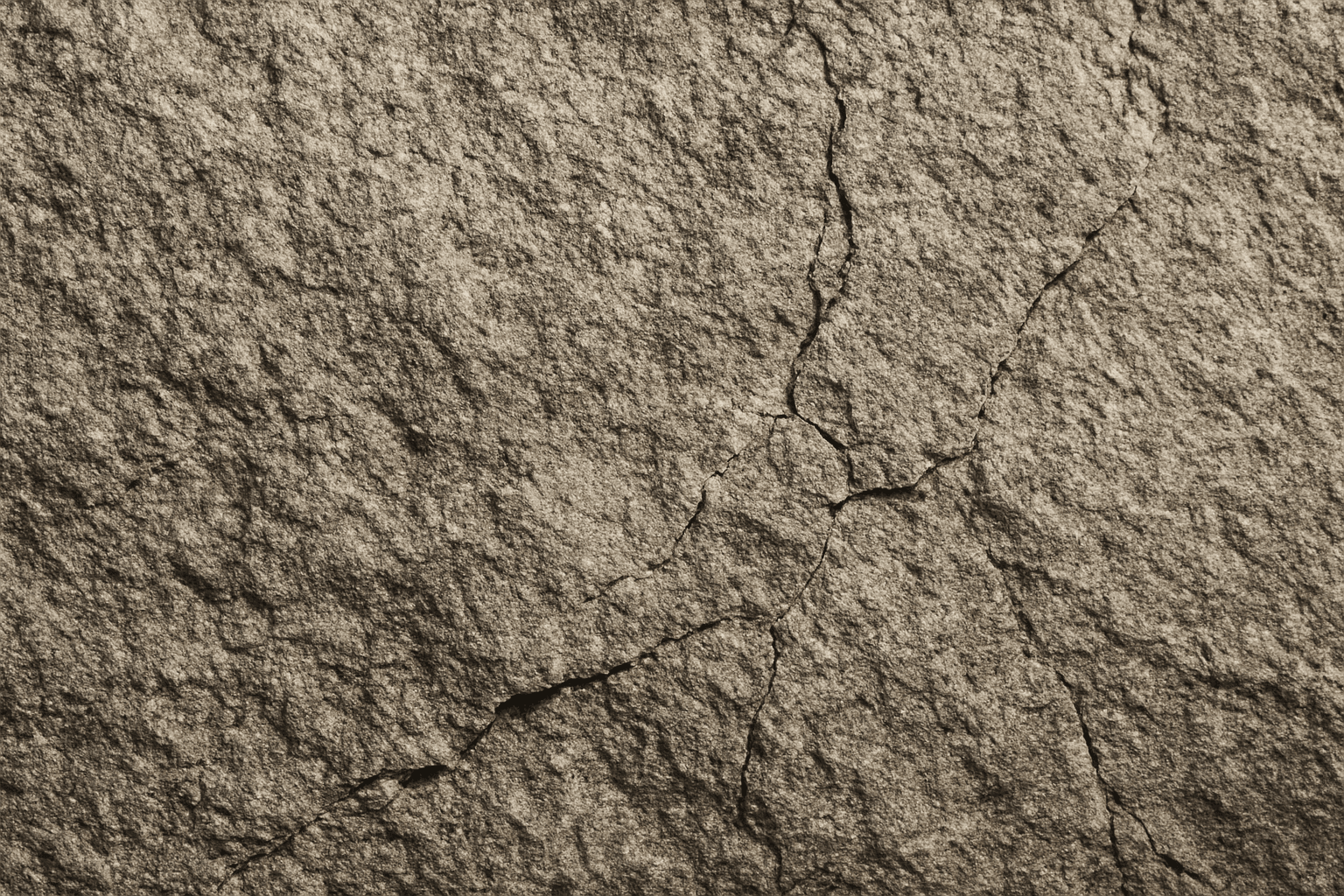
Rough Stone Texture
The 'Rough Stone Texture' keyword enhances AI-generated images by simulating the complex irregularities found in natural stone surfaces. This texture adds depth and authenticity to visuals, making materials appear tactile and rugged rather than smooth or artificial. It is especially valuable in rendering natural elements, architectural details, or backgrounds requiring realistic stone appearance. Using precise prompts with this keyword guides AI models toward creating images with detailed stone grains, cracks, and surface imperfections, aligning with authentic rough stone features found in nature or construction materials.
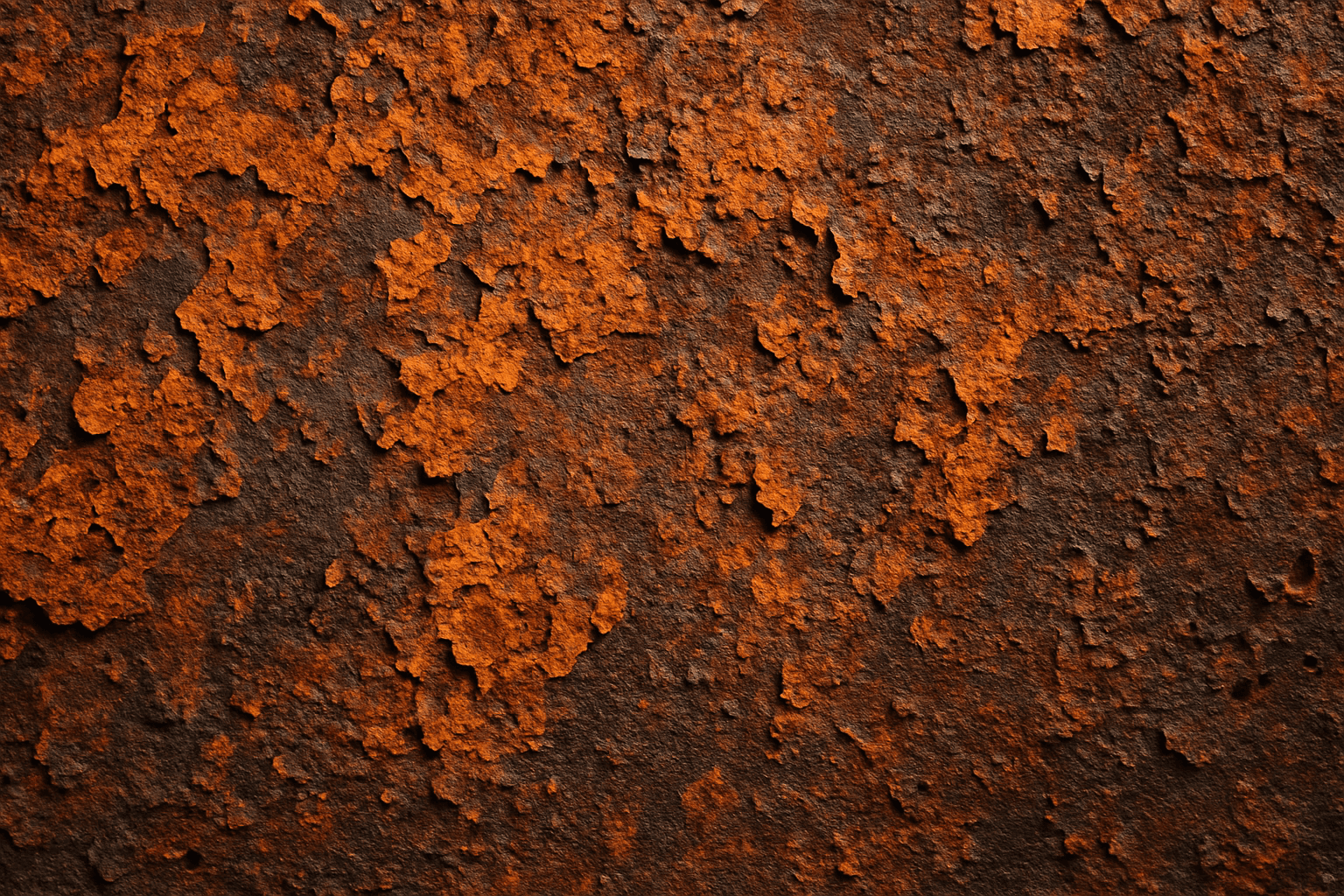
Aged Rusted Metal Texture
The keyword "Aged Rusted Metal Texture" evokes imagery of metal that has undergone natural corrosion over time, resulting in unique and complex surface patterns. In AI-generated visuals, this texture adds authenticity and vintage character, often featuring combinations of flaky rust, oxidized patches, and distressed metal surfaces. It enhances the tactile quality of materials and conveys a sense of history or neglect. Such textures are essential in design, art, and modeling when a raw, industrial, or antique aesthetic is desired. By manipulating this keyword in prompts, creators can produce diverse and compelling interpretations of rusted metal suitable for backgrounds, product renders, and artistic compositions.